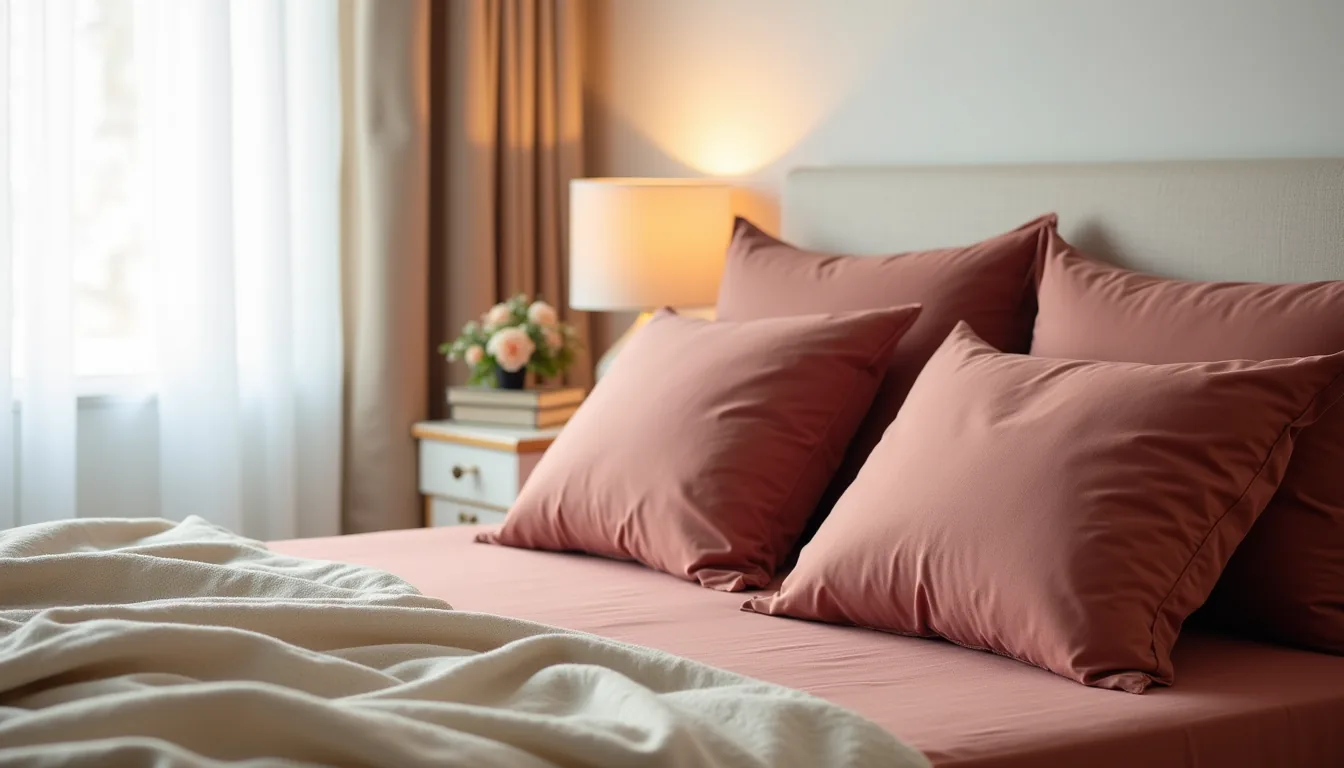
Valentines Day bedroom decor is less about hearts and more about making a deliberate choice between temporary romance, seasonal refresh, and a permanent statement that suits how you actually live. The right approach hinges on your budget, your lease terms, and how much visual noise you can tolerate at 7 a.m. On a workday.
Below, you’ll find six distinct routes, from a $30 candle-and-linen swap to a built-in headboard upgrade, each with the exact scale, placement, and maintenance trade-offs you need to decide in under five minutes.
Key takeaways
- Layer warm lighting using dimmable floor lamps and string lights to create romance without paint, wiring, or permanent fixtures.
- Swap bedding for velvet or satin duvets and throw pillows in blush or burgundy, a budget fix that takes under 15 minutes and works for small or large rooms.
- Choose temporary wall decor like peel-and-stick decals or fabric panels over paint if you rent, while removable wallpaper suits homeowners wanting a month-long impact.
- Add a scent layer with a diffuser or candle in rose or sandalwood for a high-impact sensory upgrade, but set the timer to avoid overpowering small bedrooms under 100 square feet.
Romantic Lighting: Layered Ambiance Without Permanent Changes
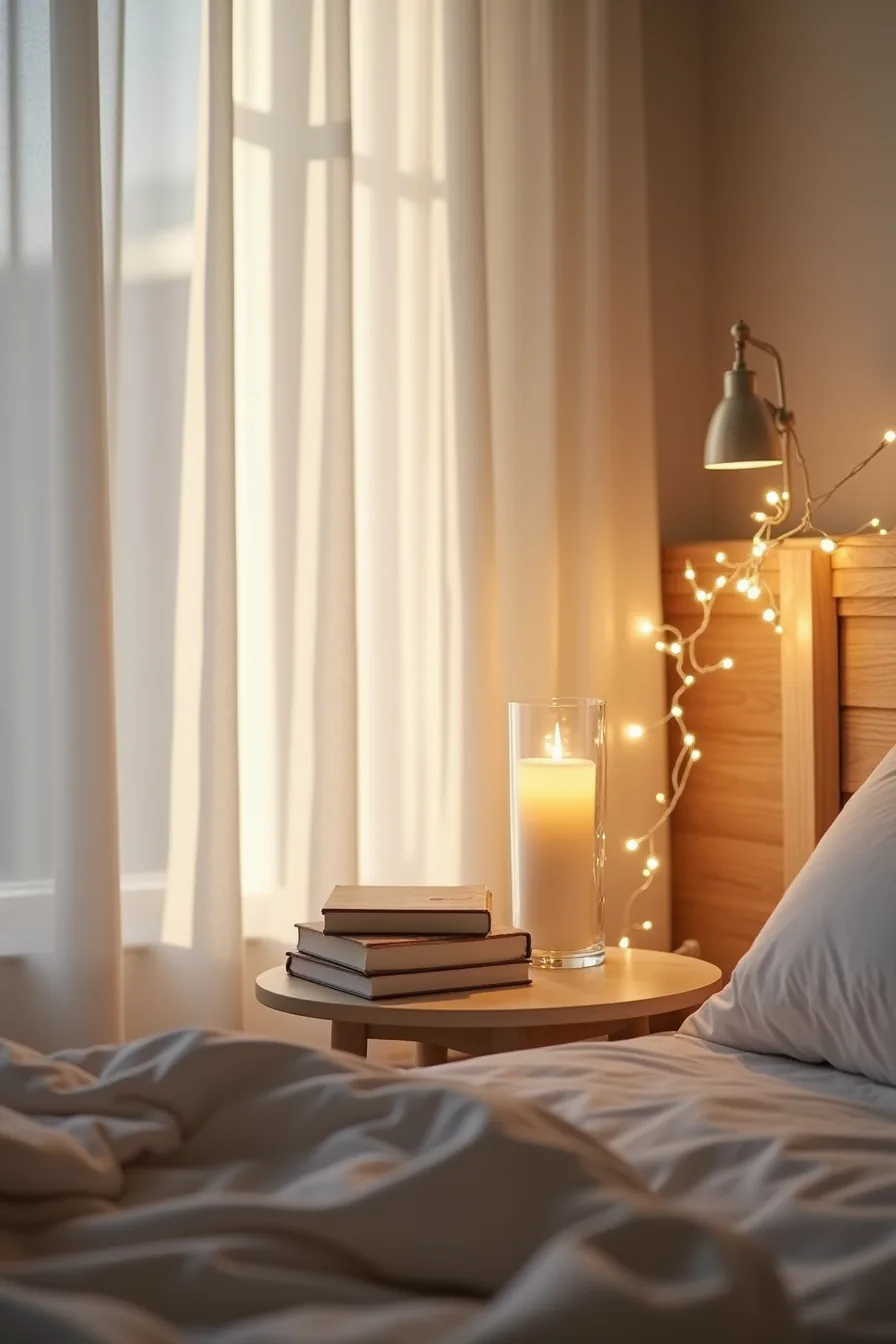
The quickest way to shift your bedroom into a Valentine’s Day mood is to replace overhead glare with three distinct light sources, each at a different height. This is some of the best Valentines Day Bedroom Decor because it requires zero structural work, and you can dismantle it in under five minutes when the holiday passes.
Set a dimmer-controlled table lamp on the nightstand at roughly elbow height to cast soft pools of light for reading. Drape a warm-white string light garland loosely along the headboard behind you, creating a halo effect that visually widens a small bed; for medium rooms, run the garland along the top of the headboard only to avoid a cluttered look. Finish with a pillar candle in clear glass on the opposite side of the bed, the glass contains the flame and makes the light glow rather than flicker harshly.
For renter-friendly installation, use adhesive hooks rated for 2–5 pounds to hang the string lights; skip nails or staples. Always place the candle at least 12 inches from any fabric and never leave it burning unattended. On a budget, a 50-light warm-white string costs roughly $10–$15, and a basic dimmer plug for your lamp runs about $8–$12.
In a large room, scale up by adding a second string light along a curtain rod, but keep the total wattage below the dimmer’s rating.
Textured Bedding Swaps: The Fastest Budget Route
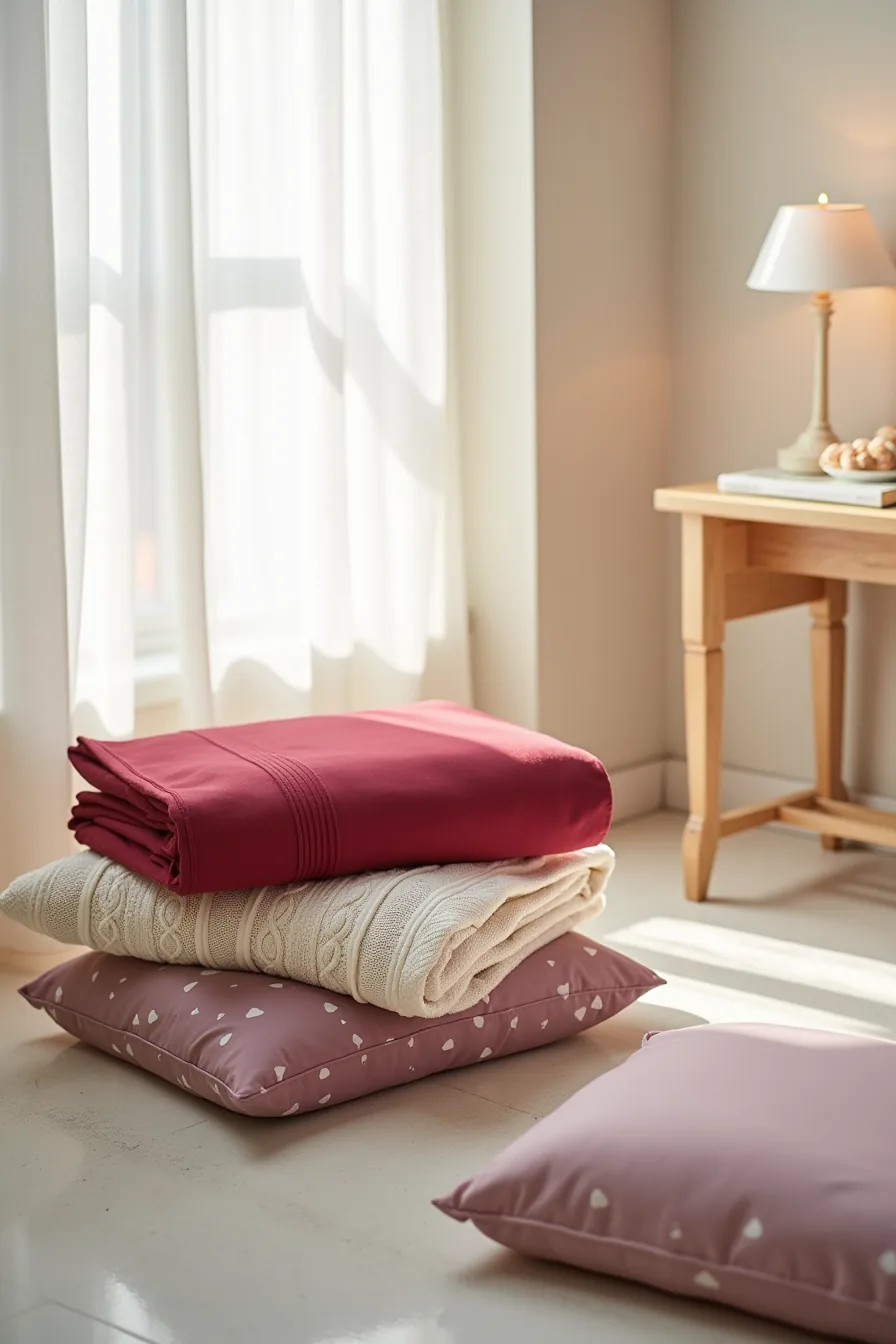
Replacing your everyday bedding with Valentine-toned textiles delivers the largest visual impact per dollar of any seasonal decor change. A complete swap, fitted sheet, two pillowcases, and a throw, costs $40–$80 if you buy mid-range pieces, and you can execute it in under ten minutes. This is the smartest budget route because you get color and texture without spending on furniture or wall treatments.
Start with the foundation: a ruby red fitted sheet that anchors the palette from the mattress up. Layer a cream cable-knit throw across the foot of the bed, the chunky texture adds visual weight and warmth, and it doubles as an extra layer on cold February nights. For pillows, alternate one mauve heart-patterned case with one blush satin case; the satin catches light differently than the knit, giving the bed depth without requiring multiple pattern matches.
Match proportions to your bed size. On a queen or king, fold the throw into a neat rectangle at the foot, leaving 12–18 inches of visible sheet above it. On a twin or full, drape the throw diagonally across one corner instead, a full-width fold overwhelms the smaller mattress.
Buy a fitted sheet only, not a full set, since you won’t need the flat sheet or extra cases, and skip pillowcases with raised embroidery if you sleep on your side; the texture can irritate skin.
Store your regular bedding in a vacuum-seal bag ($10–$15) under the bed, and swap back on February 15th. The seasonal pieces themselves pack flat into a drawer or bin, and most polyester-blend options are machine-washable on cold. If you want this look to last beyond the holiday, choose a deep burgundy instead of bright red, it reads as autumnal in November and romantic in February, making it a smarter long-term investment for the same price point.
Wall Treatments: Temporary vs. Permanent Options
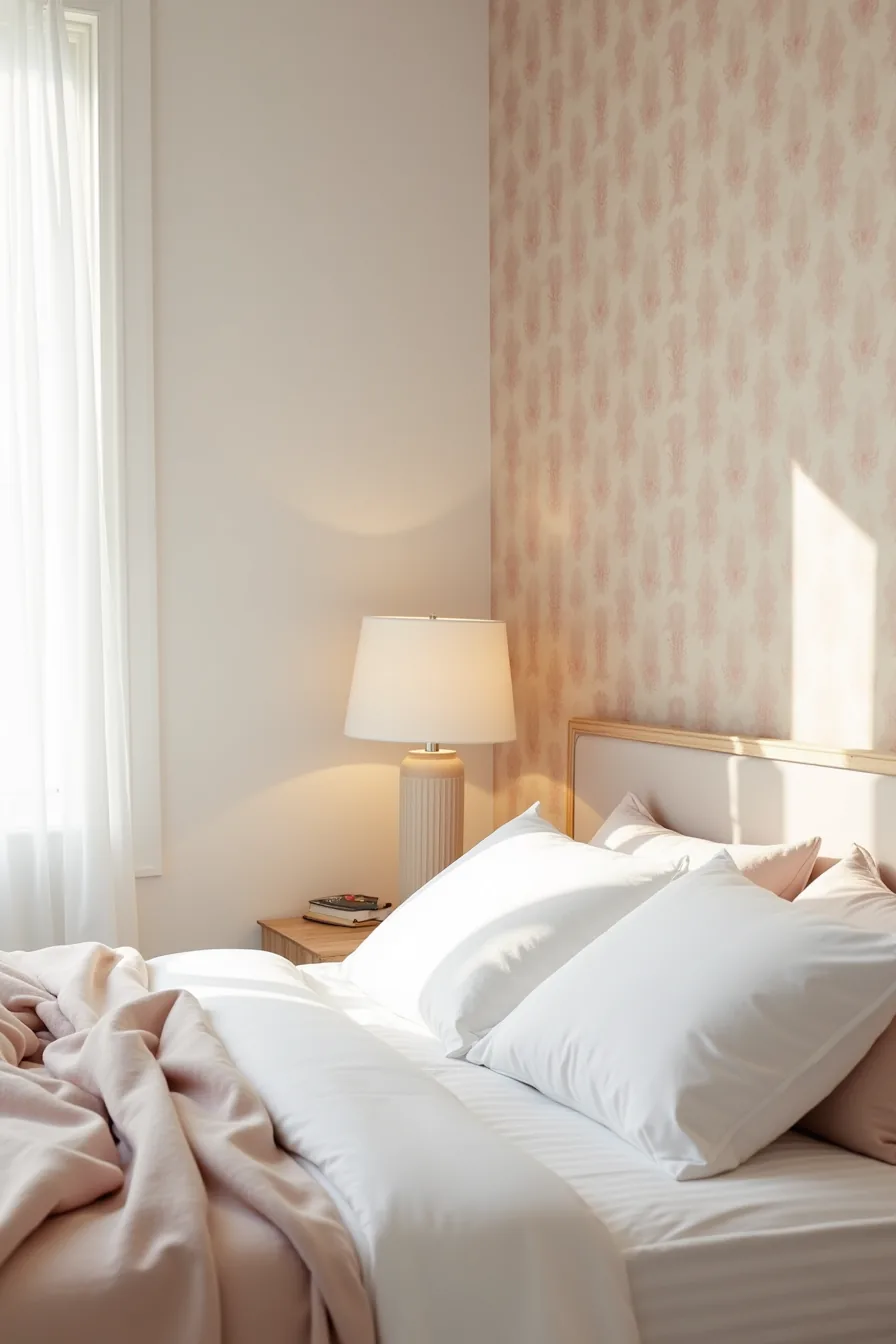
Your bed’s backdrop sets the room’s mood faster than any accessory, and February is the ideal month to test three distinct strategies: removable wallpaper, fabric draping, or paint. Each differs sharply in cost, installation time, and durability, so your choice should hinge on your lease terms and how long you want the look to last.
For renters, a rose-and-cream damask removable wallpaper on the accent wall behind your bed strips off cleanly with a hairdryer and a putty knife, leaving zero residue. A single 2-foot-by-8-foot roll costs $40–$70 and covers roughly 16 square feet; install it in 1–2 hours with a smoothing tool, and test a sample for 48 hours first to confirm your wall’s texture won’t grab the adhesive. If a full wall feels too bold, cut it into a 4-foot-wide panel behind the headboard, the damask pattern adds romance without overwhelming a small bedroom, and its fine scale reads as classic rather than kitschy.
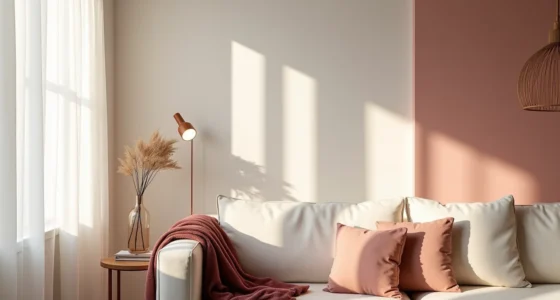
If you want zero commitment or your rental bans wallpaper entirely, anchor blush linen drapes at both top corners with small wall-mounted pins. Pull the fabric taut across the wall for a soft, pleated backdrop, an 8-foot-wide piece costs $25–$40 and takes 15 minutes to hang. This setup suits narrow rooms best, as the vertical lines draw the eye upward and make an 8-foot-tall ceiling feel taller.
The trade-off: dusty at the pleats requires a monthly vacuum, and the fabric traps heat against the wall, a small issue in insulated bedrooms. Paint, you permanent option, runs $60–$90 for a gallon of a one-coat velvety rose finish that covers a 10-by-10-foot accent wall. It suits owners planning to stay three or more years, since repainting costs the same in labor and time as the paint itself.
Select a matte sheen, glossy will emphasize any imperfections in aging drywall.
Floral and Botanical Arrangements: Fresh, Dried, and Faux
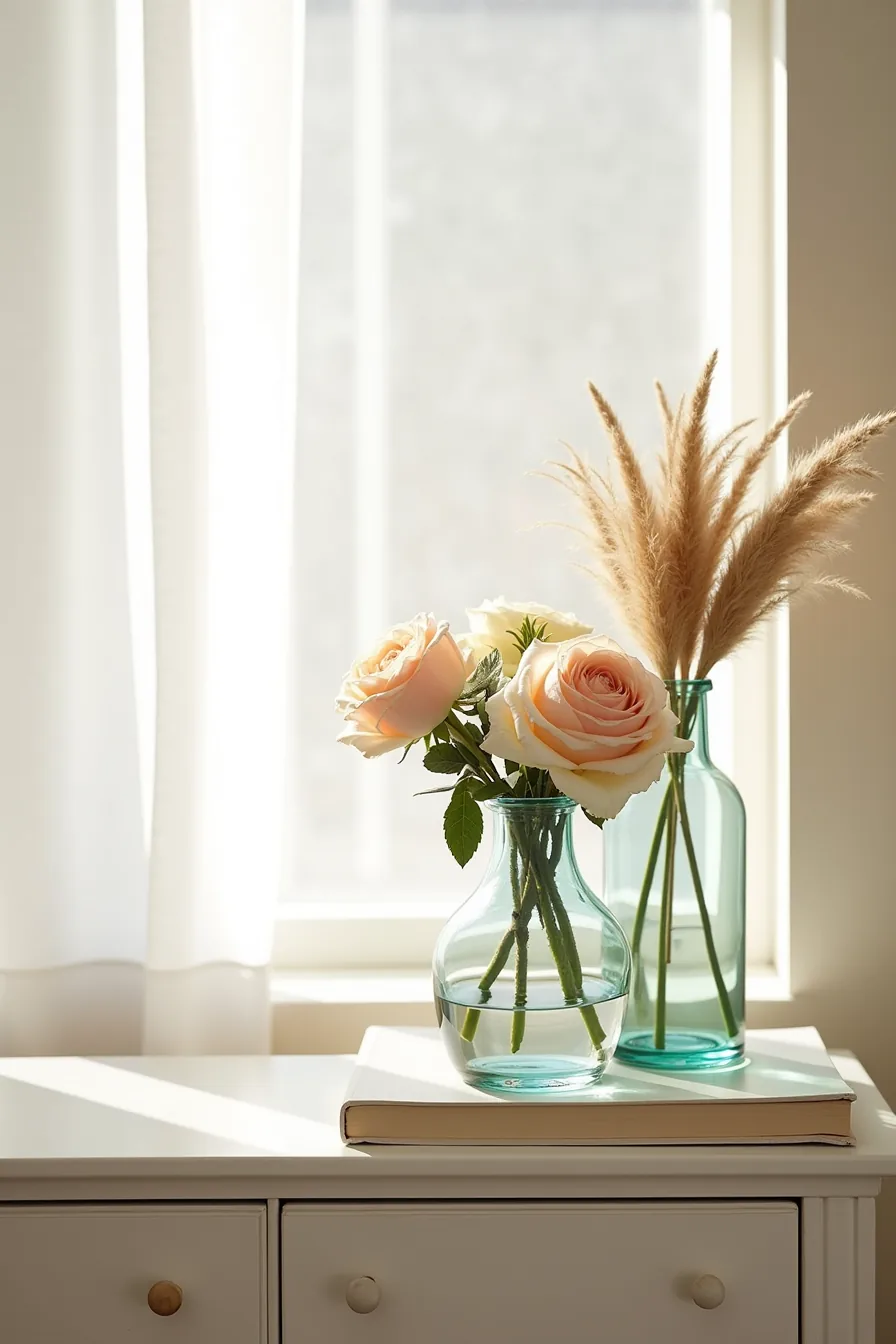
Group three vases of differing heights, 6 to 10 inches, on a dresser or nightstand to create a vignette that suits any room size without consuming floor space. Fresh garden roses in blush last 5–7 days with daily stem trims and cool water; budget $15–$25 per bunch and expect to replace them twice before February ends. Dried pampas grass and eucalyptus, by contrast, hold their shape for 12–18 months with zero water, just shake them outdoors monthly to shed dust, and keep them away from radiators, where heat makes the stalks brittle.
Faux silk ranunculus in cream costs the most upfront ($30–$50 per stem cluster) but pays off within two seasons, requiring only a damp-cloth wipe-down every few weeks. Match the tallest vase to roughly one-third the width of your dresser to avoid overcrowding; a 60-inch dresser calls for a 10-inch max vase height. Never place fresh arrangements on unprotected wood, condensation rings etch finishes within hours, so always use a liner or coaster beneath the glass.
Accent Furniture and Decor Objects: Long-Term Investment Pieces
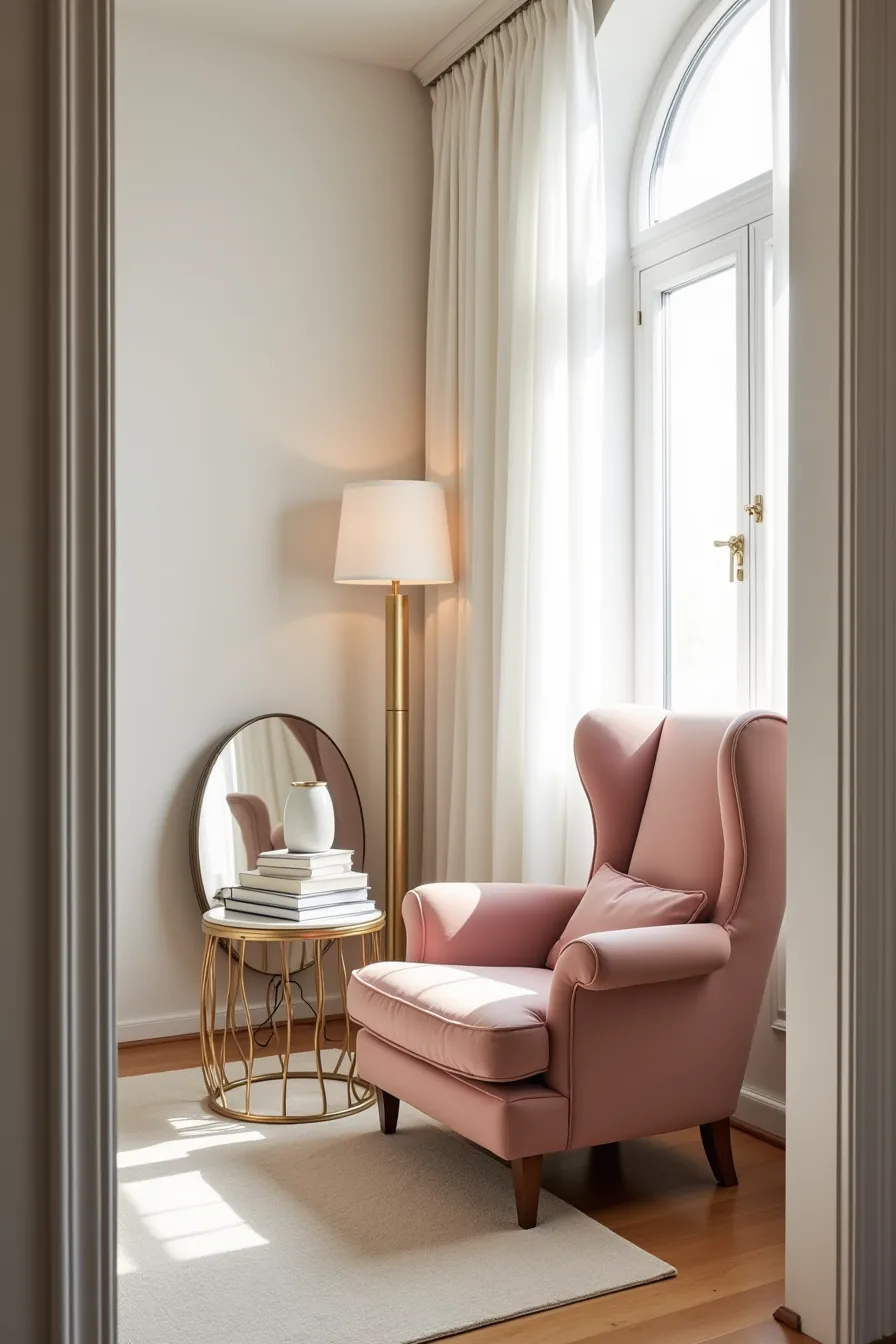
A velvet wingback chair in dusty rose, think 28–32 inches wide and 34–38 inches tall, anchors a corner year-round, not just for February. This piece earns its keep because the blush tone reads as neutral in spring and summer, then leans romantic for Valentine’s Day with a single swap of throw pillows. Expect to pay $400–$900 for a well-built version with kiln-dried hardwood legs; cheaper alternatives often use particleboard bases that wobble within a year.
The brass side table beside it, roughly 16–20 inches in diameter, holds a stack of three hardcovers and a ceramic vessel you can refill with seasonal stems. A round gold-frame mirror leaning against the wall, 24–30 inches across, visually widens a narrow room by reflecting the window across from it. For small bedrooms, skip the chair and keep just the mirror and table; for large spaces, pull the chair 12–18 inches from the wall to create a reading nook without blocking the door swing.
This approach avoids the most common Valentines Day Bedroom Decor mistakes to avoid: buying single-purpose pieces that clutter your space for eleven months out of the year.
Scent and Sensory Layers: Often Overlooked, High-Impact Details
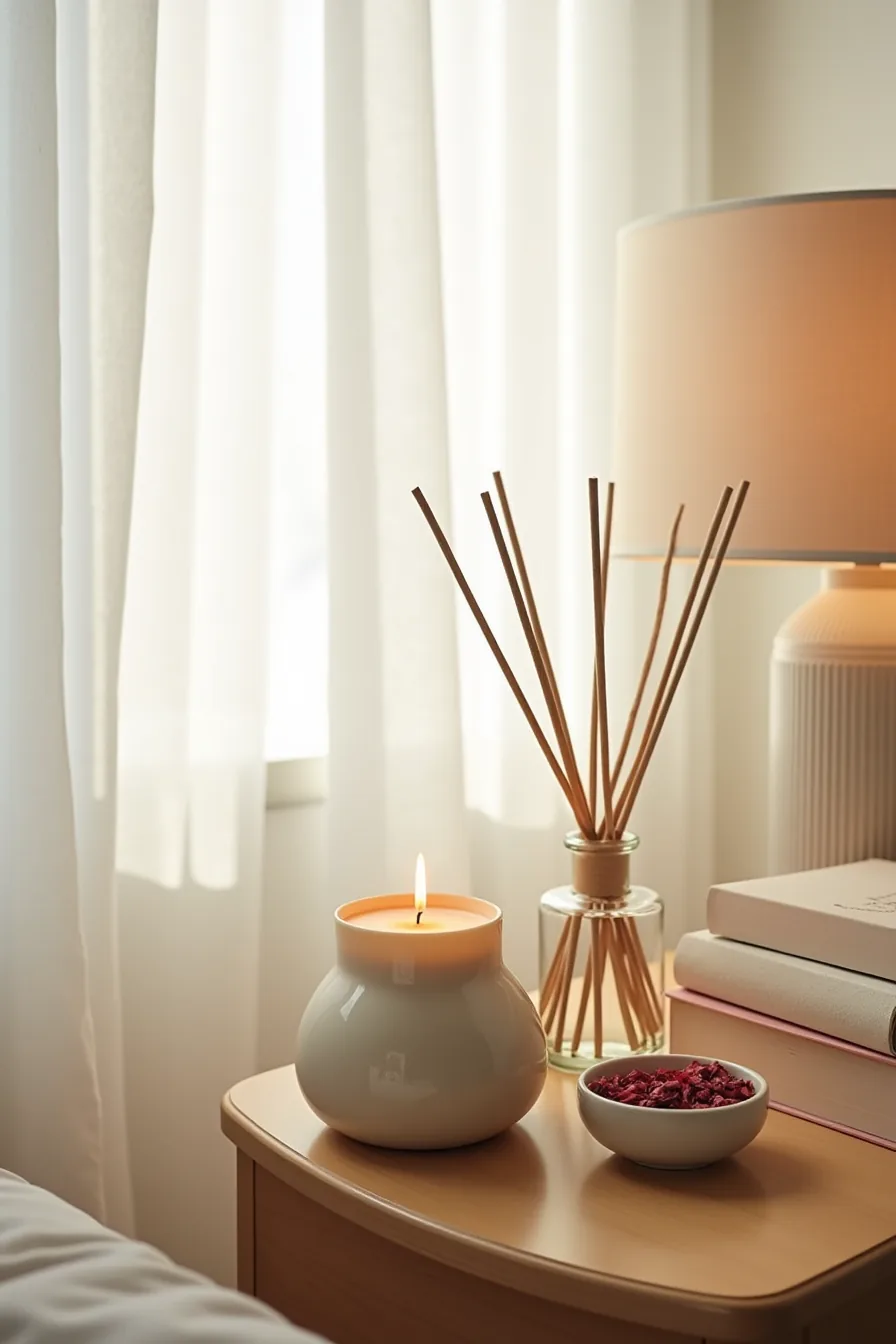
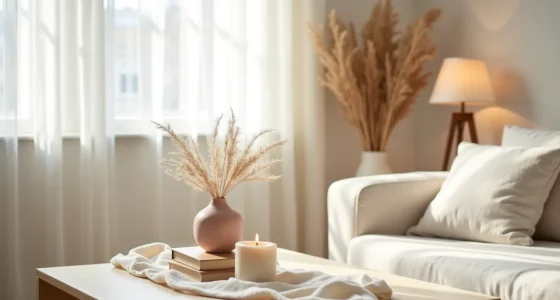
Scent is the fastest way to signal romance without a single visual cue, and the four-source arrangement on your nightstand proves it. A lit three-wick candle in a ceramic vessel provides the primary fragrance, while a reed diffuser in a narrow glass bottle delivers a constant, flame-free baseline that works for 6–8 weeks before you need to flip the reeds. The wax melt warmer adds a subtle glow and lets you switch fragrances nightly without trimming wicks or managing soot; the small ceramic dish of dried rose petals contributes almost no scent but ties the vignette together visually.
Scale matters: in a standard 10×12-foot bedroom, use one strong candle (300–400 grams) plus one diffuser, and skip the melt warmer to avoid olfactory overload. In larger rooms, all four sources work, but place the candle at least 12 inches from the diffuser so their scents don’t compete. Choose fragrance intensity based on your tolerance, citrus and green notes dissipate faster than musk or vanilla, which cling to fabrics for hours.
For maintenance, blow out candles before the last half-inch of wax remains, and replace diffuser oil every 6–8 weeks; if you’re sensitive to synthetic fragrance, opt for soy or beeswax candles and phthalate-free reed oils, which cost roughly 25–40% more but reduce allergy triggers.
Where to start
Start with your bed linens, they cover the most visual surface and deliver the highest impact per dollar. Swap your standard duvet for a deep burgundy or blush set, then layer textured throw pillows in complementary tones. This single change transforms the room’s mood without touching walls, furniture, or lighting.
If you rent, skip adhesive wall decals and opt for removable fabric drapes or a temporary mix hung with Command hooks. For a permanent upgrade, invest in a quality upholstered headboard in a muted rose, it reads romantic year-round, not just in February.
Measure your bed width before buying anything, and check care labels for dry-clean-only fabrics.
Your next step: pull your current linens and photograph your bed to identify exactly what needs replacing.
Frequently Asked Questions
How do I decorate a small bedroom for Valentine’s Day without making it feel cramped?
Anchor decor to one focal wall behind the bed. Use a single heart-shaped wreath or a pair of small framed prints instead of scattering items. Keep floor space clear.
What’s the cheapest way to refresh a bedroom for Valentine’s Day if I’m renting?
Swap throw pillow covers and a bed runner, both under $30 total. Use removable adhesive hooks for a lightweight garland. Skip paint, wallpaper, or anything permanent.
Can I leave Valentines Day bedroom decor up year-round, or does it need to come down?
Most Valentine’s decor reads seasonal. Leave neutral items like fairy lights or textured throws year-round. Remove obvious hearts and red-heavy accents after February 14 to avoid visual fatigue.
How do I avoid overdoing red and pink in a bedroom without losing the romantic feel?
Limit red to one accent, a throw blanket or two pillows. Use blush pink, cream, and warm neutrals as your base. Add candlelight and soft textures for romance without color overload.