
Your modern kitchen window isn’t a backdrop, it’s the focal point that determines how much light, airflow, and visual weight your cooking space carries, and the right choice depends less on trends and more on your room’s dimensions, wall material, and how you actually use the sink area. Six distinct approaches follow, each matched to a specific layout, budget, and maintenance tolerance. You’ll learn exactly which window style solves your ventilation problem, which one hides behind cabinetry without stealing counter space, and which upgrade pays off only if you plan to stay put for a decade.
Key takeaways
Frame color sets the tone: black frames read architectural and bold, while light frames (white, oak, or aluminum) keep sightlines clean and suit smaller or brighter rooms. Skip the curtain entirely: frameless, flush-set windows or a single roller shade offer the most modern look, but require precise rough openings and good wall insulation to avoid drafts. Align countertops with the sill: extending your counter or backsplash to the window edge creates a smooth work surface, but add a 1-2 inch gap or a subtle metal trim to prevent water damage and allow for thermal expansion. For small kitchens, prioritize a single large casement or sliding window over multiple smaller ones, positioning the sill at counter height (typically 36-40 inches) to maximize daylight and preserve valuable wall space for storage.
Black Frames vs. Light Frames: Which Suits Your Space
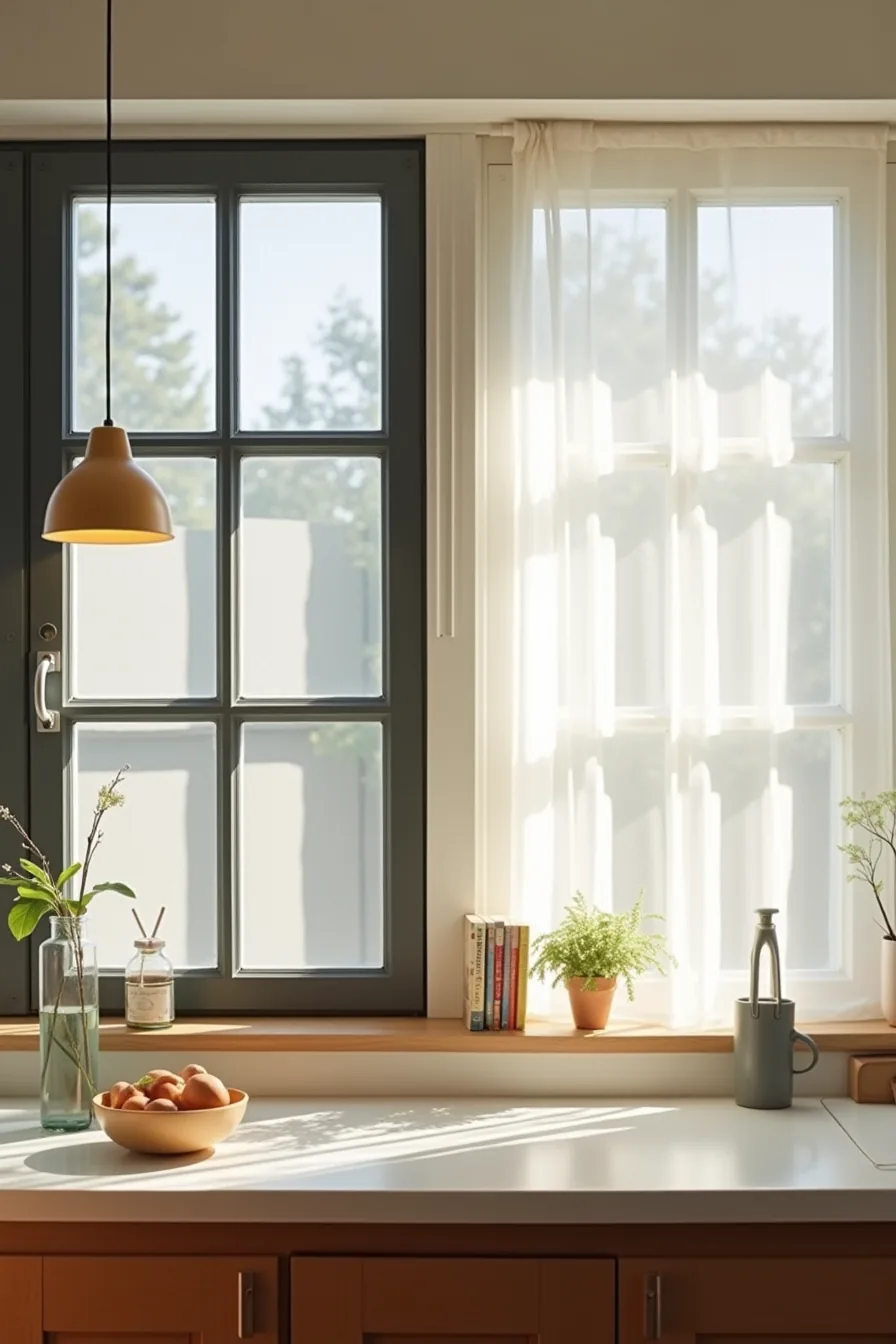
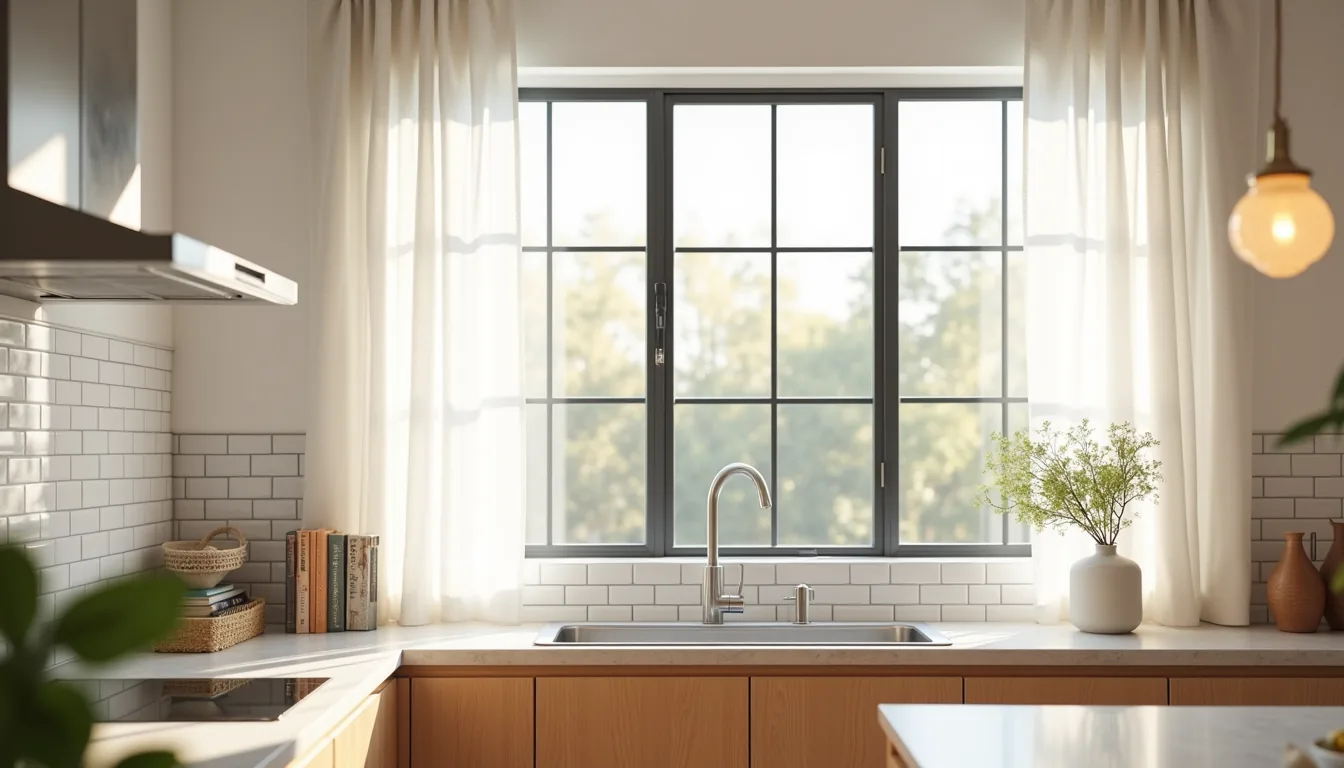
Frame color is the single fastest way to change how much visual weight a modern kitchen window carries. Matte black frames with dark muntins, the vertical and horizontal grid bars, create strong contrast against pale walls, so the window reads as a deliberate architectural feature. On a counter surface, that contrast also produces sharper, more defined shadows, which adds depth but can make a small kitchen feel busier.
Thin silver aluminum frames do the opposite: they reflect natural light rather than absorb it, pushing brightness back onto the counter and walls. This makes the window visually recede, an advantage in spaces under 120 square feet where you want the eye to move outward, not stop at the frame. The trade-off is maintenance, black frames show dust, fingerprints, and water spots on matte finishes more readily than silver, though both need wiping about once a week in a cooking environment.
Choose black for large kitchens (200+ square feet) with strong natural light where you want drama and the surface area to carry it. Choose silver for compact galley layouts, north-facing rooms, or any space where light reflection matters more than contrast.
Minimal Window Treatment: Going Frameless or Nearly Bare
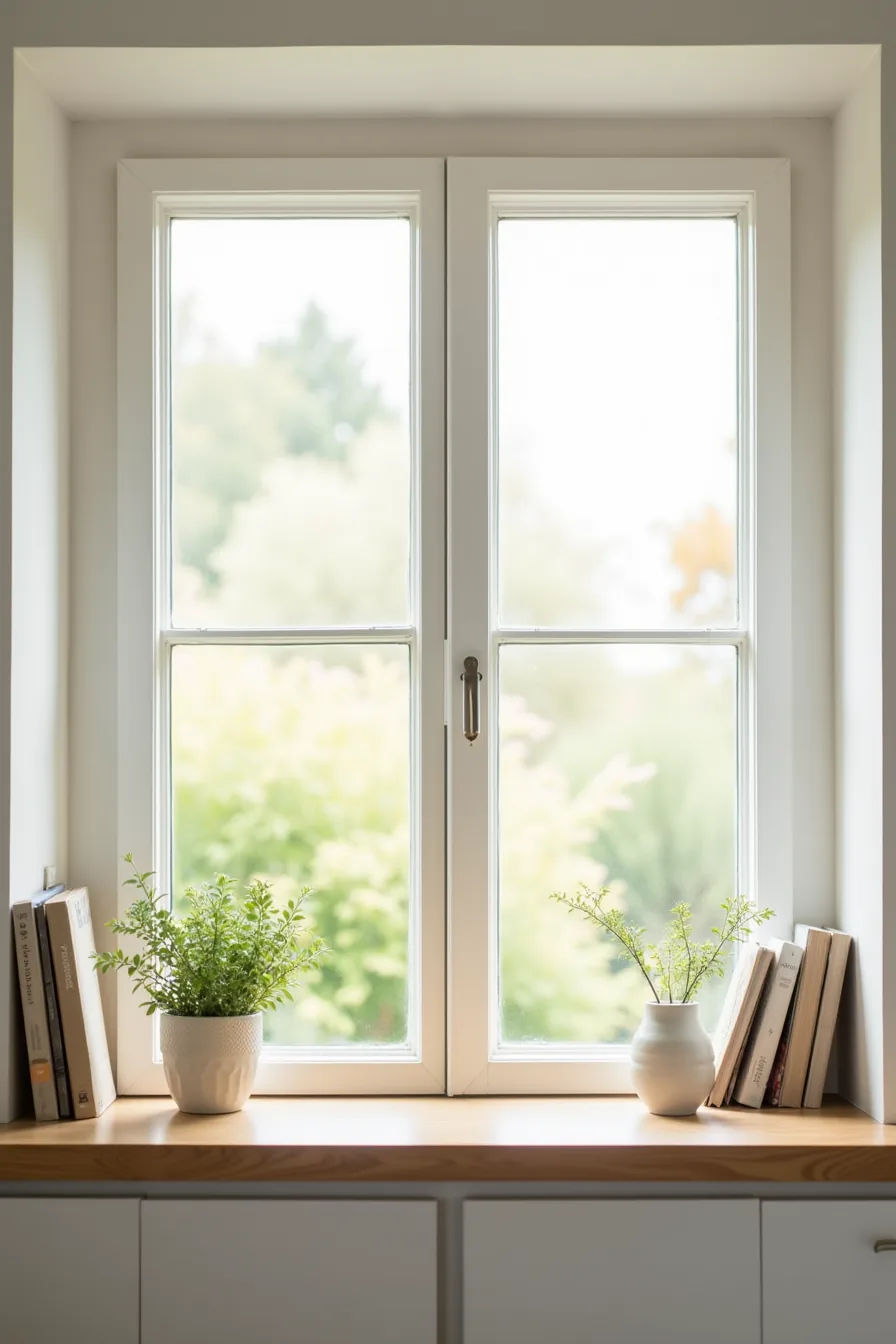
The most effective modern kitchen window treatment is often no treatment at all. Bare glass panes in slim frames, like the ones overlooking that garden, eliminate fabric’s visual weight, letting the outdoor view become the room’s primary decoration. A potted herb plant on the bare sill adds life and texture without introducing any hardware that requires cleaning or adjustment.
This approach suits kitchens where the window faces a private yard or a view you actually want to showcase. The trade-offs are concrete: you sacrifice privacy completely during daylight hours and lose the insulating layer that curtains or cellular shades provide, expect a measurable difference in heat gain on south-facing exposures. If you need occasional coverage, install an interior-mounted roller shade hidden above the frame; it drops down only when needed, preserving the clean sightline the rest of the time.
Connecting Your Countertop to the Window Edge
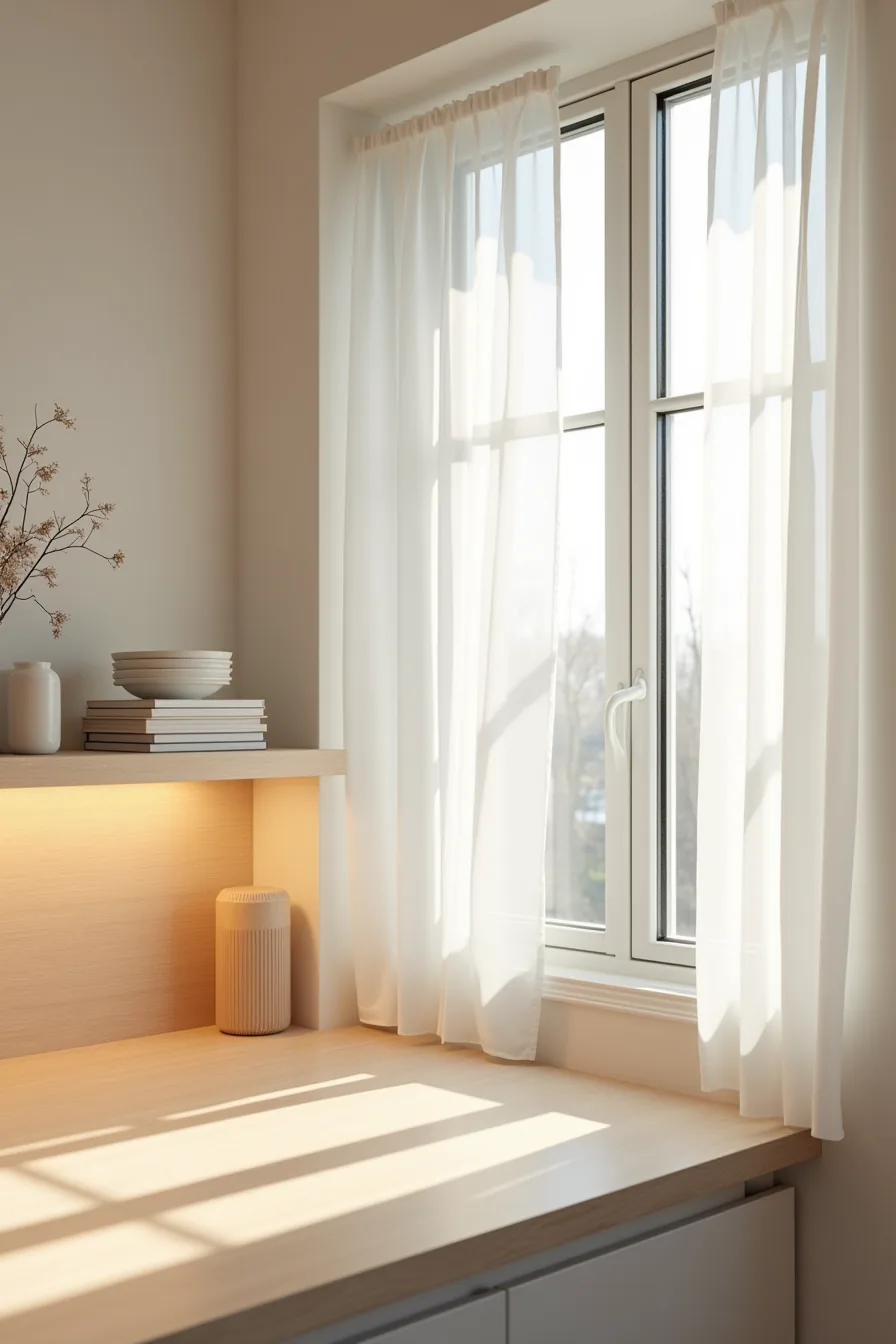
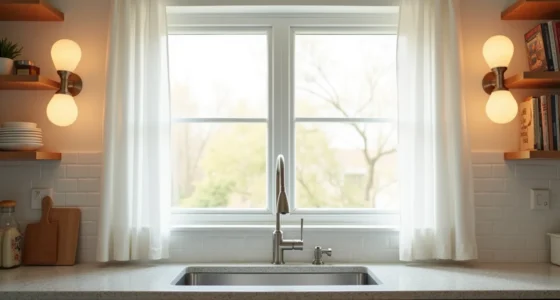
Aligning your countertop with the window sill creates a single, uninterrupted horizontal plane that visually expands the room. The light wood countertop butts directly against the sill at the exact same height, eliminating the standard dropped sill lip that breaks the line of sight. This flush connection makes the counter feel like it extends through the glass, which suits galley kitchens or narrow spaces where every inch of visual depth counts.
A continuous light wood backsplash panel rises behind the counter, running smoothly up to the window frame without a caulk joint or trim transition. The matte black frame provides a crisp, thin boundary that contrasts the wood without competing for attention. To reproduce this, order the backsplash as a single cut-to-size sheet with a routed edge that meets the window frame flush, and use a trimless window installation where the drywall returns directly to the frame.
This is a permanent solution: expect higher material and fabrication costs than tile or standard sills, and budget for precise on-site measurement, as even a quarter-inch mismatch will be obvious from across the room.
Modern Kitchen Windows for Small Spaces: Maximizing Airiness
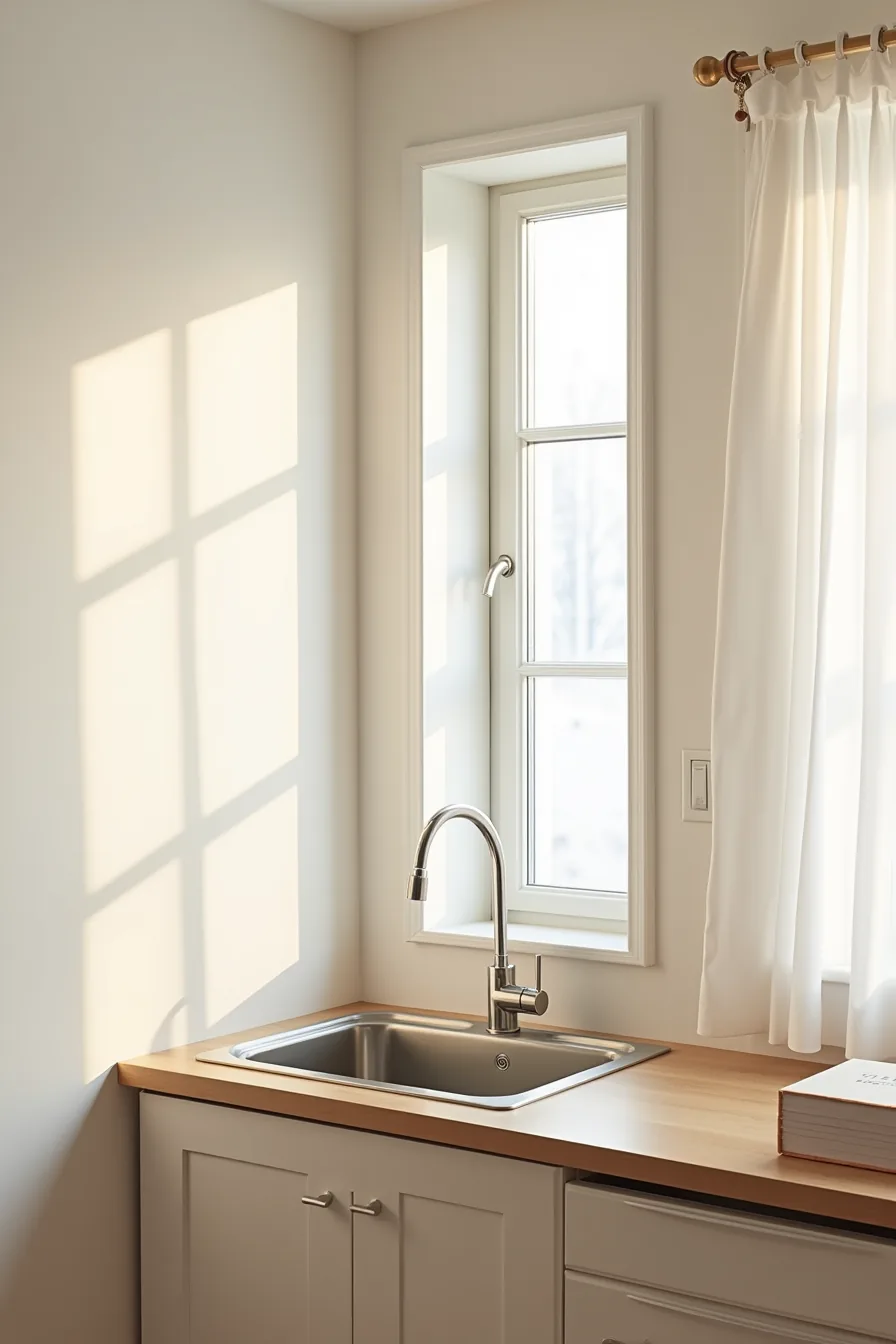
In a compact kitchen, the window is your most powerful tool for expanding the perceived volume of the room. The strategy is to make the glazing read as a vertical element that pulls the eye upward, drawing attention away from the limited floor area. This works best when you prioritize height over width, as a tall, narrow opening mimics the proportions of a full-height accent wall.
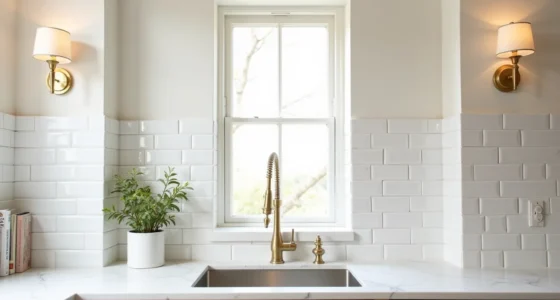
Consider a single, tall window with slim white frames positioned directly above a stainless steel sink. This configuration creates a clean, uninterrupted vertical sightline that makes the ceiling feel higher and the wall feel broader. The minimal cabinetry flanking the opening keeps the surrounding surface visually quiet, preventing any competition with the daylight flooding the space.
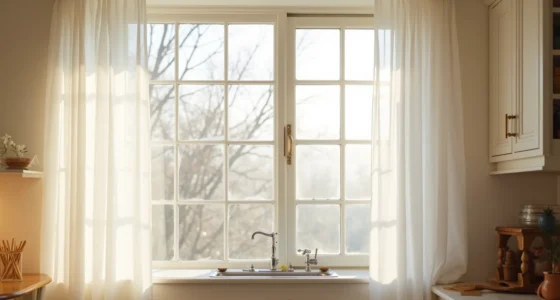
This approach is ideal for galley kitchens or studio apartments where a wide picture window would consume precious wall space needed for storage. To replicate this, specify a window that extends to within 6-12 inches of the ceiling and floor, and choose a frame profile under 2 inches wide to maximize the glass surface. For renters, a tension rod with sheer, floor-length panels can mimic the airy verticality without permanent installation; for owners, a fixed casement window is a modest but high-impact long-term investment.
Material and Finish Choices for Durability and Style
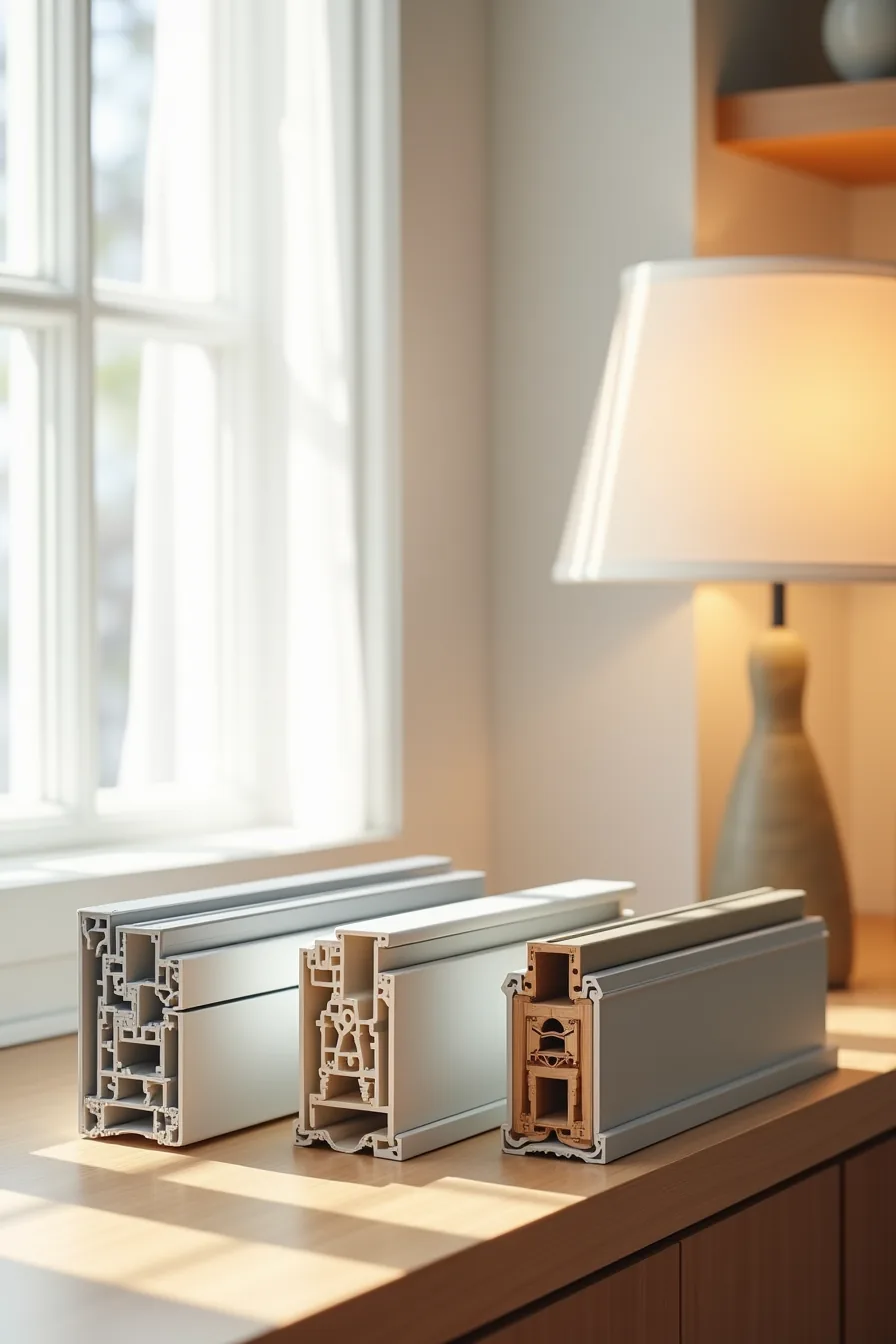
Your frame material determines how often you’ll clean, how much you’ll spend, and how long the window survives steam, splatter, and condensation. Three options dominate modern kitchens: polished aluminum, matte fiberglass, and composite with a wood-grain finish. Polished aluminum reflects light and resists corrosion, but it fingerprints easily and shows water spots from cooking steam, expect to wipe it weekly.
Matte fiberglass handles temperature swings without warping and hides smudges well, making it the lowest-maintenance choice; it typically costs 10-30% more than aluminum. Composite frames with wood-grain finishes deliver the warmth of timber without the swelling or peeling that real wood suffers near moisture, though the finish can chip if you aggressively scrub with abrasive pads.
For a busy family kitchen, choose matte fiberglass. For a showpiece aesthetic where you’ll entertain, polished aluminum reads sleeker but demands regular attention. Most aluminum frames run $300-$700 installed per window, fiberglass $500-$1,200, and composite falls between.
Every option outlasts standard vinyl in a kitchen environment, but only fiberglass and composite handle direct steam exposure without degrading sealants over time.
Installation and Maintenance: Long-Term Performance
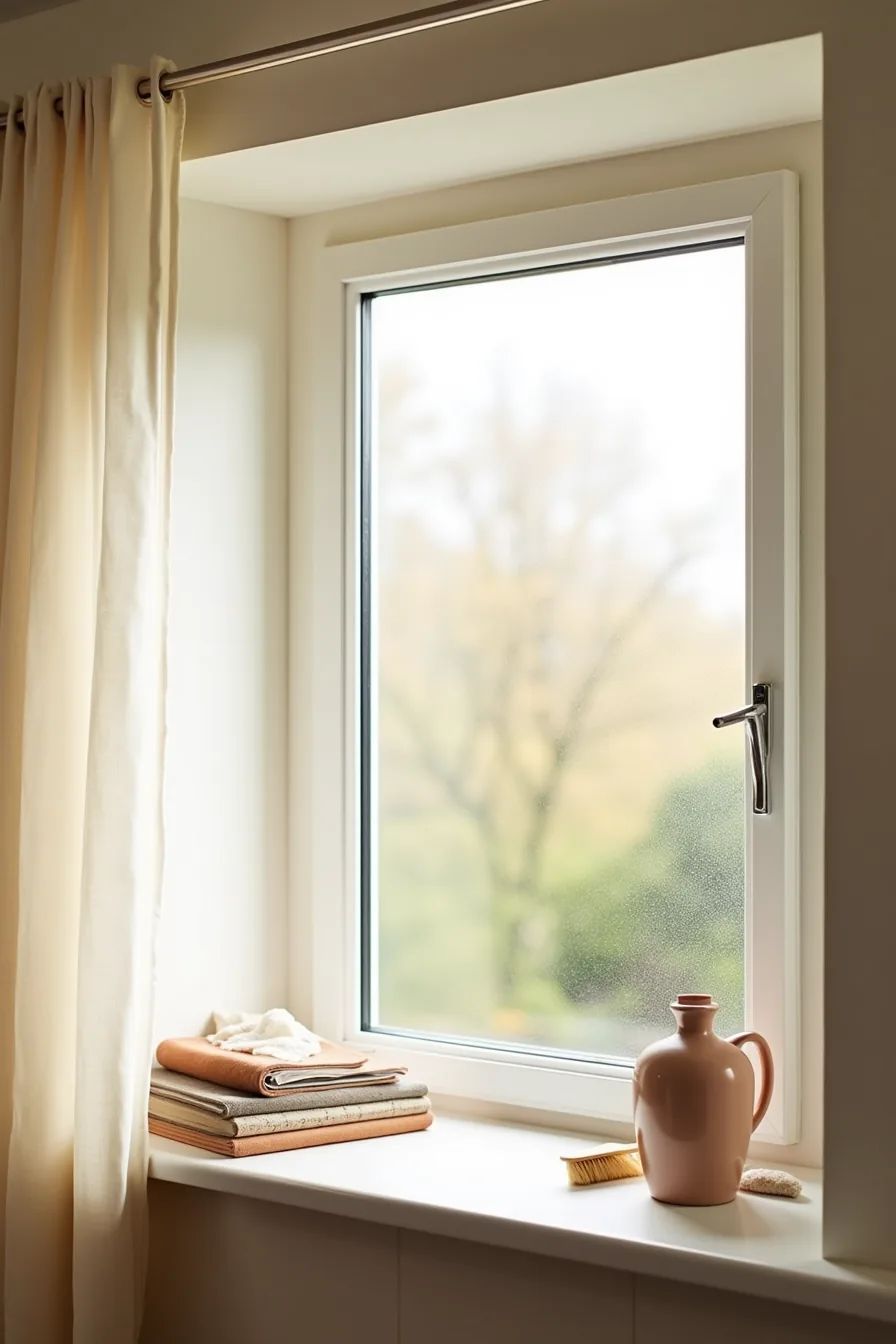
Proper sealing determines whether your modern kitchen window survives its first winter or fails within two. Run a continuous bead of silicone caulk along the frame perimeter, the gap between frame and drywall, and inspect it seasonally for cracks or gaps where steam can penetrate. The silicone caulk along the frame edge and exterior weatherstripping visible at the frame boundary are your primary defenses against moisture intrusion; replace them the moment you notice hardening or peeling.
Condensation beads on the glass during cool mornings signal inadequate ventilation or a failing seal. Wipe the glass and sill with a microfiber cloth, then check the interior humidity, if it consistently exceeds 60%, your exhaust fan is underperforming. A small brush resting on the sill lets you clear dust and debris from the track without scratching the frame.
Hire a professional for replacement or structural resealing; this isn’t a DIY job when gas lines, load-bearing walls, or multi-story exteriors are involved. DIY installation only suits same-size, non-structural swap-outs on ground floors with existing flashing intact, budget 4-6 hours and have a second person for lifting. Seasonal upkeep takes under ten minutes: lubricate moving hardware with silicone spray in spring and autumn, and re-caulk every 3-5 years.
Your first move
Start with the window you already have. Measure its rough opening, note the sill depth, and photograph it from both inside and out, those three data points determine which of the six ideas are even viable for your space.
Then pick one constraint to solve first: light, ventilation, or view. A single decisive change, swapping solid glass for an operable casement, or adding a slim shelf at sill depth, delivers 80 percent of the visual impact for a fraction of a full replacement cost.
Book a consultation with a local glazier or millworker this week. Bring your measurements and photos, and ask for a rough quote on your top two options. That conversation will turn this list into a plan.
Frequently Asked Questions
Should I choose black or white frames for a modern kitchen window?
Black frames suit bold, high-contrast kitchens and hide smudges well, but fade in direct sun. White frames brighten small spaces, match most cabinetry, and disguise dust, choose based on your countertop and tile tones.
Can I have a modern kitchen window without any curtains or blinds?
Yes. Use frosted glass, integrated blinds between panes, or sheer roller shades for privacy. Alternatively, position the window high or face it toward a private yard, no fabric needed, reducing grease buildup and cleaning time.
What is the best material for a kitchen window frame that resists moisture?
Vinyl or fiberglass outperform wood and aluminum in humid kitchens. Fiberglass resists warping and accepts paint, while vinyl is budget-friendly and maintenance-free. Both handle steam and splashes without rotting or corroding.
How do I make a small kitchen feel larger with the right window design?
Install a single large casement or picture window spanning most of the wall, no mullions break the view. Keep frames slim and match them to wall color. Position the sill low to draw the eye outward, expanding perceived depth.