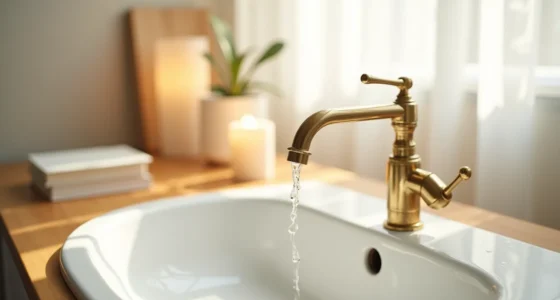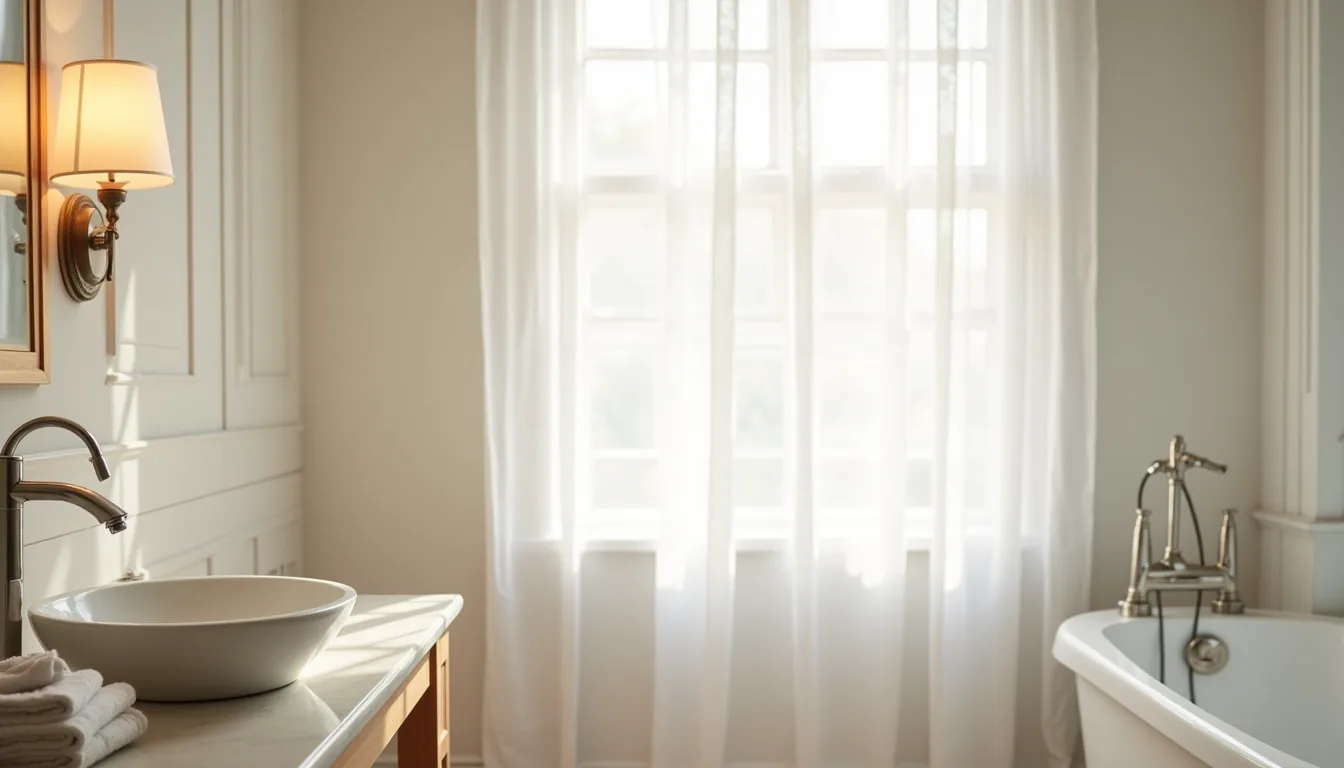

Silver fixtures in a bathroom are a neutral, reflective choice that works across styles, but their success depends entirely on how you pair the finish with your tile, lighting, and vanity hardware. Polished chrome reads crisp and cool, while brushed nickel warms up the same palette, and that difference dictates whether your space feels clinical or spa-like. The six setups that follow show you exactly which combinations deliver, along with the costs, upkeep, and space requirements each one demands.
Key takeaways
- Match the finish to your lighting and humidity: polished chrome suits bright, formal baths, while brushed nickel hides water spots and fingerprints in high-use family bathrooms.
- Pair silver with warm wood (oak, walnut, teak) in a 60/40 metal-to-wood ratio to prevent the space from feeling cold and clinical, especially in north-facing rooms.
- For small bathrooms, choose wall-mounted silver fixtures and a single large mirror to open the space, avoiding bulky floor-standing pieces that eat into circulation.
- Renters should use peel-and-stick silver trim, faucet covers, and a handheld showerhead adapter, all reversible in under 30 minutes without drilling or altering plumbing.
Polished vs Brushed Silver: Which Finish Suits Your Space
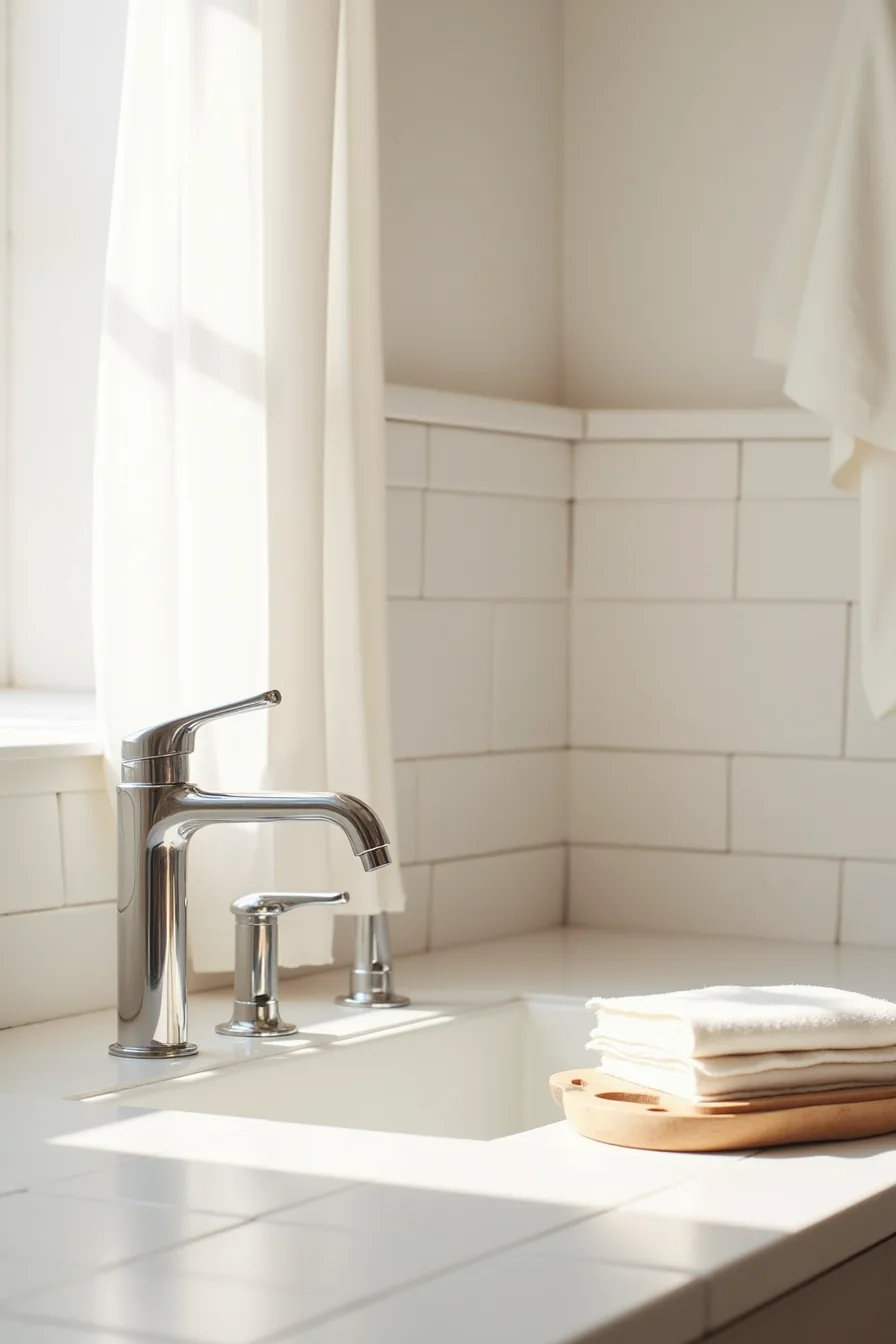
The choice between polished chrome and brushed nickel on your bathroom with silver fixtures comes down to light, upkeep, and visual weight. A polished chrome handle throws sharp, mirror-like reflections that bounce daylight around a windowless powder room, making the space feel larger. Brushed nickel scatters light softly across its matte surface, which reads as warmer and less clinical in a room with natural wood or beige stone.
Maintenance flips the trade-off. Polished chrome shows every water spot and fingerprint within days of use, so it demands weekly wipe-downs with a microfiber cloth. Brushed nickel hides smudges better, but its texture traps soap scum in the crevices; a mild vinegar rinse every few weeks keeps it clean.
Choose polished chrome for a well-ventilated guest bath where you want maximum reflectivity, and brushed nickel for a busy family bathroom where you value low visibility of daily wear. If your tile is stark white subway with dark grout lines, polished chrome echoes the crisp contrast, while brushed nickel softens the transition between the two surfaces.
Silver With Warm Wood: Balancing Cool Metal and Warm Room
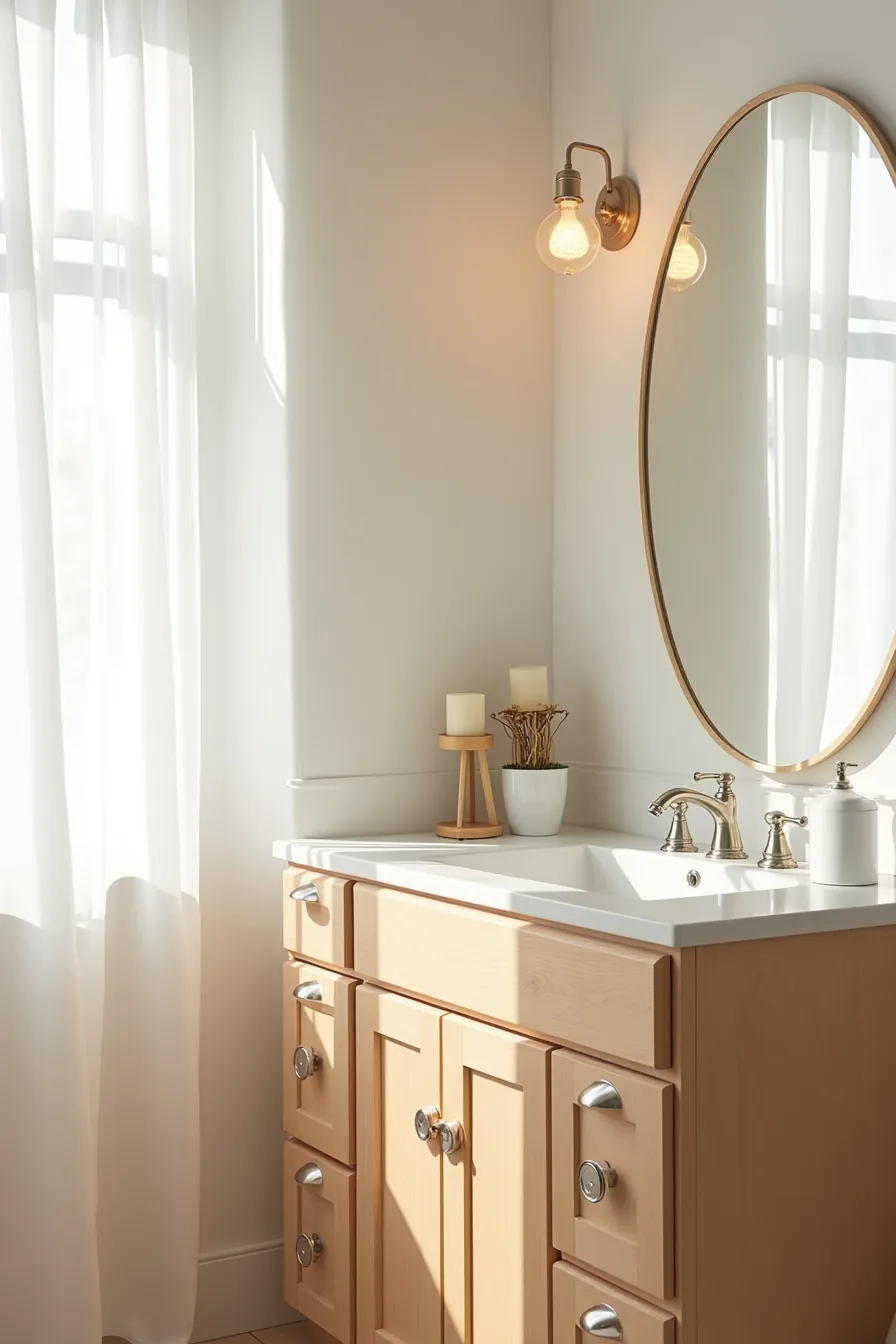
Light oak cabinetry with silver drawer pulls and a brushed nickel faucet creates the classic cool metal warm room pairing. The wood’s honey undertones prevent the silver from reading sterile, while the metal stops the oak from feeling rustic or dated. This contrast works best when you keep one material dominant: let the wood cover 70 percent of visible surface area and let silver occupy the remaining 30 percent through fixtures, pulls, and a mirror frame.
For a small bathroom, restrict warm wood to the vanity cabinet and use silver for the faucet and mirror. In a larger space, extend the wood to shelving or a bathtub surround, but avoid floor-to-ceiling oak panels, too much grain competes with the metallic reflections. Match your silver finish to the wood’s undertone: brushed nickel suits oak’s golden cast, while polished chrome pairs better with ash or maple.
Seal the wood annually with a water-resistant polyurethane, as steam exposure will warp untreated cabinetry within two years.
Minimalist Silver Fixtures for Small Bathrooms
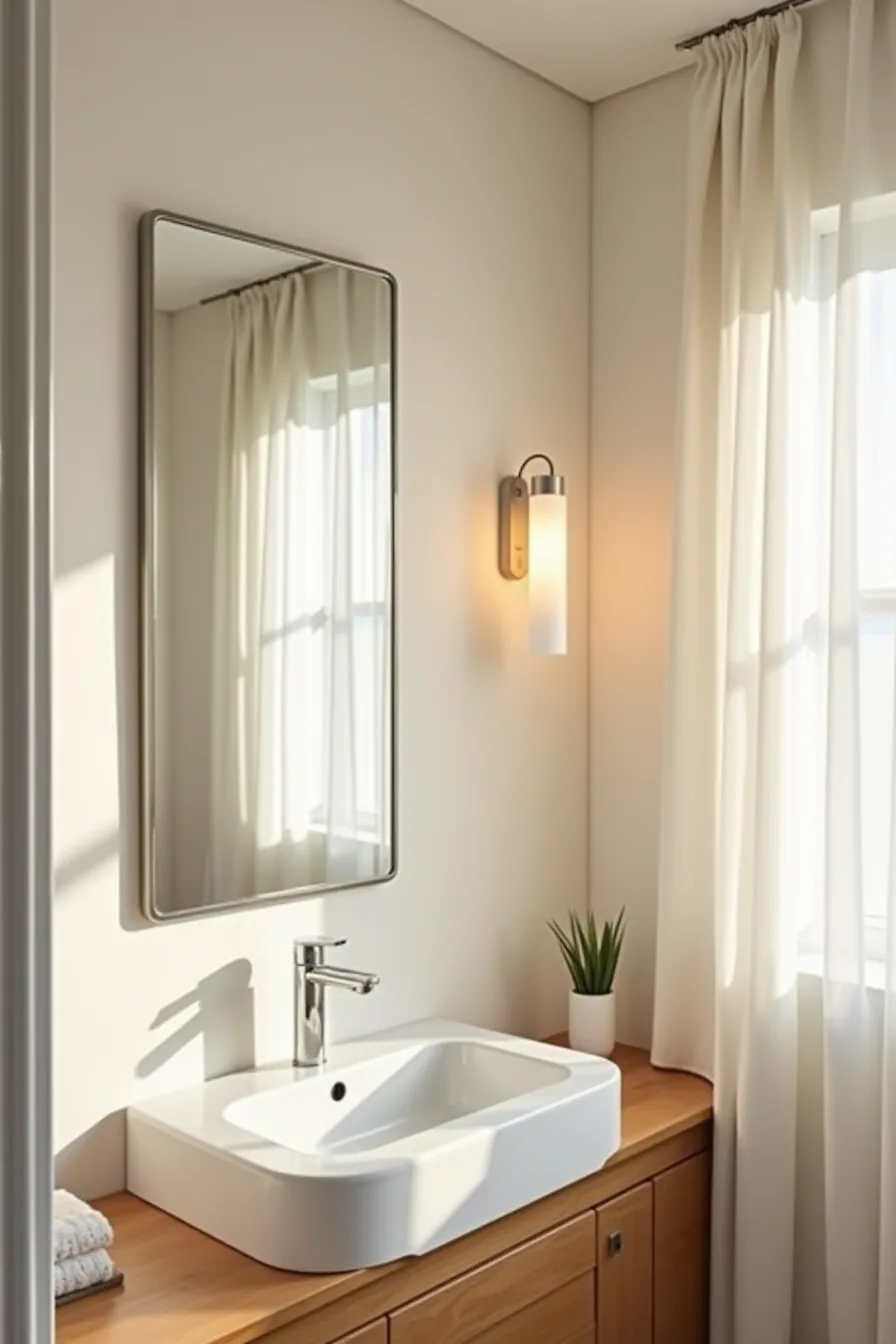
In compact bathrooms, silver’s reflective quality works as an optical tool, polished surfaces bounce light across the room, making walls feel farther apart than they’re. The setup that maximizes this effect pairs a wall-mounted chrome faucet with a rectangular silver-frame mirror and a single chrome towel ring on the narrowest wall. Wall-mounting the faucet frees the counter edge entirely, which matters when your vanity is under 24 inches deep; every inch of usable surface counts.
Scale dictates success here. Choose a faucet with a spout reach of 4–6 inches, not a sprawling gooseneck that visually crowds the sink basin. The mirror frame should stay slim, under an inch thick, so it reads as a light accent rather than a heavy border.
For the towel ring, position it at 48–52 inches from the floor, within easy arm’s reach of the shower. Keep the counter empty except for a soap dispenser; the entire look depends on negative space that lets the silver elements catch light without competition.
Statement Silver Hardware and Accessories for Medium Spaces
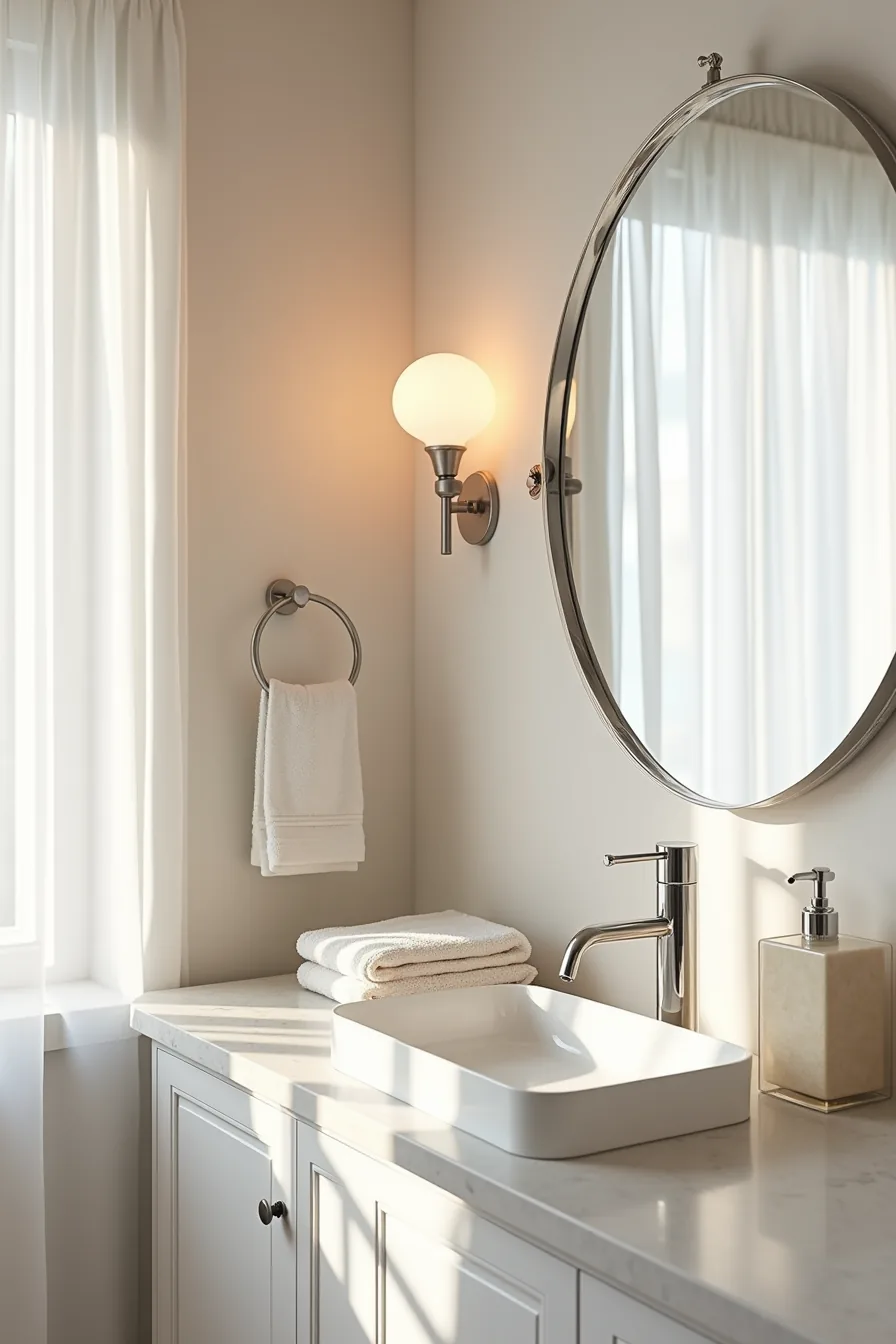
In a 40–80 square foot bathroom, silver fixtures earn their keep as focal points rather than background accents. The arrangement that delivers the most visual return pairs a large round mirror with a chunky silver frame, 20–24 inches in diameter, above a chrome towel bar mounted at 34–36 inches from the floor. The mirror’s substantial border anchors the wall, while the towel bar’s horizontal line balances the circle’s curve, creating a composition that reads as intentional design rather than scattered hardware.
Layer the finishes deliberately. Cabinet knobs in a brushed silver tone introduce a matte texture that contrasts with the mirror’s polished frame and the bar’s high-shine chrome, preventing the room from feeling monotonous. The chrome soap dispenser on the counter echoes the towel bar’s finish, tying the grouping together.
Proportion governs placement: keep the towel bar roughly two-thirds the width of the vanity below it, and leave 6–8 inches of clearance between the mirror’s bottom edge and the bar’s top. This setup suits bathrooms where the vanity occupies one full wall and you want the hardware to carry the décor without adding paint, tile, or wallpaper.
Renter-Friendly Silver Fixture Updates Without Permanent Changes
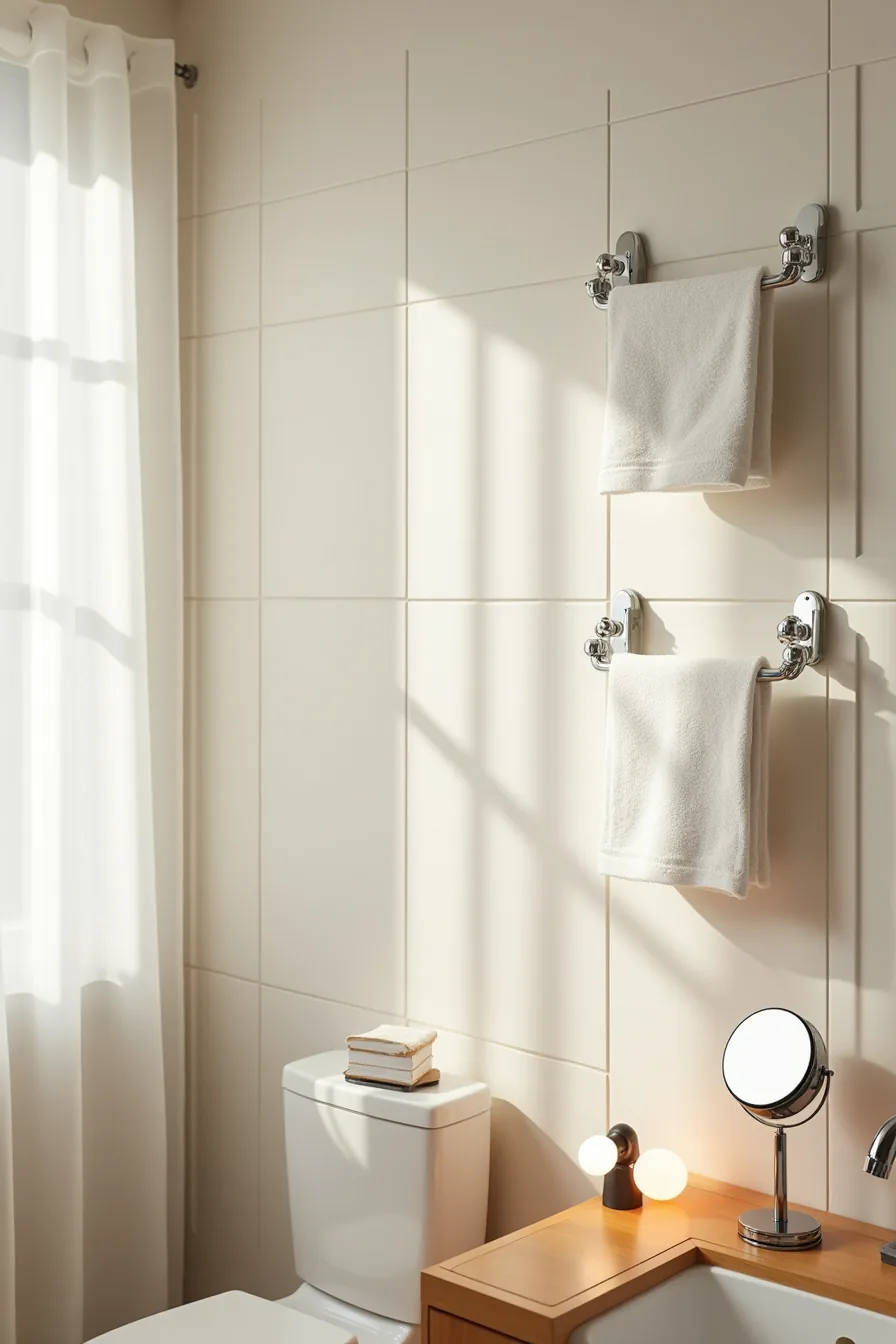
Adhesive-backed chrome towel hooks press onto tile in seconds and peel off cleanly with a heat gun or hairdryer when your lease ends, no drilling, no patching, no deposit deductions. Mount them at 48–52 inches high, and they’ll hold bath sheets up to 22 pounds without pulling away from the grout lines. A removable shower caddy with a silver finish hangs over your existing showerhead arm and clamps around the neck, giving you two or three shelves of storage that travels with you to your next apartment.
A portable mirror leaning against the wall introduces a larger silver frame than you could hang permanently, and it doubles as a tray surface for daily-use toiletries. Swap the standard faucet aerator for a brushed nickel version, a 10-minute, $10–15 change that upgrades the entire sink’s look and improves water pressure. Keep the original aerator in a ziplock bag taped under the sink so you can restore it on move-out day.
This route suits renters on 6–18 month leases who want the polished look without committing to holes in the tile.
Investment-Grade Silver Fixtures: Durability, Finish Protection, and Long-Term Care
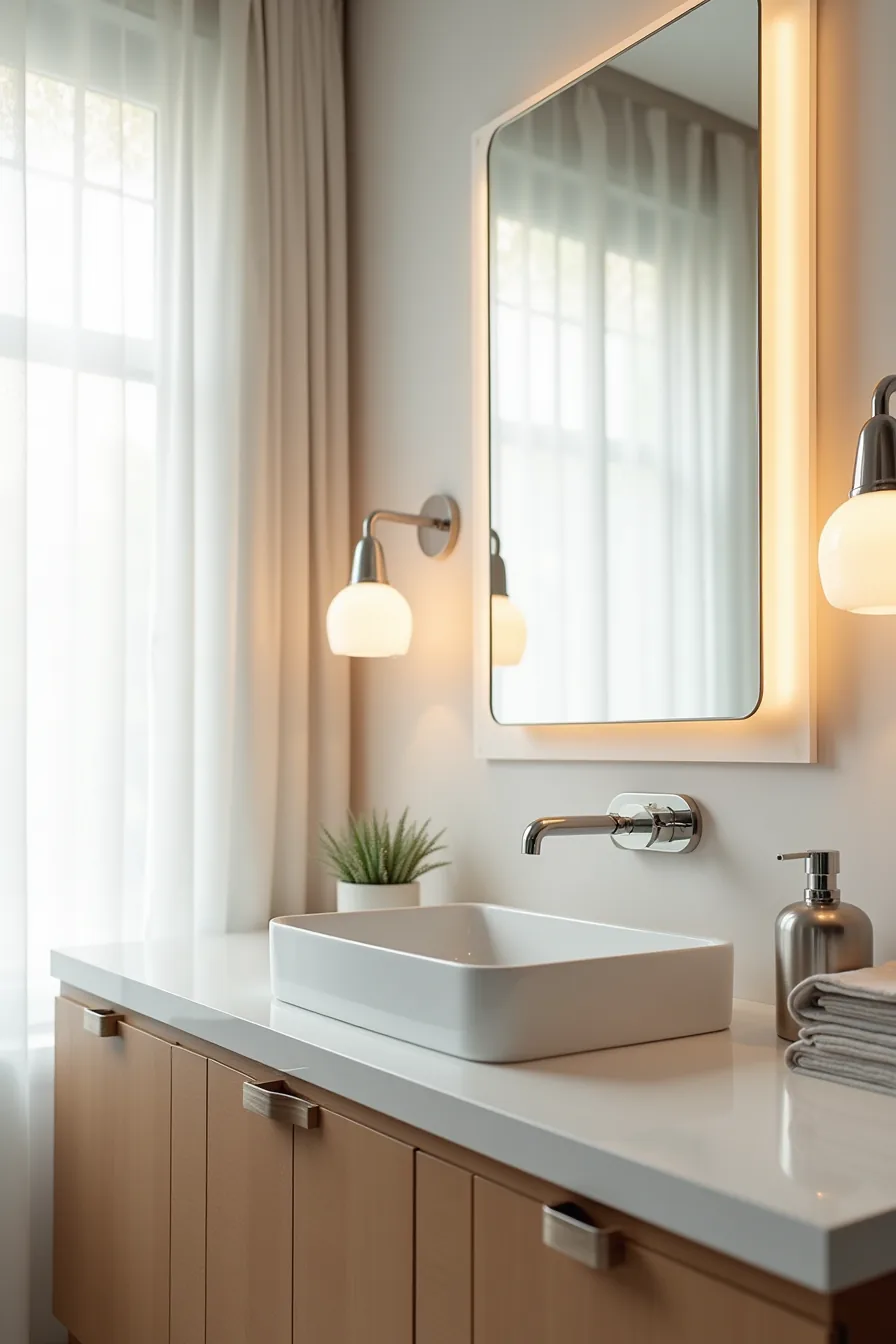
Premium fixtures differ from budget options in the base metal, not just the plating. Solid brass bodies with a physical vapor deposition (PVD) chrome or brushed nickel finish resist tarnishing and corrosion far longer than zinc alloys with thin electroplating, expect 15–20 years of regular use before any wear appears, versus 3–5 years for entry-level pieces. A polished chrome faucet, like the one on this custom vanity, develops a mirror-like depth that cheaper finishes lack, but that brilliance demands a specific care routine.
Maintenance is straightforward: wipe down the premium polished chrome faucet and luxury chrome handles daily with a dry microfiber cloth, the one resting beside the sink, to prevent water spots before they etch the surface. For weekly deep cleaning, use pH-neutral soap and warm water only; acidic cleaners, abrasive pads, and bleach will strip the protective layer within months. The stainless steel soap dispenser should never sit with residue on its surface, as dried soap accelerates pitting.
Most manufacturers of this tier offer a limited lifetime warranty on the finish, but that coverage voids if you use harsh chemicals, so check the care card before buying.
Your first move
Start with the room’s dominant surface, usually the vanity or tub, and choose your silver finish against that. Polished chrome suits cool gray or white tile; brushed nickel softens warm wood or beige stone. Test a sample faucet or rail in the actual space for 48 hours, checking it under morning and evening light.
Then, pick one anchor piece to commit to before anything else. A single- or double-handle faucet in a consistent finish sets the tone; mirror frames, sconces, and towel bars follow. Buy the anchor first, and you avoid mismatched undertones later.
Your next step: measure your sink’s existing faucet holes and drop-in depth, then order a finish sample from one manufacturer. That takes ten minutes and eliminates most guesswork.
Frequently Asked Questions
Does polished silver tarnish faster than brushed silver in a humid bathroom?
Yes. Polished silver’s smooth surface exposes more metal to moisture and air, accelerating tarnish. Brushed silver’s micro-texture slows oxidation, but both require routine drying and periodic polishing to stay bright.
Can I mix polished and brushed silver fixtures in the same bathroom?
Absolutely, if you separate them by function. Use polished silver for faucets and showerheads, brushed silver for towel bars and cabinet pulls. This creates intentional contrast without visual competition, provided finishes share the same undertone.
What’s the best way to clean and maintain silver bathroom fixtures?
Wipe fixtures dry after every use with a soft microfiber cloth. Weekly, clean with mild dish soap and warm water, then rinse and dry. Avoid abrasive pads, bleach, and ammonia-based cleaners, they strip protective coatings and accelerate tarnishing.
How do I choose between silver fixtures and chrome or stainless steel?
Choose silver for warm, classic elegance with visible patina potential. Chrome offers a brighter, cooler mirror-like finish that’s cheaper and easier to maintain. Stainless steel resists corrosion best but has a matte, industrial look.
Match your style, budget, and humidity level.