
A luxury bedroom combines comfort, elegance, and functionality tailored to your personal style and space. Whether you’re working with a compact apartment or a sprawling master suite, luxury can mean anything from minimalist sophistication to opulent textures and finishes. This guide explores six distinct interpretations, including budget-friendly upgrades, renter-approved solutions, and long-term investments.
Each idea is paired with practical tips on scale, materials, and placement to help you create a cohesive, high-end look that suits your lifestyle and room size.
Key takeaways
- Hotel-inspired neutrals rely on layered textures like linen, velvet, and wool for a timeless, elegant look.
- Custom built-ins maximize storage and create a smooth, tailored appearance in medium to large spaces.
- Natural materials like wood, stone, and jute add warmth and durability to minimalist luxury designs.
- Strategic upgrades, such as swapping hardware or adding a statement headboard, improve a budget-friendly luxury bedroom.
What Luxury Room Bedroom Actually Means in Design Terms

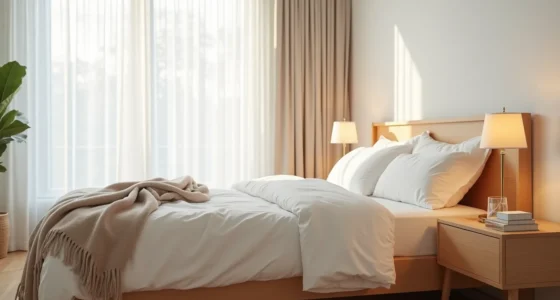
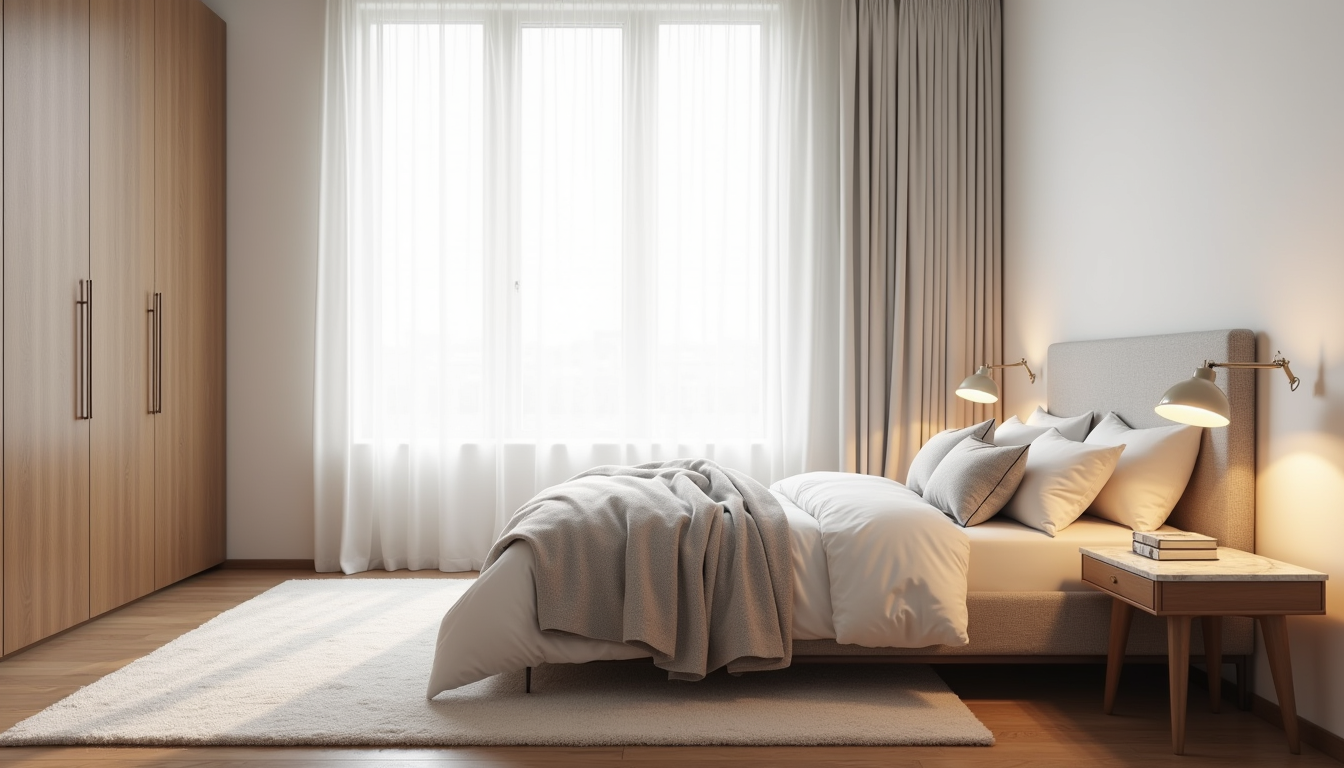
A luxury room bedroom has less to do with price tags and more to do with deliberate layering, proportion, and material integrity. The setup in front of you demonstrates the core principle: crisp white bedding built in tiers, starting with a duvet, then European pillows stacked behind, and a folded throw anchoring the foot. That sequence creates depth without clutter, and it signals quality through texture rather than ornament.
The matching nightstands and brass lamps matter because symmetry introduces calm, which is the psychological baseline of luxury. You can achieve this effect at any budget if you prioritize three things: high thread-count cotton (300-600 range), consistent sightlines, and warm metallic accents. Avoid introducing competing patterns here, restraint is what separates a luxury room bedroom from a merely decorated one.
This approach suits anyone who values a hotel-like retreat and is willing to remake the bed daily to preserve the crispness.
Hotel-Inspired Neutrals with Layered Textiles

The fabric-paneled accent wall behind the bed is the anchor here, and its height does the heavy lifting. Panels running 84–96 inches tall draw the eye upward, making the ceiling feel higher and giving the bed a grounded, custom-built presence. Pair that with a built-in wardrobe featuring recessed lighting, the glow should wash the wall, not the floor, and you get a suite-like atmosphere without a single piece of oversized furniture competing for space.
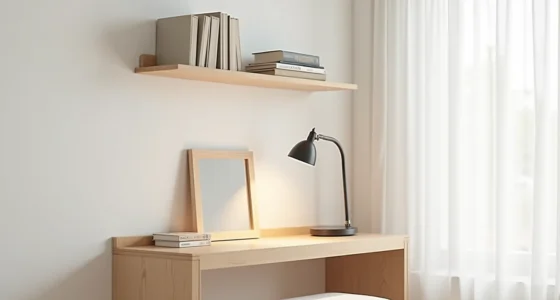
The floating shelves flanking the wardrobe introduce asymmetry deliberately. Limit each shelf to three objects maximum: one book stack, one sculptural piece, and one small plant or ceramic. This keeps the display curated rather than cluttered, and it gives you a rotation point for seasonal refresh.
For the bedding, stick to a 300-600 thread-count cotton in warm white or greige, layered with a lightweight quilt at the foot rather than a heavy duvet, this suits medium-to-large rooms where the bed sits against a long wall. Lighting placement matters most: position wall sconces 24–30 inches above the nightstands, angled slightly inward, to soften the panel texture at night. These are among the best luxury room bedroom examples because every element serves both acoustics and visual calm, favoring renters who can install removable fabric panels with adhesive hooks instead of permanent upholstery.
Statement Upholstery and Custom Built-Ins
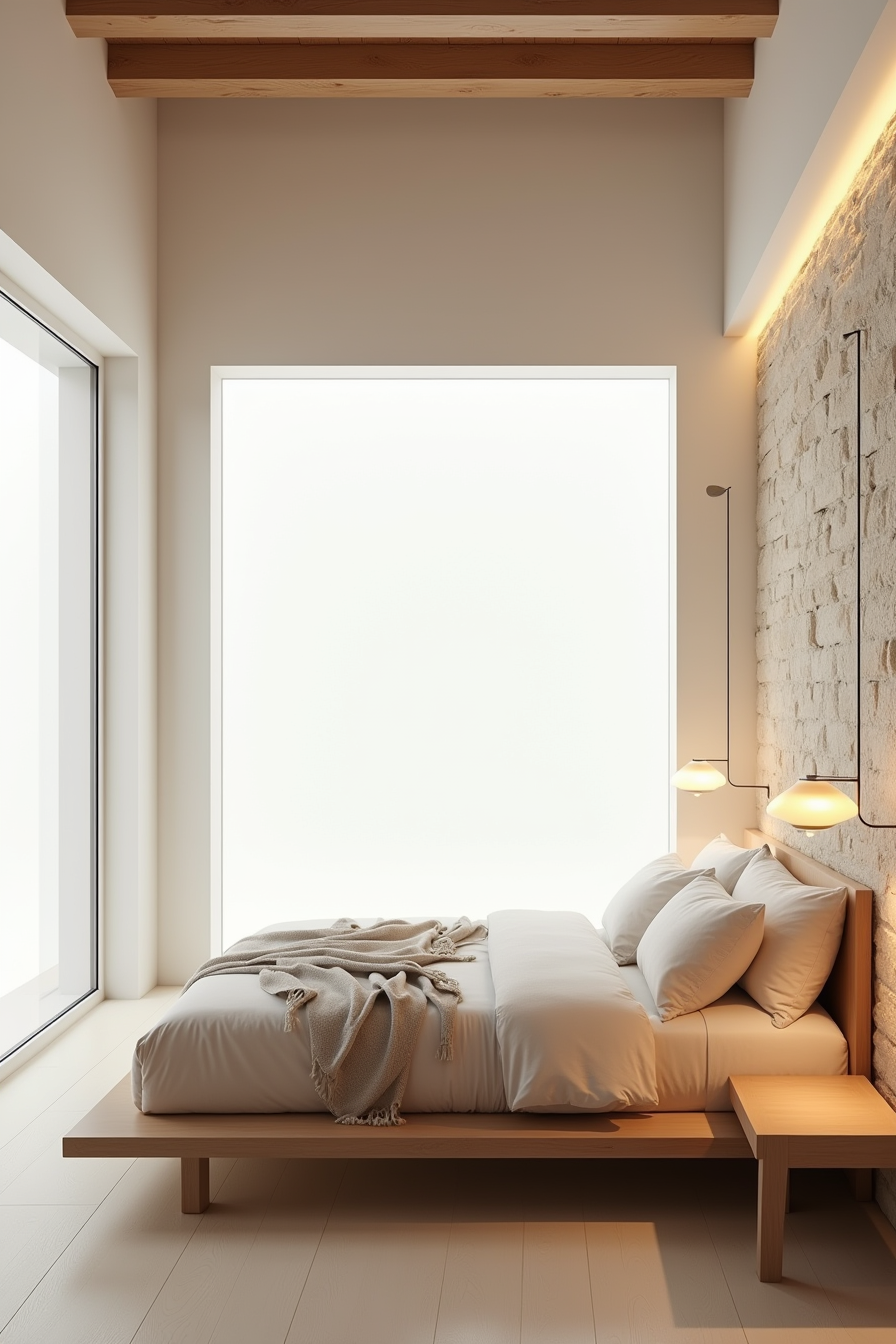
When you commit to architectural permanence, the payoff is a room that feels designed rather than decorated. Consider a low platform bed with linen bedding in washed oatmeal or stone tones, the relaxed texture prevents the space from feeling stiff. Behind the headboard, a full-height stone accent wall adds organic depth, while exposed timber beams overhead balance the coolness of stone with warm, natural grain.
A simple wooden bench at the foot serves as both a seating perch and a landing zone for a folded throw, keeping the floor line clear.
This setup suits medium-to-large primary suites where you can afford visual weight without crowding circulation paths. Custom built-ins, wardrobes, window seats, or paneling, typically require 6–10 weeks from templating to installation, so plan around delivery dates. The financial case hinges on longevity: stone veneer and solid timber cost more upfront but eliminate the replacement cycle of trend-driven furniture.
If you rent, skip the permanent millwork and use freestanding wardrobes with matching finishes to approximate the look without structural changes.
Minimalist Luxury with Natural Materials

Minimalist luxury comes from subtraction, not addition, fewer pieces, better materials, and a strict palette. A painted dresser in a warm neutral tone sets the foundation; swap the original hardware for unlacquered brass pulls to introduce a tactile, low-shine accent that develops a patina with use. Above it, a wood-frame mirror with a thick, raw-edge profile adds organic warmth without competing with the dresser’s clean lines, while a ceramic table lamp with a linen shade supplies soft, diffused light for evening.
The quiet palette of stone, wood, and linen textures works best in a room with good natural light, these materials read flat under harsh overhead fixtures. On maintenance: sealed stone needs re-sealing every 12–18 months, wood requires periodic oiling, and linen bedding should be washed on a gentle cycle and air-dried to preserve its relaxed drape. For renters, this is the most achievable luxury route of all, every element here’s freestanding, and a fresh coat of paint in a warm neutral is a reversible, landlord-friendly upgrade.
Budget-Friendly Luxury Through Strategic Upgrades

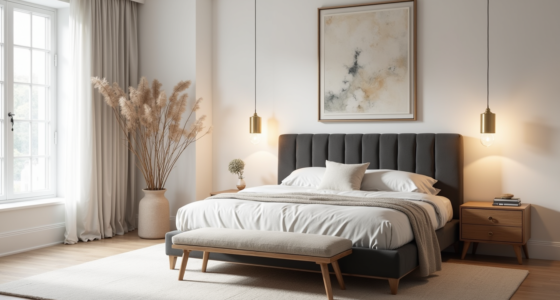
Luxury rarely requires demolition, it demands targeted replacements that change how a room feels. Start with your light source: two wall-mounted reading lights flanking the bed free up nightstand surface and cast a soft, gallery-like glow that table lamps can’t match. In the setup pictured, a narrow console table serves as a nightstand, keeping visual weight low while providing just enough surface for a book and a glass of water.
The compact upholstered bench at the foot of the bed does double duty: it anchors the space visually and gives you somewhere to sit while dressing, without the footprint of a full storage chest. Vertical storage baskets fill the gap beneath the console, turning dead space into concealed storage for blankets or off-season clothing. Prioritize these three upgrades, lighting placement, multi-purpose furniture, and vertical storage, and skip decorative accessories until the structural pieces are right.
Adapting Luxury Bedroom Design to Room Size and Layout
For a bedroom under 10 x 12 feet, limit yourself to one luxury anchor, typically the bed, and keep everything else flush to the walls. Skip the armchairs entirely; instead, a single storage ottoman at the foot of the bed provides seating and hidden volume without stealing floor space. Leave a minimum of 24 inches of clearance on both sides of the bed and 36 inches at the foot to preserve circulation.
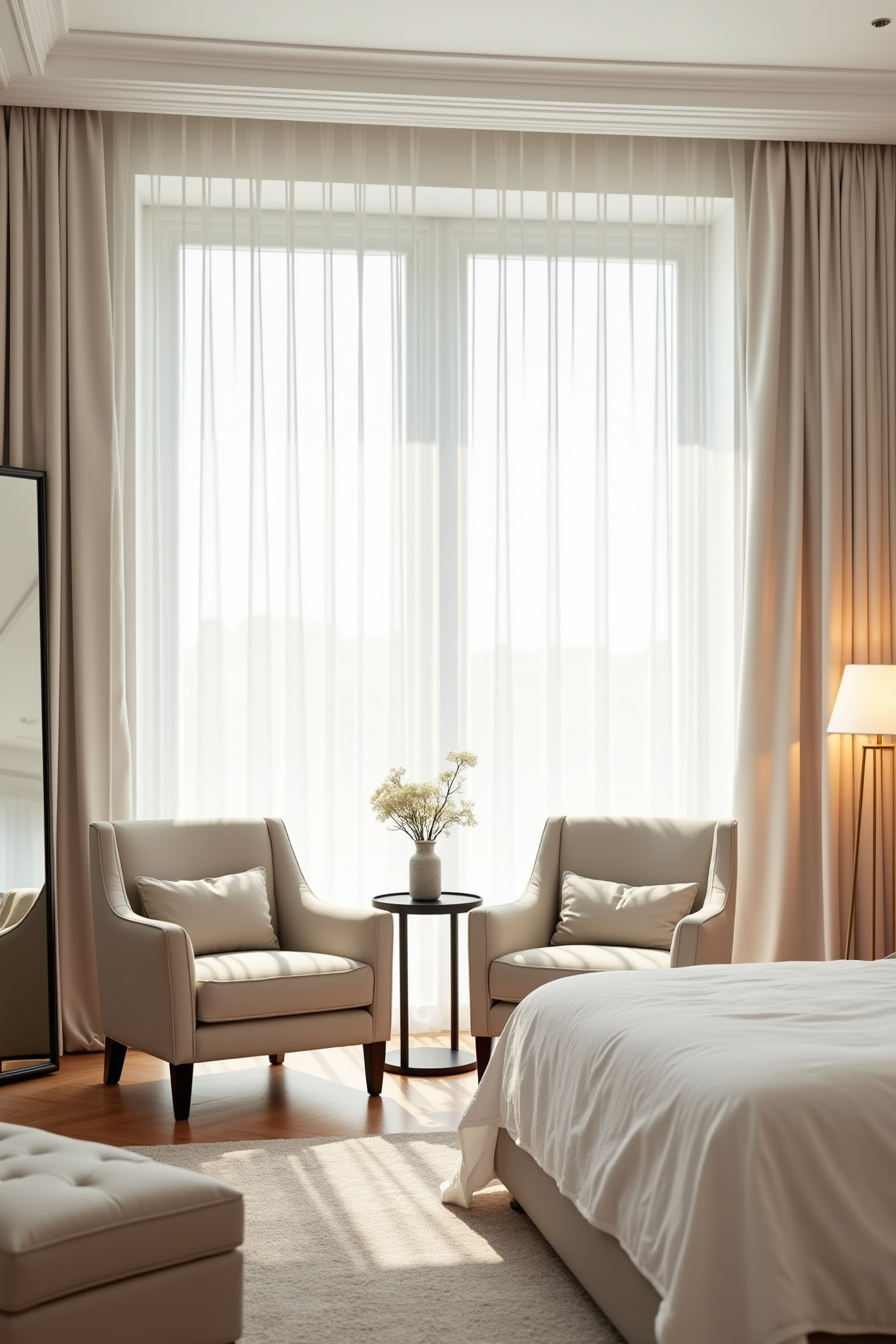
In a medium room (12 x 14 feet), you can add one armchair and a slim side table in a corner, but keep the piece compact, 28 to 32 inches wide, so it doesn’t crowd the dresser or closet swing path. For larger bedrooms (15 x 20 feet or more), create a distinct seating zone separated from the sleeping area, as the arrangement with two armchairs and a side table near the window demonstrates. A full-length standing mirror angled to reflect natural light makes the space feel taller, while a storage ottoman placed between the chairs offers a footrest and concealed storage for extra bedding.
Prioritize zone separation over filling every open wall with furniture; the luxury effect comes from purposeful negative space, not density.
Where to start
Begin by measuring your room and identifying its primary function. A luxury bedroom prioritizes calm, so decide whether you need a reading nook, a workspace, or just a sleeping sanctuary before choosing any furniture.
Your first purchase should be the bed frame, as it anchors the entire layout. Select one that leaves at least 24 inches of clearance on each side for easy movement, then build your color palette around the headboard’s material and tone.
Pick one high-impact upgrade, whether it’s blackout drapery, a textured wall treatment, or layered lighting, and complete that before moving to decorative accents. This focused approach delivers visible transformation without overwhelming your budget.
Your next step: Take three photos of your current bedroom from different angles, then circle one circulation problem and one lighting gap to solve first.
Frequently Asked Questions
What is the most important element in a luxury bedroom design?
Layered lighting. You need three distinct sources, ambient, task, and accent, to create depth and control mood. Without it, even expensive furniture reads flat and uninviting.
How can I make my bedroom look luxurious on a budget?
Upgrade your bedding first. High-thread-count white cotton, a plush duvet insert, and layered pillows transform the look instantly. Then add dimmable lamps and floor-length curtains.
Skip trendy decor.
What size rug do I need for a luxury bedroom?
For a queen bed, choose an 8×10-foot rug; for a king, a 9×12-foot rug. Ensure at least 18 inches of rug extends beyond the bed’s sides and foot. Smaller rugs make the room feel disjointed.
How do I choose between a platform bed and an upholstered bed for a luxury look?
Choose upholstered for softness and acoustic comfort, especially in large rooms. Choose platform for a sleek, minimalist profile and easier cleaning. Upholstered suits traditional or cozy styles; platform suits modern or industrial spaces.