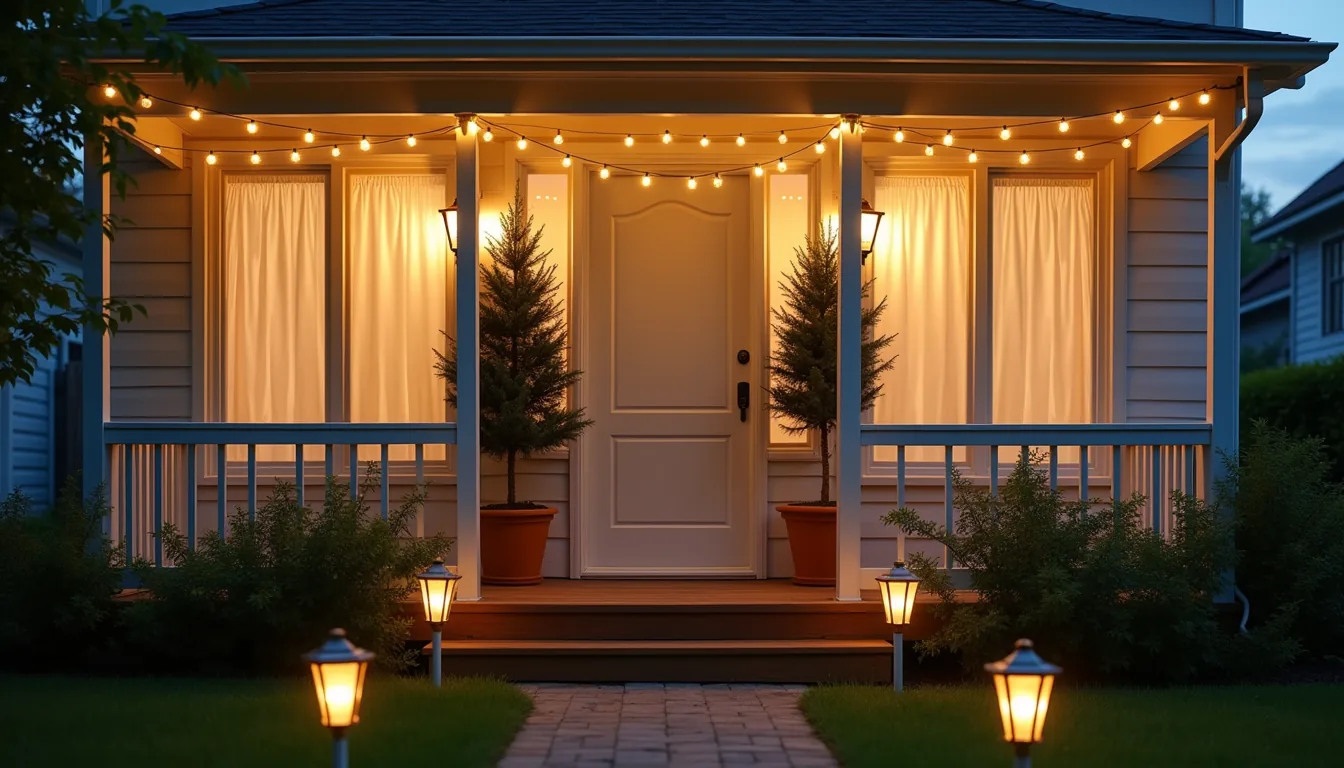
Outdoor Christmas decorating fails when the scale, materials, and placement don’t match your actual home, so before you buy a single string of lights, work through these six distinct approaches, each with its own budget, maintenance, and space requirements. You’ll find a renter-friendly window treatment, a ground-level investment that survives snow, and a small-space solution that doesn’t block your walkway. The right choice depends on your porch depth, outlet proximity, and how many weekends you’re willing to spend on a ladder.
Here’s how to match each style to your specific entryway.
Key takeaways
Start with lighting, string lights, path markers, and spotlights deliver the highest visual impact per dollar and work in any yard size, from a balcony to a sprawling lawn. Anchor your display with one focal point, like a lit tree or entryway garland, to prevent scattered decor from feeling cluttered or aimless. Choose portable containers for renter-friendly flexibility, large planters with pre-lit branches or faux evergreens can move with you and adapt to new layouts. Invest in mixed materials, wood, metal, and weatherproof fabric, to add depth, but budget for UV-resistant finishes and indoor storage to extend lifespan beyond one season.
Lighting-First Approach: Why It Works for Every Space
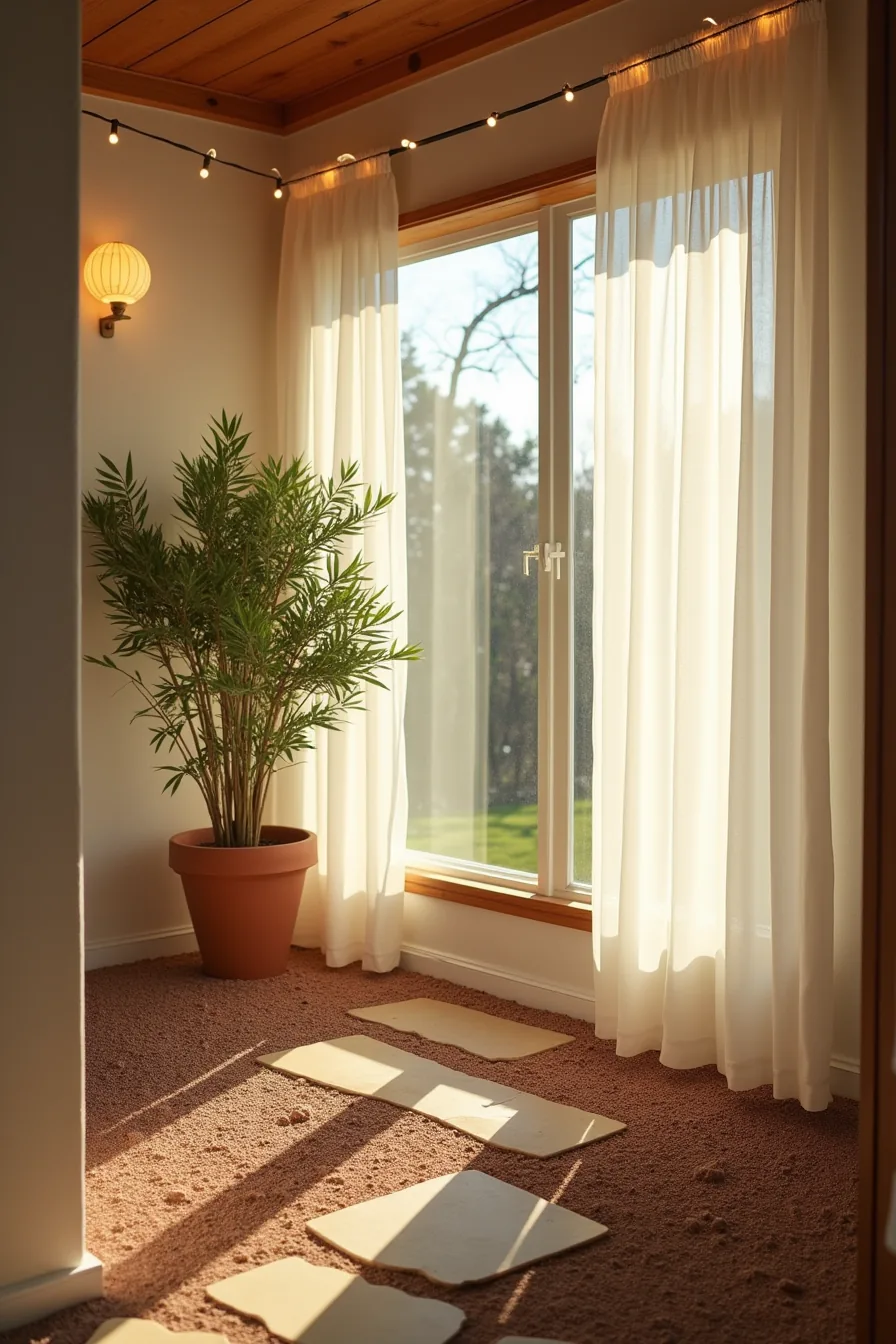
Start with light, not inflatables or figurines, because illumination defines the entire mood of your outdoor area after sunset. A practical setup mixes three layers: warm white string lights draped between wooden posts at roughly 8 feet high, ground-level spotlights angled upward at a shrub to create depth, and cool-white pathway lights embedded along a mulch bed to guide movement. This combination works for any yard size because you control intensity through bulb count and spacing, not square footage.
String lights suit renters since most hang from hooks or zip ties with no permanent modification, while pathway lights are often solar-powered stakes you can pull up in minutes. Owners can upgrade to low-voltage spotlights wired to a timer, which costs more upfront but reduces daily setup. For a small balcony, skip the pathway layer and keep only string lights plus one spotlight; for a sprawling lawn, double the string light runs and place spotlights every 6–8 feet along the perimeter.
Use warm white (2700K–3000K) for cozy gatherings and cool white (5000K+) for crisp, modern lines, but never mix both on the same surface or the effect looks accidental. Check wattage ratings on extension cords, most outdoor-rated cords handle up to 1,500 watts, so a 100-bulb string set at 5 watts per bulb leaves little room for additional fixtures. These are the Practical Christmas Decor Ideas Outdoor planning tips that save you from tripping breakers mid-season.
Focal Point Installations: Trees, Garlands, and Entryway Statements
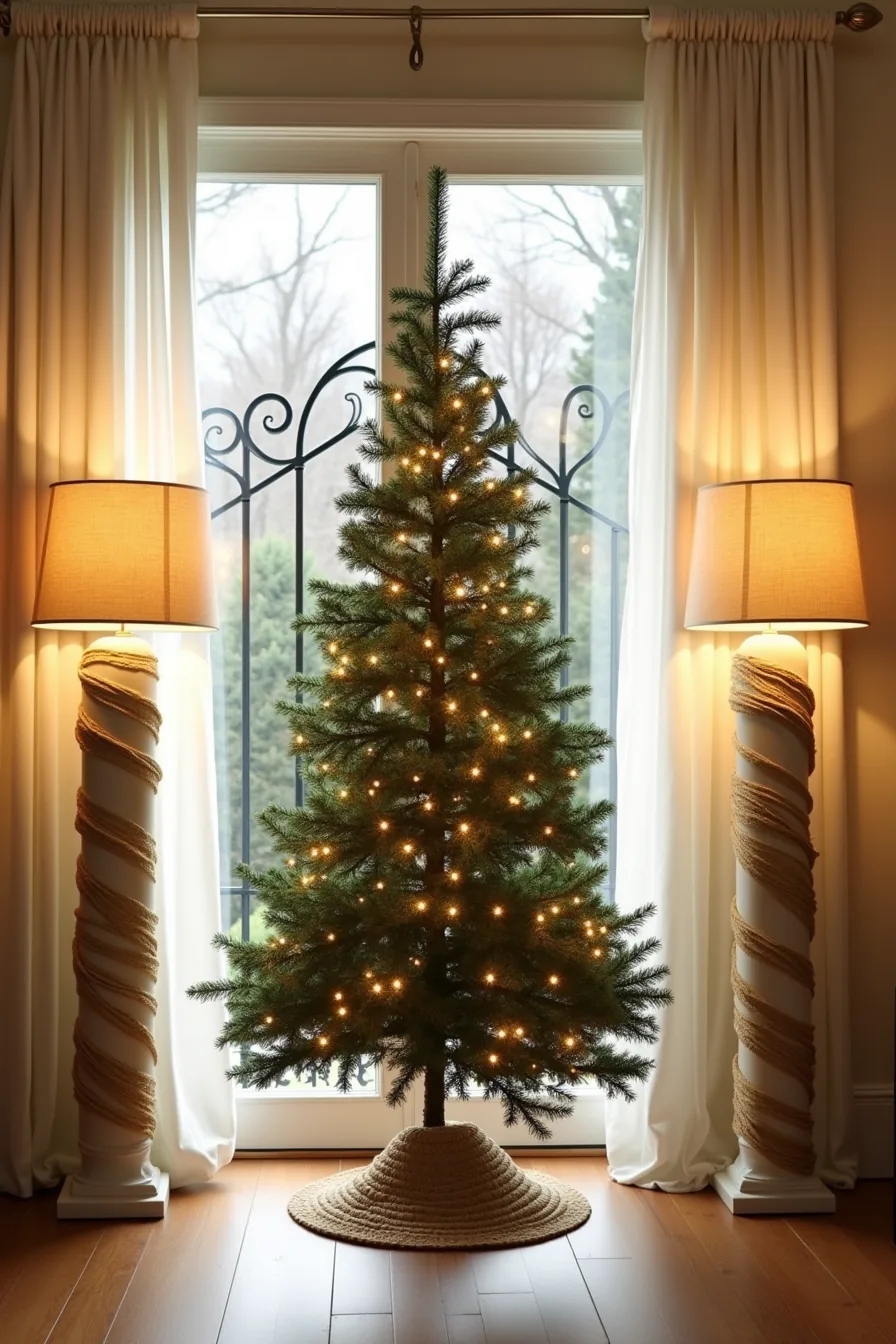
A single dominant anchor organizes the entire yard, and nothing reads more intentional than a lit evergreen tree centered in a landscape bed. Choose a 6–8 foot tree if your front yard bed extends at least 10 feet deep; anything smaller looks lost, while taller varieties require a sturdy stake and two people to secure. Wrap the trunk and lower branches with warm white lights in a spiral pattern, spacing each loop 6–8 inches apart, tight enough for solid color, loose enough to avoid a glowing blob.
Flanking the tree with wrapped columns creates a symmetrical frame that draws the eye to the front door. Use outdoor-rated PVC columns or repurpose existing porch posts, spiraling 3-inch-wide gold ribbon upward with rust-proof staples. The metallic accent catches light without competing with the tree’s glow, and it works because the gold repeats the warm undertone in your string lights.
This setup suits homeowners with a permanent landscape bed; renters should skip the columns and use a freestanding 4-foot potted evergreen instead, which delivers the same anchor with zero ground disturbance. For a narrow lot, swap the third column for a single garland draped over the gate, same material, half the footprint. These Best Christmas Decor Ideas Outdoor examples prioritize verticality, so your eye moves up rather than across, making even a 20-foot-wide yard feel grander.
Container and Planter Styling: Portable Decor for Renters and Flexible Layouts
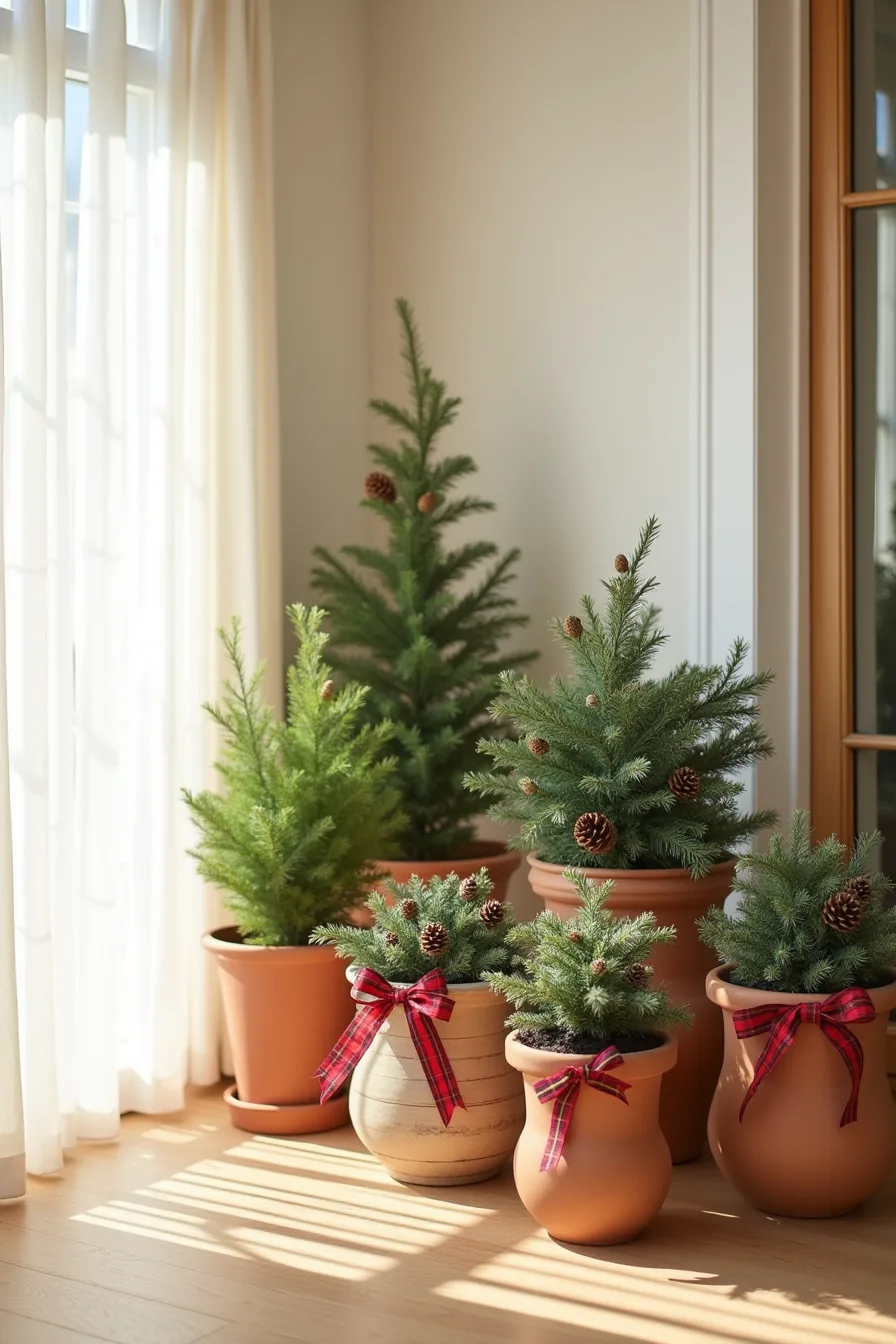
Five ceramic and terracotta planters in staggered heights between 12 and 24 inches create the most forgiving arrangement you can assemble, because odd numbers and varied elevations mask spacing mistakes. Cluster them asymmetrically with the tallest pot anchoring the corner, then drop each subsequent planter slightly forward, leaving at least 4 inches between rims so the shapes register separately rather than blending into a single mass. Fill each with cut evergreen branches pushed into floral foam or damp sand, which keeps the display fresh for two to three weeks without rooting.
The red and plaid ribbon bows tied at the base of each planter carry the color story without permanent paint or stain, making this the clearest Budget vs. Splurge Christmas Decor Ideas Outdoor split: the splurge version uses live potted Alberta spruces that return next year, while the budget route costs under $10 per container using trimmings from a local tree lot. This setup suits renters because nothing touches the ground, and you can rearrange the entire cluster in under five minutes when sightlines from inside the house demand a shift. On a balcony, place the tallest planter against the railing and the low pots at your feet; on a wide porch, extend the cluster along the walkway edge rather than the wall, so the green reads against the house exterior instead of disappearing into it.
Projection and Silhouette Effects: Modern Alternatives to Traditional Displays
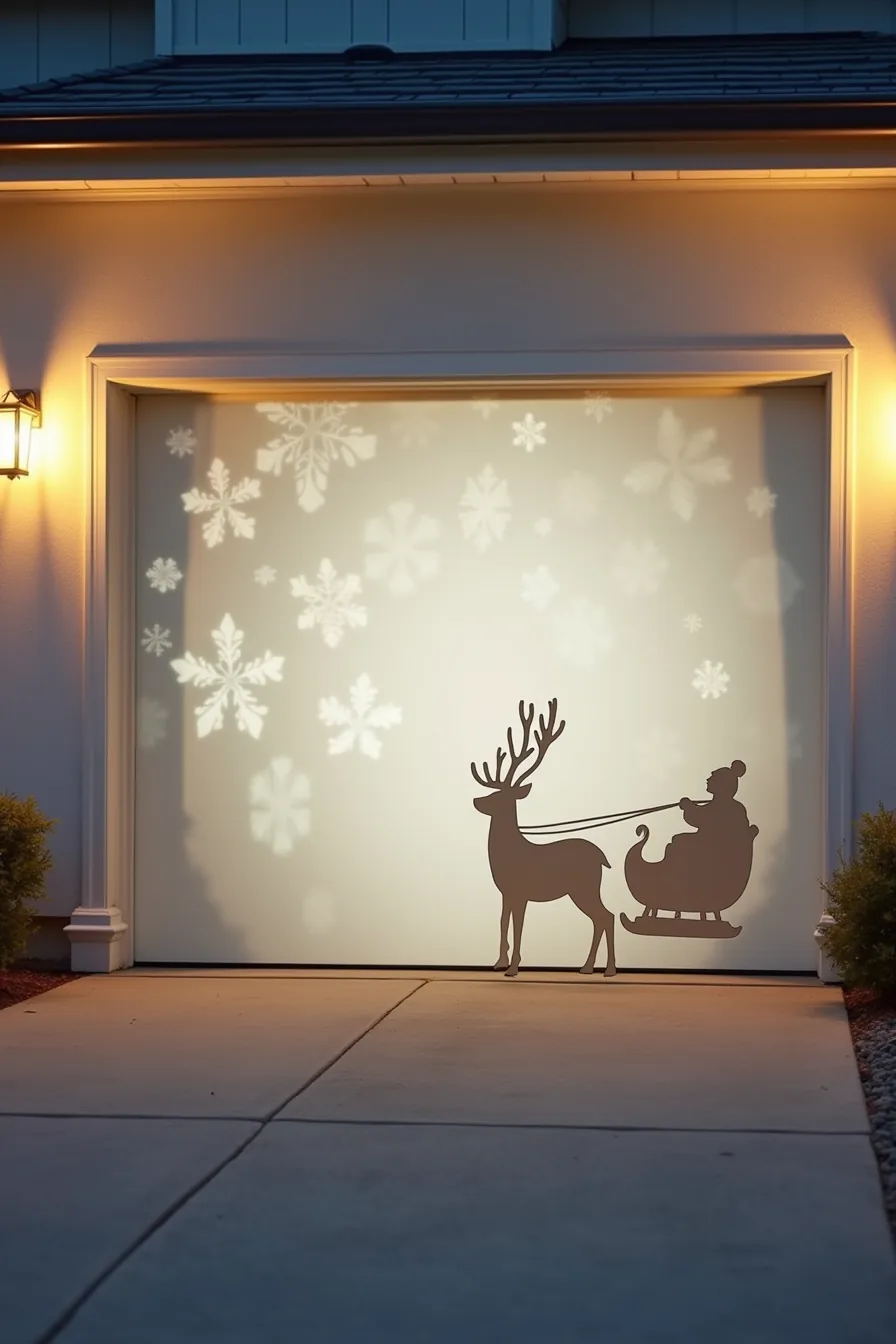
Projection mapping transforms a blank exterior wall into a dynamic, moving light show without a single string of bulbs. A single projector, rated at 3,000 to 4,000 lumens for a wall up to 20 feet wide, casts animated snowflakes across a garage door or siding. You control the entire scene from your phone, switching from snow to a fireplace flame in seconds, and you avoid the ladder time and storage space that physical lights demand.
For a classic look that costs nothing to run, build a hardboard silhouette and backlight it with a spotlight. Cut a reindeer and sleigh shape, paint it flat black, and mount it on wooden stakes 12 to 18 inches away from the wall; a 50-watt halogen or LED floodlight placed at the base creates a crisp, sharp shadow. The silhouette reads best on a smooth, light-colored surface, and you can store it flat in a closet when the season ends.
Silhouettes and projections suit renters because they leave no holes in the structure. A projector sits on a sturdy table or a paver, and a silhouette is freestanding, so you can take both down in under ten minutes. They also work well for narrow front yards where you’ve no planting space, the visual impact happens on the vertical plane, not the ground.
Before you buy, check your outlet placement and run a heavy-duty extension cord rated for outdoor cold. Projectors draw 200 to 350 watts, which is fine on a standard 15-amp circuit, but avoid plugging them into a daisy-chained outlet with other high-draw decorations. Position the unit so its beam doesn’t shine into a neighbor’s window; aim it slightly downward or use the projector’s built-in keystone correction to square the image on your wall.
Mixed-Material Layering: Combining Wood, Metal, and Fabric for Depth
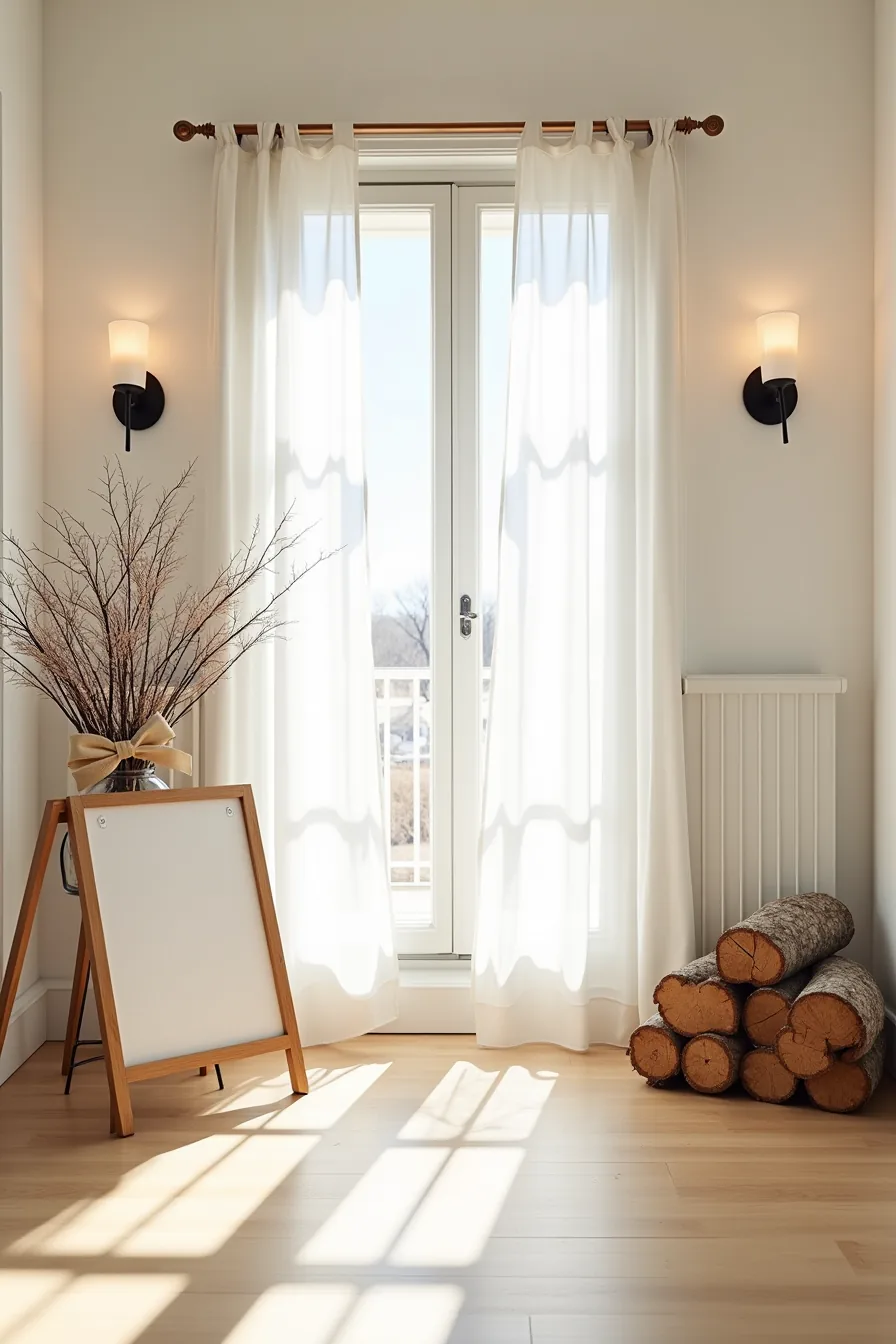
Texture contrast turns a flat display into a scene with visual weight. Pair a wooden A-frame sign with a wrought-iron plant stand holding natural branches, then soften the hard edges with burlap and cream fabric bows tied to the posts. Stack birch logs at the base to anchor the composition and add a warm, organic tone that neither paint nor plastic can replicate.
This approach suits homeowners who want a curated, farmhouse-style entryway without committing to a single material theme. The iron stand provides year-round utility, while the wooden sign and burlap bows cost roughly $20 to $45 in materials if you craft them yourself. Use outdoor-rated fabric and seal the wood with a weatherproofing spray to survive rain and frost; unsealed pine will gray within two seasons.
For small porches, scale down by using a 24-inch sign and a single branch bundle rather than a full log stack. The layering principle, one hard vertical element, one soft textile, one natural base, works at any size, and you can swap the burlap for velvet ribbon if your home leans traditional. Avoid placing the iron stand where it blocks the door swing, and keep the birch logs off damp concrete to prevent rot.
Maintenance and Seasonal Storage: Protecting Your Investment Year-Round

A 30-minute teardown in early January prevents a $200 replacement in November. Start by wiping down every surface with a mild soap solution before storage, residual sap and pollen attract pests to your plastic storage bins over the summer months. Coil extension cords loosely on hooks rather than tight loops, which crack the insulation when temperatures drop below freezing.
Your storage layout determines how long the setup survives. Stack labeled plastic bins on shelves 36-48 inches high to keep them off concrete floors, where moisture migrates upward and breeds mildew inside sealed containers. Fold weatherproof tarps on a workbench, never on the ground, and place a moisture-absorbing container on a shelf near the cords, silica gel packets work, but a calcium chloride tub handles a full garage’s humidity for three months straight.
Weigh permanent installations against temporary ones before you buy. A wired light system costs $150 to $350 upfront but eliminates annual re-hanging labor; a plug-in set runs $30 to $80 per season and demands 20 minutes of untangling each year. Budget for replacement cycles: fabric elements last 2-3 seasons, metal hardware 5-7, and sealed wood 4-6 before refinishing.
Store everything in one zone, bins on shelves, tarps on the bench, cords on hooks, so next November’s setup takes under an hour instead of a weekend.
Your 30-Minute First Move
You now have six distinct directions, each with its own cost, effort, and visual payoff. The fastest way to decide is to match your constraints, not your wishlist: renters should lean into the wreath-and-lantern route, while homeowners can invest in permanent light tracks along rooflines or pathways.
Start with one focal point only, your front door or the main walkway. Sketch the usable width and height, pick one style from the list above, and test a single sample piece before committing to the full set.
Your concrete next step: measure your entryway, then order one battery-operated light set and one weatherproof wreath hanger today. Install them this weekend and evaluate the effect before scaling up.
Frequently Asked Questions
How much outdoor Christmas lighting do I need for a typical residential lot?
For a standard 50-foot roofline, plan 150–200 feet of string lights. Trees under 10 feet need roughly 100 lights per foot of height. Always buy 20% extra for broken strands.
Can I use indoor Christmas decorations outside, and what happens if I do?
Indoor lights and decor lack weatherproofing, so rain or frost causes short circuits, corrosion, or fire risk within days. They also fade quickly in sunlight. Use only items rated for outdoor use.
What’s the difference between permanent outdoor decor and seasonal-only setups in terms of cost?
Permanent LED lighting costs $800–$2,500 installed but lasts 10–15 years with zero setup time. Seasonal setups run $100–$400 yearly in materials, totaling $1,000–$4,000 over a decade, plus your labor each December.
How do I prevent outdoor Christmas decorations from creating safety hazards or blocking sightlines?
Keep all lights and inflatables at least 3 feet from walkways, driveways, and door swings. Never mount decor near gas meters or vents. Trim tree lights to stay above 8 feet so they don’t obstruct driver or pedestrian views at corners.