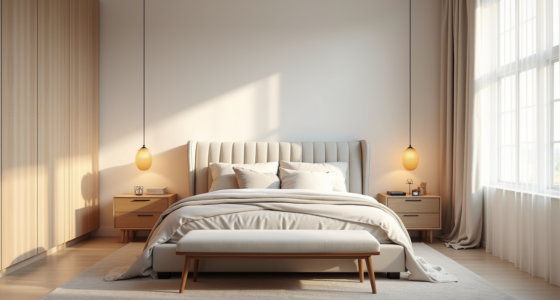

Buying bedroom decor on Amazon is less about scrolling for pretty photos and more about decoding listing details before you commit. The real challenge is separating polished product shots from practical reality, where dimensions, material weight, and assembly requirements often tell a different story. To avoid wasted money and returns, you need a focused checklist that filters out the visual noise and targets items built to last.
Key takeaways
Measure your room’s floor plan and door swing before browsing, so you filter out pieces that physically won’t fit. Match fabric and frame materials to your cleaning habits and household mess level, not just the photo. Use the listed dimensions and review photos of items in real rooms to judge true scale, since product images often distort size. Prioritize return-friendly sellers and check restocking fees before ordering large or heavy decor, as shipping costs can exceed the item’s value.
Assess Your Space Before Buying
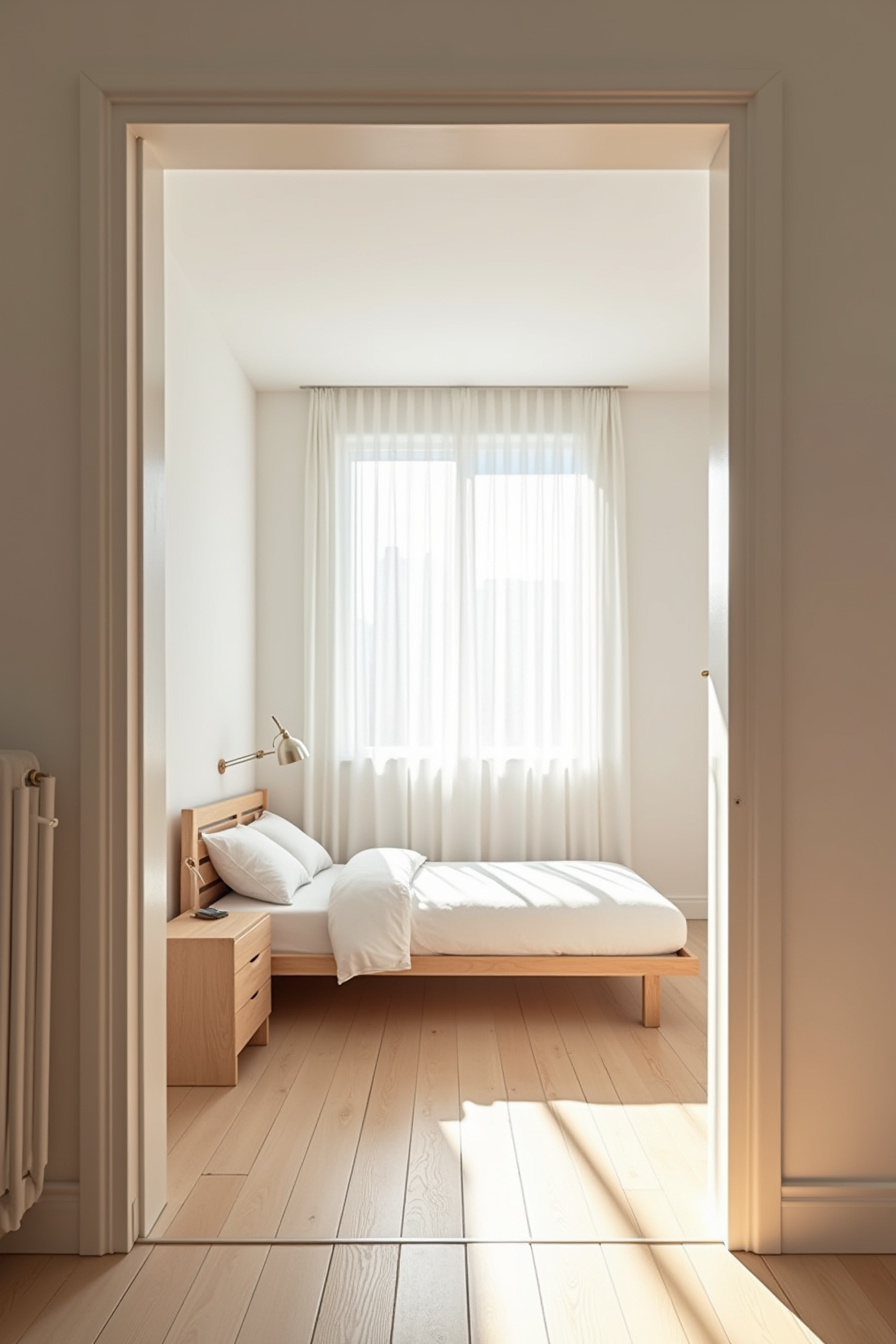
Measure your room before you search for a single item. You need the floor dimensions and the wall lengths, plus the width of every doorway and the clearance around your bed. A typical queen mattress is 60 by 80 inches, so your bed frame will add a few inches on each side, most frames run 62-66 inches wide.
You need at least 24-36 inches of walking space around the bed, and 30 inches is the comfortable minimum for a main path.
In the image, the bed frame sits centered on the longest wall, with the nightstand tucked beside it and the dresser against the adjacent wall. That positioning leaves a clear, straight line from the door to the window, no furniture blocks the route, and the open floor area stays usable. Trace your own likely paths before buying: from the door to the closet, to each side of the bed, and to the window if you open it.
If a piece would interrupt any of those routes, size down or skip it. For a small bedroom, this means choosing a dresser 30-36 inches wide instead of a 48-inch model, and skipping the second nightstand if it would pinch the path.
Match Material Quality to Your Maintenance Tolerance

A fabric swatch, wooden chair leg, metal curtain rod, and cleaning cloth tell you everything about a listing before you click buy. Fabric density is your first filter: upholstered headboards and benches should list a high rub count (most residential-grade fabrics run 15,000-30,000 double rubs), and anything under that means pilling within a year of nightly use. For washable options, look for removable, machine-washable covers, solidifying this as one of the Best Amazon Bedroom Decor examples because it cuts cleaning time from an hour to ten minutes.
Wood construction demands a similar inspection. Solid pine or oak costs more but survives decades; MDF and particleboard chip at the edges within months, especially on dresser drawers you open daily. Check the joinery, dovetail or mortise-and-tenon corners hold, while glued butt joints fail.
Metal finishes need matching care: matte black and brass coatings scratch visibly, so choose powder-coated steel for high-contact pieces like curtain rods and bed frames. That cleaning cloth in your hand is the real test, if you won’t wipe dust weekly, skip open shelving and ornate carved details that trap it.
Use Color and Texture to Anchor Your Design
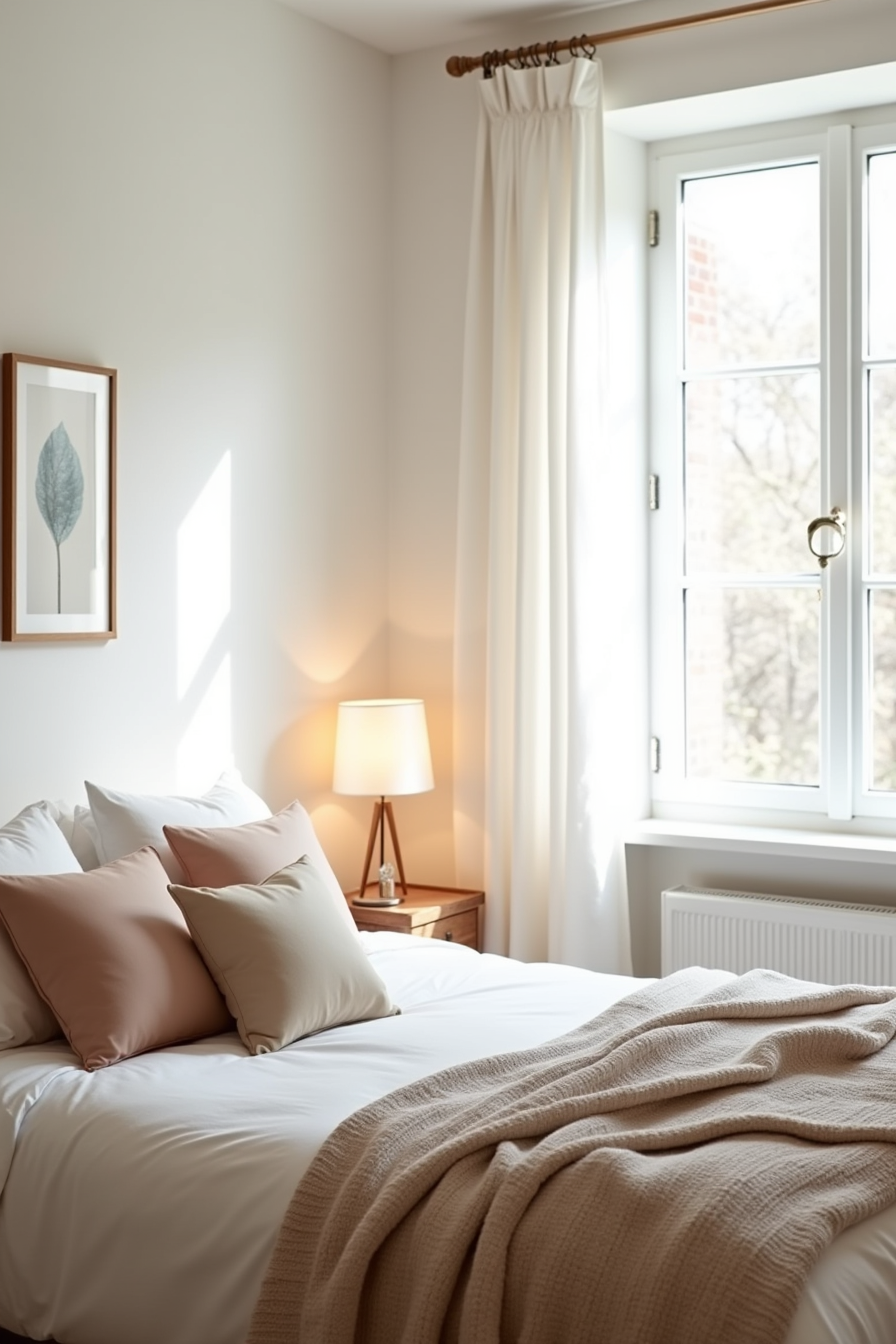
A bedroom scheme holds together when you limit yourself to three colors and repeat them in different materials. In a corner setup with a neutral headboard, stack throw pillows in two coordinating solid shades plus one patterned option, the pattern should pull colors from elsewhere in the room, like a rug or artwork, to make the space feel intentional rather than random. A textured blanket folded across the foot of the bed adds visual weight and warmth without introducing a fourth hue; it also doubles as a layer you can pull up on cold nights.
Above the bed, a framed print in a thin metal or wood frame should sit at about two-thirds the width of the headboard to keep the wall composition grounded.
This approach suits small and medium rooms best because it prevents the visual clutter that open shelving or excess décor creates. Stick to one or two textures per soft furnishing category, for example, a chunky knit throw with smooth cotton sheets, or a velvet pillow paired with a linen duvet. Mixing three different textures in a single layer, like a velvet blanket, cotton throw, and silk pillow, reads as busy in compact spaces.
Swap out seasonal accents like the throw or pillow covers rather than painting walls or replacing furniture; this keeps both the palette and your budget in check.
Scale Furniture and Accessories to Room Proportions
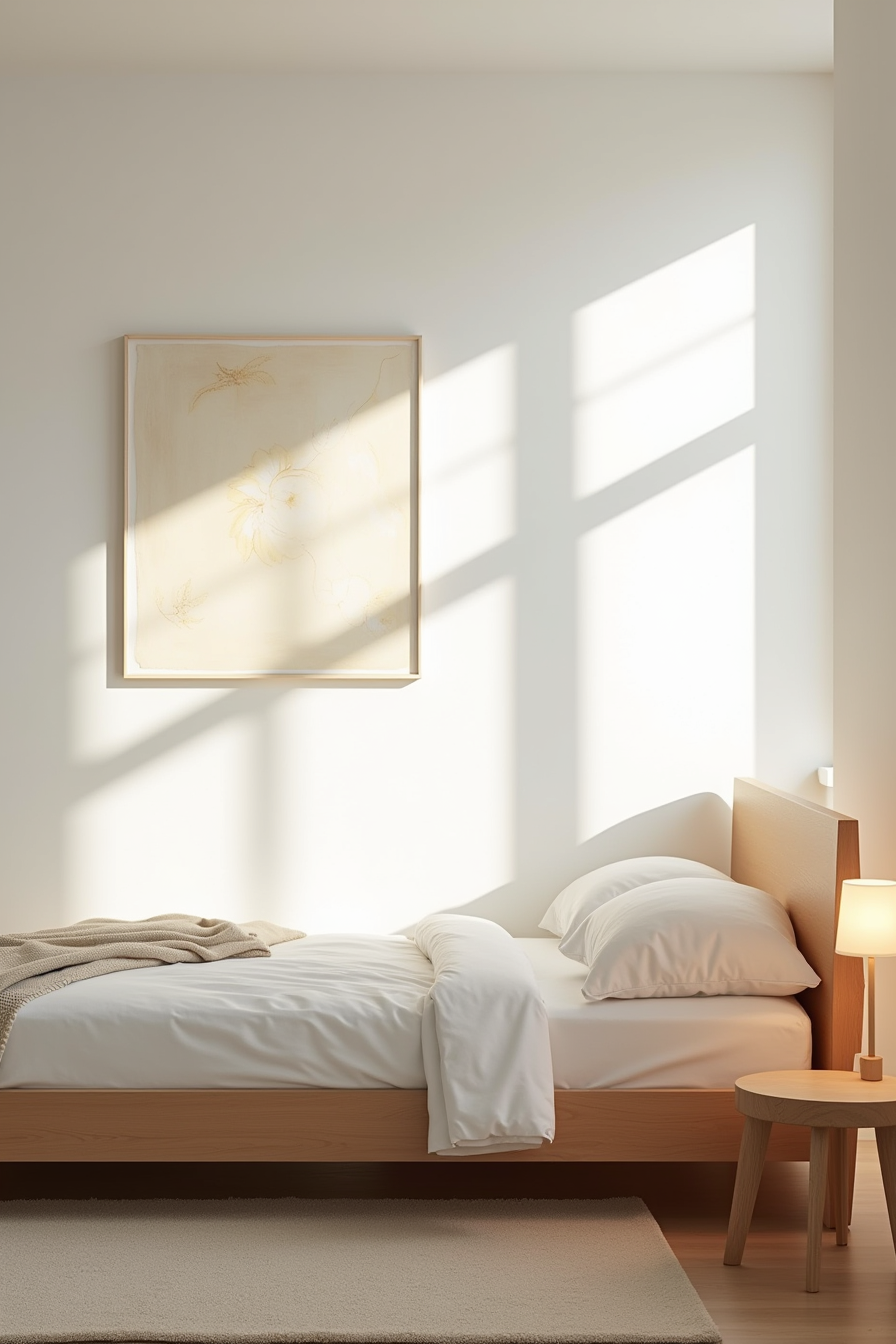
The most common Amazon Bedroom Decor mistakes to avoid stem from ignoring scale. For a queen bed, a headboard between 54 and 60 inches wide looks grounded; anything narrower makes the bed look undersized and leaves awkward gaps on either side. Match your nightstand height to the top of the mattress, most sit 24 to 28 inches, so reaching for a glass or phone doesn’t require a stretch.
A rug beneath the bed frame should extend 18 to 24 inches beyond the bed’s sides and foot. In a 10-by-12-foot room, that means an 8-by-10-foot rug; in compact spaces, a 5-by-8-foot runner placed sideways under the lower two-thirds of the bed preserves floor visibility. Wall-mounted artwork above the headboard should span roughly two-thirds of the headboard’s width, with the bottom edge 6 to 10 inches above the headboard’s top.
Use a tape measure before ordering, not the room’s overall dimensions alone. A 30-inch-deep nightstand in a 9-by-10-foot bedroom eats walkway space; a 22- to 24-inch-depth piece keeps paths clear while still holding a lamp, book, and charging tray.
Verify Listing Photos and Manage Return Risk

A laptop displaying an Amazon product listing, a printed product photo beside it, a ruler measuring the photo dimensions, and the actual item partially visible in the frame, this setup reveals the gap between marketing and reality. Amazon listings routinely use wide-angle lenses that make furniture appear smaller or larger than it’s, and lifestyle shots often obscure true texture and color. Always cross-check the “item dimensions” line in the product description against your tape measure; if the listing omits depth or height, treat that as a red flag.
Print the product photo at actual scale using the ruler to compare proportions against your floor plan. Before ordering, confirm the return window, most Amazon furniture listings allow 30 days, but oversized items may incur restocking fees or require you to cover return shipping. Test pieces in your space by marking their footprint with painter’s tape on the floor; this takes five minutes and prevents the hassle of unboxing a headboard that blocks your closet door.
Arrange Pieces for Function and Visual Flow
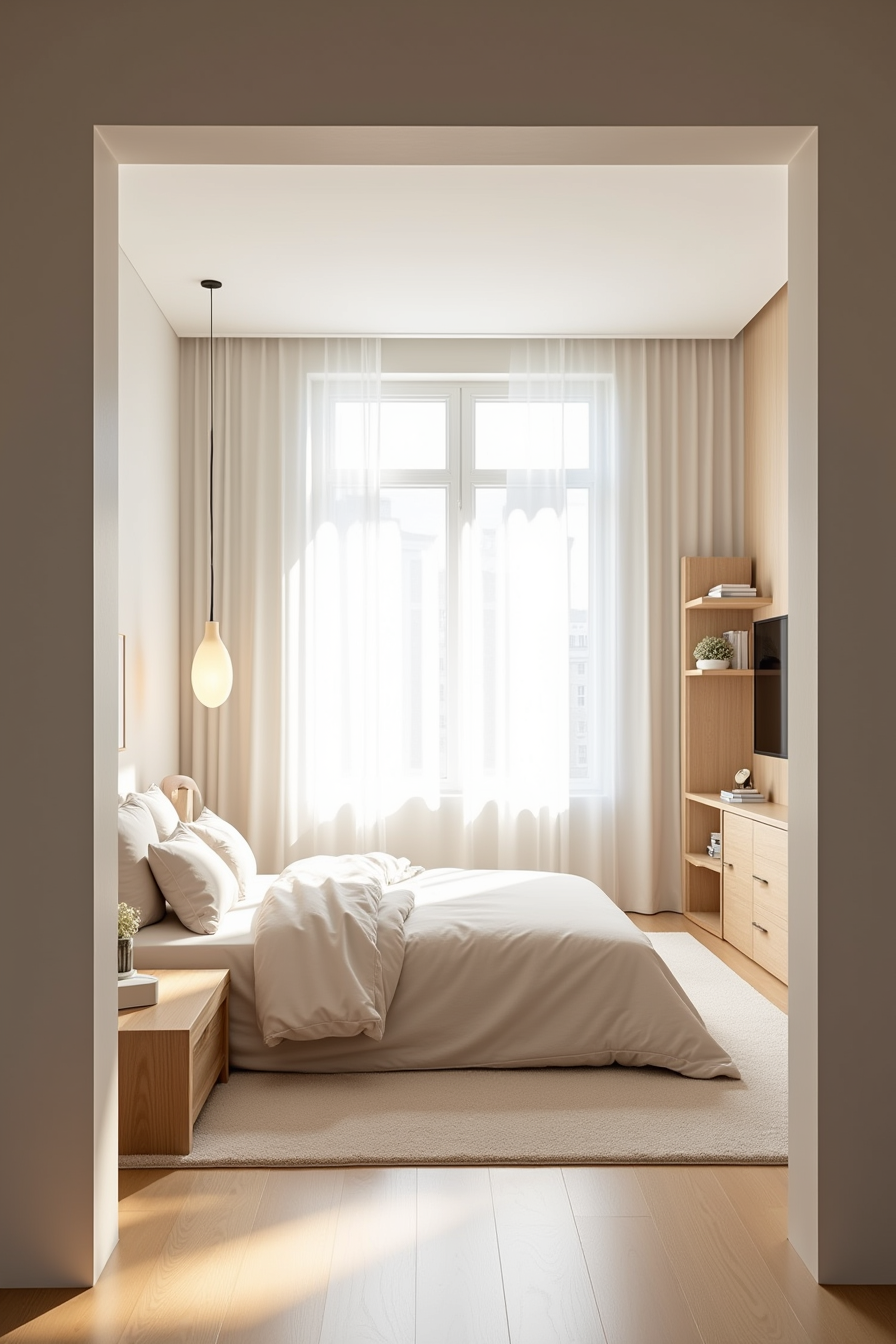
Start with the bed as your anchor, placing it perpendicular to the wall with the headboard against it. This orientation opens up the room’s center, allowing for a clear walking path from the doorway to the window and closet. In a typical 10×12-foot room, this leaves roughly 24 to 30 inches of clearance at the foot of the bed, which is the minimum for comfortable movement.
Position a floor lamp in the corner opposite the door to balance the room’s weight and provide layered lighting for reading. A storage bench at the foot of the bed serves a dual role: it offers a place to sit while putting on shoes and hides extra blankets, but it shouldn’t exceed the bed’s width to avoid obstructing the path. Against the opposite wall, place a low bookshelf, no taller than 36 inches, to keep sightlines open and prevent the space from feeling boxed in.
The key is to maintain a clear line of sight from the doorway to the window. Avoid pushing furniture into corners, which creates dead zones. Instead, float pieces slightly away from walls, even 4 to 6 inches, to create depth and make the room feel larger.
This arrangement works for small to medium spaces; for larger rooms, you can add a chaise lounge or a second seating area without disrupting the central flow.
Where to Start
Pick one problem area, your bed wall, a bare corner, or your nightstands, and measure it before you search. Filter Amazon results by dimensions and read recent reviews for color accuracy and material feel, since listing photos routinely mislead.
Order one piece first, not a full set. Verify it against your measurements and lighting before committing to the rest.
Your next move: measure your bed wall and note the width and height in your phone. Use those numbers as your search filter.
Frequently Asked Questions
How do I know if an Amazon bedroom decor item will fit my space before ordering?
Measure your wall, floor, or nightstand footprint first. Then check the listing’s exact dimensions in inches, not just photos. Compare against your measurements with 6–12 inches of clearance for circulation.
What materials hold up best for Amazon bedroom furniture in a small bedroom?
Solid pine, bamboo, or metal frames resist wear in tight spaces. Avoid particleboard with vinyl wrap, it chips and warps near humidity. Look for steel hardware and sealed finishes for durability.
How can I return Amazon bedroom decor if it doesn’t match my room?
Use Amazon’s 30-day return window for most items. Initiate returns in Your Orders, print the prepaid label, and repack in original packaging. Oversized furniture may incur a return shipping fee, check the listing’s return policy before buying.
Should I buy a complete Amazon bedroom decor set or mix individual pieces?
Buy a set only for immediate, coordinated style, but risk duplicates and poor quality in one piece. Mixing individual items gives control over scale, material, and price. Start with a bed frame, then add lighting and textiles separately.