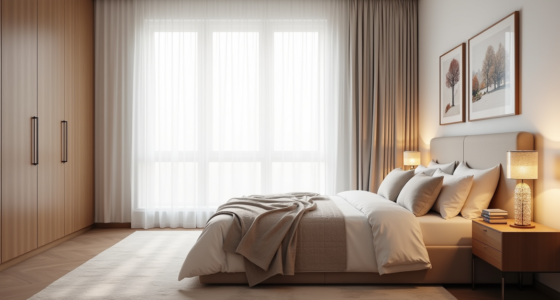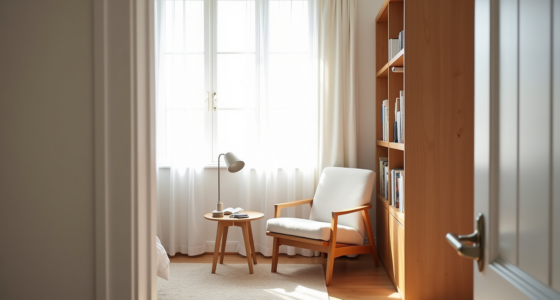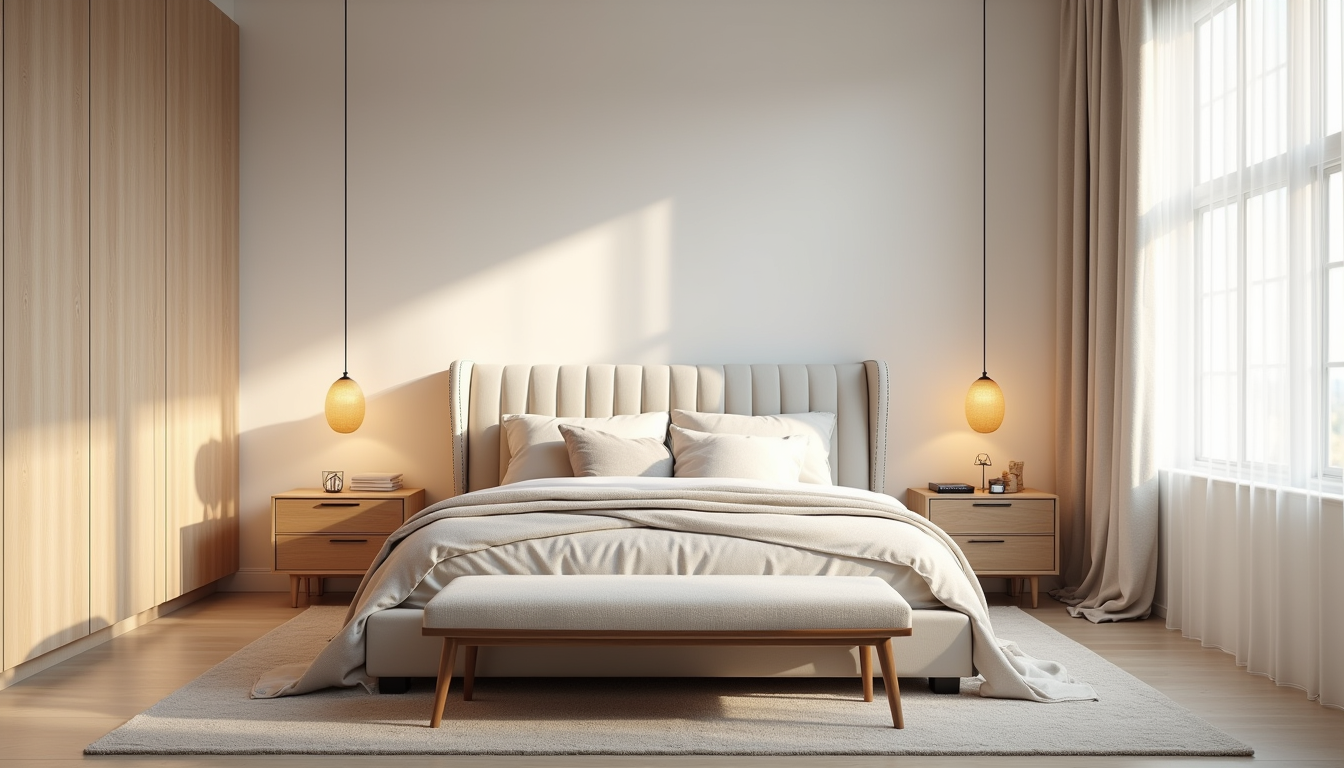
An ultra luxury bedroom balances high-end materials, thoughtful proportions, and personalized comfort—whether your space is compact or sprawling. It’s not just about opulence but creating a retreat that feels indulgent yet functional. From tailored textiles to curated lighting, every detail contributes to a cohesive design.
Whether you’re working with a rental-friendly budget or investing in long-term upgrades, there are ways to improve your bedroom to a truly luxurious level. The key lies in making choices that align with your space and lifestyle.
Key takeaways
- Ultra luxury bedrooms prioritize quality materials like solid wood, marble, or hand-knotted wool over superficial embellishments.
- Hotel-inspired designs work best in 12×14+ ft rooms with layered neutral bedding and concealed storage for clutter-free elegance.
- Jewel-toned schemes require balancing saturated wall colors with matte metallics and at least 3 light sources to avoid cave-like darkness.
- Renter-friendly upgrades focus on removable elements like plug-in sconces, oversized art, and washable velvet pillow covers for high-impact reversibility.
What Ultra Luxury Bedroom Actually Means in Design Terms
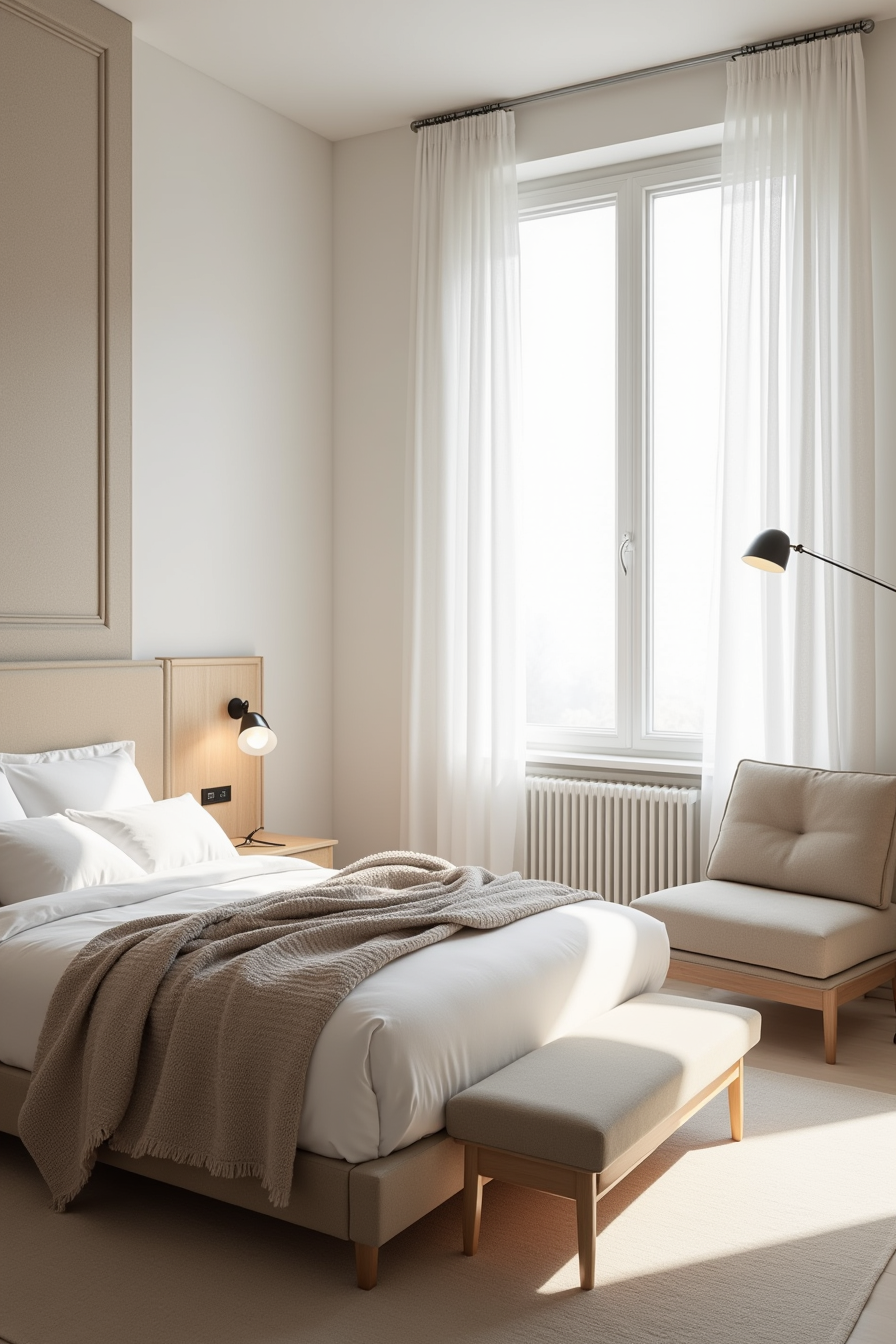
An ultra luxury bedroom prioritizes comfort, functionality, and timeless elegance through thoughtful design choices. It’s not just about high-end materials but also how elements work together to create a cohesive and inviting space. Take a neutral bedroom with an upholstered headboard—the headboard’s height and soft texture anchor the room while providing ergonomic support.
Layered bedding with a textured throw adds depth and visual interest without overwhelming the space.
Floating nightstands keep the floor clear, enhancing the sense of openness, while adjustable wall sconces offer task lighting without taking up surface space. A reading chair paired with a floor lamp creates a dedicated corner for relaxation, balancing practicality with style.
This approach suits medium to large rooms but can adapt to smaller spaces by scaling down furniture proportions and opting for multifunctional pieces. Ultra luxury bedrooms rely on high-quality materials like linen, velvet, and solid wood, but the focus is always on how these elements enhance daily living. Maintenance involves regular dusting and occasional upholstery cleaning to preserve the refined look.
The Hotel-Inspired Neutral Suite
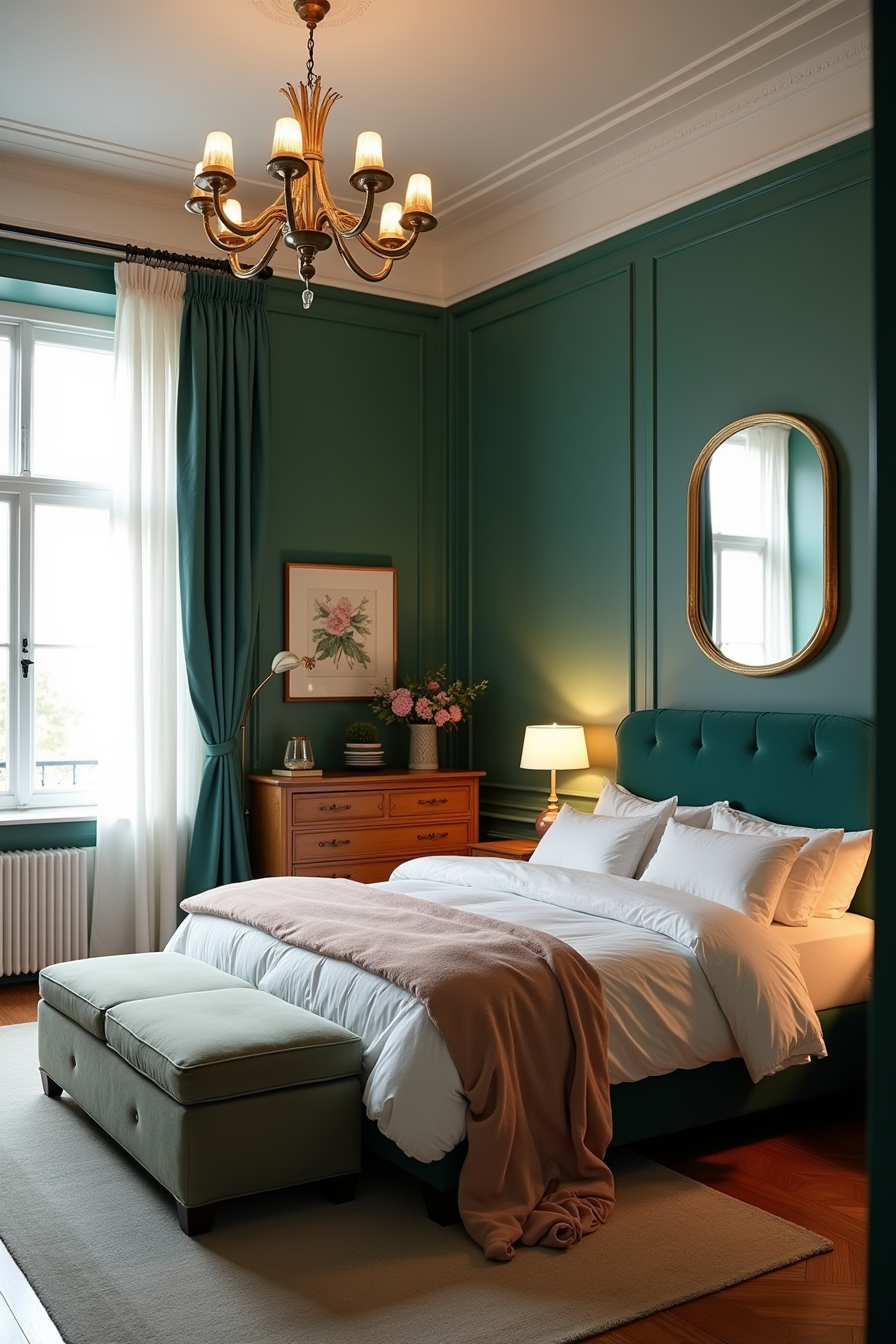
A brass chandelier centered above the bed instantly elevates the space, providing ambient lighting while reinforcing symmetry. Position it 7-8 feet above the floor for proper scale—any lower risks obstruction, and higher diminishes its impact. The velvet headboard should span at least 60 inches wide for a queen bed, with a height between 36-42 inches to balance proportion without overwhelming smaller rooms.
A gold-framed mirror above the dresser amplifies natural light and visually expands tight spaces. Keep its width within 6 inches of the dresser’s for harmony. Silk curtains hung just below the ceiling and pooling slightly on hardwood floors create vertical height and movement.
Opt for blackout liners if street light disrupts sleep.
This layout thrives in master bedrooms over 12×14 feet but adapts to modest spaces by reducing furniture bulk. The deep emerald walls require careful paint sheen selection—eggshell resists scuffs in high-traffic zones. Brass fixtures need biweekly dusting and annual polishing to prevent tarnish.
Renter-friendly alternatives include removable wallpaper in similar tones and plug-in sconces instead of hardwired ones.
The Jewel-Toned Statement Bedroom
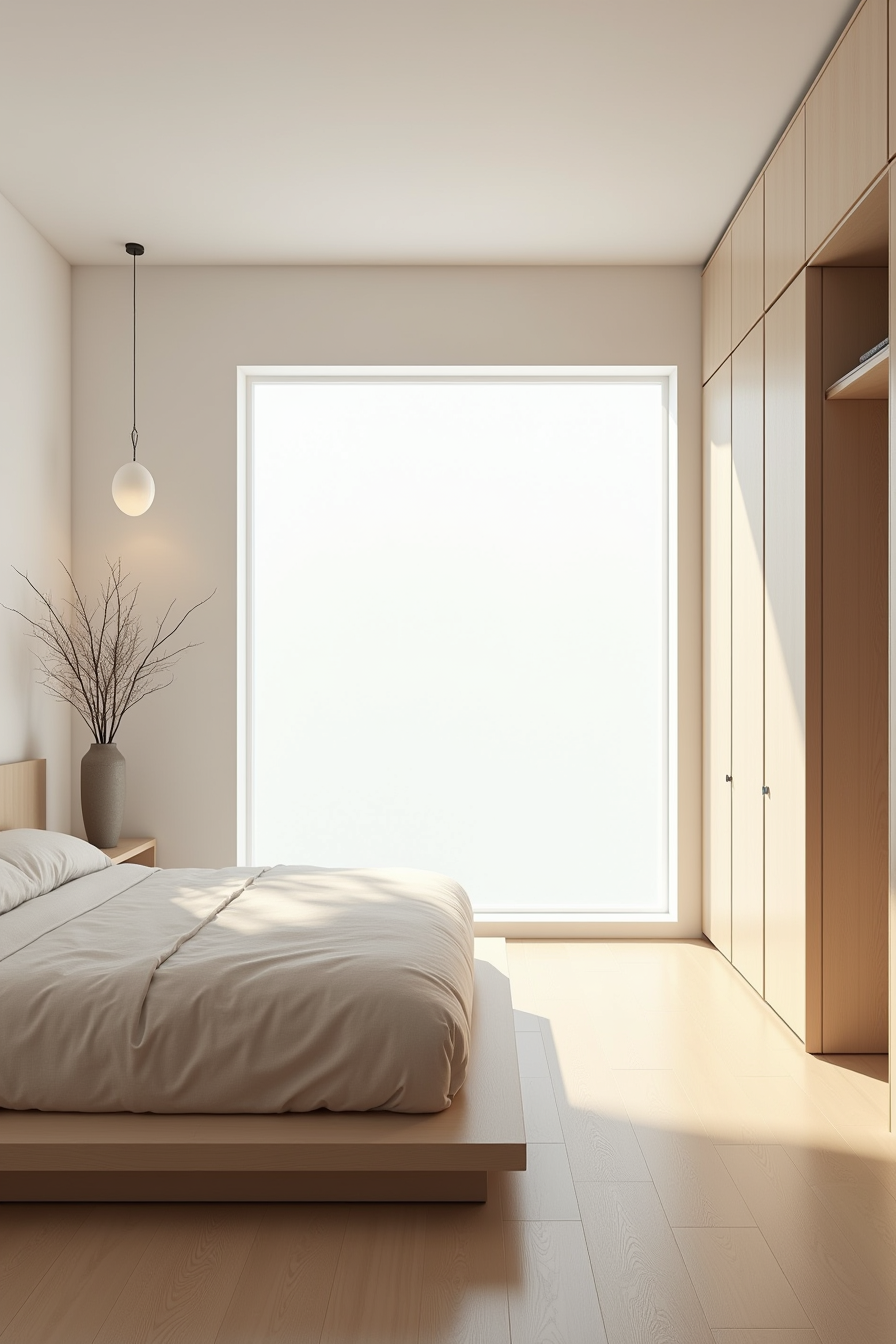
A platform bed with crisp linen bedding in warm taupe grounds the space, while a concrete pendant light hung 30-36 inches above the nightstand provides focused task lighting. The floating shelf, kept under 8 inches deep and mounted at eye level (roughly 60 inches from the floor), displays a single ceramic vase with branches—too many objects clutter the minimalist aesthetic.
Flush wardrobe doors maintain clean sightlines, but require precise installation within 1/8-inch gaps to prevent visual unevenness. Pair them with recessed handles for smooth storage. The key to this look is restraint: monochrome walls (try Farrow & Ball’s “Down Pipe” for a moody gray) prevent the concrete and wood textures from feeling industrial.
Best for rooms with at least 9-foot ceilings, this style suits urban dwellers who prefer edited sophistication over ornamentation. The materials handle daily wear well—spill-resistant linen can be spot-cleaned, and concrete dusts easily. Renters can replicate the effect with peel-and-stick paneling mimicking poured concrete and a low-profile bed frame under $500.
Avoid this scheme if you need abundant closed storage—the sleek wardrobes fit only 20-25 garments.
The Minimalist Investment Bedroom
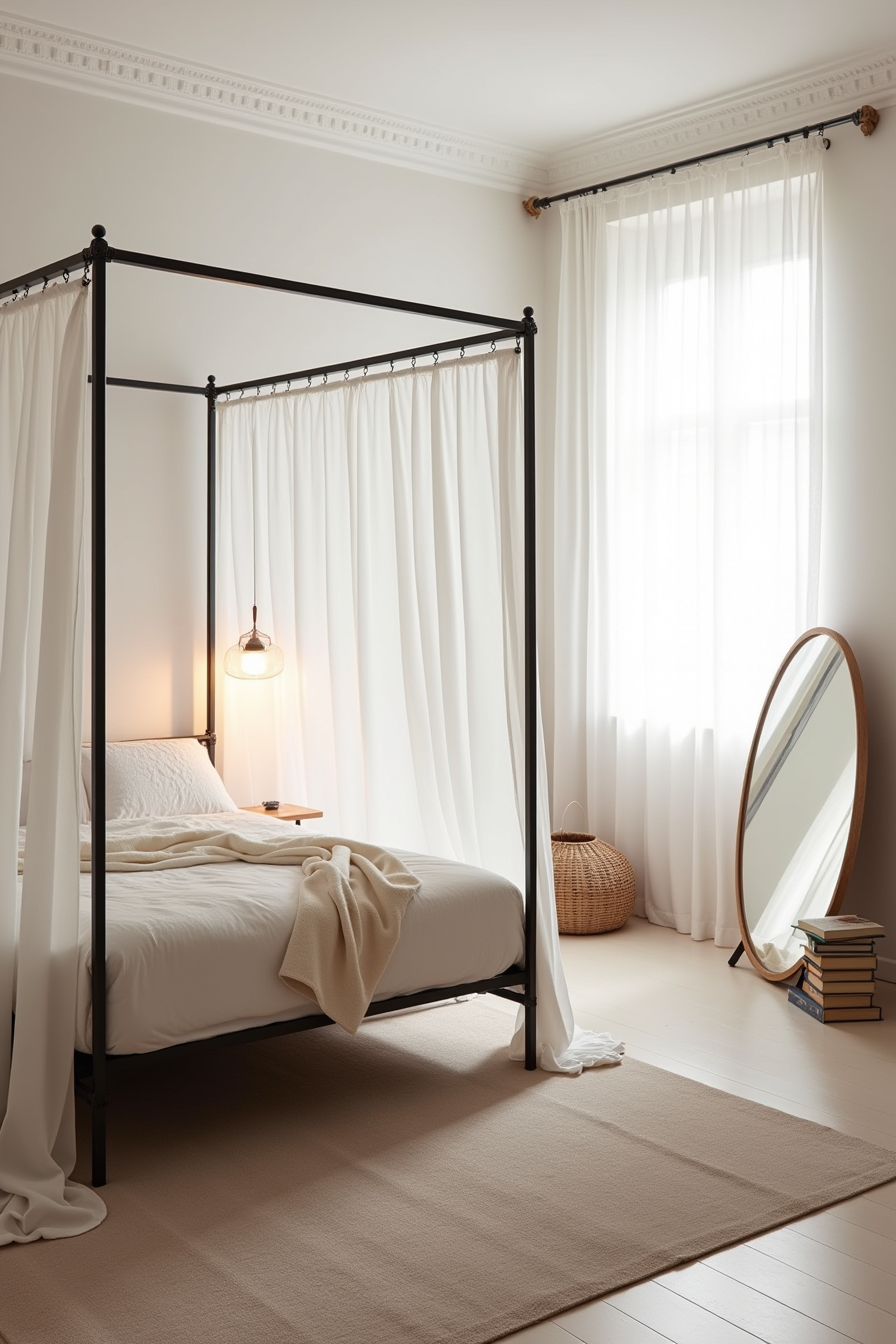
A metal canopy bed frame draped with sheer fabric creates a soft focal point, ideal for rooms with ceilings 8-10 feet high. Pair it with a large area rug layered over existing flooring—this adds texture without permanent changes. The freestanding full-length mirror, placed at least 24 inches from the bed, reflects light and visually expands the space, while a plug-in pendant light eliminates the need for rewiring.
Stacked books serve as a functional nightstand, keeping surfaces clutter-free. This setup suits those who prioritize craftsmanship and longevity—invest in high-quality linen bedding and a solid metal frame, which can last 10+ years with proper care.
Best for small to medium-sized rooms, this minimalist approach maximizes elegance without overcrowding. Maintenance is straightforward: sheer fabric can be machine-washed, and metal frames require occasional dusting. Renters can adapt it with temporary hooks for the canopy and a plug-in pendant.
Avoid this style if you need extensive storage—the open design doesn’t accommodate bulky furniture.
The Renter-Friendly Luxury Upgrade
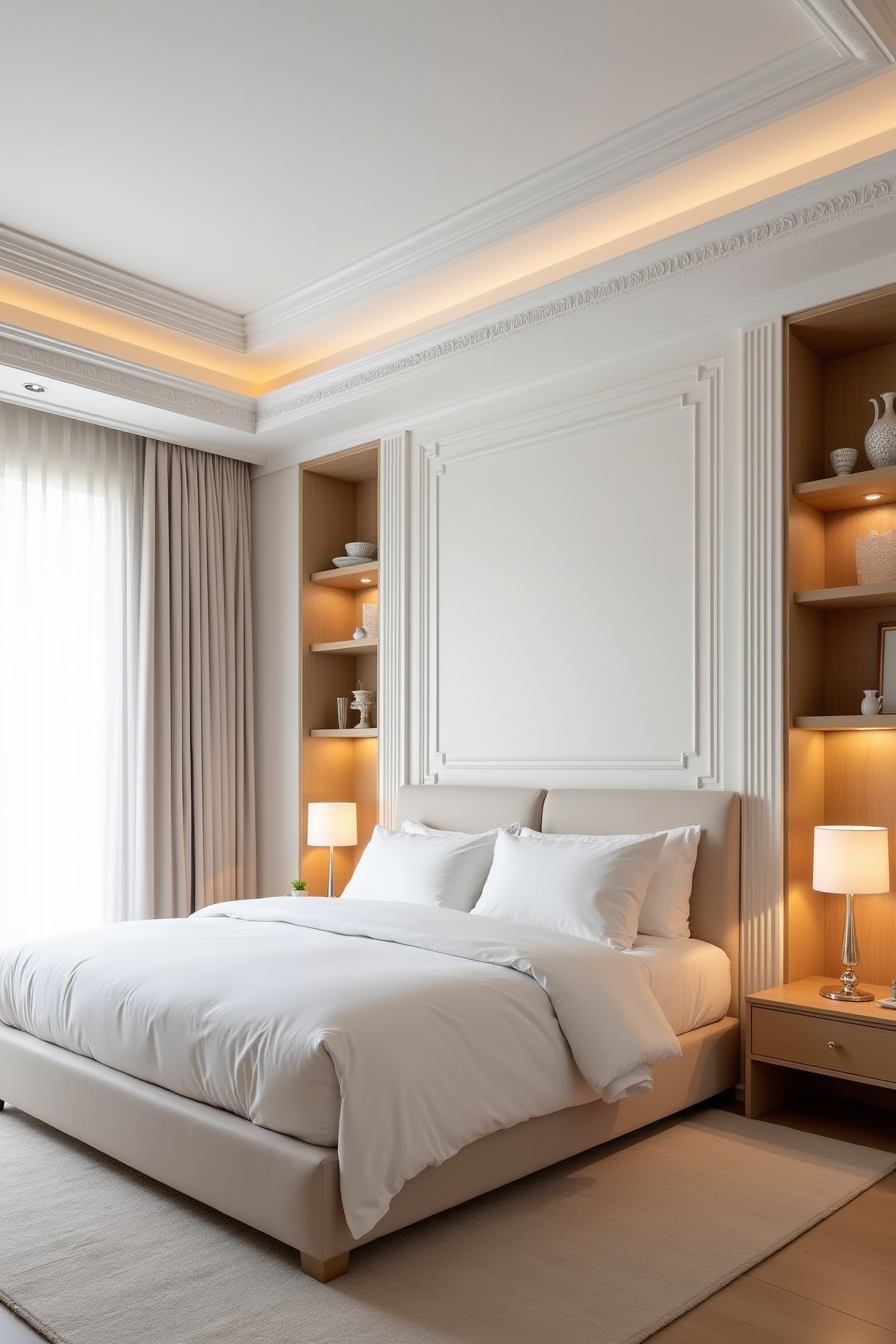
A coffered ceiling made from lightweight foam panels or paintable polystyrene instantly elevates a standard rental bedroom. These adhesive-backed tiles install in under two hours and remove cleanly—ideal for ceilings 8-10 feet high. Pair them with floor-to-ceiling bookshelves (like the IKEA BILLY system) placed symmetrically on either side of the bed to create built-in symmetry without construction.
Integrated nightstand alcoves can be faked with wall-mounted floating shelves 20-24 inches wide, positioned 26-30 inches above the mattress. Recessed lighting is achievable with battery-operated puck lights tucked into crown molding strips (use temporary adhesive). For the paneled accent wall, apply peel-and-stick wood veneer or fabric-wrapped acoustic panels behind the headboard—both dampen sound and add depth.
This approach suits renters who want architectural impact without losing their deposit. Prioritize modular furniture and LED strip lighting for easy disassembly. The look demands weekly dusting due to detailed molding but requires no professional maintenance.
Avoid if your lease prohibits wall adhesives—opt for freestanding room dividers with similar paneling instead. Keep shelving units under 12 inches deep to maintain walkway clearance in bedrooms less than 12×12 feet.
The Custom Architectural Bedroom
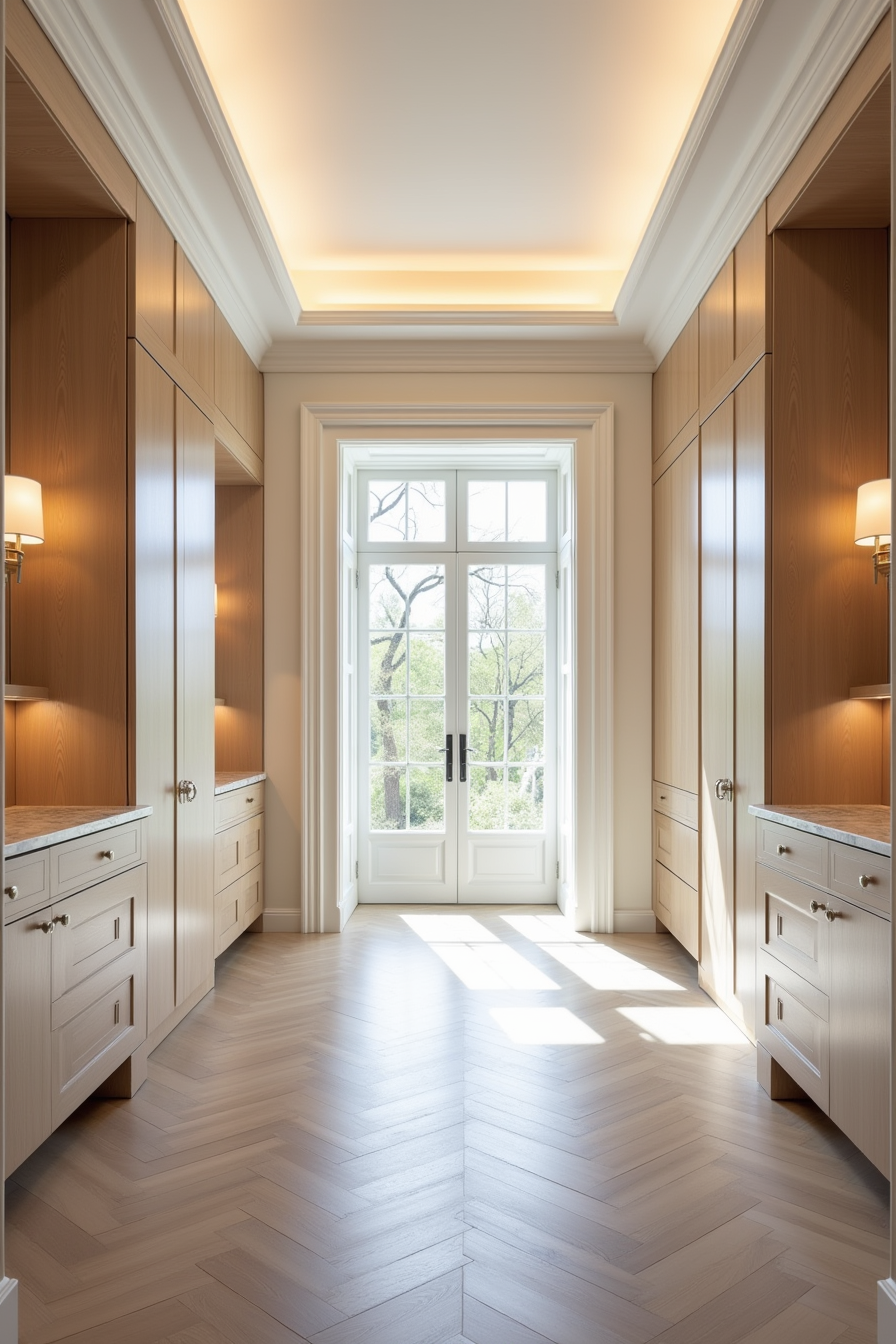
Built-in cabinets flanking the bed create museum-quality symmetry while providing concealed storage—ideal for bedrooms 14×16 feet or larger. The floating marble-top vanity integrated into the paneled wall eliminates visual clutter, requiring just 18-22 inches of depth to function. Herringbone wood floors add movement underfoot but demand professional installation; opt for engineered wood in humid climates to minimize warping.
Tray ceilings with cove lighting visually raise an 8-foot ceiling, but the recess must be at least 6-8 inches deep to conceal LED strips effectively. Double doors to the walk-in closet should be at least 30-36 inches wide per panel to avoid a cramped feel. This layout suits homeowners planning a 5+ year stay, as millwork costs $7,000-$15,000 but boosts resale value.
Avoid wall-mounted sconces if the millwork has intricate moldings—their wiring requires precise cutting into finished panels. Instead, use slim-profile LED fixtures under wall shelves. Maintenance involves quarterly dusting of cove lights and resealing marble surfaces annually.
Skip this approach in rooms narrower than 12 feet; built-ins will dominate.
What to Do First
Start by assessing your bedroom’s size, layout, and existing furniture. Small spaces benefit from light-reflecting materials like mirrors and glossy finishes, while larger rooms can handle bold statement pieces without feeling cramped. Consider your lifestyle—do you need low-maintenance fabrics, or are you ready to invest in high-care materials like silk or velvet?
Measure your space to ensure proportions align; a bed typically occupies 30-40% of the room’s floor area, leaving ample circulation space.
Next, prioritize your budget. If you’re renting, focus on removable upgrades like statement lighting or textiles. For long-term investments, quality furniture pieces or custom bedding pay off over time.
Begin with one anchor item—a luxurious bed frame, a designer rug, or an art piece—and build around it.
Your first step: measure your bedroom and decide on one focal point to upgrade.
Frequently Asked Questions
How much does it cost to create an ultra luxury bedroom?
Budget-friendly approaches start around $2,000–$5,000 with high-end faux materials and strategic focal points. Full-scale luxury with custom furniture, premium fabrics, and designer lighting ranges $20,000–$100,000+. Rental-friendly upgrades (removable wallpaper, statement lighting) cost $500–$3,000.
What furniture pieces matter most in a luxury bedroom?
Focus on the bed (headboard, frame, and high-thread-count linens), followed by a quality dresser and seating like an upholstered bench or armchair. Built-in storage (wardrobes, floating shelves) elevates functionality. Avoid cheap MDF—solid wood, metal, or lacquered finishes read as luxury.
Can you make a small bedroom look ultra luxurious?
Yes. Use mirrored or glass furniture to reflect light, a low-profile platform bed to maximize floor space, and monochromatic colors to unify the room. Scale decor appropriately—oversized art or a single large plant works better than cluttered small items.
What are the biggest mistakes when designing a luxury bedroom?
Overcrowding with furniture, mismatched metals/woods, and poor lighting (rely on layered sources). Cheap imitations (plastic “crystal” chandeliers, vinyl pretending to leather) undermine the look. Ignoring proportions—a tiny rug under a king bed or a towering headboard in a low-ceilinged room—ruins balance.