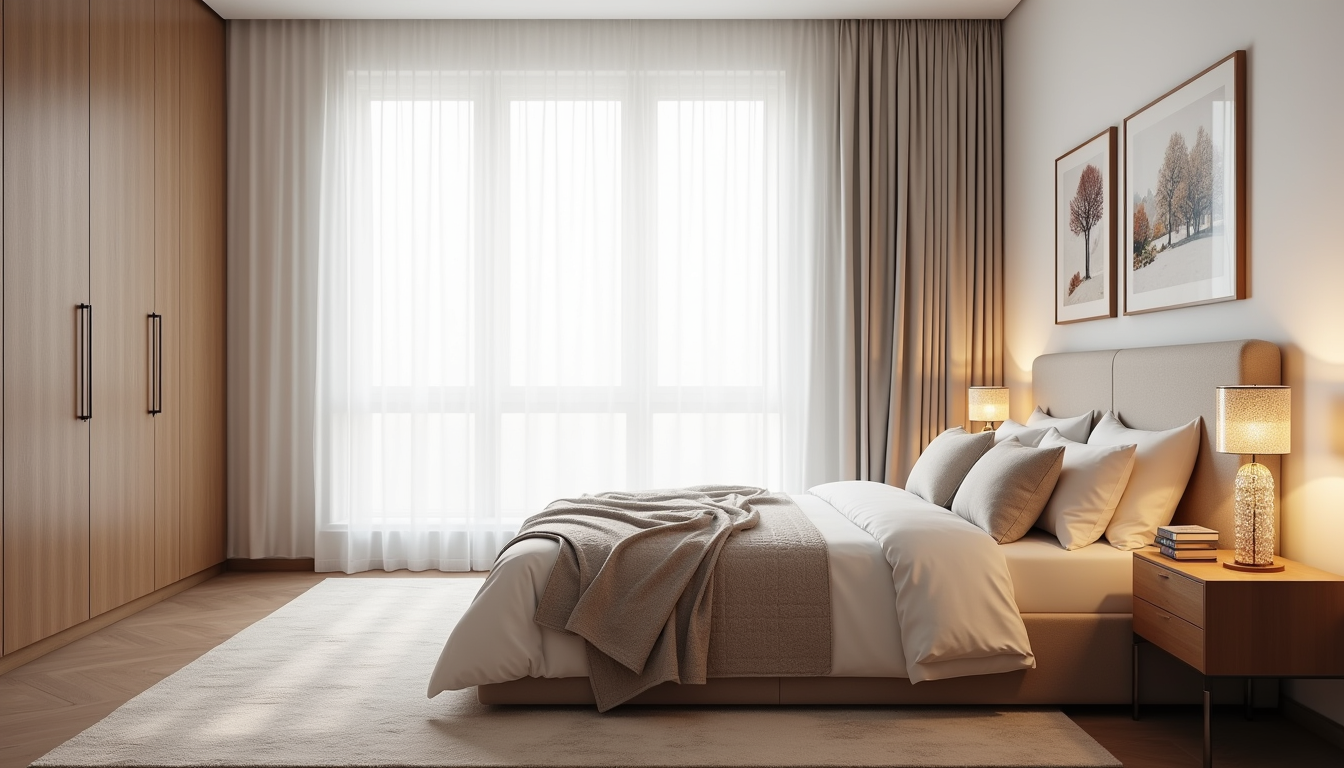
Rich bedroom luxury transforms your space into a personal retreat through thoughtful design choices that balance elegance and practicality. Whether you prefer plush textures, refined minimalism, or statement lighting, the key is intentional curation—choosing pieces that improve comfort without sacrificing function. Small adjustments like layered bedding or strategic lighting can make an impact, while long-term investments like custom upholstery or built-ins create lasting sophistication.
The right approach depends on your space, budget, and lifestyle.
Key takeaways
- Layered textiles work best with contrasting textures like velvet and linen in weights between 300-600 GSM for tactile depth.
- Built-in millwork demands 12-16 inches of depth for functional storage and suits medium to large rooms with high ceilings.
- Jewel tones require semi-gloss or eggshell finishes to reflect light without overpowering spaces under 12×12 feet.
- Metallic accents should cover no more than 20% of surfaces to avoid visual clutter while elevating neutral backdrops.
What Rich Bedroom Luxury Actually Means in Design Terms
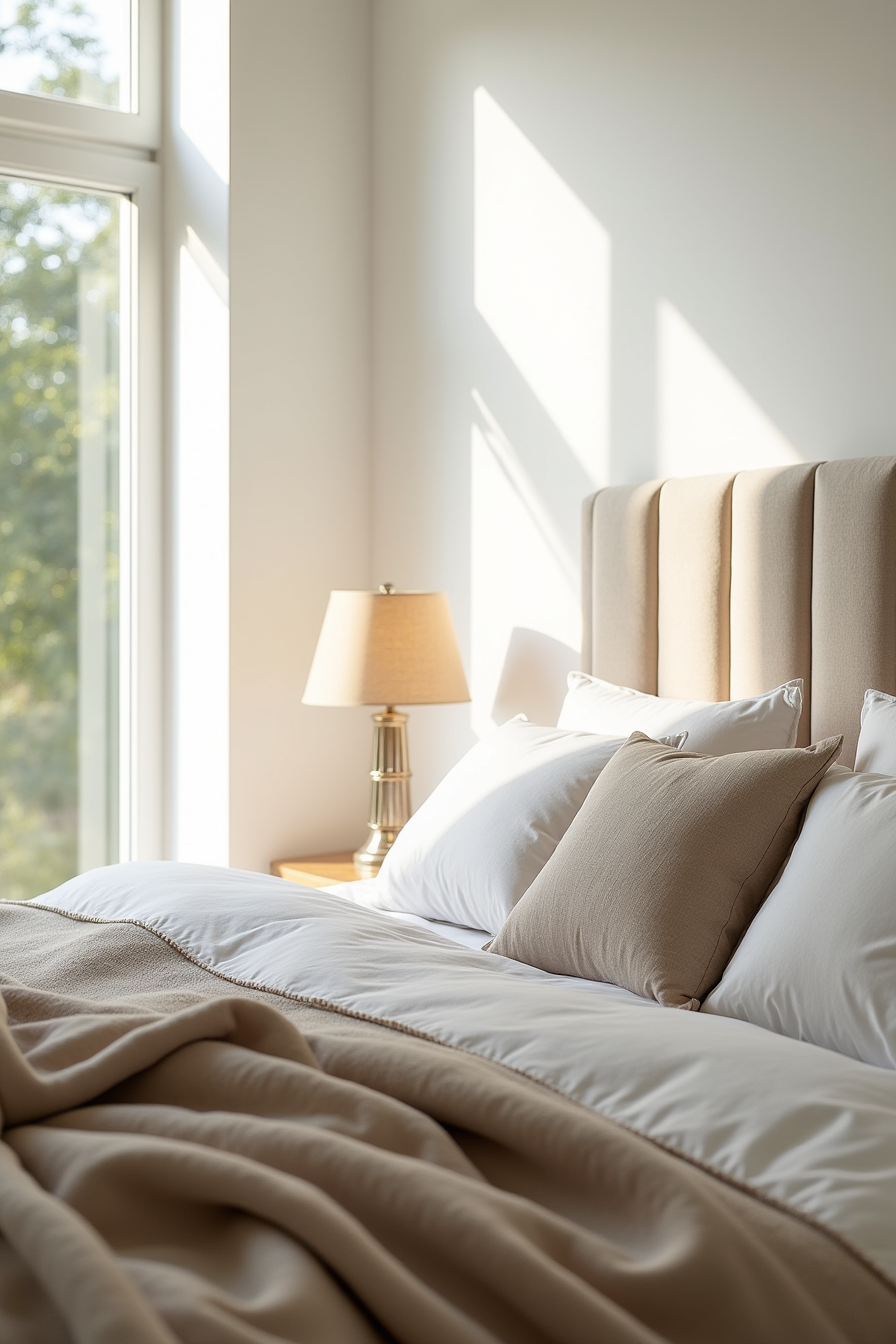
Rich bedroom luxury isn’t about opulent ornamentation—it’s intentional layering, tactile contrasts, and materials that age gracefully. A tufted linen headboard with channel detailing adds structure, while a matelassé coverlet introduces subtle texture without overwhelming the space. The wool throw draped at the foot and stacked euro shams create depth, proving luxury thrives in edited combinations, not excess.
This approach works for both small and large spaces. In tight rooms, streamlined textures (like matelassé instead of heavy quilting) maintain elegance without bulk. Larger bedrooms balance plush upholstery with open negative space—think a wool throw artfully folded, not piled high.
Material quality defines true richness. Linen develops a soft patina over time, wool resists pilling, and dense matelassé weaves outlast cheaper jacquards. Budget versions exist—a tufted velvet headboard under $500 mimics high-end upholstery, while a quality wool-blend throw costs under $150.
Renters can layer removable textures via washable throws and shams.
Maintenance matters: Linen requires steam ironing, wool needs airing out, and matelassé should be laundered sparingly. The trade-off? These materials look better with use, unlike synthetic alternatives that degrade visibly after 12-18 months.
For renters, focus on portable upgrades—a lumbar pillow in silk dupioni or a vintage-inspired throw. For owners, invest in a solid headboard frame that lasts decades, reupholstered as trends shift.
Layered Textiles and Statement Upholstery
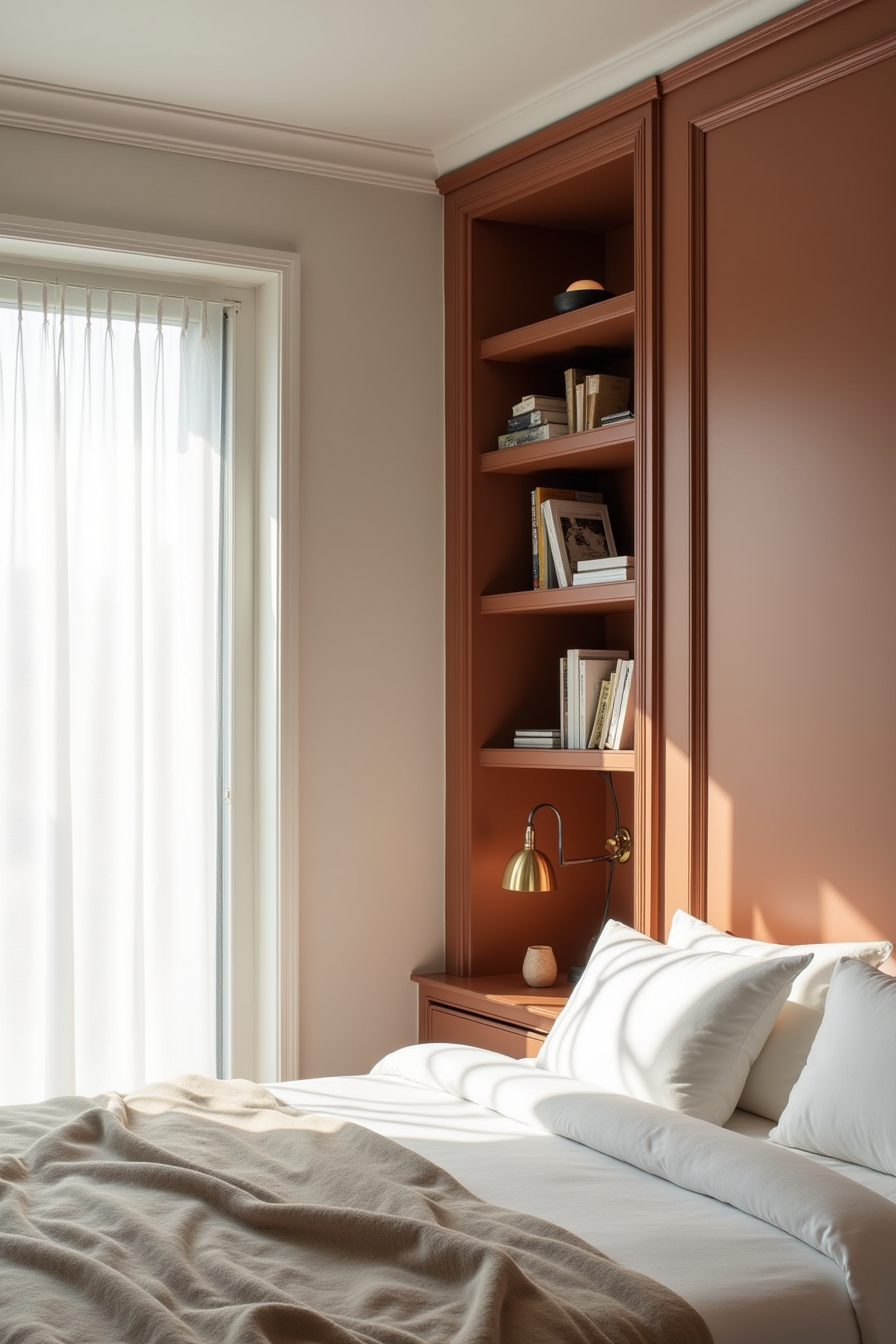
Floor-to-ceiling paneled millwork in a deep, moody hue creates an instant backdrop for rich bedroom luxury, but the textiles prevent it from feeling austere. A tufted bench in camel leather at the foot of the bed softens the millwork’s rigidity, while a wool throw in a contrasting taupe adds warmth. The built-in shelving alcove holds a mix of linen-bound books and ceramic objects, their matte finishes balancing the brass sconce’s reflective surface.
Scale is critical: The millwork’s vertical lines elongate the room, making it ideal for ceilings 9 feet or higher. In lower rooms, limit paneling to the lower third of the wall and top it with a picture rail to maintain proportion. Leather upholstery suits dry climates but requires conditioning every 6 months; in humid areas, opt for performance velvet that resists moisture.
Renters can mimic the effect with peel-and-stick wood paneling (applied only to one focal wall) and a standalone bookshelf styled with textiles. The brass sconce is replaceable with a plug-in version—just route the cord behind furniture.
— Decision Checklist for This Look ☐ Measure ceiling height: Paneling works best in rooms over 8’ tall ☐ Choose upholstery fabric based on your climate’s humidity levels ☐ For built-ins, allow 12-15” depth for functional shelving ☐ Renters: Use temporary paneling and avoid permanent alterations ☐ Balance reflective metals with matte materials (linen, unglazed ceramics)
Architectural Millwork and Built-In Storage
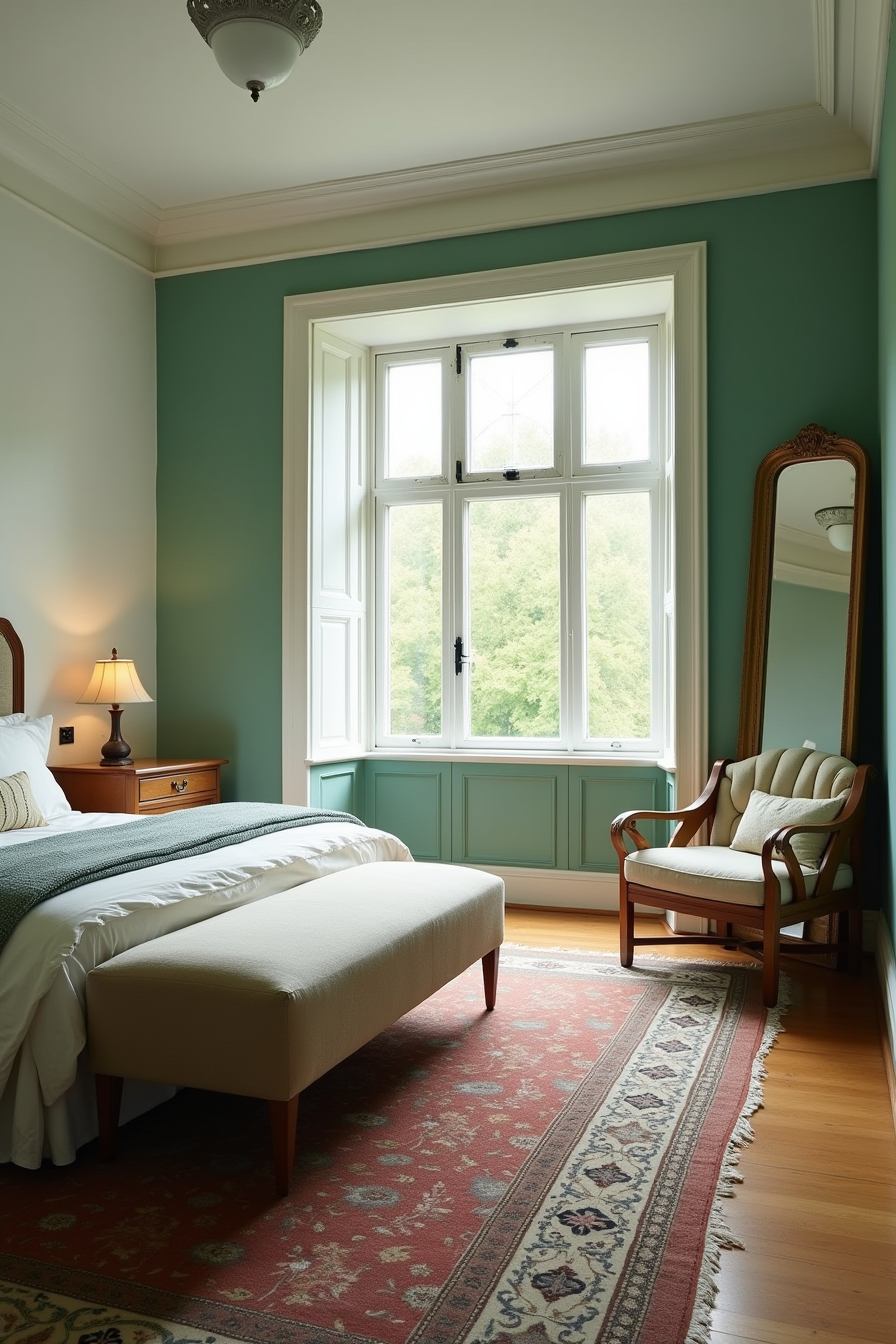
The emerald green walls act as a bold foundation, but the gilt-framed mirror and patterned rug prevent the space from feeling flat. A bench upholstered in deep burgundy velvet anchors the foot of the bed, its curved arms contrasting with the room’s geometric rug pattern. This setup works best in medium to large bedrooms (12×14 feet or larger) where dark walls won’t overwhelm the space.
Built-in millwork here would typically run 18-24 inches deep for functional storage, with upper cabinets reaching 7-8 feet high to maintain accessibility. For smaller rooms, shallow alcoves (10-12 inches deep) keep proportions balanced. The mirror’s gold frame should be 2/3 the width of the bench below it to visually connect the elements.
Budget alternative: Use stock cabinets painted the same shade as the walls, adding crown molding to mimic custom millwork. Renters can achieve a similar effect with freestanding armoires and large-scale art leaning against walls. Dark paint requires touch-ups every 3-5 years in high-traffic areas.
Decision Checklist for This Look ☐ Reserve deep wall colors for rooms with at least one natural light source ☐ Match metal finishes—the mirror frame and any cabinet hardware should coordinate ☐ In small spaces, limit built-ins to one wall to avoid crowding ☐ Velvet upholstery needs weekly vacuuming to maintain its pile ☐ Renters: Opt for removable wallpaper in a similar tone instead of paint
Jewel Tones and Saturated Color Palettes
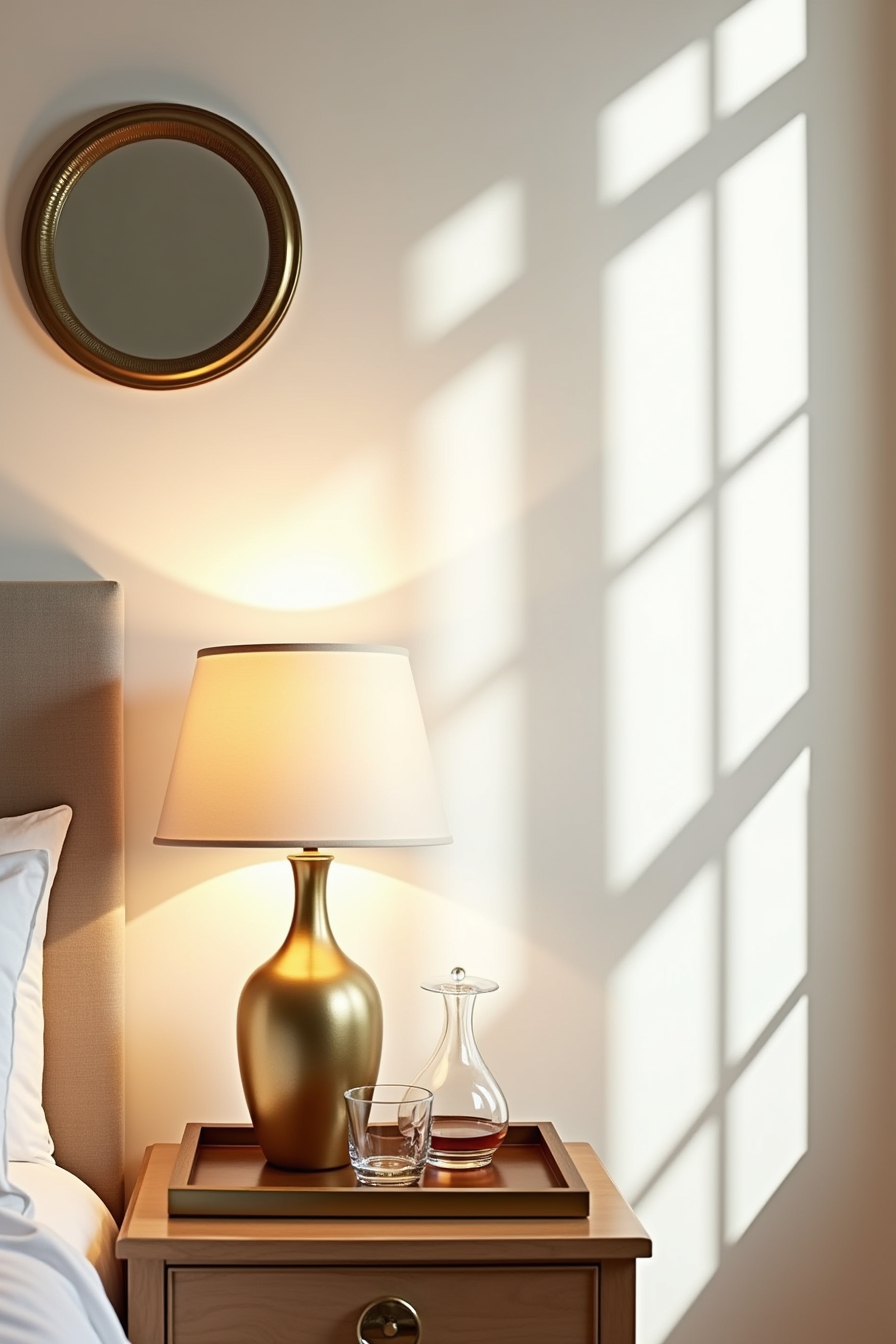
Jewel tones like emerald, sapphire, and amethyst create a sense of opulence but can feel overwhelming if not balanced correctly. A polished brass lamp with a fabric shade softens the intensity of rich colors, while its metallic finish adds a reflective quality that brightens the space. Pair it with a lacquered tray holding a glass carafe and tumbler for a functional yet elegant touch that complements the palette.
Place a round mirror with an antiqued brass frame above the nightstand to visually expand the room. Mirrors placed at eye height (48-52 inches from the floor) maximize their light-reflecting potential, making the space feel larger without altering its footprint. This setup works particularly well in small bedrooms (10×12 feet or less) where every inch counts.
For renters, opt for removable wallpaper in jewel tones rather than paint, allowing for a bold statement without permanent changes. Lacquered accessories and brass accents are easy to swap out, making this look adaptable over time. In larger rooms, extend the palette to include a statement headboard or upholstered bench in a complementary jewel tone.
Decision Checklist for This Look ☐ Use metallic accents to balance deep wall colors ☐ Place mirrors at eye height to maximize light reflection ☐ Renters: Choose removable wallpaper over paint for flexibility ☐ Pair jewel tones with neutral linens to avoid overwhelming the space ☐ Lacquered surfaces require regular dusting to maintain shine
Metallic Accents and Reflective Surfaces
A drum pendant fixture centered above the bed anchors the space while providing ambient light—opt for one 24-30 inches in diameter for queen beds to maintain proportion. Swing-arm reading lamps mounted on either side of the headboard should extend 18-22 inches outward, placing light exactly where needed without cluttering nightstands. The floor lamp near the armchair adds a third lighting layer, its height (60-65 inches) ensuring it doesn’t compete with the pendant.
Mix finishes intentionally: pair brushed nickel swing-arm lamps with a polished brass pendant for contrast, but limit the palette to two metals per room to avoid visual chaos. Reflective surfaces like a glass-top nightstand or metallic lamp base amplify light, but require weekly dusting to prevent smudges from dulling their effect.
This setup suits medium to large bedrooms (12×14 feet or more) where multiple light sources won’t overwhelm. For small spaces, replace the floor lamp with wall-mounted sconces to save floor space. Renters can use plug-in swing-arm lamps instead of hardwired ones, and choose a lightweight pendant that hangs from a ceiling hook.
Decision Checklist for This Look ☐ Drum pendant diameter should be 1/3 to 1/2 the bed’s width ☐ Swing-arm lamps must clear nightstand decor by 4+ inches ☐ Dust reflective surfaces weekly with a microfiber cloth ☐ Limit metal finishes to two per room for cohesion ☐ Renters: Use plug-in alternatives for hardwired fixtures
Lighting Layers That Create Ambiance and Function
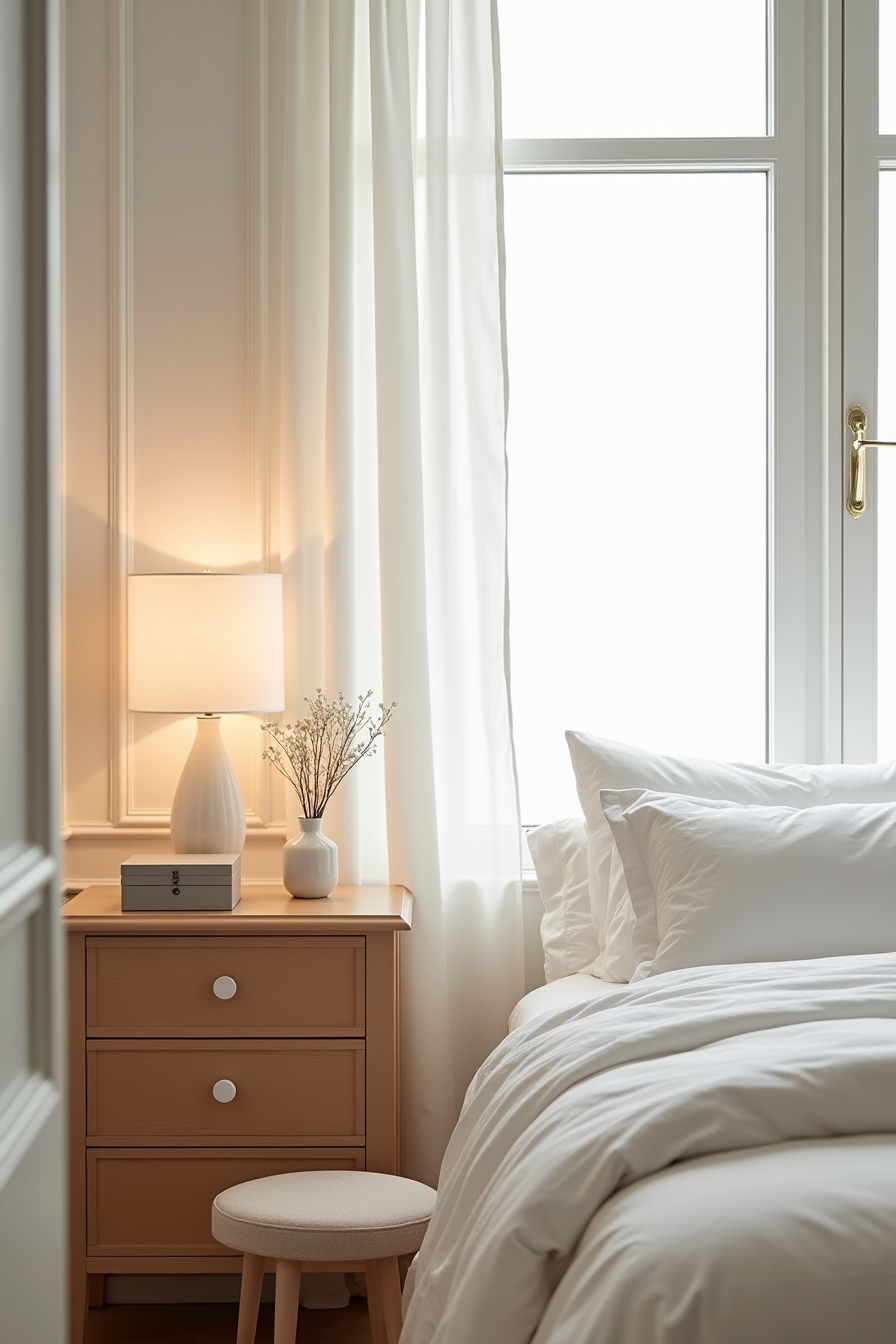
A table lamp on your dresser serves as both task and accent lighting, its height (28-32 inches) ensuring it casts light evenly across the surface without overpowering. Pair it with a jewelry box and a ceramic vase for a balanced vignette, keeping the lamp’s base simple to avoid competing textures.
Place a cushioned stool beneath the dresser for extra seating or storage, ensuring it doesn’t obstruct drawers and leaves at least 18 inches clearance for comfortable movement. Dimmer switches for overhead and table lamps allow adjustable brightness, catering to activities like reading or unwinding.
This setup works best in medium-sized bedrooms (10×12 feet or larger) where dressers are a focal point. For small spaces, choose a slim lamp with a compact base to save surface area. Renters can opt for battery-operated LED lamps with adjustable brightness settings, avoiding the need for hardwired fixtures.
Decision Checklist for This Look ☐ Table lamp height should be 28-32 inches for dressers ☐ Dimmer switches are essential for flexible lighting ☐ Keep clearance around dressers and stools at 18+ inches ☐ Renters: Use battery-operated LED lamps for versatility ☐ Avoid cluttered vignettes by limiting dresser decor to 3-4 items
Your Rich Bedroom Luxury Plan
Before committing to a style, measure your space—queen beds need 60-65″ of wall width for balanced side tables, while king beds demand at least 76″. For small rooms, mirror placements or low-profile platform beds maintain openness. Renters should focus on removable upgrades like velour headboard wraps or heavyweight curtains hung close to the ceiling.
If investing long-term, prioritize natural fiber rugs (8’x10′ minimum for queens) or solid wood furniture with under-bed clearance for easy cleaning.
Next step: Audit your existing bedroom for three fixable gaps—lighting layers, textile textures, or storage harmony—then tackle the most visible one first.
Frequently Asked Questions
How do I make a small bedroom look luxurious without overcrowding it?
Focus on high-impact, space-saving elements: a tufted headboard (6-12 inches thick), mirrored nightstands, and a single bold artwork. Stick to light-reflective fabrics like silk or velvet in muted tones. Avoid heavy drapes—opt for sheer panels or motorized blinds. Keep furniture legs visible to enhance airflow and perceived space.
What is the difference between expensive-looking and actually expensive bedroom design?
Expensive-looking design uses strategic focal points (a statement chandelier, custom pillow arrangement) with affordable basics. True luxury invests in long-term pieces: solid wood frames, hand-knotted rugs, or motorized blackout shades. The former costs $500-$2,000; the latter starts at $5,000+. Both work—choose based on budget and how long you’ll keep the setup.
Can renters achieve Rich Bedroom Luxury without permanent changes?
Yes. Use removable wallpaper for accent walls, adhesive-backed molding for architectural detail, and a freestanding canopy bed. Layer rugs over existing flooring. Swap builder-grade hardware for screw-on brass knobs. Renters spend $300-$1,200 for reversible upgrades that mimic high-end finishes without violating lease terms.
How much should I budget for a luxury bedroom makeover?
Budget tiers: $200-$800 for renter-friendly updates (textiles, lighting, decor), $1,500-$5,000 for mid-range (upholstered bed, quality linens), $8,000+ for investment-grade (custom millwork, premium mattresses). Allocate 60% to foundational pieces (bed, storage), 30% to textiles, 10% to accents. Splurge on items you touch daily (sheets, pillows).