
College dorm room ideas aesthetic isn’t a single look, it’s a spectrum of design strategies that balance personal style with the practical limits of a shared, temporary space. It spans six distinct interpretations, from moody maximalism to minimalist Japandi, each with specific trade-offs in cost, assembly time, and damage liability. You’ll need to match the right aesthetic to your room’s square footage, your roommate’s tolerance, and your budget before you buy a single throw pillow.
The following breakdown gives you the exact materials, dimensions, and maintenance demands for each route so you can commit without regret.
Key takeaways
- Prioritize your workflow by placing the desk perpendicular to the window to reduce screen glare while keeping natural light on your workspace.
- Anchor a dark academia look with a single warm-toned floor lamp (2700K bulb) instead of string lights, which cast uneven light and create shadows for studying.
- Choose thrifted furniture by weight, solid wood pieces over particleboard last four years of moving, and you can sand and re-stain them between leases.
- Scale your rug to the room, a 5×7 rug fits a standard 10×12 dorm, but a 4×6 works better in a 9×11 space to keep pathways at least 24 inches clear.
Minimalist Study-First Layout
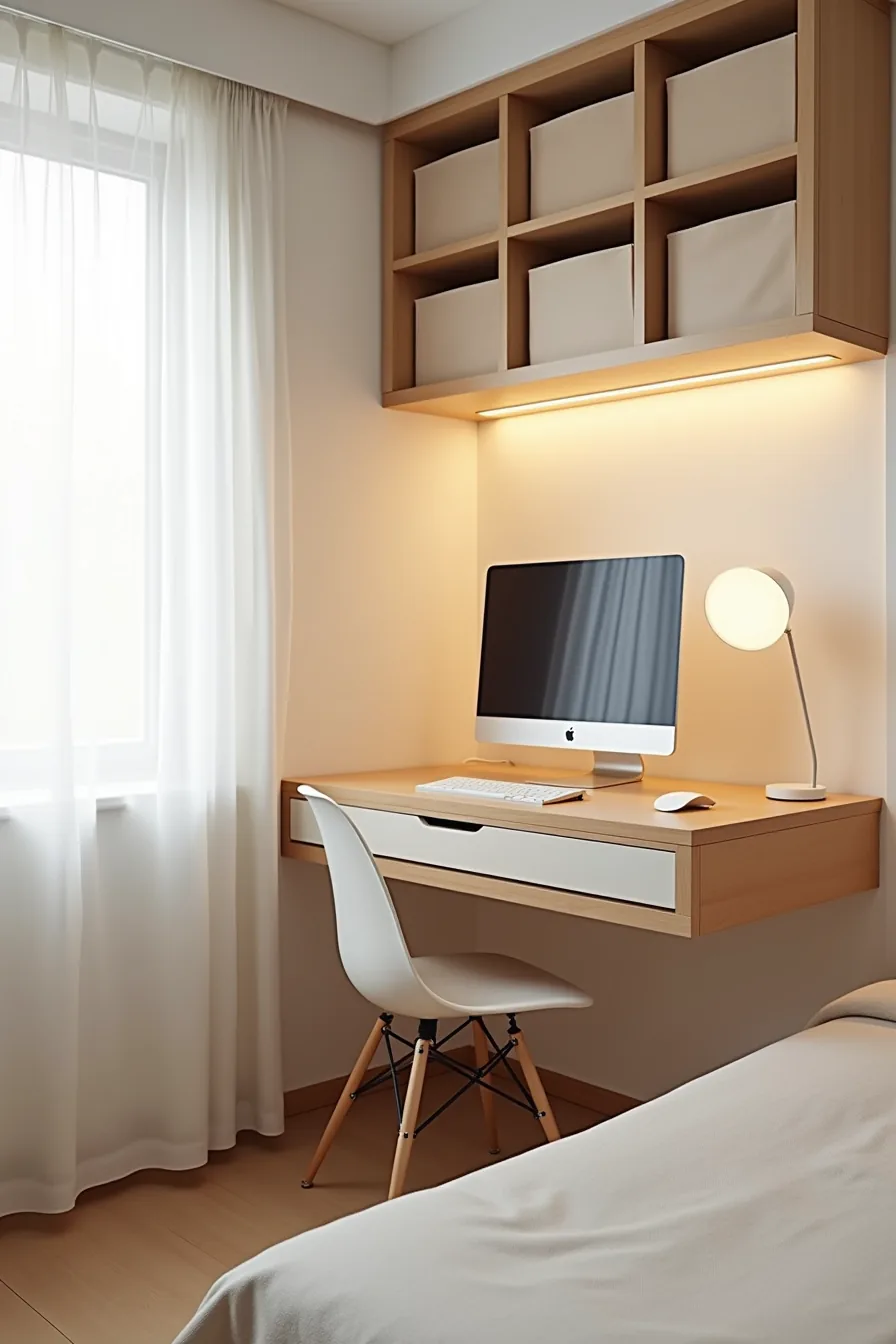
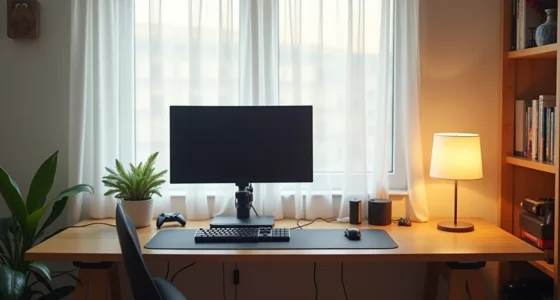
This aesthetic prioritizes negative space and function, making it ideal for a narrow room where every square foot counts. The setup centers on a floating desk mounted against the wall, which eliminates the visual bulk of legs and creates a clean line across the floor. A monitor sits centered on the surface, with a desk chair tucked fully underneath when not in use to keep the walking path clear.
Above the desk, a shelving unit holds 8-10 uniform storage boxes, which hides clutter while maintaining a consistent visual rhythm. The white walls and absence of decorations are deliberate: they reduce visual noise, which helps you focus during study sessions. This layout suits a disciplined user who prefers a clear separation between work and rest, and it demands a room at least 8 feet wide to avoid a cramped feel.
For practical college dorm room ideas aesthetic planning tips, measure your wall space first, the desk should span no more than two-thirds of the wall’s width to preserve breathing room.
Warm Eclectic Mix with Thrifted Finds
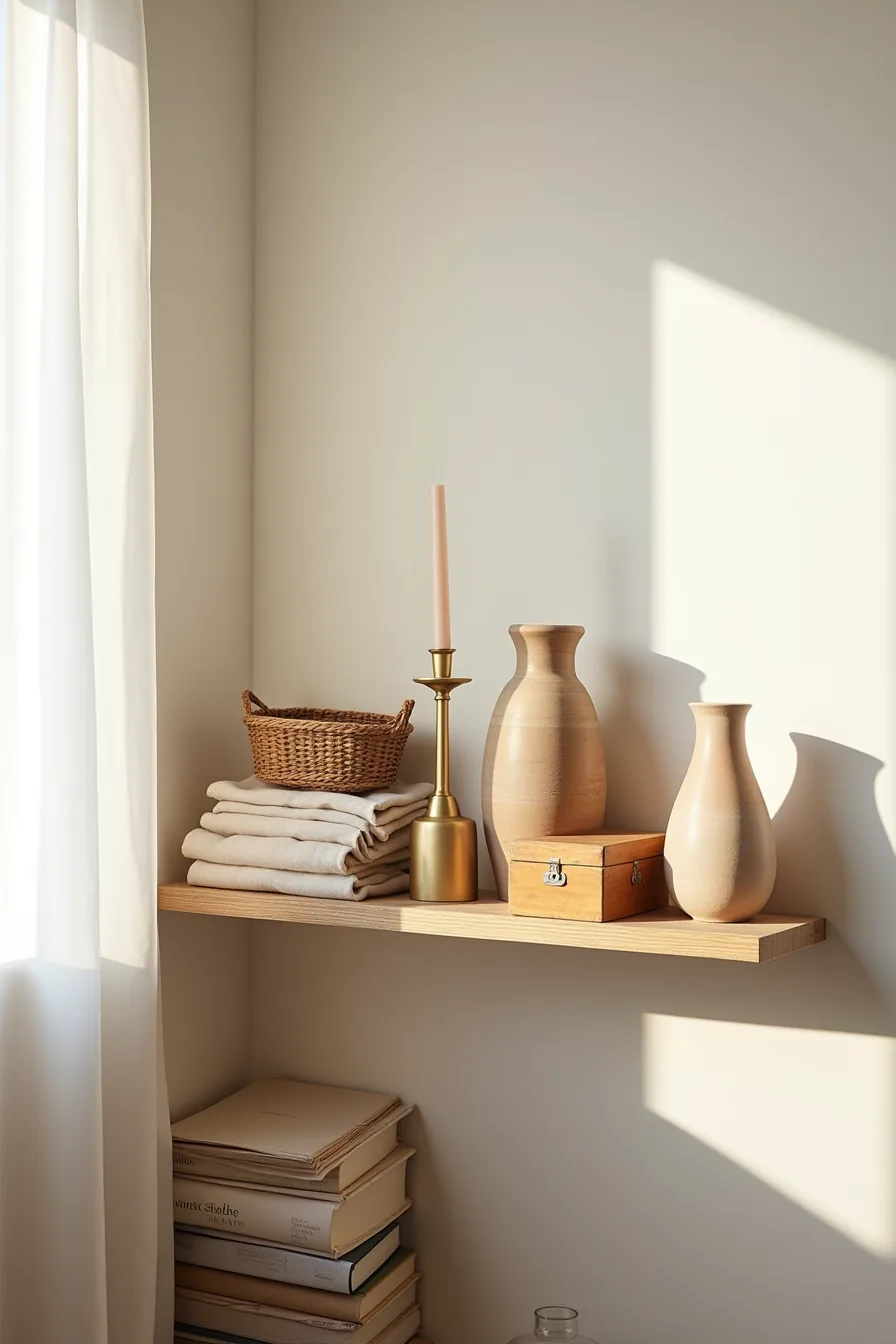
This aesthetic works because it replaces matching sets with a curated rhythm of varied heights and materials. A weathered wood shelf at eye level holds a woven basket next to a vintage brass candlestick, while mismatched ceramic vessels and a small wooden box anchor the corners. A glass jar and folded linen add softness without introducing new colors, proving that texture, not pigment, carries the visual weight.
It suits a creative student who enjoys slow decorating and has access to campus-area thrift stores or Facebook Marketplace. You can build the entire shelf for under $40 if you shop across three or four visits, but expect to hunt for the brass pieces; they surface regularly but sell quickly. Arrange objects in odd numbers and vary heights by at least 3-4 inches between neighbors to avoid a flat lineup.
Dusting is the only real maintenance, but woven baskets and linen collect particles quickly, so plan a quick wipe-down every two weeks. This route is renter-friendly, the shelf requires two small brackets, and every object is removable without residue or wall damage.
Dark Academia Mood with Lighting
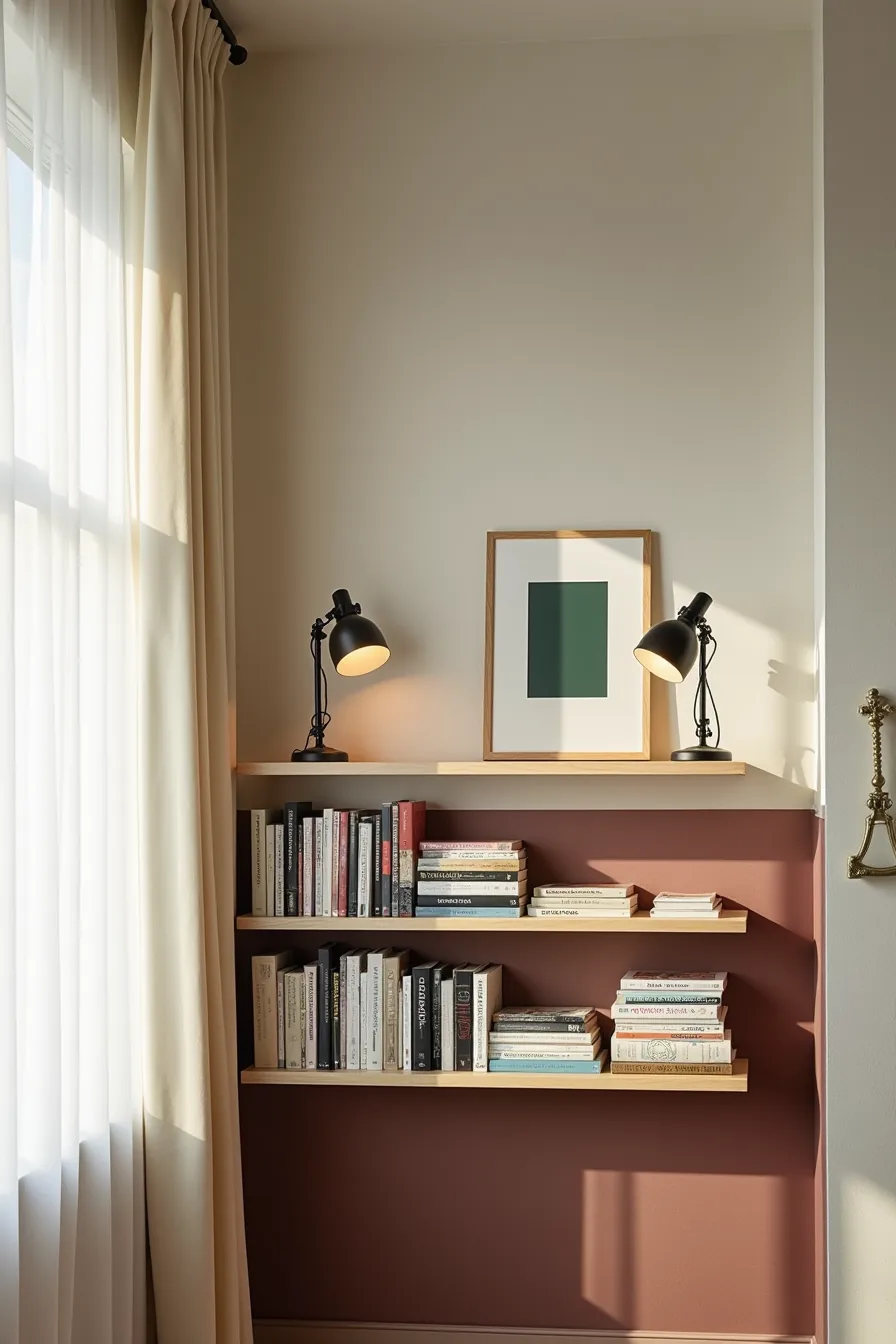
Dark academia translates to a college dorm room ideas aesthetic built on layered shadows, tactile materials, and a studious atmosphere. The strategy relies on creating pools of concentrated light rather than illuminating the entire room evenly. This approach adds depth while disguising less-than-perfect dorm furniture.
The example setup centers on a wall-mounted shelving unit stacked with books, spines turned inward for a uniform, textural mass. Two adjustable clip lamps with warm bulbs are pointed downward to spotlight the lower shelves, creating a focused reading nook. A single framed abstract artwork breaks the vertical lines.
The burgundy or forest-green painted wall behind the shelving delivers the moody backdrop, but since dorm paint rules vary, achieve this with removable, non-adhesive wallpaper panels that cost $25-$45 per roll and peel off cleanly.
This look suits a literature or philosophy major who studies primarily at night and prefers low ambient light. The clip lamps require no permanent installation, making this an entirely renter-friendly setup. To reduce glare, position the lamps at a 45-degree angle to the book spines rather than directly overhead.
Dust the book tops weekly and wipe the lampshades monthly to keep the warm glow crisp. Soften the large painted expanse by leaving one adjacent wall neutral, which prevents the deep tones from closing in on a small room.
Bright Botanical and Natural Light Focus
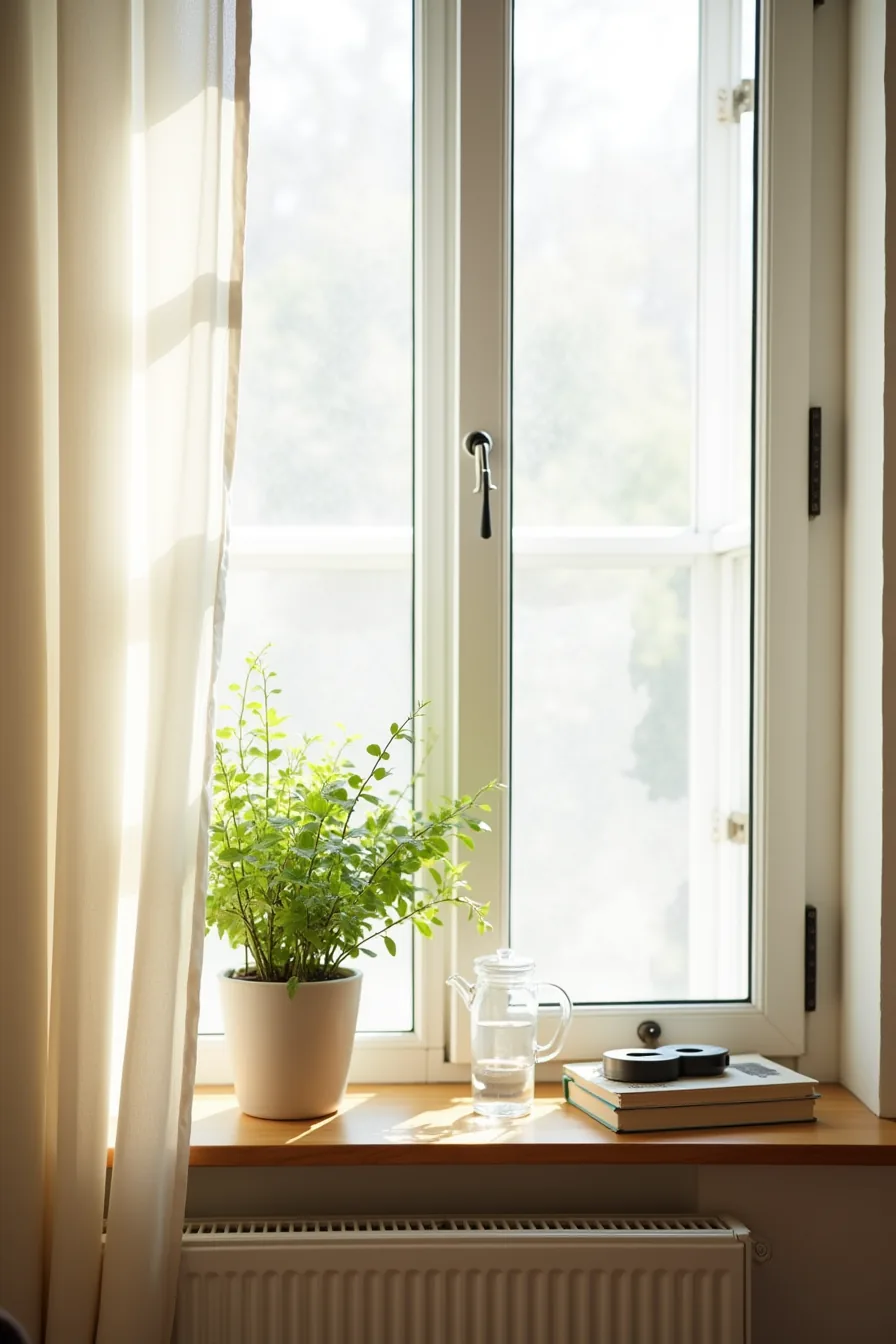
A bright botanical aesthetic works best when you treat natural light as the primary design element and the plants as secondary accents. This approach suits a south- or east-facing room where sunlight reaches the sill for at least four hours daily, without that exposure, the look falls flat.
Position a potted succulent, a trailing pothos in a ceramic pot, and a small potted fern directly on the windowsill, spacing them so their leaves don’t overlap. The pothos cascades over the pot’s edge to add vertical interest, while the succulent’s compact rosette anchors the composition. Place a clear glass watering can at the end of the sill for both hydration and a reflective accent that catches morning light.
A sheer curtain diffuses harsh midday rays, preventing leaf scorch while softening the overall brightness.
This college dorm room ideas aesthetic suits a plant-savvy resident who can commit to a weekly watering schedule, pothos tolerates neglect, but the fern requires consistent moisture and occasional misting. The neutral base means your bedding and rug carry the color, so swap them seasonally without touching the window arrangement. The main limitation is window access: keep the sill clear of anything that blocks the latch or the opening mechanism.
Budget, Renter, and Investment Routes

The same college dorm room ideas aesthetic can be built at three distinct price points, each with different trade-offs in durability and permanence. Under $200, adhesive wall hooks and removable strips handle all wall mounting without risking your security deposit, just test them on a small area first, since some paint finishes peel even with “renter-safe” labels. Pair them with a portable storage organizer that collapses flat for move-in day; soft fabric cubes run $10–15 each and hold bedding or shoes out of sight.
A mid-range route adds a solid wood bedside table that survives four years of moves. Expect to pay $80–150 for a pine or rubberwood piece, versus $30–50 for a particleboard alternative that wobbles by sophomore year. The wood piece anchors the room visually and can transition to an apartment later, making it the strongest value in the group.
The splurge tier replaces the adhesive hooks with a wall-mounted shelf system or a proper desk chair, items that cost $150–300 but deliver daily ergonomic returns. Budget vs. Splurge college dorm room ideas aesthetic ultimately comes down to what you’ll use for years versus what you only need for one semester.
Common Mistakes and Space Adaptation
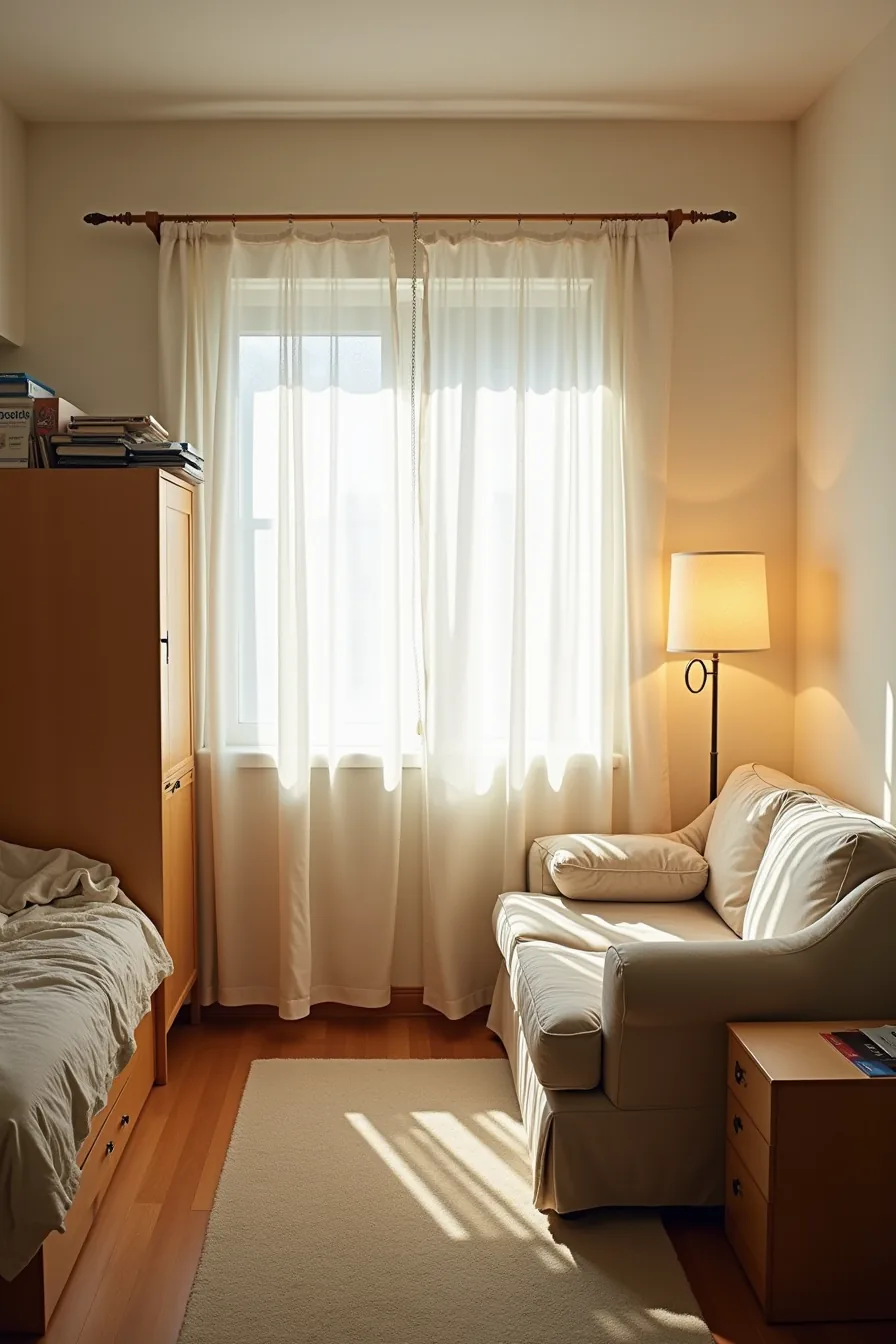
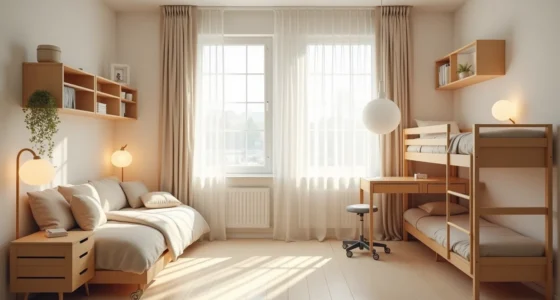
The most common college dorm room ideas aesthetic mistakes to avoid all stem from scale miscalculation. Oversized furniture, like a full-size armchair in a 90-square-foot double, eats floor space, blocks the door swing, and forces you to stack boxes in traffic paths. Measure your room before buying anything: under 100 square feet calls for a slim 36–42-inch desk, a twin XL bed frame with built-in drawers, and a rug no larger than 5×7 feet.
Medium rooms (100–150 square feet) allow a 48-inch desk and a 6×9 rug, but keep a 24-inch clear path from door to window for airflow. In larger suites, resist filling empty wall space with more furniture, use one tall shelf unit instead of spreading clutter across multiple surfaces. A cluttered shelf above a cramped corner amplifies visual chaos, and tangled cords underfoot become a trip hazard.
Route cables along baseboards with adhesive clips, and never stack boxes higher than 18 inches from the floor, since that blocks HVAC vents and makes the room feel smaller.
Where to start
Before you buy anything, measure your room and photograph it from every angle. Note the furniture footprint, window light, and outlet placement. That 10-minute audit will prevent the most common dorm mistake: buying items that don’t fit the space you actually have.
Pick one anchor piece, a rug, bedding set, or chair, that defines your color story. Build everything else around it. Keep all large items neutral, use color in pillows, art, and desk accessories you can swap cheaply.
Then, order only items with free returns. Your taste will sharpen once the furniture arrives.
Frequently Asked Questions
What size furniture fits a standard college dorm room without blocking the door or window?
Keep bed frames under 80 inches long and desks under 48 inches wide. Leave a 36-inch clearance path from the door and at least 12 inches below window sills for airflow and light access.
Can I use a college dorm room ideas aesthetic if my dorm has limited natural light?
Yes. Prioritize warm, dimmable LED strips and lamps in 2700K-3000K range. Use light-reflective materials like mirrors, white or cream textiles, and glossy storage bins to bounce available light around the room.
How do I make a college dorm room ideas aesthetic work in a shared dorm without annoying my roommate?
Divide the room into halves with a shared visual anchor, like a neutral rug or curtain. Keep your personal aesthetic confined to your bed, desk, and wall area, and use only clip-on or battery-powered lighting that doesn’t alter the room’s main fixture.
What’s the fastest way to change my college dorm room ideas aesthetic if I want a different look mid-semester?
Swap removable items only: replace your duvet cover, throw pillows, and desk lamp shade, and switch out wall art. These take under 30 minutes to change and require no drilling or new hardware.