
A practical bedroom checklist starts with four non-negotiables, a sleep surface that supports your body, storage that clears the floor, layered lighting you can control, and a way to manage temperature, before you spend a single dollar on décor. Once those are locked, the checklist expands into style, scale, and layout decisions that separate a restful retreat from a cluttered showroom. The six interpretations below range from a $300 renter refresh to a decade-long investment, each with the exact measurements, material trade-offs, and maintenance demands you need to replicate them.
Key takeaways
- Start with the foundation: Prioritize a supportive mattress and sturdy base before spending on décor, as this determines sleep quality and longevity.
- Match storage to tenure: Choose freestanding, modular pieces for rentals, while built-ins suit homeowners seeking a long-term, permanent solution.
- Layer three light types: Combine ambient, task, and accent lighting with dimmers to shift a room from functional to restful without rewiring.
- Balance comfort with upkeep: Select washable, high-abrasion textiles and low-maintenance finishes for high-traffic zones, saving you hours of cleaning weekly.
Sleep Surface and Foundation: The Non-Negotiable Base
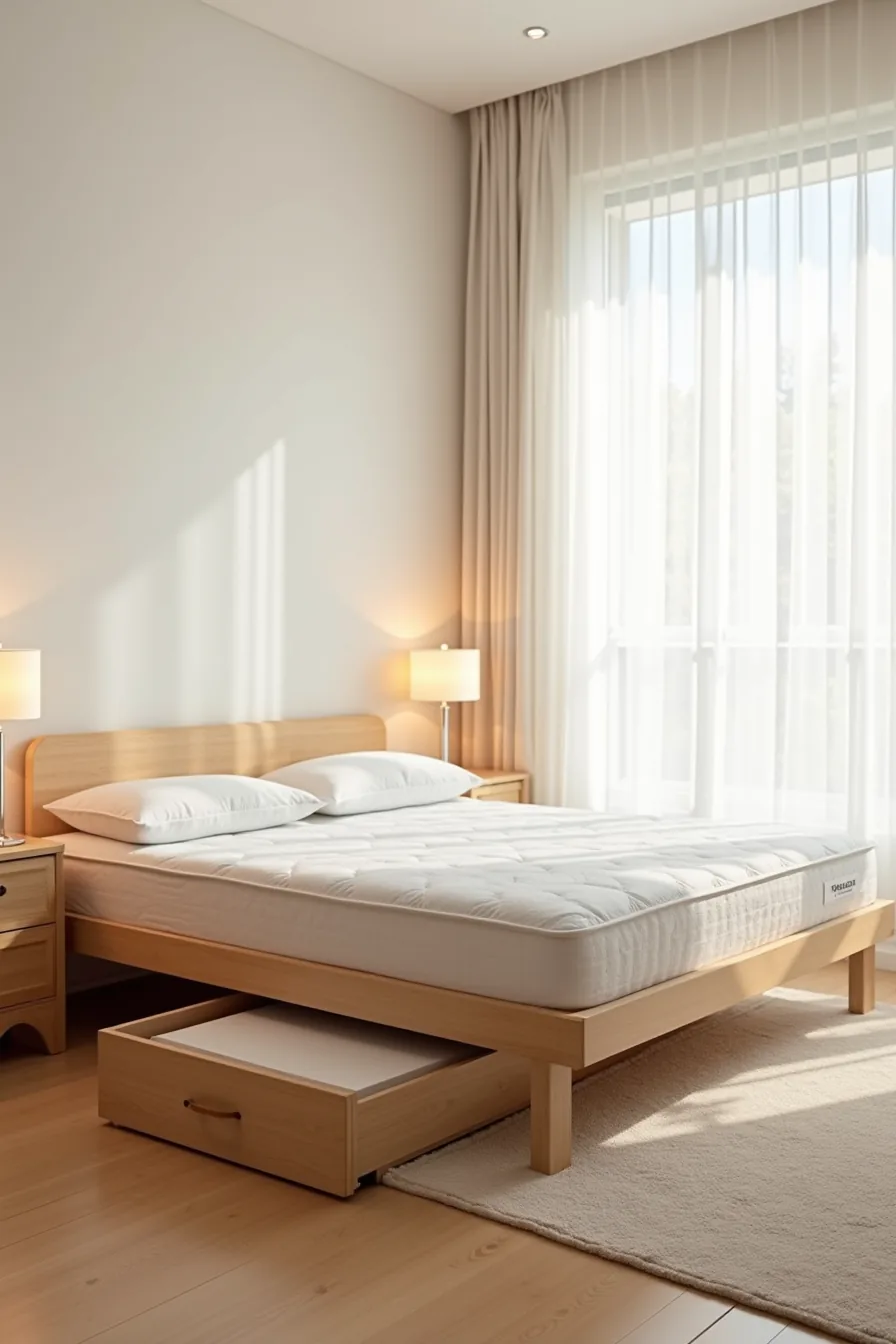
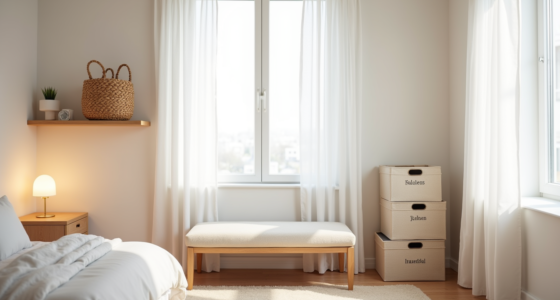
Before you consider paint colors or decor, your mattress and its base dictate both comfort and the room’s usable square footage. A platform bed frame with wooden slats, like the one pictured, eliminates the need for a box spring and typically sits 12–18 inches off the floor. That clearance is the sweet spot: high enough for easy entry, low enough to keep the room visually open.
Slats spaced 2–3 inches apart provide adequate airflow to prevent moisture buildup, but check the manufacturer’s rating, some memory foam mattresses require slats no more than 3 inches apart to avoid sagging. The visible storage container sliding beneath is a practical addition for small or medium rooms, though you’ll want to measure the under-bed clearance before purchasing bins. For a budget route, a metal frame with a headboard bracket costs less than a solid wood platform and still offers slat support.
If you invest long-term, choose kiln-dried hardwood slats, which resist warping in humid climates. This setup suits anyone who prioritizes the essentials before decor and values a low-maintenance, dust-friendly layout.
Storage Solutions That Match Your Lease and Timeline
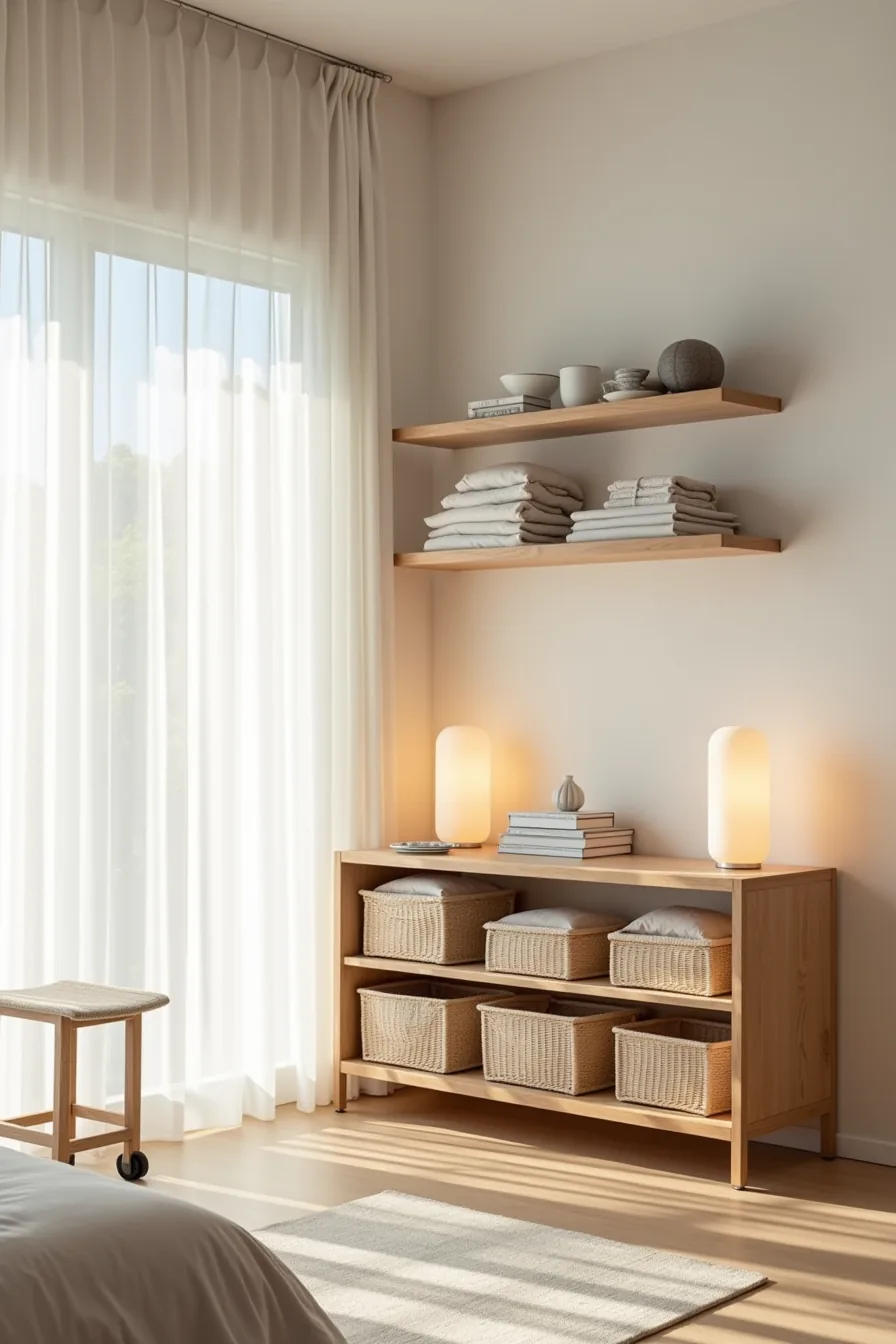
Wall shelves above a low dresser create vertical storage without sacrificing floor space, a setup that works whether you rent or own. The wall shelves hold folded items you access weekly, while the dresser below stores daily essentials within arm’s reach. Woven baskets on the shelves hide smaller accessories and keep the visual noise down.
This combination suits a first apartment bedroom checklist because it requires no permanent modifications beyond basic wall anchors, which most leases permit with patchable holes.
A rolling cart beside the dresser adds tool-free, movable storage for items you want to grab quickly. If your lease limits you to renter-friendly solutions, this entire arrangement costs less than a custom closet system and dismantles in under an hour. For modular adaptability, choose shelves with adjustable brackets and a dresser with removable legs so you can repurpose both pieces in a larger space later.
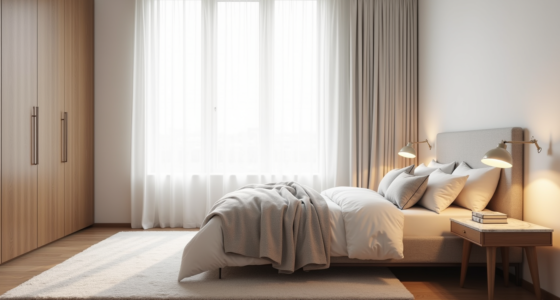
Built-in wardrobes, by contrast, are a long-term investment that typically costs three to five times more but maximizes awkward alcoves.
What’s your bedroom missing most often is vertical real estate, so measure your wall height and dresser depth before buying shelves to keep proportions balanced.
Lighting Layers for Function and Mood
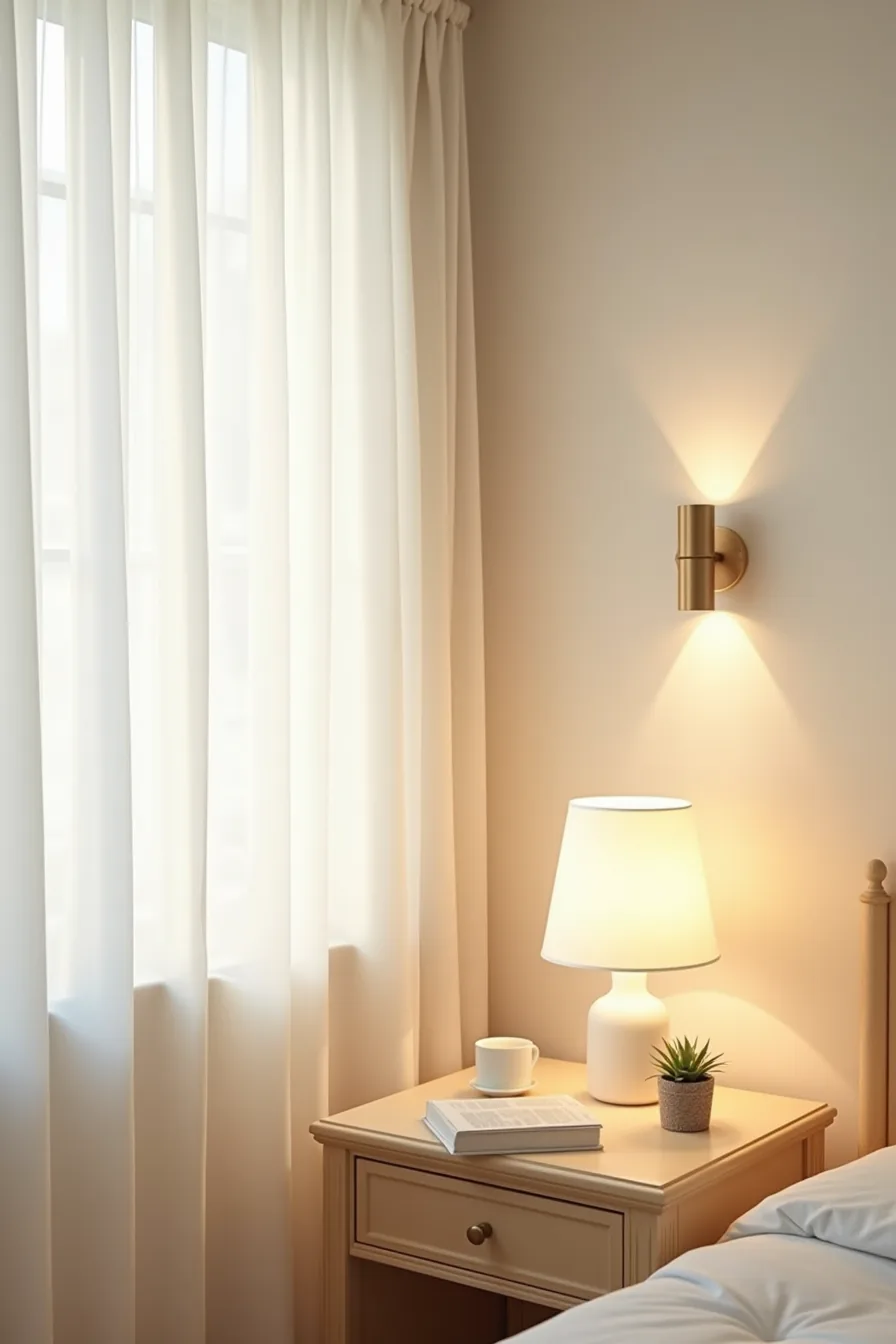
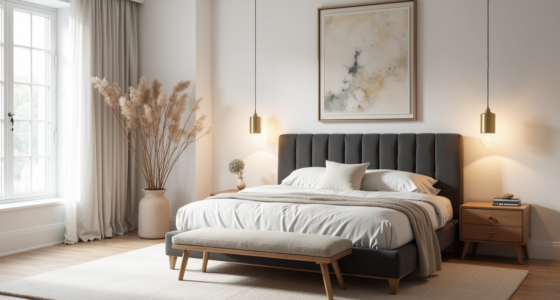
A practical bedroom checklist treats lighting as three distinct layers rather than a single overhead fixture. Place a table lamp with a fabric shade on the nightstand for diffuse ambient light, mount a wall sconce above it for focused reading without taking up surface space, and add a small accent light on the same surface to highlight a decorative object or fill shadowed corners. This three-source arrangement gives you independent control: the accent light alone for late-night movement, the sconce for reading, and the table lamp for winding down.
For most bedrooms, use 40-60 watt equivalent bulbs in the table lamp, a 60-100 watt equivalent in the sconce, and a 5-10 watt LED accent light. This layered setup works in rentals because wall sconces with plug-in cords or battery-operated options avoid hardwiring altogether. In owned spaces, hardwired sconces on a dimmer switch cost more upfront but give you smoother transitions between brightness levels.
Ceiling fixtures alone create harsh shadows on faces and fail to illuminate nightstand tasks, so skip them as your sole light source.
Climate and Air Quality: Often Overlooked Essentials
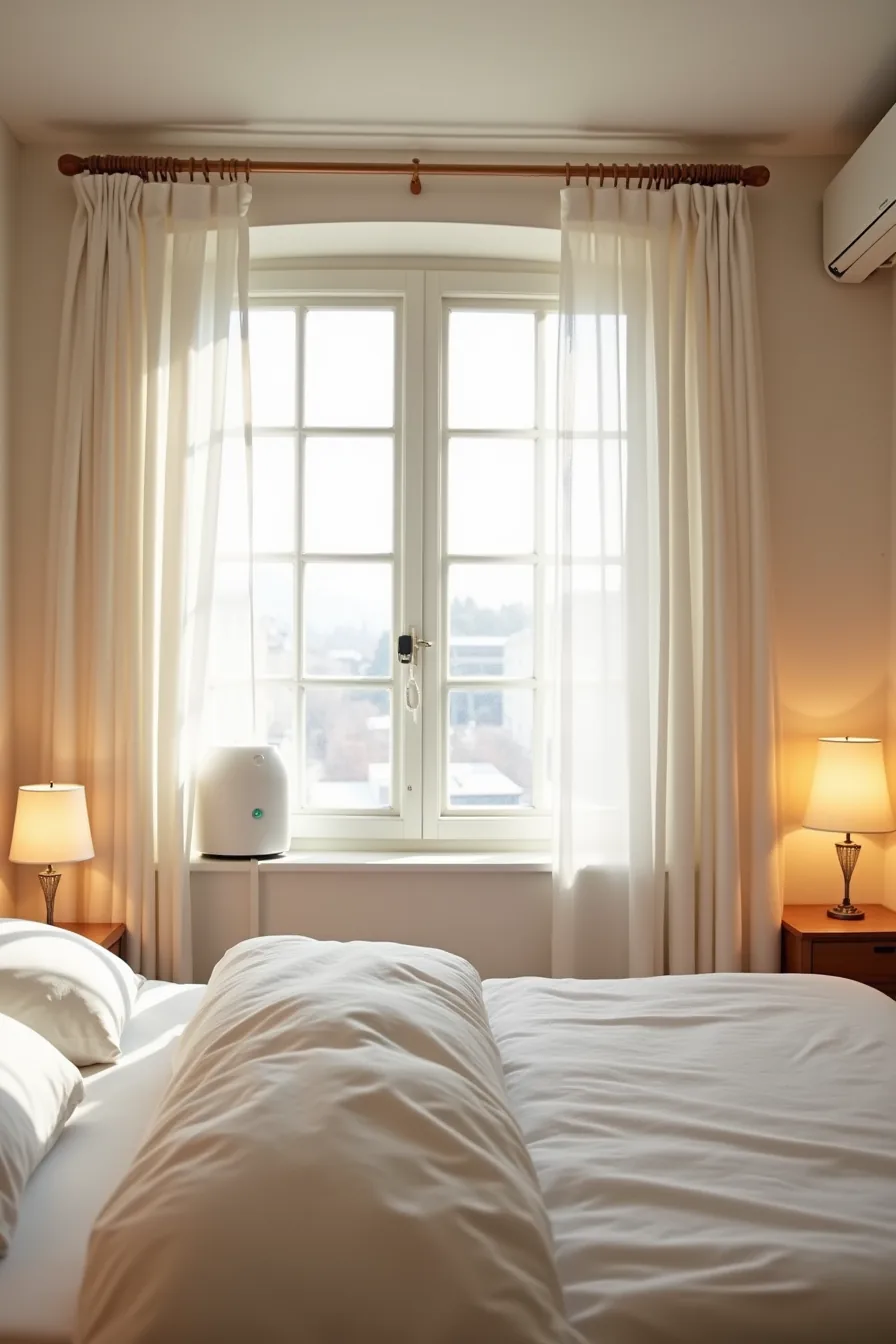
Your bedroom checklist is incomplete without addressing the air you breathe for eight hours nightly. A ceiling vent, visible in the corner, provides the primary fresh-air exchange, but it works best when paired with cross-ventilation, crack the window opposite the door for 10-15 minutes each morning to purge trapped CO₂ and humidity from the night.
On the sill, a humidifier releases visible vapor to maintain 40-50% relative humidity, the range where dust mites struggle to multiply and your nasal passages stay comfortable. Skip the humidifier if your climate runs naturally humid; instead, use a dehumidifier to prevent condensation on window frames and mold behind furniture. Blackout curtains, partially drawn, do double duty: they block early-morning light for deeper REM sleep and insulate the glass, reducing drafts and temperature swings that disrupt circadian rhythm.
Wash the curtain panels every two to three months and clean the humidifier weekly with vinegar to prevent mineral buildup and bacterial growth.
Textiles and Soft Furnishings: The Comfort Layer
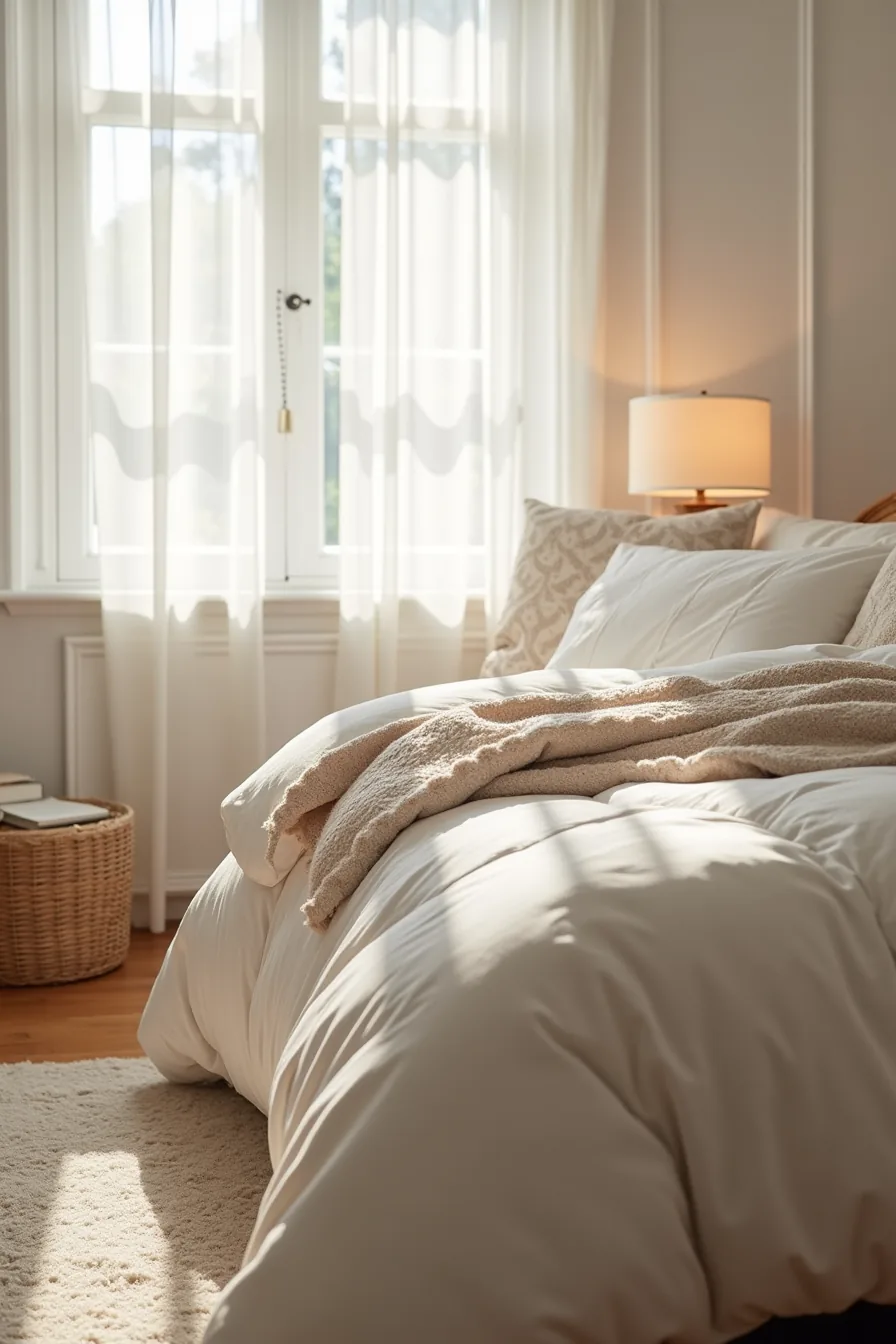
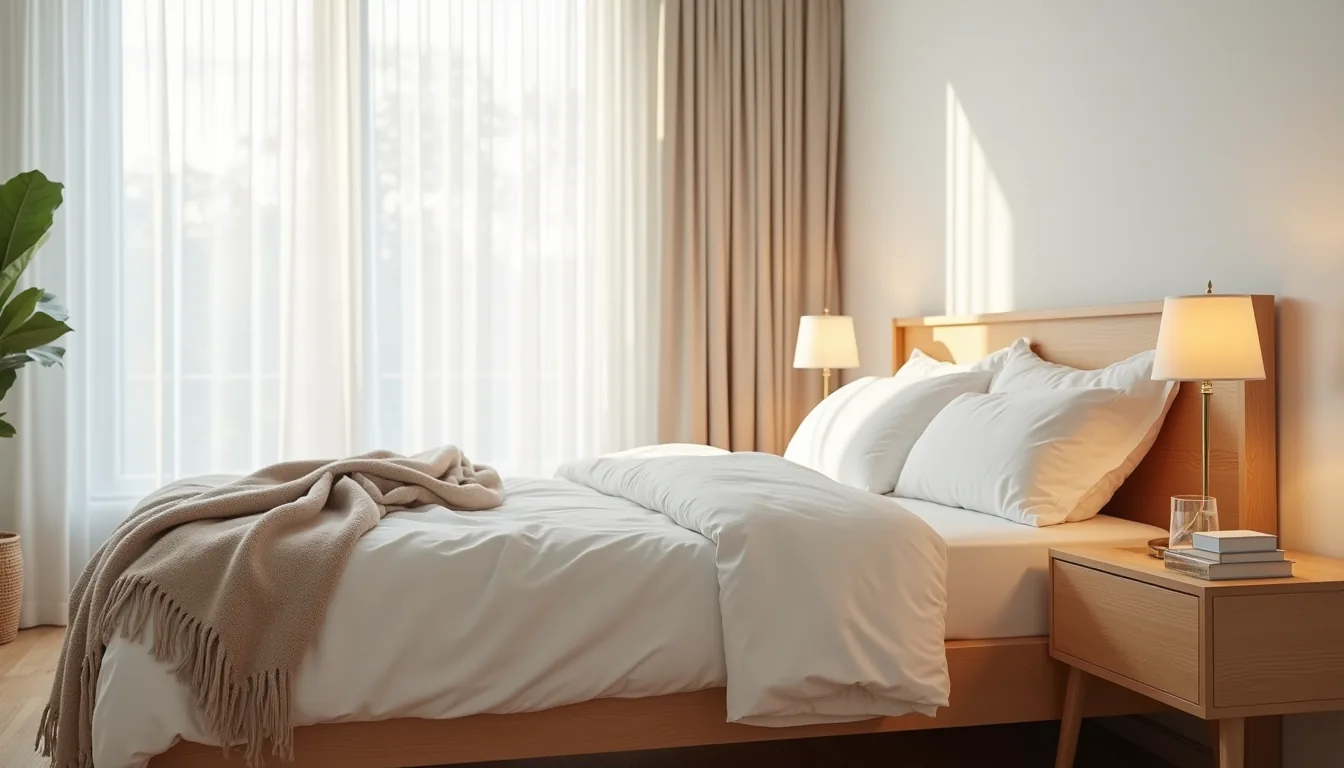
Your bedding does the heavy lifting for sleep quality, so match weight to your local climate. A 300-400 GSM duvet suits moderate seasons, while hot sleepers should drop to a breathable 200 GSM summer weight or layer a thin cotton quilt instead. The duvet in this setup uses a percale weave, crisp, cool, and the easiest to launder, with the patterned pillows adding visual contrast without affecting function.
Pillow fill dictates both comfort and maintenance. Down-alternative fills offer hypoallergenic support and machine washability, but they compress within two years; solid latex or memory foam holds loft for five-plus years yet traps heat and requires spot cleaning only. A quilted throw at the foot of the bed serves dual purpose: it adds warmth for reading and protects the duvet from daily wear, extending its lifespan by months.
The area rug extending from the bed edge to the floor is a practical choice, not just a visual one. It gives your feet a warm landing zone and muffles sound in shared spaces. A low-pile wool or flatweave rug with a rug pad underneath cleans easier and lasts longer than a high-pile shag, which traps dust and requires professional cleaning.
Pull the rug at least 24 inches past each side of the bed for scale, and vacuum it weekly. For a Bedroom Checklist for a Fast Weekend Reset, swap the throw and pillow covers only, these wash quickly while the duvet and rug stay put.
Surfaces and Finishes: Durability Meets Daily Use
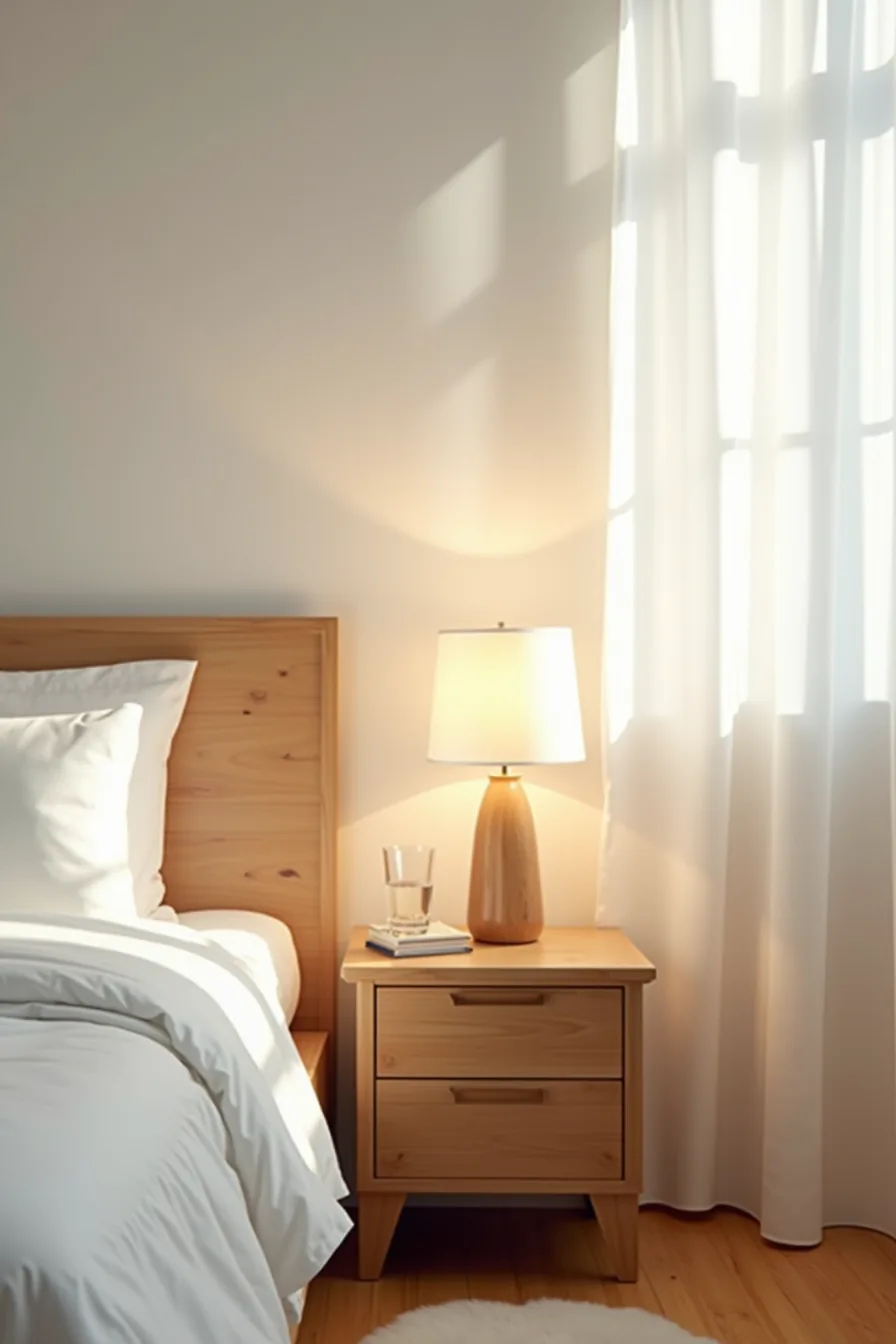
The sealed wood top on this nightstand is your first line of defense against water rings and skincare spills. Unsealed or oil-rubbed finishes absorb moisture and require re-oiling every few months, whereas a matte polyurethane or lacquer seal wipes clean with a damp cloth in seconds, no special products needed. If you buy unfinished furniture, applying two coats of a water-based polyurethane yourself costs under $30 and takes an afternoon to cure.
Flooring choice matters most on the path from bed to bathroom. Hardwood looks refined but scratches under casters and pet claws, so a washable mat like the one here, either a flatweave cotton or a rubber-backed runner, absorbs the impact and can go straight into the machine. For large rooms, extend the mat to cover the full walkway; in small spaces, a 24-36 inch runner beside the bed is enough to protect the high-traffic zone without visually shrinking the floor.
The wipeable paint finish on the wall behind the bed is a quiet workhorse. Eggshell or satin sheens resist scuffs from headboard contact and fingerprint smudges better than flat paint, and they tolerate spot cleaning with a sponge and mild detergent. In rental units, choose a satin finish in a neutral tone you can repaint cheaply before moving out, glossy finishes show every patch and are harder to match.
Your next step
You now have six distinct paths, each with clear trade-offs in cost, effort, and longevity. Before you buy anything, grab a tape measure and a notepad. Walk into your bedroom and sketch the floor plan, noting door swings, window placement, and existing outlets.
Mark the one problem that bothers you most, cluttered surfaces, poor lighting, or an empty corner. That single issue determines your starting point. If budget is tight, begin with the renter-friendly route: swap your bedding and add a freestanding lamp.
If you own the space and plan to stay five-plus years, start with the long-term investment in storage or lighting.
Commit to one change this week. Measure twice, buy once, and let that first win guide the rest.
Frequently Asked Questions
What should be on a bedroom checklist before moving in?
Measure the room, door swings, and window placements first. Then list bed frame, mattress, storage, lighting, and blackout curtains. Leave decorative items until those functional anchors are confirmed to fit and function.
How do I create a bedroom checklist for a fast weekend reset?
Strip all bedding and wash it. Clear surfaces, vacuum under furniture, and rotate your mattress. Reset your nightstands with only three items each: lamp, book, cup.
Spend one hour on storage, donate anything unworn in six months.
What essentials should come before decorative items in a bedroom?
Prioritize a supportive mattress, sturdy bed frame, bedside table, window coverings, and adequate closet storage. These directly affect sleep, air circulation, and daily access. Add rugs, art, and throws only after those basics are installed and tested for comfort.
How do I adapt a bedroom checklist to a small apartment?
Choose a bed frame with built-in drawers or under-bed clearance of at least 8 inches for bins. Use wall-mounted sconces over nightstands to free floor space. Opt for a slim rolling cart instead of a bulky dresser, and keep one multifunctional chair for seating and laundry storage.