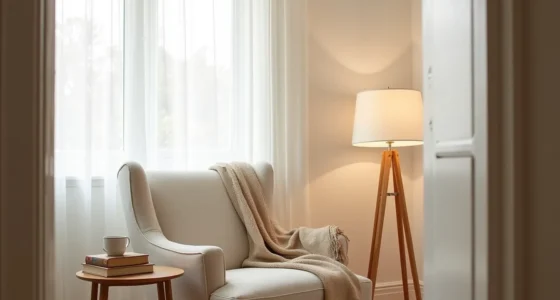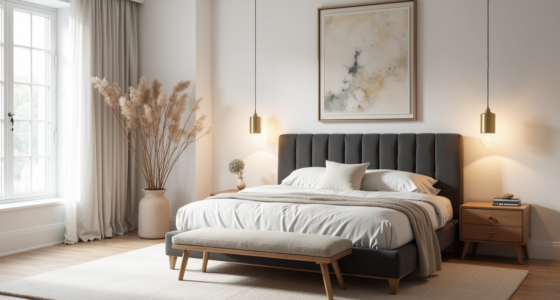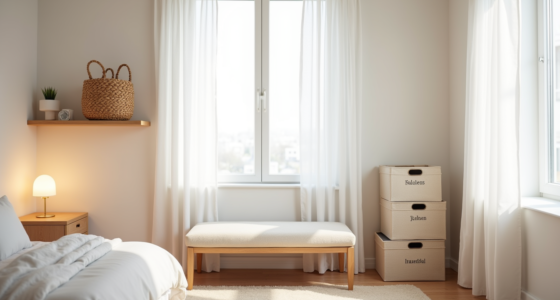

Searching “Amazon must haves for bedroom” usually surfaces the same 40 items, LED strip lights, a velvet bench, a marble tray, but none of that tells you whether a piece will fit your room, survive a real wash cycle, or look like the listing photo once it’s out of the box. The difference between a regretful impulse buy and a keeper comes down to four filters: measured dimensions, material construction, return policy, and how the item behaves under daily use. This guide applies those filters to six categories that actually earn their place, with specific sizing ranges, fabric grades, and placement rules so you can decide before you click.
Key takeaways
- Choose task lighting with adjustable arms or dimmers, not decorative fixtures, to solve reading and late-night needs without washing the whole room in glare.
- Opt for under-bed storage with flat, lidded bins that slide freely, but measure your clearance first, most bed frames leave only 6-12 inches, which rules out tall containers.
- Prioritize a mattress topper with a 2- to 4-inch profile and a removable, washable cover, since thicker layers trap heat and thinner ones fail to mask sagging joints.
- Verify blackout curtain claims by checking for a triple-weave or coated backing and measuring your window drop, as most standard panels run 63-84 inches and won’t cover floor-length windows without custom sizing.
Lighting That Solves Real Problems

The most effective bedside setup pairs two distinct light sources, as seen on this nightstand with a warm dimmable reading lamp beside a cool-toned accent lamp, the dimmer switch visible on the cord. The warm lamp, positioned closest to your pillow, targets eye strain by providing 2700K-3000K light for reading without blue-light disruption. The cool accent lamp throws ambient illumination across the room, making the space feel larger without washing out your screen or book.
This two-lamp system works because each fixture serves a separate circadian function. Use the warm lamp 60-90 minutes before sleep; switch to the cool lamp for getting dressed or late-night organization. For tight layouts, choose a clamp-style warm lamp with a weighted base (most run 8-12 inches) to preserve nightstand surface, and skip fixtures with metal shades that heat up after 30 minutes of use.
LED bulbs rated below 800 lumens generate negligible heat, keeping the setup safe for small spaces.
Storage Solutions for Small and Medium Bedrooms
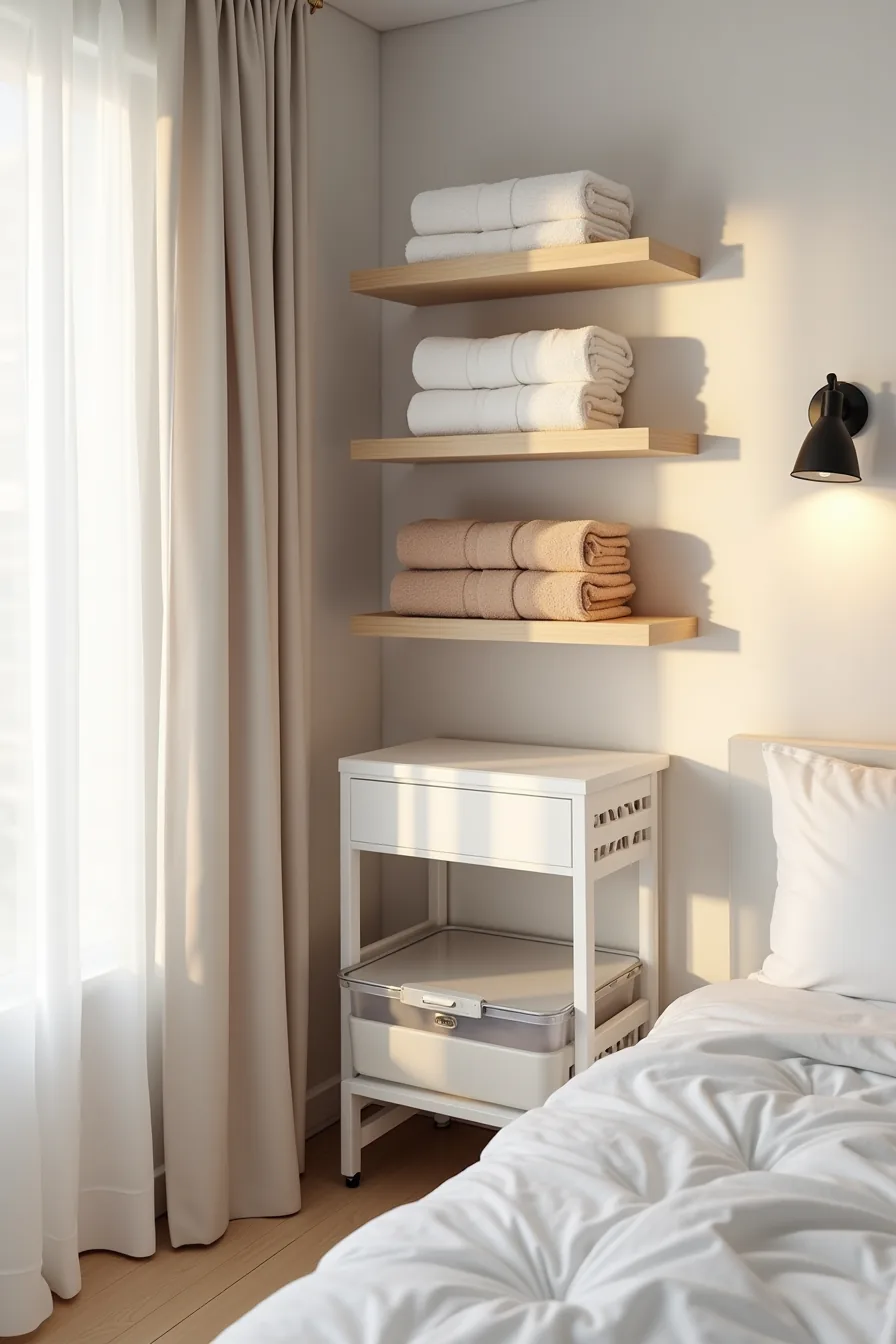
The corner layout pairs a wall-mounted floating shelf unit with a rolling under-bed container, creating two distinct storage bands that use vertical space without sacrificing floor area. The floating shelf holds folded towels and lidded boxes within arm’s reach, which works best when mounted 12–18 inches below the ceiling to keep the floor line clear. Standard floating shelves support 15–25 pounds per bracket pair, so reserve them for lightweight textiles and plastic organizers rather than books or electronics.
The rolling under-bed container solves the accessibility problem most bins create, models with 2-inch caster wheels slide out fully even on low-pile carpet, and clear acrylic drawer organizers on the lower shelf keep smaller items visible without rummaging. For medium bedrooms, prioritize containers under 6 inches tall to maintain a 2-inch airflow gap beneath the bed frame; this prevents dust accumulation and lets HVAC circulation reach the wall. The key distinction between useful and decorative finds here: the acrylic organizer earns its place through visibility, while purely ornamental boxes waste the same footprint.
Small bedroom picks should always favor units that stack or nest when empty, cutting storage volume by roughly a third when not in active use.
Mattress Toppers and Bed Comfort Layers
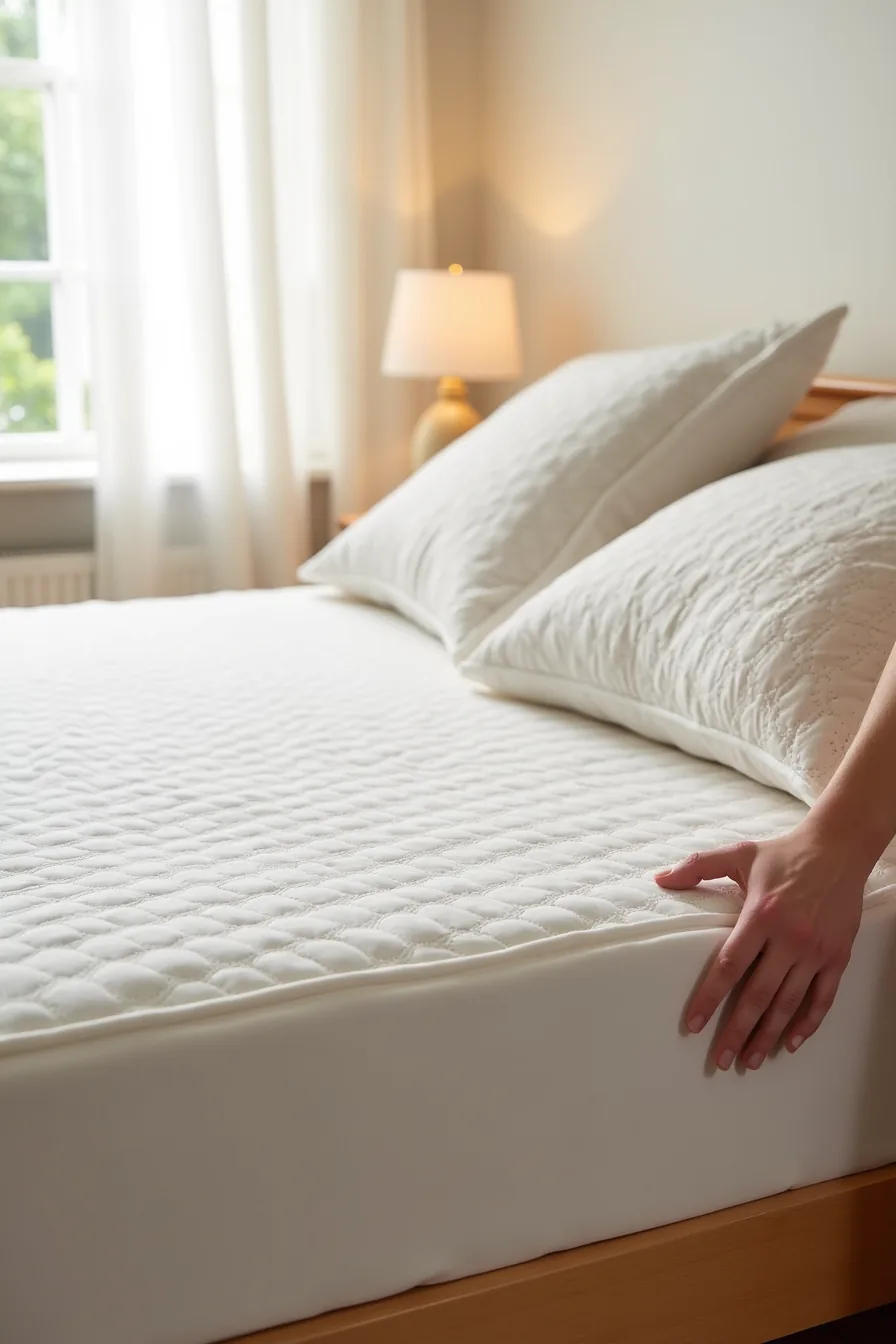
A quilted mattress topper addresses firmness complaints without the $500–$1,200 cost of a replacement mattress. The visible stitching pattern in the layered construction you see here indicates a baffle-box design, which keeps fill from shifting, a detail worth checking, since glued or unquilted toppers tend to clump within 6–12 months. Most quality toppers range between 2 and 4 inches thick; the 3-inch middle ground suits side sleepers best, while back sleepers often prefer 2 inches to preserve spinal alignment.
The hand pressing into the surface demonstrates compression response: a good topper should bounce back within 2–3 seconds, and slow return signals a foam that will sleep hot. Match the topper’s material to your climate, gel-infused memory foam runs cooler than traditional polyurethane, and natural latex resists sagging longest but runs $150–$300 more. Return policy matters more than brand on Amazon: toppers are hygiene-category items, so confirm the listing states a 30-to-60-day trial window before using yours.
Always wash the fitted sheet before compression-testing, since the protective zippered cover of many toppers is machine-washable while the foam core isn’t.
Blackout and Temperature-Control Textiles
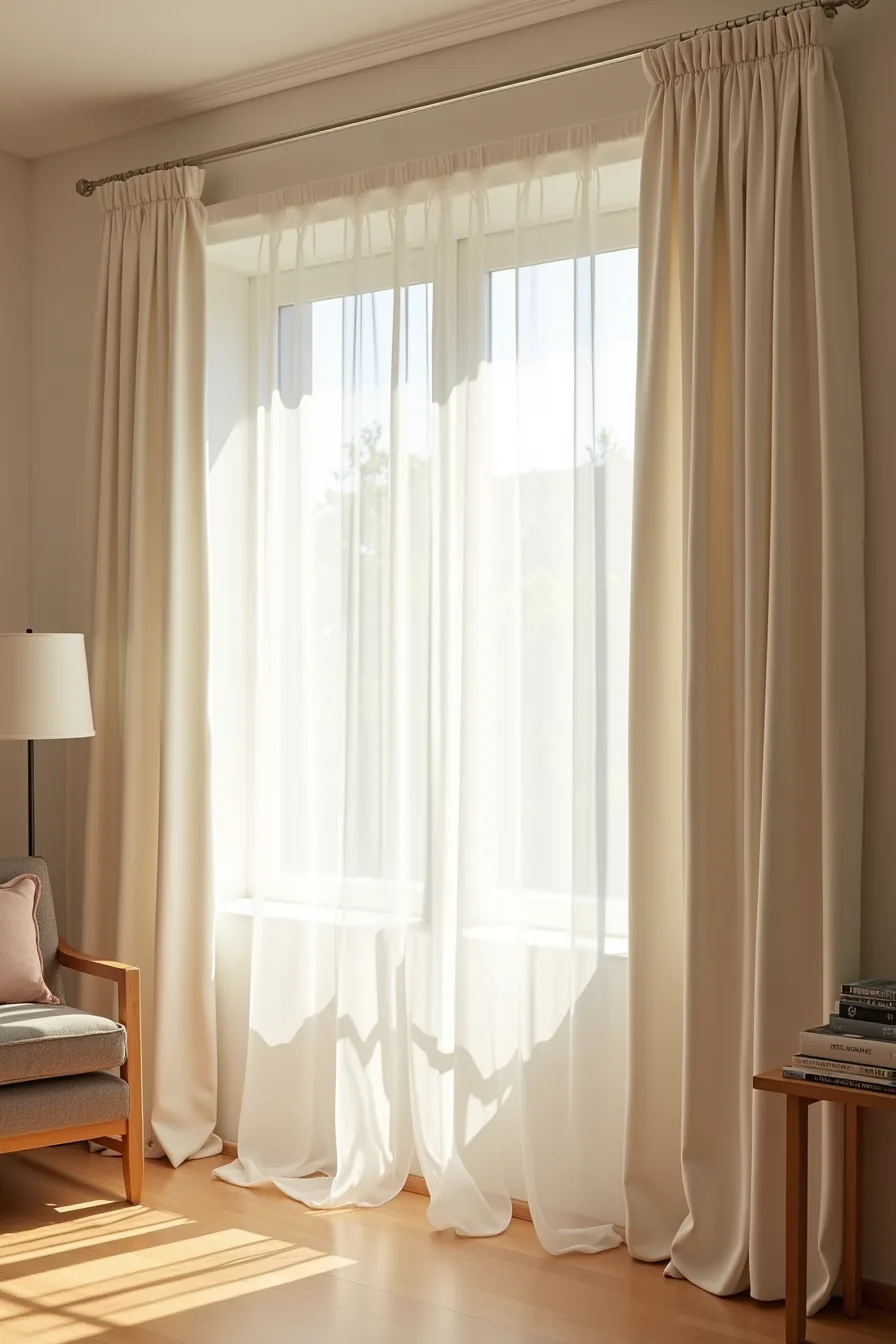
The fully closed blackout curtains hanging from a ceiling-mounted rod are the single most effective sleep accessory you can buy, provided you choose the right weight. Standard 3-pass coated polyester blocks roughly 85–95% of daylight, while a triple-weave fabric with a black core layer performs better but runs $20–$40 more per panel. For true darkness, insist on a thermal lining with a gram weight of 240–280 GSM; lighter panels will let sunlight bleed through the weave, no matter how “blackout” the listing claims.
Rod sizing is where most buyers fail: measure your window width and add 12–16 inches total for proper stack-back, or the curtains will block viewable glass even when open. The ceiling-mounted rod you see here adds 4–6 inches of height, which visually raises the room and prevents the light gaps that plague window-mounted rods. Curtain panels should be 2–2.5 times the rod width for that folded, substantial drape, skimping to 1.5 times leaves flat, gap-prone panels.
Expect to wash these every 6–8 months on a gentle cycle; dryer heat destroys the coating, so air-dry or use the no-heat setting. If the listing photo shows crisp edges and perfect symmetry, treat the dimensions skeptically, real fabrics wrinkle and sag within weeks.
Bedding and Pillows: Durability Over Trend

A fitted sheet, flat sheet, and two pillows in neutral tones form your sleep surface, and the fabric weave at the corner tells you more than any thread count claim. Most Amazon listings tout 1,000+ thread counts, but anything above 400–600 is usually marketing math that counts multiple-ply yarns as separate threads. A true 300–400 single-ply long-staple cotton sheet wears better and feels softer after 30 washes than a gimmicky high-count option that pills within months.
Palpate the pillow shapes in the listing: one should hold its loft while the other compresses slightly, indicating different fill densities. A shredded memory foam fill offers 2–3 years of support before losing resilience, while down alternative requires replacement every 12–18 months. Check the care tag specs before buying, sheets claiming “wrinkle-free” typically carry a resin finish that degrades with heat drying, so plan for line-drying or a low-heat cycle every 2 weeks.
For an Amazon Bedroom Must Haves for a Quick Refresh, prioritize a 200–400 thread count percale set under $60; the savings fund a second set for rotation, which doubles fabric lifespan.
Furniture Pieces That Earn Their Space
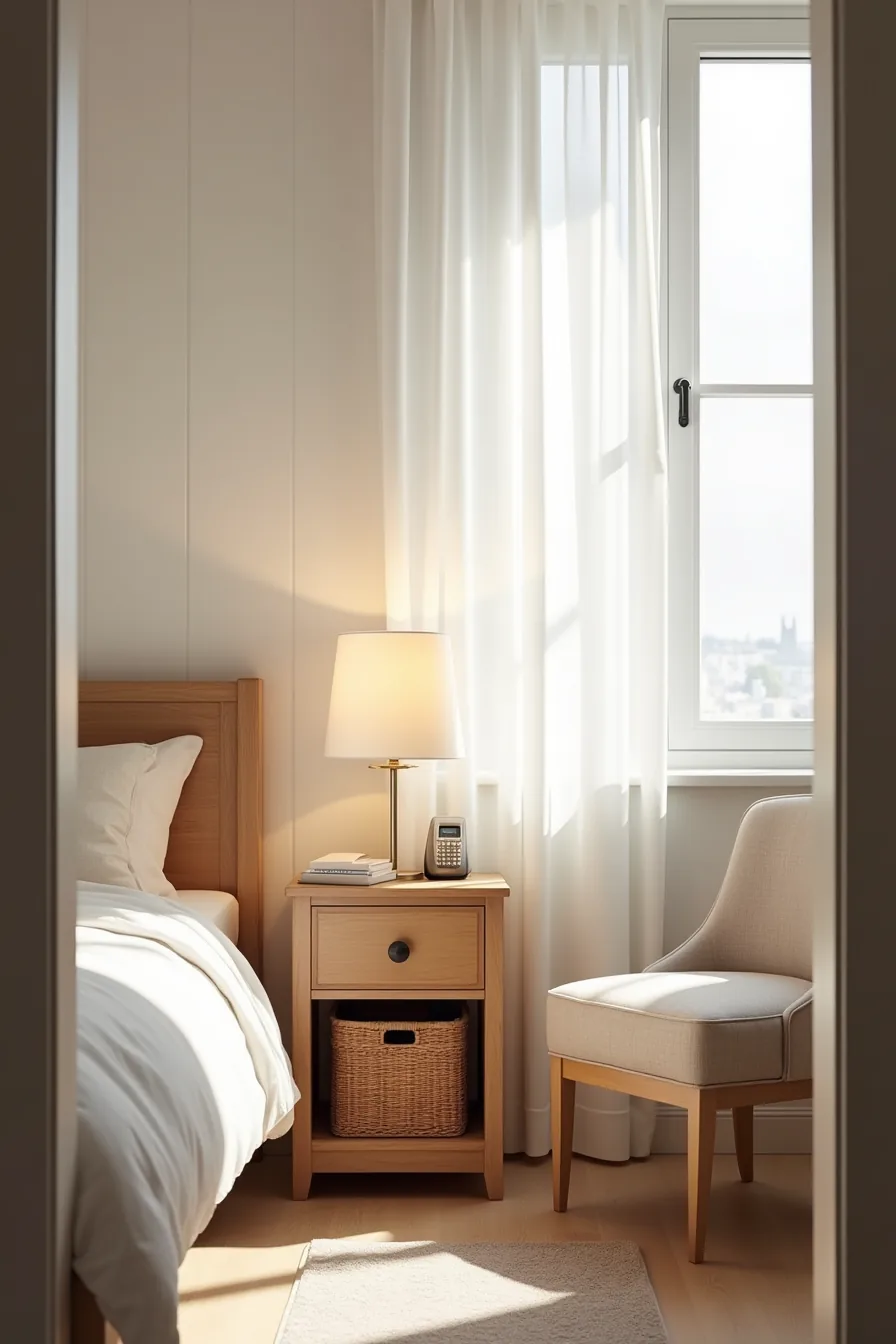
The compact nightstand, wooden bench, storage baskets, and accent chair in that corner setup each solve a specific problem without consuming the room. A nightstand should clear the mattress height by 2–4 inches so you can reach your phone and lamp without sitting up fully; most standard models run 22–26 inches tall, but measure your bed frame first because platform beds shift that number. Look for a solid-wood top rather than particleboard if you plan to set drinks on it, the particleboard swells permanently within months of condensation rings.
The bench at the foot of the bed works only if you leave 24–30 inches of walking clearance between it and the wall or dresser. That wooden one doubles as storage seating: each basket holds 2–3 blankets or a season of off-rotation clothing, but check the weight rating before sitting, many sub-$100 benches support 250–300 pounds max, enough for one person but not two. The accent chair belongs in the corner only if the door swing clears it by at least 18 inches; if your room is under 10 feet wide, skip the chair entirely and use that corner for a floor lamp and plant instead.
Assembly for these pieces runs 30 minutes to 2 hours depending on predrilled holes, so filter reviews mentioning “holes didn’t align” before committing.
Where to Start
Before you add anything to your cart, measure your room and identify the single pain point that bothers you most, dim lighting, clutter, or an uncomfortable bed. Then choose one item that solves that issue first, not the full set.
Buy one piece, test it for two weeks, and return it if it fails your standards. Amazon’s return window gives you that flexibility, so use it. Once you confirm the first purchase works, apply the same test to the next item.
Start with the bed base or lighting, then move to storage and décor. Your bedroom should feel better after each addition, not just fuller.
Frequently Asked Questions
What makes a bedroom product a ‘must have’ versus just nice to have on Amazon?
A must-have solves a recurring problem, storage, lighting, or sleep quality, within a week of arrival. Nice-to-haves are decorative accents that don’t change daily function. Prioritize items you’d repurchase if lost.
How do I know if a product’s dimensions in the listing are accurate or misleading?
Cross-check the stated dimensions against your actual space using a tape measure, not guesswork. Read recent reviews mentioning “smaller than expected” or “fits perfectly.” Avoid listings with only one photo and no measurement diagram.
What’s the difference between useful and decorative finds when shopping for bedroom upgrades?
Useful finds, like blackout curtains, under-bed bins, or a bedside lamp, perform a measurable task daily. Decorative finds, such as throw pillows or wall art, only affect appearance. Choose useful first, then add decoration if budget allows.
How do I choose Amazon bedroom must haves for a quick refresh without overspending?
Set a hard budget of $50–150 total, then pick three functional upgrades: lighting, storage, or bedding. Filter by “Amazon’s Choice” and 4-star-plus ratings with over 1,000 reviews. Skip anything requiring assembly tools you don’t own.