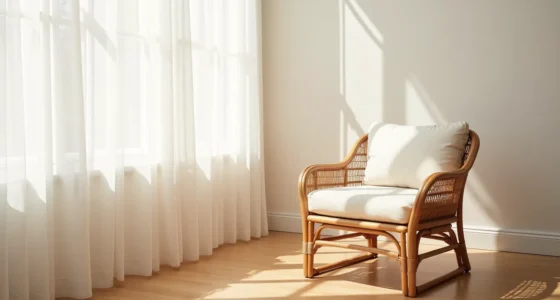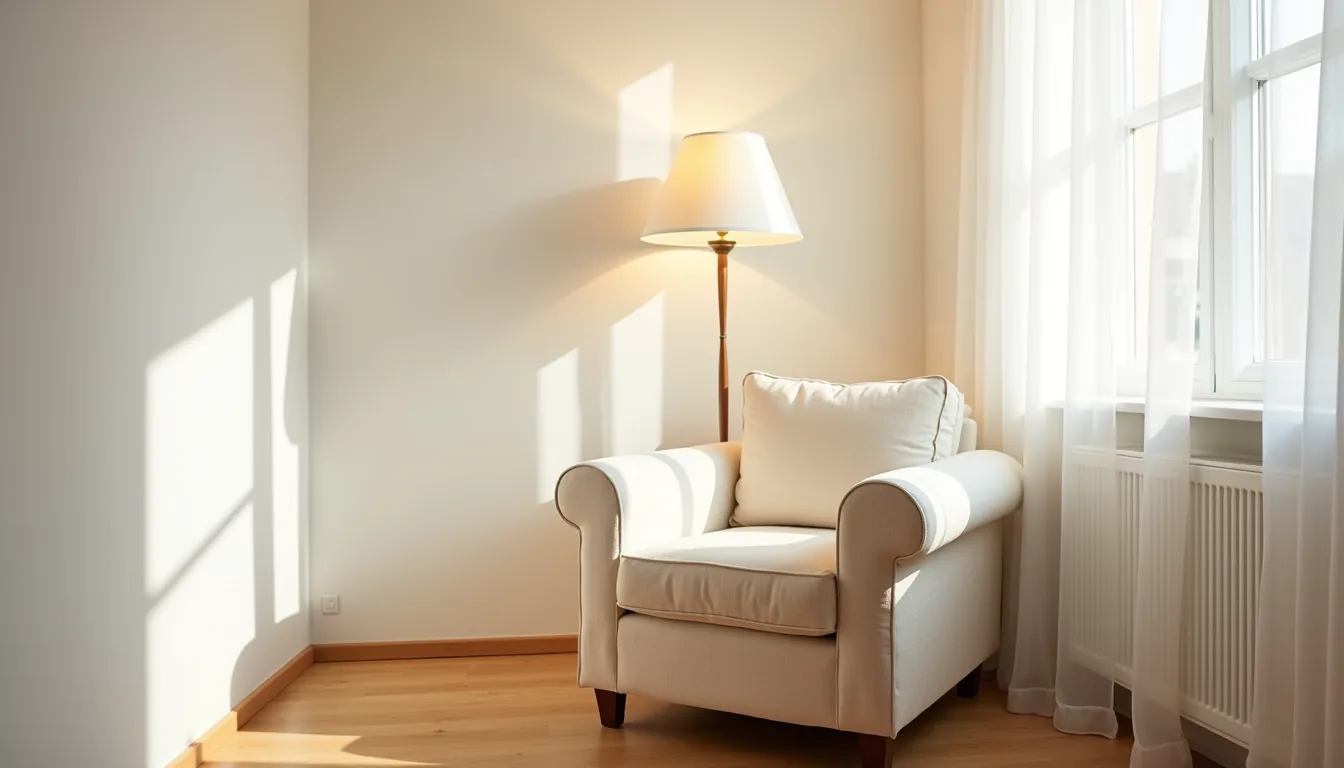

An arm chair bedroom is simply a bedroom where a comfortable, upholstered chair earns its place as a functional anchor, not just a decorative afterthought, for reading, dressing, or morning coffee. The difference between a chair that works and one that clutters comes down to scale, placement, and material choice. You’ll learn which silhouettes suit compact apartments versus sprawling primary suites, plus the specific clearance and fabric decisions that prevent a stylish addition from becoming a daily obstacle.
The six setups ahead range from a $150 refresh to a heirloom-worthy investment, each with the exact measurements and maintenance trade-offs you need before you buy.
Key takeaways
- Measure your room before buying: a standard armchair needs 30–36 inches of clearance in front for comfortable passage, so scale down to a slipper chair in spaces under 10 feet wide.
- Anchor the chair 6–8 inches off the wall to avoid a cramped look and protect baseboards, while keeping the seat height within 2 inches of your sofa’s cushion for visual cohesion.
- Choose performance fabrics like Crypton or solution-dyed acrylic for upholstered options under $500, as they resist stains and fading better than cotton blends at similar price points.
- Confirm your lease terms before placing a chair near radiators or vents, most rentals require 12 inches of clearance from heat sources, and a freestanding floor lamp beats a wall-mounted sconce when you can’t drill.
The Window Reading Chair Setup
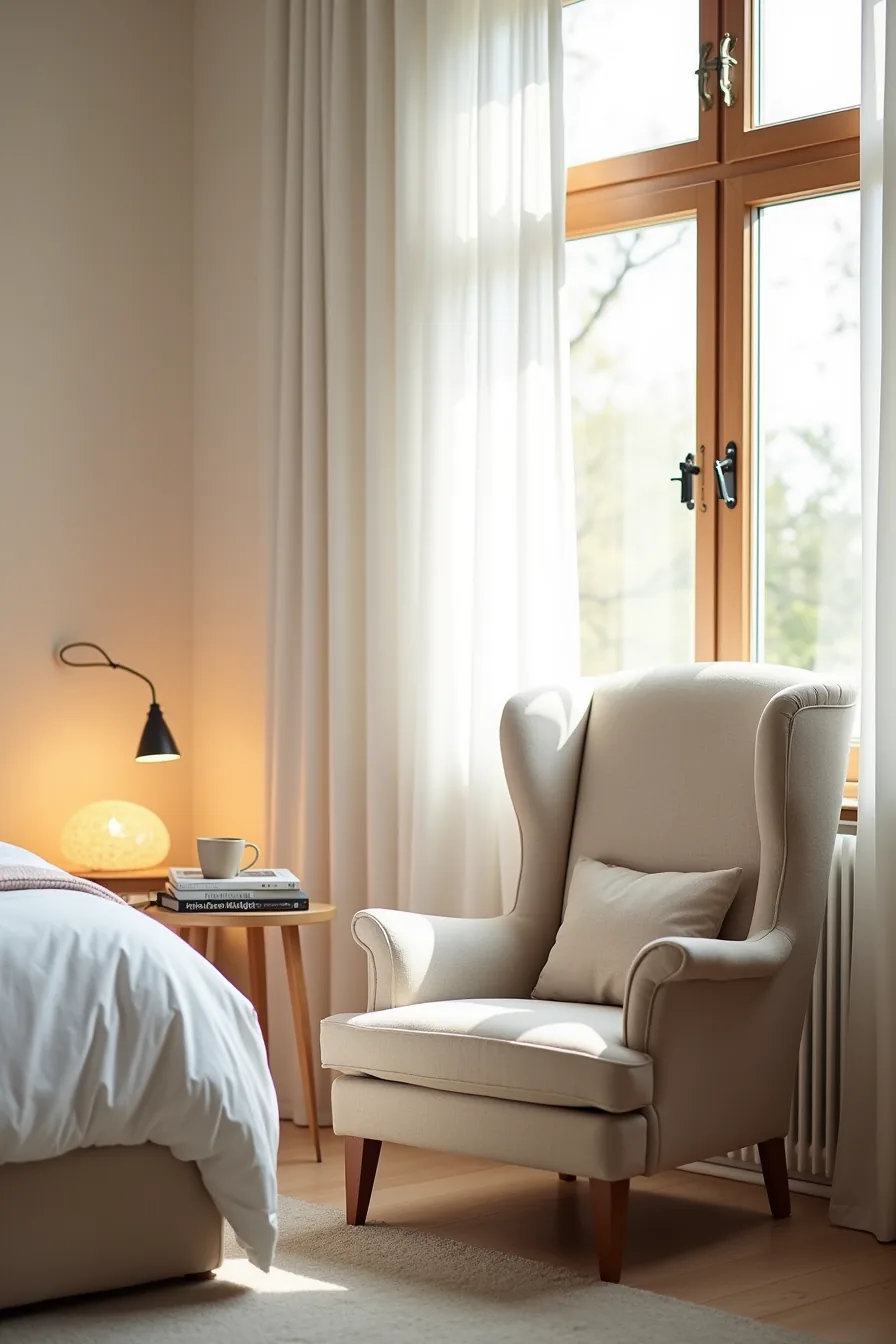
Position a wingback chair perpendicular to your window, angled slightly toward the light rather than flat against the wall. This orientation invites you to sit sideways to the glass, reducing glare while keeping your book bathed in natural illumination. A wingback’s tall side panels also trap warmth and block drafts, making it the practical choice for a spot where winter mornings get chilly.
Pair it with a small round side table set within arm’s reach, roughly 12–16 inches from the chair’s armrest. A ceramic mug of coffee belongs here, but choose a glazed piece with a stable base; unglazed pottery sweats and leaves rings on wood. Keep the bed visible but distant, at least three feet of clear floor between the chair and the mattress, so the reading zone reads as a separate destination rather than an obstacle course.
This setup suits medium to large bedrooms where a secondary seating area won’t block closet doors or the path to the bathroom. If your window is south-facing, add a linen curtain you can half-draw on bright afternoons. For slow morning moments, this arrangement gives you a defined spot to wake up gradually without the pressure of staying in bed, and it converts dead space beside the window into a functional bedroom arm chair.
Corner Armchair for Unused Space
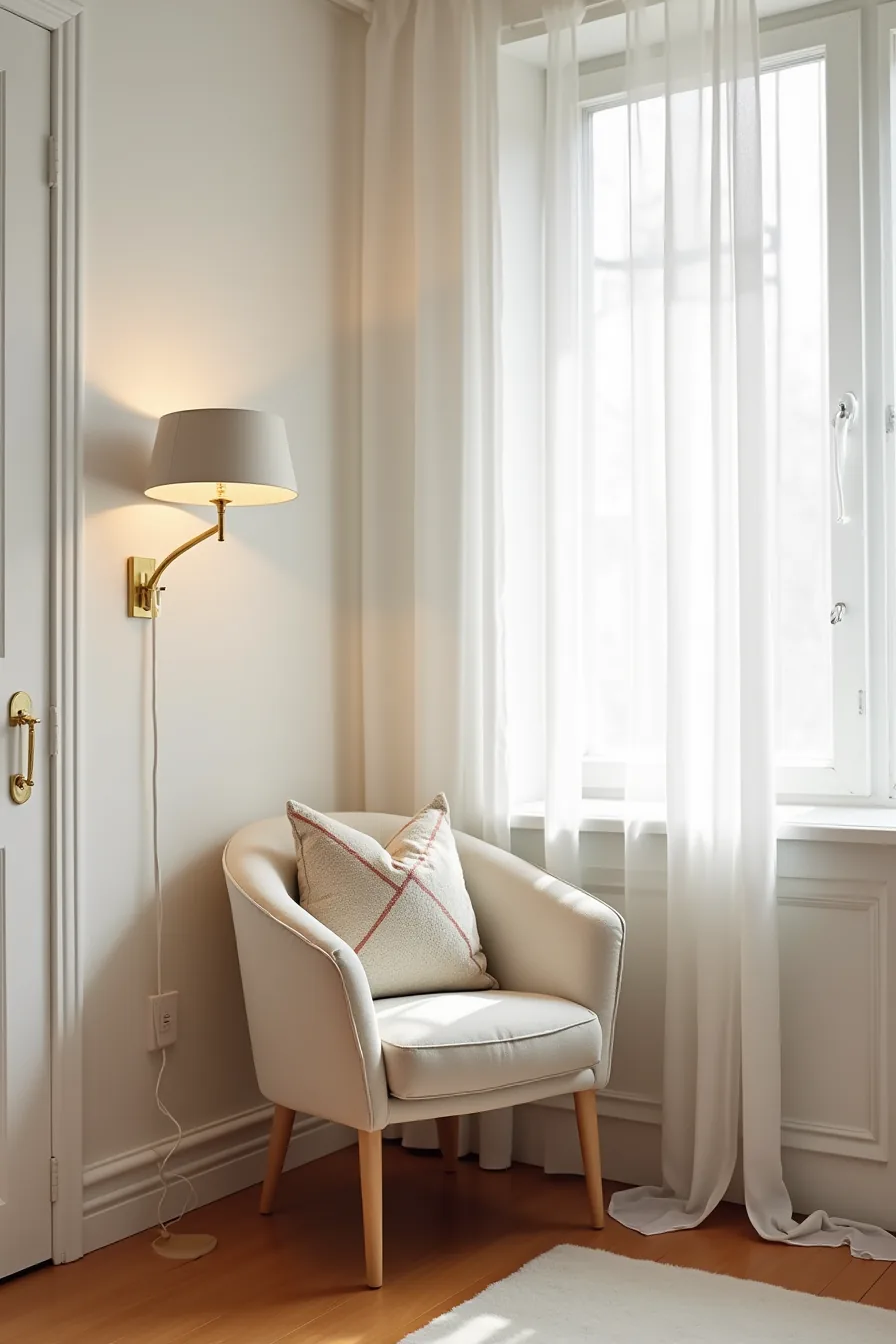
Dead corners rarely justify a full lounge setup, but they can hold a compact barrel chair with a footprint under 30 inches square. This profile fits where two walls meet without jutting into the traffic lane, provided you leave at least 24 inches of clear passage in front of it. The curved back tucks flush against both walls, eliminating the gap behind that collects dust and stray socks.
In the corner arrangement, choose a chair with a solid wood or metal frame rather than a fully upholstered base, you won’t reach behind to vacuum, so exposed legs keep the floor line clean. Place the geometric throw pillow on the seat purely as a texture accent; remove it before sitting, since a barrel chair’s shallow depth (typically 20–24 inches) makes a cushioned backrest redundant. Match the chair’s fabric to the room’s wall tone to prevent the corner from visually closing in, and confirm the chair’s arm height stays below your window sill if one sits nearby.
This is the ideal empty corner solution for compact bedrooms where floor space is the limiting factor, giving you a quiet perch for pulling on socks or taking a phone call without sacrificing square footage.
Scaling Your Chair to Room Dimensions
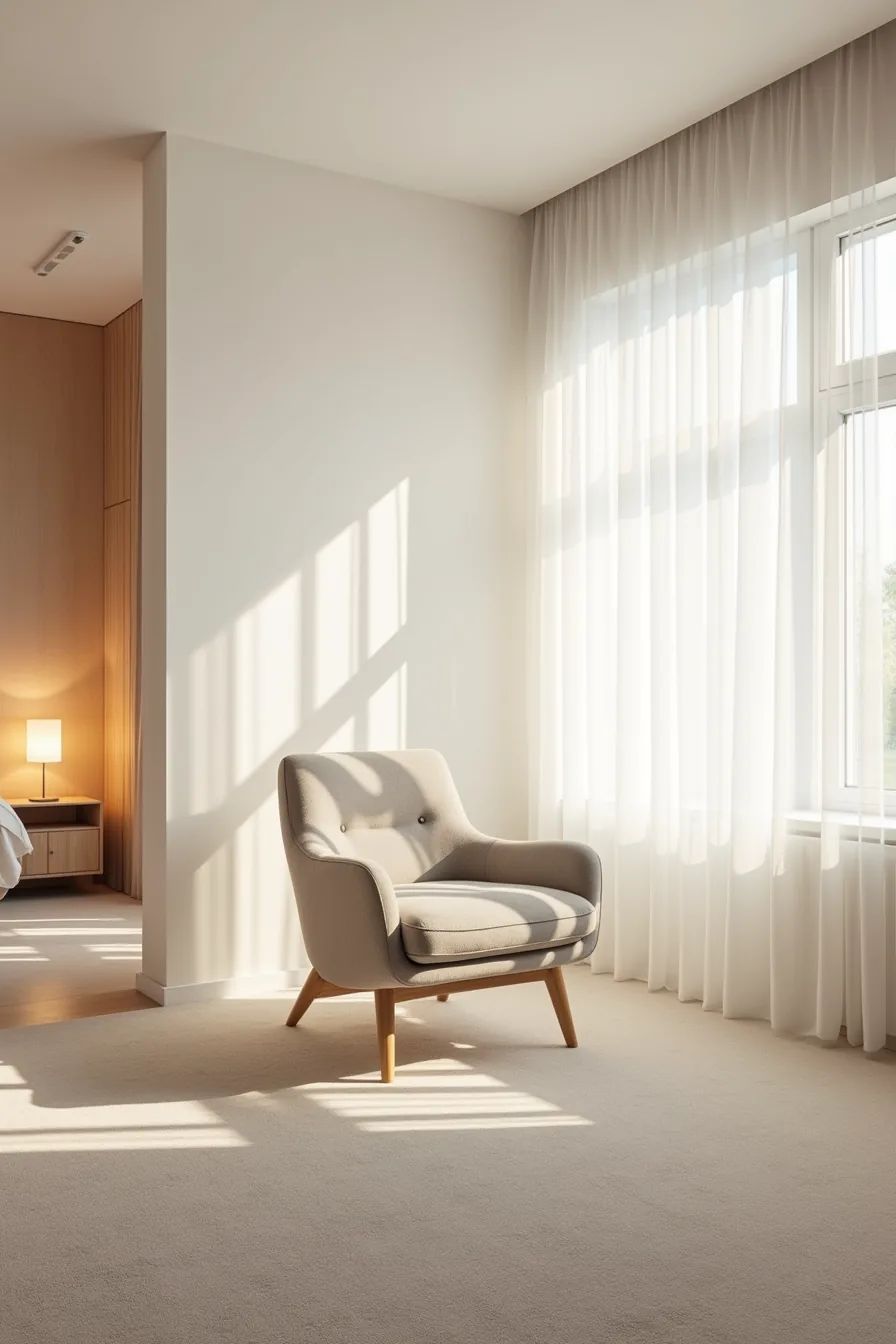
A chair that reads as intentional in a 12×14-foot bedroom will swallow a 9×10-foot one whole. Run a chair scale check before you buy: measure the floor area you can dedicate to seating, then match the chair’s width to roughly one-third of that space. In a compact room, that means a slim profile around 24–28 inches wide; in a spacious primary suite, a 32–36-inch lounge chair holds its own without dominating.
The low-profile modern armchair centered in a large bedroom works precisely because its footprint occupies only a fraction of the open floor area around it. The neutral carpet anchors the chair visually, giving it a defined zone without needing walls, while the generous clearance, at least 30 inches on all sides, lets the bed across the room read as a separate destination rather than competing furniture. For medium bedrooms, pull the chair 12–18 inches off the wall to create a breathing gap; in small rooms, tuck it tighter but never below 24 inches of walkway clearance.
Budget-Friendly Upholstered Options
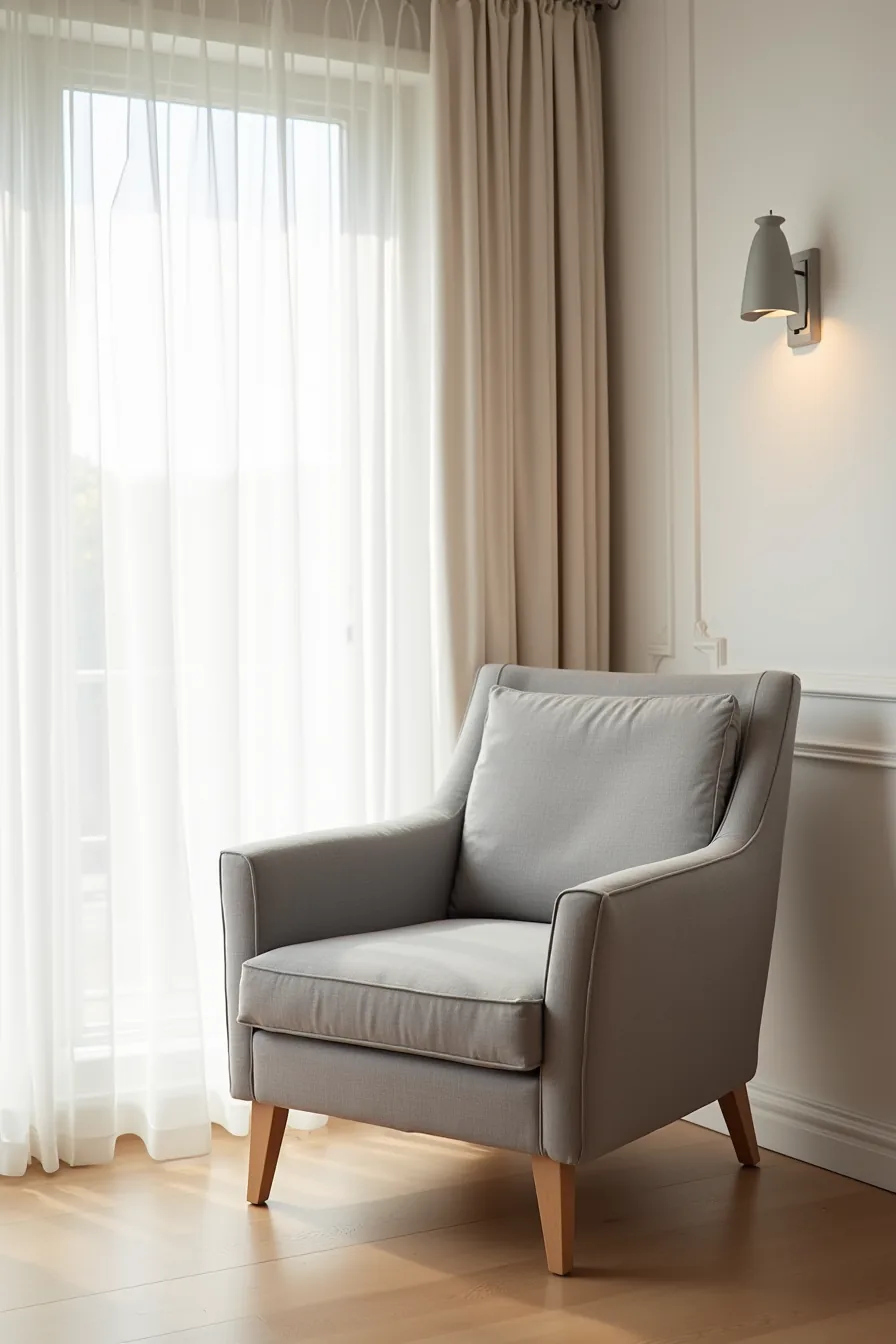
Polyester upholstery is the workhorse of the sub-$300 armchair market, and it earns its place in a bedroom you actually use. The gray armchair against your wall shows why: polyester resists fading from morning sun, shrugs off the occasional coffee spill, and cleans with a damp cloth and mild soap, no steam cleaner required. The basic wooden legs on this model are another budget tell, but they’re also a practical one: solid poplar or rubberwood legs hold up better than the hollow particleboard you’ll find at lower price points, so pay attention to what’s under the skirt.
For a bedroom that gets daily use, choose a tight-back construction over loose cushions, it keeps its shape longer without plumping. Skip any chair under $150 with a reclining mechanism; the hardware fails within two years of regular use. A solid stationary frame at this price will outlast it.
Renter-Safe Chair Placement and Styling
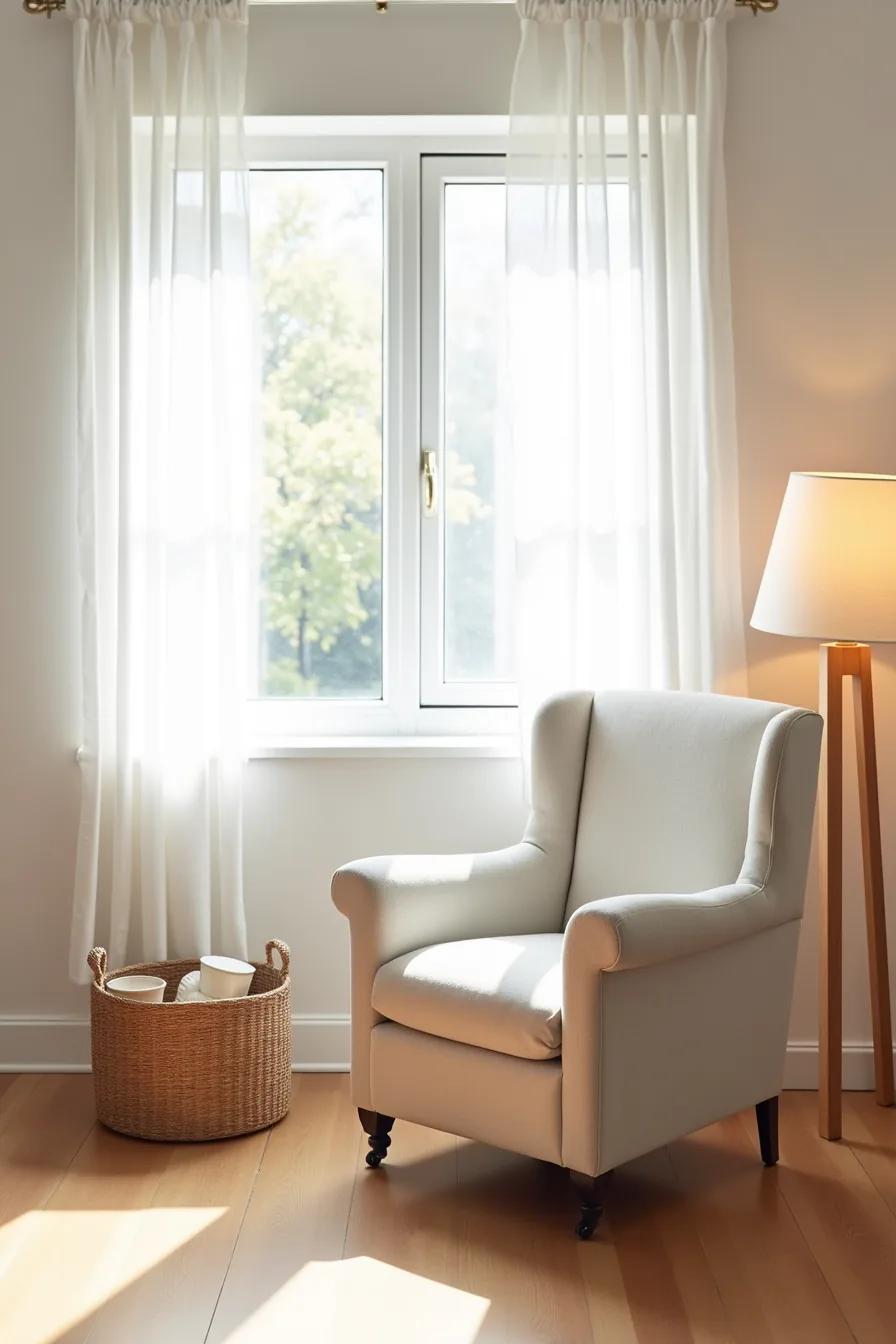
A bedroom armchair setup that requires zero drilling starts with a lightweight accent chair on wheels, typically 20–30 pounds, which you can reposition in under a minute without leaving floor marks. The wheels do double duty: they protect your rental’s flooring from scratches and let you move the chair from the reading nook to the foot of the bed for movie nights. No wall anchors means you can float the chair anywhere, but keep at least 24–30 inches of clear floor space on all sides so the room still functions when you stage it for showings.
Wrap the frame in a removable linen slipcover that you can toss in the washing machine every few weeks, it hides wear and changes the whole look when you move out. A portable storage basket beside the chair handles throw blankets and books without attaching anything to the walls. This whole arrangement packs into your car on moving day, leaving the walls exactly as you found them and your security deposit intact.
Investment-Grade Armchairs for Long-Term Use
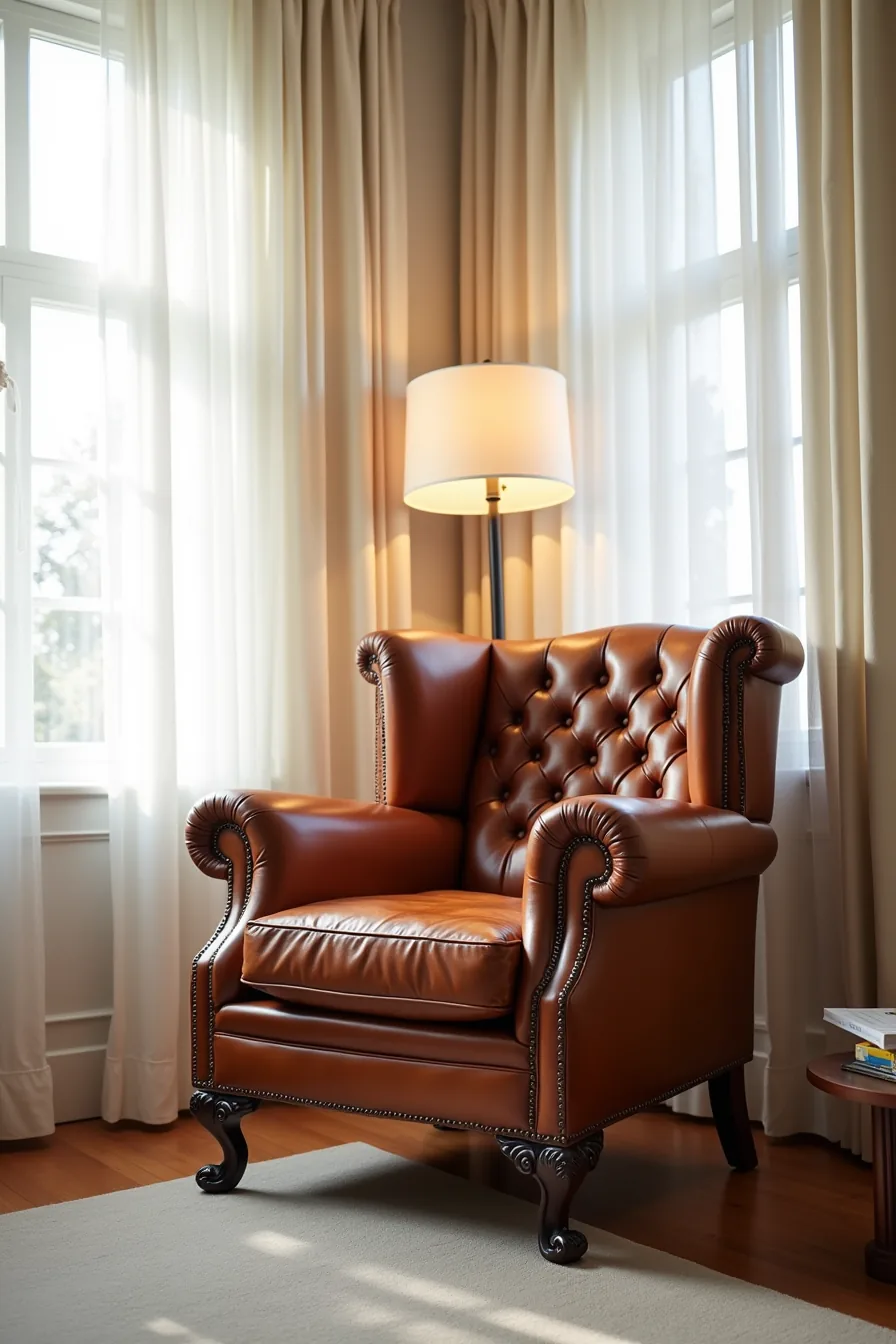
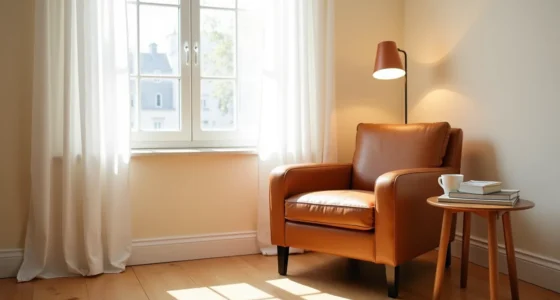
When you’re ready to commit, a leather Chesterfield with button tufting and rolled arms rewards you with decades of service. Expect to pay significantly more than a fast-fashion accent chair, but the cost breaks down to pennies per day when the frame outlasts three or four cheaper replacements. The cognac leather patina that develops over years of use is the visual payoff, each mark and subtle color shift tells the story of your reading habits.
A solid hardwood frame with joinery that doesn’t creak when you shift your weight is the backbone of this investment. Wooden legs that are screwed, not glued, into the frame allow for future repairs, and you can reupholster the cushions twice before the base gives out. This chair suits a primary bedroom where you want a dedicated reading corner that will age as gracefully as you do.
Position it near a window for natural light that shows off the leather’s depth, and condition the hide every 6–12 months to prevent cracking in dry climates.
Make your final choice
You now have six distinct directions for your arm chair bedroom, each solving a different problem. Match the option to your room’s actual constraints, floor space, traffic flow, and how you live in the space, not to a look you admire in photos.
Measure your room’s clear floor area first. If you’ve less than 30 inches of walking space around the chair, skip the oversized styles and choose a slim-profile armchair or a compact reading nook instead.
Your next step: pick the one chair that fits your most-used corner, order it, and live with it for two weeks before buying anything else. That single decision tells you everything about scale, comfort, and placement before you commit further.
Frequently Asked Questions
What size armchair fits a small bedroom without blocking the door?
Choose a chair with a seat depth under 22 inches and total width of 24–28 inches. Place it against the wall opposite the door hinge, leaving at least 30 inches of clear floor space for entry and circulation.
Can you put an armchair in a bedroom with limited floor space?
Yes, if you swap a nightstand for the chair or tuck it into a corner. Use a slim-profile chair with exposed legs and skip the ottoman. Measure the clearance around the bed first, you need roughly 24 inches beside it.
How do you keep an armchair clean in a bedroom environment?
Vacuum upholstery weekly to remove dust and pet hair, and rotate cushions monthly. Treat spills immediately with a mild fabric cleaner, never rub. For high-shed rooms, choose a slipcover or performance fabric rated for stain resistance and washability.
What’s the difference between a bedroom armchair and a living room one?
Bedroom chairs prioritize compact scale, lower back height, and lighter visual weight to suit smaller footprints. Living room chairs often have deeper seats, higher arms, and heavier upholstery for prolonged lounging. A bedroom chair should fit a 30-inch clearance zone, not a full seating area.