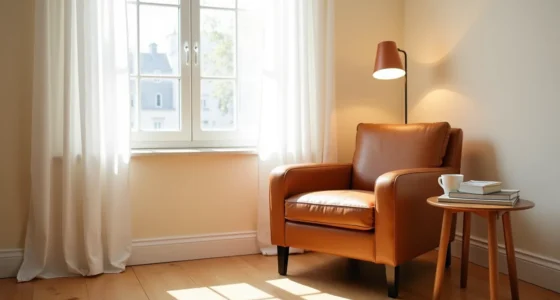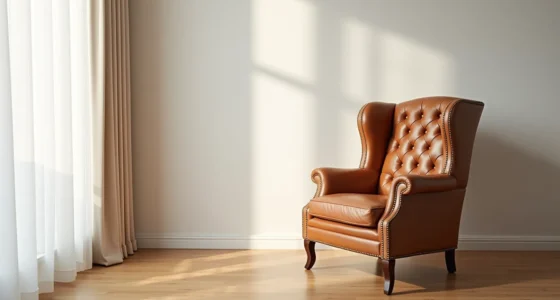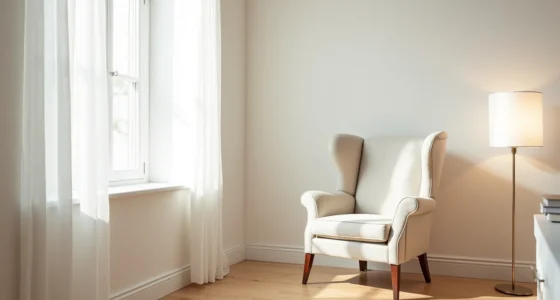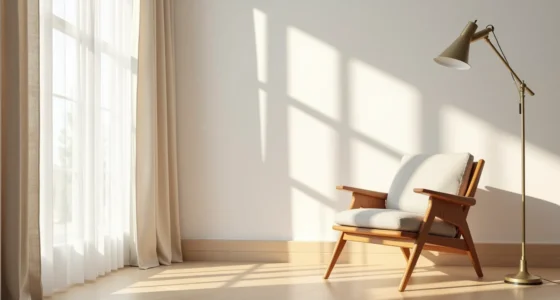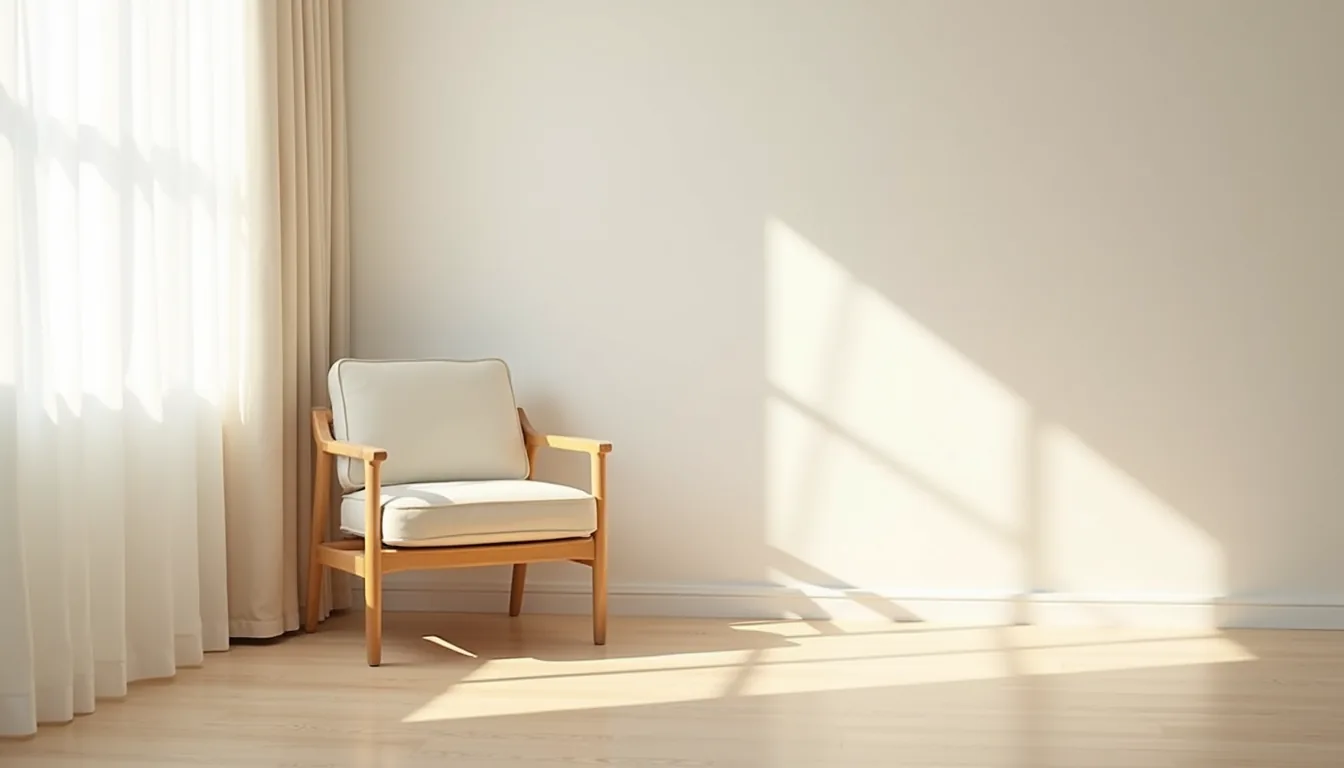

A modern arm chair is less a single look and more a set of functional rules, clean lines, exposed or tapered legs, and a compact footprint, that you can bend to fit a reading nook, a living room corner, or a home office. How you bend them, though, changes everything: the right frame saves a cramped entryway, the wrong fabric guarantees a decade of regret. Keep your tape measure and budget handy, below are six routes that each trade cost, durability, and space differently.
Key takeaways
Curved silhouettes suit narrow rooms best because rounded backs reduce visual bulk and leave more walkway clearance than sharp-cornered frames. Wood-frame chairs demand less upkeep than fully upholstered models, but expect to re-oil or wax exposed timber every 6–12 months to prevent drying. Compact designs work when the seat depth stays under 22 inches and the arm height clears your sofa’s armrest by at least 2 inches for visual alignment. Renter-friendly options rely on slipcovers or detachable back cushions, so prioritize pieces with zippered, machine-washable covers over glued or tufted upholstery.
Curved Modern Forms: Why Rounded Silhouettes Work
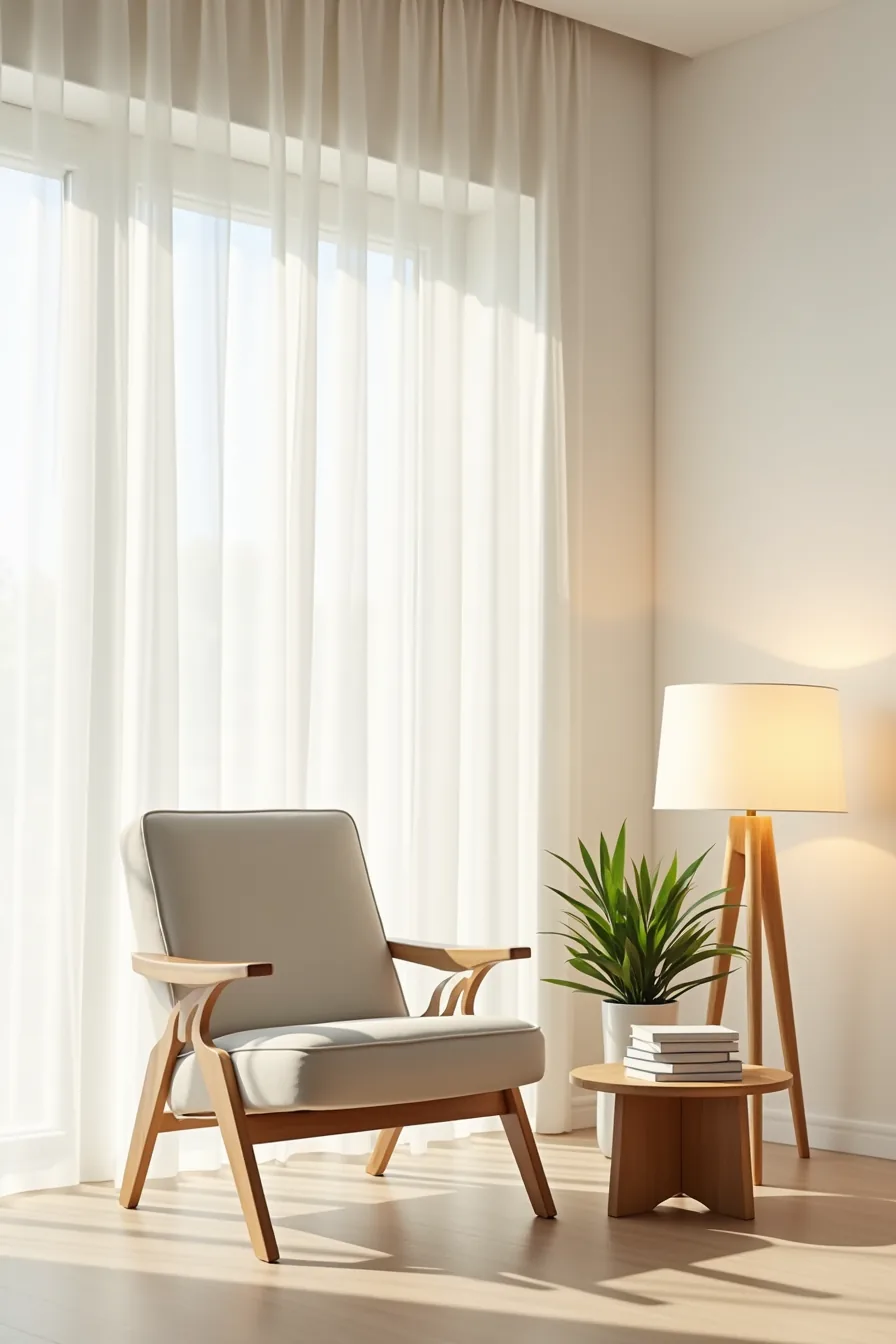
A curved modern arm chair breaks the visual monotony of straight-lined furniture. Its sweeping armrests, often flowing into a continuous seat back, invite a different sitting posture than angular designs, one that encourages reclining rather than perching. Functionally, the lack of hard edges makes it forgiving in high-traffic areas where shins and hips brush against furniture daily.
Pairing the chair with an angular side table, as seen with a crisp-edged table beside a potted plant, sharpens the contrast and keeps the composition from feeling overly soft. This setup suits living rooms, reading corners, and bedrooms where you want warmth without sacrificing a contemporary edge.
Scale matters. In small spaces, choose a curved chair with a seat depth under 22 inches and armrests that don’t flare more than 4 inches beyond the seat width, keeping clearance at 16–18 inches from low-profile tables. Large rooms can support a fuller silhouette with higher backs and wider arms, but always leave 30 inches of walking space around the chair to preserve flow.
Wood Frame vs Upholstered: Material Trade-Offs and Durability
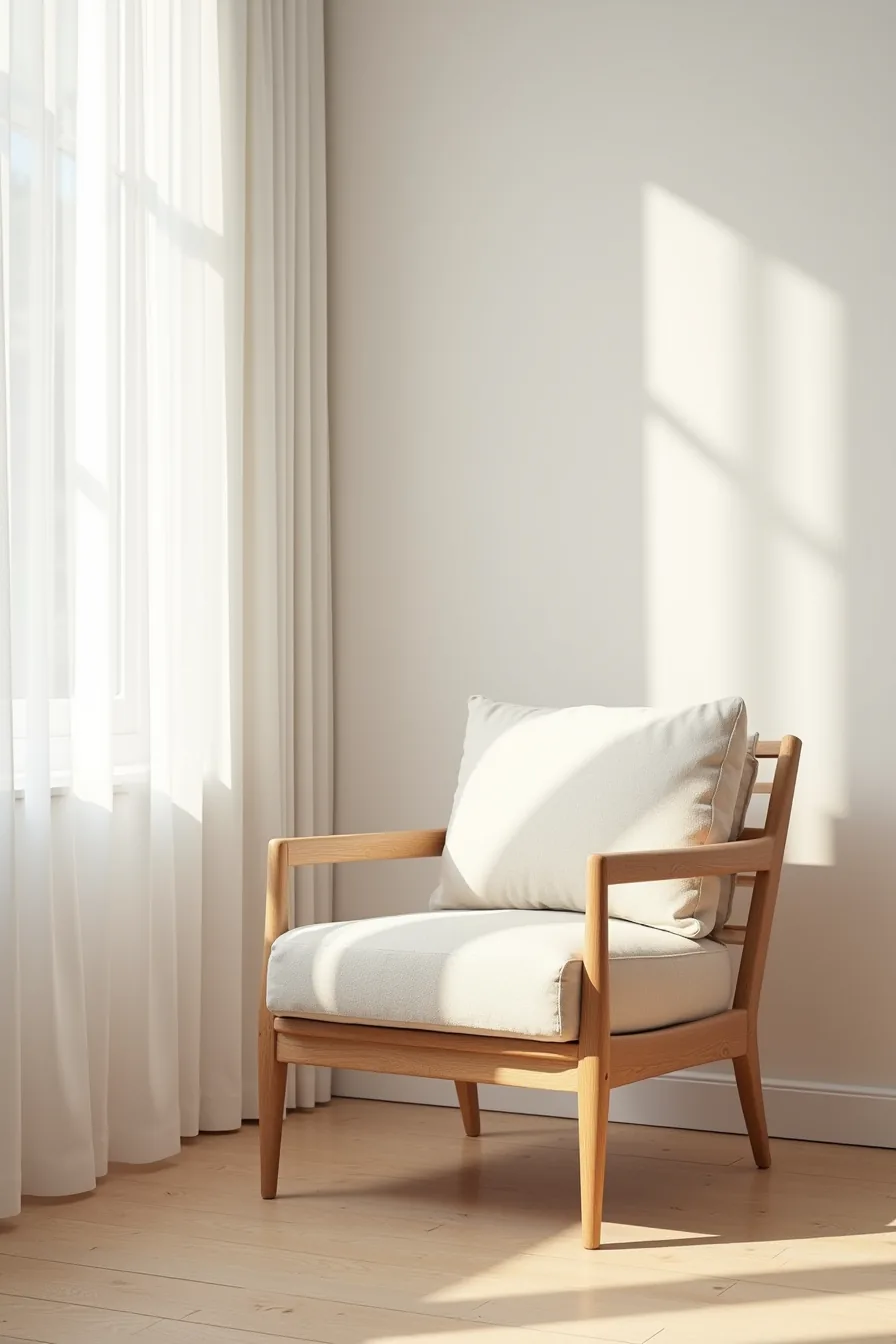
The exposed wood frame route, think of a chair with visible wooden armrests, a solid back support, and only the seat and back cushions upholstered, prioritizes longevity over softness. Hardwood frames resist sagging and show wear far slower than fabric, which typically needs replacement every 5–7 years in daily-use settings. You trade some comfort for structure, but you gain a piece that can be reupholstered twice or more over its lifetime, making it the stronger long-term investment.
Fully upholstered chairs feel softer and dampen sound, but they conceal their internal frame, you can’t inspect joint quality or wood grade before buying. They also collect dust and pet hair across every surface, requiring vacuuming weekly and professional cleaning every 12–18 months. The wood frame version limits maintenance to spot-cleaning cushions and occasional wood conditioning, which matters if you’ve children or eat in your living room.
For visual impact, the exposed frame reads more architectural and pairs naturally with glass, metal, and stone surfaces. It suits minimalist and Scandinavian interiors, while full upholstery blends better into layered, textile-heavy rooms. Budget-wise, expect exposed wood frames to cost 15–30 percent more upfront than comparable fully upholstered models, but their longer service life offsets that gap within a decade.
Compact Contemporary Chair Solutions for Tight Spaces
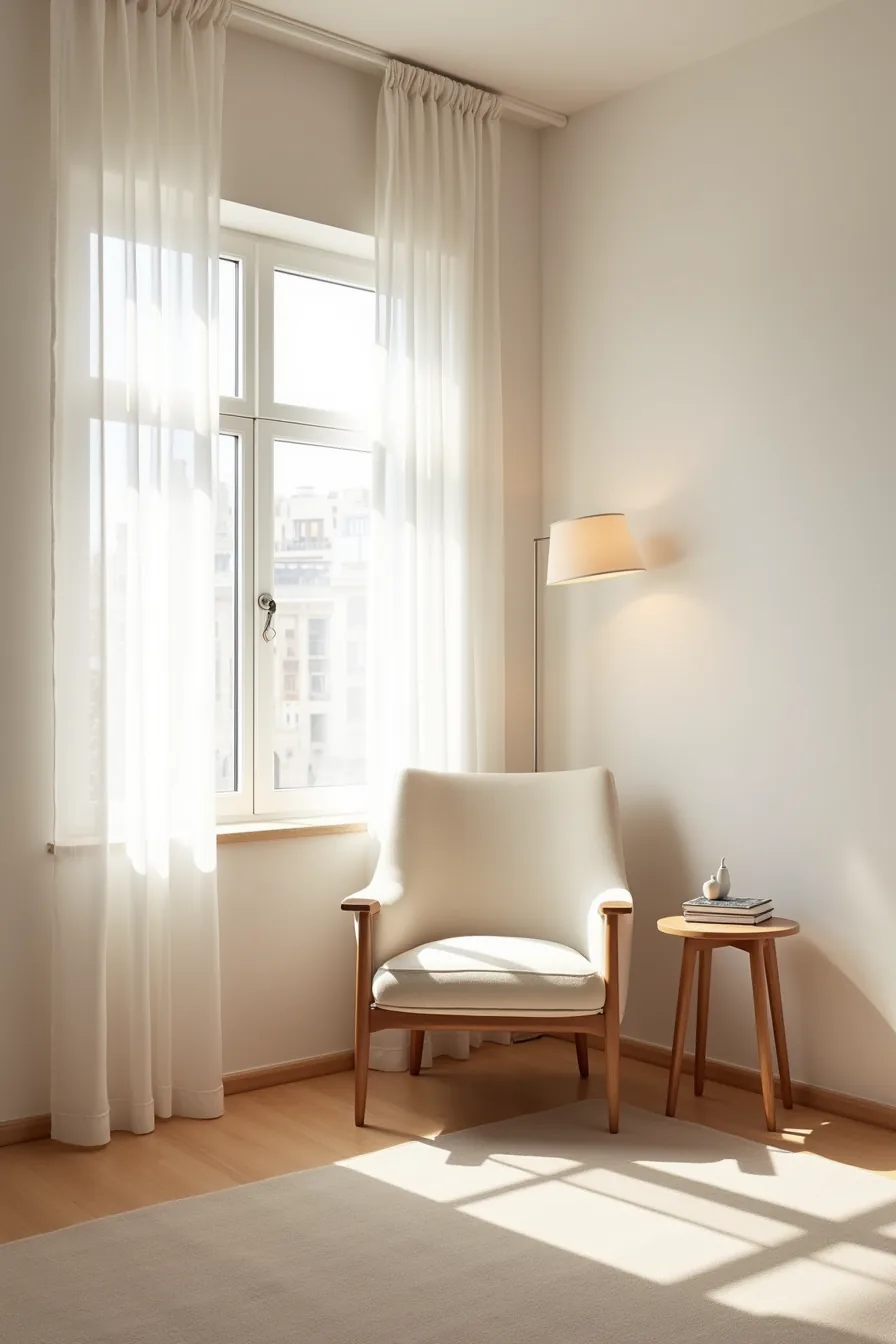
For a narrow corner nook, the compact contemporary chair works best when its arms sit flush with the seat rather than flaring outward. Look for models with a seat width of 20–22 inches and an overall depth under 32 inches, this footprint leaves 18–24 inches of clearance for walking paths, which most interior designers consider the minimum for comfortable circulation. The streamlined version beside a small side table occupies roughly 8 square feet total, preserving clean sightlines across the room.
Arm style matters more than you might expect in tight quarters. A chair with low, squared-off arms reads visually lighter than one with rolled or winged arms, even at identical dimensions. Choose a model with exposed tapered legs, they lift the visual weight and let floor space show through, making the room feel larger.
For a 10-by-10-foot room, pair the chair with a narrow 14–16-inch side table rather than a bulky end table, keeping the combined footprint under 10 square feet.
Budget-Friendly Modern Arm Chairs Without Compromise
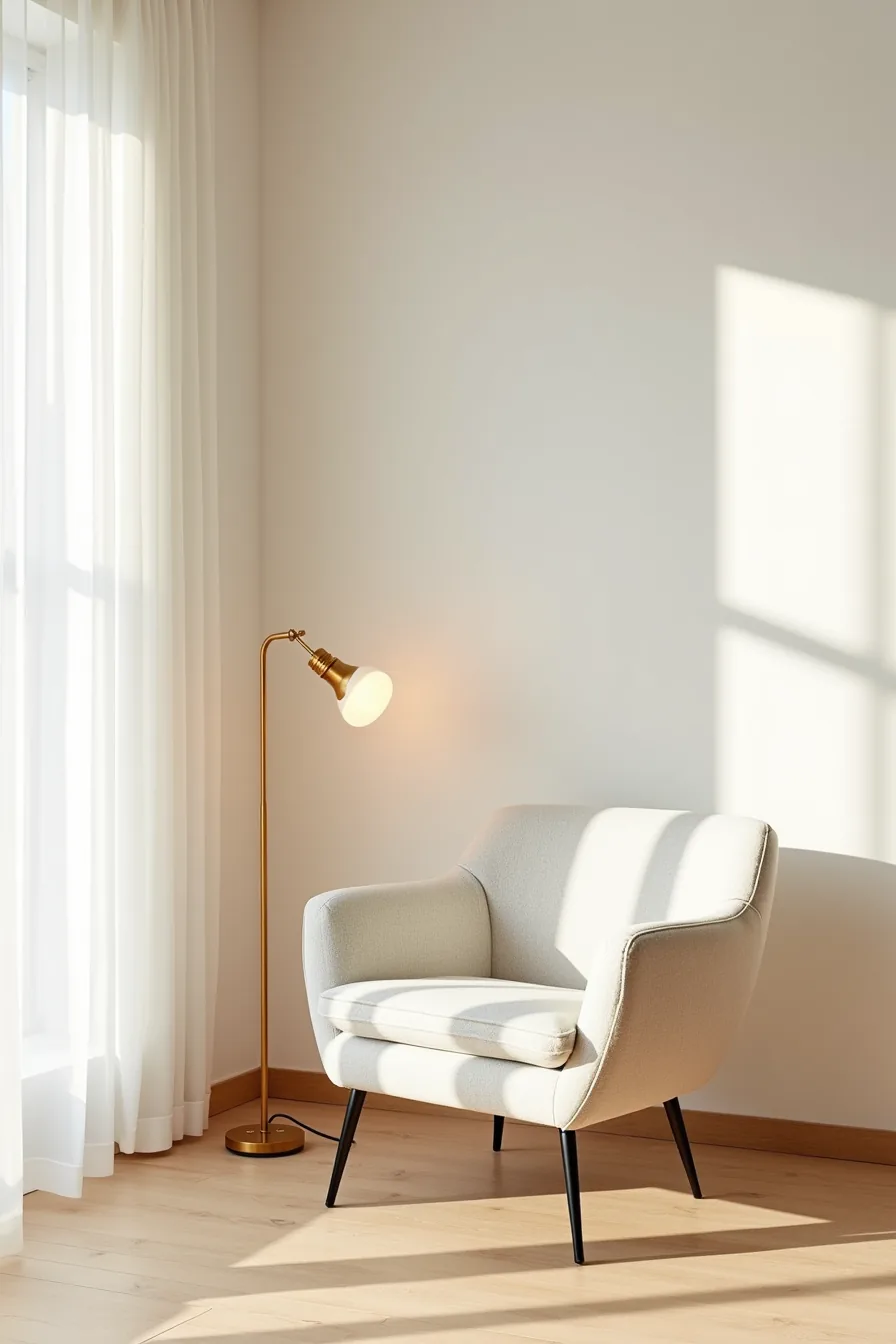
You can hit a contemporary look for $300–$600 if you prioritize a simple geometric frame and solid-color upholstery over designer labels. A modern arm chair with exposed metal legs and straight, uncomplicated seaming reads as intentional rather than cheap, the key is avoiding faux leather, which peels within 2–3 years, and instead choosing a woven polyester or performance microfiber that withstands daily use.
The budget trade-off is almost always internal construction. Sub-$500 models typically use kiln-dried hardwood frames, but the joinery may be glued rather than screwed, so expect a 5–7-year lifespan with regular use, versus 10–15 years for a $1,200+ piece. Check the weight rating, most entry-level chairs support 250–300 pounds, which suits average households but not heavier family members.
Source from Wayfair, AllModern, or Target’s Threshold line, and filter for “solid wood frame” in the specs rather than trusting product photos. Sit-test the chair in-store when possible, because foam density between 1.8 and 2.0 pounds per cubic foot separates a chair that keeps its shape from one that sags within months.
Renter-Friendly Modern Arm Chairs and Temporary Styling
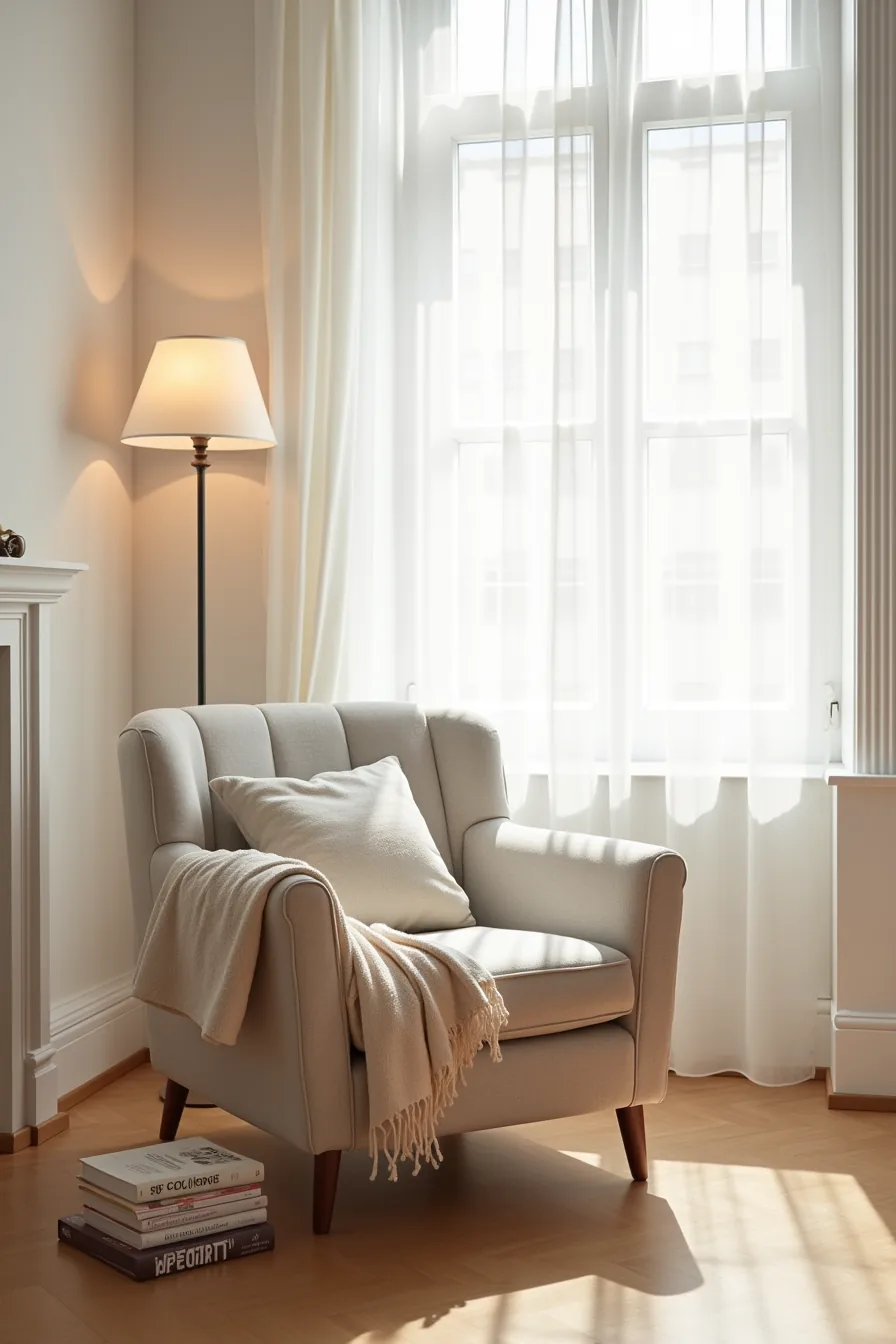
A modern arm chair works in a rental when you pick a piece that stands alone without built-in shelving, wall-mounted lighting, or window treatments to anchor it. Choose a chair with a high-back silhouette and a solid, tonal upholstery in a mid-tone gray or oatmeal, these fabrics hide the dust and discoloration that come with moving between apartments, and they won’t visually clash with beige rental walls or standard gray carpet.
The setup that fits this approach pairs a compact modern arm chair against a bare wall, with a throw blanket draped over one arm and a decorative pillow placed on the seat. The throw should be a chunky knit or textured weave, since it adds visual weight and softness that a flat blanket can’t; the pillow should be a contrasting solid or a geometric pattern in a color pulled from the blanket. No fasteners, adhesive hooks, or permanent fixtures are involved, everything rests on the chair, so you can reconfigure the look in under a minute or pack it all into a laundry basket on moving day.
For fabric, prioritize a performance weave with a tight construction and a pattern that incorporates multiple tones. A subtle two-tone weave or a small-scale geometric print masks pet hair and everyday soiling far better than a flat solid, and it requires only spot-cleaning with mild soap and water. Expect to pay $400–$700 for a renter-friendly modern arm chair that meets these criteria, the price reflects a removable, washable cushion cover and a frame light enough to carry up stairs alone, both non-negotiables for a temporary home.
Make a Modern Arm Chair Feel Extra Inviting Through Layering
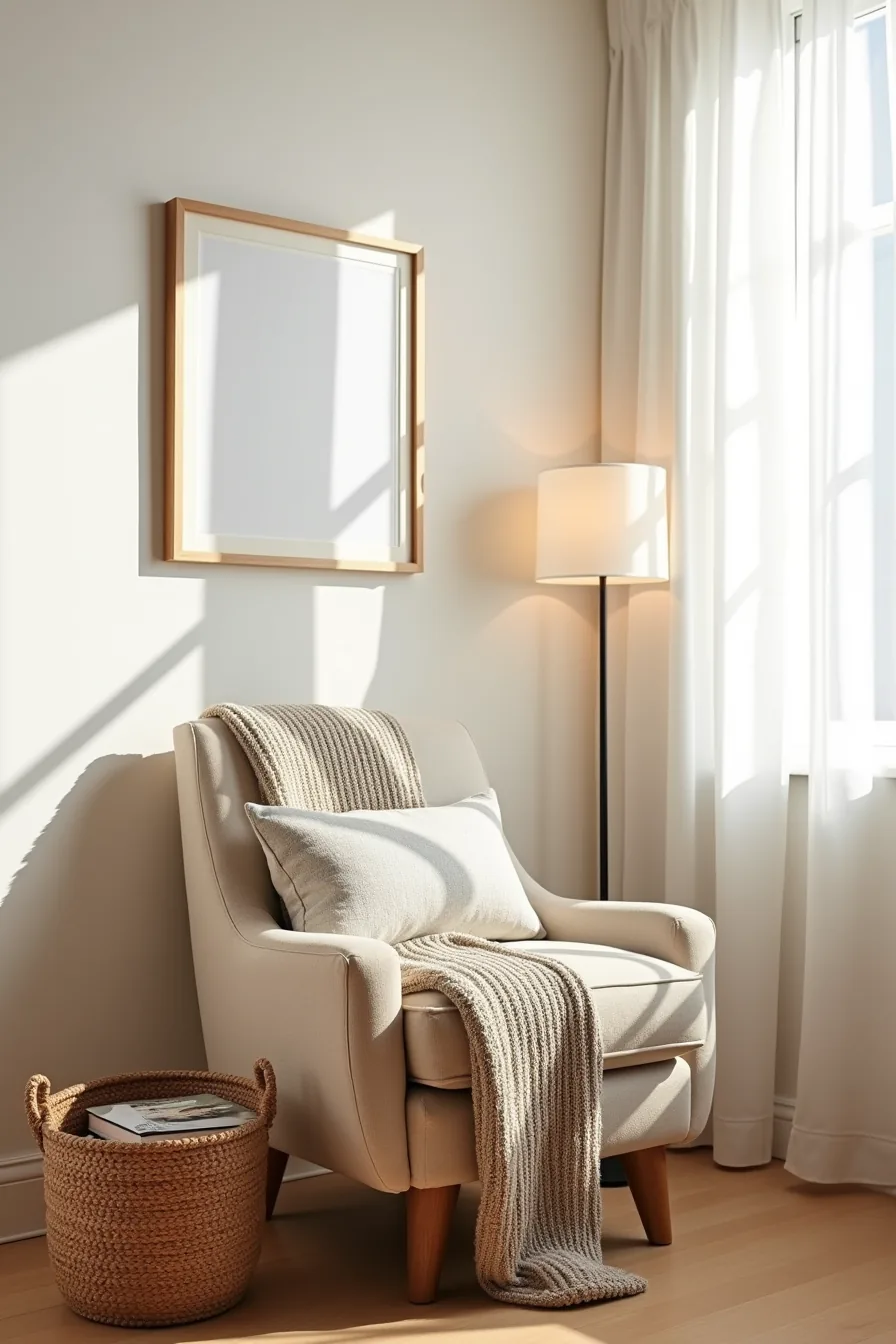
Layering turns a modern arm chair from a stiff statement piece into a seat you actually want to sink into for an evening. The setup that works best pairs a textured knit throw draped across the backrest with a patterned lumbar pillow nested in the seat corner, the throw softens the vertical line of the back, while the pillow supports your lower back and breaks up the flat plane of the cushion.
Choose a throw in a chunky wool or bouclé weave, as the tactile contrast against smooth upholstery is what creates the inviting depth; avoid slippery synthetics that slide off the armrests within minutes. The lumbar pillow should introduce a small-scale geometric or abstract pattern in a tone pulled from the throw, keeping the palette cohesive rather than competing. A woven basket stationed beside the chair leg grounds the arrangement and gives you a spot to stash the throw when you stand up, place it within arm’s reach so the layer actually gets used instead of piled on the floor.
Your One-Move Starting Point
Before you open another browser tab, measure your floor space and doorway width. Most modern arm chairs run 30-40 inches wide and 32-36 inches deep, so confirm your delivery path handles those dimensions first.
Then commit to one material direction, performance fabric for pets, leather for longevity, or bouclé for visual softness, and match your frame to your lifestyle, not just the photo.
Your next step: Grab a tape measure, mark the chair’s footprint with painter’s tape on your floor, and live with that outline for 24 hours. If you still want the chair after a day of walking past it, you’re ready to buy.
Frequently Asked Questions
What dimensions should a modern arm chair be to fit a small bedroom or studio apartment?
Choose a chair 28–32 inches wide, 30–34 inches deep, and under 34 inches tall. This leaves at least 24 inches of walkway clearance. Avoid deep seats over 22 inches, which overwhelm compact floors.
How do I clean and maintain an upholstered modern arm chair to prevent staining?
Vacuum weekly with a brush attachment. Blot spills immediately with a dry cloth, never rub. Apply a fabric protector spray annually.
For removable covers, machine-wash cold and air-dry; for fixed covers, spot-clean only.
Can a modern arm chair work in a traditional or eclectic room, or does it only suit minimalist spaces?
Yes, it fits traditional or eclectic rooms if you pick a sculptural silhouette in velvet or leather. These textures bridge styles, while a hard-edged fiberglass frame will clash. Pair it with a wooden side table and patterned throw pillow to blend eras.
What’s the difference between a modern arm chair and a mid-century modern chair in terms of design and function?
Modern arm chairs emphasize clean, geometric lines, bold proportions, and often zero exposed wood. Mid-century modern chairs taper thin wooden legs and curve the back for ergonomic support. Functionally, modern chairs favor visual statement over lounging; mid-century options recline more for reading or napping.