
An upholstered arm chair earns its place in a room not by matching the sofa, but by filling a functional gap, a reading corner, a guest seat, a spot for morning coffee, and the right one depends on your space, budget, and how you actually sit. The six approaches below range from a $300 rental-friendly pick to a lifetime heirloom, each with the exact dimensions, fabrics, and placement rules that make them work. You’ll learn which chair survives pets, which fits a 9-foot-wide living room, and how to avoid the oversized-arm trap that swallows small apartments.
Key takeaways
- Wingback chairs anchor a room best when their wings rise at least 20 inches above the armrest, creating a visual frame that suits large living areas but can overwhelm a 10×10-foot room.
- Choose a deep seat (22-24 inches) if you’re over 5’10” or prefer lounging, but an upright seat (19-21 inches) prevents leg strain for shorter users and works better in dining-adjacent spaces.
- Budget chairs under $300 typically use kiln-dried hardwood frames and polyester blends, expect 3-5 years of daily use, while a $100 foam-and-particleboard model will sag within 18 months.
- Renter-friendly picks weigh under 40 pounds, feature removable slipcovers, and use rubber feet pads to avoid floor marks, letting you move them solo without deposit deductions.
The Wingback: Statement Piece That Anchors a Room
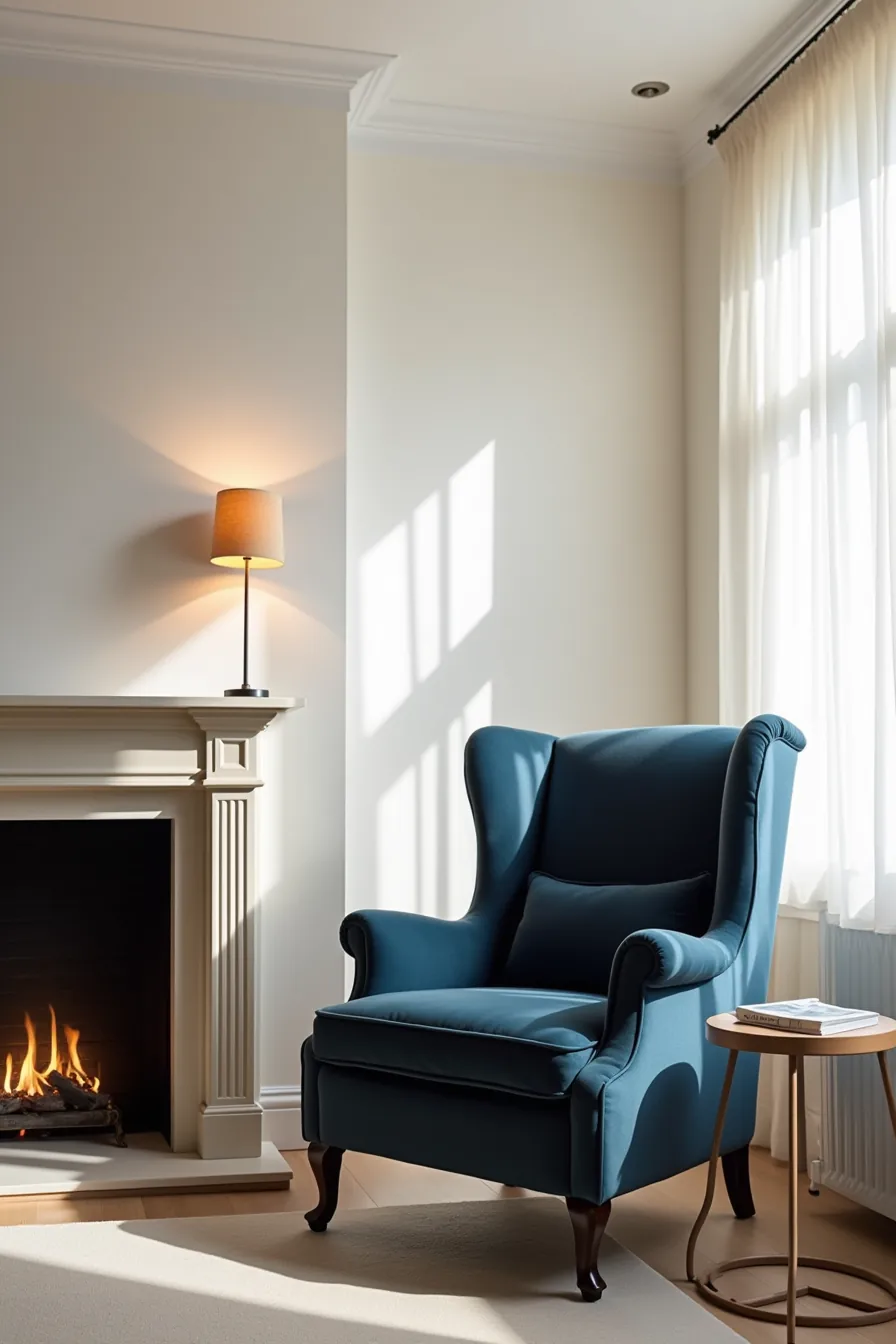
The wingback upholstered arm chair earns its focal-point status through sheer vertical presence. High, flared wings and a tall back draw the eye upward, making it the natural visual anchor in a seating arrangement. Its sculptural silhouette reads as intentional architecture rather than filler furniture.
Position it at a 45-degree angle to the fireplace, with a side table and table lamp tucked into the crook of its arm. This angled placement opens the conversation area toward the hearth while the lamp creates a dedicated reading zone that doesn’t disturb the room’s flow. The deep navy velvet fabric absorbs light, which keeps the chair from competing with the fireplace’s glow while still commanding attention.
For scale, match the wing height to your ceiling, in standard 8-foot rooms, look for wings that reach 38 to 42 inches. Choose a heavier fabric like velvet or bouclé, which holds the wings’ structure and resists slumping over years of use. This chair suits larger living rooms and primary bedrooms where it can breathe; in a small space, its bulk can overwhelm.
Contrast the Sofa With a Textured Upholstery Match
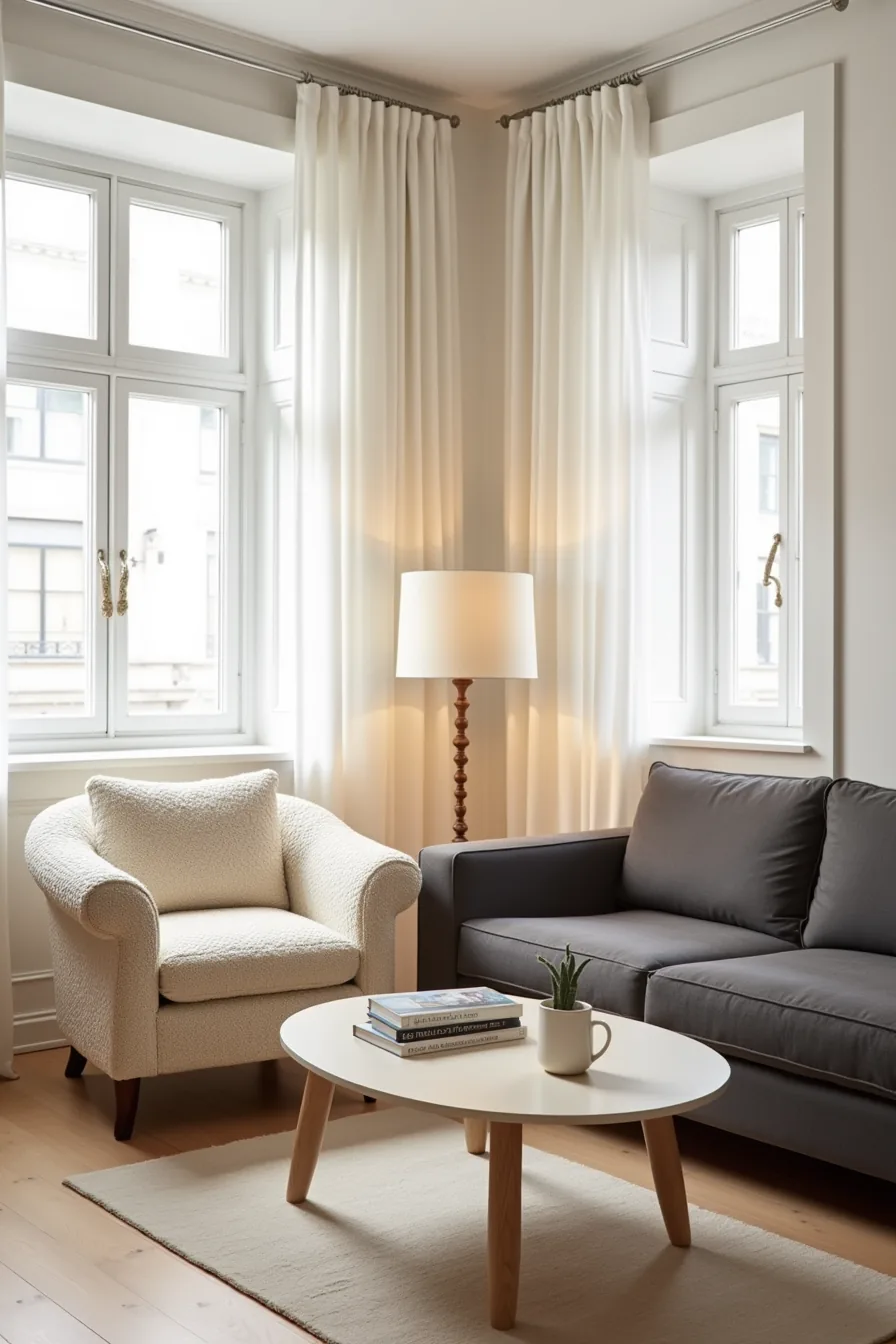
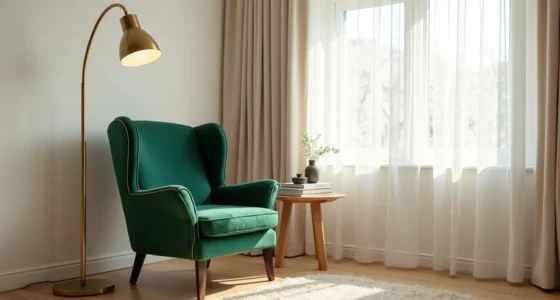
The most common upholstered arm chair mistake is buying a mini sofa. Instead, place a cream bouclé armchair perpendicular to a charcoal linen sofa, the same tonal family, different texture and weight. The chunky bouclé reads soft and casual against the sofa’s flat weave, while the cream brightens the darker charcoal without introducing a clashing color story.
This pairing works because the fabrics share a muted, natural palette but differ in hand-feel and pile. Bouclé loops catch light and add visual depth; linen stays smooth and recedes. If both pieces were linen, the arrangement would flatten into monotony; if both were bouclé, the room would feel heavy and overstuffed.
Angle both pieces toward the coffee table to form an L-shaped conversation zone. A mid-century rolled arm on the chair keeps its profile lower than a wingback, so it complements a low-profile sofa without competing for vertical attention. Choose a bouclé with a wool-nylon blend for durability.
The short looped fibers resist pilling better than long, loose weaves. For households with pets, skip white bouclé, cream shows dirt within weeks. This arrangement suits medium living rooms where the sofa anchors one wall and the chair completes the seating arc from the adjacent side.
Deep vs Upright Seat: Choosing Comfort Depth for Your Body
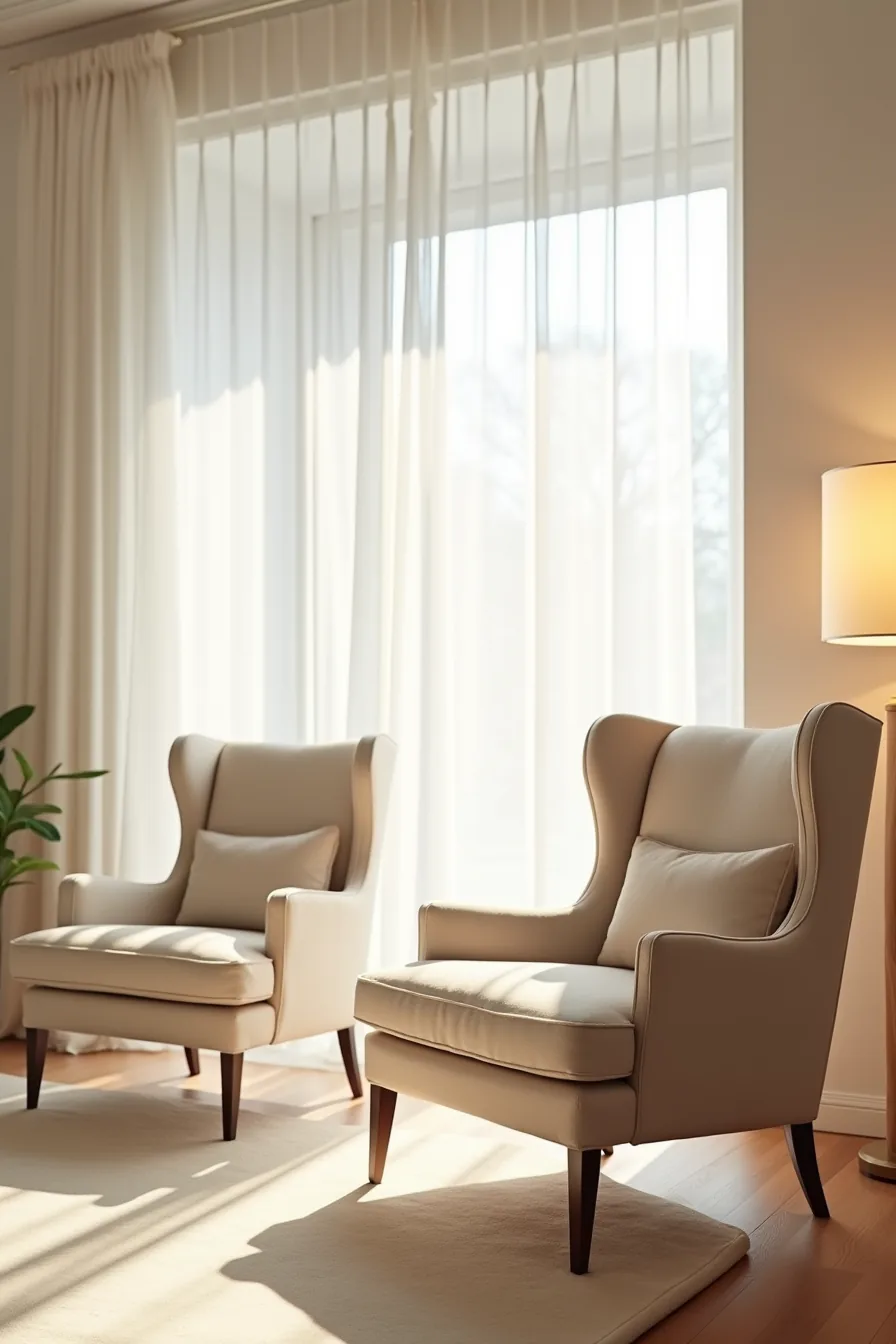
Seat depth determines whether you sit or sprawl. An upright wingback typically measures 19–21 inches from the front edge to the backrest, enough to support your full thigh while keeping your spine against the back. A deep lounge chair runs 22–25 inches, inviting you to tuck your legs up or recline with a footstool.
The side-by-side profiles make the trade-off obvious. The upright chair’s higher arms and vertical back angle suit conversation and reading, where you need to stay alert. The lounge chair’s lower arms and sloped back angle better serve napping or movie marathons.
If you’re under 5’6″, a deep seat will leave a gap behind your knees unless you add a lumbar pillow; taller readers often find upright seats too short for full thigh support.
Test depth by sitting with your back against the cushion. Two to three finger-widths should fit between the front edge and your calf, more means you’ll slide forward; less means your knees will angle too sharply. Measure your sofa’s seat depth first and match the chair within two inches for visual continuity.
Upright seats dominate in formal living rooms; deep seats anchor casual family rooms and dens.
Budget-Friendly Upholstered Arm Chairs: Fabric and Frame Trade-Offs
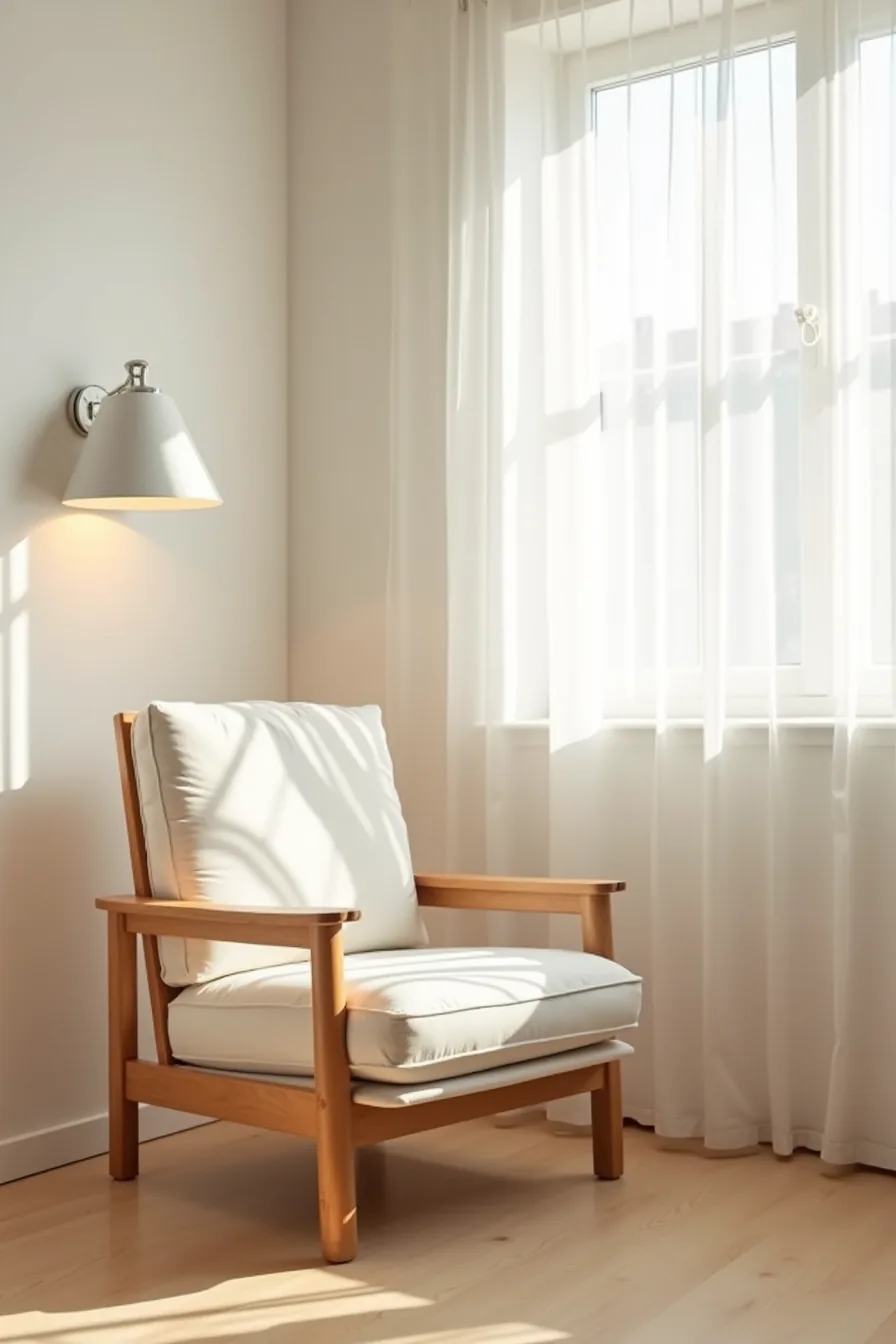
A budget upholstered arm chair usually lands between $200 and $500, and the savings come from specific compromises. The example with straight wooden arms and legs, simple legs, and solid polyester upholstery shows the typical entry-level formula: kiln-dried hardwood or engineered wood frame, high-density foam core wrapped in a thin poly-fiber layer, and a woven polyester blend rated for 15,000–30,000 double rubs. That fabric resists fading and cleans with mild soap, though it will pill faster than wool or linen blends under daily use.
Skip chairs with stapled-on arm caps or visible seams along the front edge, those fail within two years. Instead, inspect the joinery at the legs: corner blocks screwed into the frame, not glued, indicate the chair will survive regular sitting. Straight arms and legs also mean you can reupholster later for $400–$700, effectively doubling the chair’s life.
For a first apartment or a home office used a few hours weekly, this trade-off works. For a primary living room chair, budget an extra $150 for a higher-density foam upgrade if the retailer offers it.
Renter-Friendly Upholstered Arm Chairs: Portability and Damage Prevention
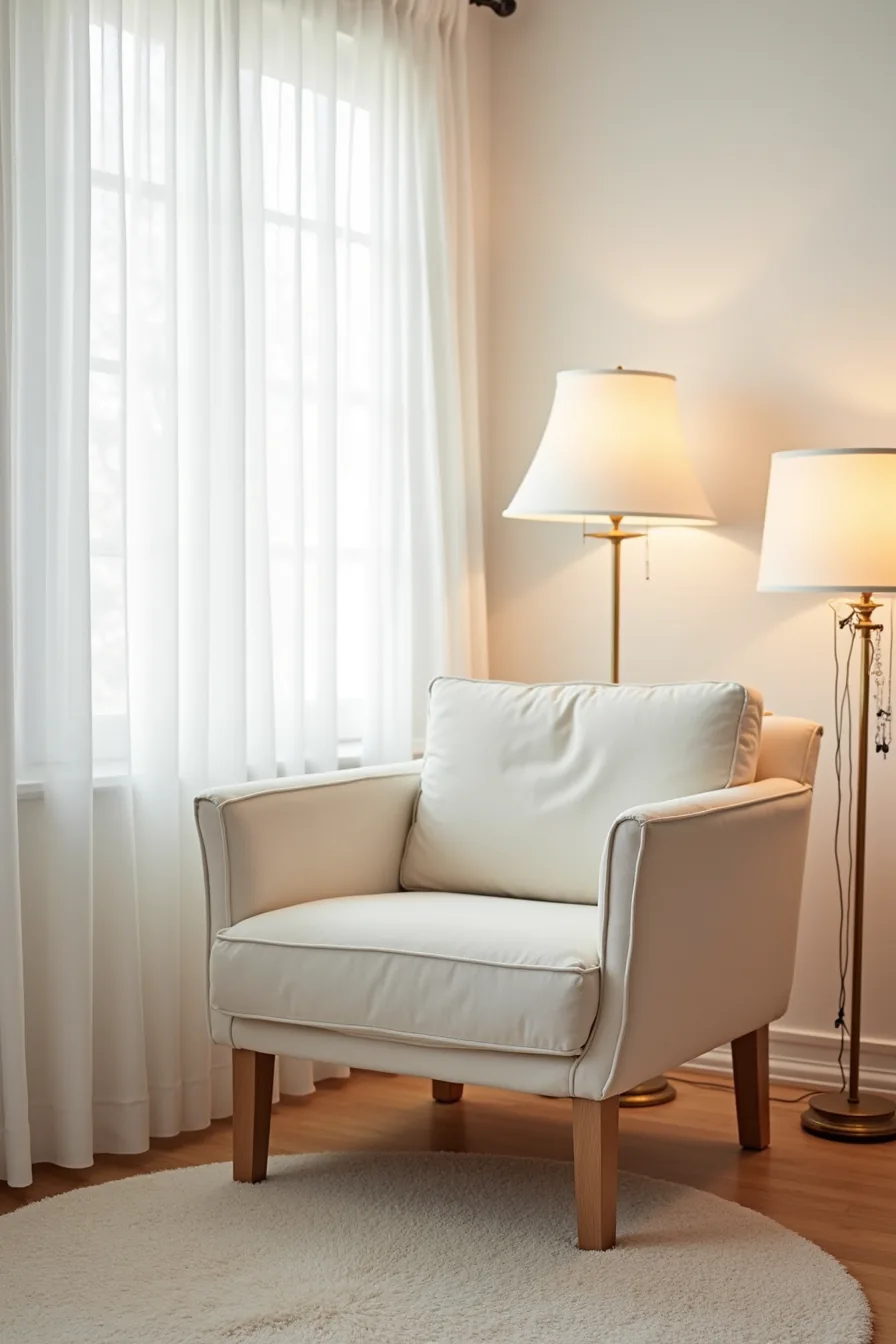
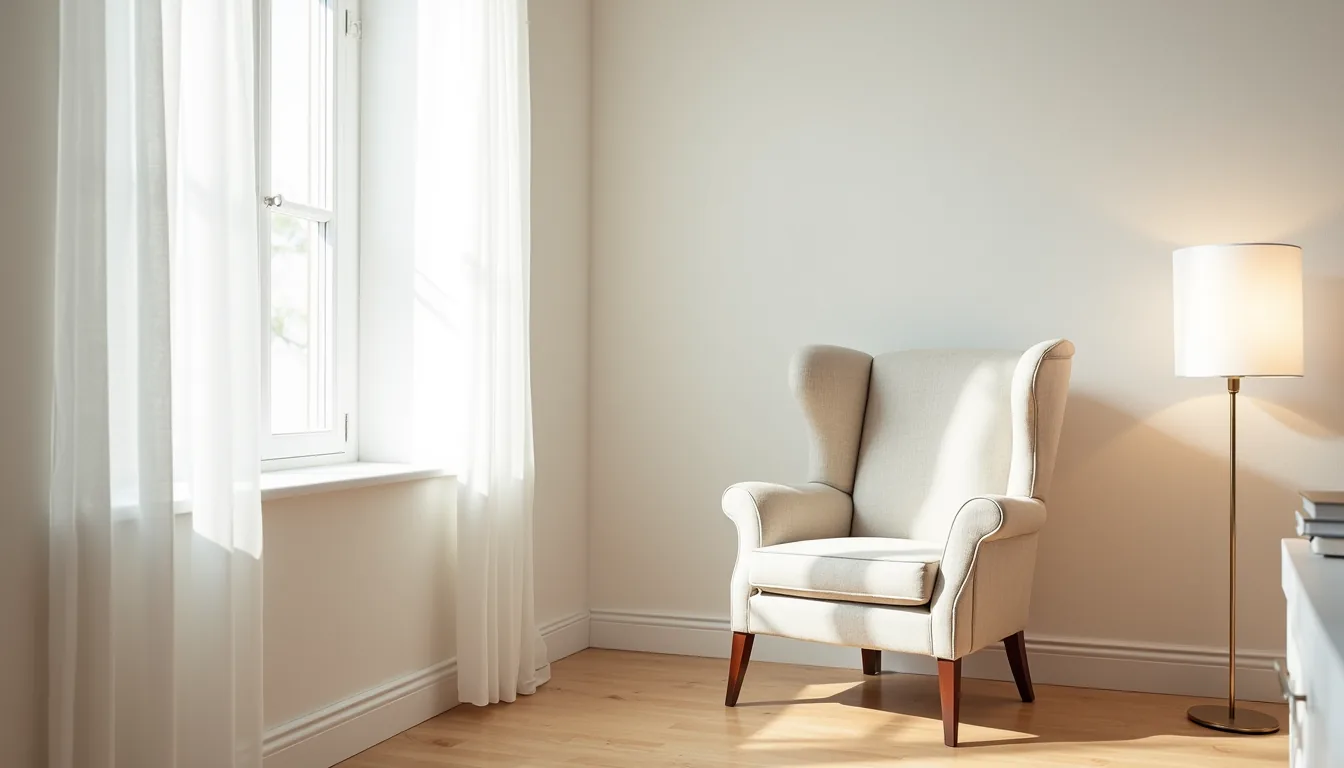
A renter-friendly upholstered arm chair hinges on three traits: a frame you can carry alone, a slip cover you can wash, and wood legs that won’t scar the floor. The lightweight frame in this setup typically weighs 35–50 pounds, which means one person can move it between rooms or out of a stairwell without hiring help. The neutral cotton slip cover unzips for machine washing, so spills, pet hair, and guest mishaps reset in a single cycle rather than requiring professional cleaning.
Positioning matters as much as construction. Place the chair on an area rug with a non-slip pad underneath, the pad protects the rental’s flooring and keeps the chair from sliding. Keep exposed wood legs at least 4–6 inches from baseboards and walls, since the slip cover’s edge detail can rub paint or leave scuff marks during daily use.
If you must place it against a wall, add felt pads to the back of the frame where it contacts the surface. This setup suits renters who move every 1–3 years, because the chair survives relocation without permanent mounting, and the slip cover lets you change the color scheme when you change apartments. Expect to pay $300–$600 for this category, with the cotton cover requiring a cold wash and air dry roughly every 3–4 months to maintain its crisp edge.
Investment-Grade Upholstered Arm Chairs: Frame, Suspension, and Longevity
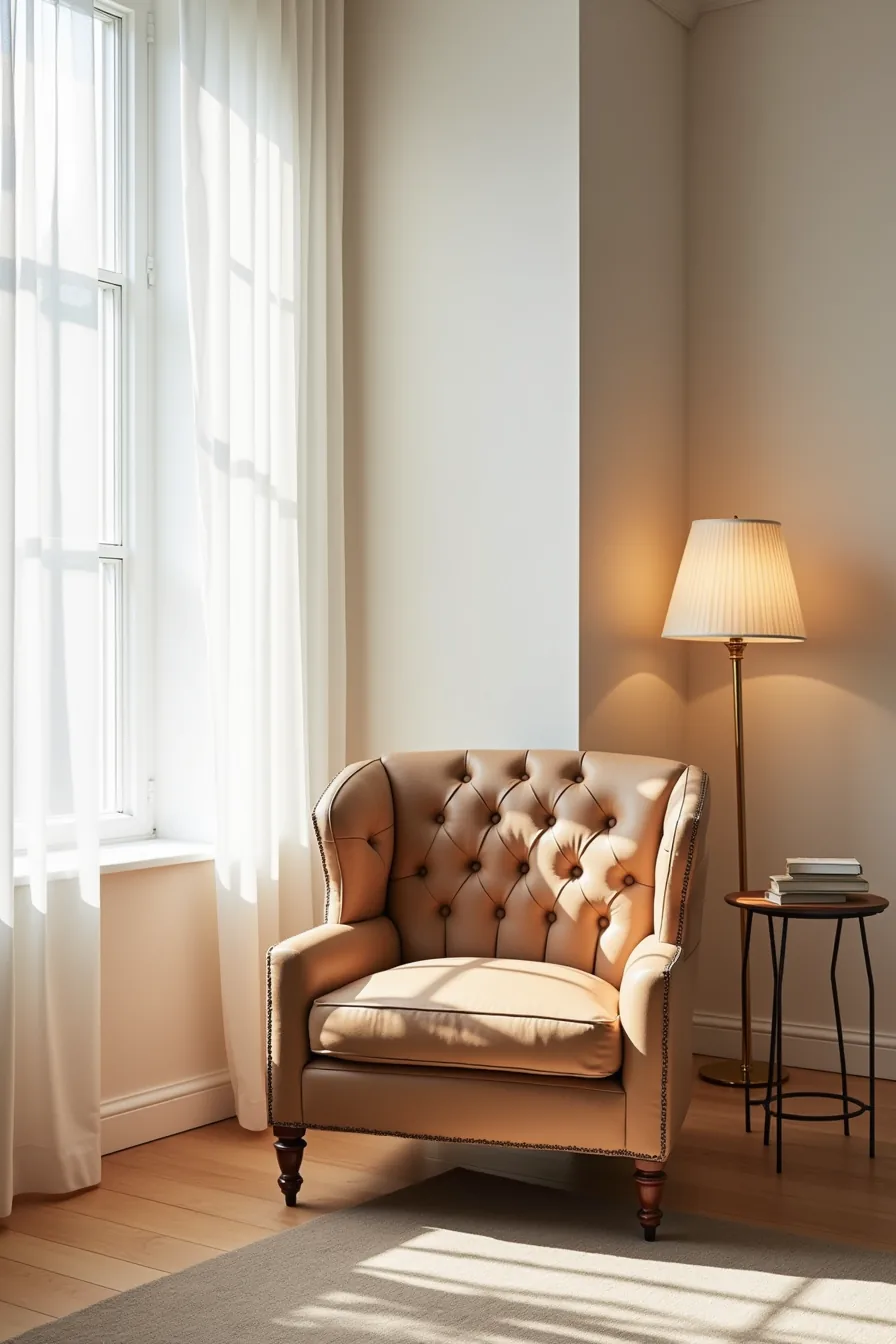
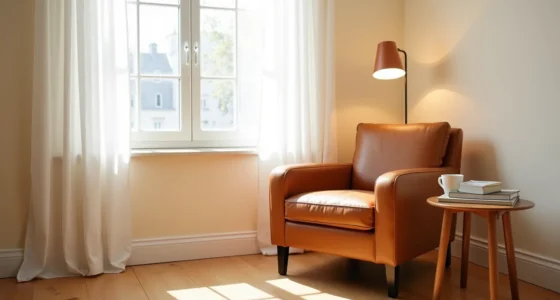
When you invest in premium upholstery, the components you can’t see determine the chair’s lifespan more than the leather you can touch. The high-backed tufted armchair in full-grain leather with exposed hardwood frame represents the top of the market, and its eight-way hand-tied suspension, individual coil springs laced together in eight directions, explains the $1,800–$4,500 price point. That suspension system distributes weight evenly, preventing the sagging and seat collapse you feel in chairs after just 5–7 years of daily use.
The hardwood frame should be kiln-dried maple, oak, or beech, with mortise-and-tenon joints reinforced by corner blocks. Avoid any chair with glued or stapled joints, since these fail within 2–3 years under regular sitting pressure. The leather’s durability grade and the nailhead trim’s application method also matter: hand-set trim holds for 10+ years, while machine-pressed trim loosens after roughly 5.
Expect this chair to last 15–25 years with conditioning the leather twice annually, making it the most cost-effective option if you plan to own your home for a decade or more.
Where to start
Before you browse a single fabric swatch, measure your room’s footprint and the chair’s intended spot. Armchairs typically span 30-40 inches wide and 32-36 inches deep; leave 18 inches of clearance for walking paths. Decide your budget tier first, a quality upholstered armchair runs $400-$1,200; budget options hover near $200 but often require foam replacement within five years.
Match your lifestyle: performance fabrics for pets and kids, lighter weaves for formal spaces. Choose your room’s traffic pattern, then your chair. That order prevents the most common mistake, falling for a look that doesn’t fit your space.
Your next move: grab a tape measure and mark the chair’s footprint on your floor with painter’s tape. Live with the outline for 24 hours before you commit to any purchase.
Frequently Asked Questions
What is the typical seat depth range for an upholstered arm chair?
Standard seat depth runs 20–24 inches. Compact chairs sit closer to 18–20 inches, while deep loungers reach 26–28 inches. Measure from the front edge to the backrest to match your leg length.
Can you put an upholstered arm chair in a small bedroom or apartment?
Yes, if you choose a slim-profile chair with exposed legs and a seat depth under 22 inches. Place it diagonally in a corner or beside a window. Keep the arm width under 6 inches to avoid crowding.
How do I clean and maintain textured upholstery on an arm chair?
Vacuum weekly with a soft brush attachment to lift dust from crevices. Spot-clean spills immediately using a mild upholstery shampoo and cold water, blotting, never rubbing. For wool or bouclé, dry-clean only to prevent shrinkage.
What frame material makes an upholstered arm chair last longer?
Kiln-dried hardwood, oak, maple, or ash, offers the best durability, resisting warping and joint loosening. Plywood with a solid wood front rail is a budget-friendly alternative. Avoid particleboard or plastic frames; they sag within a few years.