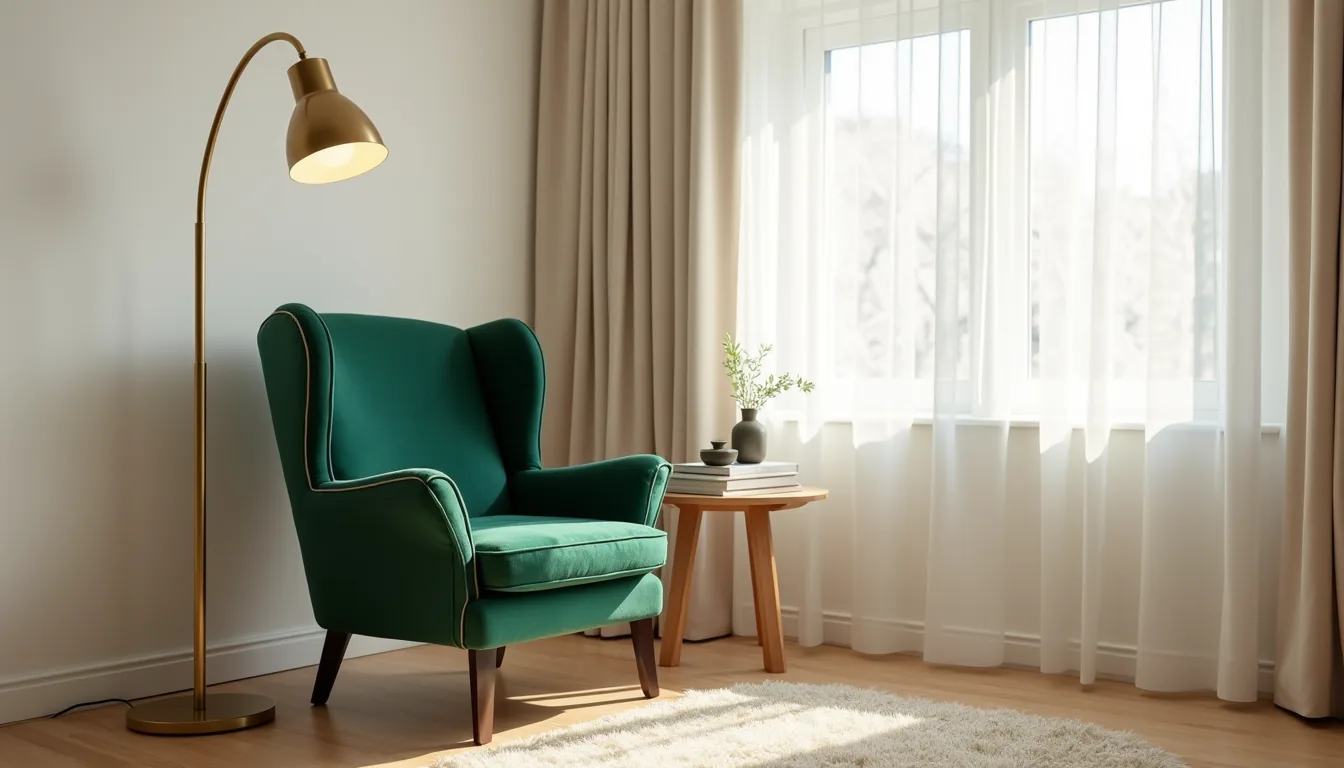

A velvet accent chair is a single piece of furniture that can completely reset the visual temperature of a room, but only if you match its pile, color, and scale to the space you actually have. The wrong choice, too plush for a narrow hallway, too dark for a low-light corner, turns a statement piece into an obstacle. The right one anchors a seating group, absorbs sound, and gives you a place to land for under $300 or over $2,000.
Below are six distinct routes, each with the exact dimensions, maintenance trade-offs, and room types that make them work.
Key takeaways
- Choose jewel tones like emerald or sapphire only when your room has neutral walls and ample natural light, as the saturated fabric will dominate the visual field.
- Select a neutral velvet (taupe, greige, or warm gray) if you plan to keep the chair for over five years, since it adapts to changing decor trends without requiring reupholstery.
- Prioritize a compact frame with a 28-32 inch seat height and 30-34 inch width for small spaces, ensuring at least 18 inches of clearance from doorways and high-traffic paths.
- Budget for professional cleaning every 12-18 months at roughly $80-$150 per chair, or treat spills immediately with a dry cloth and mild soap to prevent permanent staining on the pile.
Jewel Tone Velvet for Drama and Depth
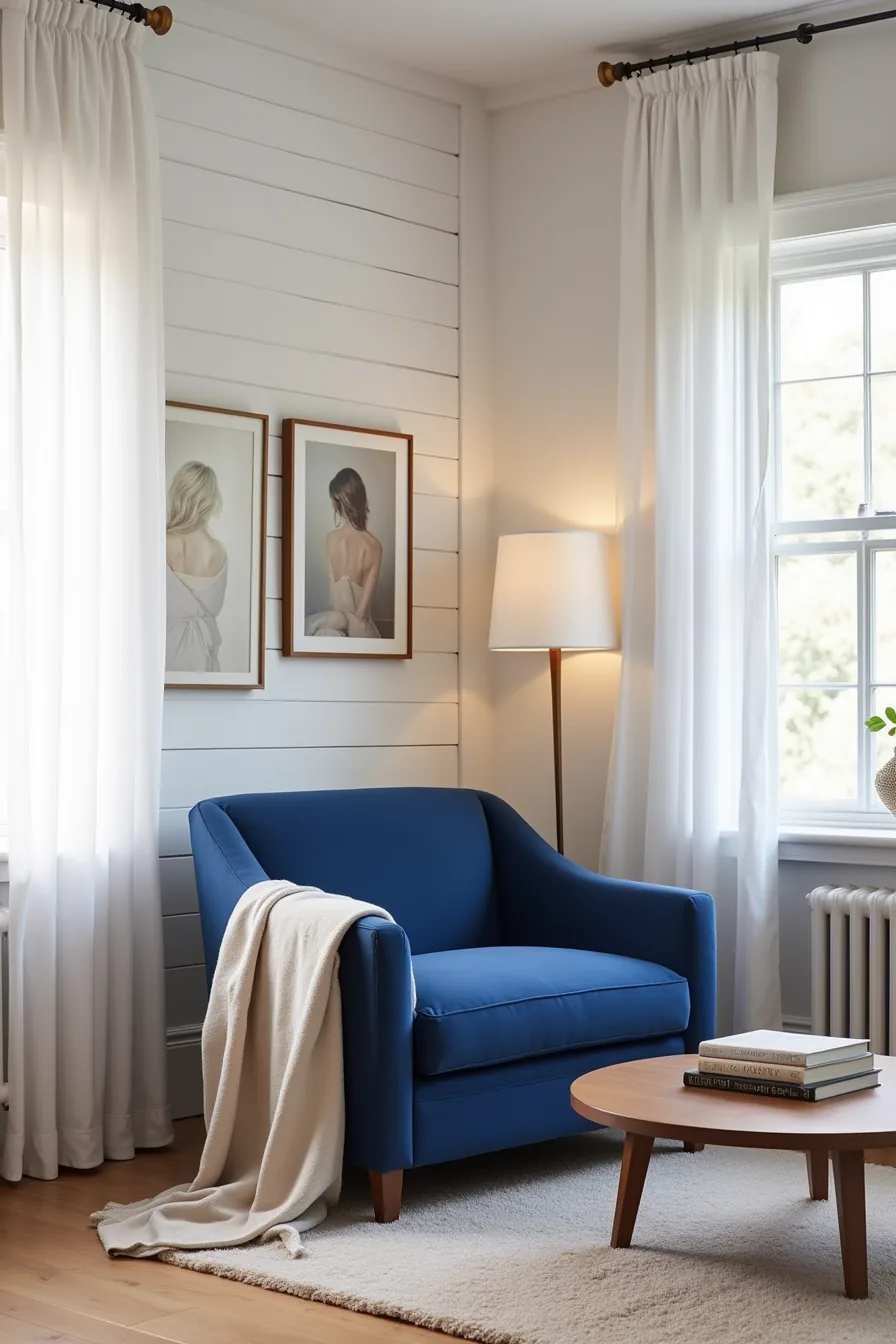
A sapphire velvet club chair delivers maximum visual weight for its footprint, making it the fastest way to anchor a neutral room. The deep blue reads as a dark neutral from across the space, yet shifts to a saturated jewel tone up close, rewarding both distant and proximate viewing. This approach suits living rooms with white or warm-gray walls where you want a single point of focus without committing to a full colorful scheme.
Balance the intensity by pairing the chair with framed abstract prints in muted earth tones and a low walnut coffee table, which grounds the cool blue with warm wood grain. Drape a linen throw over one arm to soften the velvet’s formality and make the chair feel lived-in rather than showroom-still. Velvet’s pile catches light differently throughout the day, so position the chair near a window or lamp to let the sapphire shift from deep navy in shadow to electric blue in direct light.
Neutral Velvet as a Versatile Foundation
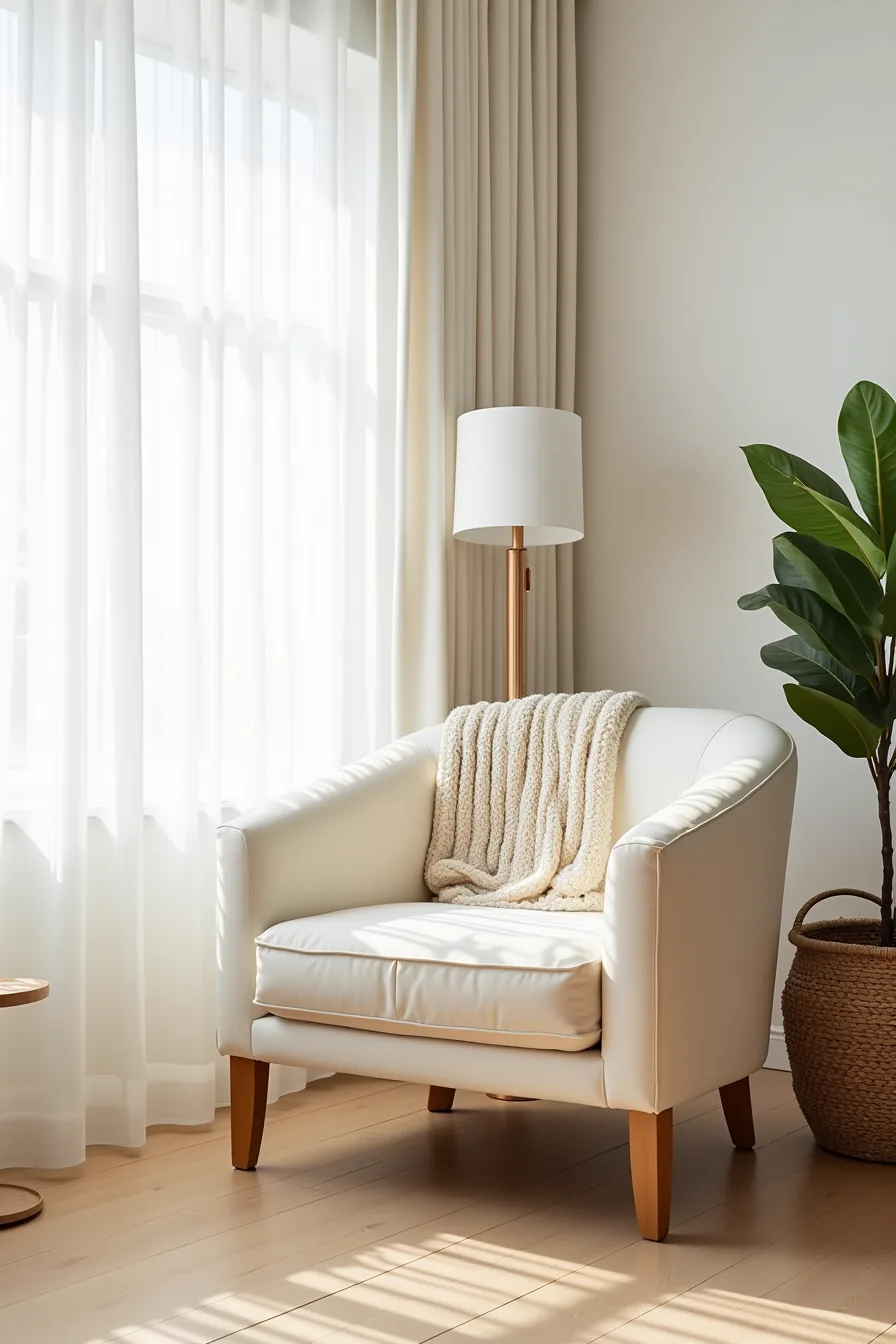
A cream velvet barrel chair sidesteps the drama of jewel tones while delivering the same tactile payoff, making it the most forgiving entry point into the velvet texture focus. Its curved back wraps around you rather than imposing on the room, which is why it works in transitional, Scandinavian, and even traditional spaces without demanding a style allegiance. You get the plush hand-feel and light-catching pile, but the low-saturation color lets surrounding furniture take the lead.
Layer texture around the chair rather than pattern, the woven rattan floor basket beside it introduces a coarse, organic contrast, while the chunky knit blanket folded over the seat back adds a third distinct touchpoint that invites touch. The fiddle leaf fig plant supplies vertical volume and softens the chair’s rounded silhouette without competing for attention. Lighter velvets also hide dust less visibly than dark tones, though you’ll want to vacuum the seat weekly and spot-clean spills within minutes to prevent the pile from trapping residue.
For high-traffic households, opt for a performance velvet with a stain-resistant finish, which typically costs 15–30 percent more but tolerates daily use far better than standard upholstery velvet.
Velvet Accent Chairs for Small-Space Statement Style
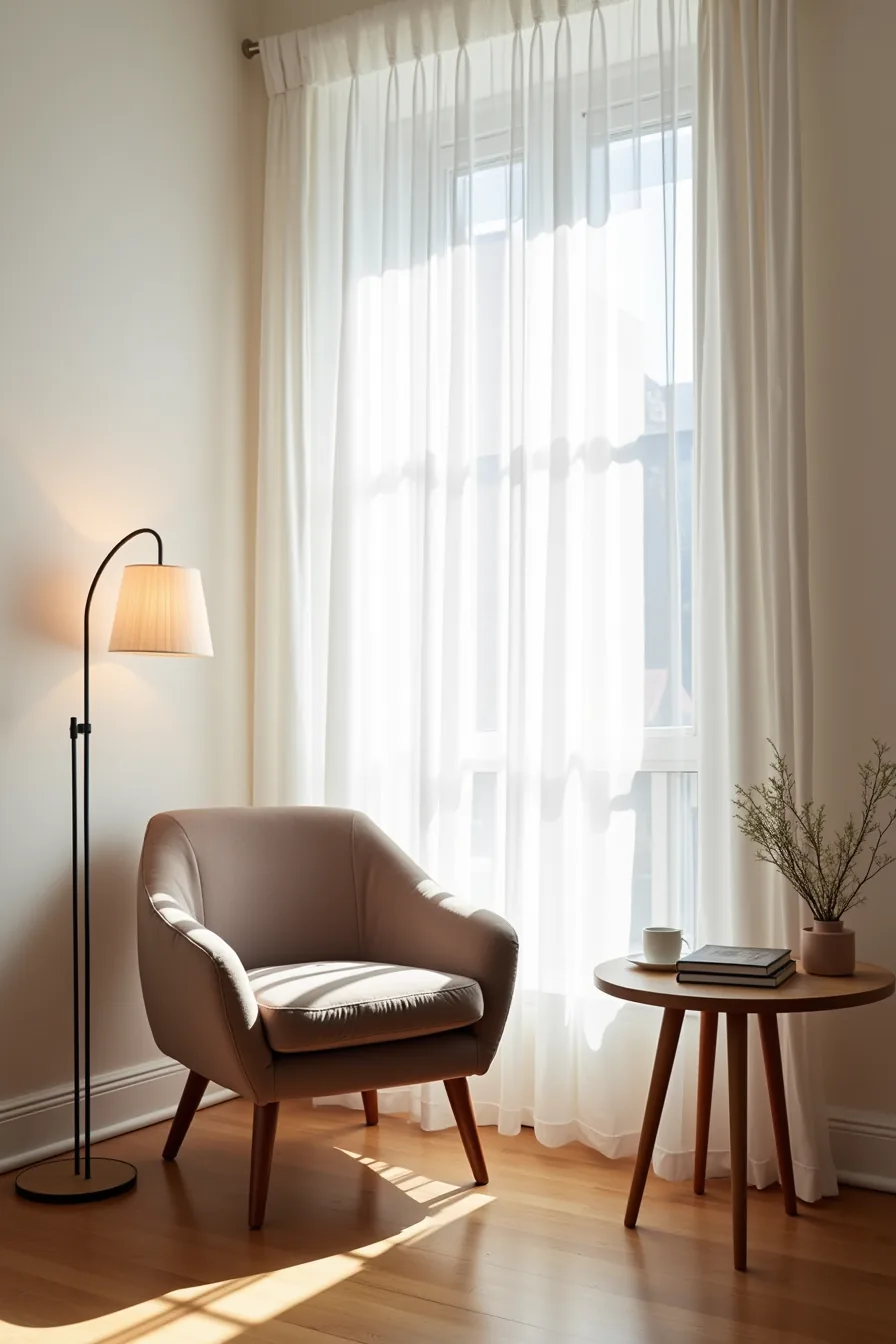
Scale is the deciding factor when shopping for Velvet Accent Chairs for Small-Space Statement Style. Look for a chair with a seat height around 18–20 inches and an overall width under 30 inches; a taupe velvet accent chair with slender wooden legs fits this brief while keeping visual weight low, since the exposed legs let floor area show through and prevent the piece from reading as a solid block.
Position it in a corner beside a narrow wooden console table, angled slightly toward the room’s center. This placement preserves a clear sightline across the studio and avoids interrupting the natural walking path, a common mistake that turns a compact layout into a slalom course. Keep the surrounding furniture minimal: the chair alone, a console, and the wood floor should carry the zone without additional side tables or ottomans crowding the footprint.
Tall, slim legs are non-negotiable here; a skirted or block-base chair will visually swallow a small room’s square footage. If your space is under 200 square feet, test the chair’s depth too, anything beyond 32 inches will likely encroach on circulation space when someone is seated.
Glam Without Excess: Proportional Placement
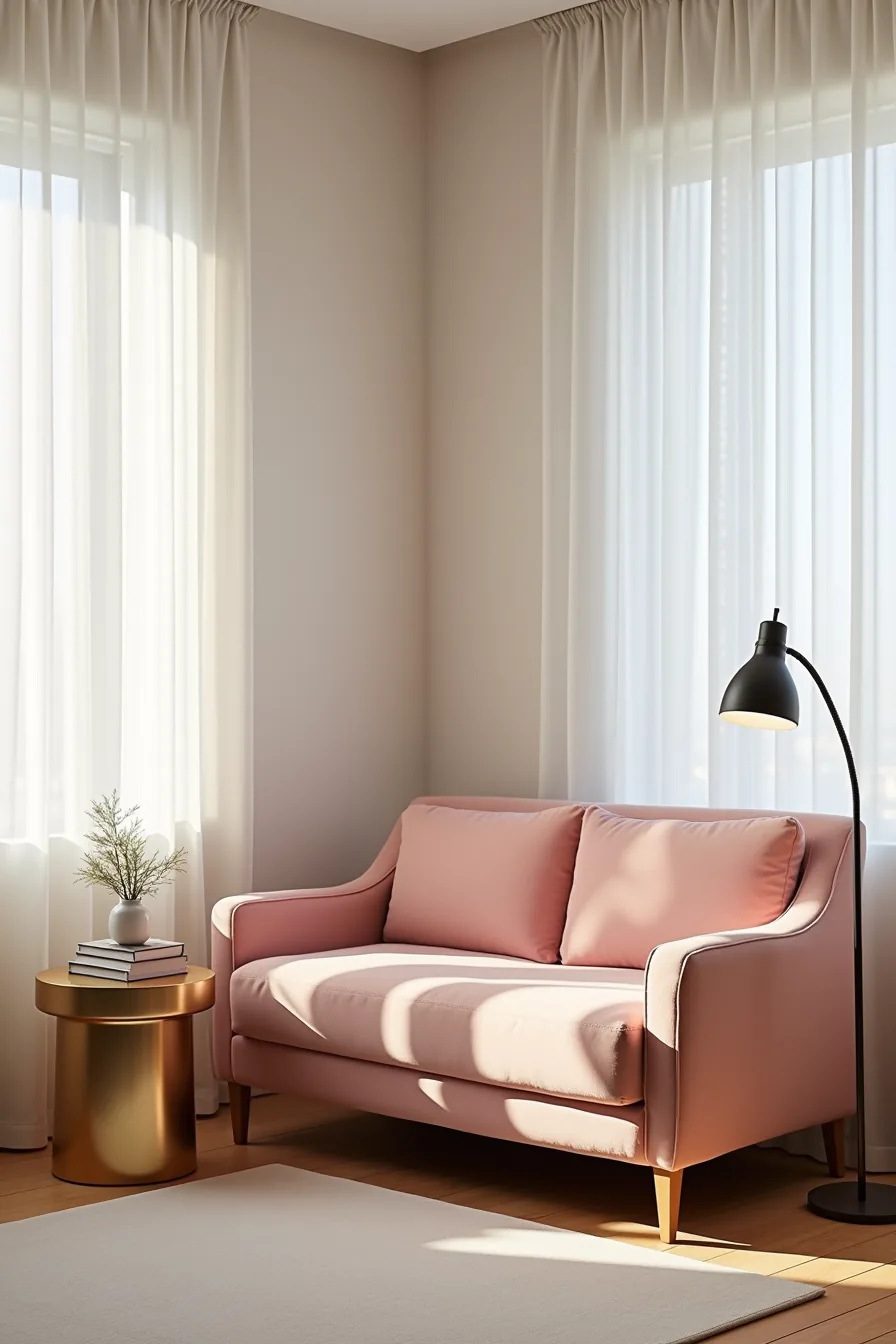
The blush velvet settee works here because it claims luxury without demanding the room’s full attention. Angling it into the corner opens the floor on both sides, letting the brushed gold side table do the heavy lifting for shine, one metallic accent reads as intentional, while three would tip into clutter.
Scale rules the composition. A single accent table, not a matching pair, keeps the zone breathable, and the area rug anchors the settee’s footprint without extending past its front edge, which would visually push the chair into the walkway. The wooden floor’s exposure between furniture pieces creates negative space that reads as curated calm rather than emptiness.
This arrangement suits bedrooms or sitting areas where the chair is a secondary perch, not the main seat. If your room runs over 250 square feet, pull the settee a hand’s width further from the wall and let the rug extend 6–8 inches beyond the chair’s sides. For tighter footprints, keep the angle shallow, around 15 degrees, so the back doesn’t jut toward the doorway.
The goal is glam without excess: one plush surface, one metallic highlight, and generous floor visible between every piece.
Budget, Rental, and Investment Routes
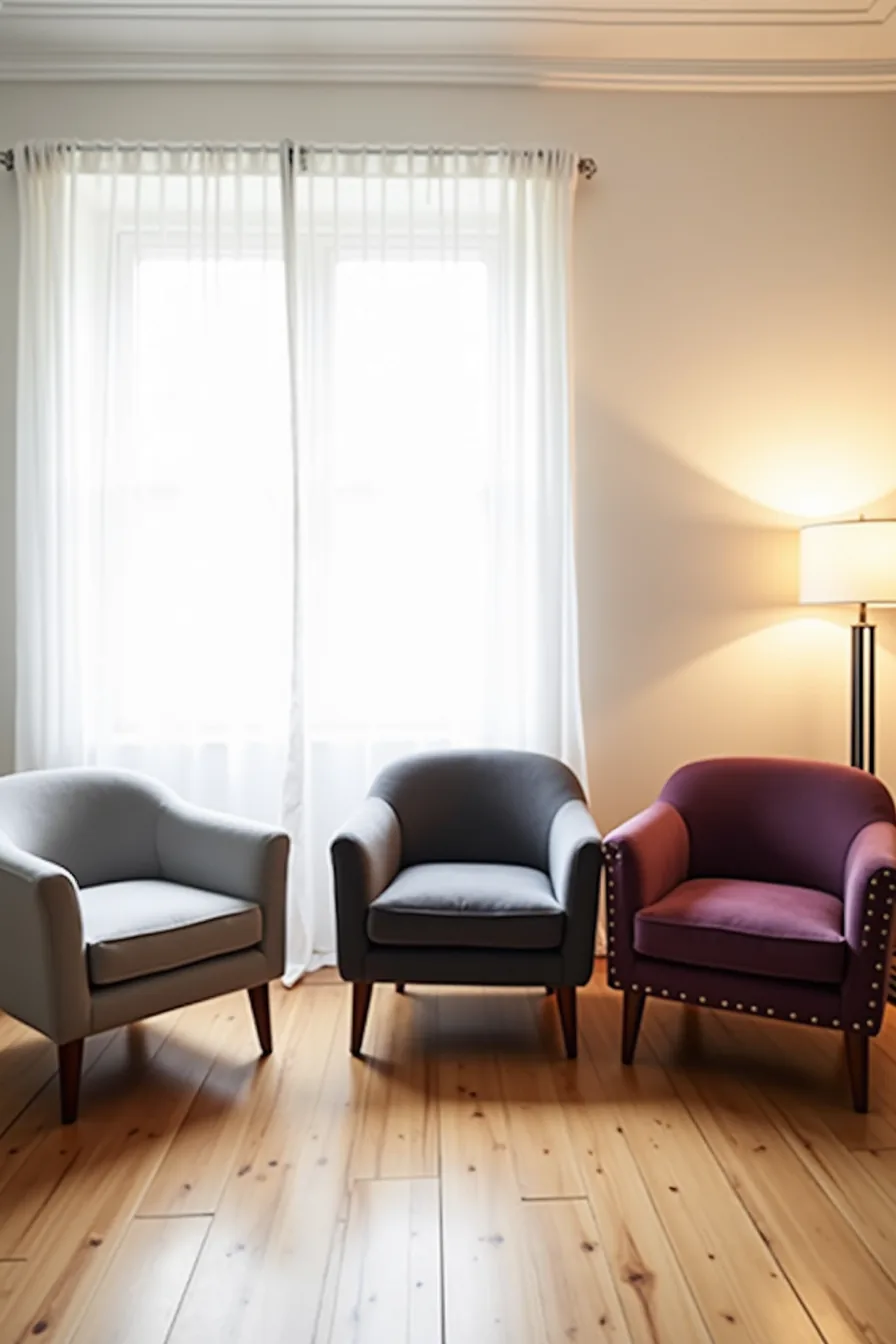
Your three-tier strategy starts with the compact gray option, which typically lands in the $150–$300 range from mass-market retailers. It suits first apartments, guest rooms, or anyone testing whether velvet fits their daily life. Expect a hardwood frame and synthetic velvet that resists fading but will show wear within two to three years of daily use, acceptable when you’re paying entry-level prices.
The charcoal slipcover chair, mid-range at $400–$700, solves the rental dilemma. A removable, machine-washable cover lets you deep-clean without professional services, and the neutral tone hides pet hair between washes. The cover’s tailored fit keeps it looking intentional, not like a draped sheet, and you can replace just the cover later for a fraction of the chair’s cost.
The plum nailhead piece sits at $900–$1,500 and represents the durable investment. Its dense, high-resilience foam and kiln-dried hardwood frame should hold up for ten-plus years, and the structured silhouette with nailhead trim resists the slouch that plagues softer frames. If you ever sell it, expect to recoup 40–60% of the original price on the secondhand market, something the budget and slipcover options won’t deliver.
Velvet Care and Practical Considerations
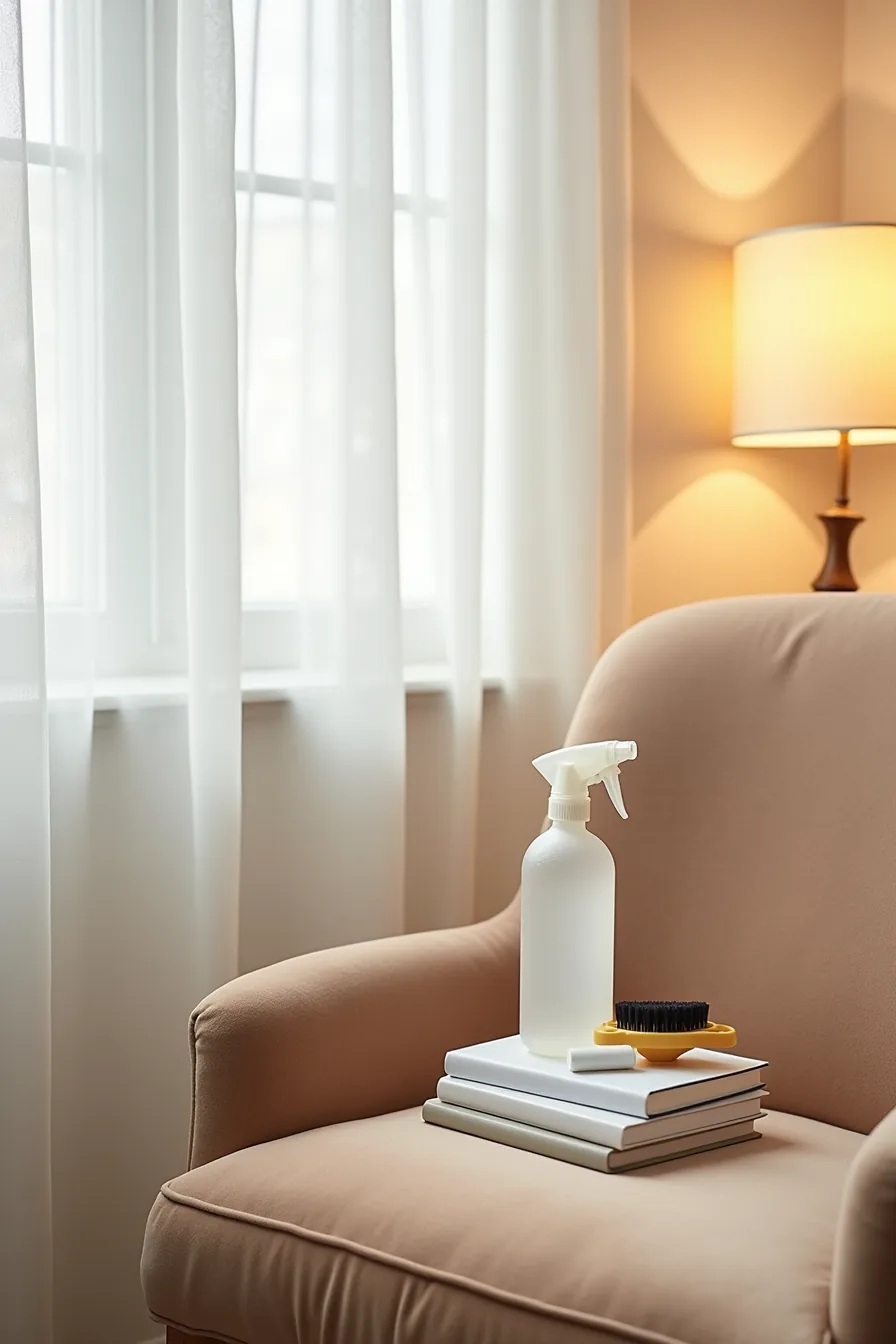
Velvet’s pile is its defining feature, and how you treat it determines how long it stays lush. For daily upkeep, a soft-bristled brush lifts crushed fibers and redistributes the nap, while a lint roller catches the dust and hair that settle into the weave. For spills, blot immediately with a spray bottle of plain water, never rub, which mats the pile permanently.
Light exposure is your biggest long-term threat. Place the chair out of direct sunlight; even synthetic velvet will fade or shift in tone within a year of consistent UV exposure. If the chair sits near a window, rotate it quarterly to even out any color change.
For pet owners, the slipcover option is your only low-stress path, the removable cover goes in the machine, while fixed velvet requires professional cleaning for any odor or stain that sets. Budget for a professional clean every 12–18 months on fixed upholstery to remove body oils that dull the pile; routine vacuuming with a soft brush attachment stretches that interval.
Your five-minute decision plan
Before you buy, measure your floor space and mark the chair’s footprint with tape. Sit in it for five full minutes, velvet compresses, so what feels firm in-store will soften.
Match the chair’s scale to your room: compact frames under 30 inches wide suit apartments, while oversized models anchor open layouts. Check the fabric’s rub count, ask for 30,000+ cycles for daily use. Confirm the cushion is removable for cleaning, and test that the back height clears your window sills.
Your next step: order two fabric swatches and live with them for 48 hours under your actual lighting.
Frequently Asked Questions
What size velvet accent chair fits a small bedroom or studio apartment?
Choose a compact chair with a seat height of 17–19 inches and a width under 30 inches. Look for arms that are low-profile or absent, and skip swivel bases to save floor space.
Is velvet difficult to clean, and can it handle pets or kids?
Polyester or performance velvet resists stains and is machine-washable in most cases; cotton velvet is less forgiving. For pets and kids, choose a dark or patterned fabric and treat spills immediately with a damp cloth, no rubbing.
How do I choose between jewel tone and neutral velvet for my space?
Pick a jewel tone (emerald, sapphire) if your room has neutral walls and you want a focal point. Choose a neutral (beige, gray) if you plan to change decor often or have busy floors, it blends and hides wear better.
Can I use a velvet accent chair in a casual or farmhouse-style home?
Yes, opt for a matte, textured velvet in earthy tones like olive or rust, and pair it with wood or linen furniture. Avoid shiny, high-pile velvet, which reads formal; a low-pile, nubby finish keeps the look relaxed.