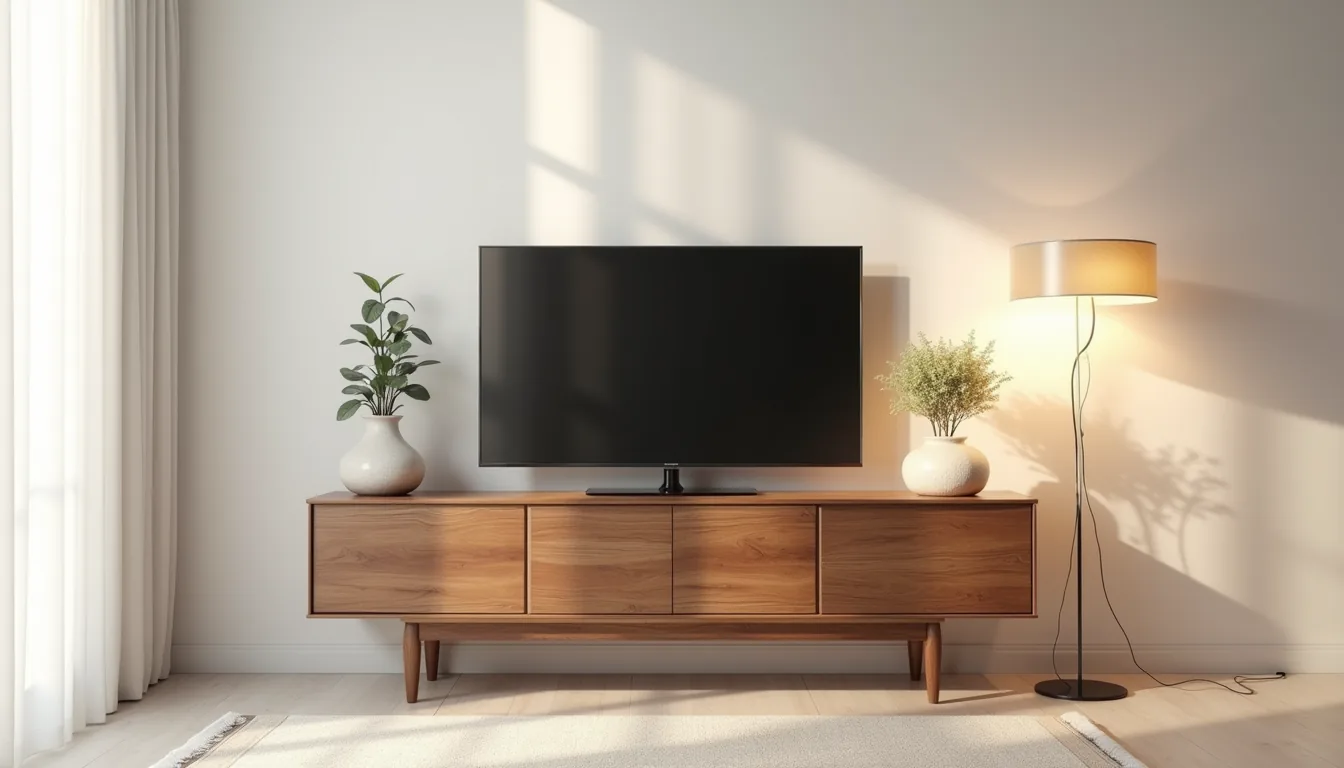
A Mid Century Modern TV console isn’t a single look, it’s a spectrum of tapered legs, warm wood tones, and clean lines that can anchor anything from a 500-square-foot apartment to a 4,000-square-foot open plan, provided you match the scale and material to your room’s actual constraints. The practical difference between a piece that works and one that overwhelms comes down to three decisions: leg height, storage depth, and finish contrast against your floor. Before you buy, you need to know which of the six core configurations below fits your square footage, your media equipment, and your tolerance for visible cable management.
Key takeaways
- Choose tapered legs and solid walnut veneer to nail the classic Mid Century Modern TV Console look, but verify your TV’s width against the console’s top surface before buying.
- Hide messy cords by selecting a console with a back panel cutout or open cubby, and pair it with a cable raceway kit for a clean, retro-meets-modern setup.
- Scale down proportions for small spaces, opt for a 48- to 60-inch console with slim, angled legs and floating wall-mounting to free up floor area without sacrificing storage.
- Invest in solid wood for a long-term piece, but expect to pay 2-3 times more than flat-pack options; upcycled finds offer a budget-friendly alternative if you’re willing to sand and refinish.
Walnut Console Look with Tapered Legs
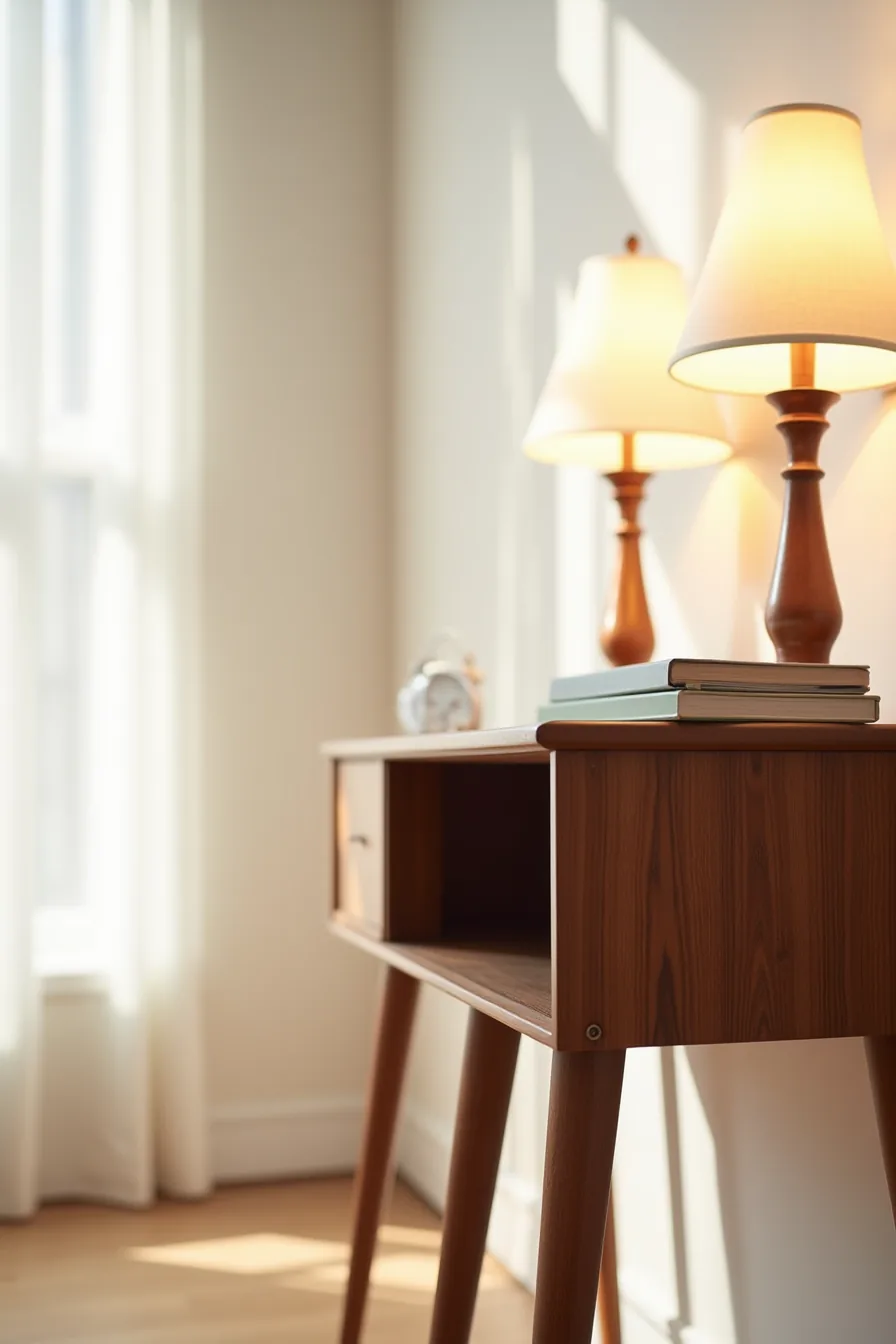
The walnut console look is the definitive Mid Century Modern TV console expression. It pairs rich, dark American black walnut with four splayed legs that taper from the frame outward, creating a visual lift that keeps the piece from feeling boxy. The exposed joinery at each corner and the uninterrupted grain across the front are the details that separate authentic MCM pieces from generic reinterpretations.
For a 55-inch television, you need a console at least 60-70 inches wide to maintain proper proportion and clearance on both sides. Most walnut consoles of this style run 26-30 inches tall, which places the screen center at eye level when you’re seated. Legs typically account for 6-8 inches of that height, so the base clears area rugs while still allowing a vacuum underneath.
Sourcing solid walnut rather than veneer will cost 2-3 times more, but the wood patinas beautifully over time. Wipe dust weekly with a dry microfiber cloth, apply a furniture wax twice yearly, and keep the surface away from direct sun to prevent fading. The interior cavity accommodates a soundbar and media player, though you’ll need to drill or route a 2-3 inch opening in the back panel for cable access.
Retro Meets Modern Tech: Cable Management Inside
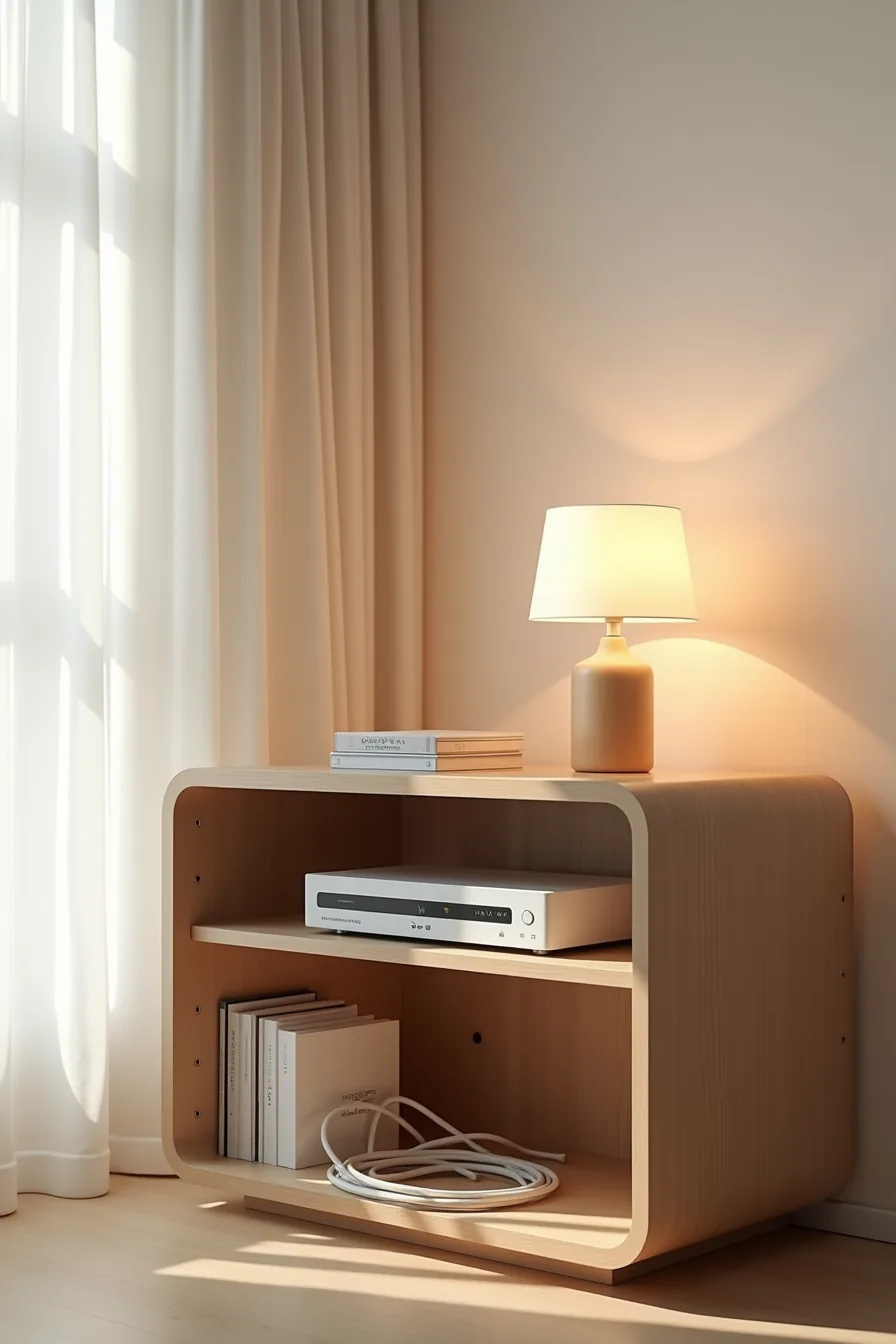
The clean silhouette of a Mid Century Modern TV console falls apart the moment you see a tangle of black cords spilling out the back. The fix is an interior system that mirrors the cabinet’s exterior restraint. A single power strip mounted to the interior floor or back panel consolidates all plugs into one point; from there, each cable routes upward to its device and exits through a drilled 2-3 inch opening in the rear panel, positioned at the height where your components actually sit.
The streaming device rests on a dedicated shelf divider, with its own short cable coiled tightly and secured with a hook-and-loop strap. This arrangement suits anyone with more than three components or a soundbar that needs its own power source. Leave at least 2 inches of slack on every cable so you can pull a device forward for access without disconnecting anything.
If you rent, skip the drilling and use a cord-hiding channel that mounts to the back edge instead; it keeps the period look intact and the security deposit safe.
Style a Mid Century Console for Small Spaces
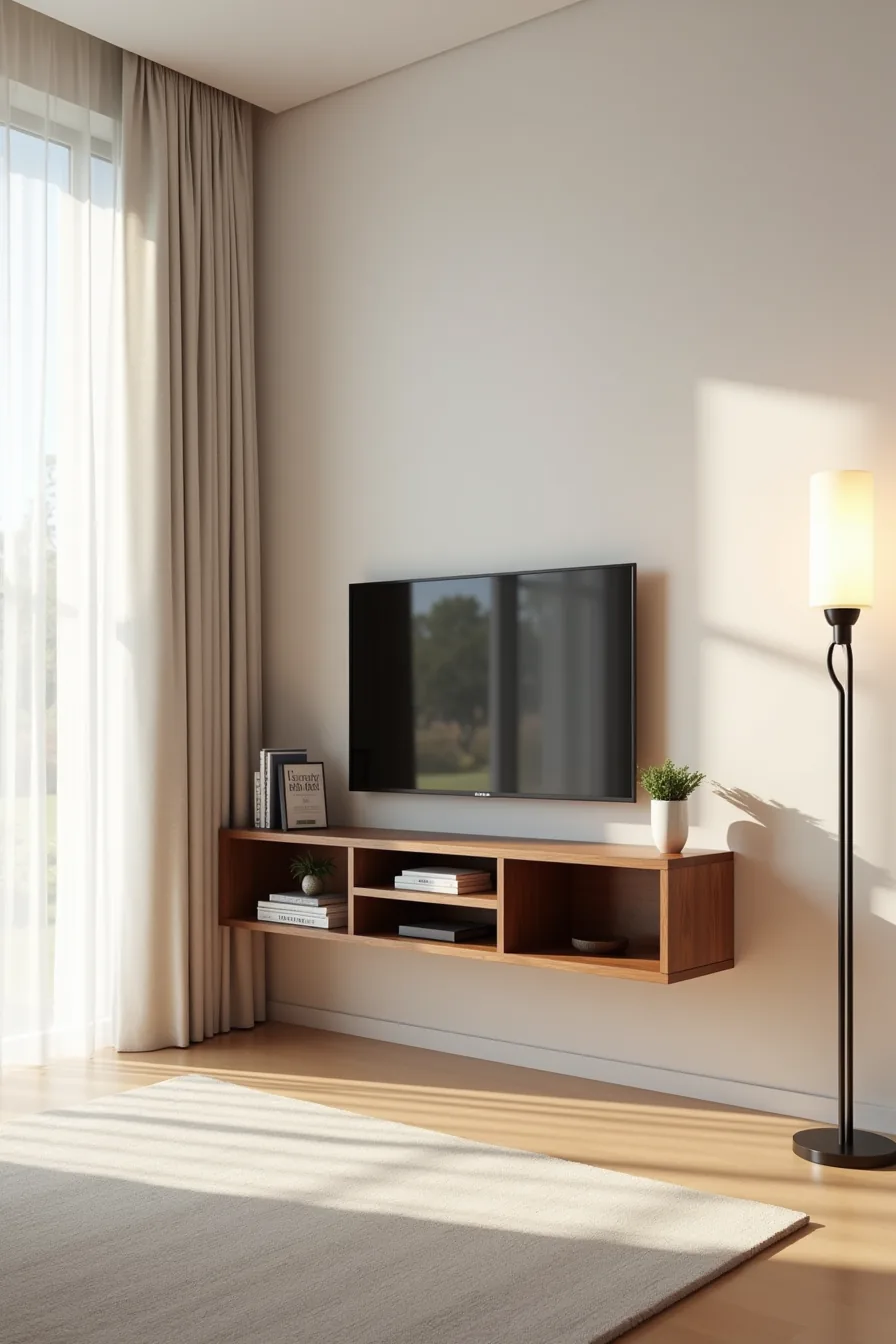
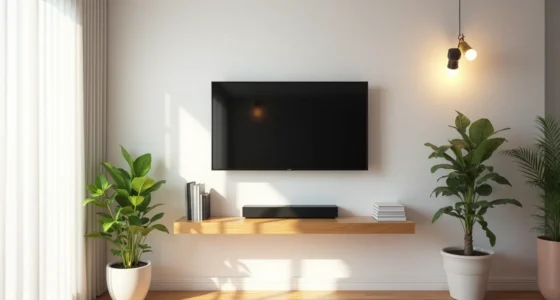
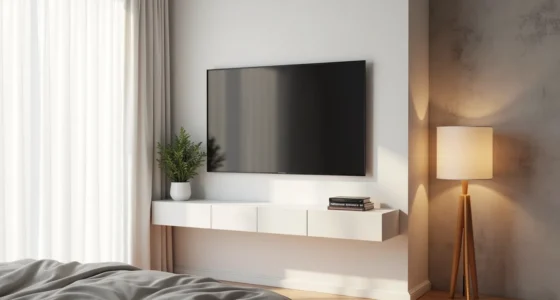
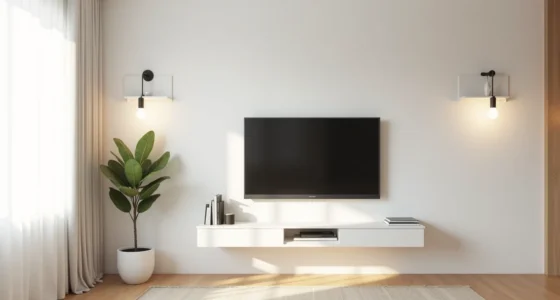
In a room under 150 square feet, the console’s footprint matters more than its style. A wall-mounted walnut unit with a narrow 14-16 inch depth keeps the floor clear, which visually expands the space while leaving room for a 40-55 inch TV on its stand above. Corner placement works because it tucks the furniture out of the primary walking path, and the open shelving below prevents the piece from reading as a solid, heavy block against the wall.
This setup suits a studio apartment or a compact living room where every square foot is accounted for. The key trade-off: wall mounting requires locating studs and securing the bracket to at least two of them, so confirm your wall can support the load before committing. If you rent, a low-profile console with tapered legs and a 48-60 inch width achieves the same airy feel without drilling into the structure.
Measure the distance from the floor to the TV’s bottom edge first; you want the console surface 4-6 inches below that line to avoid visual crowding.
Two-Tone and Mixed-Material Interpretations
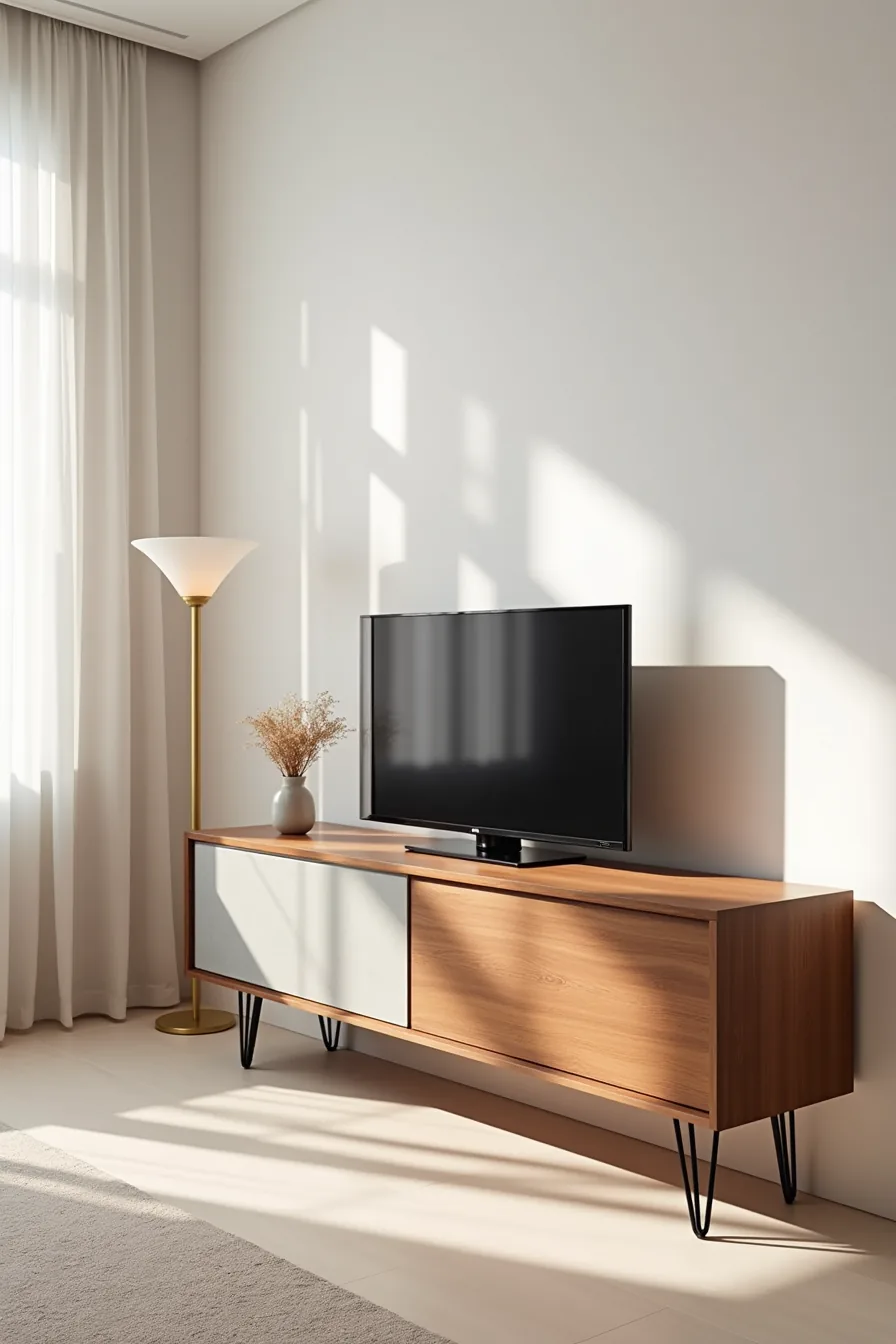
A console with a walnut base and teak top splits the difference between warmth and durability: teak resists moisture and scratches better than walnut, so the top surface tolerates daily wear from coffee cups and remote controls without showing it. The metal hairpin legs lift the piece visually while preventing the cabinet from feeling bottom-heavy, and the concrete side panel anchors the whole composition with a matte, industrial counterpoint. This mix suits a living room with both mid-century case goods and modern industrial accents, because it bridges the two aesthetics rather than committing to one.
The trade-off with concrete is weight, expect a panel this size to add 30-50 pounds to the piece, so confirm your floor can handle it and use felt pads under the legs to avoid scratches on hardwood. The contrast works best when the wood tones differ enough to read as deliberate; a walnut-and-teak pairing shows a subtle shift, while a walnut-and-oak combination makes the two-tone effect obvious. If your space leans warm, choose brass or black legs; if it leans cool, opt for chrome.
Budget Route: Upcycled and Flat-Pack Options
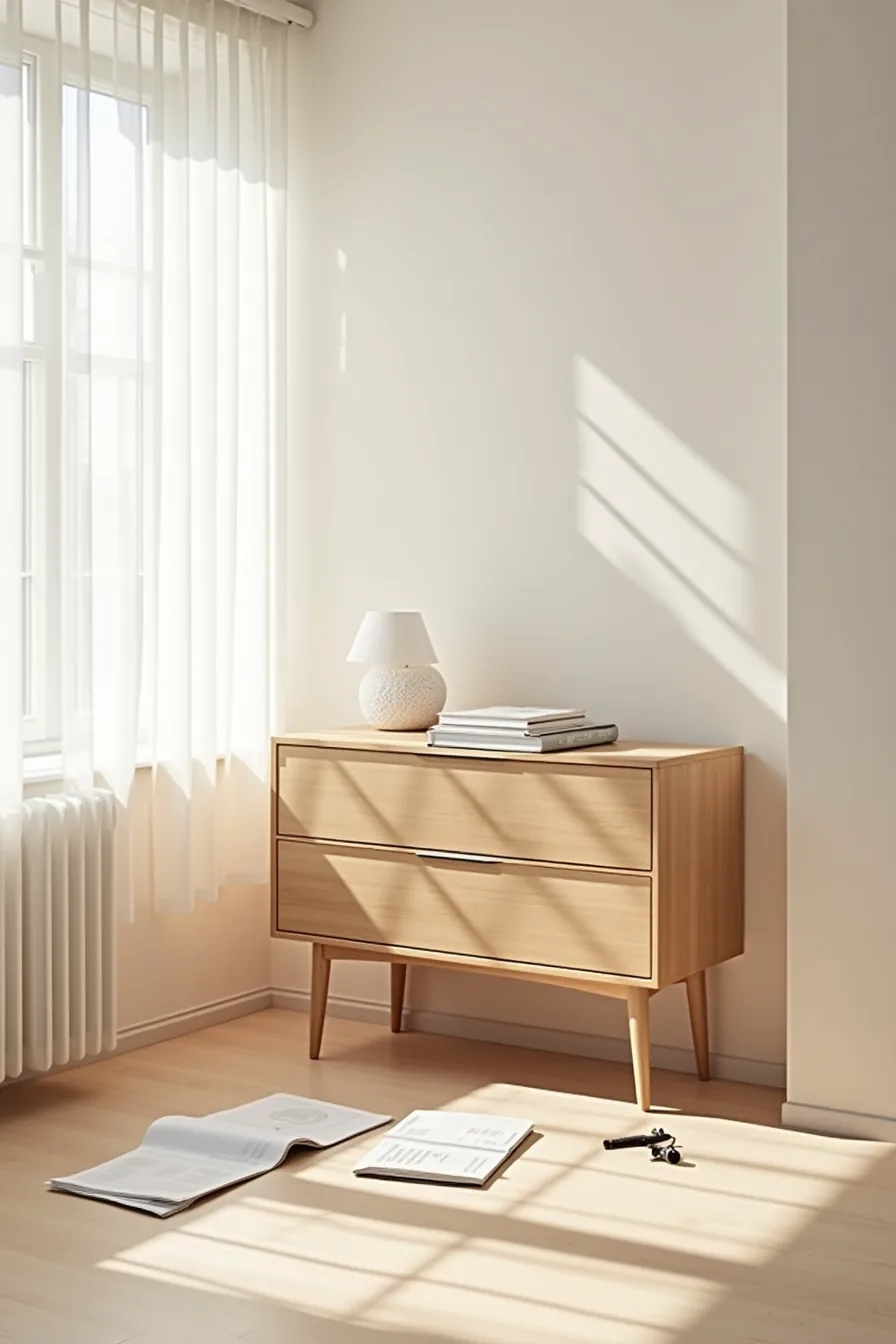
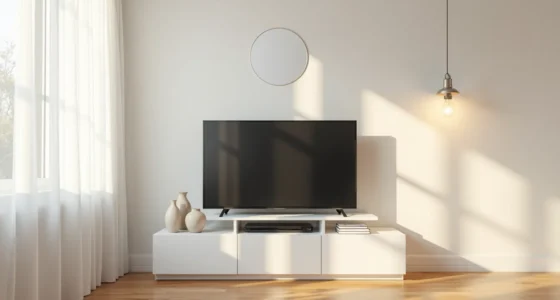
A flat-pack console in light oak delivers genuine mid-century proportions for $200–$400, roughly a third of what a solid-wood vintage piece commands. Look for models with tapered legs that angle outward at 5–7 degrees and a cabinet depth of 15–17 inches, these two details do more for the silhouette than any finish ever will. The assembled unit before you demonstrates the key checkpoints: the legs sit proud of the cabinet face, the wood grain runs horizontally, and the hardware uses matte black rather than brushed nickel.
The assembly trade-off is time and tools. Budget 45–75 minutes with a hex wrench and a cordless drill set to low torque; over-tightening strips the cam locks on most units under $300. If you want the vintage look without the flat-pack labor, check Facebook Marketplace and estate sales for 1960s Danish or American pieces, expect to pay $150–$500, but budget another $50–$150 for refinishing if the finish is chipped or the drawers stick.
A restored vintage console will outlast three flat-pack replacements, but the new unit wins on consistent sizing and warranty coverage.
Long-Term Investment: Custom and Solid-Wood Builds
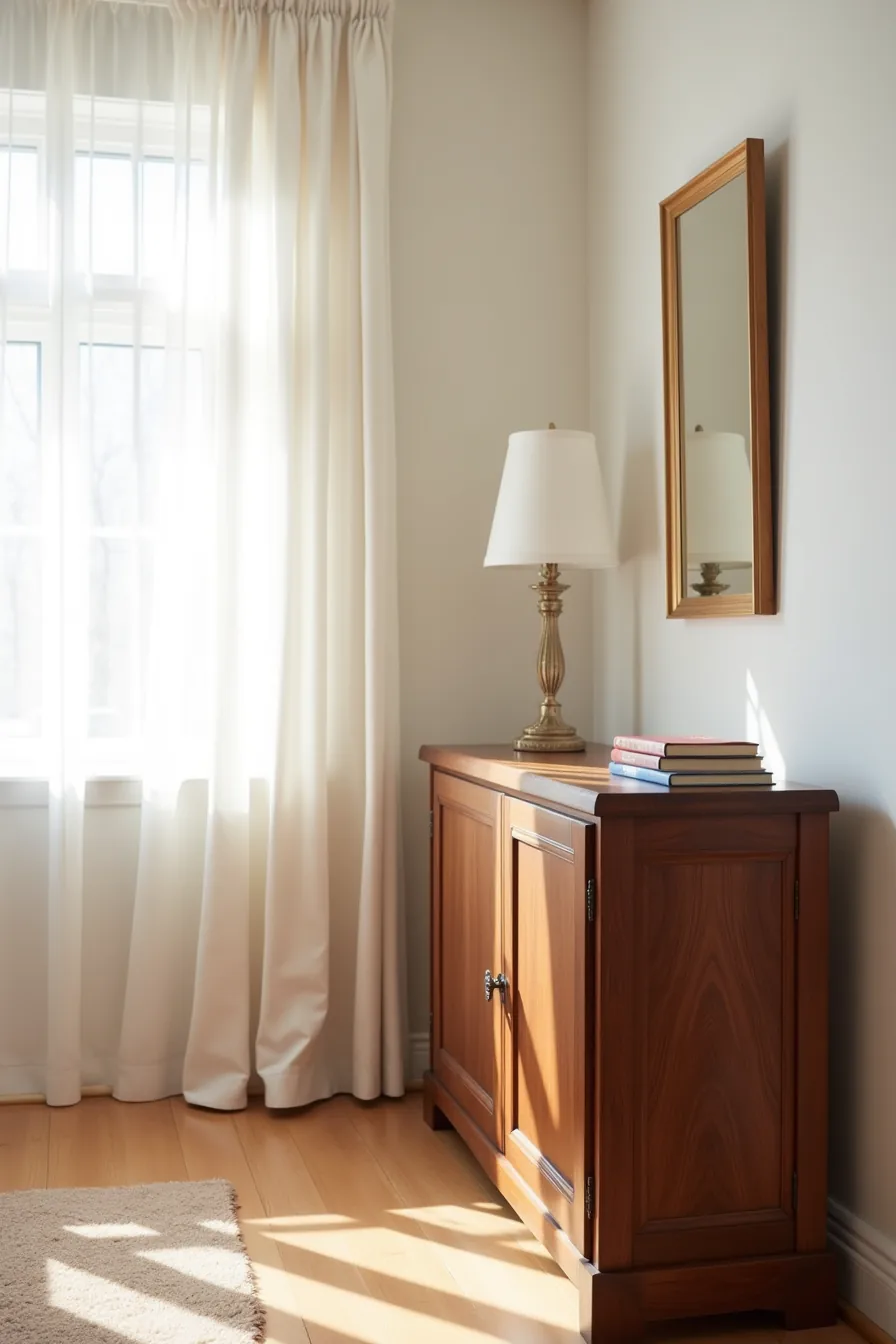
A commission from a local furniture maker starts around $1,200 for a simple oak console, climbing to $2,500–$4,000 once you specify solid walnut with dovetail joinery and hand-planed surfaces. That price buys you furniture-grade hardwood, walnut at 1,820 on the Janka hardness scale versus red oak’s 1,290, plus joinery that survives decades of opening and closing. Look for dovetail corners on the drawers and a wood movement joint where the top meets the cabinet; both signal a builder who understands how solid wood expands seasonally.
The maker’s mark on the underside matters more than the finish. It identifies who to call in five years if a drawer sags or a hinge loosens, and it confirms the piece wasn’t veneered particleboard dressed to look like solid stock. Expect a 6–12 week lead time from commission to delivery, and plan for the weight: a 60-inch walnut console runs 80–120 pounds, so it stays put without wall anchors in most homes.
This route suits buyers who want one piece that outlives three moves and who value repair over replacement.
Your Decision Checklist
Before you buy, measure your TV’s width and add 6–12 inches on each side for visual balance. Confirm the console’s depth against your viewing distance, you want roughly 1.5 to 2.5 times the screen diagonal between sofa and screen. Choose open shelving for media components that need airflow, and solid doors if you need to hide clutter.
Match the console’s height to your seated eye level, typically 24–30 inches for most living rooms. Prioritize solid wood over veneer if you expect daily use; walnut and oak age well with occasional oiling. For rentals, use removable adhesive felt pads under legs to protect floors, and skip wall-mounting unless you patch and repaint before moving out.
Your next step: grab a tape measure, write down your TV width and room dimensions, and filter your search results to consoles that fit within those numbers before you browse styles.
Frequently Asked Questions
What is the typical width and depth of a Mid Century Modern TV Console?
Most run 48–72 inches wide and 15–18 inches deep. Width should span at least two-thirds of your TV’s width; depth must clear your TV stand’s feet. Measure before buying.
Can a Mid Century Modern TV Console work in a rented apartment?
Yes, if you choose a freestanding model with tapered legs. Avoid wall-mounted units or those requiring drilling. Use peel-and-stick cable clips and furniture pads to protect floors.
Always confirm lease rules on heavy furniture.
How do I hide cables in a Mid Century Modern TV Console with open shelving?
Run cables along the back edge using adhesive cord clips, then bundle them with a fabric sleeve. Route them to a single outlet behind the console. For open shelves, use a cable box or tray placed behind the TV.
What wood finishes hold up best on a Mid Century Modern TV Console over 10 years?
Solid oak or walnut with a matte polyurethane or lacquer finish resists scratches and fading. Avoid open-pore veneers or oil-only finishes, they show water rings and require yearly reapplication. Keep it out of direct sunlight.