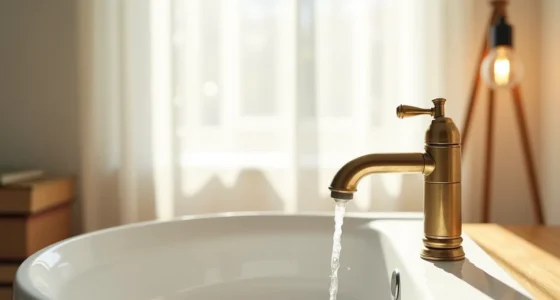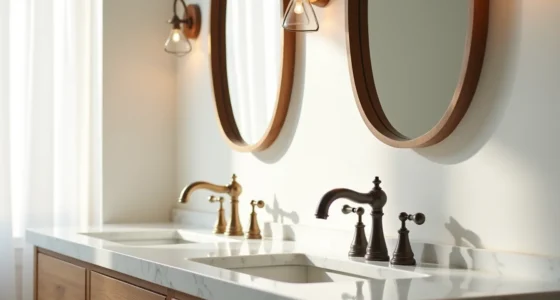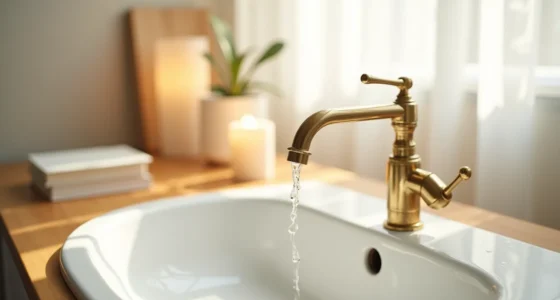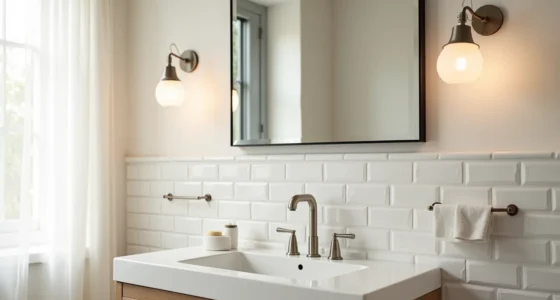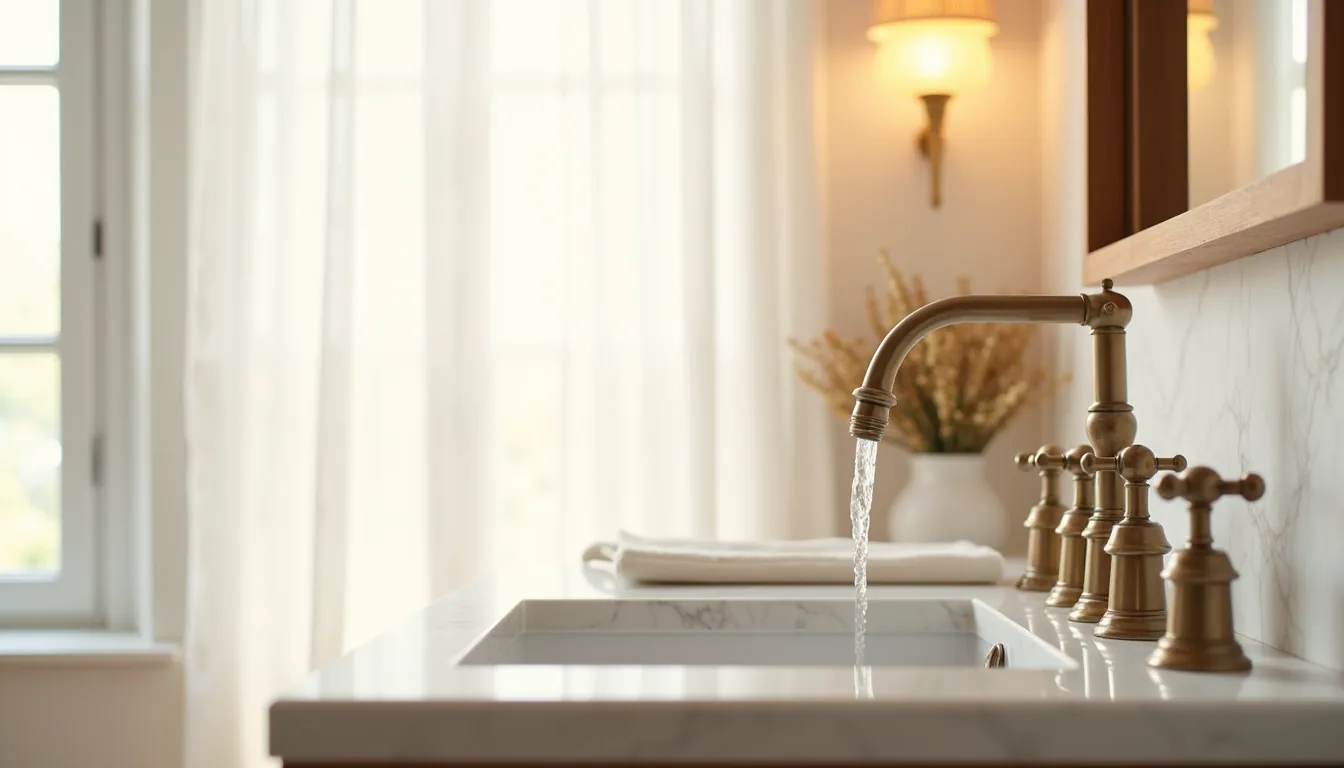
Brushed bronze bathroom fixtures replace the cold glare of chrome with a warm, low-sheen finish that hides fingerprints and pairs naturally with wood tones, stone, and matte black, yet choosing the right application depends on your budget, wall space, and whether you rent or own. The finish spans from a nearly flat, dark taupe to a subtly veined, antique-like patina, which means your faucet, shower head, and cabinet hardware must match in undertone, not just name. You can achieve the look for under $80 per fixture set, or invest $300-plus for a lifetime warranty, but the real differentiator is how you anchor the finish in your layout.
Six distinct applications follow, each with specific scale requirements, installation caveats, and maintenance routines, some of which will make you reconsider a full renovation.
Key takeaways
Brushed bronze pairs best with cool-toned marble or stone, so choose veined whites or soft grays to avoid a muddy, low-contrast look. Swap only the faucet and cabinet handles for brushed bronze, a $150–$400 range for most fixtures, to refresh a bathroom without replacing plumbing or tile. Choose brushed over polished brass if you want a muted, warm tone that hides water spots and fingerprints, especially in high-humidity showers. Scale fixture presence to room size, use a single bronze vanity faucet in small baths, but layer in a tub filler and shower set in larger spaces to keep the finish from feeling sparse.
Mixing Brushed Bronze with Marble and Stone
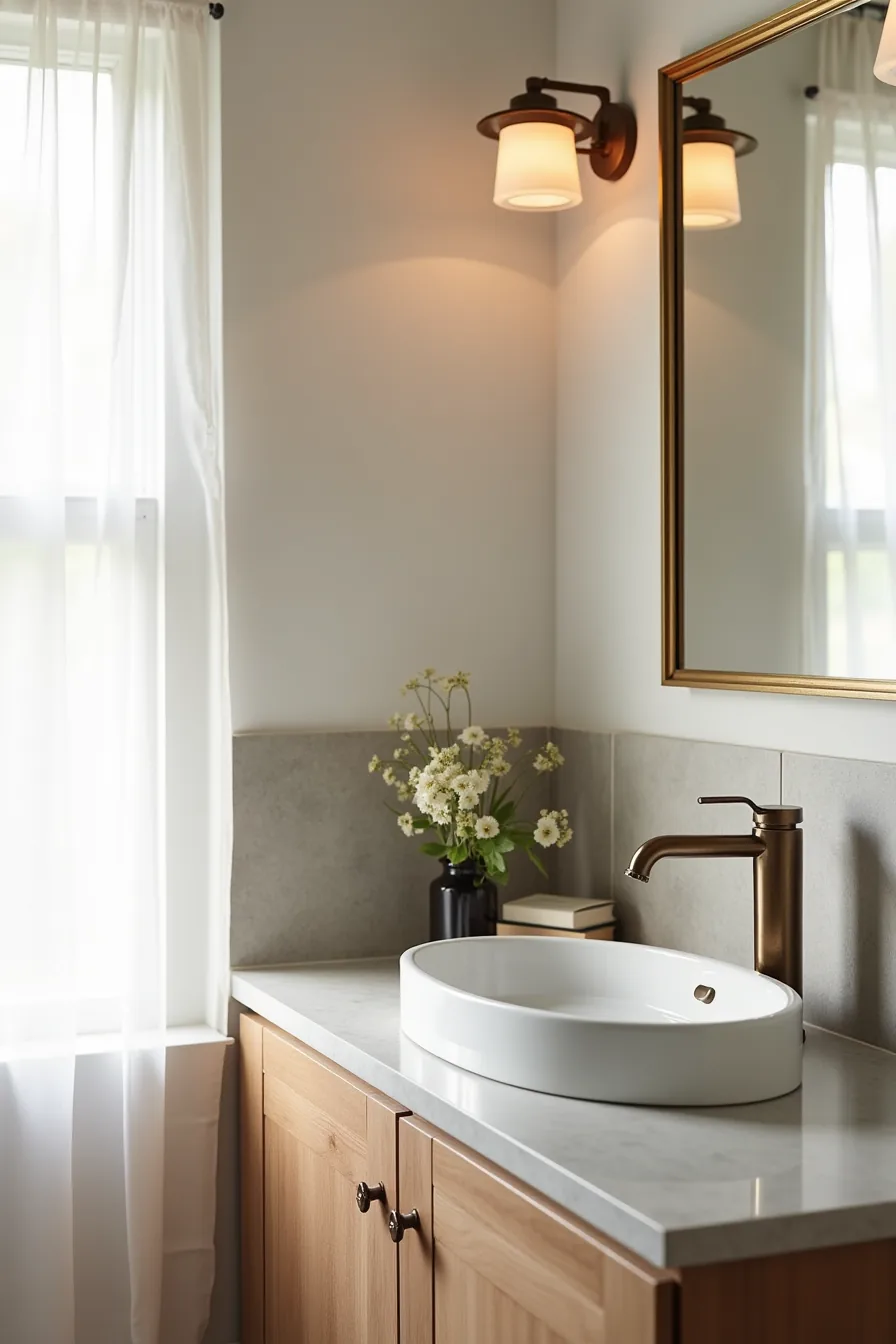
Pairing brushed bronze bathroom fixtures with natural stone grounds the space in earthy contrast rather than stark luxury. That matte metal finish absorbs light instead of bouncing it, which lets honed slate and limestone read as the primary texture. In the corner of a vanity setup, a brushed bronze towel bar against slate wall tile creates a quiet focal point without competing for attention, the low-sheen surface picks up warmth from window light while the stone stays cool and matte.
The brushed bronze soap dispenser on a light gray limestone countertop repeats the metal note at a functional scale, tying the wall and counter surfaces together. For small bathrooms, keep the stone to one accent zone, a single slate wall or limestone counter, and limit fixtures to three pieces. Larger rooms can carry full stone cladding, but the bronze needs to stay clustered within a 24-inch radius of the vanity to preserve visual connection.
Budget-Friendly Swaps: Faucets and Handles Only
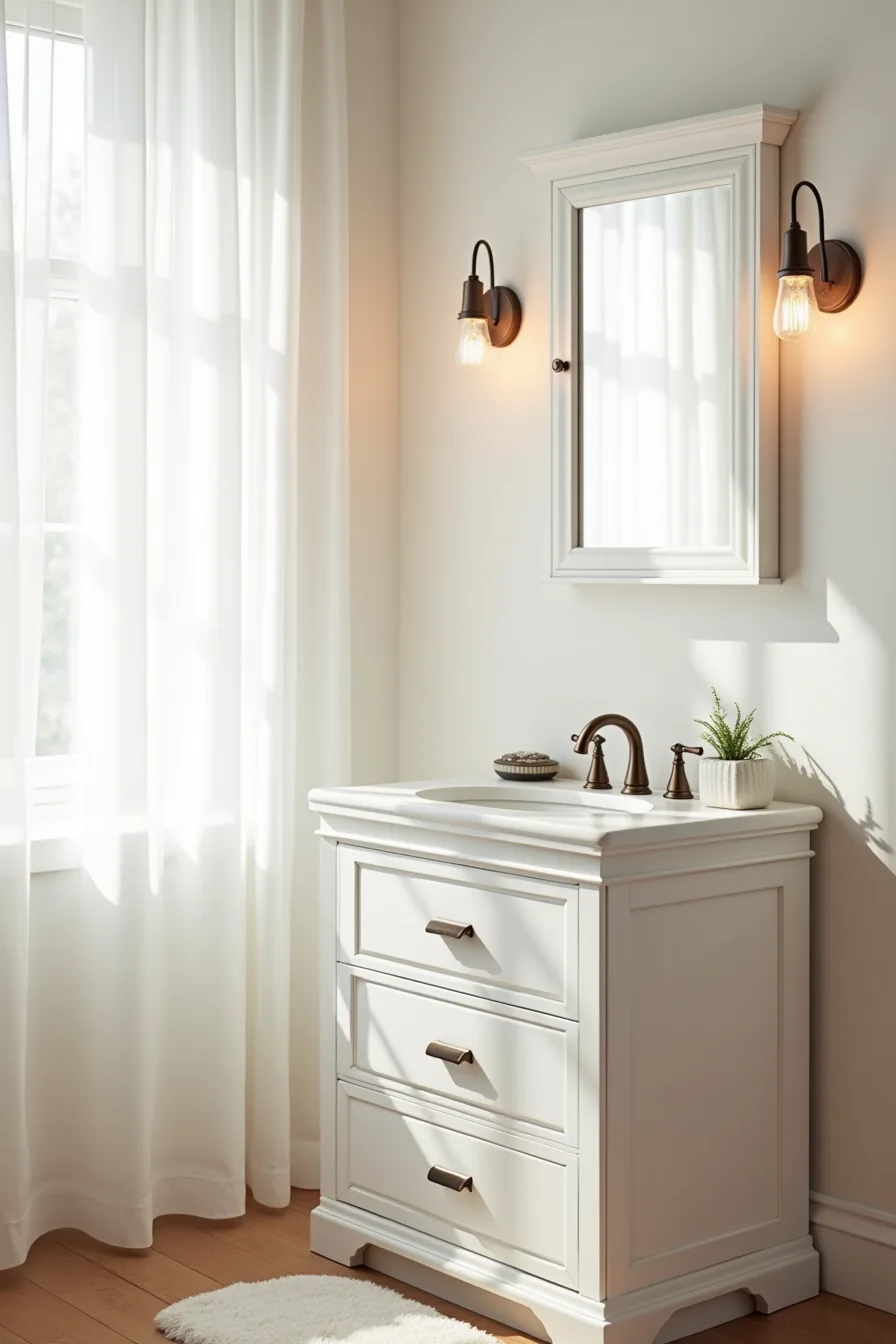
A full renovation isn’t the only path to brushed bronze bathroom fixtures. You can swap just the faucet and cabinet hardware, typically a weekend job costing a fraction of a remodel, and keep the existing vanity, countertop, and tile untouched. On a white painted wooden cabinet with three drawers, replacing standard knobs with brushed bronze cup pulls changes the visual weight instantly; the larger backplate covers old screw holes, so you won’t need to patch or repaint.
Pair those cup pulls with a brushed bronze faucet mounted on the same cabinet, and you’ve introduced the finish at two eye-level points. That repetition is what makes the look intentional rather than accidental. For renters, this route works if you keep the original hardware in a labeled bag and reinstall it before moving out, the swap takes under an hour per drawer.
Stick to faucets and pulls within the same brushed finish family; mixing polished and matte bronze in one small space reads as mismatched rather than curated.
Spa-Like Bathrooms with Brushed Bronze Fixtures for Calm Spaces
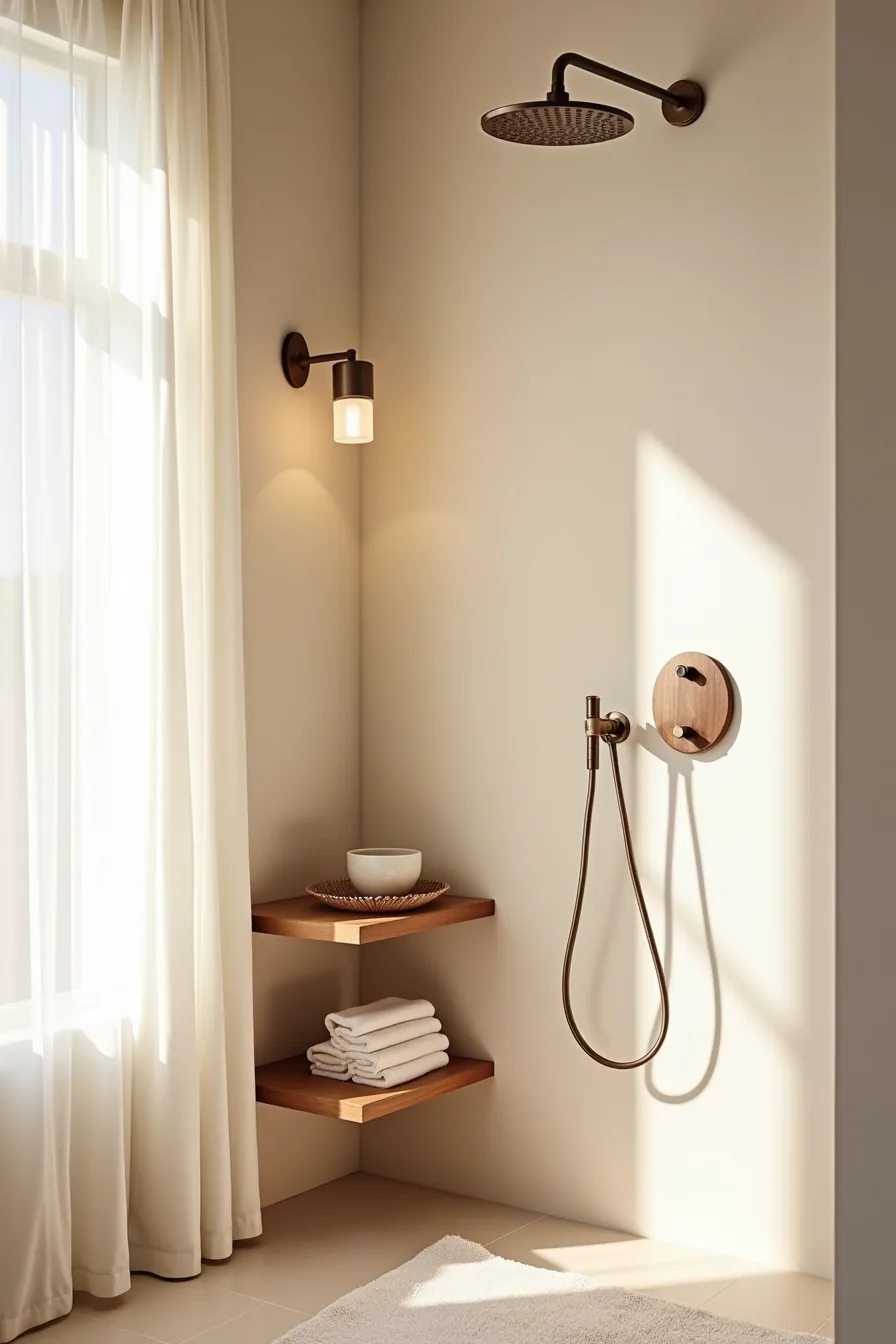
A brushed bronze rainfall showerhead mounted on a neutral beige wall anchors a spa aesthetic without demanding attention. The low-sheen finish absorbs warm light rather than reflecting it harshly, which is why it pairs naturally with soft, diffused illumination, aim for a single 2700K bulb or a dimmer switch rather than bright overhead fixtures. The matte texture also complements organic materials like teak wood, so a shelf holding rolled towels and a small ceramic vessel reinforces the retreat feel without introducing competing metallic tones.
This setup suits homeowners who want a daily ritual rather than a statement piece. The rainfall head delivers a wider, slower stream than a standard showerhead, which changes the sensory experience; you’ll trade water pressure for coverage, so confirm your water heater can sustain it. For a calm space, keep the palette to three muted hues, beige, wood, and ceramic white, and let the bronze act as the single accent.
The finish’s low reflectivity hides water spots better than polished chrome, meaning less wiping between deep cleans.
Bronze vs Brass: Why Brushed Bronze Works Better in Modern Spaces
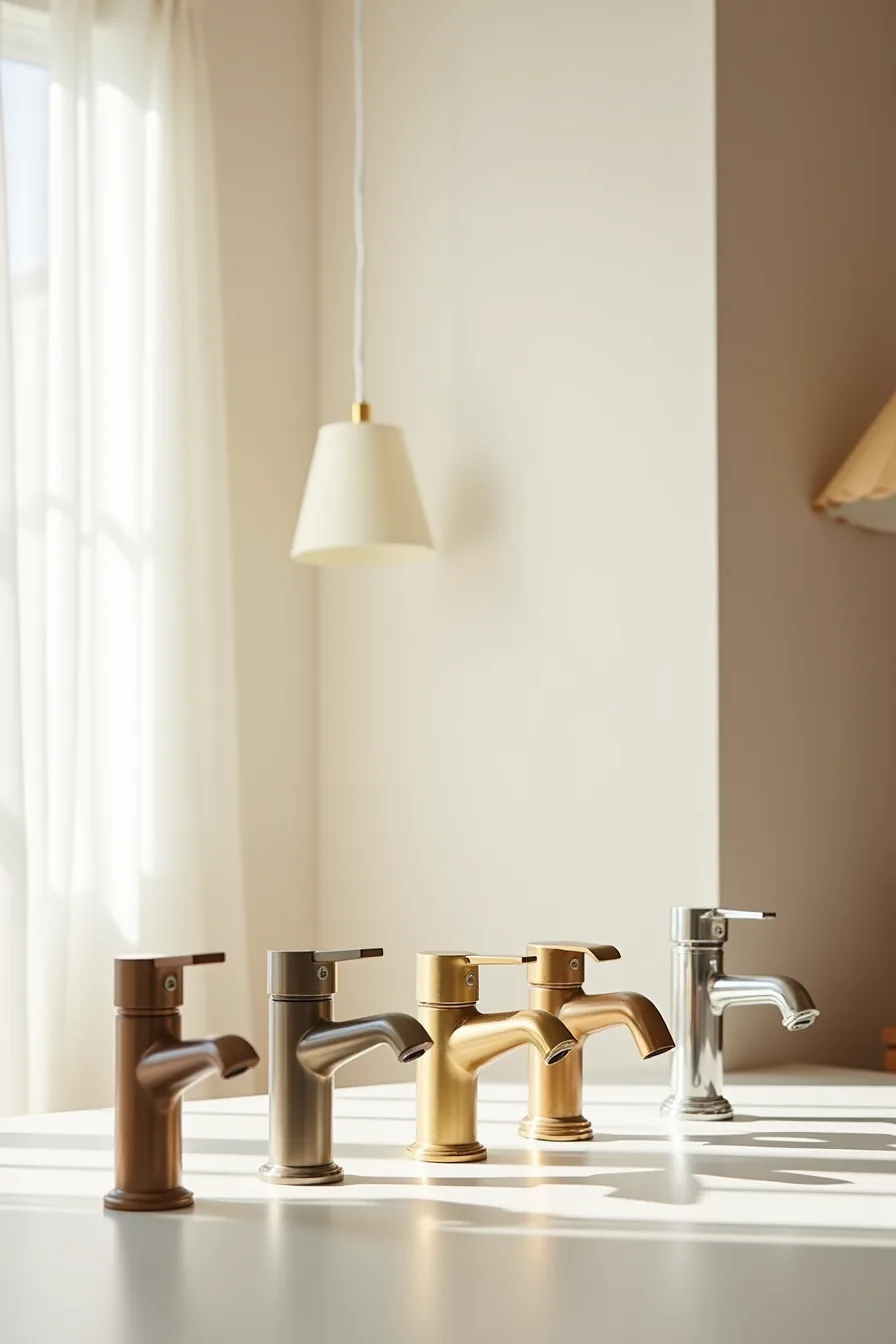
Set four faucets side by side, brushed bronze, polished brass, unlacquered brass, and chrome, and the differences become immediately practical, not just aesthetic. Polished brass delivers high shine that demands frequent buffing to avoid fingerprint smudges, while unlacquered brass develops a dark, uneven patina within months as it reacts to skin oils and humidity. Chrome stays bright but reads cool next to warm wood tones, which is why modern spaces often feel sterile with it.
Brushed bronze sits in the middle: the low-sheen metal catches light softly, hides water spots between cleanings, and evokes the warmth of brass without the upkeep.
This finish works best in transitional and contemporary bathrooms where you want depth without ornamentation. Polished brass suits traditional or maximalist rooms that embrace reflective accents, so don’t choose bronze if you’re chasing that gleam. For a modern space, the visual weight of brushed bronze provides a grounding element that chrome can’t match, you get a tactile, matte presence that complements matte tile and concrete rather than fighting them.
Scaling Brushed Bronze Fixtures Across Room Sizes
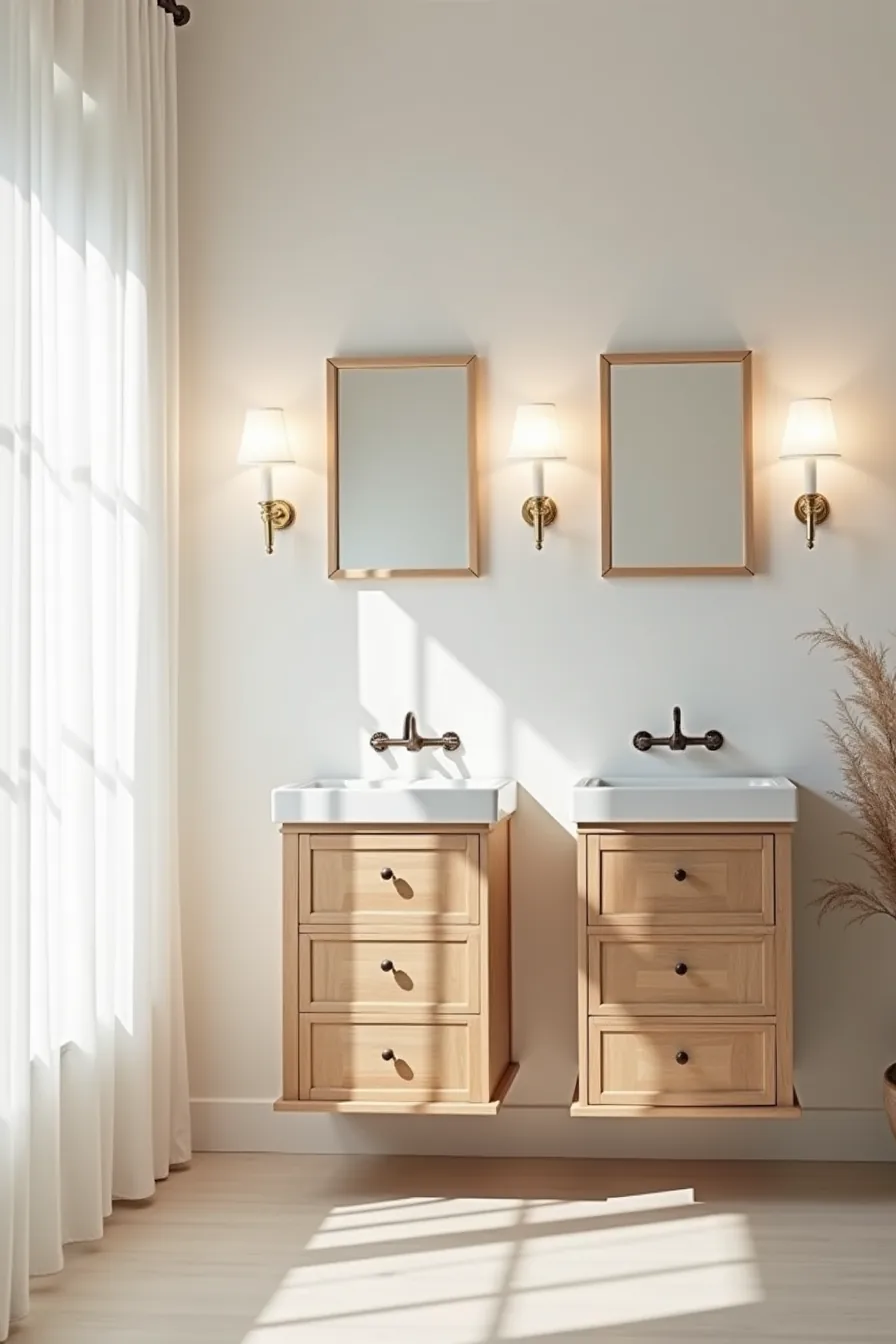
Scale dictates whether brushed bronze reads as an intentional accent or an overwhelming mass. On a narrow powder room vanity (24 inches), a single widespread faucet with a 6-8 inch spout reach is the maximum you should consider, anything larger crowds the basin and makes the room feel tighter than it’s. Pair it with one small towel ring or a compact sconce to keep the finish as a subtle anchor rather than the dominant surface.
A standard bathroom vanity at 36 inches benefits from dual faucets spaced 8-10 inches apart, which visually balances the wider countertop and reduces the dead zone in the middle. This configuration suits shared bathrooms where two people may brush teeth simultaneously, so install them at least 4 inches from the backsplash to prevent splashing onto the wall. For a large master vanity (48 inches or wider), dual faucets remain the rule, but you can add matching brushed bronze accessories, a soap dispenser, a tissue box cover, or robe hooks on a nearby wall, to distribute the finish evenly across the room.
Keep the total number of bronze pieces to five or fewer in any single sightline; beyond that, the metal stops feeling curated and starts feeling heavy.
Maintenance and Long-Term Care of Low-Sheen Metal
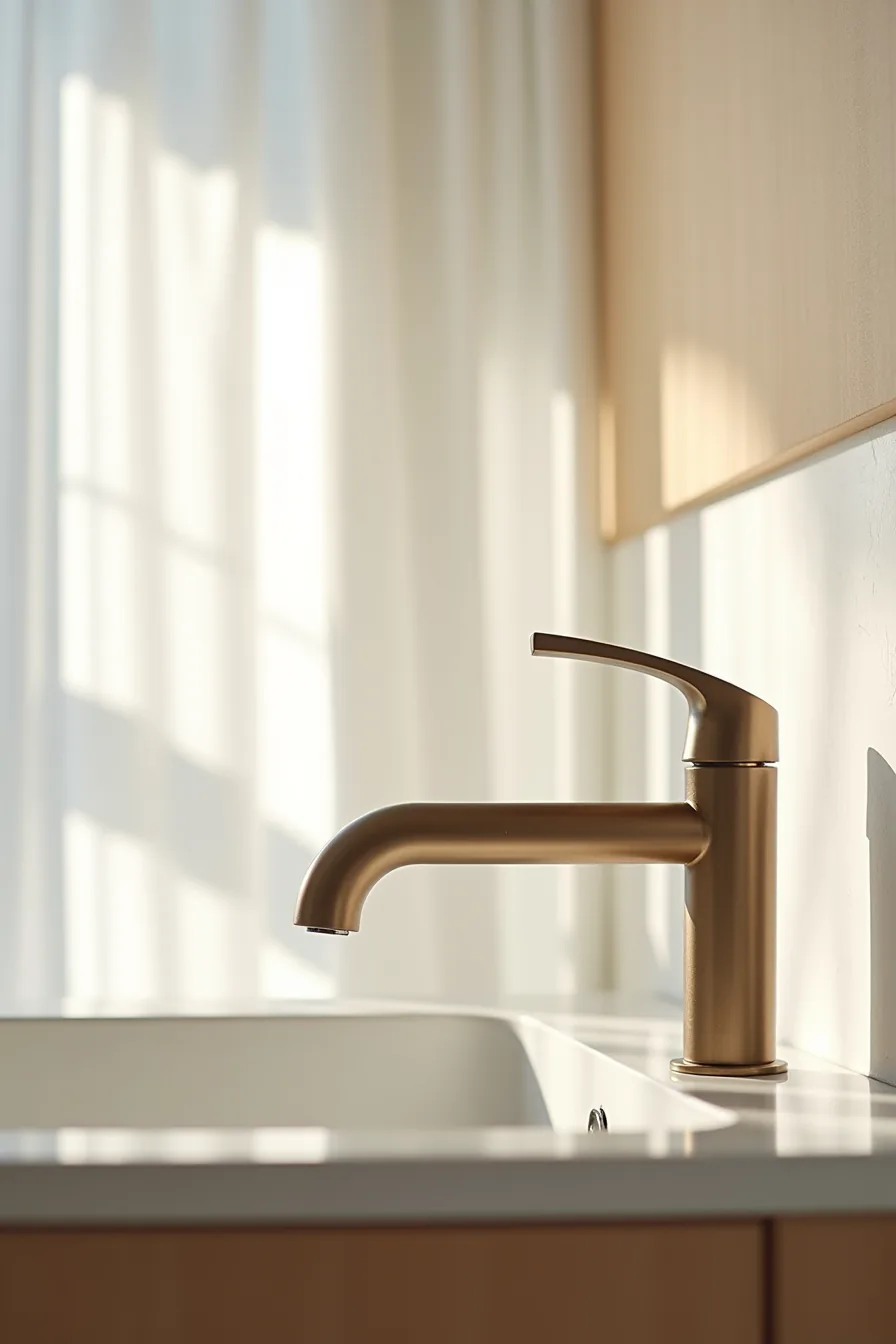
Brushed bronze’s matte surface hides fingerprints better than polished chrome, but it exposes water spots and mineral deposits just as quickly when hard water evaporates on the metal. The 45-degree angle in the example reveals how calcium buildup collects in the brushed grain, those white streaks are more visible on this finish than on glossy alternatives because the texture catches light unevenly.
Wipe the faucet handle dry after every shower or bath session; a two-second pass with a microfiber cloth prevents most spotting entirely. For existing mineral deposits, use a 1:1 white vinegar and water solution on a soft cloth, rinse with plain water, and dry immediately, avoid abrasive pads or acidic cleaners containing hydrochloric acid, which will strip the protective lacquer.
Most brushed bronze fixtures carry a lacquer topcoat that lasts 5-10 years under normal use, but bathroom humidity shortens that lifespan. When you notice the finish darkening unevenly or water no longer beading on the surface, that’s the lacquer failing, not the metal itself. A polishing cloth designed for living finishes (not standard metal polish) restores the matte appearance temporarily, but full refinishing requires removing the fixture and reapplying lacquer, a job best left to a professional plumber or finisher.
Budget for this every 8-12 years if you choose this finish for high-traffic bathrooms.
Your Decision Checklist
Before you buy, confirm the undertone: brushed bronze leans warm, so pair it with cream, olive, or soft white walls, not cool gray. Match the finish across all exposed metal, including the showerhead and towel bar, within a 3-5 year replacement window.
What to do first: Order a single faucet and a matching accessory, install them, and live with the look for two weeks. If the warmth still feels right, commit to the full set. If not, you’ve spent under $150 to learn what your bathroom actually needs.
Frequently Asked Questions
What is the difference between brushed bronze and brushed brass bathroom fixtures?
Brushed bronze has a dark, brownish undertone with warm copper hints; brushed brass leans yellow-gold. Bronze reads moodier and traditional, while brass feels brighter and more contemporary. Both have a matte, low-shine finish.
Can you use brushed bronze fixtures in a small bathroom without making it feel cramped?
Yes. Choose compact fixtures like a single-handle faucet and a small shower head. Pair bronze with light wall colors and large mirrors to maintain openness.
Avoid oversized, ornate pieces that dominate the space.
How often do brushed bronze fixtures need to be cleaned or refinished?
Clean weekly with mild soap and water; avoid abrasive cleaners. Reapply a clear lacquer or protective coating every 2–3 years if the finish starts dulling. Refinishing is rarely needed unless scratched or chipped.
Are brushed bronze bathroom fixtures suitable for rental apartments?
Yes, if you use renter-friendly options like faucet covers or showerhead replacements that swap out easily. Stick to finishes that match existing hardware. Keep original fixtures stored safely to restore before moving out.