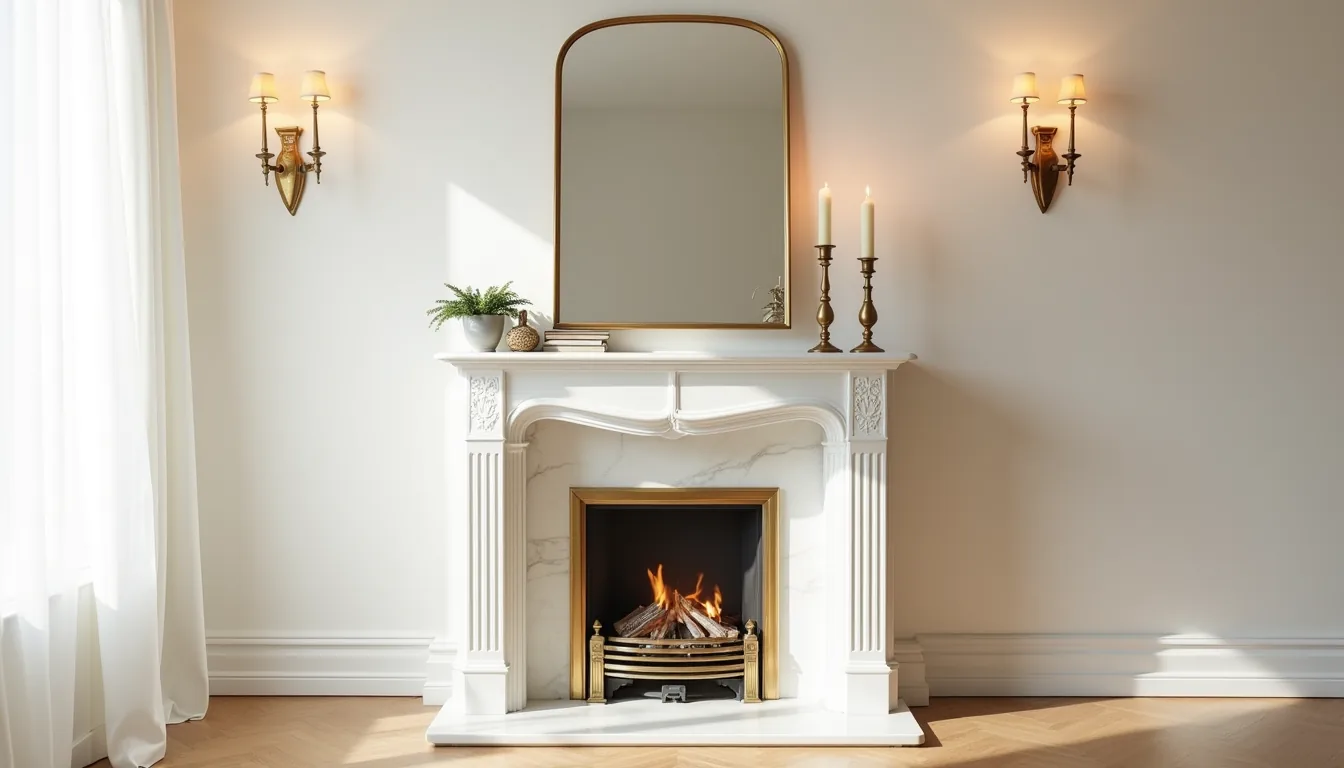
A living room mantle decor plan fails when it ignores the mantel’s physical constraints, the room’s sightlines, and how you actually use the fireplace, so before buying anything, measure the shelf depth, the firebox clearance, and the distance from the floor to the mantel’s underside, because those three numbers dictate every scale and placement decision that follows. Once you’ve those figures, you can filter every stylistic option through a practical lens: what fits, what clears the heat, and what won’t block your view of the TV or conversation area. The six approaches below range from a $40 thrift-store refresh to a built-in carpenter’s commission, each with specific dimensions, maintenance realities, and the type of room it suits best, so you can match the look to your actual constraints rather than a Pinterest fantasy.
Key takeaways
Choose your focal point by testing a large mirror against a single oversized artwork, since mirrors double perceived depth while art adds color and personality. Balance scale first by keeping any single mantle item within one-third to two-thirds of the mantle’s total width, then layer from there. Rotate on a schedule tied to four seasonal dates (e.g., equinoxes and solstices) to prevent clutter and keep swaps predictable. Match your route to your lease or budget: use peel-and-stick hooks and removable tape for rentals, thrifted finds for under $50, and a custom wood shelf for a long-term upgrade.
Mirror vs Artwork: Choosing the Right Focal Point
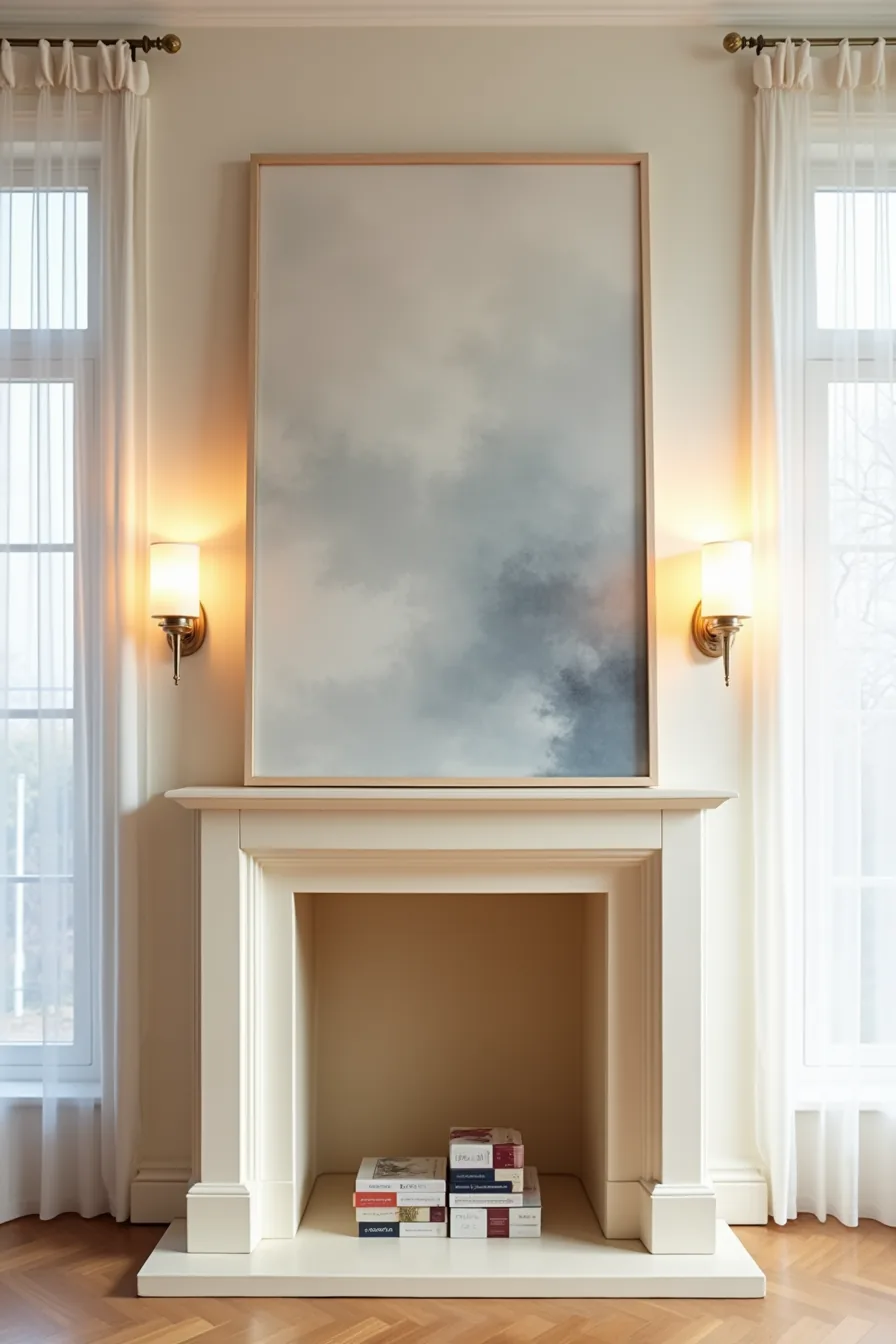
Your first decision comes down to what your room lacks. A large unframed abstract painting in muted blues and grays anchors the eye with color and texture, making it the right choice if your living room has plenty of natural light but neutral walls that need a pigment boost. Artwork requires zero daily maintenance, but you’ll want to dust the canvas monthly and keep it out of direct sunlight to prevent fading over several years.
A beveled-edge mirror, by contrast, doubles the perceived square footage by bouncing existing light across the room. It suits smaller, darker living rooms where a painting would absorb what little illumination you’ve. The trade-off: mirrors show every smudge and require weekly glass cleaner, and the beveled edge demands careful handling during cleaning to avoid chipping.
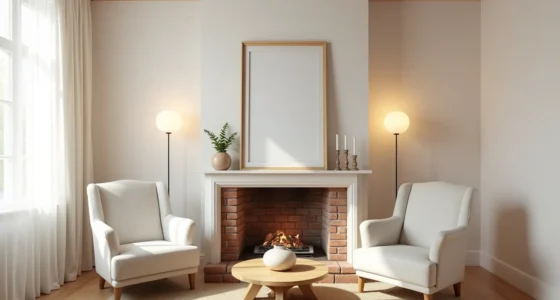
If your fireplace surround is cream-colored like this one, either option works, but let your ambient light levels and your tolerance for streak-free upkeep make the final call.
Minimal vs Layered Styling: Finding Your Balance
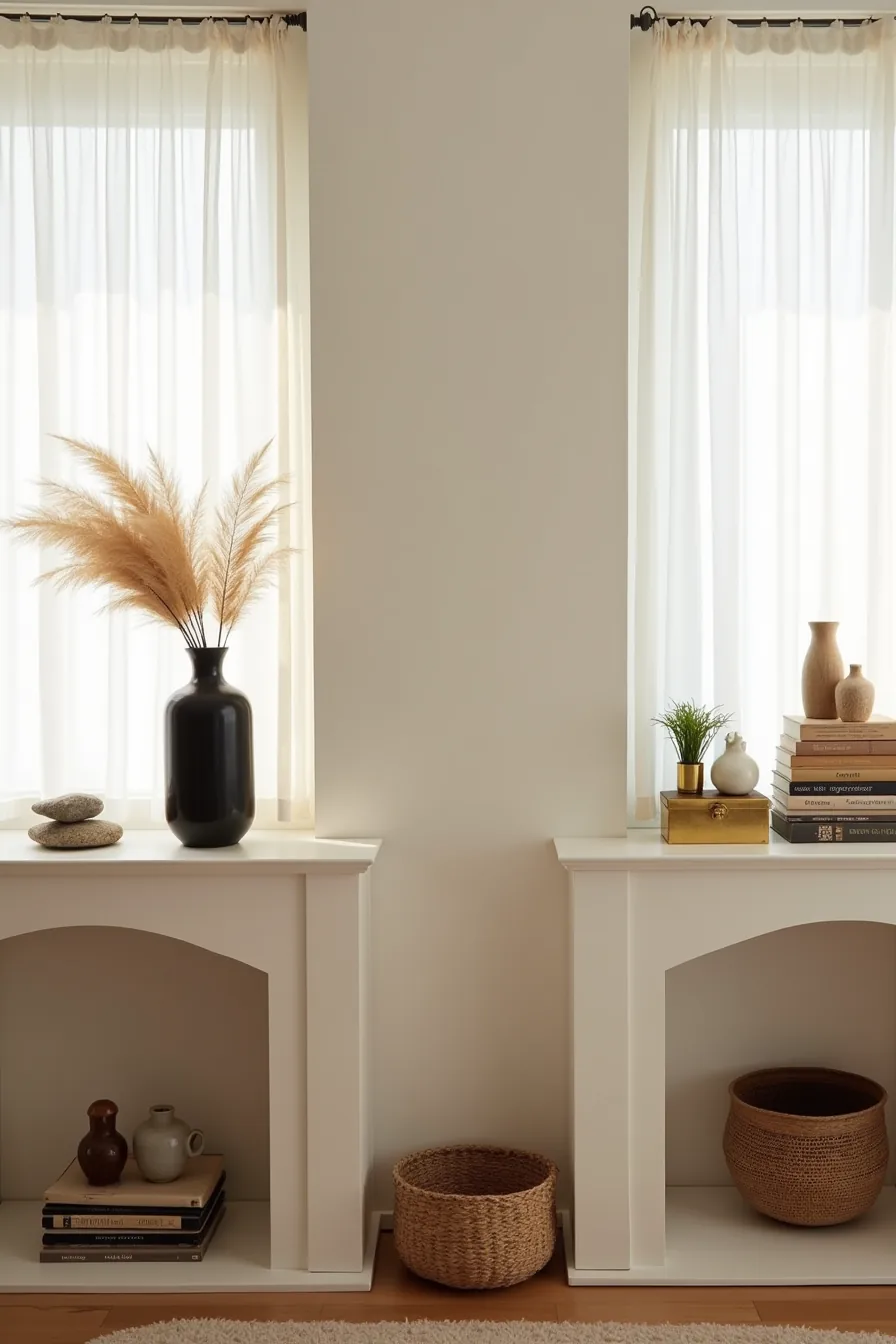
A single tall black vase with dried pampas grass flanked by one stone sculpture creates a minimal mantle that works best in rooms with busy furniture patterns or open shelving nearby. This approach requires only two objects, so each must earn its place through contrasting heights and textures, the vase gives verticality while the sculpture grounds the composition visually. You can replicate this look with any two pieces that differ in scale by at least 8-10 inches, and you’ll spend under five minutes styling it each week.
The layered alternative suits collectors and those with larger mantles, where grouped brass boxes, stacked books, ceramic vessels, a woven basket, and small plants build a cohesive narrative through repetition of metallic and earthy tones. Arrange the tallest items at the outer thirds, then stagger shorter pieces toward the center to avoid a uniform shelf-line. This setup demands more maintenance: dust each object individually every two weeks, and rotate the plants to a windowsill for watering so moisture never sits against the stone surface.
If your fireplace sees frequent use, keep the woven basket at least 12 inches from the opening to prevent heat damage.
Seasonal Mantle Swap: Rotating Decor Without Clutter
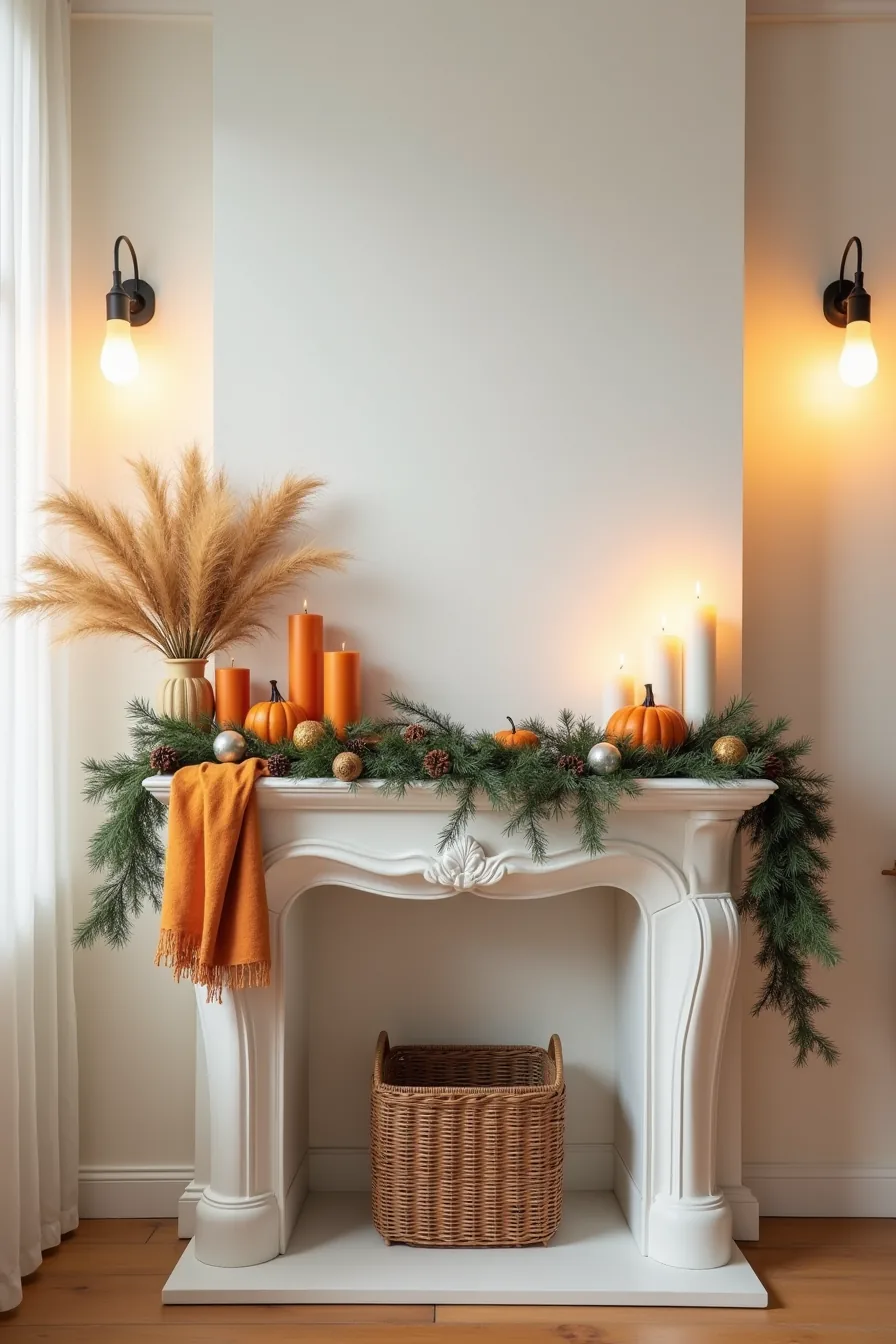
A seasonal mantle swap works best when you store everything in one dedicated container, a lidded basket or plastic bin kept within arm’s reach, like the one visible at the base of this display. The transition shown here moves from autumn’s orange candles, dried corn bundle, and rust-toned fabric drape to winter’s white pillar candles, evergreen garland, and silver ornaments. You never dismantle the entire setup; instead, you swap roughly half the pieces at a time so the mantle always looks intentional, even mid-change.
Plan two swap dates per year, early October and late November, and limit each rotation to items that fit within a single 12- to 18-gallon bin. For rental spaces or small apartments, choose seasonal accents that store flat, such as fabric drapes and garlands, rather than bulky ceramics that demand shelf space year-round. Anchor each season with one consistent element, candle holders or a vase, so the mantle reads as a cohesive design evolution, not a complete reinvention.
Expect the full swap to take 15–20 minutes, including dusting the surface while it’s empty.
Scaling Living Room Mantle Decor to Your Space
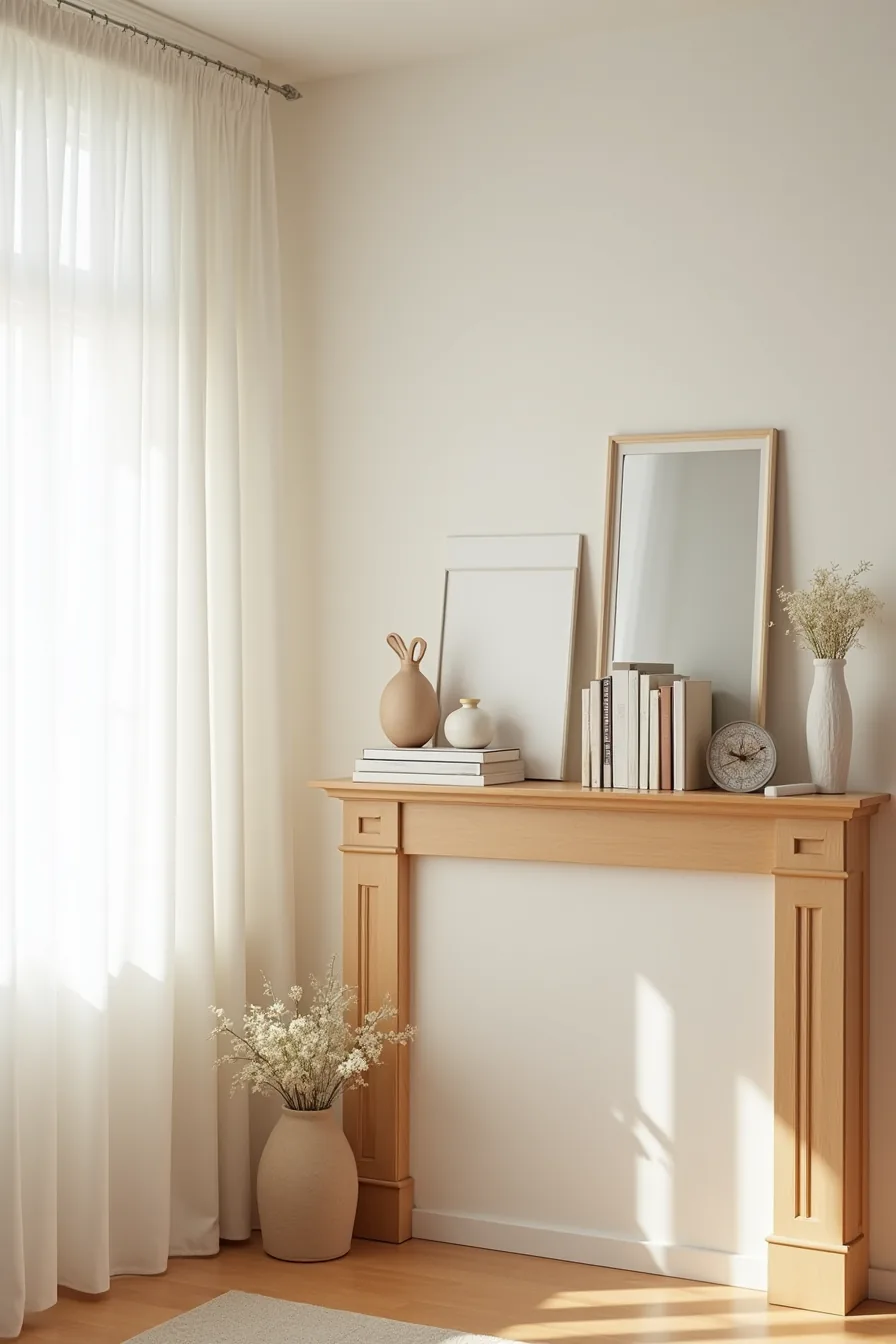
The width of your fireplace opening dictates your starting point. For a narrow apartment mantle under 48 inches, limit yourself to two small objects plus a tall mirror, the mirror adds vertical drama without demanding floor space. A standard 48- to 60-inch mantle comfortably holds five mixed objects: anchor with a central piece reaching 60-70% of the mantle’s height, then flank it with pairs in varied heights and materials.
Expansive mantles over 60 inches reward ambition. Eight objects with varied heights, candlesticks, ceramics, stacked books, and a landscape painting leaning at the back, fill the space without looking sparse. Group objects in odd numbers, and leave at least 2-3 inches of breathing room between pieces; a gap smaller than that reads as clutter, while gaps larger than 6 inches create awkward voids.
Scale your art or mirror to roughly one-third of the mantle’s width, and always step back from 8-10 feet to check the composition before committing.
Budget, Rental, and Investment Routes
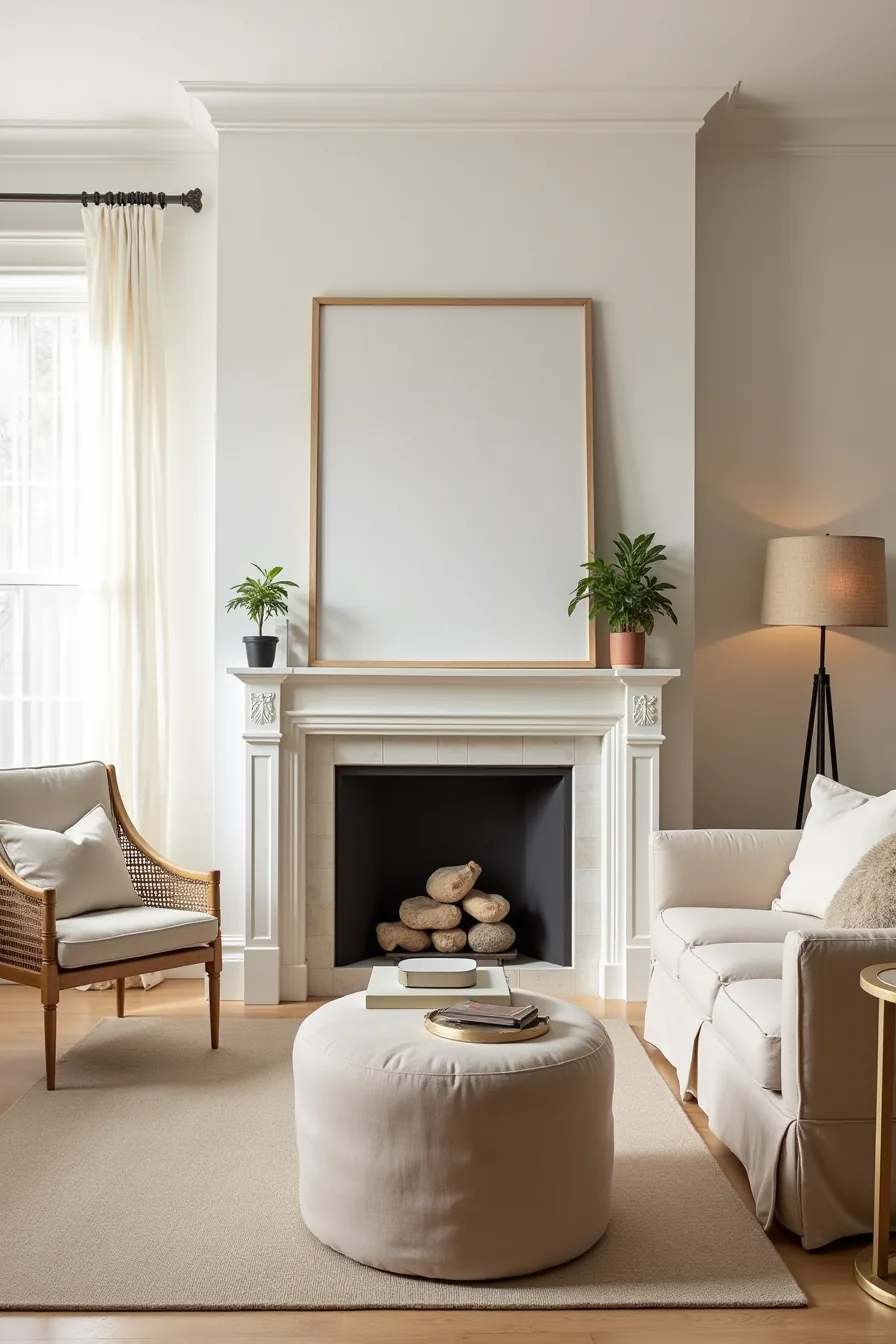
Your first path costs under $60 and leaves zero damage. Press adhesive strips onto the mantle surface, then hang framed prints directly on them, no nails required. A fabric backdrop draped behind the strips adds texture and color without drilling a single hole, and you can pull everything down in under five minutes when your lease ends.
The renter-friendly route skips wall attachment entirely. Freestanding plants in ceramic pots, vintage brass candlesticks, and stacked hardcover books create a full composition that lives entirely on the mantle surface. You lose the vertical drama of wall art, but you gain the freedom to rearrange weekly and move everything to a new apartment without patching holes.
The investment route asks for permanence and pays back in daily presence. Built-in shelving flanking a marble surround anchors the fireplace as the room’s architectural centerpiece, while a heirloom sculpture, bronze or carved stone, serves as the focal point you never rotate out. Budget $800-$3,000 for the shelving and surround refinish, plus $200-$1,500 for a sculpture that holds its value; this route suits homeowners who plan to stay five-plus years and want the mantle to feel inevitable rather than arranged.
Give Your Mantle a Quick Everyday Styling Reset
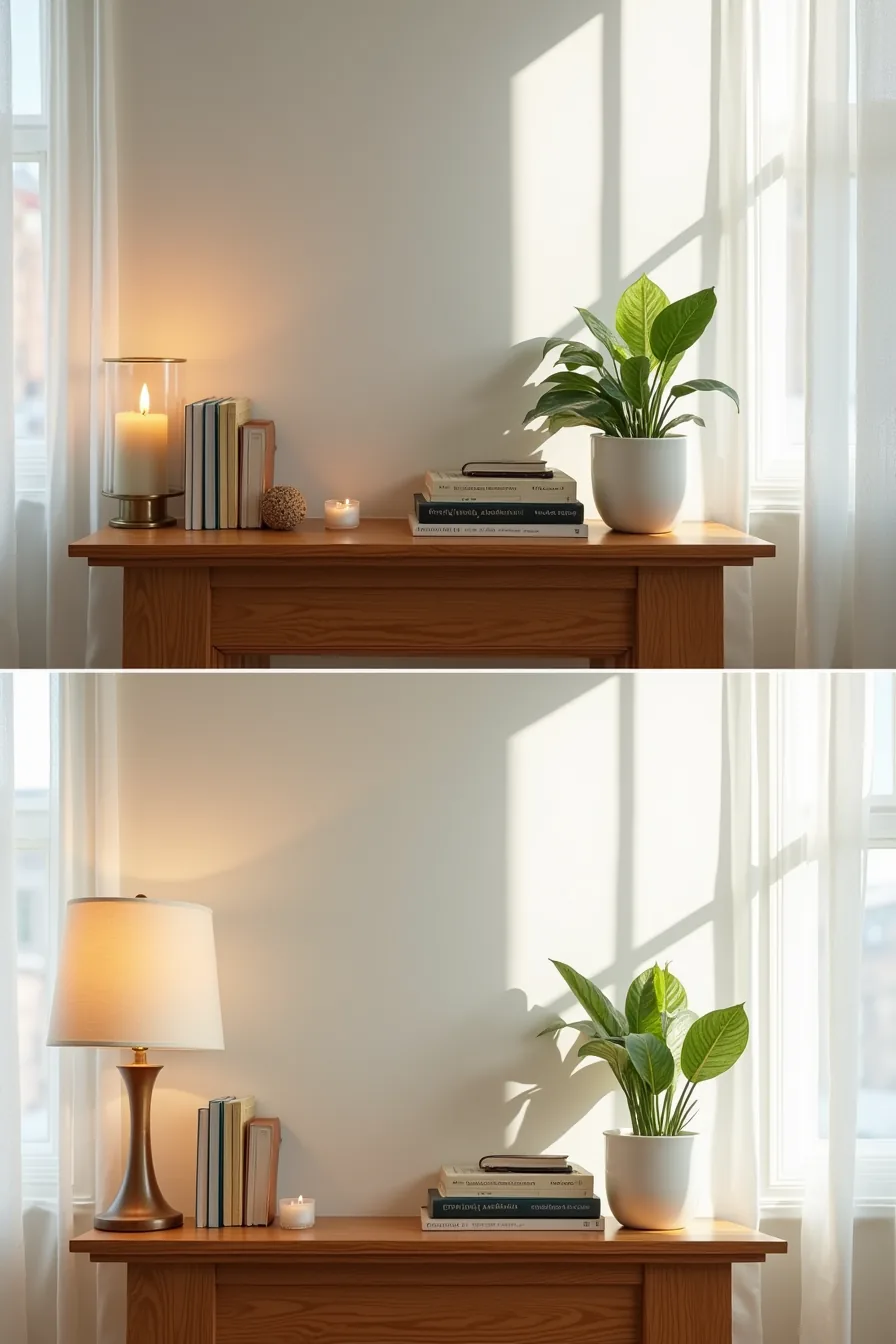
You can refresh a tired display in under 15 minutes by repositioning what you already own, not buying new pieces. Start by pulling every item off the mantle and wiping the surface clean, dust and soot accumulate fast near a working fireplace, often within a week of regular use. Group your ceramic objects by height, then place the tallest at the back corner and step shorter pieces forward in a staggered line rather than a straight row.
Swap the burned-out candle for a fresh one and light it immediately; the flame draws the eye upward and adds a living element that no static arrangement can match. Move your accent plant closer to the front edge of the mantle, about 3-4 inches from the lip, so its leaves overlap the stone surface slightly and break up the vertical line of the objects behind it. Realign everything so each piece touches or nearly touches its neighbor, creating a single connected cluster instead of scattered items with gaps between them.
This technique works best on mantles 48-60 inches wide, where a tight grouping keeps the composition from feeling sparse.
What to do first
Stand back and measure your mantel’s width, depth, and height from the hearth. Write those numbers down, they dictate every scale decision, from the largest art piece to the smallest vase. Then clear the surface entirely.
Your first move isn’t buying decor; it’s arranging what you already own. Gather three objects of varying heights, one flat piece, and one organic element like a branch or bowl of fruit. Arrange them asymmetrically, step back, and adjust until the composition feels balanced but not mirrored.
Once that works, you’ll know exactly what gaps remain, and whether you need to spend anything at all.
Frequently Asked Questions
How do I know if my mantle is too small or too large for decor?
Measure your mantle’s usable depth and width. Decor should occupy 50–75% of the width and leave at least 2 inches of clear edge on each side. Oversized pieces shouldn’t overhang the front edge.
Can I use living room mantle decor in a rental without damaging the wall?
Yes. Use freestanding objects, adhesive strips rated for your wall type, or leaning frames. Avoid drilling by choosing a mantel shelf that sits on existing brackets or using tension rods for hanging lightweight decor.
How often should I change my mantle display seasonally?
Refresh the focal piece every 6–8 weeks, or align with major holidays. Swap small accents monthly if you enjoy variety. Full redesigns are unnecessary, changing one or two items keeps the look current without extra effort.
What’s the best way to prevent mantle decor from looking cluttered?
Limit yourself to three to five objects, varying heights and textures. Group items in odd numbers, leave negative space between clusters, and remove anything that doesn’t serve a visual or functional purpose. Edit ruthlessly before adding.