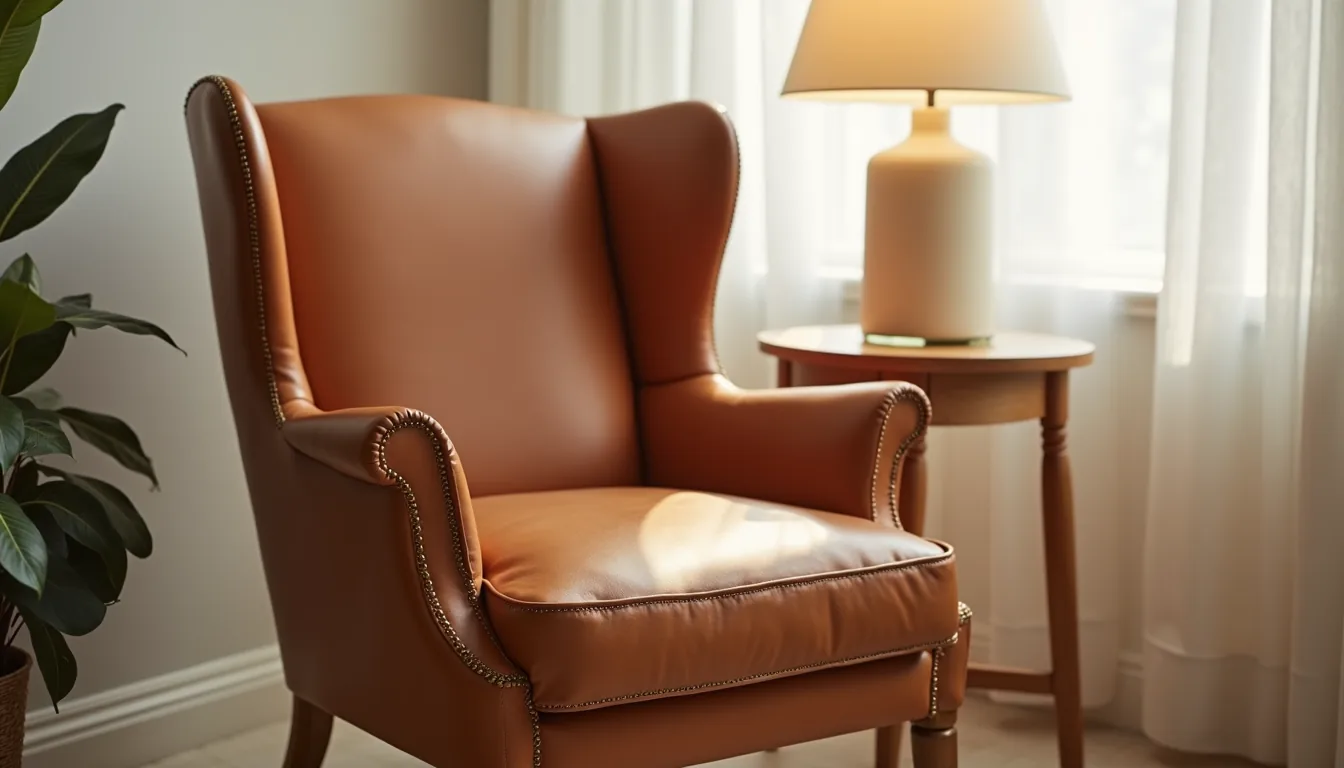
Luxury chair design isn’t a single look but a set of material, proportion, and placement decisions that turn a seat into the focal point of a room. It spans sculptural bouclé statement pieces for small apartments, tufted leather wingbacks for formal studies, and hand-finished oak lounge chairs for large open-plan spaces. The real work is matching the chair’s footprint, arm height, and upholstery durability to your actual traffic flow and cleaning habits.
You’ll learn which investments hold value, which rentals allow temporary upgrades, and how to measure a doorway before you fall for a silhouette.
Key takeaways
- Leather, velvet, and wood each define luxury differently, leather rewards patina and durability (full-grain runs $400–$1,200 for a chair), velvet suits low-traffic corners but needs professional cleaning twice yearly, and solid wood frames outlast plywood by decades if you check for dovetail joints.
- Sculptural silhouettes only work when you leave 24–30 inches of clearance on all sides; in a small room, choose one bold curve (like a swivel lounge) instead of a multi-armed statement piece that blocks circulation.
- For a renter-friendly luxury route, skip built-ins and anchor a velvet occasional chair with a washable slipcover, it costs $150–$400, installs in minutes, and removes without leaving marks, while a long-term investment in a hand-tufted leather wingback ($800–$2,500) requires annual conditioning and a dry, indirect-light spot.
- Get the fit right by measuring door widths first, most standard interior doors are 30–32 inches, so a chair’s widest point must be under 28 inches or you’ll need to disassemble it, and pair a low-backed chair (under 32 inches) with a tall window to avoid blocking light.
Material-Driven Luxury: Why Leather, Velvet, and Wood Matter
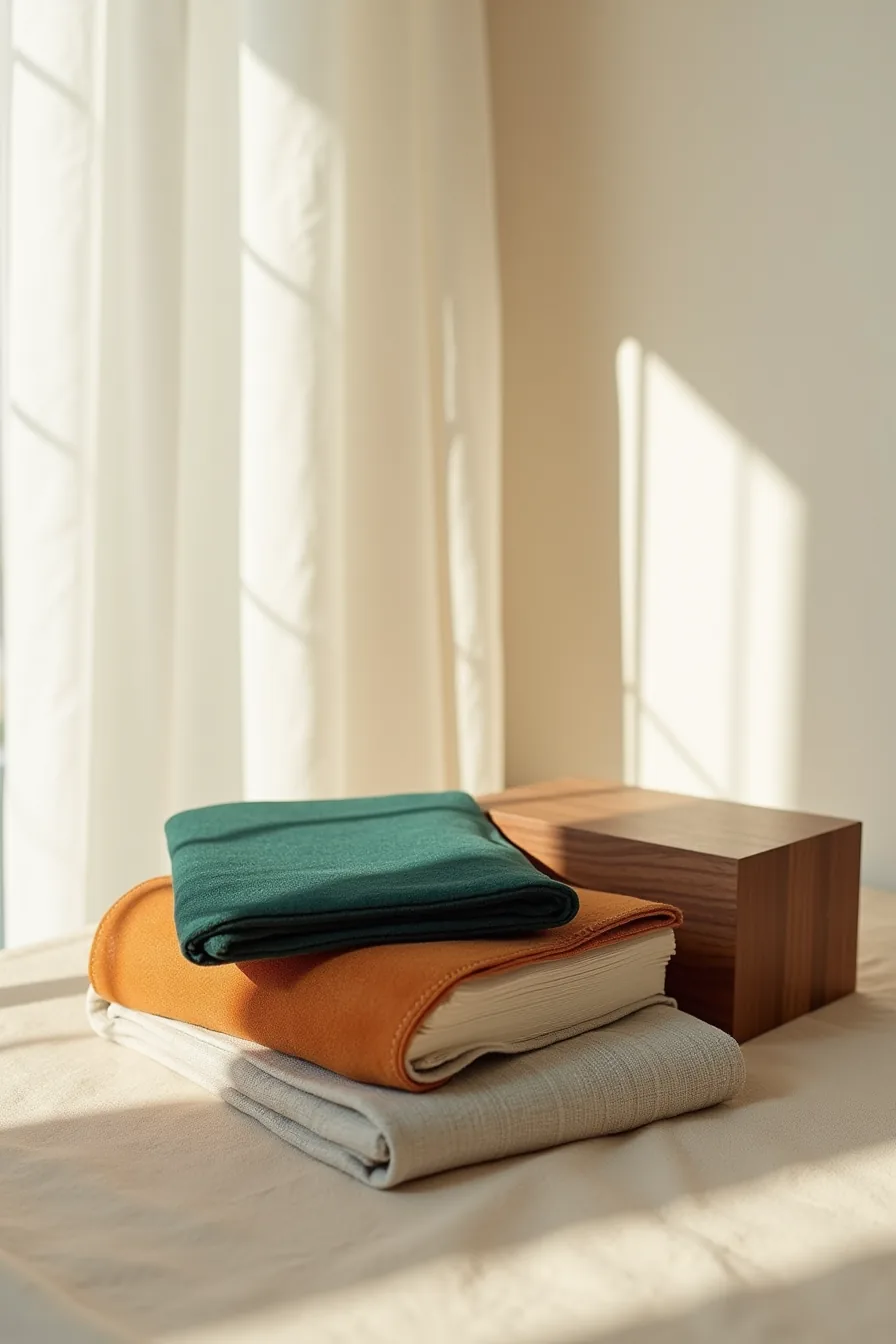
Material-driven luxury starts with tactile honesty: cognac leather that shows its grain, deep emerald velvet with a visible nap, and polished walnut that rewards a closer look. These three swatches represent the fastest way to signal quality without relying on ornamentation. Full-grain leather develops a patina over years of use, making it ideal for a high-traffic living room where a chair will actually be sat in daily.
Expect to condition it twice a year and keep it away from direct sunlight to prevent fading.
Velvet delivers visual depth and softness but demands more care, brush it weekly with a soft-bristle brush and avoid placing it in dining areas where spills are likely. Walnut offers structural warmth; it works beautifully as chair legs or armrests in a study, requiring only occasional oiling. For maintenance trade-offs, leather suits families, velvet suits low-traffic bedrooms, and walnut suits anyone who wants a piece that outlasts trends.
Sculptural Silhouette: Making Statement Shapes Work in Your Space
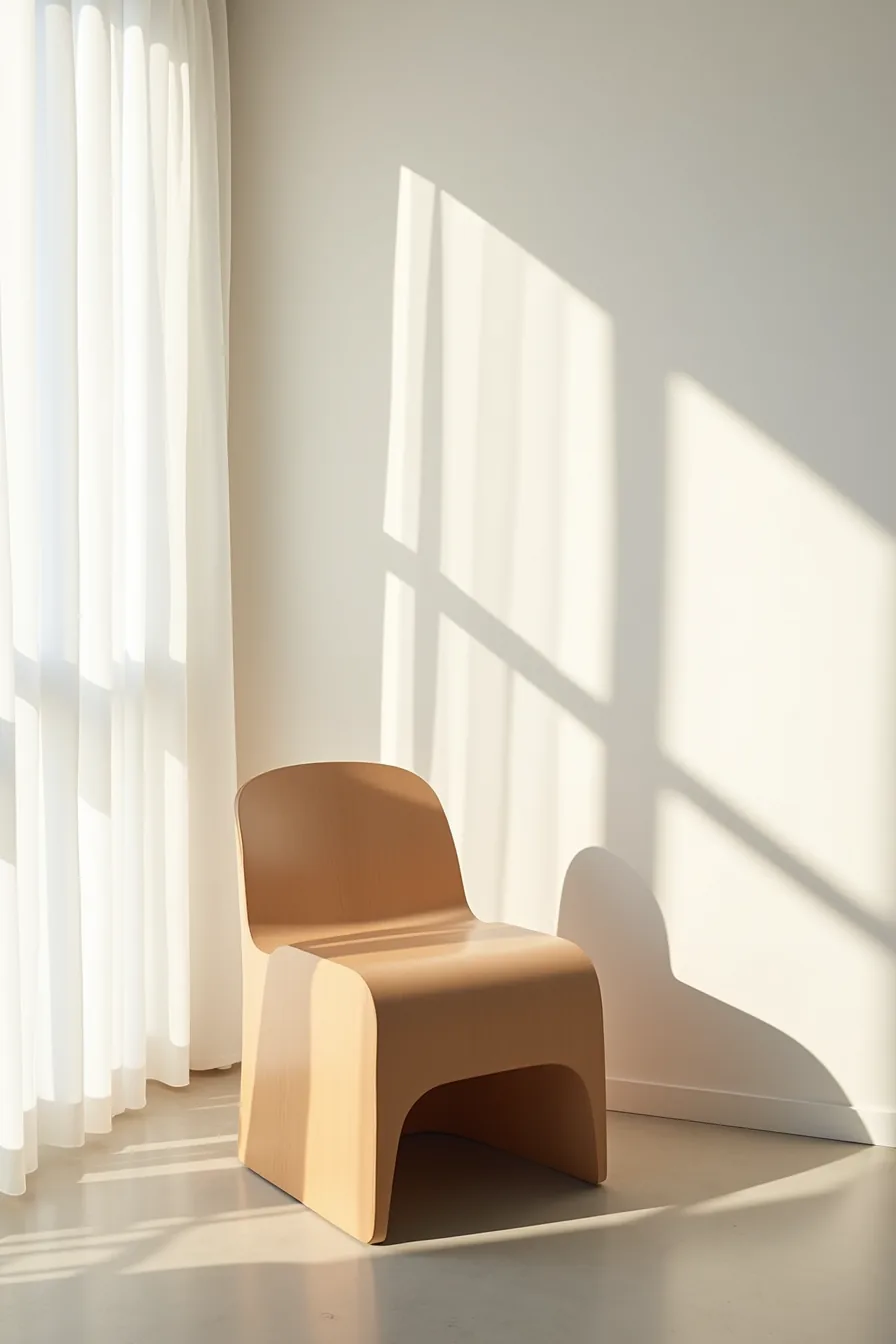
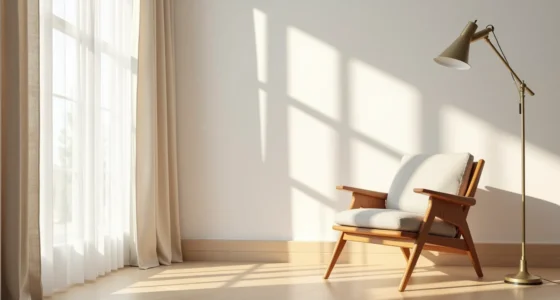
A sculptural silhouette earns its luxury status through negative space and shadow play rather than surface decoration. A molded plywood chair with a curved, organic form becomes the focal point of a room precisely because it reads as art when unoccupied. That distinct shadow cast against a plain white wall doubles the visual impact at no extra cost, place the chair 12–18 inches from the wall to let the form breathe and the shadow sharpen.
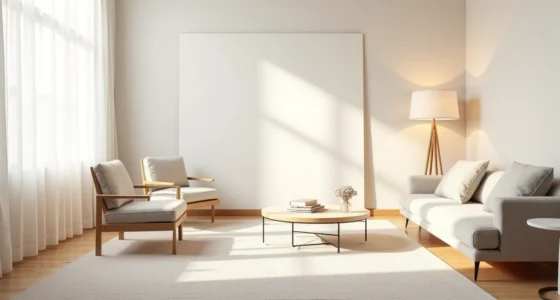
Scale the statement to your room, not the other way around. In a compact space under 120 square feet, a single sculptural chair on a polished concrete floor works best against a blank wall where it won’t compete with busy patterns. For larger rooms, pair the silhouette with a low-profile side table to anchor it without stealing attention.
Skip this look in narrow hallways or tight corners where the curve will block circulation, save it for spots with at least three feet of clearance on every side.
Understated vs. Ornate: Choosing Your Luxury Aesthetic
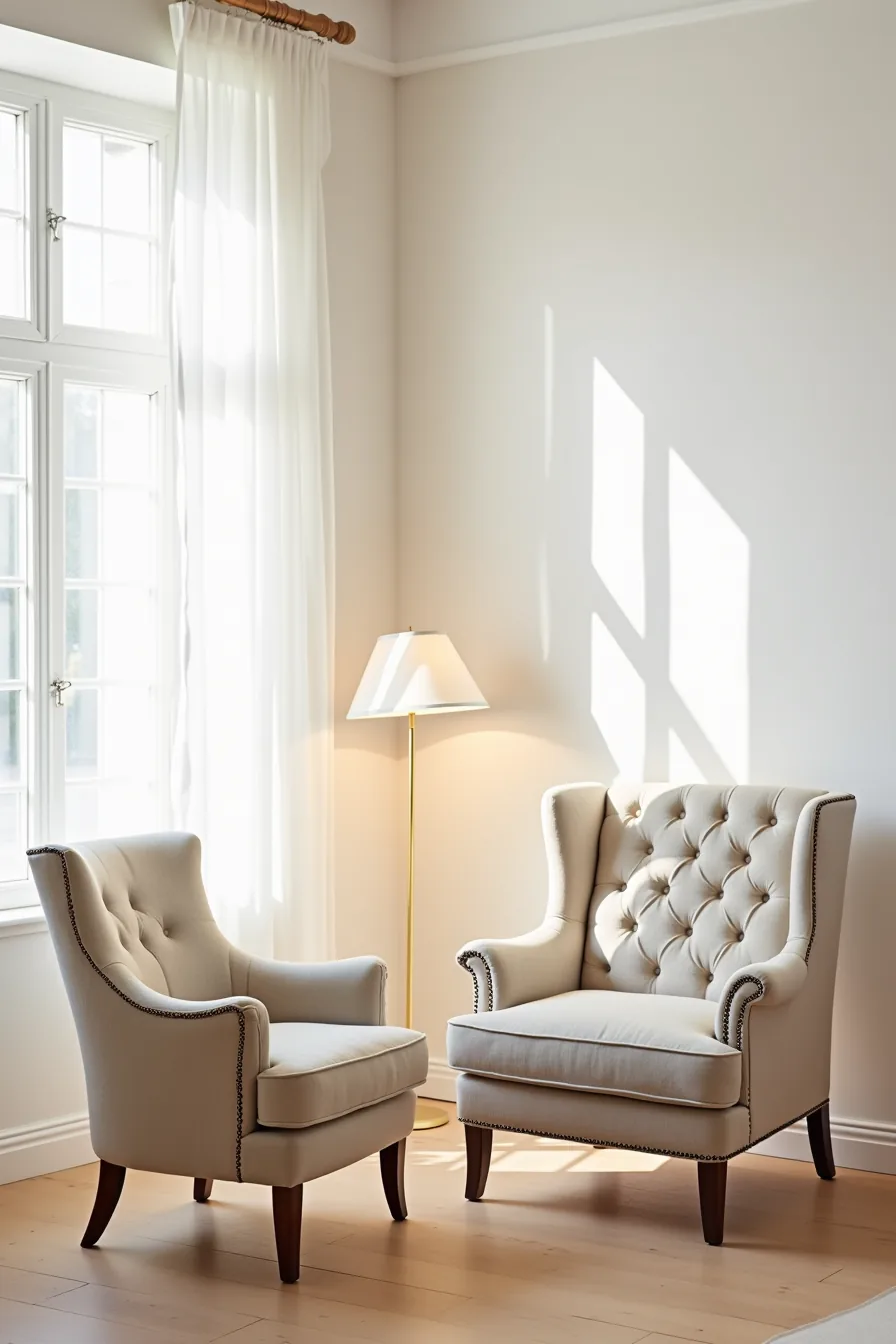
Minimalist luxury relies on fabric quality, clean lines, and precise tailoring. A streamlined linen slipper chair signals refinement through its taut upholstery and simple silhouette, no ornament required. This approach works best in modern, Scandinavian, or Japanese-inspired interiors where negative space is part of the design language.
You’ll need to budget for high-end fabric, since the absence of trim leaves nothing to hide flaws in the weave or stitching. Expect to pay a premium for dense linen or wool that drapes without sagging.
Ornate luxury speaks through deliberate decoration. A tufted wingback with nailhead trim and rolled arms anchors traditional, transitional, or Hollywood Regency rooms with tangible craftsmanship. The button-tufting, brass detailing, and exposed curves create visual rhythm that suits formal living rooms or home libraries with dark wood finishes.
However, you must maintain it: dust nailhead trim weekly, and vacuum tufted crevices to prevent buildup. Pair ornate chairs with plain walls and simple floors, the chair carries the ornament so the rest of the room doesn’t need to.
Luxury Chair Ideas for an Elegant Reading Corner
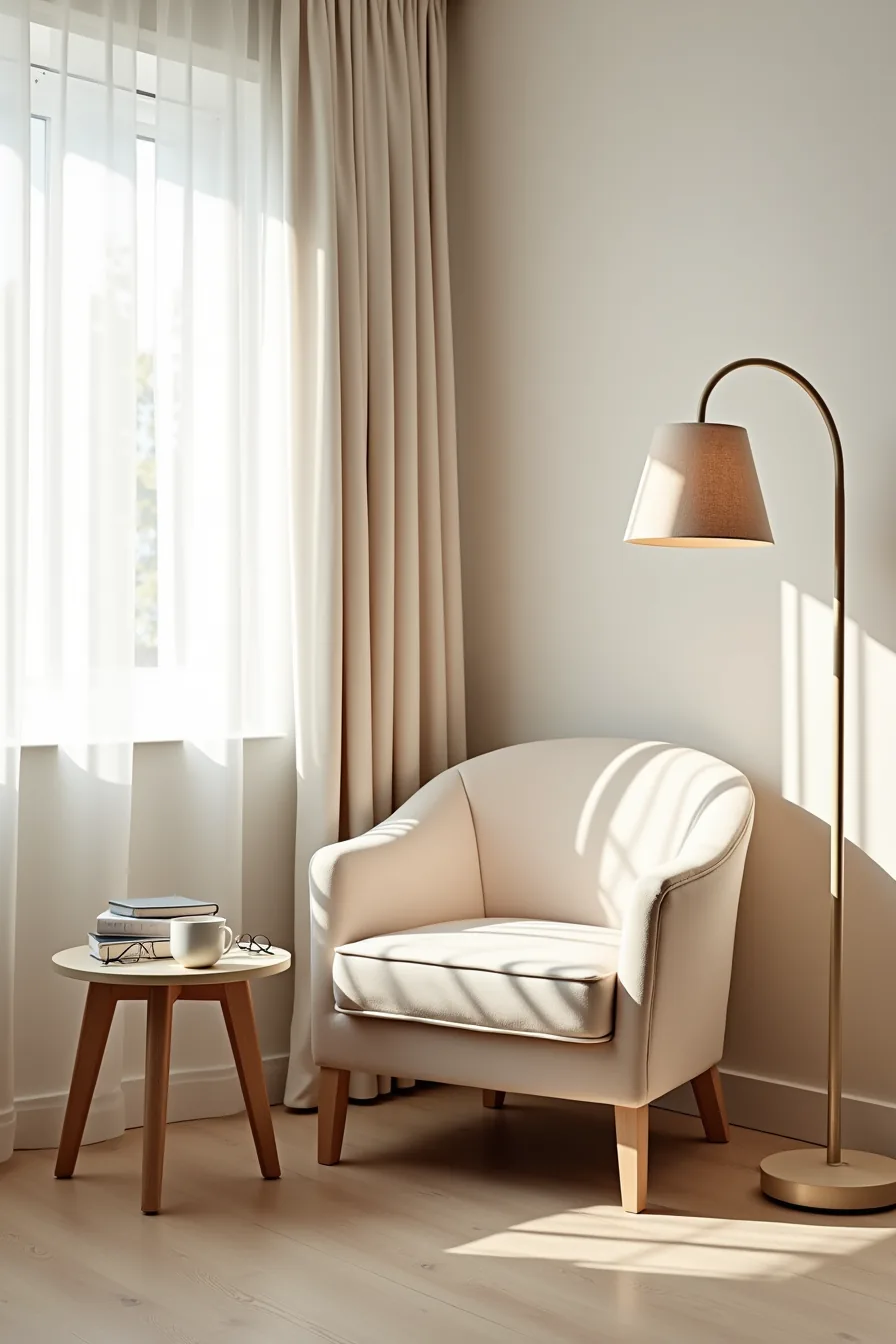
A barrel chair is the smartest silhouette for a reading corner because its high, curved back shields you from drafts and ambient noise while keeping the visual footprint compact. Position it at a 45-degree angle in the corner so the rounded back faces the room’s flow, not the wall, this creates an inviting entry point without blocking circulation. Pair it with a round side table sized 16–20 inches in diameter, which tucks neatly into the chair’s curve and keeps your book, ceramic cup, and reading glasses within a single arm’s reach.
The floor lamp matters as much as the chair. Choose an arc-style model with a linen shade so the light pools over your shoulder rather than glaring onto the page; aim for a 2700K–3000K bulb to match warm afternoon light. In a small space, skip the ottoman and let the chair’s depth (typically 32–36 inches) define the zone.
For a medium room, add a low sheepskin or wool rug that extends 12–18 inches beyond the chair’s front edge to anchor the corner. Large spaces benefit from a second chair angled to face the first, with the side table centered between them to create a dual reading nook that still respects walkway clearance of at least 36 inches.
Budget Routes: Investment, Rental-Friendly, and Affordable Options
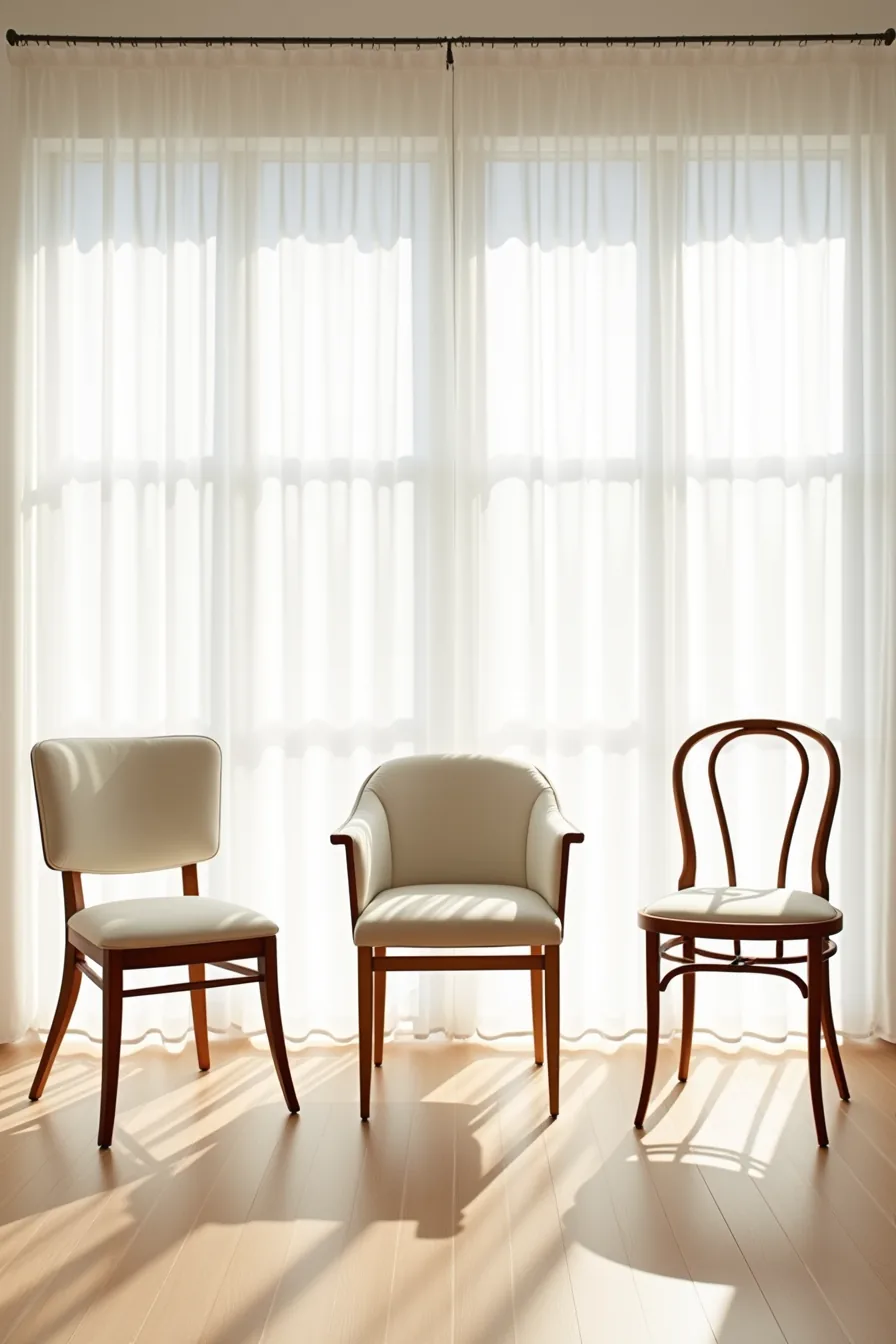
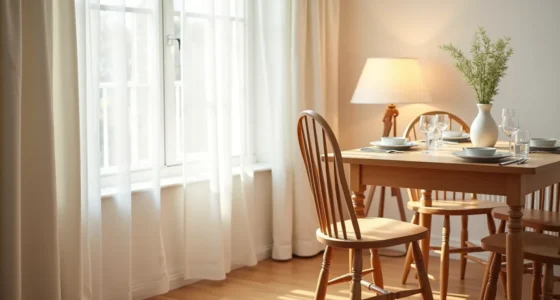
Three chairs in one row demonstrate the realistic spread of a luxury chair budget. A classic bentwood bistro chair runs $150–$400, lasts 15+ years with occasional tightening of its screws, and reads as refined without demanding upholstery upkeep, ideal for a rental dining nook where you need to move it between apartments. It sacrifices cushioning, so add a 2-inch seat pad if you plan to sit longer than 30 minutes.
The mid-century modern frame chair, typically $600–$1,200, delivers the best value per dollar because its exposed wood and slim profile make quality immediately visible. You gain durable hardwoods like oak or walnut, but you lose padding depth and must budget $200–$400 for a professional reupholstery every 8–12 years. The contemporary upholstered accent chair, priced $1,500–$3,500, is your long-term investment: dense high-resilience foam and a kiln-dried hardwood frame survive 15–20 years of daily use.
You sacrifice portability and stain resistance, so restrict it to low-traffic living rooms and treat it annually with a fabric protector.
Scale, Proportion, and Placement: Getting the Fit Right
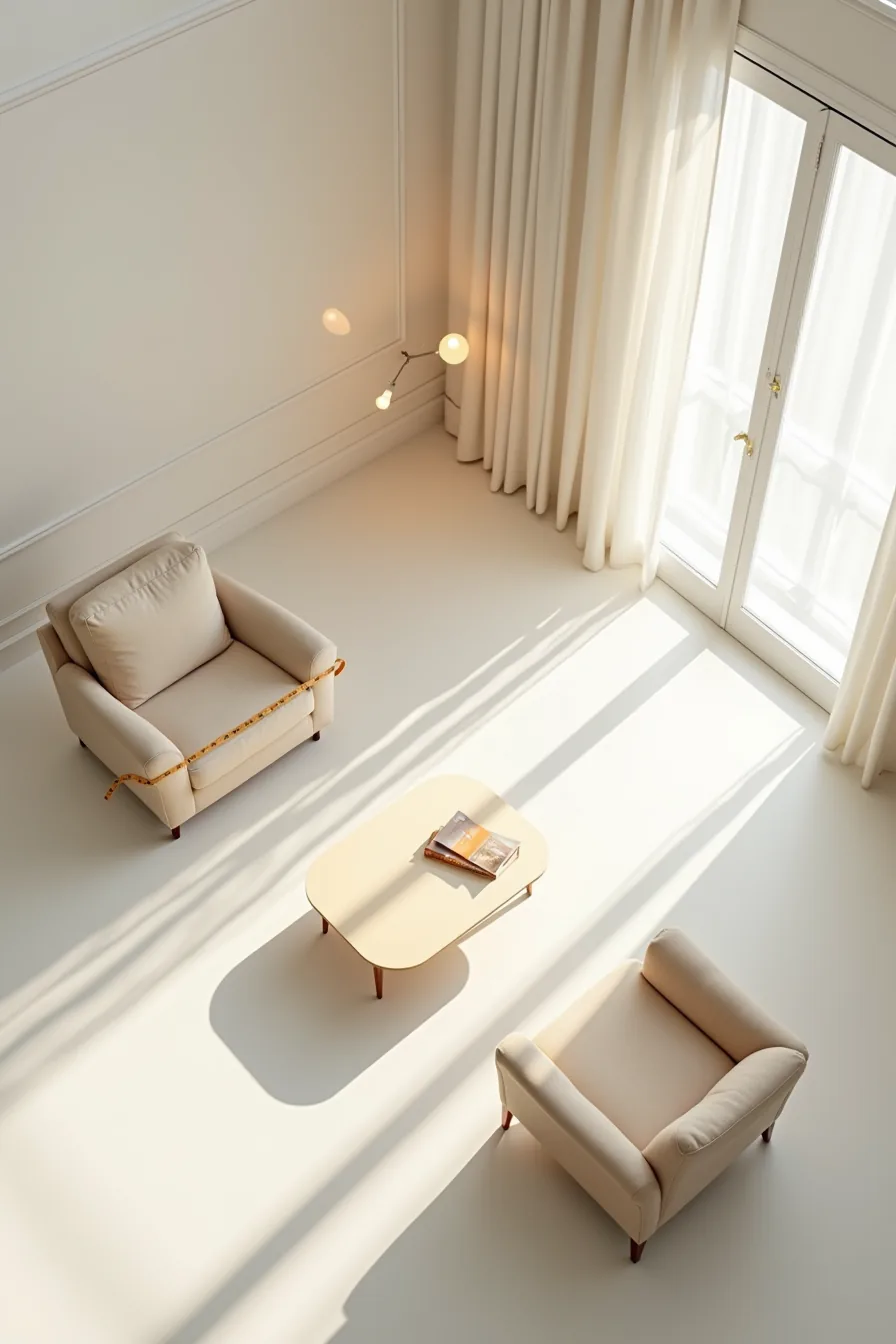
Start with the chair’s footprint, not its looks. A standard lounge chair needs 28–32 inches of width, but the real constraint is the 18–24 inches of clear floor space required on at least three sides for entry and exit. Place a measuring tape at the chair’s edge and confirm you can pull it out 24 inches without bumping the coffee table behind it.
That table should sit 14–18 inches from the chair’s front edge, close enough to set down a drink without leaning forward, far enough to stand up unimpeded.
In a narrow room, angle the chair 45 degrees toward the doorway to preserve a 36-inch walking path. In an open plan, anchor it on a rug that extends at least 12 inches beyond the chair’s sides so the proportions read intentional rather than accidental. Keep the chair’s back height below any window sill if you want unobstructed sightlines, most accent chairs fall between 30 and 36 inches tall, which clears a standard 36-inch sill.
Your decision checklist
Before you commit, verify the chair’s depth against your room’s walkways, you need 24–36 inches of clearance. Confirm the upholstery’s abrasion rating suits your household’s wear level. If you rent, prioritize a removable cover and a frame that fits through standard doorways.
Your next move: Measure your intended spot today, then choose one piece from this guide that fits those dimensions, and order a fabric swatch before anything else.
Frequently Asked Questions
What makes a chair ‘luxury’ versus just expensive?
Luxury comes from proportion, material quality, and construction, not price alone. A chair with hand-finished joints, dense upholstery, and a silhouette that fits your body reads luxurious. Expensive chairs often lack these details.
Can you achieve luxury chair design on a tight budget?
Yes. Prioritize one statement piece, a secondhand frame with good bones, then reupholster in high-performance velvet. Add a custom cushion for proper density. Total cost typically lands 40–60% below retail, and the result feels bespoke.
How do you maintain luxury chair materials like velvet and leather?
Velvet needs weekly gentle vacuuming with a brush attachment and immediate blotting of spills, never rub. Leather requires quarterly conditioning with a pH-neutral cream and monthly dusting. Keep both away from direct sunlight to prevent fading within two years.
What size chair works best in a small bedroom or reading nook?
Choose a chair with a seat height of 16–18 inches and an overall width under 30 inches. A slim armchair or a compact wingback fits without blocking circulation. Leave at least 18 inches of clearance in front for comfortable sitting and standing.