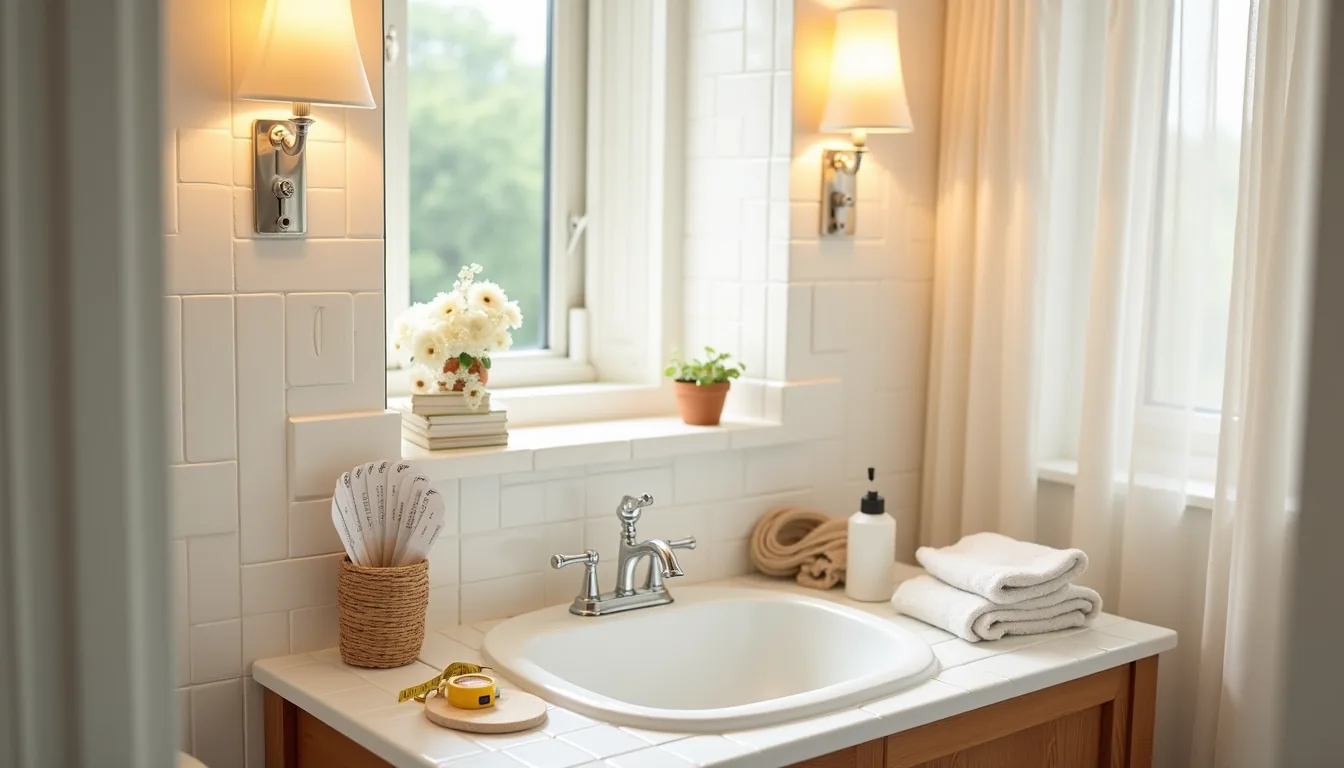
Small bathroom wallpaper ideas start with one decision that shapes everything else: whether you treat the wall as a backdrop or as the main event. That choice dictates scale, placement, and budget, from a subtle textured neutral to a bold oversized print. Get this distinction right, and you avoid the cramped, busy look that sinks most small spaces.
The practical breakdown below shows you which route fits your room and your tolerance for maintenance.
Key takeaways
Large-scale patterns suit tiny bathrooms best because oversized motifs trick the eye into reading the wall as bigger than it’s, while dense micro-prints can visually shrink a space under 40 square feet. A single feature wall behind the vanity or toilet delivers the full wallpaper effect at half the cost and labor, requiring only 1–2 rolls instead of 4–6 for a full wrap. Vertical stripes or narrow geometric repeats visually raise a 7-foot ceiling by drawing the eye upward, but they demand precise alignment, add 10–15% extra material for pattern matching. Peel-and-stick vinyl with a moisture-resistant backing costs $3–$8 per square foot and removes cleanly in minutes, making it the only renter-safe option for shower-adjacent walls where traditional paste paper risks bubbling.
Pattern Scale: Why Large vs Tiny Patterns Demand Different Rooms
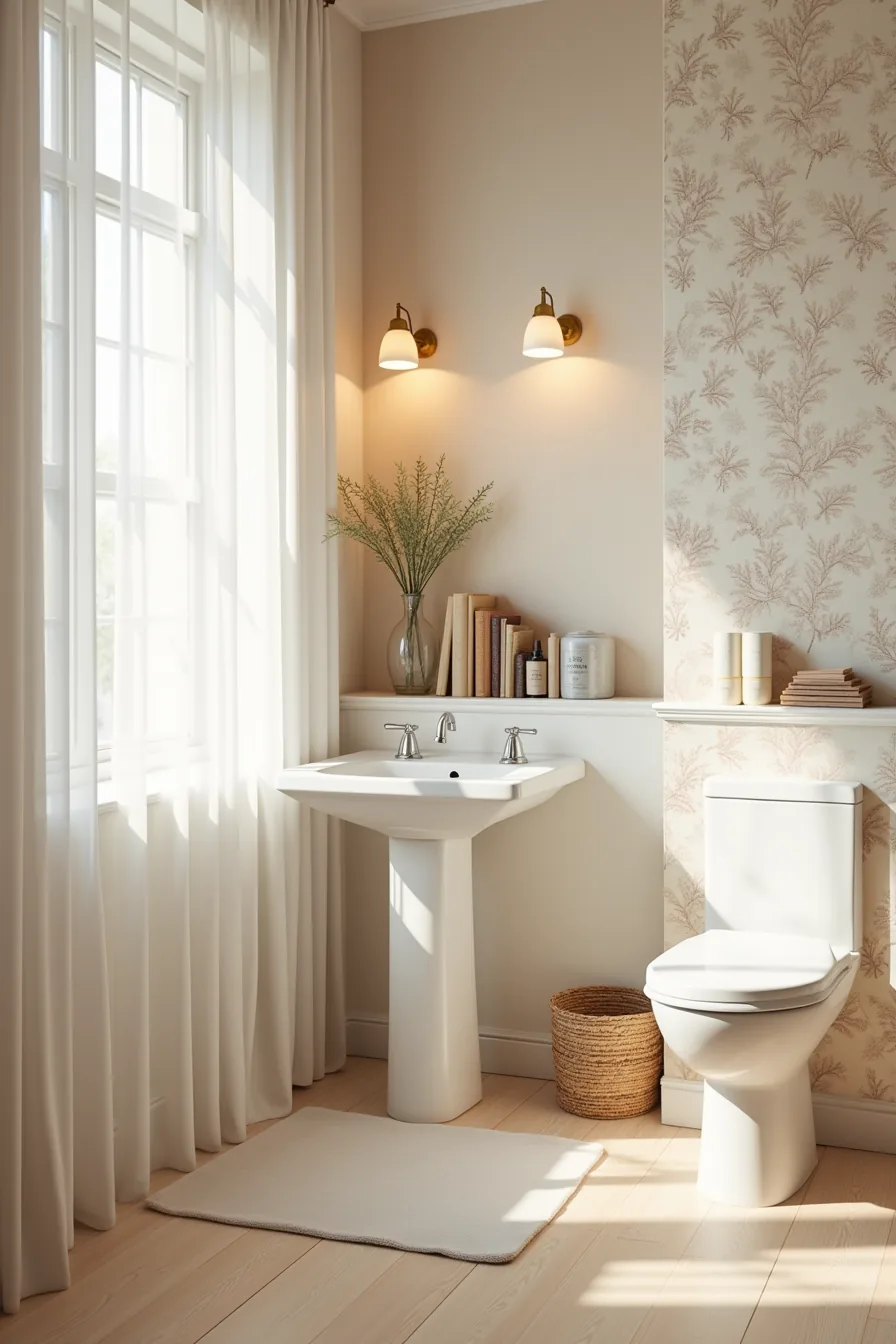
The deciding factor between large and tiny patterns isn’t taste, it’s your wall area and ceiling height. A large-scale geometric wallpaper works on a narrow wall between a toilet and pedestal sink only when the pattern’s repeat spans at least 12–18 inches; this tricks the eye into reading the wall as wider than it’s. That same geometric print will overwhelm a 4-foot-wide powder room, where the pattern folds around corners and makes the space feel claustrophobic.
Tiny botanical prints, by contrast, thrive in tight spots under 30 square feet because the dense repetition recedes visually, adding texture without a focal point that competes with the sink or toilet. The trade-off is distance: small patterns read as gray mush from beyond six feet, so they suit rooms you view up close. For your medium or large bathrooms, over 70 square feet, either scale works, but match the pattern repeat to your largest unobstructed wall, not the total square footage.
The Feature Wall Strategy for Tight Spaces
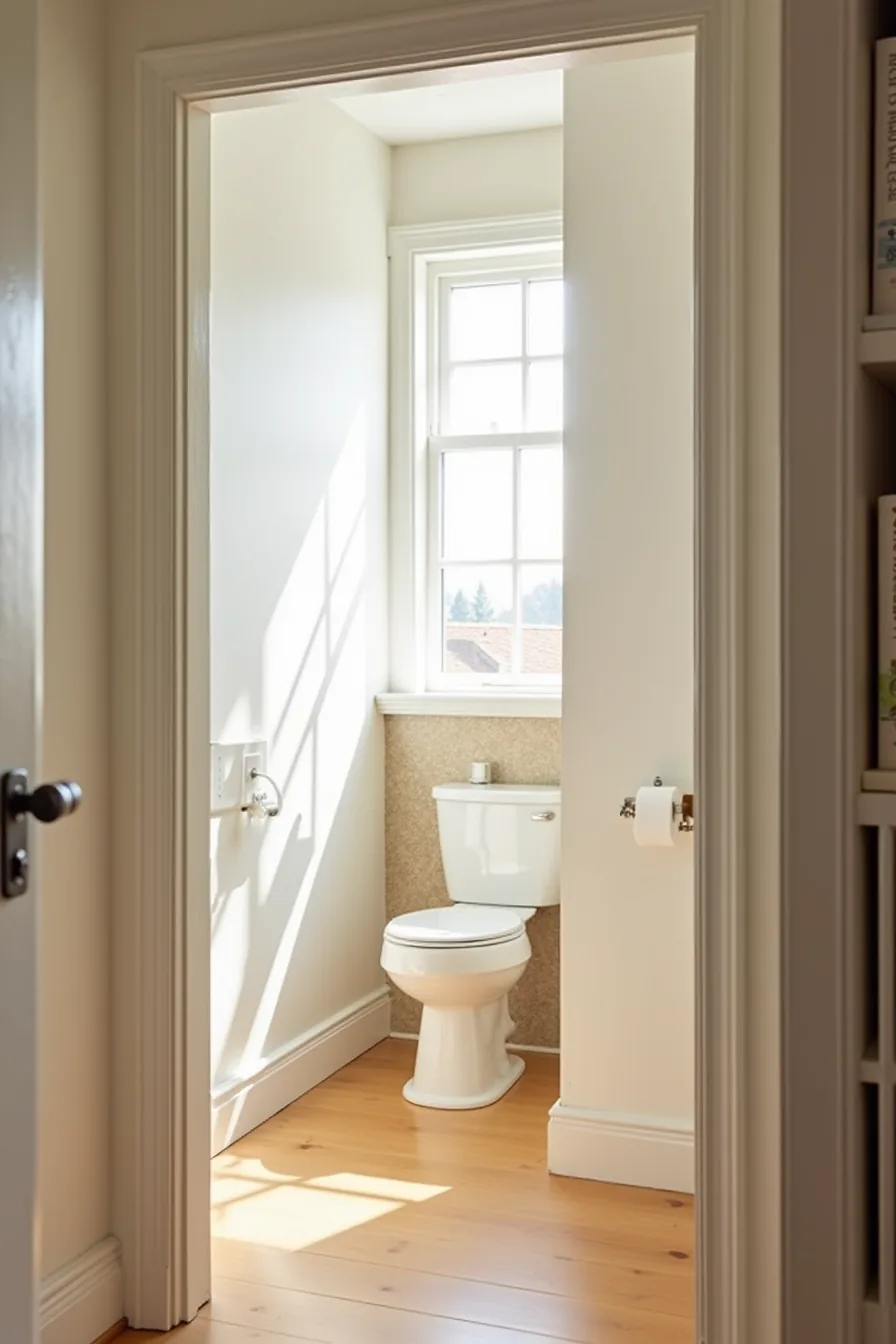
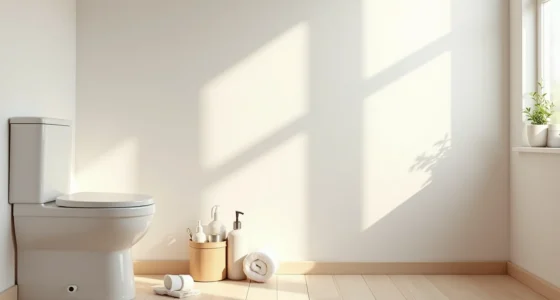
Backing one wall only is the highest-impact move when your bathroom has clear sightlines from the doorway. In a powder room where the toilet faces the entrance, that wall becomes your natural focal point, hang the wallpaper behind the toilet and leave the remaining three walls in a pale neutral paint. A small shelf mounted beside the toilet paper holder breaks the patterned surface and gives your eye a resting point, which keeps the feature wall from feeling like a tunnel.
The wall you choose matters more than the pattern. Pick the one you see first when the door opens, not the wall behind the mirror or shower, where fixtures interrupt the print. Transition to paint at an inside corner, never at the edge of the paper mid-wall, because a visible seam invites peeling and looks unfinished.
To match your painted walls to the wallpaper’s background, bring a sample swatch to the paint store and ask for a custom match, off-the-shelf “white” will read as a different color entirely.
Cost-wise, a feature wall cuts wallpaper usage by roughly 60–70 percent versus full coverage, so you can afford a higher-grade material. The trade-off is discipline: a feature wall works only if your remaining walls are genuinely plain. Introduce a second pattern anywhere, even on the ceiling, and the space reads as busy rather than deliberate.
Vertical Lines and Stripes to Lift Low Ceilings
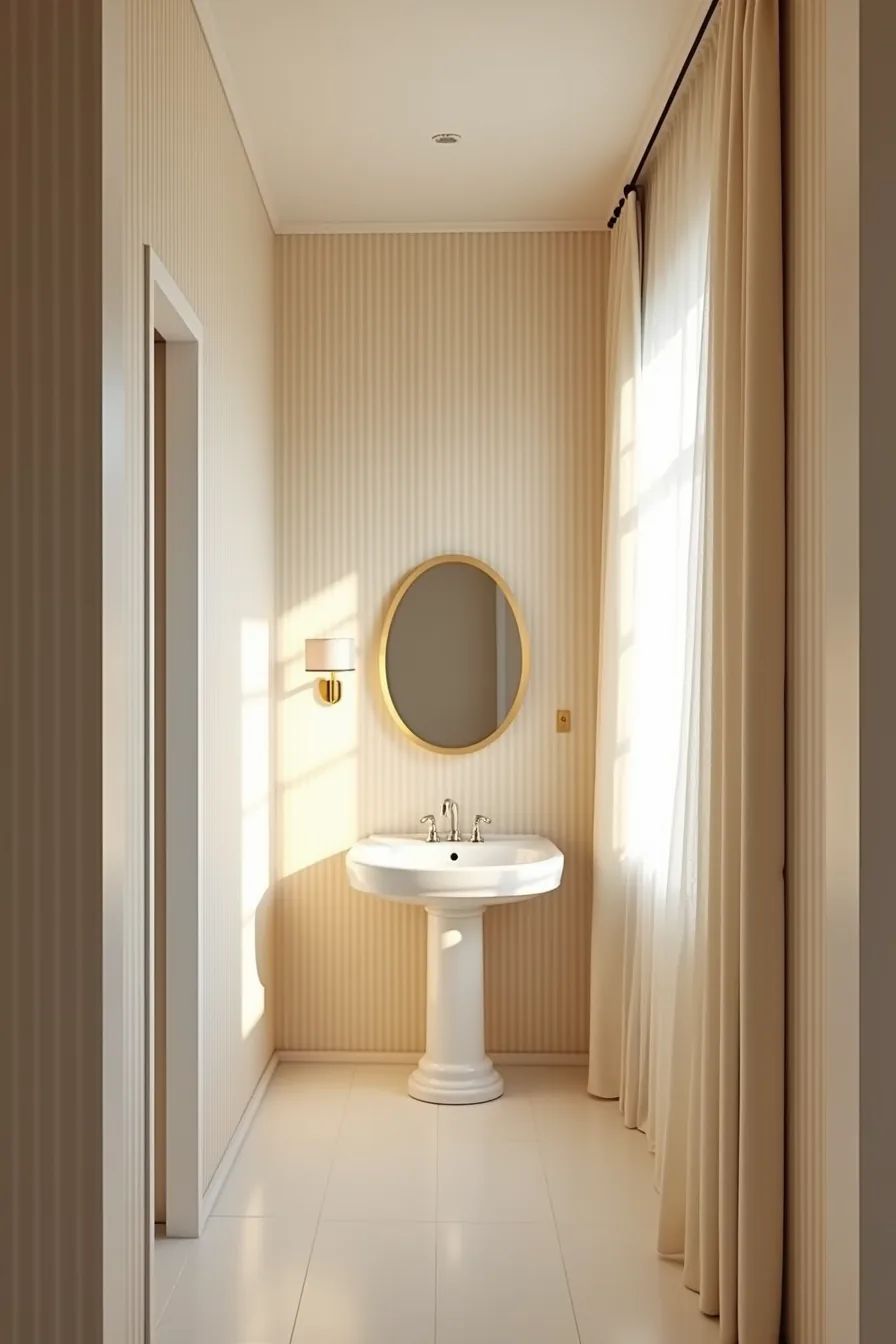
Vertical stripes are the single most effective optical trick for a bathroom with less than 8 feet of ceiling height. The eye travels up the continuous lines and stops at the ceiling plane, making it feel higher than it physically is. In a narrow bathroom with a pedestal sink and a small mirror, running stripes floor-to-ceiling on all four walls compounds the effect, the unbroken vertical rhythm pulls the room upward while the compressed width keeps the pattern from feeling cavernous.
Stripe width matters more than you might expect. Narrow stripes (2–3 inches) read as texture from a distance and suit nervous first-timers; bold stripes (6–8 inches) make a graphic statement but require exact pattern matching at every corner. Two-tone combinations work best when one color is significantly lighter than the other, a soft white with a slate blue, or a warm cream with a deep terracotta.
If both colors have equal visual weight, the stripes cancel each other out and the room feels striped rather than taller.
For installation, begin at the most visible corner and work away from the doorway. Because ceiling lines are rarely perfectly straight, leave a ¼-inch overlap at the top and trim with a sharp blade after the paper is pressed. You can achieve the same effect with a painted stripe treatment for under $50, but true wallpaper delivers cleaner edges and a more uniform finish, worth the upgrade if the ceiling height is your primary complaint.
Moisture-Resistant Materials: Renter-Friendly vs Permanent Options
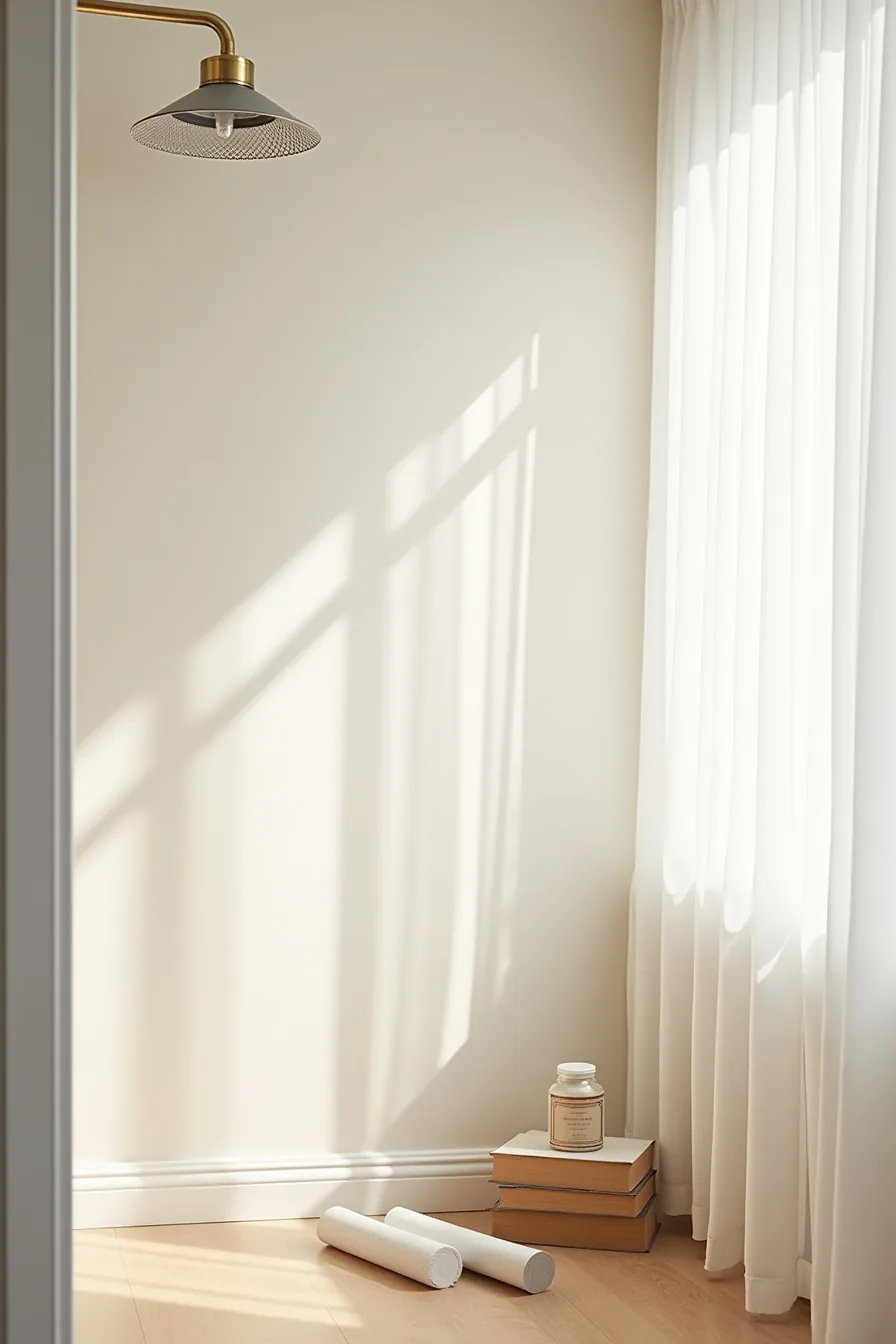
Peel-and-stick wallpaper handles bathroom humidity surprisingly well, provided you prep the surface correctly. Vinyl-based peel-and-stick products resist steam and wipe clean with a damp sponge, making them the practical choice for renters who need a damage-free removal when the lease ends. Expect to pay $5–$10 per square foot for quality adhesive-backed vinyl, and plan for a four-hour installation on an average 40-square-foot wall.
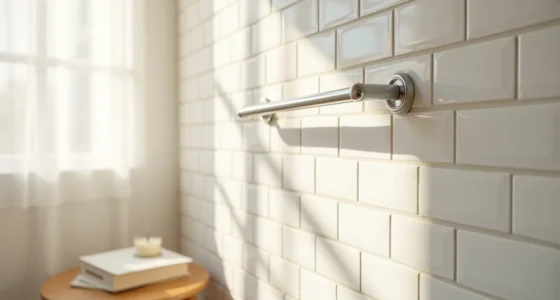
Traditional wallpaper with paste creates a lasting bond that tolerates years of steam, but it commits you to a professional removal process costing $200–$500 before your next renovation. The wall surface in your bathroom corner shows both options side by side, the peel-and-stick sheet pressing onto the tile-adjacent wall, alongside a traditional roll and adhesive paste jar. Use peel-and-stick when you want zero residue and instant reversibility; choose pasted wallpaper when you own the space and prefer a permanent, smooth finish that won’t peel at the edges over time.
Small Powder Room Style: Wallpaper for Guest Bathrooms
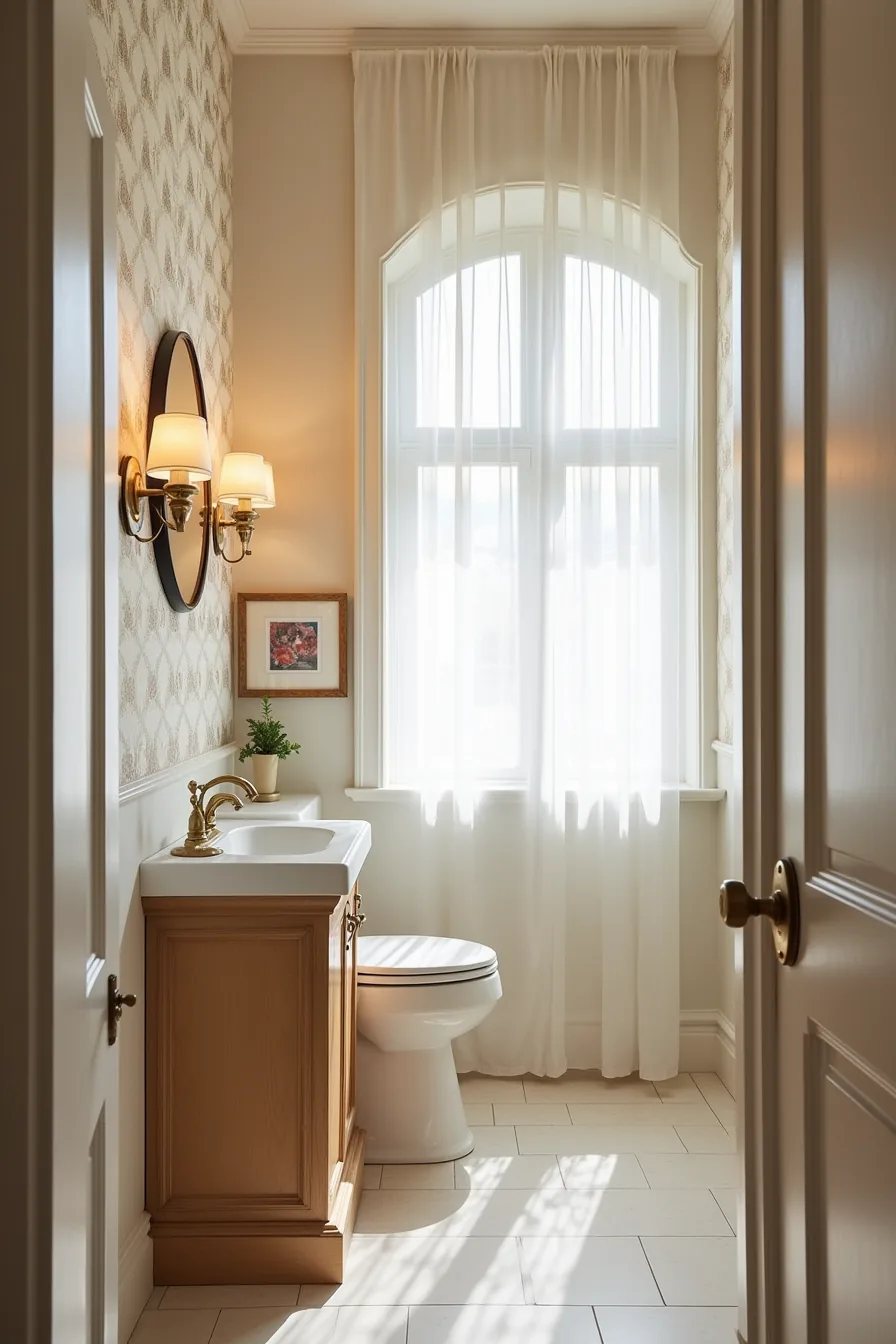
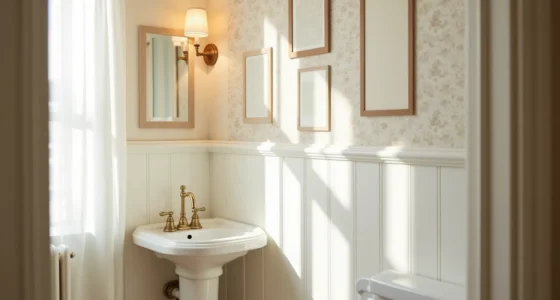
A powder room is your secret weapon for small bathroom wallpaper ideas because it skips the shower entirely, so moisture is rarely a threat. That freedom lets you choose richer materials and bolder designs you would hesitate to use in a full bath, jewel-tone patterns like deep emerald, sapphire, or plum make a compact space feel intentional rather than cramped. Wallpapering all four walls, rather than a single accent strip, wraps the room in color and makes the square footage disappear into the pattern.
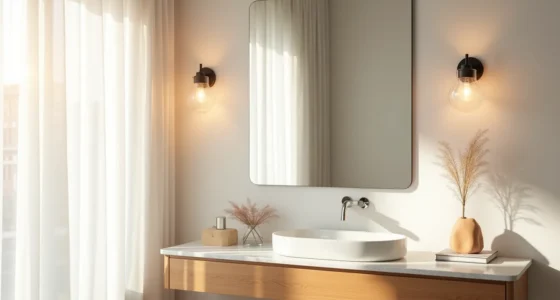
This setup works best when you pair the wallpaper with a wall-mounted sink, which frees up floor space and keeps the visual line clean. A small round mirror above the sink echoes the curve of the pattern and prevents the room from feeling boxy, while a single framed art piece and a decorative hand towel add personality without clutter. This approach suits anyone who entertains frequently and wants guests to remember the space, it’s a low-risk, high-impact statement because powder rooms see minimal daily wear, so even semi-gloss or matte finishes hold up for years with ordinary cleaning.
Color and Light: How Wallpaper Affects Perceived Space
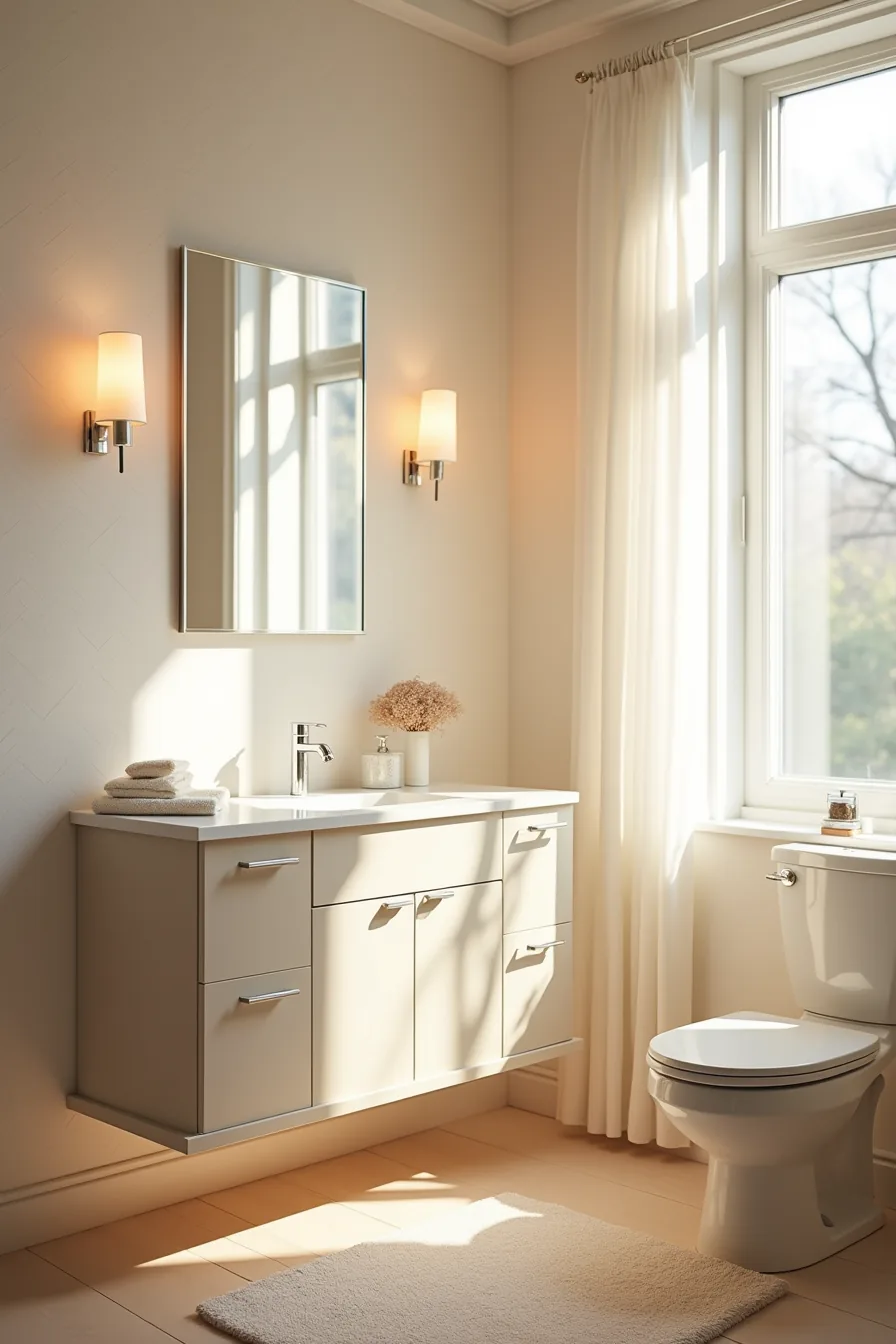
Light colors with low-contrast patterns, think pale sage, soft dove gray, or warm white, reflect up to 80 percent of available light, making a windowless or north-facing bathroom feel twice its actual size. Darker hues absorb that same light, which shrinks the room visually, but they also blur the wall boundaries, which creates a cocooning effect that works surprisingly well if you want intimacy over openness. Hold a deep charcoal or navy sample against a light wall and you’ll see the difference immediately: the dark side recedes, the light side advances.
Your lighting setup decides which direction to push. Overhead and vanity lights with warm bulbs deepen yellow-based patterns, while cool LED lighting flattens them and makes blues and greens appear sharper. In moisture-prone areas, pale wallpapers show water spotting and soap splatter faster, choose vinyl-coated or washable finishes, and expect to wipe them down monthly with a damp sponge rather than a scrub brush.
Your Decision Checklist
Before buying, measure your wall space and confirm the pattern repeat works with your layout. Match the paper to your lifestyle: peel-and-stick for rentals, vinyl for humidity, and traditional paper for long-term style.
Prioritize one statement wall over four busy ones. Verify ventilation and light levels before committing to dark or moisture-sensitive options.
Your next step: Order three samples of your top contenders and tape them to the bathroom wall for 48 hours. Observe them at morning, noon, and evening light, then commit to the one that still pleases you on day three.
Frequently Asked Questions
Can you use regular wallpaper in a small bathroom, or do you need moisture-resistant material?
Use moisture-resistant vinyl or coated wallpaper. Standard paper will warp and peel from steam within months. Look for products labeled “bathroom-rated” or apply a clear topcoat for added protection.
Should I wallpaper the entire small bathroom or just one wall?
Wallpaper one focal wall for impact and easier maintenance. Covering all four walls in a small space can feel overwhelming and increases installation cost. The exception is a powder room under 20 square feet, where full coverage creates a cocooning effect.
What pattern size works best in a bathroom under 40 square feet?
Choose large-scale prints, 12 inches or wider, or small geometric repeats under 4 inches. Medium patterns get visually lost. Large patterns trick the eye into seeing more space, while tiny repeats add texture without clutter.
How do I remove peel-and-stick wallpaper from bathroom walls without damage?
Heat the panel with a hair dryer for 30 seconds, then pull at a 45-degree angle. Work slowly, lifting the corner and peeling downward. Use a plastic scraper for stubborn spots; never pull straight out or you risk tearing the drywall paper.