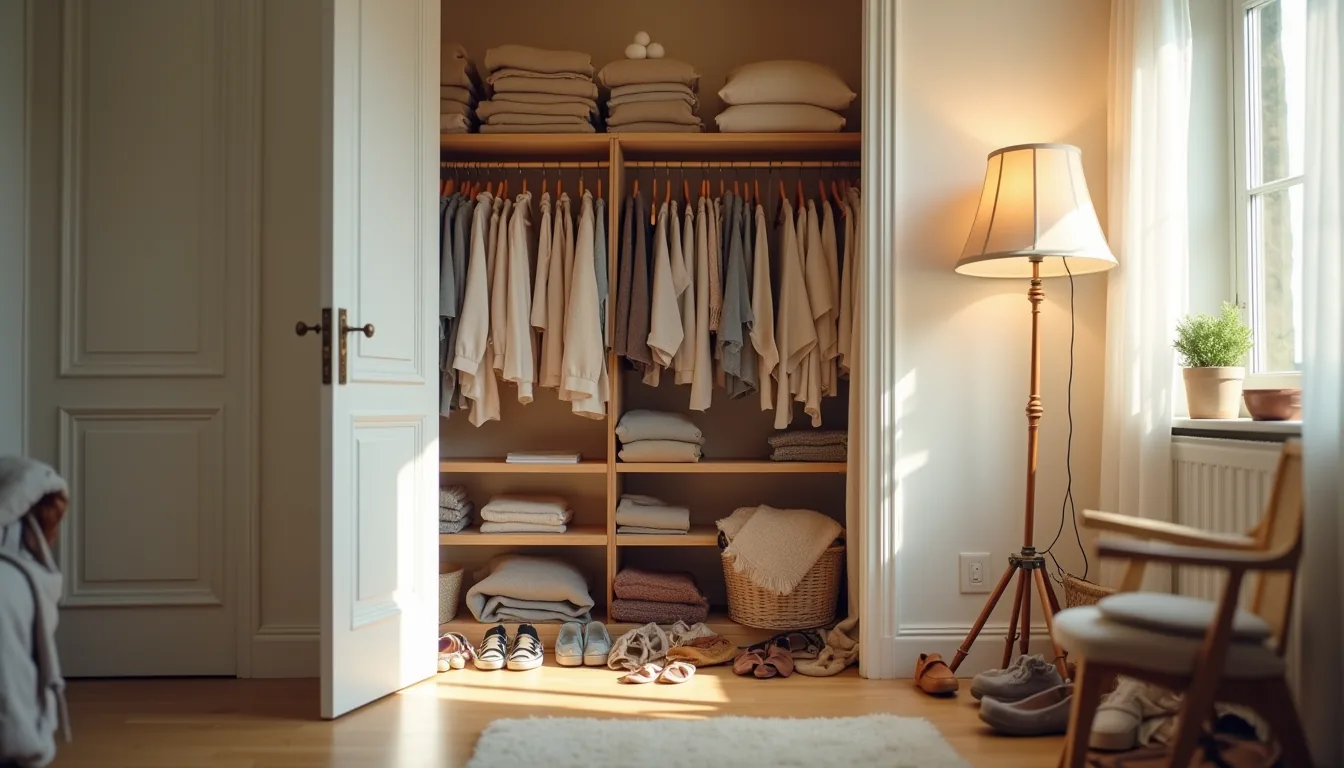

Your master closet stops working the moment you treat it as a simple storage room, the real fix is choosing one organizational system that matches how you dress, how much space you’ve, and what you can spend, so here are six distinct approaches with the exact steps, dimensions, and trade-offs to make that decision. The options range from a $150 renter-friendly overhaul to a built-in investment that raises resale value, and each targets a specific habit, whether you fold everything, hang everything, or rotate seasonal pieces. By the end, you’ll know precisely which layout fits your square footage and budget, without wasting a single dollar on a solution that doesn’t stick.
Key takeaways
- Zone-based layouts cut dressing time by grouping workwear, casual pieces, and occasion items into dedicated zones that match your daily routines.
- Double-hanging systems at 40-42 inches for shirts and 30-36 inches for folded pants nearly double usable rod space in closets with 8-foot ceilings.
- Drawer dividers with 2-3 inch compartments keep folded knitwear and accessories visible without stacking, preventing the bottom-layer rummaging that ruins garments.
- Renter-friendly tension rods and freestanding wire shelving install in under 30 minutes without drilling, while custom built-ins cost 3-5 times more but add durable, tailored storage that tracks with the home’s resale value.
Zone-Based Layout: Separating by Clothing Type and Use
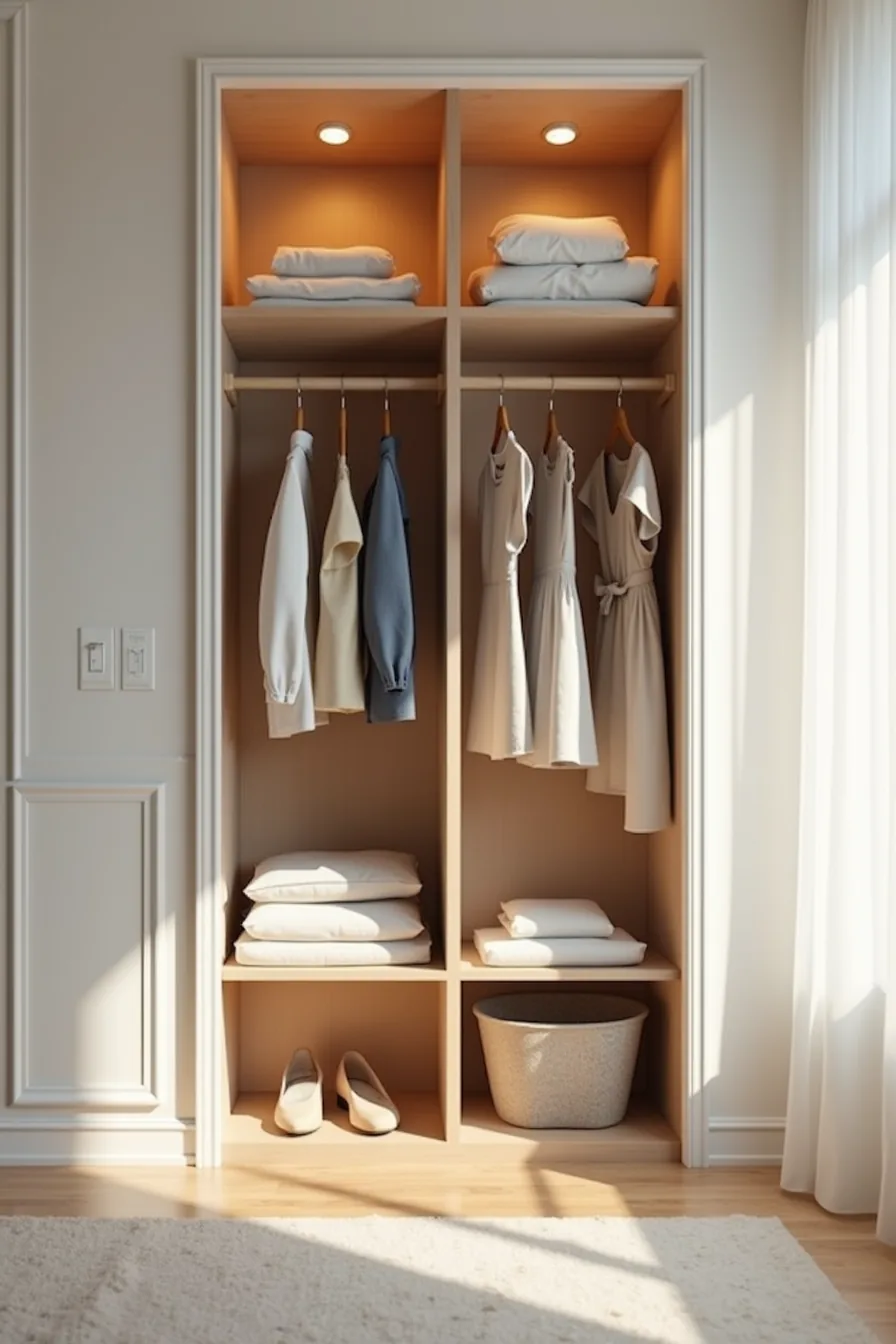
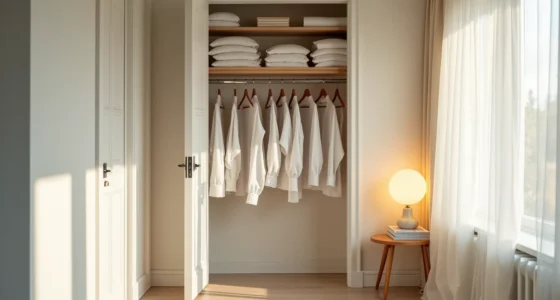
Divide your master closet into four vertical zones, workwear, casual, dresses, and accessories, and you cut daily dressing time to under five minutes. The setup here assigns the left section to button-ups and blazers, giving you a single glance at every office-appropriate option without shuffling through unrelated pieces. Center-left holds casual t-shirts, while center-right displays dresses on matching hangers, which keeps the visual weight balanced and makes each category instantly scannable.
The right section stacks folded accessories beside a small bin for belts or scarves, catching the items that otherwise drift into drawers and disappear.
This system suits anyone who dresses for multiple contexts in a single week, remote workers with occasional meetings, commuters, or parents juggling school runs and evening events. You need roughly four to six linear feet of hanging space per zone and a consistent habit of returning items to their designated section. For a budget route, use tension rods to create temporary dividers between zones; for a renter-friendly approach, anchor freestanding shelving units against the wall without drilling.
More permanent installations involve floor-to-ceiling partition panels, which cost more but eliminate the visual clutter of mixed categories. Whatever your space, the principle stays the same: group by when you wear it, not by what it’s.
Vertical Stacking and Double-Hanging Systems
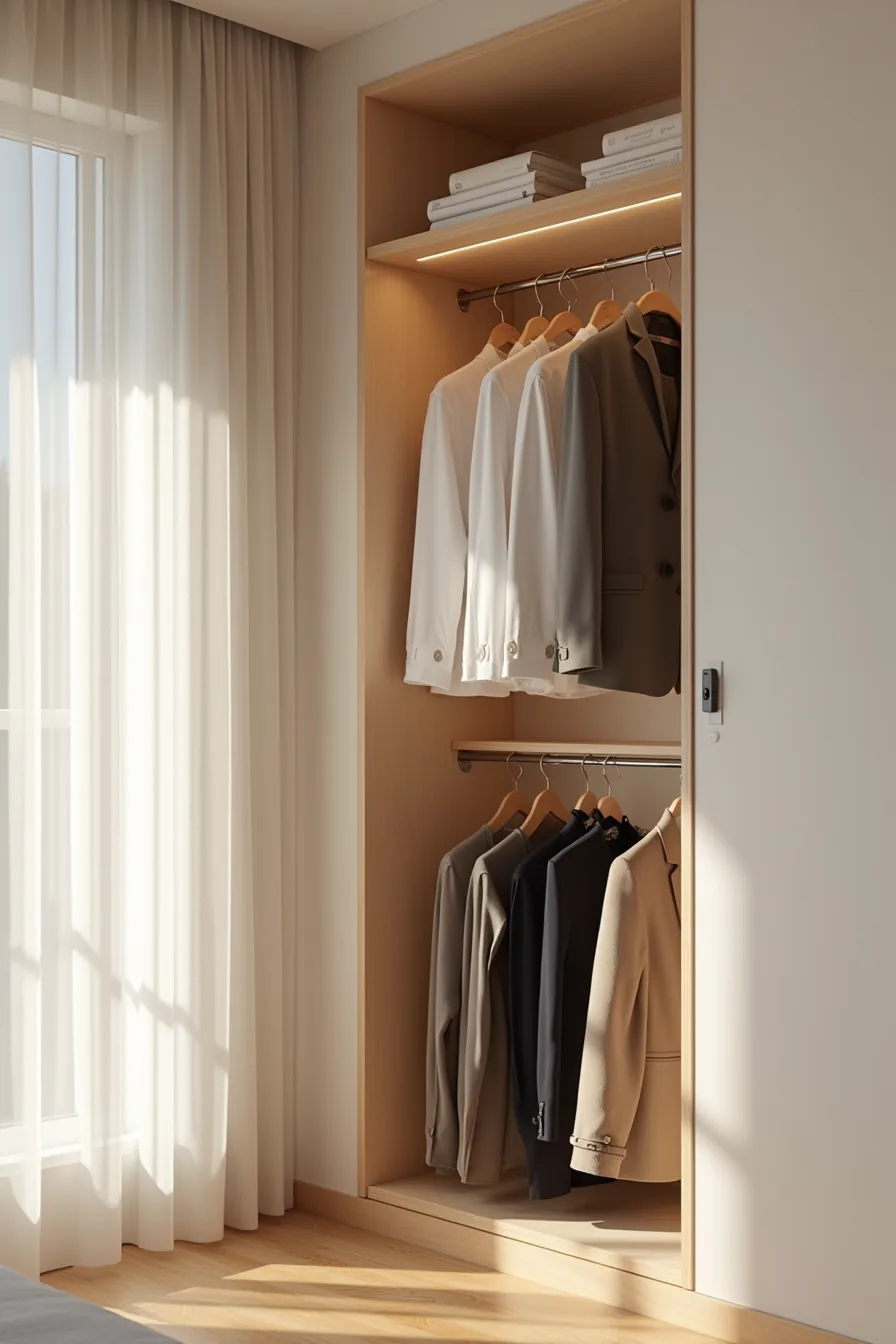
Double-hanging is the single most effective way to double your closet’s capacity without adding a single square foot of floor space. The setup here pairs a shorter upper rod, positioned around 80–84 inches from the floor, with a lower rod set at roughly 40–42 inches, leaving shirts on top and full-length pants or coats hanging below. Because the upper rod holds shorter items like button-ups and folded sweaters, you get clearance for the longer garments beneath, and the shelf above the upper rod captures seasonal boxes or rarely-used bags.
This configuration suits anyone with a tall ceiling (at least 96 inches) and a wardrobe split between shorter and longer pieces. Measure your longest coat first; if it exceeds 50 inches, you’ll need to dedicate a separate single-height section for those items. The trade-off is accessibility, lower rods require bending, so reserve them for pieces you wear less frequently.
Budget-wise, retrofit kits with adjustable brackets cost a fraction of custom builds, and they install without permanent modification, making them a solid renter-friendly option. For long-term value, consider wider rods (at least 1.5 inches in diameter) to prevent bowing under heavy coats.
Drawer Dividers and Shelf Compartments for Folded Items
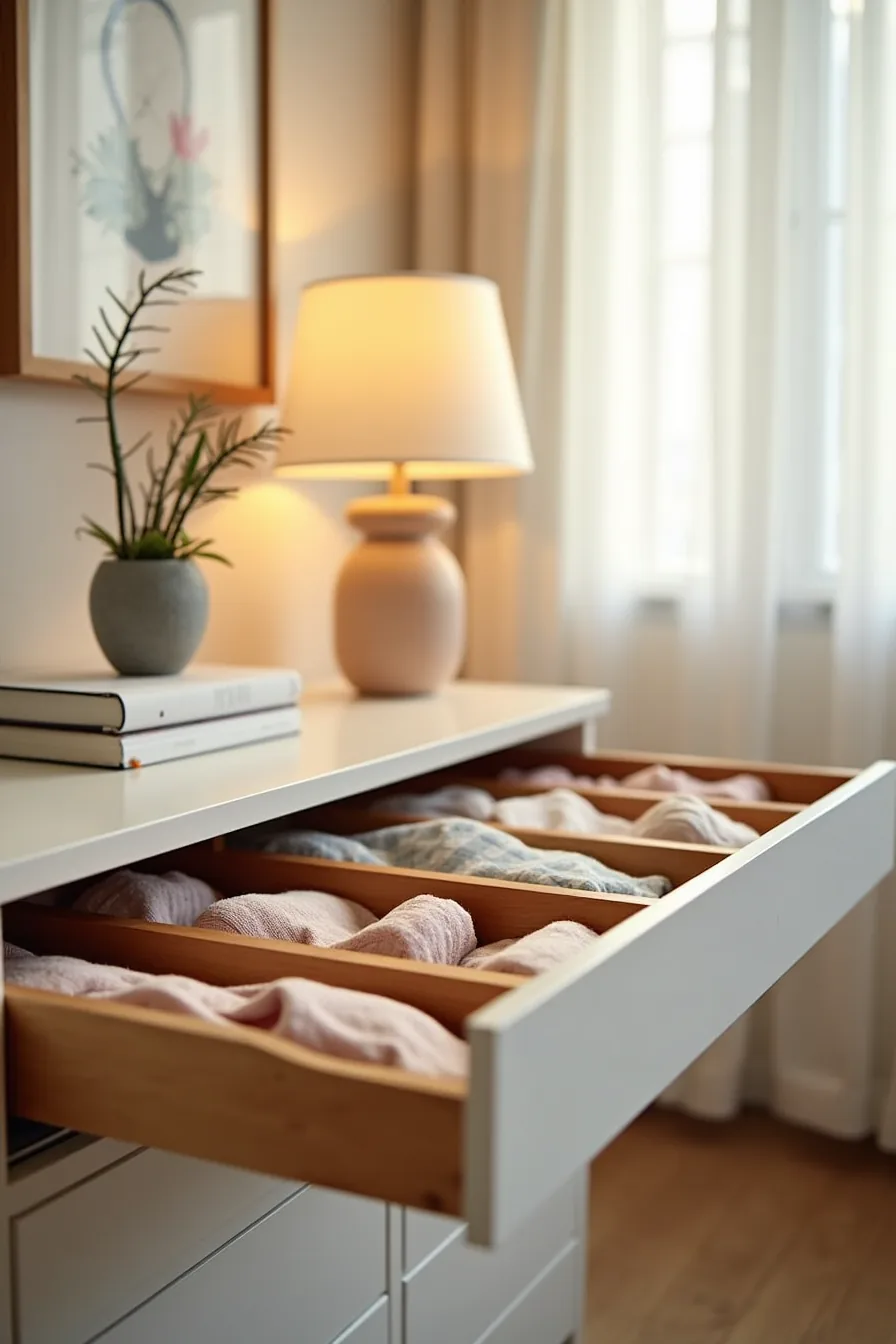
A drawer divided into six compartments, typically 4–6 inches wide each, turns a jumbled catch-all into a system where every sock and undergarment has a fixed address. Roll socks into tight cylinders and stand them upright so you can see every pair at a glance; fold underwear into small rectangles and stack them edge-on, rather than piling them flat. The wooden dividers keep those stacks from toppling, and the open layout leaves small accessories like ties or belts visible without digging.
This approach works best for deep drawers (at least 6 inches) in a dresser or closet island, and it suits anyone who wants a five-second morning routine without adopting a full capsule wardrobe. Measure your drawer interior before buying inserts, most adjustable bamboo dividers expand to fit widths between 14 and 20 inches, while fixed plastic grids come in standard 26-inch and 30-inch lengths. Expect to re-fold after washing roughly every two weeks; if you let the system lapse for a month, the compartments become shallow storage for clutter.
Budget route: use cardboard shoebox lids covered in adhesive paper as free dividers, and replace them when they lose their shape.
Open Shelving vs. Closed Storage: Trade-Offs and Placement
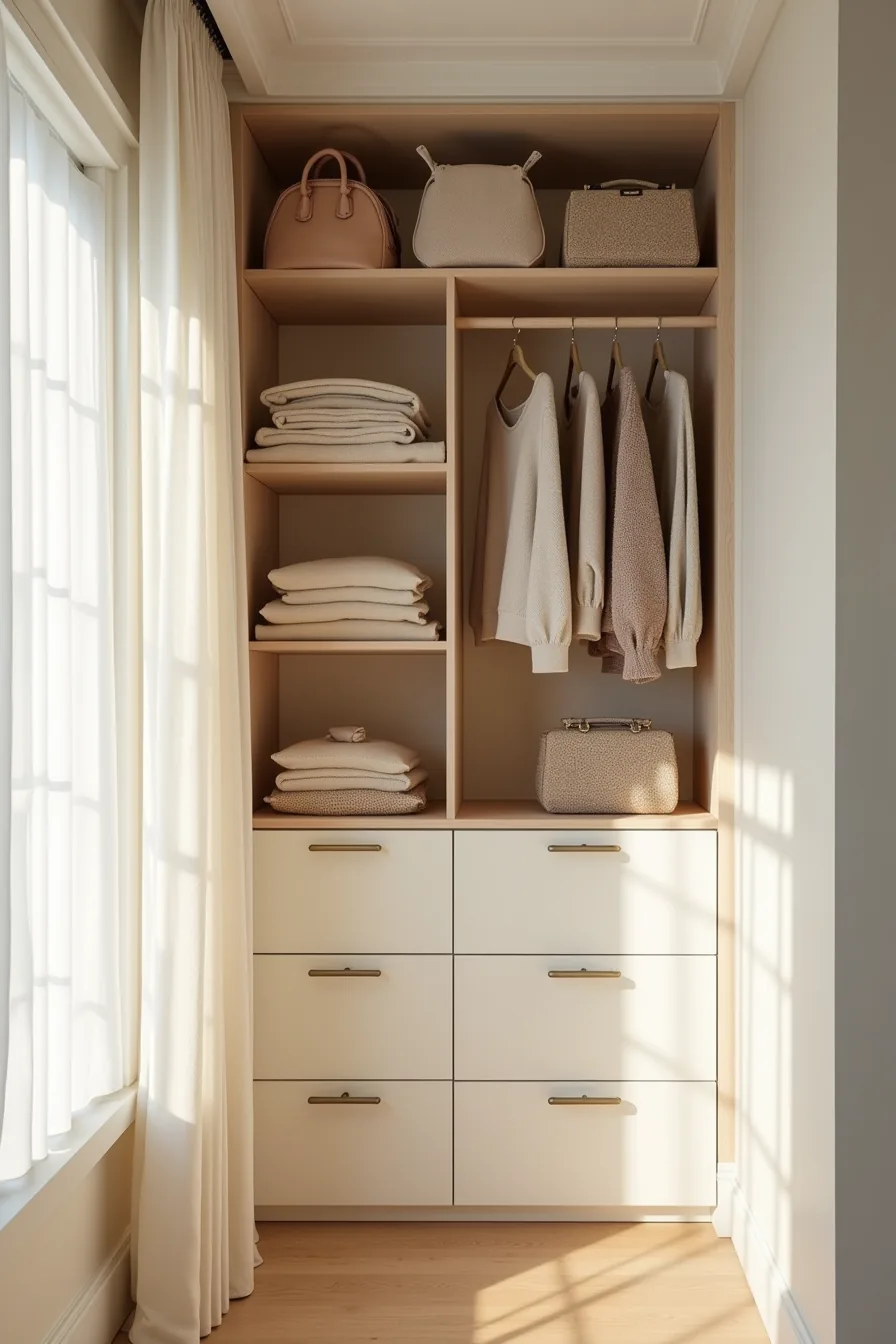
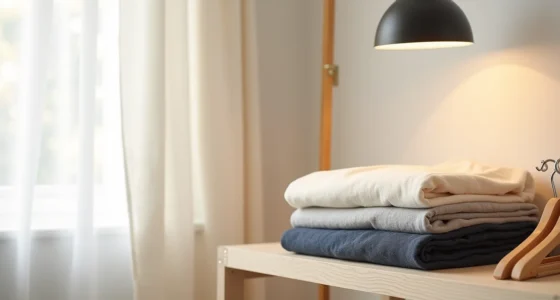
The core decision in any master closet organization plan is what stays visible and what gets hidden. Open shelves displaying folded sweaters and handbags work when those items are part of your daily rotation, you eliminate the open-and-close motion of cabinet doors, which shaves seconds off your routine but adds up significantly over a year. The trade-off is dust: expect to wipe exposed surfaces weekly, and accept that natural fibers like wool will collect lint faster than they would behind doors.
Closed cabinets suit seasonal pieces, delicates, and anything you wear less than once a week. Doors protect against dust, fading from direct light, and the visual noise of mismatched hangers, but they hide your inventory, if you forget what’s inside, you end up buying duplicates. As a rule, reserve open shelves for the top three categories you reach for daily, and keep everything else behind doors.
In a typical master closet, that means roughly one-third open shelving to two-thirds closed storage, with the open portion positioned at eye level (between 48 and 60 inches from the floor) where you can see items without bending or stretching.
Renter-Friendly and Budget-Conscious Master Closet Organization Ideas
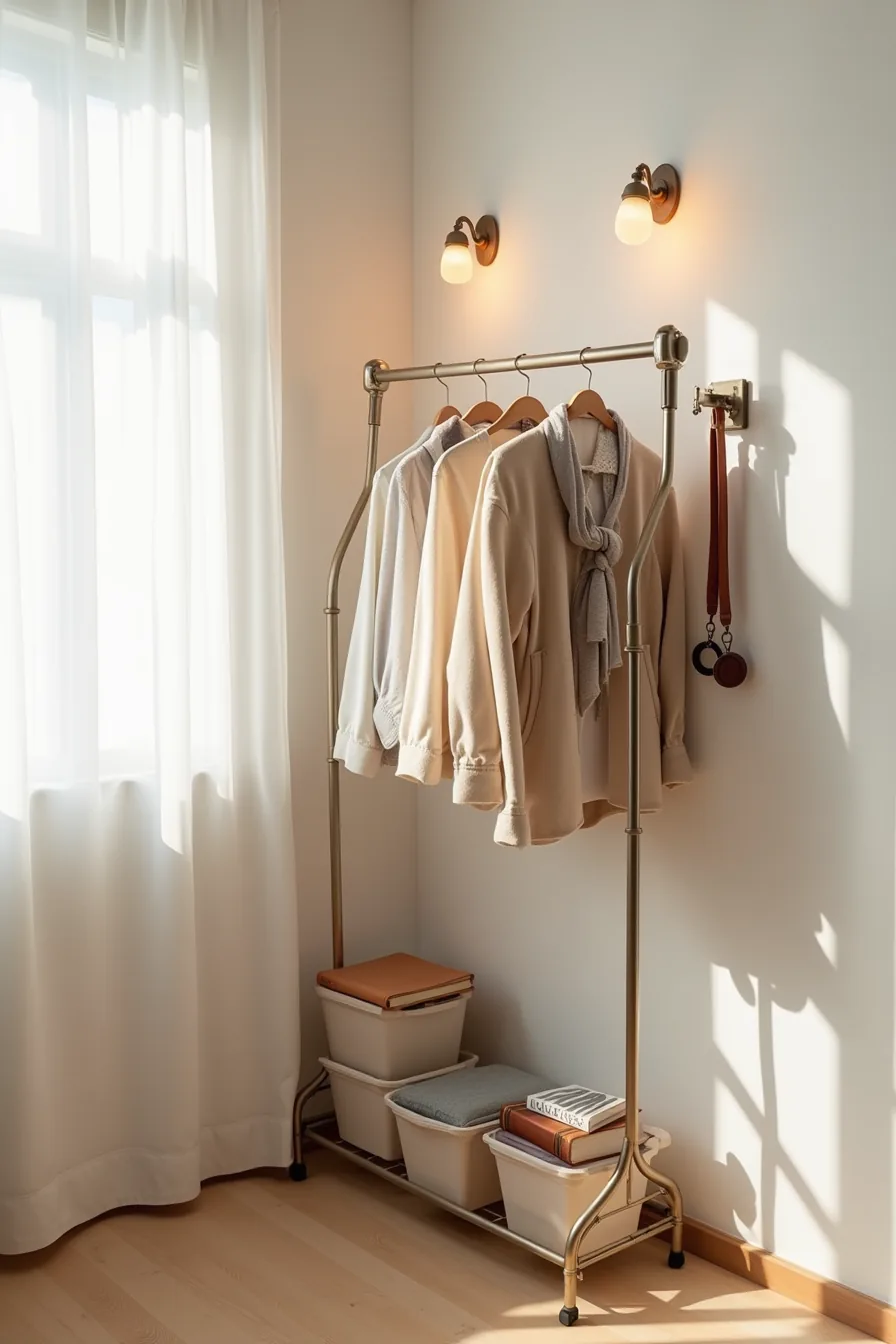
You don’t need a contractor to transform a rental closet. A freestanding metal garment rack handles your heavy coats and suits without a single screw, and it moves with you when your lease ends, expect to pay $40–$150 depending on whether you choose a single or double rail. Use adhesive hooks on the wall for scarves and belts; the weight limit is typically 5–10 pounds per hook, so keep them for lightweight accessories.
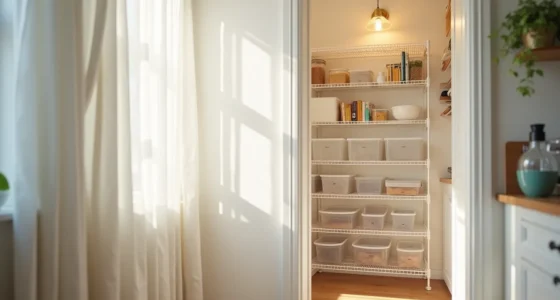
Stack plastic bins on the floor at the base to hold off-season footwear, and label each bin on the lid so you can find winter boots without pulling everything apart. This setup suits renters, dorm rooms, or anyone testing a layout before committing to built-ins. The trade-off is visual clutter, open racks and bins show everything, so keep the color palette of your bins and hangers uniform to reduce noise.
When you move, the adhesive hooks peel off with a gentle pull, and the bins collapse flat for transport, making this the lowest-risk interpretation of master closet organization ideas you can try this weekend.
Long-Term Investment Approaches: Custom Built-Ins and Premium Materials
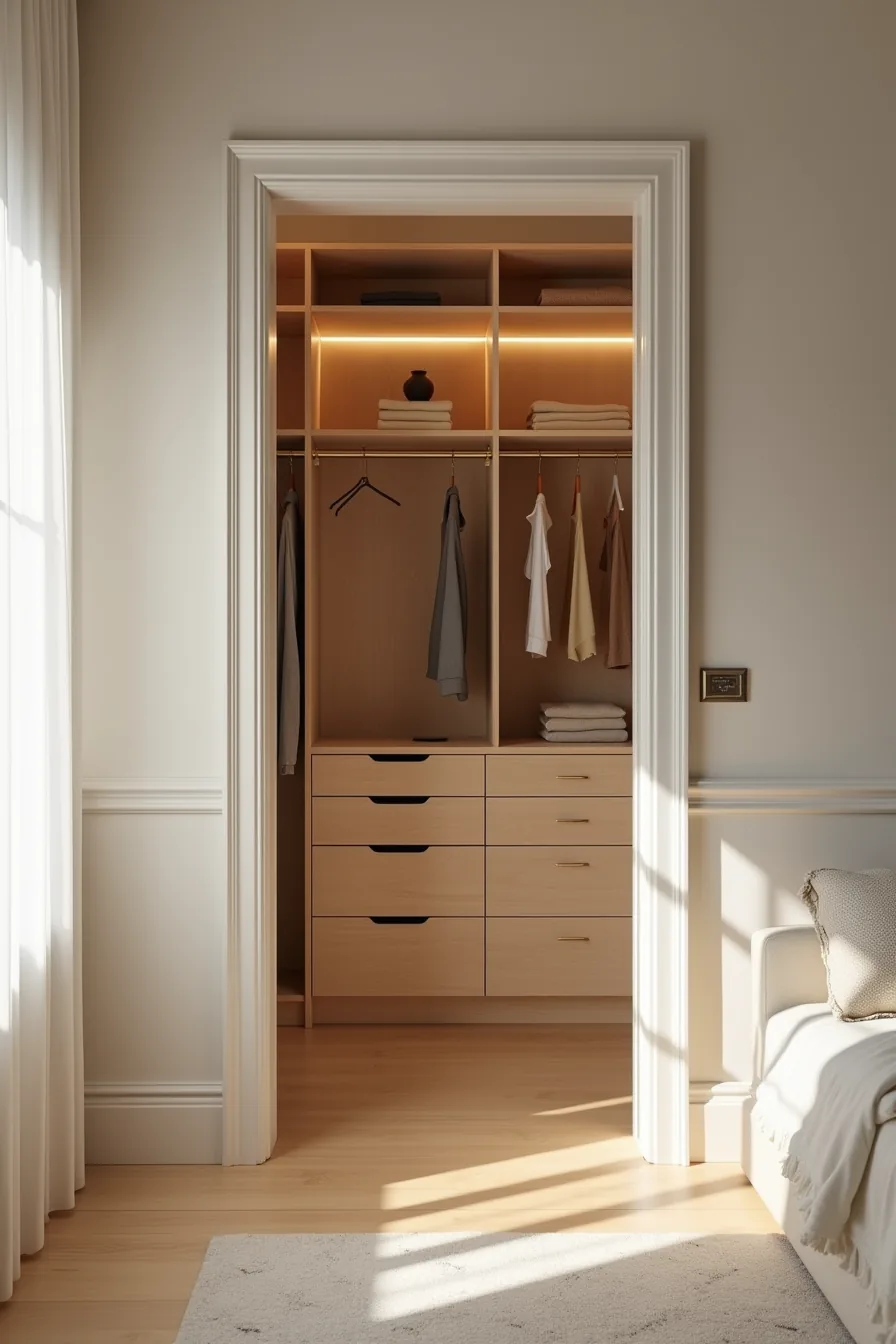
When you own the home and plan to stay for seven-plus years, custom built-ins convert your master closet organization ideas from daily convenience into property value. The fitted wooden cabinetry in this installation runs floor-to-ceiling, which doubles your storage volume compared to freestanding wardrobes, expect to invest $5,000–$15,000 for a 10-by-6-foot space, depending on wood grade, drawer count, and hardware selection. Polished brass pulls and hinges cost roughly triple what standard nickel finishes run, but they resist tarnish and fingerprinting for decades, so the premium pays off in maintenance savings.
Integrated LED lighting strips beneath each shelf eliminate the shadowed corners that make dark closets unusable; budget $300–$600 for professional low-voltage installation. Pull-out drawers rated for 75–100 pounds handle denim stacks and folded knitwear without sagging, while the dedicated hanging rods sit 42 inches apart to accommodate both long dresses and doubled trouser hangers. The timeline matters: custom cabinetry requires a site visit, a 2–3 week fabrication window, and two full days of installation, so plan the project before the holiday clutter arrives.
This route demands permanent commitment, you’re altering wall studs and electrical runs, but it returns an estimated 60–75% of its cost in resale value if the home appraises within five years.
Your 30-minute first step
Start with your shoes. Pull every pair out and count them, that single number tells you whether you need floor shelves, tilted racks, or a mix of both. Most closets hold 15–30 pairs, which fits comfortably on two 36-inch-wide shelves.
Measure your longest garment (typically a floor-length dress at 62–70 inches) and your tallest boots. Those two measurements set your hanging rod heights and boot shelf clearance permanently.
Clear a 36-inch walking path before buying anything. If you can’t stand centered and touch both walls, downsize your storage depth to 14–16 inches instead of standard 24 inches.
Frequently Asked Questions
How much closet space do you actually need for a master bedroom?
For two people sharing a master closet, plan for 6–8 linear feet of hanging rod per person. Couples with extensive wardrobes often need 10–12 feet each. This assumes you store off-season items elsewhere.
What’s the best way to organize a small master closet without buying expensive systems?
Use tension rods for double stacking, wire shelving units, and clear stackable bins. Repurpose cardboard boxes wrapped in contact paper for drawer dividers. The total cost stays under $100 and requires no drilling.
Should I use hanging rods or shelves for most of my clothes?
Hang anything that wrinkles easily, dress shirts, blazers, dresses. Fold knits, jeans, and casual tops on shelves. A 60/40 split favoring hanging rods works for most wardrobes, but shift to 70/30 shelves if you own mostly casual clothing.
How often should you reorganize your master closet to maintain the system?
Do a full reset twice a year, ideally at season changes. Between resets, spend 10 minutes monthly returning misplaced items to their zones. This prevents pile-up and keeps your system functional without constant maintenance.