
An arm chair design succeeds or fails on three measurable decisions, frame shape, arm height, and seat depth, and each of those choices changes how the chair fits your room, your body, and your budget. Get those numbers right and the chair anchors a corner, defines a conversation zone, or disappears into a hallway; get them wrong and you’ll be shifting furniture for years. The six configurations that follow break down what to measure, where to place each type, and which route, rental, budget, or investment, matches your situation.
Key takeaways
- Curved arms suit narrow living rooms because their inward taper keeps the visual weight low, while angular arms read as more formal and need at least 18 inches of clearance on each side.
- Wingback frames work best in reading nooks under 10 feet wide, but their high back and fixed arms can block sightlines in open-plan layouts, choose a low-profile club chair instead.
- For small rooms, keep the arm height under 24 inches and the seat depth between 20-22 inches so the chair doesn’t visually swallow the floor area; oversized arms add bulk without comfort.
- The budget route is a ready-made club chair with a kiln-dried hardwood frame, while the renter-friendly option is a slipcovered design you can wash, and the investment pick is a custom wingback with eight-way hand-tied springs that costs 3-5 times more.
Curved vs Angular Arms: Which Suits Your Space

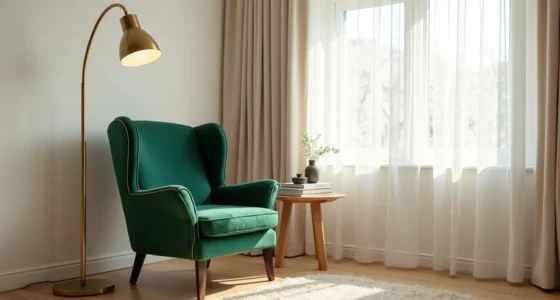
Arm geometry dictates more than looks, it changes how much floor you actually need. A wingback armchair with gently curved arms, like the one set against a plain wall at a 45-degree angle, pulls the eye down and inward. Its softened lines read as less bulky, so it works in tight corners or beside a sofa where you need visual breathing room.
A mid-century angular chair, by contrast, shoots its silhouette outward. The sharp arm lines widen the visual footprint, making a chair feel larger than its dimensions suggest. That’s an advantage in a loft or a spare 120-180-square-foot home office where you want a defined lounge zone.
But in a hallway or breakfast nook under 8 feet wide, the geometry will make traffic feel pinched, no matter how much actual floor clearance you’ve.
Match the arm line to the function: curved arms suit reading and grazing tasks (your forearms rest naturally), angular arms support more upright seating for desk work or dining. For better small-room flow, pair curved arms with open-backed frames and angled legs; angular arms need at least 16 inches of walkway clearance to avoid feeling like a hurdle.
Frame Shape Study: Wingback, Club, and Modern Profiles

A frame shape study reveals that the silhouette you choose determines not just the aesthetic but the physical footprint and care routine. The wingback chair, with its tall back and enclosed sides, excels at blocking drafts and cradling your head during long reading sessions, expect a depth of 32-38 inches that demands a generously proportioned living room or master bedroom corner. Its upholstered back collects dust along the vertical panels, so plan for monthly vacuuming with a brush attachment.
The barrel-shaped club chair in the center offers a shorter, rounded back that supports your shoulders without towering over the room. This profile suits media rooms and dens where sightlines matter, because the low silhouette won’t block sight lines to a television or conversation across the room. Exposed wooden legs on the modern chair improve the visual weight, creating an airy feel that works in apartments with 8-foot ceilings, though you sacrifice the enclosed cocooning effect of the other two frames.
Choose the wingback for cozy solitude, the club for social flexibility, and the modern for compact visual lightness.
Scale and Proportion for Small Rooms
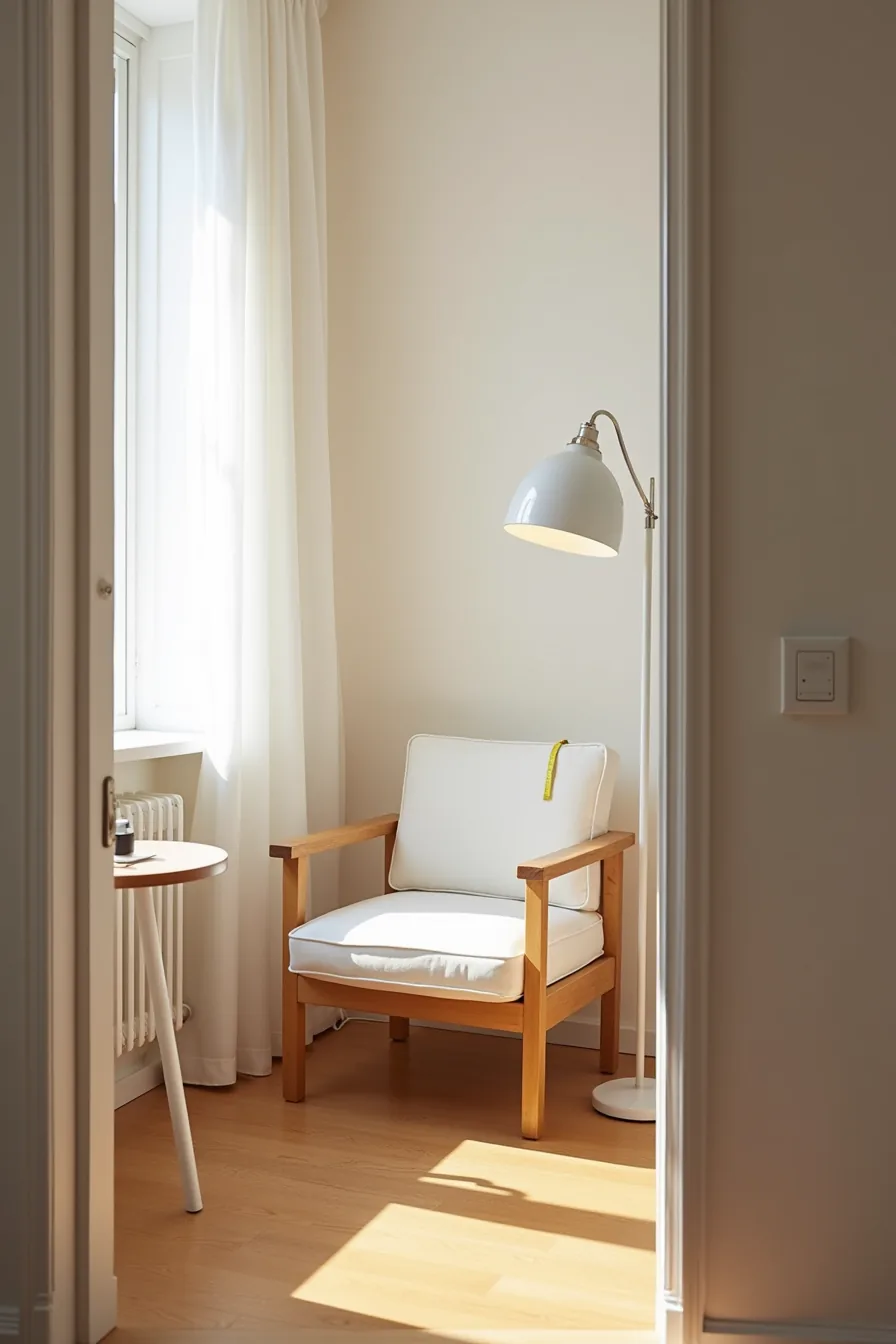
In tight spaces, the chair’s footprint matters more than its style. Measure your available floor area and leave a clear 18-24 inches of walking space in front of the seat, a compact armchair measuring 28-32 inches wide and 30-34 inches deep will preserve that circulation in most narrow rooms. Anything wider turns your corner into a bottleneck.
Before you buy, run the tape measure across the seat depth to confirm it falls between 20-22 inches; deeper seats force you to slouch or add a lumbar pillow, which eats visual and physical space. The compact armchair beside that side table and floor lamp works because its arm width stays under 6 inches, keeping the overall footprint proportional to the wall it anchors. Place it so the chair’s arm aligns with the front edge of the side table, you get a landing spot for a drink without blocking the path past the chair.
For Arm Chair Designs for Better Small-Room Flow, prioritize chairs with exposed legs and a low back; the visible floor beneath the frame tricks the eye into reading the room as larger than it’s.
Arm Height and Comfort Meets Form
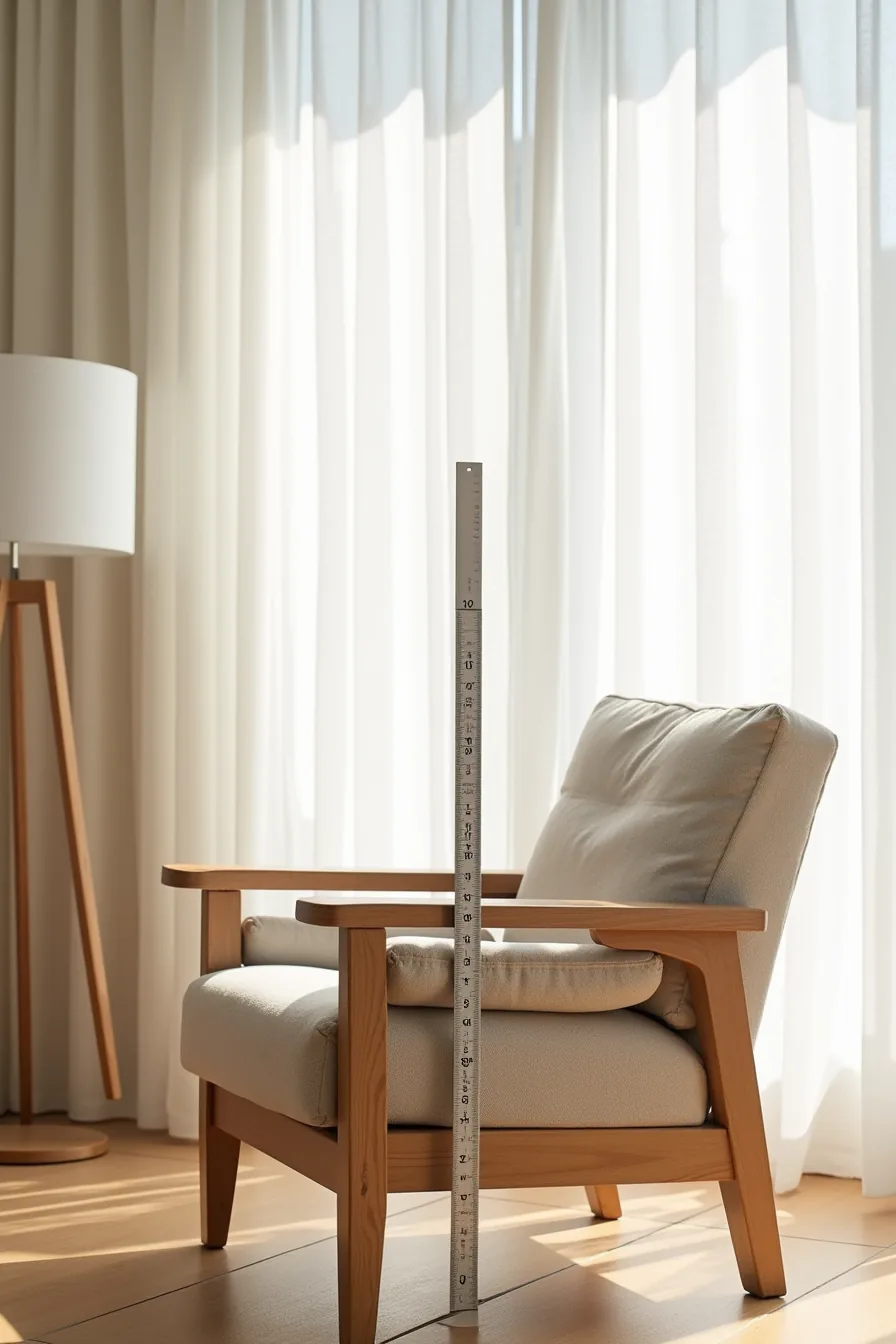
Your arm height dictates how long you can sit before fatigue sets in. Measure from the top of the seat cushion to the top of the armrest: a 7- to 9-inch rise suits standard dining-height tables and reading positions, while 9-11 inches allows you to drape an arm without hunching your shoulder. When you set a ruler vertically against the arm of a side-profile armchair, the seat cushion reveals the real ergonomic story, if the gap exceeds 11 inches, your forearm dangles and your neck compensates; under 6 inches, you’ll slouch to reach it.
That low, wide arm might photograph beautifully, but it forces you to lean sideways for a drink or a book. High, narrow arms (4-5 inches wide) support posture better and read as more formal, but they also block visual sightlines across a room, so pair them with a swivel base if you need to converse without craning your neck. The style-versus-comfort trade-off is real: a rolled arm feels plush but shortens the effective seat width by 2-3 inches, so size up the overall chair if you’re broad-shouldered or plan to share the seat.
Budget, Renter, and Investment Routes
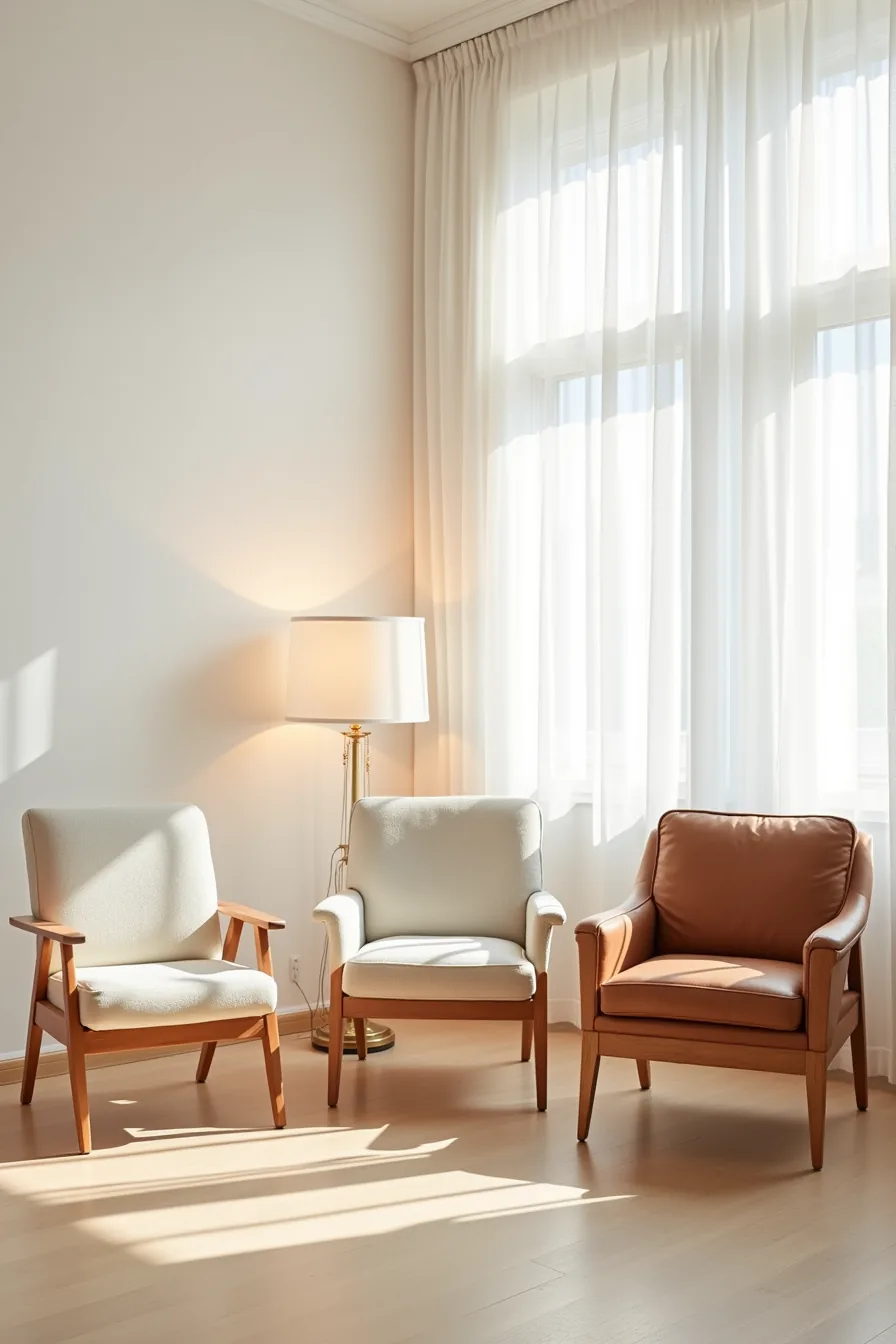
Your first decision is lifespan, not style. A budget upholstered chair with a basic kiln-dried hardwood frame runs $200–$500 and will hold up for two to four years of daily use, fine for a first apartment or a guest corner that sees a few hours a week. Expect polyester or olefin fabric with a 15,000–25,000 double-rub rating and a fixed, non-removable seat cushion; when it sags, you replace the whole chair.
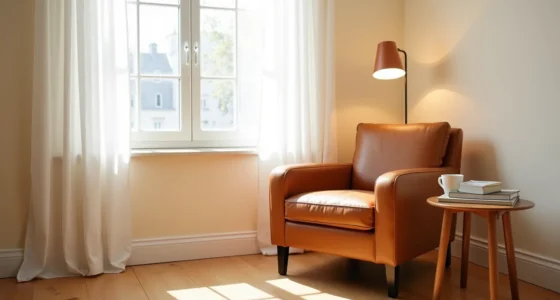
The mid-range chair in the middle represents the renter-friendly sweet spot at $600–$1,200. Look for a removable, zippered cushion cover and a solid wood frame with corner-blocked joints, you can machine-wash the cover before a move, and the construction survives a single disassembly and reassembly. Choose a performance velvet or crypton-grade weave with a 30,000–50,000 double-rub rating; it resists pet claws and wine spills without looking like outdoor furniture.
The premium leather or heirloom-quality chair starts around $1,500 and justifies itself through a kiln-dried frame with eight-way hand-tied springs and full-grain or top-grain leather that develops a patina over decades. It weighs 60–100 pounds, so plan for it to stay put. Reupholstering a quality frame costs $600–$1,200 every 15–20 years, which still undercuts buying new three times over.
If you rent, invest in the mid-range option; if you own your home, the premium route pays off only when you commit to keeping the chair for a decade or more.
Placement, Color, and Maintenance Decisions
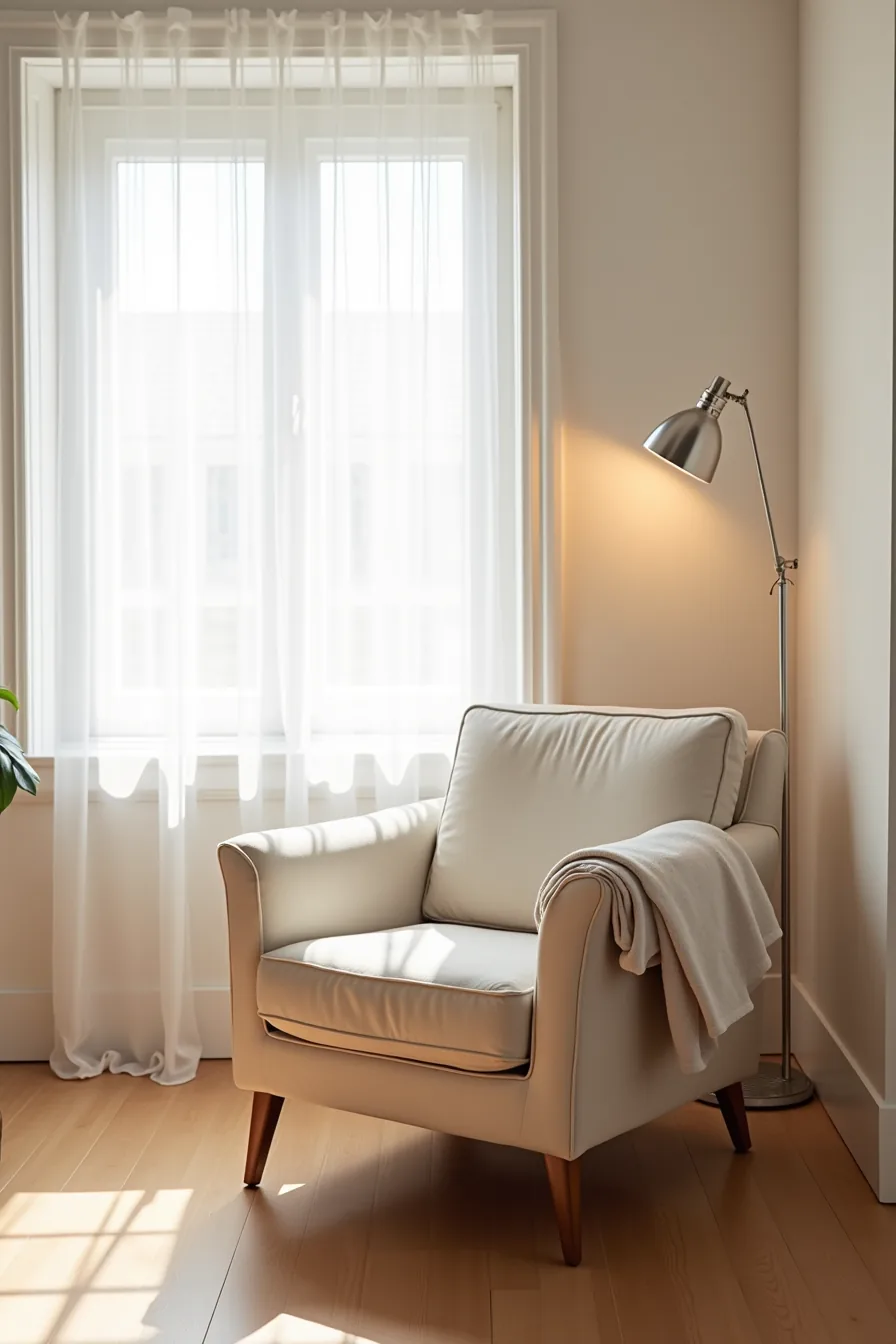
Position the chair so the front legs sit clear of the main walkway, a 18–24 inch clearance keeps traffic flowing without forcing you to squeeze past. Angle it 30–45 degrees toward the room’s center rather than square to the wall. This opens the conversation area while letting you see the window without staring into glare.
That window placement determines your fabric risk. Direct afternoon sun fades even high-rated upholstery within two to three years, so pair a sunny spot with a lighter weave or add a sheer curtain layer. The cleaning cloth draped over the arm is your maintenance reality check: dark, textured fabrics hide dust but demand weekly vacuuming, while smooth, light solids show every mark and wipe clean with a damp cloth in seconds.
Match the finish to your actual cleaning tolerance, not your ideal aesthetic. A removable arm cover or throw adds a washable barrier where hands and hair oil make contact most.
Your 5-Point Decision Checklist
Before you buy, run through this:
- Measure the approach path, can you carry it through doorways and around corners?
- Clear 30-36 inches of walking space around the chair in its final position.
- Match seat height to your table, dining chairs need 10-12 inches of clearance under the tabletop.
- Check fabric wear rating, anything under 15,000 double rubs suits occasional use only.
- Verify the frame, solid hardwood joinery outlasts particleboard by decades.
Start with one measurement: the width of your narrowest doorway. Write it down before you browse. That single number eliminates half your options instantly and focuses your search on chairs that will actually reach your living room.
Frequently Asked Questions
What is the ideal arm height for an arm chair relative to the seat cushion?
Measure from the floor to the top of the armrest, then compare to your seat height. Most arms sit 8–10 inches above the seat cushion, higher arms suit dining or reading, lower arms encourage lounging.
Can I fit a wingback arm chair in a small apartment without blocking the doorway?
Yes, if you measure both the chair’s depth and the doorway’s swing clearance. Standard wingbacks run 30–36 inches deep; leave 18–24 inches of walkway in front. Choose a low-back or sloped-arm version to reduce visual bulk.
How do curved arms affect the visual weight of a chair compared to straight arms?
Curved arms soften the silhouette, making the chair appear lighter and more approachable, even if the footprint is identical. Straight arms read as structured and heavier, visually filling corners and small rooms faster, so pair them with slim legs or lighter upholstery.
What upholstery materials require the least maintenance for arm chairs in high-traffic homes?
Performance polyester, Crypton, and solution-dyed acrylic resist stains and fading without frequent cleaning. Avoid linen, velvet, and untreated cotton, they show wear within months in busy households. Look for a cleanable, water-repellent finish rated for daily use.