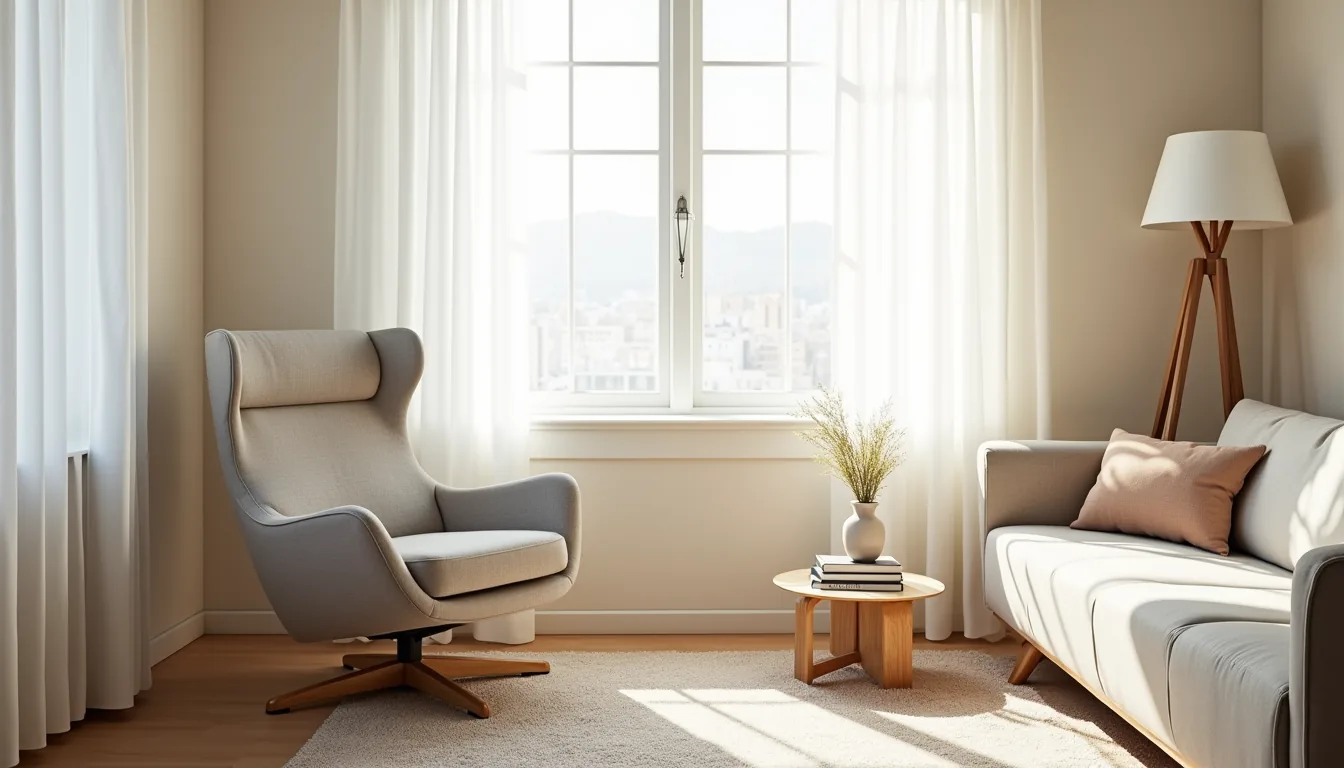

A swivel accent chair is the rare piece of furniture that gives you the visual weight of a statement seat and the functional freedom to turn toward conversation, light, or a screen without moving the chair itself. That pivot mechanism means it must balance base stability, seat height, and footprint against the look you want. Below are six distinct interpretations, from sculptural showpieces to space-saving workhorses, each with the specific dimensions, materials, and trade-offs you need to match one to your room.
Key takeaways
- Rotation beats recline for small rooms because a 360-degree swivel base lets you face the TV, window, or conversation group without dragging a 30-40 pound chair across the floor.
- A mid-century swivel chair with a molded plywood shell and metal base typically costs $400-$900 new, but holds resale value better than fabric-upholstered models that show wear within 3-5 years.
- Renter-friendly swivel options under $200 usually use a 28-32 inch diameter plastic or metal base that assembles in 15 minutes with no tools, and they fit through standard doorways without disassembly.
- Match the seat height to your existing sofa, if your couch sits at 18-19 inches, choose a swivel chair with a 17-20 inch seat height so sightlines stay level during conversation.
Swivel vs Fixed Chair: Why Rotation Matters
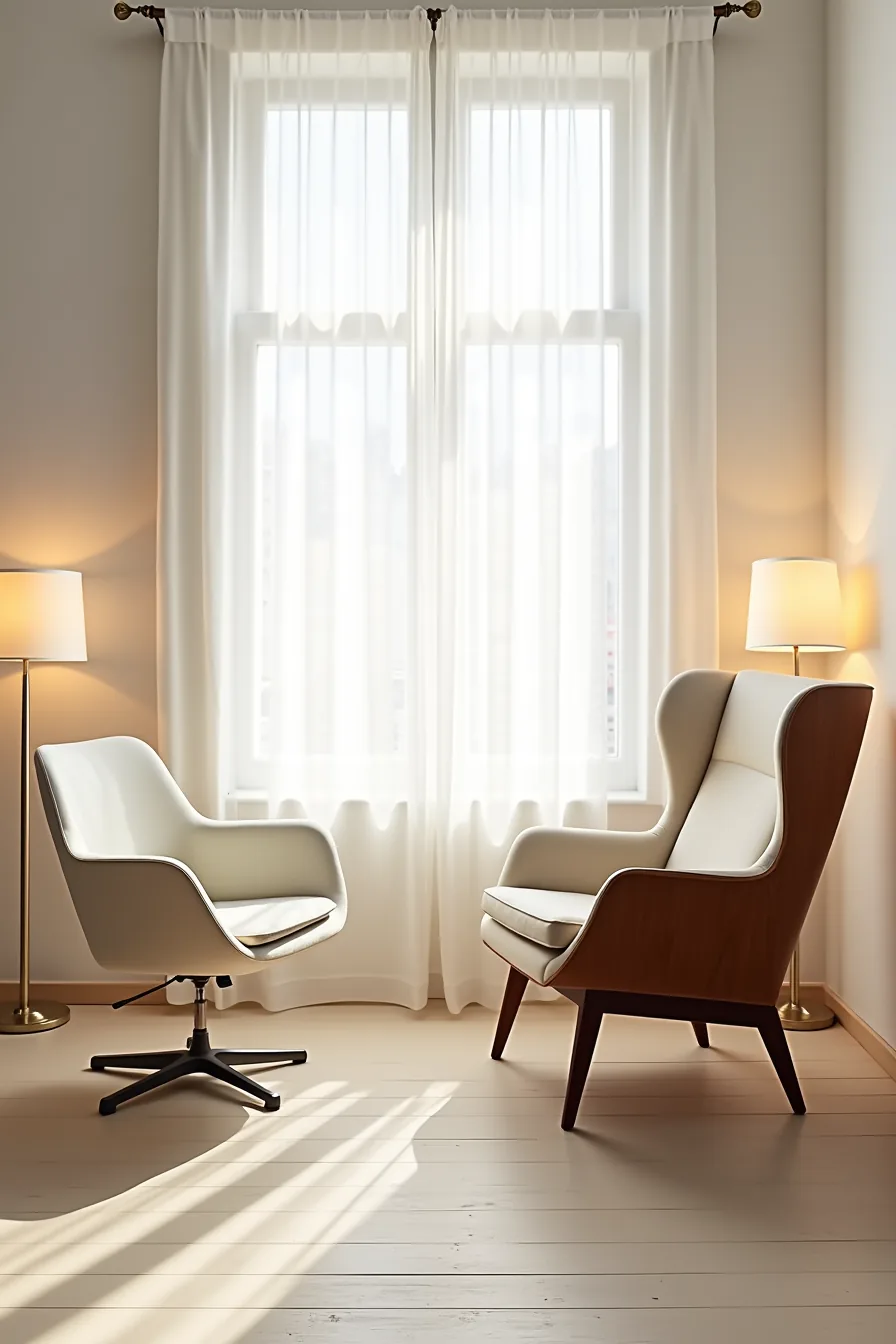
The choice between a swivel accent chair and a fixed one changes how the seat performs in daily life, not just how it looks. A swivel base, typically a metal mechanism with a rotating bearing, lets you turn toward a conversation, a window, or a TV without shifting the chair’s footprint. A fixed chair with a wooden frame demands that you move the entire piece or reposition your body instead.
In the side-by-side setup, the left chair’s metal swivel base supports a continuous 360-degree rotation, ideal for open-plan living where sightlines shift throughout the day. The right chair’s fixed wooden frame offers stability and traditional posture, better suited to a dedicated reading nook where the orientation never changes. Your room’s traffic flow dictates the winner: if you need to pivot frequently, choose swivel; if you want a permanent anchor, stay fixed.
Mid-Century Modern Swivel: The Timeless Investment
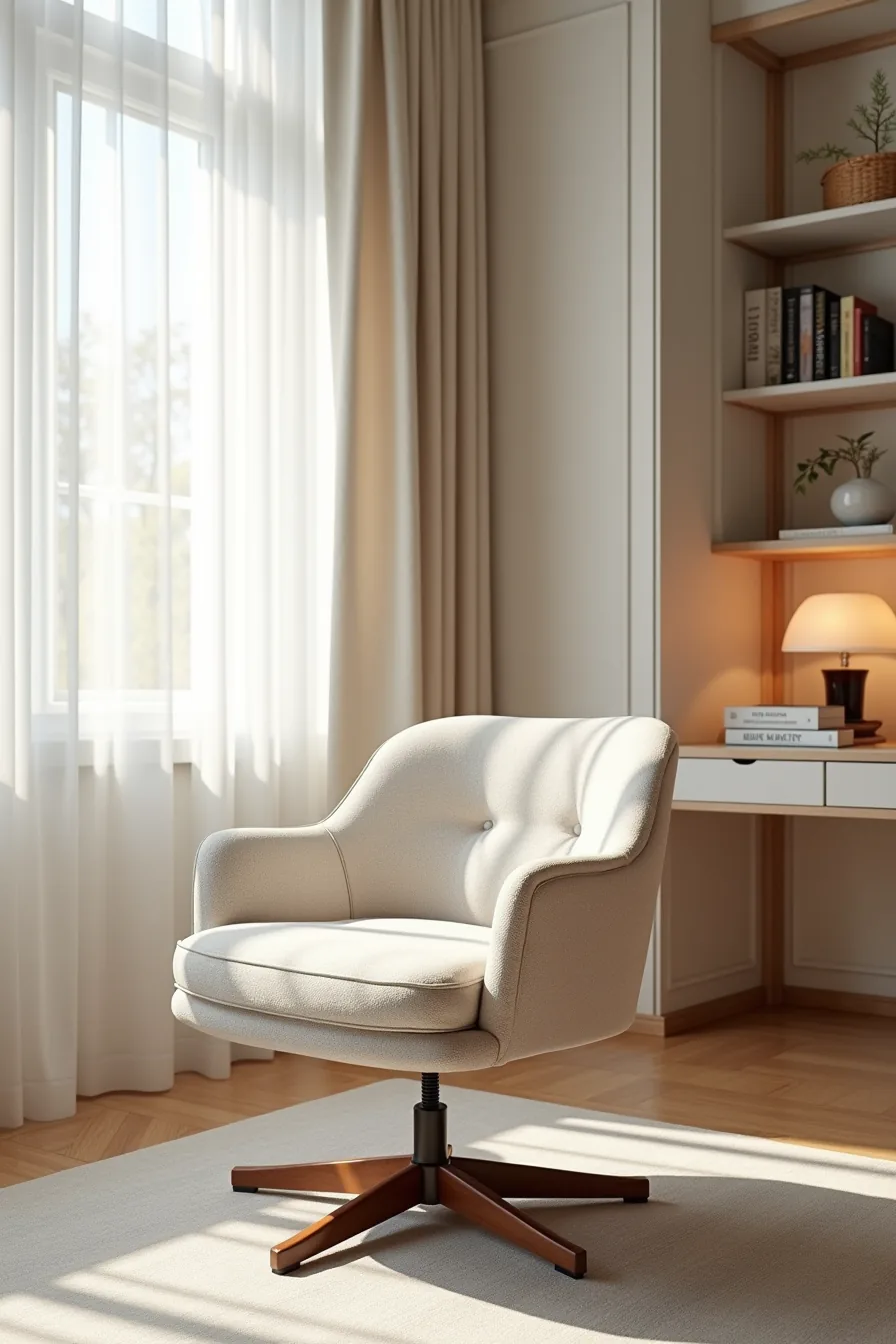
A structured mid-century swivel accent chair pairs a rotating metal base with solid wood legs, usually tapered and angled outward, so you get the convenience of motion without sacrificing the period’s clean, grounded silhouette. The tufted upholstery and curved arms add a tailored formality that reads as intentional, not casual, which is why this style suits a home office or formal living room where you want both polish and practical pivot.
The desk, table lamp, and bookshelves behind it form the ideal staging: the chair sits at the desk’s side, letting you swivel from keyboard to shelving or toward a visitor without rolling casters scraping the floor. Choose a performance-grade fabric, wool or a tightly woven blend, since tufting creates crevices that trap dust; a vacuum with a brush attachment every two weeks keeps the detailing sharp. This is a long-term investment route, typically priced 20–40% above fast-fashion equivalents, so factor in a protective spray treatment to extend the upholstery’s lifespan against daily office wear.
Conversation-Friendly Seating in Tight Corners
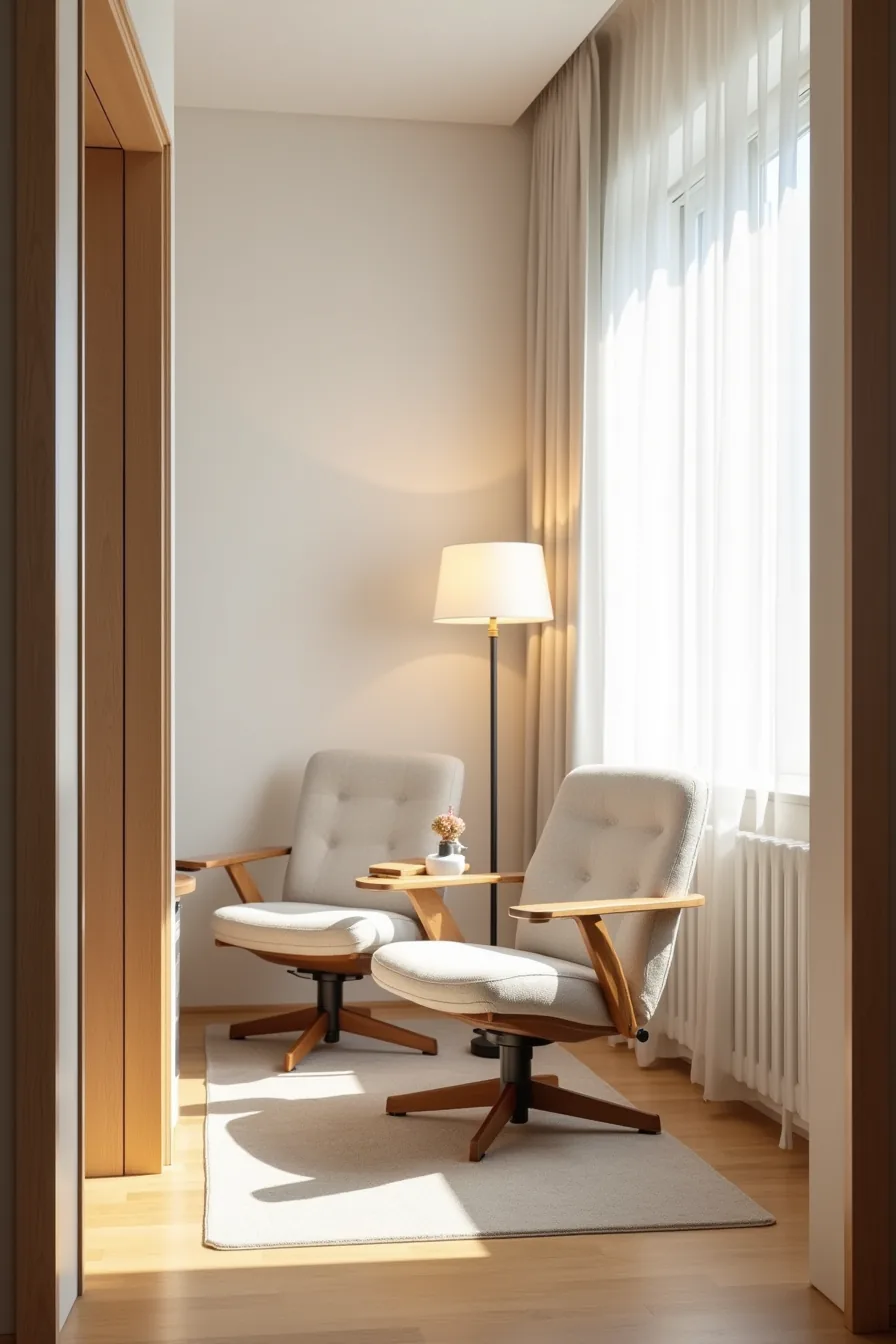
The setup that solves small-room conversation is a rounded-back swivel accent chair placed diagonally in a corner nook, angled toward a compact round side table with a second chair positioned across it. That diagonal orientation is the key: it lets two people face each other without the chair backs blocking the doorway sightline, and the pivot motion means either occupant can turn toward the room rather than feeling pinned against the wall.
This works best in rooms under 200 square feet where a traditional sofa-and-coffee-table arrangement would eat the floor plan. The round side table, keep it 20–24 inches in diameter, gives both seats a shared surface for drinks without creating a sharp corner that grazes knees. You need at least 30 inches of clearance behind the swivel chair’s arc so the backrest doesn’t clip the wall when you rotate.
A compact chair depth of 28–32 inches keeps the footprint honest; anything deeper turns that corner nook into a tunnel.
Small-Space Rotation: Budget and Renter-Friendly Options
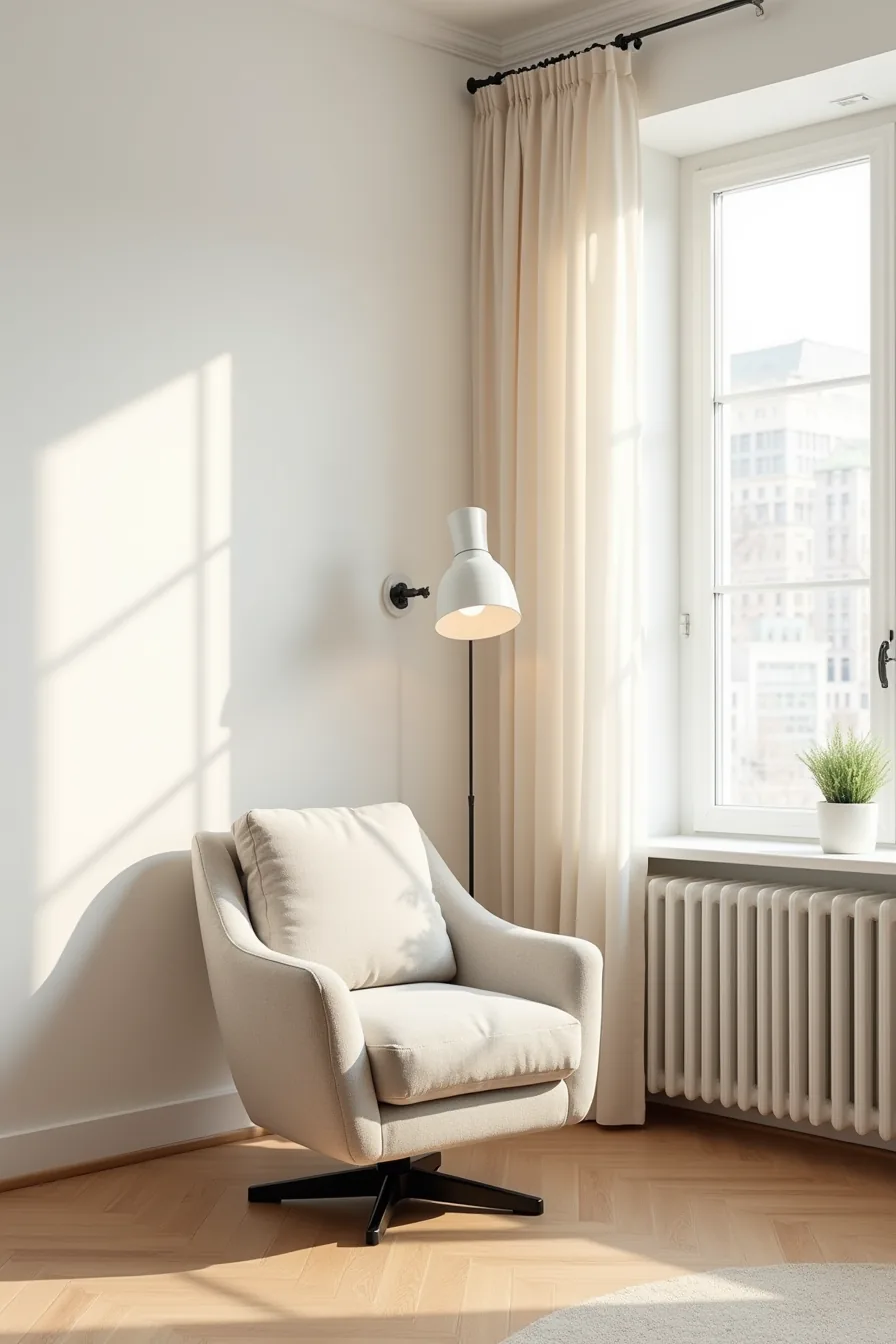
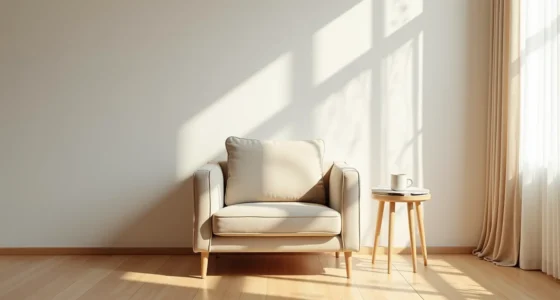
For apartments and studios, the swivel accent chair you want is the lightweight, upholstered model with a minimal metal or slim wooden base, nothing built-in, nothing bolted to the floor. A simple neutral-fabric chair near a window, with its back to the light and its pivot arc clear of the radiator, gives you a reading nook that rotates 360 degrees without demanding a permanent footprint. Because the base is small and the frame is light, you can move it between the bedroom and living area in under a minute.
The budget route: a swivel accent chair in the $200–$400 range, typically with a plywood shell and a polyester-blend upholstery. Expect the swivel mechanism to feel slightly stiff for the first week; that’s normal, and it loosens with use. For renters, stick to slipcovered or washable fabric, cotton twill or performance weave, so you can launder it before moving out and avoid a security-deposit deduction.
Avoid leather or velvet in this price tier; they wear unevenly and show scuffs you can’t repair. The chair’s small-scale rotation is its best asset: you can angle it toward the window for morning coffee, then pivot it to face the TV by evening, all without dragging the piece across the floor.
Make a Swivel Chair the Most Flexible Seat in Open Plans
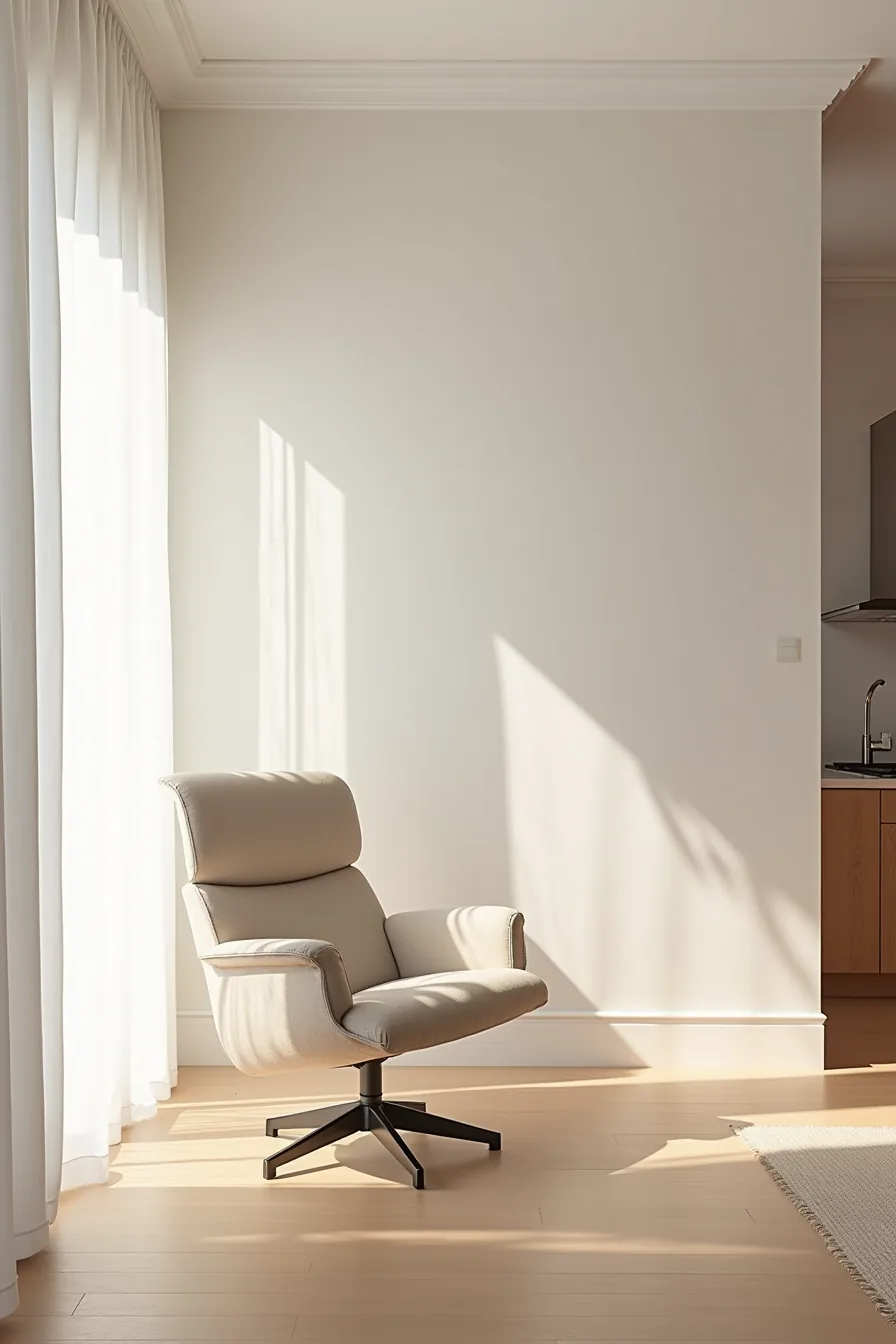
In a room that does double duty as kitchen and living space, the swivel accent chair earns its place as the pivot point between both zones. Positioned at the edge of the rug with its back toward the kitchen counter, it lets you face the cook during meal prep, then spin to the sofa for movie night without moving the chair an inch. This works because the base is stationary while the seat does the turning, so you get two seating orientations from one footprint.
For a 12-by-16-foot open plan, choose a mid-weight chair with a 30–34-inch seat height and a swivel radius that clears the counter overhang by at least 6 inches on all sides. A chair with a low-profile arms and a flared back keeps sightlines open between zones. The long-term investment route is a solid-oak or steel-base model with high-density foam cushions; expect to pay $600–$1,200, but the swivel mechanism will outlast the fabric by a decade.
Pair it with a slim side table that matches the chair’s base finish so the pivot arc remains unobstructed and the piece reads as intentional, not accidental.
Material, Scale, and Maintenance: Matching Chair to Lifestyle
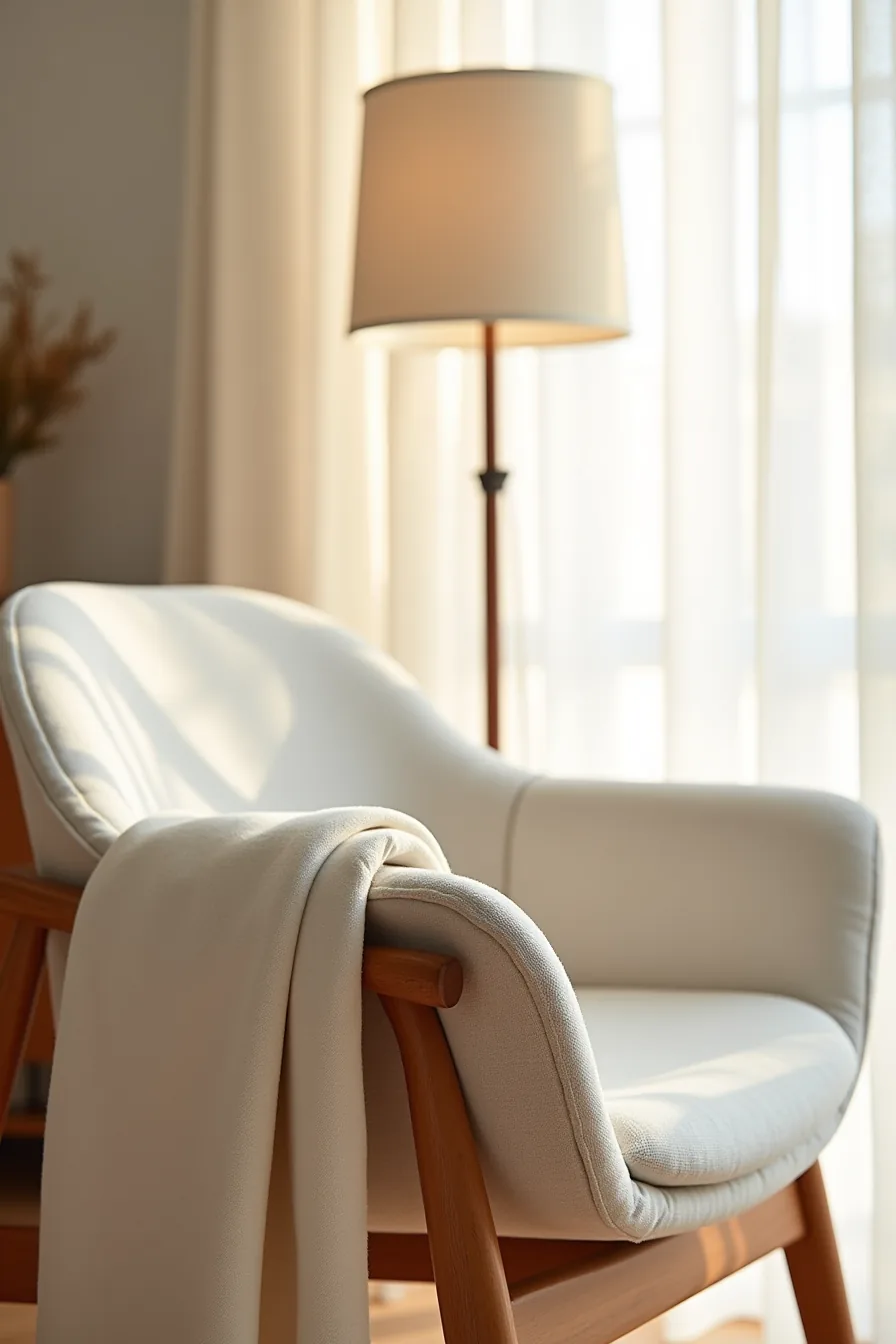
The fabric you choose dictates how often you’ll clean, not just how the chair looks. Performance weaves with a Crypton or solution-dyed acrylic core resist spills and fading for 5–7 years of daily use, while a linen-cotton blend looks refined but demands professional cleaning within 48 hours of any stain. Run your hand across the swatch draped over the arm: if the weave snags on dry skin, it will catch on denim rivets and pet claws.
Examine the frame joint where the wooden leg meets the base, a doweled and glued mortise-and-tenon connection signals furniture that survives a decade of spinning; stapled butt joints will creak within two years. Seat depth matters more than overall width: measure from the front edge to the back of the cushion. A 20–22-inch depth suits a 5’8″ adult for reading, but anyone shorter needs 18–19 inches or their feet won’t reach the floor when the chair pivots.
For high-traffic households, skip open-pore woods like oak on the legs; a lacquered maple or powder-coated steel wipes clean with a damp cloth, no re-oiling required.
Your next move
You now have a clear picture of what a swivel accent chair can do: anchor a reading corner, add flexible seating to a living room, or bring sculptural interest to a bedroom. The real differentiator is how the chair fits your daily habits, not just your decor style.
Start by measuring your floor space and marking the chair’s turning radius with painter’s tape. Sit in it, spin it, and test how it feels over a 10-minute stretch. That one test will tell you more than any product photo ever will.
Frequently Asked Questions
What size swivel accent chair fits a small bedroom?
Look for a chair with a seat width of 20–22 inches and an overall depth under 30 inches. Compact models with a 360-degree base still need 36 inches of clearance for full rotation without hitting walls or furniture.
Can you use a swivel accent chair in a formal dining room?
Yes, if you choose a upholstered model with a tapered or covered base rather than a visible metal mechanism. Pair it with a round table to avoid corner collisions, and keep the swivel lock engaged when not in use.
How do you prevent a swivel chair from spinning too freely?
Install a friction ring or tighten the tension nut on the base mechanism, which most models include. Alternatively, place a rubber furniture pad under the base to add resistance without scratching your floor.
What’s the difference between a swivel accent chair and a task chair?
A swivel accent chair prioritizes style and lounge comfort, with a wider seat and lower back, while a task chair is ergonomically engineered for desk work with adjustable height, lumbar support, and casters. Accent chairs rarely offer height adjustment or armrest tilt.