
A vintage accent chair is a single piece of furniture that can anchor a room’s entire personality, but choosing the right one requires matching its scale, material, and construction to your specific space, budget, and daily habits. The category spans everything from a 1950s Danish teak lounger to a carved Victorian wingback, and each demands different floor space, upkeep, and investment. Below, you’ll find six distinct interpretations, each with the practical trade-offs you need to decide whether it belongs in your living room, bedroom, or a cramped corner that currently holds a stack of books.
Key takeaways
Tapered legs signal mid-century authenticity, so check for angled, exposed wood legs with brass or metal caps before committing to a piece. Wingback and club chairs need at least 24 inches of clearance from a wall to avoid blocking circulation, making them ideal for corners or reading nooks in rooms over 12 feet wide. Rattan and cane frames cost 30-50% less than comparable solid-wood vintage pieces, but require re-caning every 10-15 years if exposed to direct sunlight or humidity. For renters, anchor a vintage-style chair with a washable slipcover and a removable floor protector, never glue or nail anything to the frame if you plan to move it within three years.
Mid-Century Modern: The Tapered-Leg Foundation
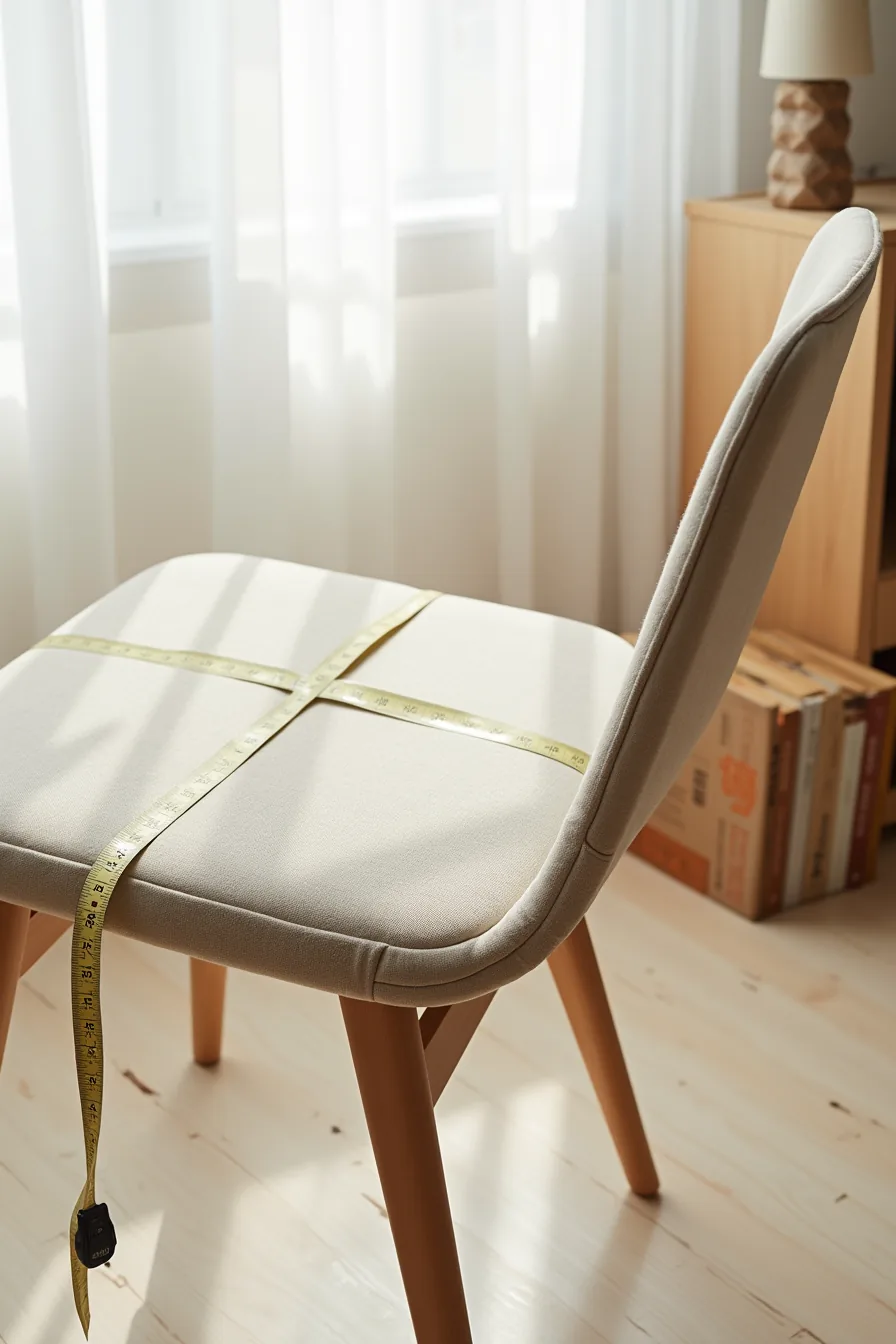
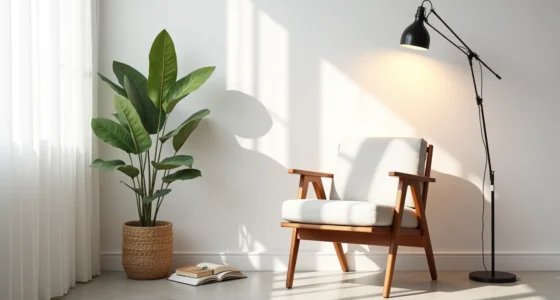
The mid-century vintage accent chair earns its place in contemporary rooms because its silhouette, low, wide, and open underneath, reads as sculpture rather than furniture. Those splayed wooden legs create negative space that visually lightens a compact living area, making the piece one of the most forgiving old chair modern room options for small to medium footprints. Most authentic originals from the 1950s-60s measure 28-32 inches in seat height and 20-24 inches across the seat, so check those proportions before committing to a tight corner or narrow entryway.
To verify authenticity over a reproduction, flip the chair and inspect the wood joints. Dovetail or mortise-and-tenon connections on the legs and frame signal period construction, while staples and glue suggest a modern factory build. The upholstered seat in this setup shows a neutral fabric, ideal because it lets the wood grain carry the visual weight.
Expect to pay a premium for original pieces with intact joinery; reupholstering an authentic frame typically runs 40-60% of the chair’s purchase price, so factor that into your budget before buying.
Wingback and Club Styles: Anchoring Larger Rooms
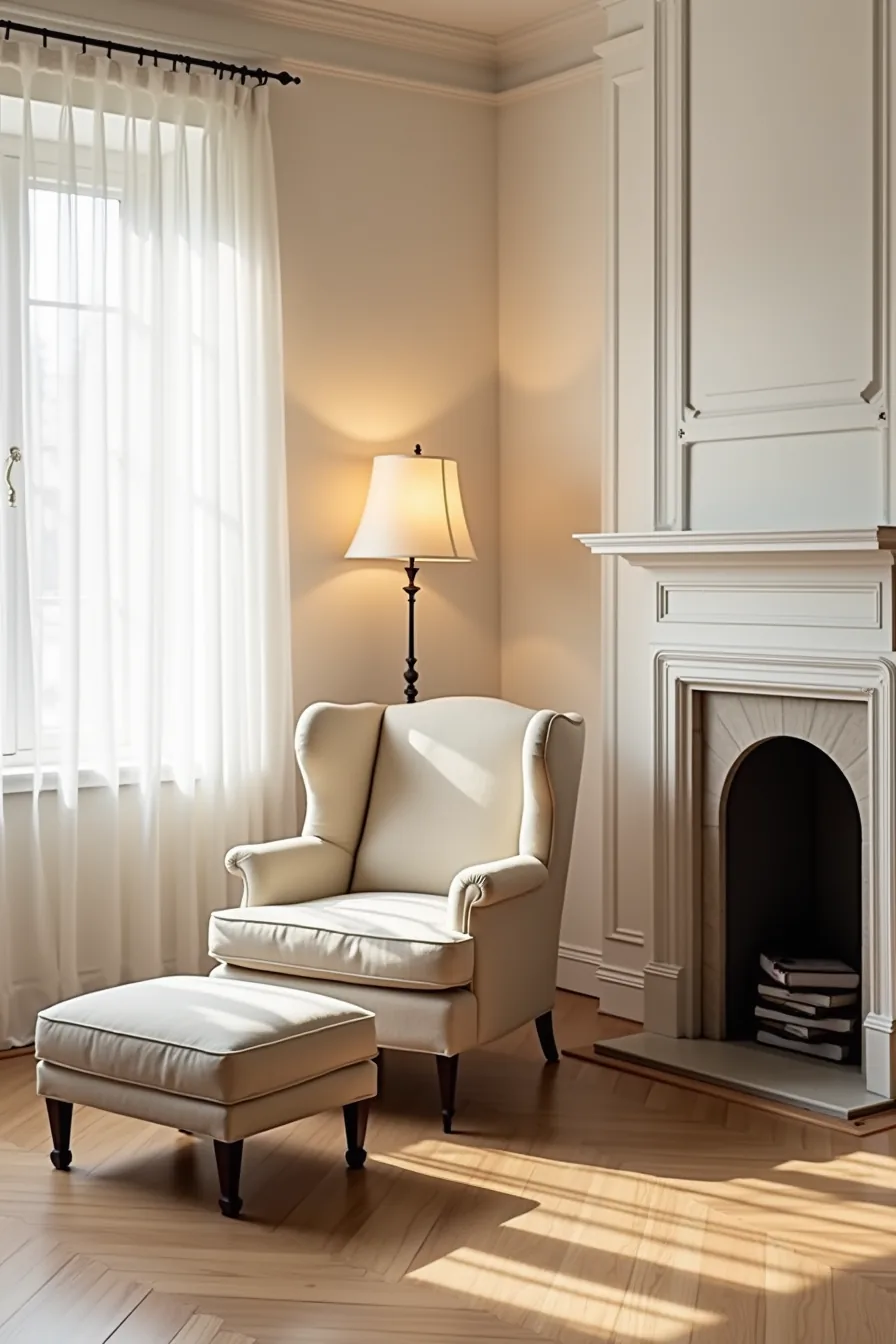
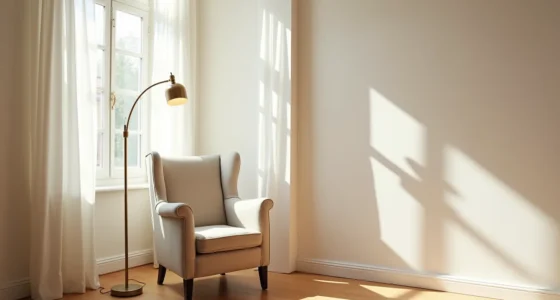
Traditional wingback and club chairs operate on a different logic than their mid-century counterparts. Where tapered legs open up a space, these generously upholstered silhouettes command it, deep seat depths of 22-26 inches and rolled arms create a visual anchor that balances high ceilings, large sofas, and expansive floor plans. In a wide-angle living room with architectural molding at chair height, placing your wingback against the fireplace wall establishes a natural conversational zone rather than leaving the room feeling scattered.
The ottoman positioned in front isn’t decorative; it extends the chair’s effective depth by roughly 18-20 inches, making the full arrangement a practical lounging setup. For real function, you need at least 36 inches of clearance behind the chair and 18 inches in front for foot traffic. Reupholstering an original wingback typically costs $800-$1,500 depending on fabric grade, while a pre-restored piece with quality wool or linen runs $1,200-$2,500, if the frame is solid, buying unrestored and recovering often saves 30-40%.
This route suits traditional, transitional, or eclectic rooms with generous square footage where a lighter chair would disappear.
Rattan, Wicker, and Cane: Budget-Friendly Routes
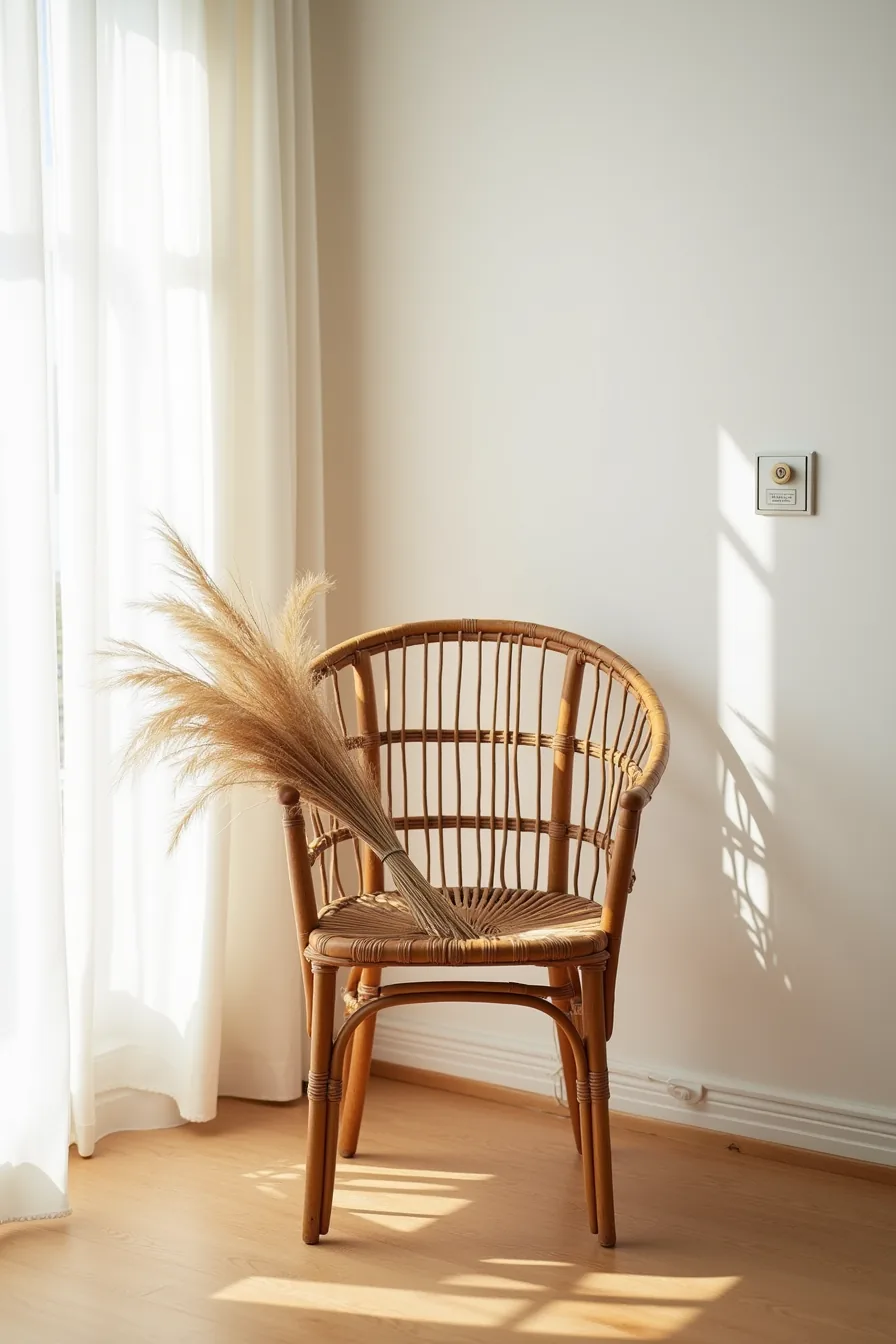
A woven rattan accent chair with a natural tan finish typically costs $150-$400 at estate sales and flea markets, a fraction of what equivalent mid-century upholstered pieces command. The dried grass bundle resting on the seat is a styling cue, not a functional element; remove it before sitting to avoid crushing the weave and trapping moisture. The exposed rattan frame and open weave pattern mean you inspect structural integrity first: check for cracked joints at the arm-to-seat connection and split strands along the back, as repairs there run $50-$150 at a specialist.
Natural fibers tolerate dry indoor air well but dislike direct sun, which turns tan tones brittle and pale within a few seasons. Clean with a vacuum brush attachment monthly and wipe spills immediately, water stains darken the reed permanently. Unlike upholstered vintage chairs, you refresh these without reupholstery: a $20 can of spray lacquer revives faded frames, and replacing a worn seat cushion costs $30-$80.
This route suits renters, first-time vintage buyers, and sunrooms or covered porches where lighter scale, typically 28-32 inches wide, prevents the piece from overwhelming a compact floor plan.
Leather and Vinyl Vintage Pieces: Long-Term Investment
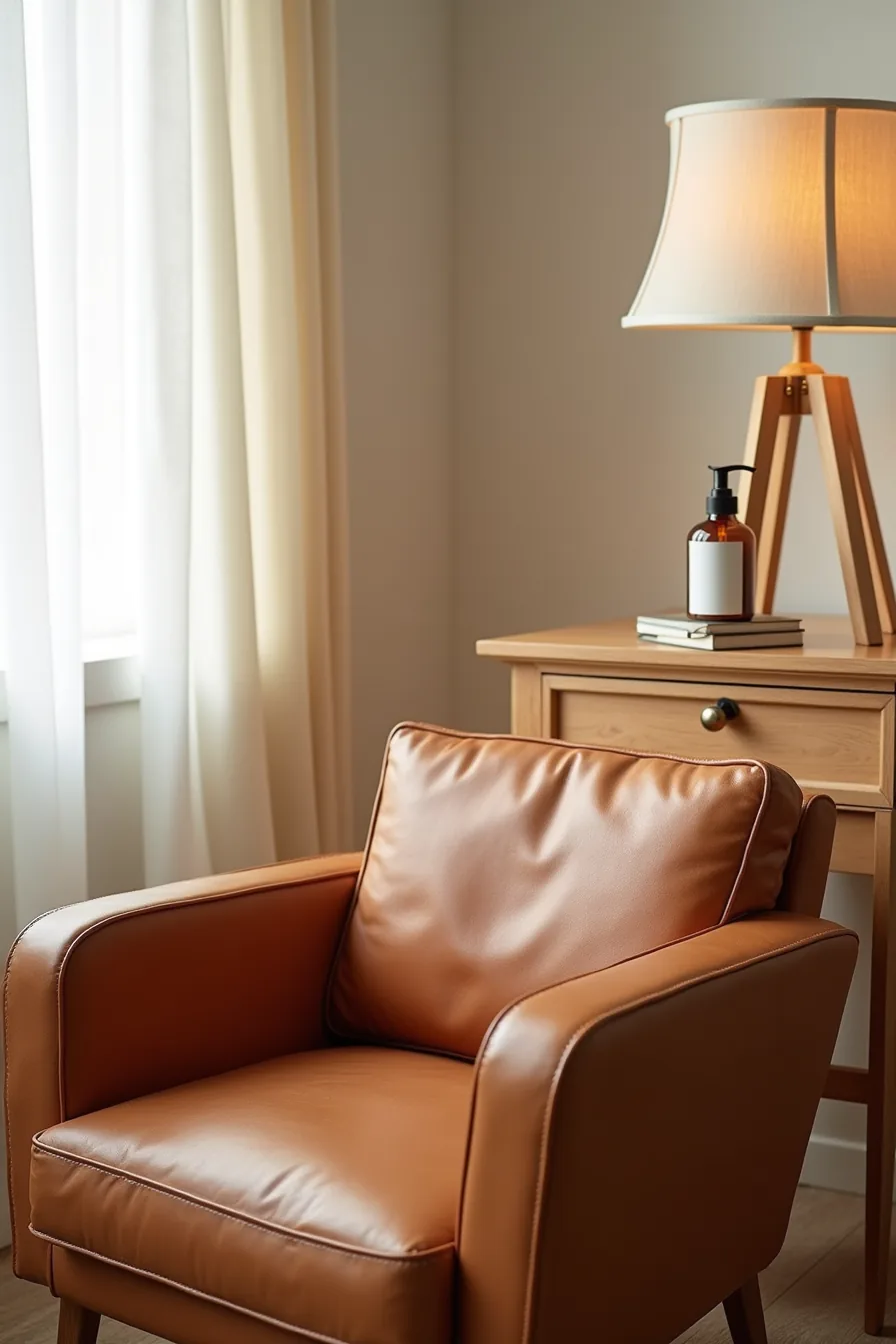
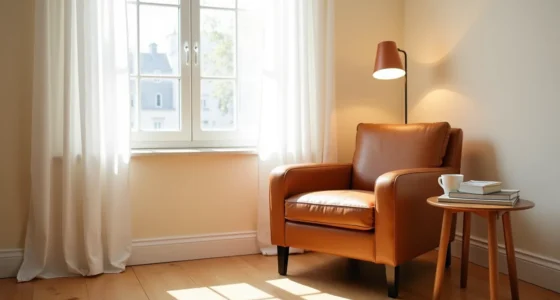
A vintage leather accent chair rewards patience more than any other material. Look for full-grain or top-grain hides with tight, natural creasing across the seat and arm, these indicate decades of use without structural failure. The patina you see on the surface, like the warm sheen catching the side lighting on that seat, is oxidized oils from human contact; it deepens with age and can’t be replicated.
Distinguish this from damage: cracks that expose fibrous backing, stiffened panels, or tears at stress points signal the hide has dried beyond recovery.
Conditioning schedules matter. Apply a leather conditioner every 6-12 months, working it into the creases with a soft cloth, and keep the chair away from radiators and direct afternoon sun. Original leather commands 30-50% more than reupholstered equivalents because the hide has molded to the frame over time, a reupholstered chair loses that custom fit.
Reupholstering only makes financial sense if the frame is solid and the leather is beyond repair; expect $800-$1,500 for a professional job, which often exceeds the chair’s resale value unless it’s a designer piece. This route suits buyers who want a piece that appreciates with care and who accept that leather requires seasonal attention.
Collected-Over-Time Look: Mixing Eras Without Clashing
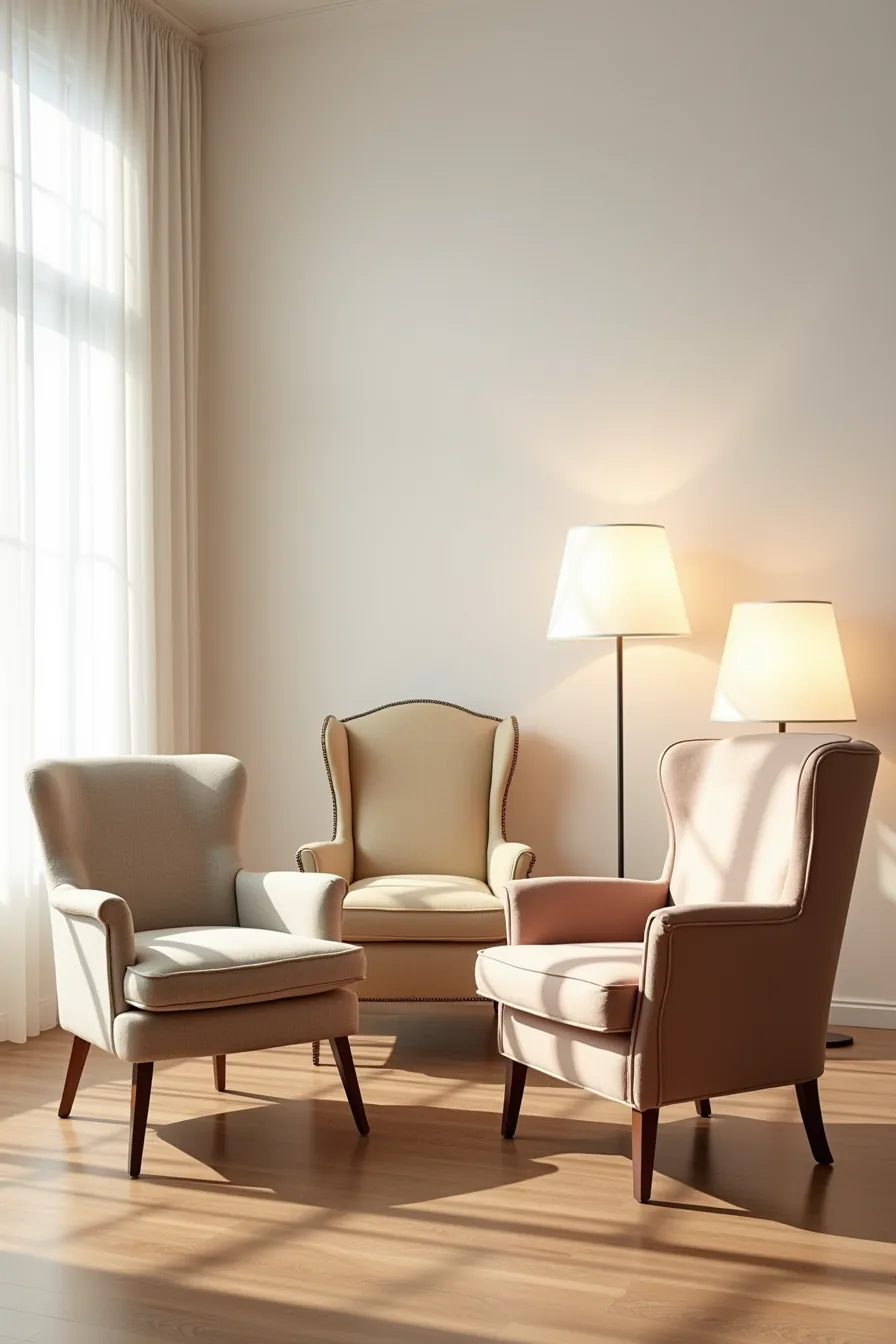
The collected-over-time look works when you treat every chair as a vote in a shared design argument, not a solo statement. Picture three pieces on a wooden floor: a low-slung mid-century chair with tapered legs, a classic wingback with its tall protective ears, and a rounded barrel-back that curves inward like a parenthesis. They succeed because they share a scale story, each seat height lands within a few inches of the others, so your eye reads them as a family despite their different silhouettes.
Color coordination does the heavy lifting. Choose one dominant hue family and let each chair take a different shade or texture within it, such as olive, moss, and muted sage. Keep the wingback in a solid fabric to anchor the group, reserve patterns for the smaller barrel-back, and let the mid-century chair carry a tone that bridges the two.
Arrange them in a loose triangle with 18-24 inches between pieces so conversation flows without forcing anyone to twist their neck. This approach suits living rooms over 200 square feet; in tighter spaces, limit yourself to two chairs and one shared ottoman to prevent the grouping from reading as clutter.
Renter-Friendly Adaptation: Temporary Styling Without Commitment
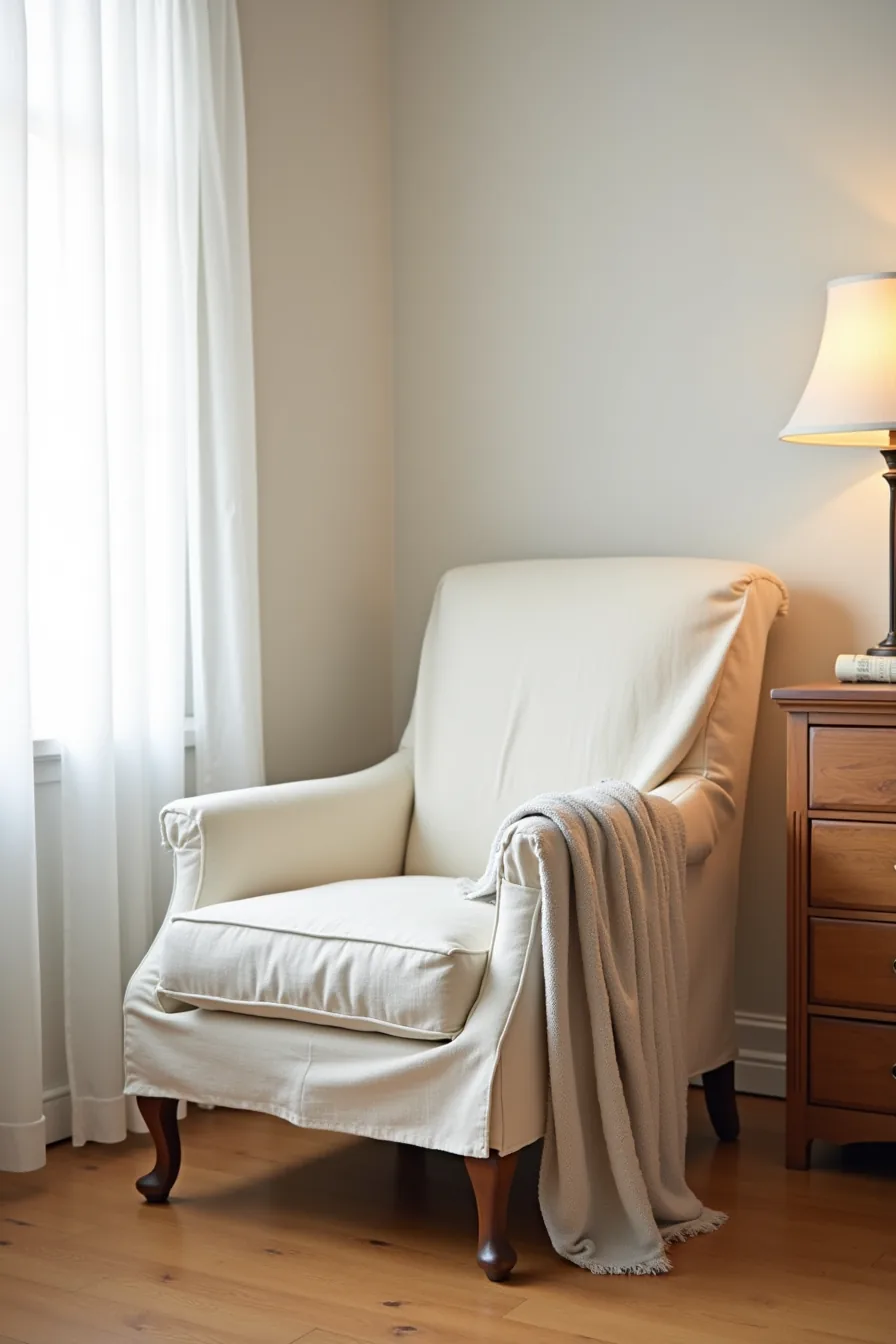
A fitted linen slip cover transforms a worn-out vintage frame into a neutral anchor without a single staple or stitch. Tuck the corners loosely rather than pinning them, so you can pull the whole cover off in under five minutes on moving day. Fold a contrasting throw blanket over one arm to add a second color block and to hide any gap where the cover doesn’t quite meet the wood.
Position the chair at least four inches away from walls; this keeps the cover’s drape looking intentional and prevents dust from settling in the fold lines against baseboards.
This route suits renters who want the vintage silhouette without the ownership risk. Expect to pay $60–$150 for a decent quality stretch cover in cotton or a cotton-poly blend, and hand-wash it monthly if you eat or drink near the chair. The hardwood floor beneath does double duty: it reflects light onto the chair’s lower half and makes the whole setup look styled rather than temporary.
If the original upholstery is stained or frayed, the slip cover doubles as a protective barrier, so you can return the chair in its pre-rental condition and keep your full security deposit.
Your Decision Checklist
Before you buy, run each candidate through this quick filter.
Scale: Does the seat height fall within 18–20 inches for standard dining, or 16–18 for lounging? Leave at least 30 inches of clearance in front for walkways.
Structure: Can you sit and shift your weight without creaking? Solid hardwood joints beat particleboard every time.
Budget reality: Upholstery re-covering runs $300–$600 for labor alone, factor that in if the fabric is worn.
Renter’s rule: Can you move it through a standard 30-inch doorway without disassembly?
Your next step: Measure your intended spot right now, then search for chairs with seat depths of 20–22 inches, that single number eliminates half the wrong options instantly.
Frequently Asked Questions
How do I tell the difference between an original vintage accent chair and a modern reproduction?
Check the frame joinery, original pieces use dowels or dovetails, not staples. Look for uneven hand-applied finish, original fabric wear patterns, and manufacturer stamps. Reproductions often have symmetrical machine stitching and uniform color.
What’s the typical cost range for reupholstering a vintage accent chair versus buying one already restored?
Reupholstering a standard armchair typically runs $400–$900 for labor plus fabric, while restored chairs sell for $300–$1,200 depending on wood quality and rarity. Restoration costs more when springs or webbing need replacement, add $150–$300.
Can a vintage accent chair work in a small apartment, or do they take up too much visual weight?
Yes, choose a slim-profile chair with exposed legs and a light or neutral upholstery. Avoid wingbacks or heavily padded arms, they add 6–10 inches of visual bulk. Place it diagonally in a corner to reduce floor footprint.
How often should I condition leather on a vintage accent chair, and what products are safe for original upholstery?
Condition leather every 6–12 months using a pH-neutral leather balm, not silicone-based products. For original fabric upholstery, vacuum weekly with a brush attachment and spot-clean with a mild soap solution, never use steam or harsh solvents that strip finishes.