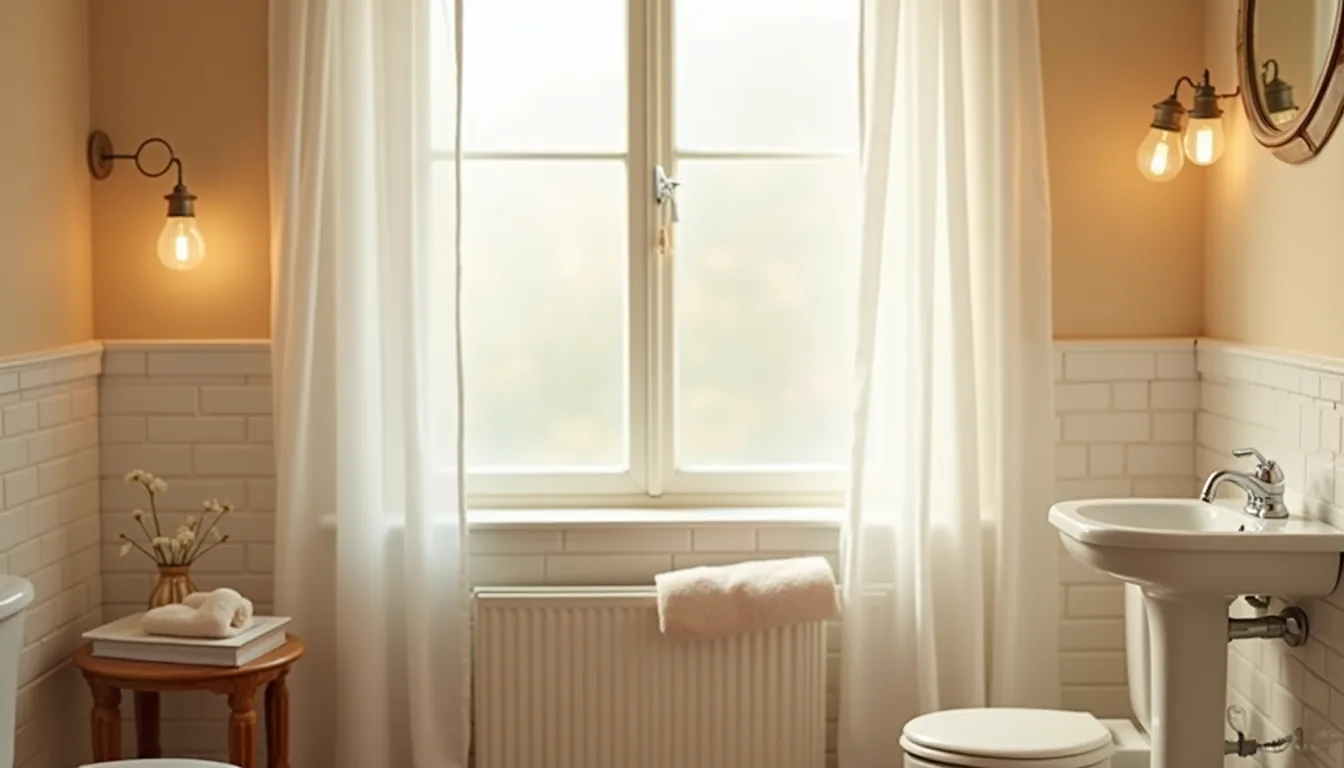
Bathroom wall color is the single highest-impact decision you’ll make in the room, yet most homeowners default to builder-grade beige or stark white without considering how the shade interacts with humidity, lighting, and the size of the space. Get it wrong, and you’ll fight streaks, glare, or a cave-like gloom every morning. Get it right, and the color does the work of hiding water spots, expanding a narrow footprint, and setting the room’s entire mood.
The six approaches below range from a $30 weekend refresh to a permanent tile-like finish, so you can match the choice to your budget, your lease, and your tolerance for upkeep.
Key takeaways
- Warm neutrals like greige or soft beige reflect light efficiently, making small bathrooms feel larger without the starkness of pure white.
- Cool blue-greens and sage tones pair best with north-facing windows, counteracting gray daylight and preventing the room from feeling cold.
- Dark charcoal or navy walls work only in medium to large bathrooms with strong artificial lighting, as they absorb up to 90% of ambient light.
- Renter-friendly peel-and-stick wallpaper or washable matte paint offers a full-color transformation that removes cleanly without damaging standard drywall or tile.
Warm Neutrals for Small Bathrooms
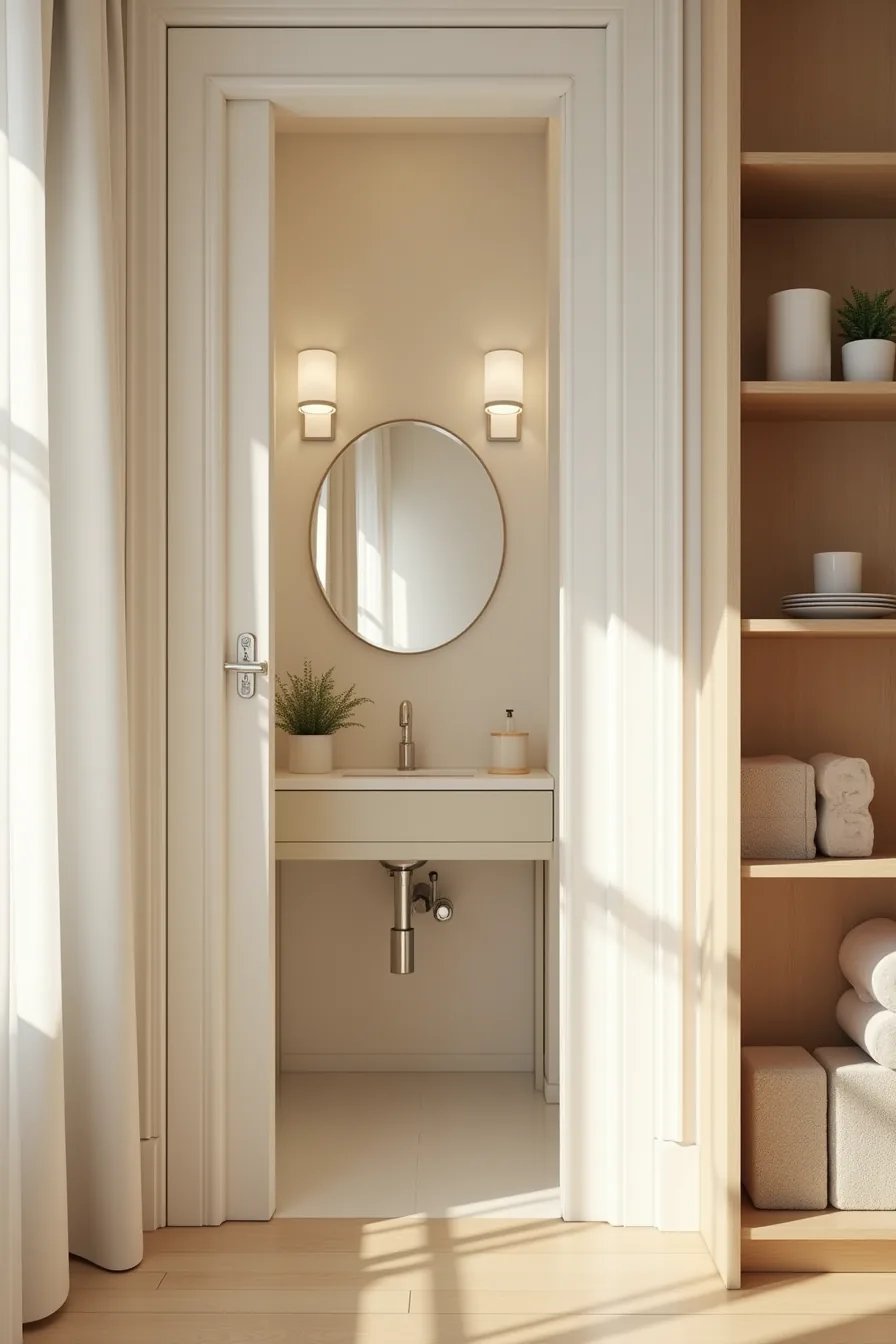
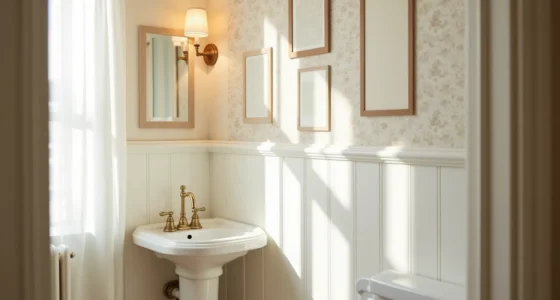
Warm beige, tan, and soft cream bathroom wall colors work because they reflect what little light you’ve while adding a gentle warmth that cool whites often lack. In a compact space, this matters: light bounces off pale walls instead of being absorbed, making the room feel larger without a single square foot of added floor space.
The setup here demonstrates the principle well. Soft cream on the walls pairs with a narrow vanity and a small round mirror that repeats the curved lines of the sink, giving the eye a clear focal point. The pale wood shelving unit holding folded linens carries the warm tone upward, so the wall color and storage read as one deliberate scheme rather than two unrelated choices.
This approach suits bathrooms under 50 square feet or rooms with a single small window. You’ll need consistent undertones across cream, wood, and linen, a cool gray beige will clash with warm tan fixtures. Use a satin or semi-gloss finish to resist moisture, and expect to repaint every two to three years in a frequently used bathroom.
Cool Tones and Morning Light
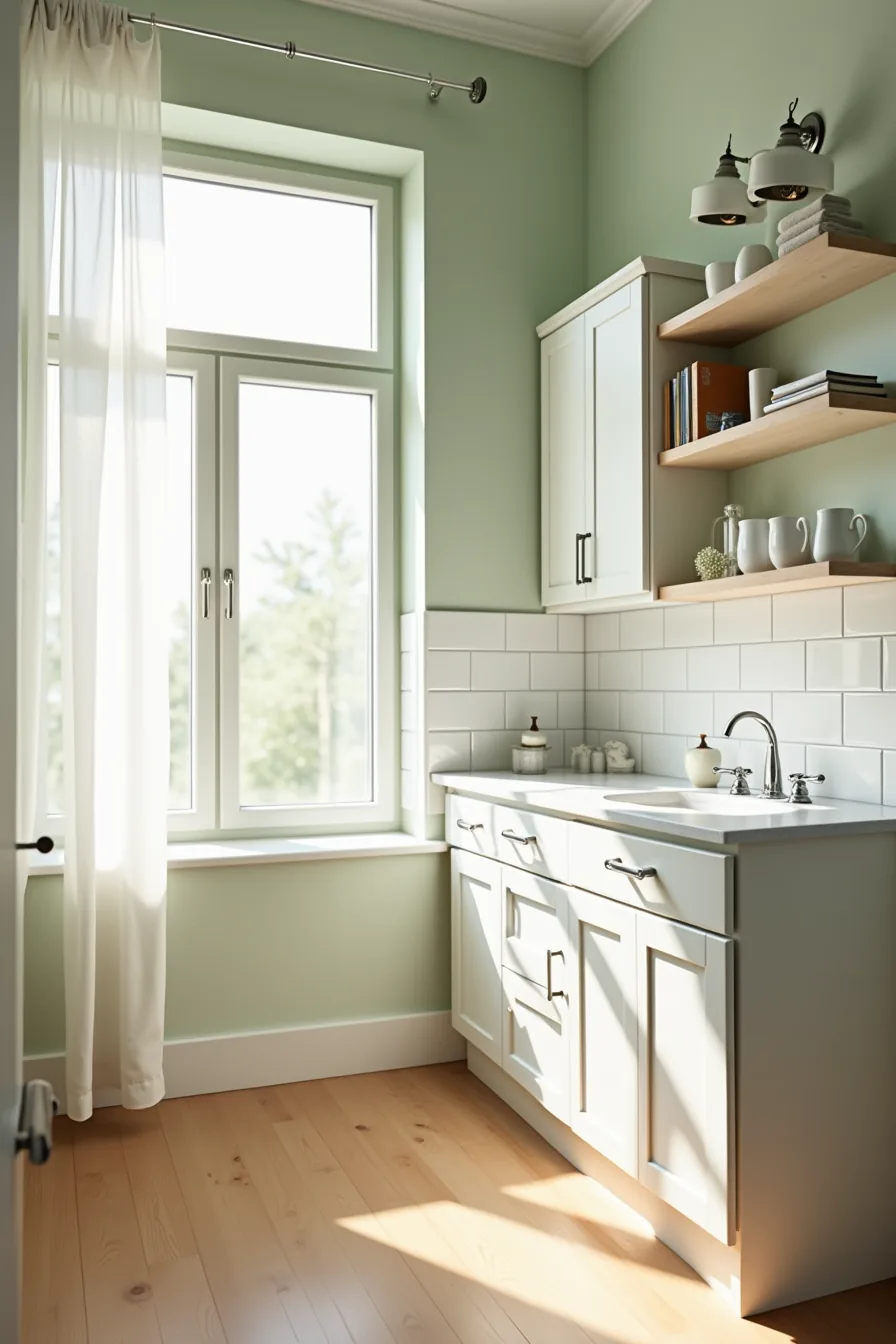
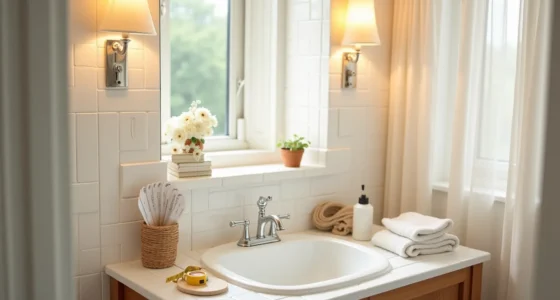
Soft sage-green walls paired with white subway tile create a gentle contrast that captures east-facing light without washing it out. Cool tones like this work because they sit between warm beige and stark gray, absorbing harsh glare while still bouncing enough brightness around the room. The chrome faucet and fixtures catch that diffused morning light and carry it across the space, so the wall color and metal finishes work together rather than competing.
This setup suits bathrooms with north or east-facing windows, where natural light stays low and cool throughout the day. You’ll want a matte or eggshell finish here, semi-gloss reads too shiny in soft daylight and emphasizes every wall imperfection. Pair the sage with white ceramic accessories and a sheer curtain to keep the light diffused; heavier window treatments will dull the effect entirely.
Expect to touch up paint near the tile line every year or two, especially if you use the shower daily.
Dark Bathroom Walls in Medium to Large Spaces
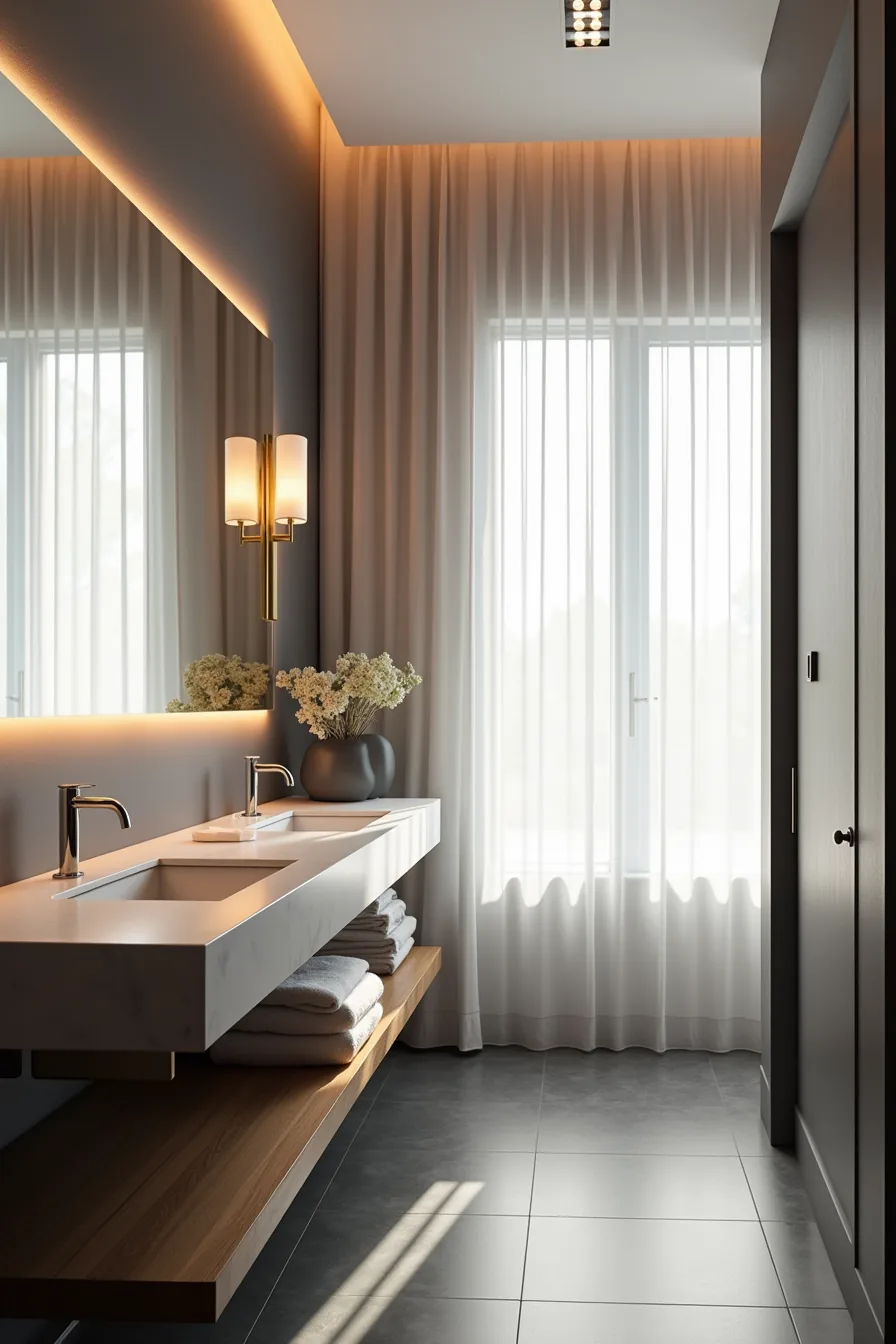
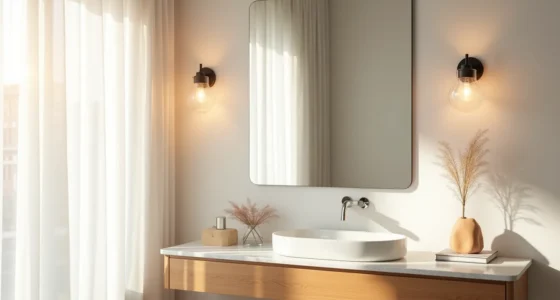
Deep charcoal walls anchor a large bathroom by absorbing excess light, which prevents the cavernous, sterile feel that big rooms often get from too much white surface area. For a space with generous square footage, the dark tone adds architectural weight, and it only works if you commit to layered lighting, recessed ceiling lights to handle general illumination and wall sconces at eye level to eliminate shadows around the mirror. The polished chrome mirror frame and white marble countertop become the necessary contrast points; without those bright accents, the room would feel like a cave.
Dark bathroom walls also demand dedicated ventilation: a quiet exhaust fan rated for continuous operation is non-negotiable, because pigment-heavy paint shows water spots and streaking faster than lighter finishes. Avoid this route if your bathroom is under roughly 60 square feet, lacks a window, or has low ceilings, the same light-absorption that adds drama in a large space will make a compact one feel claustrophobic.
Color Beside Tile: Coordinating Walls with Existing Fixtures
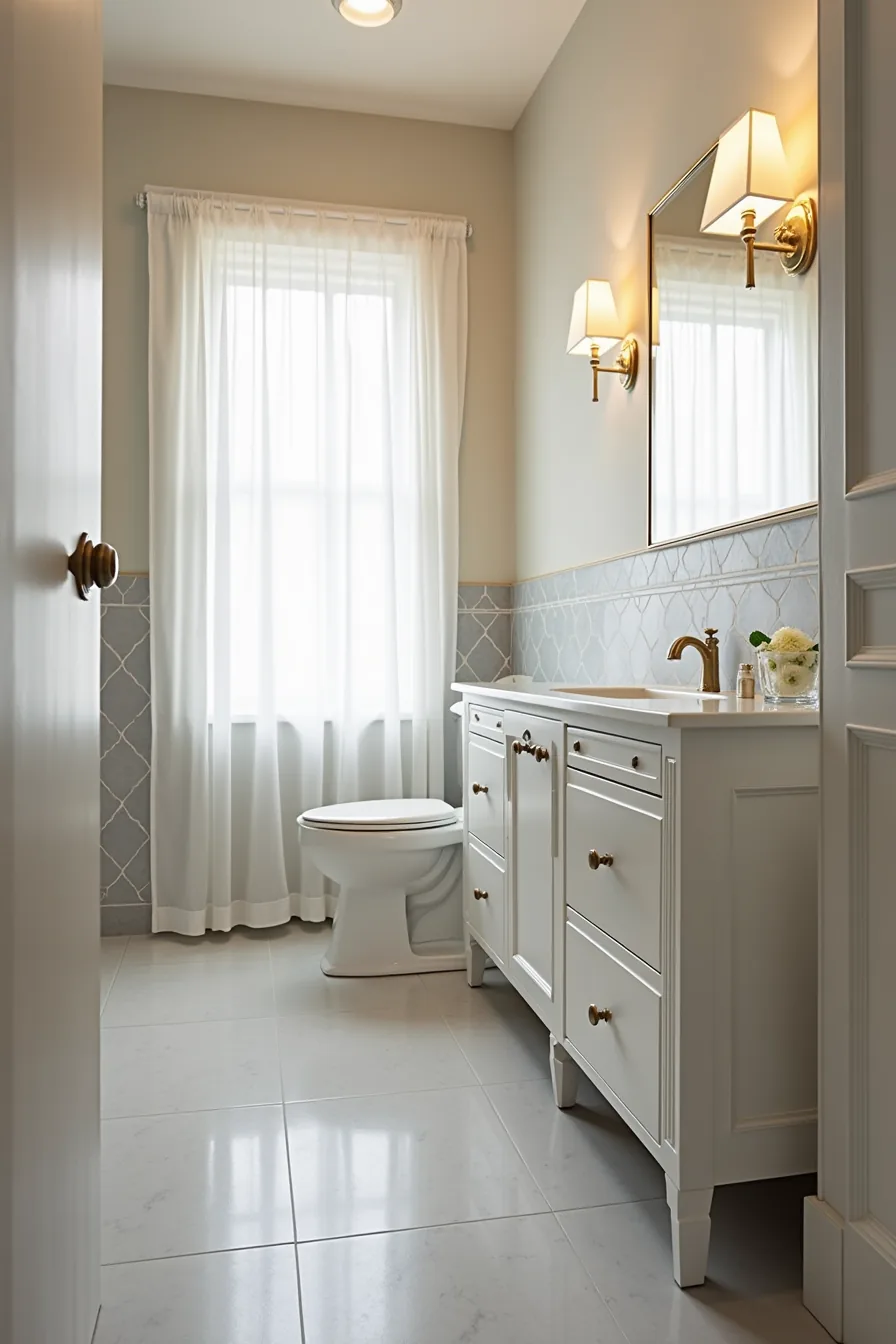
When your bathroom already has a bold geometric tile wainscot, your wall color job is to complement it, not compete. In a room with large-format gray-and-white tiles running waist-high, a warm gray wall above creates a smooth extension of the existing palette while softening the contrast between the cool tile and the vanity. This approach suits anyone who inherited a tiled bathroom they didn’t choose but can’t afford to replace; it costs only a gallon of paint (typically $30–$60) and a weekend of work.
The key is pulling a single undertone from the grout or the lightest tile color, then selecting a wall paint two to three shades warmer than that reference. Warm gray reads as neutral but prevents the space from feeling clinical next to the geometric pattern. A white painted vanity with brass hardware acts as the bridge between the cool tile and your warmer walls, while chrome fixtures stay put, they reflect the gray tones and need no updating.
For a medium bathroom (60–100 square feet), keep the wall color within one to two shades of the lightest tile hue to maintain visual flow; in a smaller space, match the wall color more closely to the grout line to make the room feel larger. Use a satin or eggshell finish for wipeable surfaces that resist moisture stains near the vanity.
Renter-Friendly Wall Color Solutions
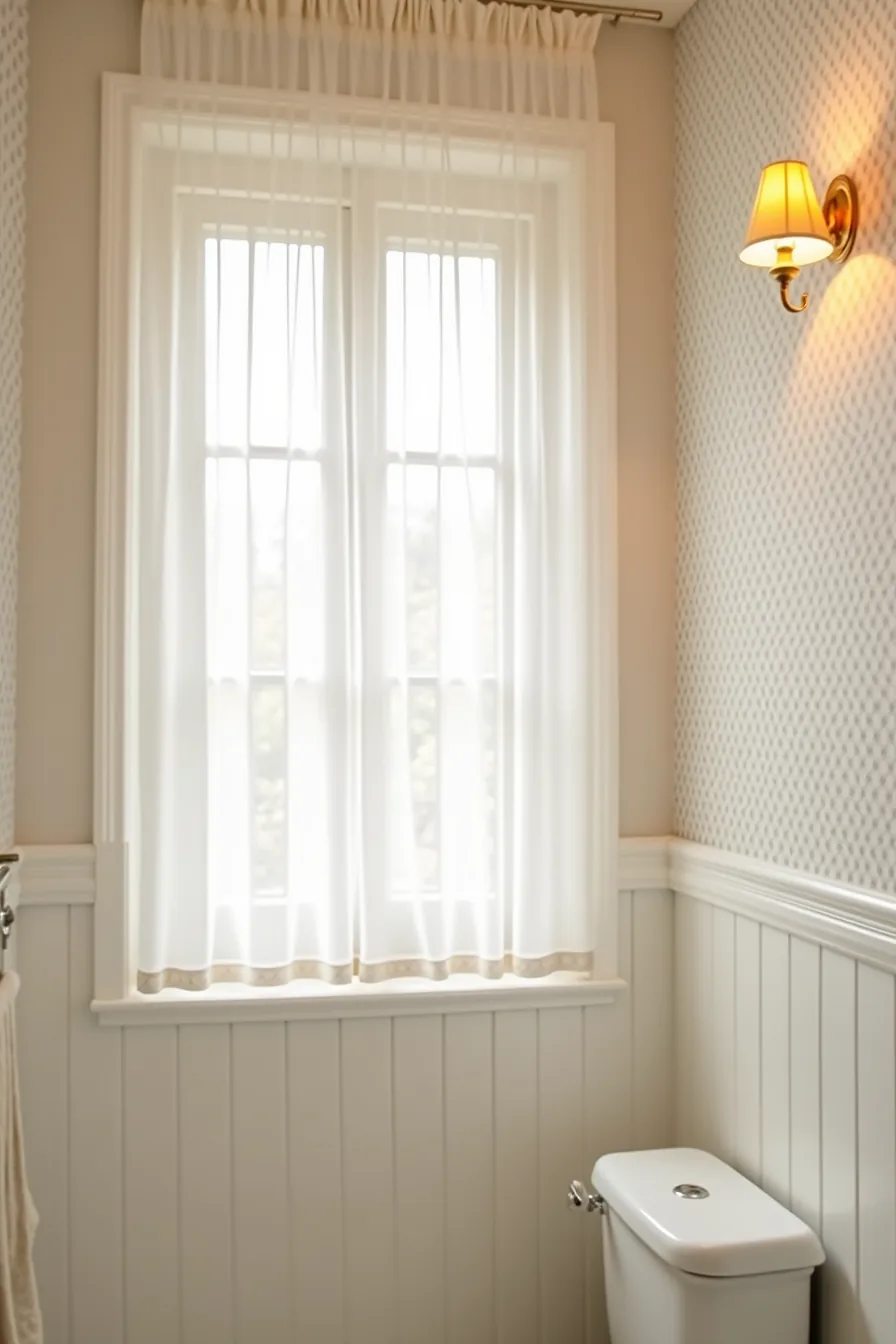
Peel-and-stick wallpaper delivers the visual impact of a permanent renovation without violating your lease. Apply it to two walls, leaving the remaining walls in their original white finish, this partial coverage costs $50–$120 per 56-square-foot roll and takes 2–3 hours to hang. The subtle geometric pattern creates the illusion of a designed space while the white walls preserve the room’s brightness, making it ideal for rental bathrooms under 50 square feet where dark, full-coverage wallpaper would feel oppressive.
The removable adhesive hooks holding your towel bar and the tension-mounted shower curtain rod complete the setup without drilling a single hole. Expect the wallpaper to hold for 12–24 months in a bathroom with proper ventilation; humidity shortens that lifespan, so run the exhaust fan during and after showers. When moving out, peel it from a corner at a 45-degree angle, it should release cleanly from drywall, leaving no sticky residue.
If you need a simpler route, fabric panels stretched on tension rods across one wall cost under $40 and read as an intentional textured accent while remaining fully removable.
Long-Term Investment: Premium Finishes and Durability
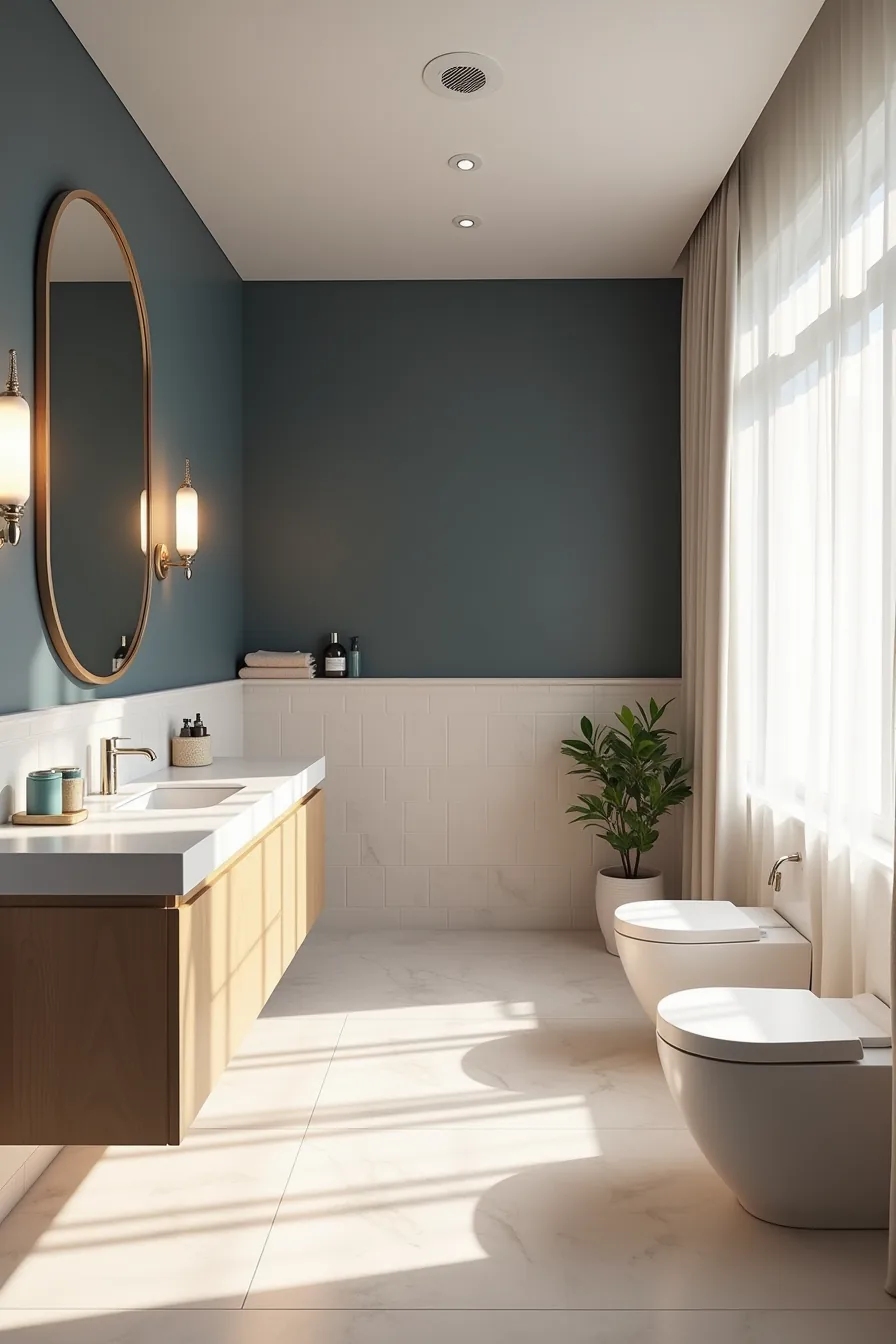
For a renovation intended to last a decade, treat your wall color as a layered system rather than a single coat. Matting navy walls with a moisture-resistant acrylic enamel run $45–$70 per gallon in most markets, and two coats over a proper primer will hold their depth for 5–8 years in a ventilated bathroom without the fading or chalking that standard flat latex suffers at humidity extremes.
Pair that paint with floor-to-wainscot large-format porcelain tile, choose 12×24-inch or larger panels to minimize grout lines, and specify epoxy or modified sanded grout to resist staining and moisture wicking. Expect to pay $8–$15 per square foot installed, but sealed porcelain shrugs off splashes indefinitely and eliminates the need to repaint lower walls entirely. The integrated LED mirror lighting and polished nickel fixtures in this setup add $300–$800 depending on size and finish, while the visible exhaust vent grille in the ceiling reminds you that premium finishes only last when the room itself stays dry, run the fan for 20 minutes after every shower to protect the investment.
This route suits homeowners planning to stay 5+ years, where the higher upfront cost amortizes to pennies per day against repainting and mold remediation bills.
Where to start
Pull up a photo of your bathroom and study it for two minutes. Identify the largest uninterrupted wall surface, that’s your canvas. Match your choice to your commitment level: paint samples cost under $10 and peel in an afternoon, while tile runs $15–$50 per square foot installed and stays for decades.
Order three sample pots of your top contenders. Paint two-foot squares side by side, live with them for three days, and observe them at morning, noon, and evening light. Pick the winner, then paint the full wall this weekend.
Frequently Asked Questions
What bathroom wall color works best with white subway tile?
Choose a soft sage green, warm greige, or dusty blue. These tones contrast the tile’s stark white without competing, adding depth while keeping the space crisp. Avoid pure gray, which can look flat.
Can you paint bathroom walls a dark color in a small space?
Yes, if the room has good natural or layered lighting. Deep navy or charcoal makes walls recede visually when paired with bright white trim and a large mirror. Skip dark paint in windowless bathrooms.
How do you choose between warm and cool bathroom wall colors?
Match the undertone to your fixtures and lighting. Warm beige or terracotta suits brass, wood, and warm LED bulbs. Cool gray or blue complements chrome, white porcelain, and daylight bulbs.
Test samples at different times of day.
What paint finish is best for bathroom walls to resist moisture?
Use a satin or semi-gloss finish. Both repel water better than flat or eggshell, wipe down easily, and handle humidity without streaking. Semi-gloss suits high-splash areas; satin works for the rest of the room.