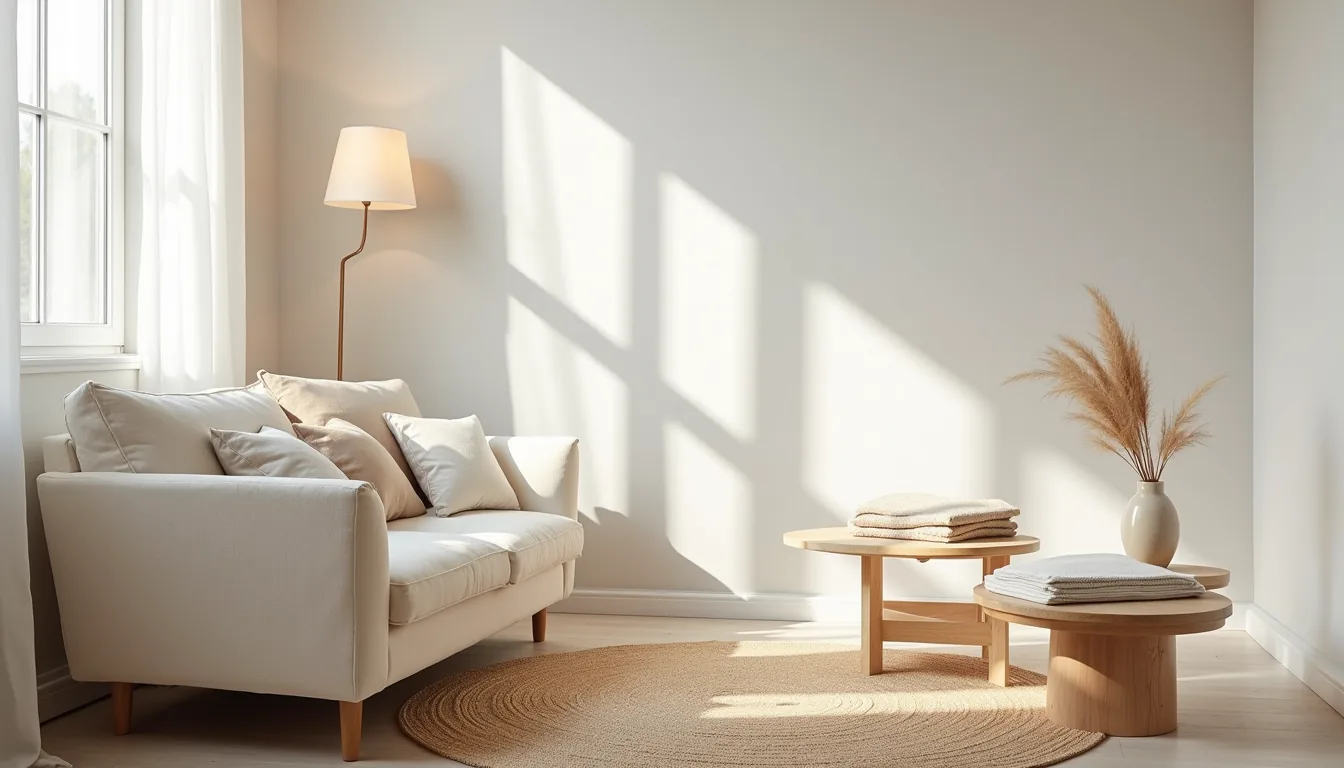
A parisian living room is less about a specific sofa or paint color and more about a deliberate composition of relaxed elegance, layered textures, and furniture that looks inherited rather than purchased. You achieve this by mixing one or two antique or vintage focal points with modern comfort pieces, then grounding the whole scheme in natural materials like linen, oak, and plaster. The practical payoff is a space that forgives imperfection and improves with age, but the execution hinges on scale, traffic flow, and honest material choices.
The six approaches below break down what to buy, what to skip, and how to adapt each look to your actual square footage.
Key takeaways
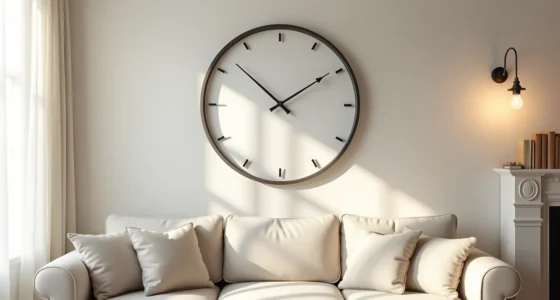
- Anchor neutrals first: Paint walls and large upholstery in warm off-whites or greiges (e.g., 10–15% gray mixed with beige) to let texture and vintage pieces carry the room without visual noise.
- Pair one antique with modern: For every pre-1950 piece you add, match it with a clean-lined contemporary sofa or lamp to avoid a museum-like stiffness and keep the space livable.
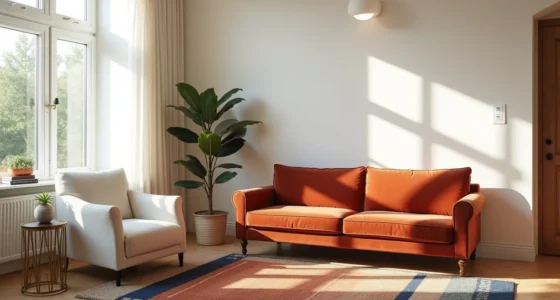
- Use soft jewel tones sparingly: Introduce muted emerald, dusty rose, or terracotta only in pillows, throws, or one armchair, covering under 20% of the visible surface prevents the palette from overwhelming a small room.
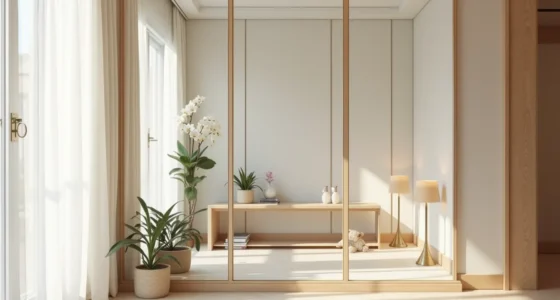
- Place mirrors opposite your main light source: A gilded or black-framed mirror on the wall facing the window doubles daylight and adds depth, but keep it at least 6–8 inches above the sofa back to avoid blocking sightlines.
The Neutral Backdrop with Layered Textures
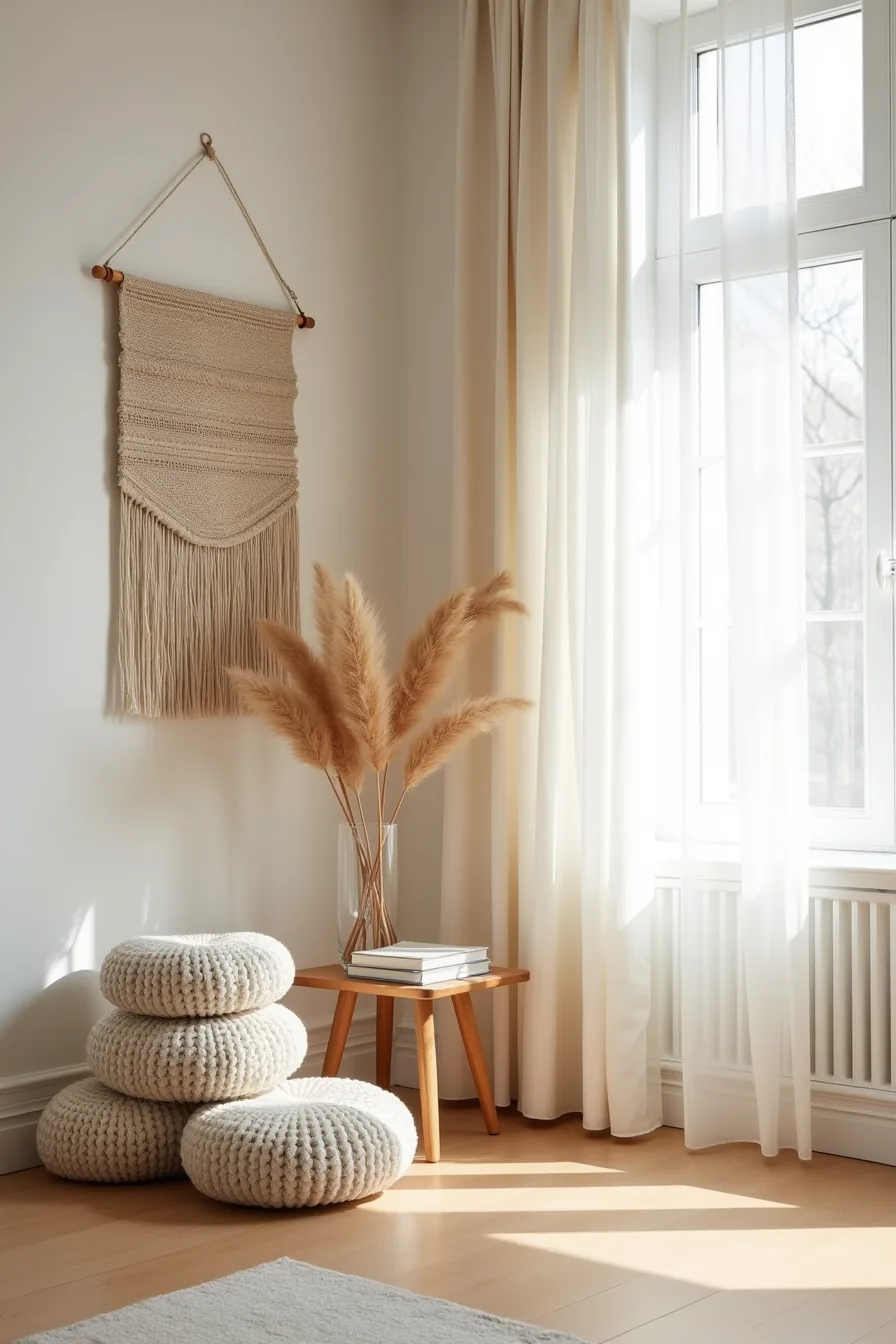
Start with walls in a pale greige, warm enough to feel inviting but light enough to recede. This is the most forgiving base for a parisian living room because it accommodates every stylistic direction you might take later, from deep jewel tones to dark wood.
Anchor one corner with a woven wall hanging in undyed natural fibers to introduce organic height without competing with your ceiling. Then layer ground-level textures: stack two chunky knit poufs in cream beside a low wooden side table, which provides a spot for a cup or book within arm’s reach of a sofa. The dried pampas grass in a glass vase adds verticality and softness in equal measure; use three to five stems for proportion.
A linen curtain panel, unlined and left slightly sheer, diffuses light rather than blocking it entirely.
This setup suits small rooms best, the light palette and soft fibers prevent visual clutter. In larger spaces, repeat the textile pattern: another linen panel on an opposite window or a wool flatweave rug underneath. Maintenance is straightforward: brush the pampas periodically to remove dust, and hand-wash the poufs or accept that they’ll show wear near foot traffic.
Reproduction cost range is low to moderate, about $90-$200 for a woven hanging, $40-$80 per pouf, and the rest is standard furniture.
Vintage Furniture Paired with Modern Accents
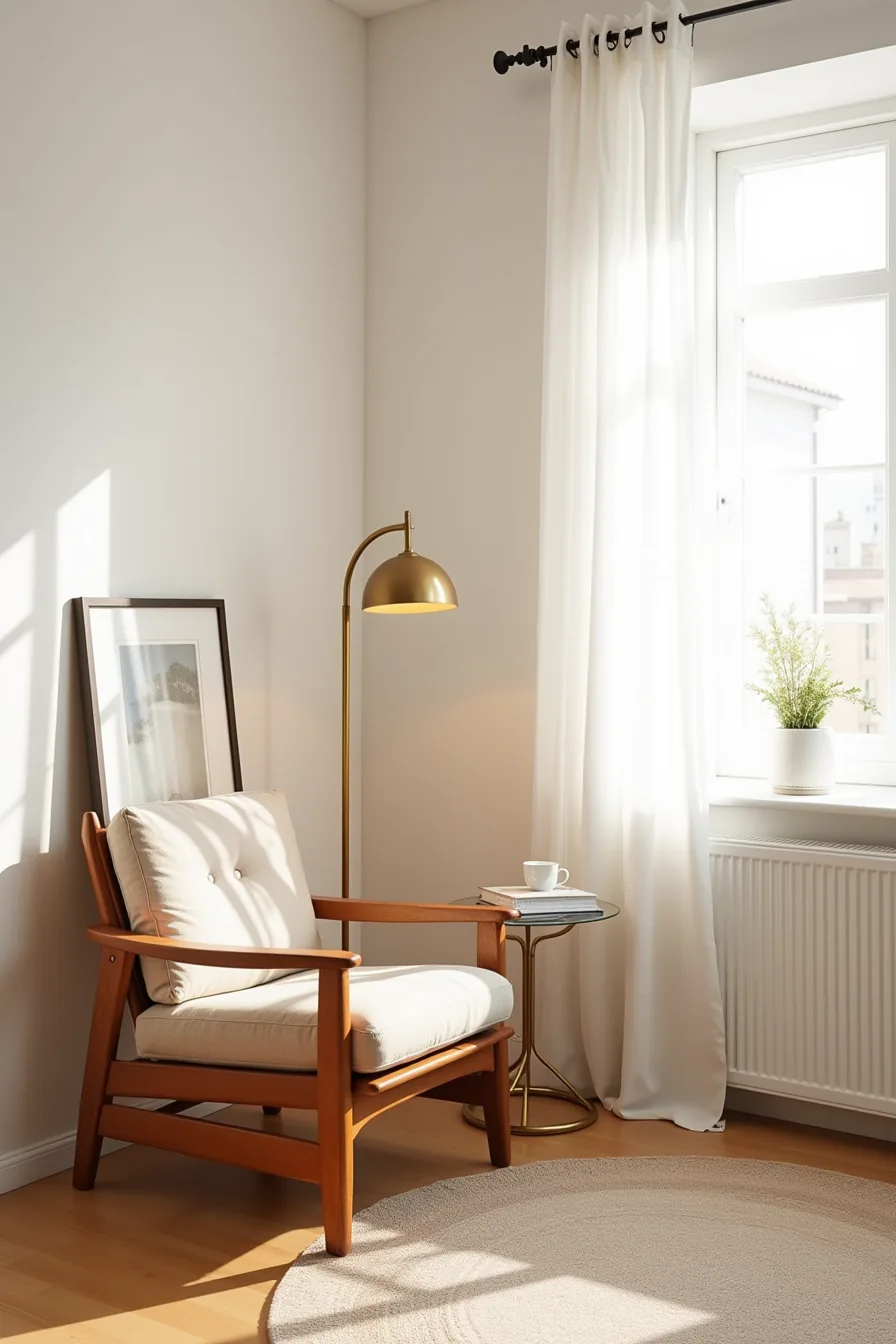
This is the old meets new formula that makes a parisian living room feel lived-in rather than decorated. The strategy is simple: let one vintage piece carry the character, then surround it with contemporary objects that prevent the room from feeling like a showroom for antiques.
A mid-century wooden armchair with visible patina, scratches and all, anchors the composition. Overhead, a brass arc lamp casts light in a wide radius, its sleek silhouette providing deliberate contrast to the chair’s organic curves. A glass side table adds visual weightlessness, keeping the corner airy, while a single framed abstract print leans against the wall behind rather than hanging, an effortlessly Parisian styling choice that you can rearrange in seconds.
This approach suits renters especially well. The lamp and print are portable, the glass table requires no wall mounting, and the chair is the only large commitment. If your space is small, choose a compact armchair and a lamp with a smaller arc radius (most span 60-80 inches from base to shade).
For larger rooms, add a second vintage piece, perhaps a wooden coffee table, but keep the modern accents minimal to preserve the contrast. Expect to pay $150-$400 for a solid vintage chair and $120-$250 for the lamp; the glass table and print are often under $80 combined.
The Paris Apartment Palette: Soft Jewel Tones
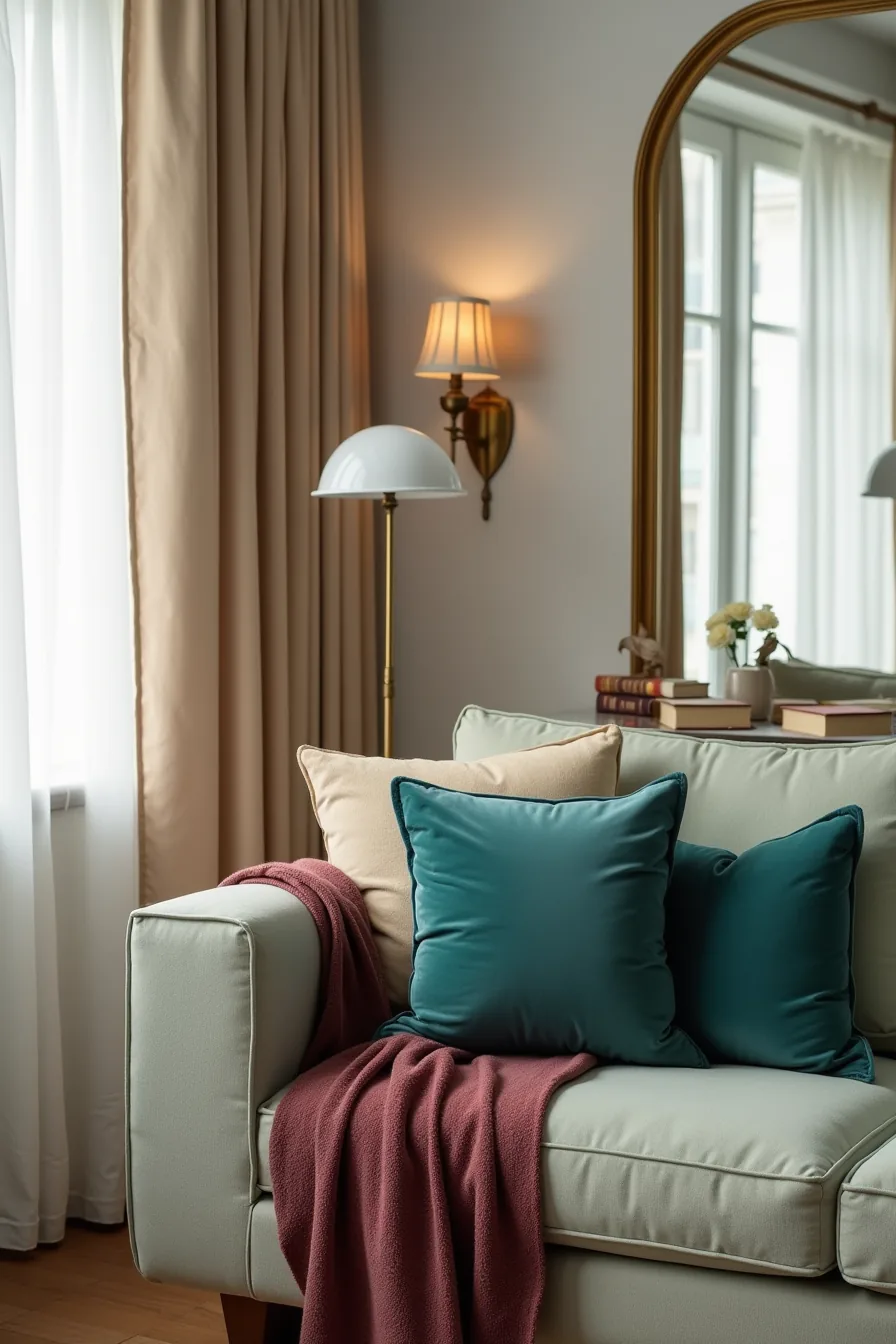
A parisian living room rarely relies on stark white or primary colors. Instead, it uses muted, desaturated jewel tones, dusty sage, deep teal, warm gray, that read as sophisticated in natural daylight and intimate under lamps. The strategy works because each color carries enough pigment to feel intentional, yet enough gray to recede rather than shout.
Consider a sofa upholstered in dusty sage green against a warm gray wall. Layer a deep teal velvet pillow at each end, and drape a muted burgundy throw over one arm. The combination succeeds through tonal variation: the teal deepens the sage, the burgundy adds a warm counterpoint, and the gray wall prevents any clash.
A brass-framed mirror opposite the sofa reflects both colors, effectively doubling the palette’s presence without adding another object.
This palette suits medium to large rooms because the darker tones absorb light; in a compact space, limit the jewel tones to textiles only and keep walls pale. Use the sage on the sofa, teal on pillows, and burgundy on the throw, the standard 60-30-10 split applies, with gray as the dominant 60%. For maintenance, velvet pillows require dry cleaning (expect $15-$25 per piece), while the sofa in performance velvet withstands daily use but shows wear on high-contact arms within 5-7 years.
Casual Elegance Through Seating Arrangement
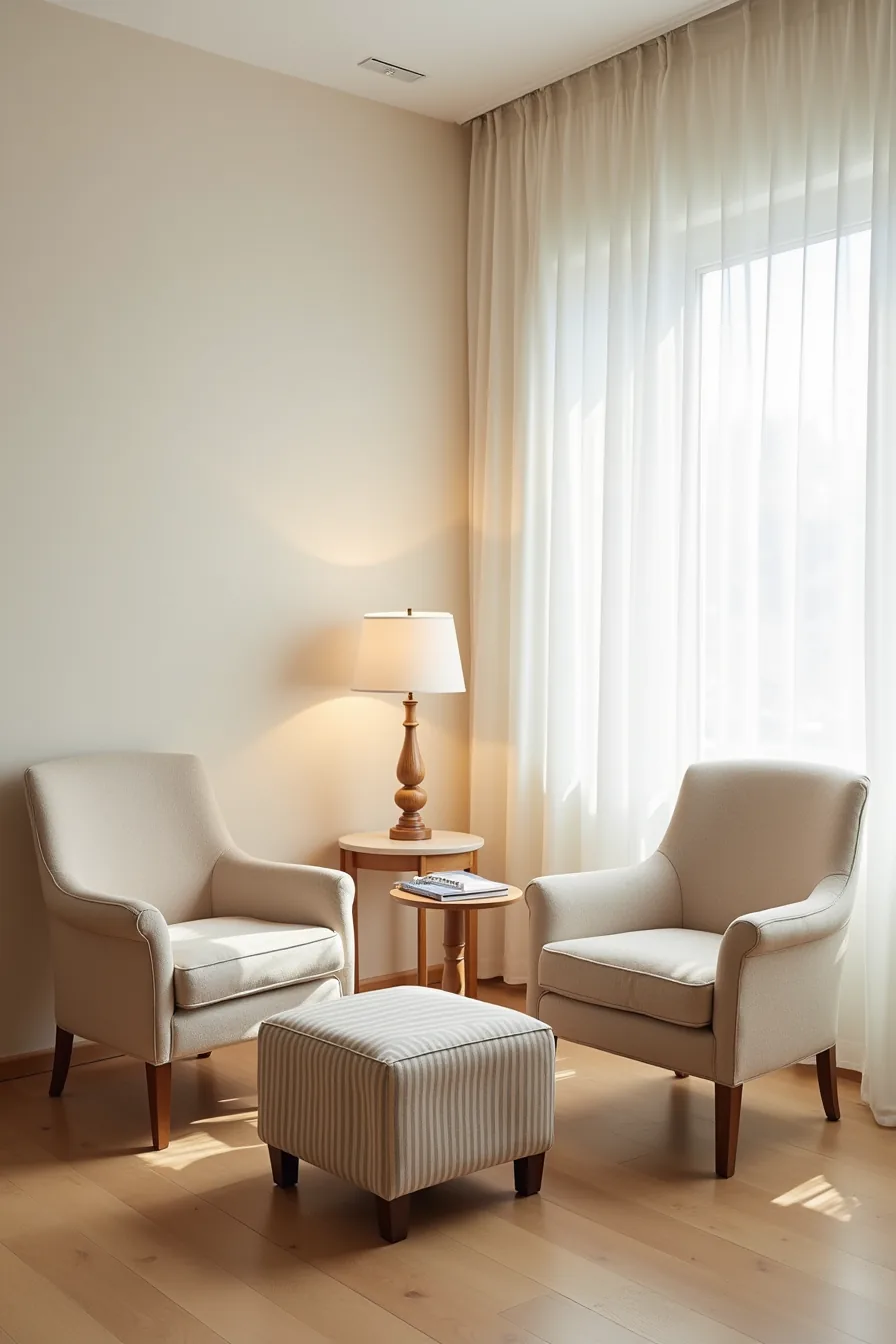
The true marker of casual elegance in a parisian living room is a seating plan built for conversation, not display. Position two upholstered chairs at a 90-degree angle facing a low table, then place a striped ottoman between them to bridge the gap visually and functionally. This arrangement works because the angled chairs create an intimate sightline while the ottoman offers a flexible perch for guests or a footrest for residents.
You need roughly 36-42 inches of clearance between the chairs and the table edge for comfortable movement. A small side table with a table lamp beside one chair anchors the grouping and provides task lighting for reading. For open-plan rooms, this compact cluster defines a distinct living zone without walls; in smaller spaces, it replaces a bulky sectional entirely.
Choose chairs with exposed wood frames or slim arms, they read lighter visually and suit rooms under 200 square feet. The striped ottoman introduces pattern without overwhelming, but in a busy room, keep the stripes to a single piece to avoid visual noise.
Statement Lighting and Mirrors for Depth
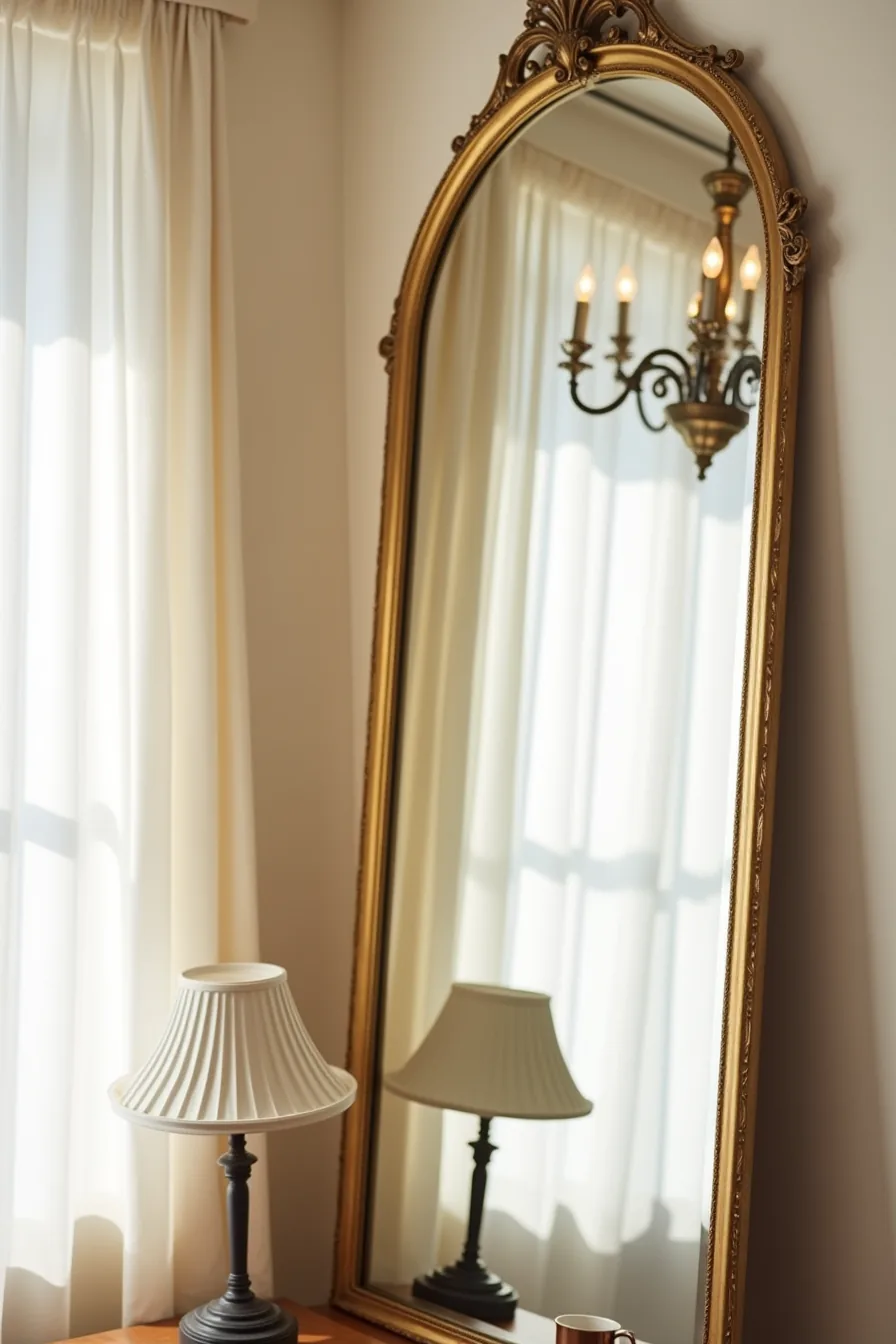
Light in a parisian living room should arrive in layers, not a single overhead blast. A vintage crystal chandelier hung 30-36 inches above a coffee table throws fragmented sparkle across the room, but it also creates pools of shadow that make walls feel deeper. Pair it with a large brass-framed mirror leaning against the wall rather than hanging it, the angle catches daylight from a nearby window and bounces it onto the mantelpiece, where a single candlestick adds a vertical note without cluttering the sightline.
This combination suits rooms with one dominant light source, such as a north-facing window, because the mirror amplifies whatever ambient light exists. You can reproduce the effect for $150-400 by sourcing a vintage brass mirror from flea markets or estate sales, while a new crystal chandelier runs $300-900 depending on size. For renters, swap the hardwired chandelier for a plug-in pendant with a swag hook, no electrical work, and you can take both pieces when you leave.
Clean the crystal every 3-4 months with a microfiber cloth and warm soapy water; brass develops a natural patina over time, which actually enhances the vintage feel you’re chasing.
Artwork, Books, and Collected Objects
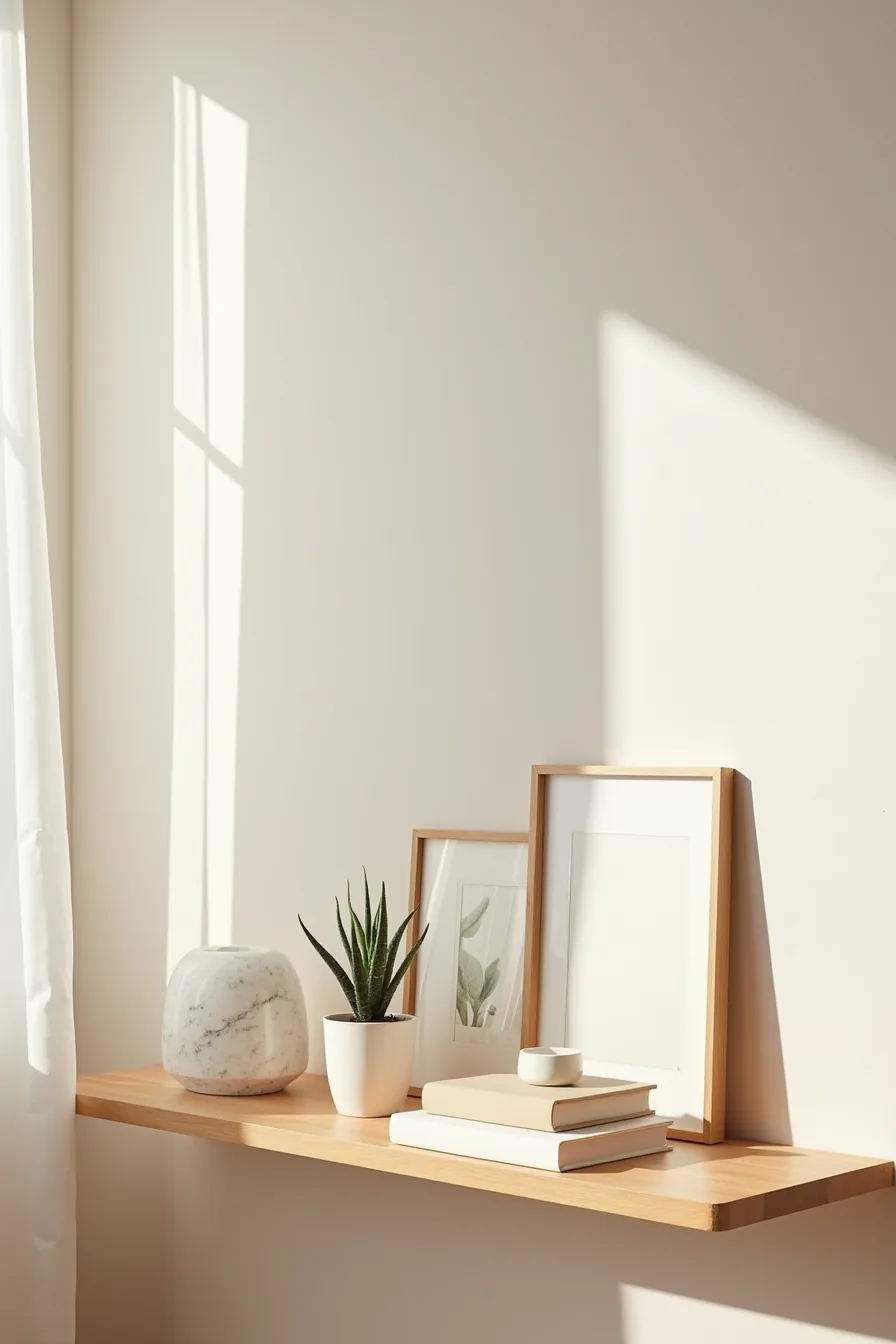
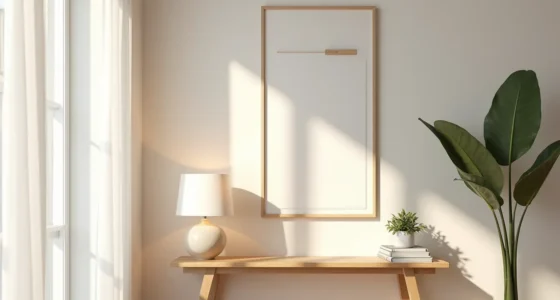
The flat lay you see here, a floating shelf holding a small marble sculpture, a ceramic dish, a potted succulent, three stacked neutral-spined books, and two framed botanical prints leaning against the wall, is the most forgiving version of Parisian styling you can attempt. The rule is threefold: limit each shelf to five objects maximum, vary the heights so nothing forms a flat line, and keep the palette within two tones plus one green accent.
This composition works because the marble and ceramic carry the weight of formality, while the succulent and prints keep the arrangement approachable. It suits anyone who wants the collected-over-time look without the forty-year timeline. Build it for $80-150 by choosing one antique object (the marble piece), one functional item (the dish for keys or rings), and the rest from affordable new sources.
Renters can hang the shelf with heavy-duty command strips rated for 20-30 pounds rather than drilling. Group shelves in odd numbers across a wall, three floats spaced 10-12 inches apart read as intentional; a single shelf reads as leftover storage. Dust the marble with a dry brush weekly, and keep the succulent in a pot with drainage to avoid water rings on the wood.
Your Parisian living room checklist
Before you buy anything, measure your room and identify your single focal point, a fireplace, window, or architectural feature. Then decide your route: a thrifted mirror and rattan chair for under €300, peel-and-stick moulding for renters, or a statement sofa as your long-term anchor.
Match your scale: one oversized piece beats three small ones in compact spaces; larger rooms need furniture pulled off walls to create intimate seating zones. Prioritize natural materials, linen, wood, plaster, over synthetic finishes that read cheap.
Your next step: Walk through your living room today and remove one non-functional decorative item. That single edit starts the curation process.
Frequently Asked Questions
How do I create a parisian living room in a small apartment without it feeling cramped?
Anchor with one sculptural piece, like a curved sofa or oversized mirror, then keep everything else low-profile. Use a neutral wall color and let one bold artwork carry the room. Skip bulky armchairs; use slim, gilded chairs instead.
What’s the difference between a parisian living room and French country or French provincial style?
Parisian style is urban, polished, and mix-and-match, think Haussmann moldings with modern art. French country leans rustic, using raw wood, toile, and distressed finishes. Provincial is more formal and symmetrical, with carved details and muted pastels.
Parisian feels curated, not antiqued.
Can I achieve a parisian living room on a budget, and what should I prioritize first?
Yes. Spend first on a statement light fixture or a vintage-style mirror, both read instantly Parisian. Paint walls a warm white or greige, then source secondhand furniture with curved lines.
Skip expensive fabrics; plain linen or cotton throws work fine.
How do I maintain a parisian living room aesthetic without constant redecorating?
Choose a neutral base (walls, sofa, rug) that stays timeless, then rotate only small accents, pillows, art, or a vase, seasonally. Invest in durable materials like wool or leather that age gracefully. Avoid trendy patterns that date quickly.
Set a rule: change one accent per season, not the whole room.