A French living room isn’t a single look but a set of principles, layered textures, muted palettes, and mixed-era furniture, that you can adapt to your space, budget, and lifestyle. Whether you’ve a compact apartment or a sprawling open floor plan, the style hinges on balancing relaxed elegance with practical function. The six approaches outlined below range from a renter-friendly refresh to a long-term material investment, each with specific scale, placement, and maintenance guidance.
You’ll leave with a clear decision checklist to match the right interpretation to your room’s dimensions and your daily habits.
Key takeaways
French living room design splits into two distinct looks: Parisian apartment style for compact, formal spaces and provincial French for larger, relaxed rooms. Linen and aged wood form the non-negotiable material base, but you must pair them with at least one contrasting texture, like marble, iron, or rattan, to avoid a flat, costume-like effect. The vintage mix works only when you limit yourself to two eras max and anchor the room with a single large, modern piece (a sofa or rug) to prevent a cluttered, museum-like feel. Renter-friendly routes rely on removable wallpaper, slipcovers, and freestanding furniture, while investment routes prioritize solid oak beams, limestone floors, and built-in cabinetry that pay off over a decade or more.
Parisian Apartment Style: Formal Elegance in Compact Spaces
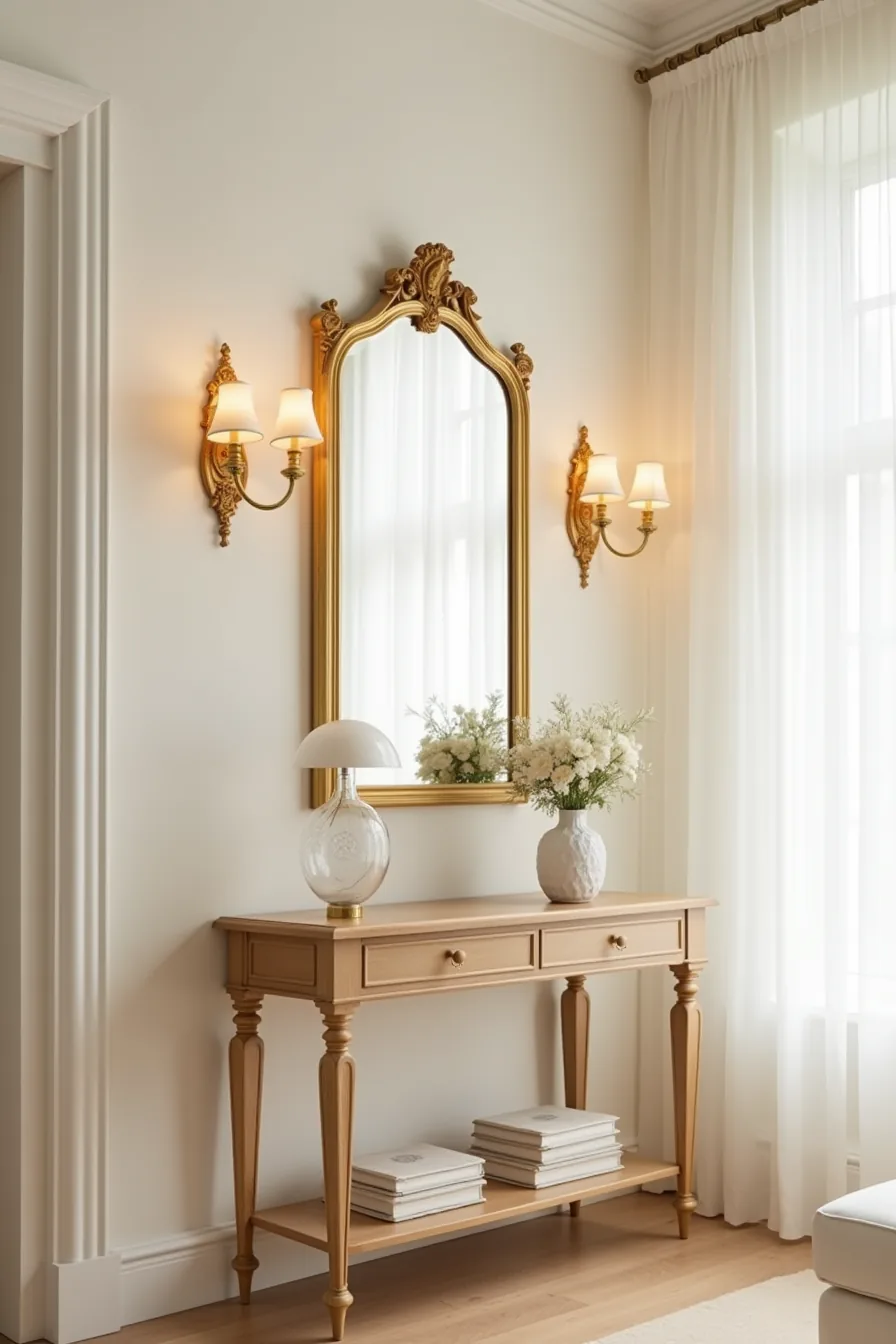
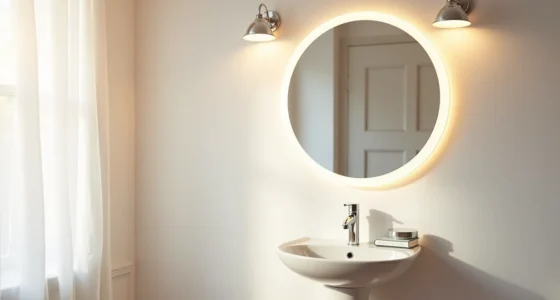
Parisian style proves that formality need not demand square footage. The approach hinges on symmetry, which trains the eye to read a room as intentional even when the footprint is tight. In a narrow corner, flanking a single gilt-framed mirror with two matching wall sconces anchors the vertical plane and draws the gaze upward, making the ceiling feel higher than it’s.
Below that mirror, a low console table should sit roughly 30–36 inches wide to suit a compact wall, leaving at least 24 inches of walking clearance on either side. Three identical table lamps create a balanced rhythm; their shades filter light to a warm glow that softens the formality of the cream-colored walls. This setup suits a reading nook or a hallway-adjacent seating area where you want quiet polish without bulky furniture.
The critical constraint is clutter, this look fails instantly with excess. Limit surfaces to the lamps and perhaps one small tray. For renters, wall sconces with plug-in cords avoid hardwiring, and a peel-and-stick mirror frame can mimic gilded moulding without permanent damage.
Provincial French: Relaxed Warmth for Larger Rooms
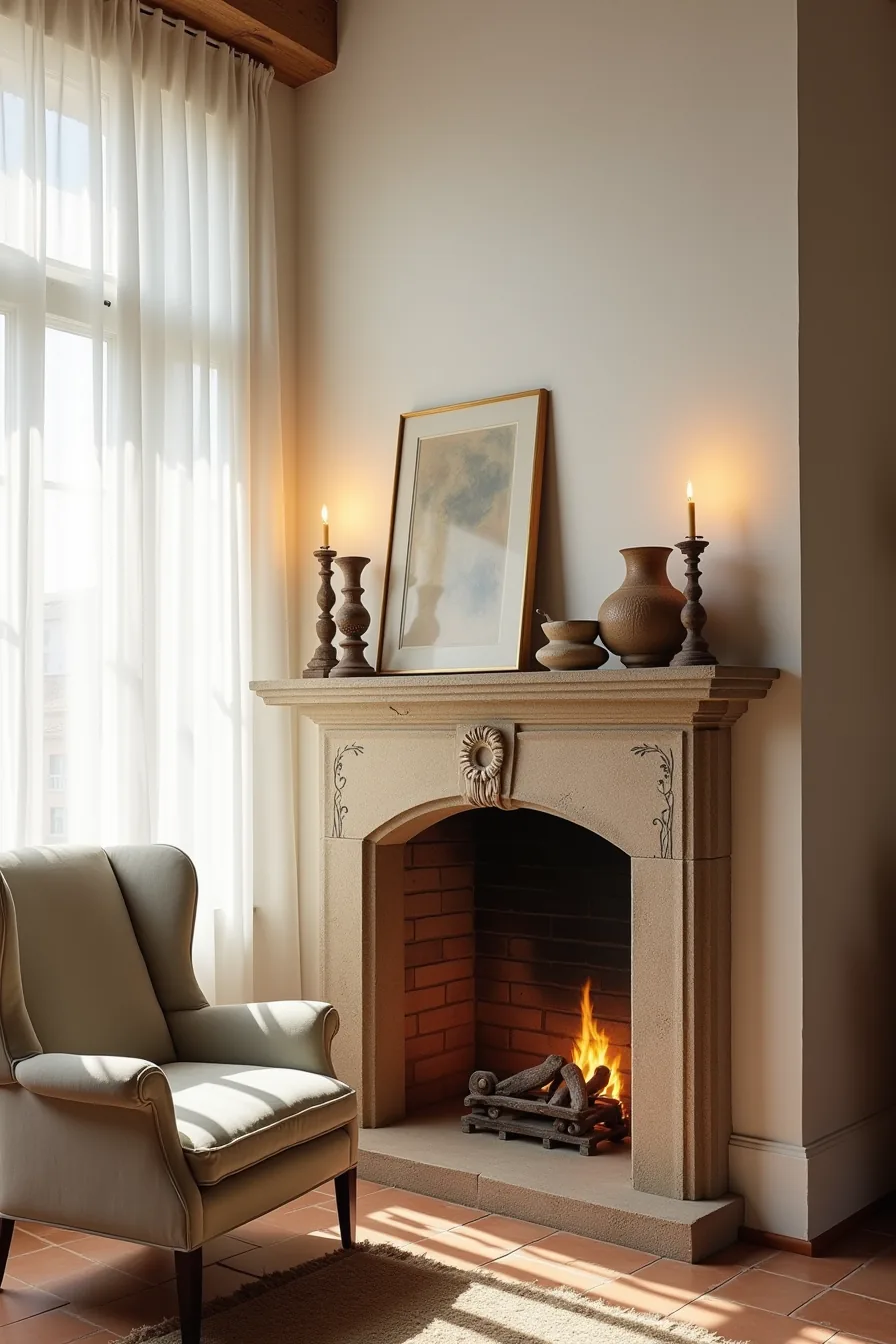
Provincial style trades Parisian symmetry for a gathered, lived-in rhythm that suits rooms over 300 square feet. The stone fireplace with its rough wooden mantel becomes the visual anchor; the mismatched candlesticks, pottery, and framed print on top create an intentional asymmetry that reads as history rather than neglect. Worn terracotta tiles underfoot add warmth and texture while forgiving scuffs and spills, a practical choice for high-traffic family spaces.
The upholstered wingback chair angled toward the hearth invites conversation and draws the eye to the fire, not the walls. This layout works best when you’ve at least 5 feet between the chair and the fireplace to keep the path clear. Provincial style tolerates imperfection, so mix oak, walnut, and painted pieces freely; the unifying thread is matte, unvarnished surfaces.
You’ll need to dust the mantel’s collected objects weekly, and terracotta requires annual sealing to resist staining. This approach suits homeowners who want a room that feels assembled over decades, not decorated in an afternoon.
Linen and Aged Wood: The Foundation Materials
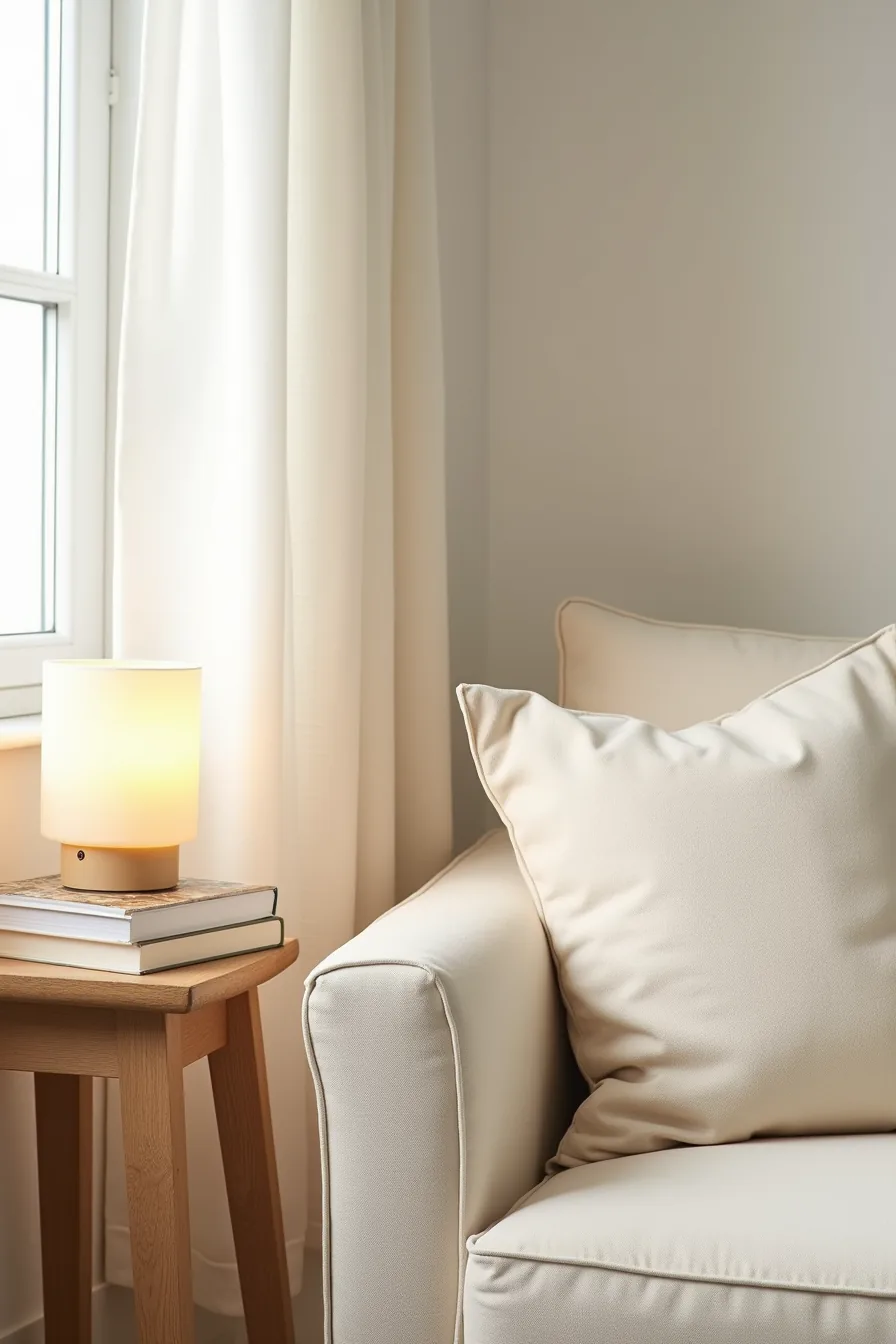
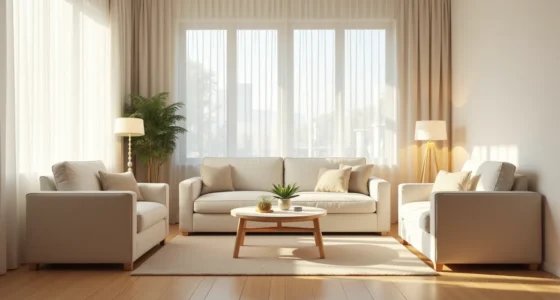
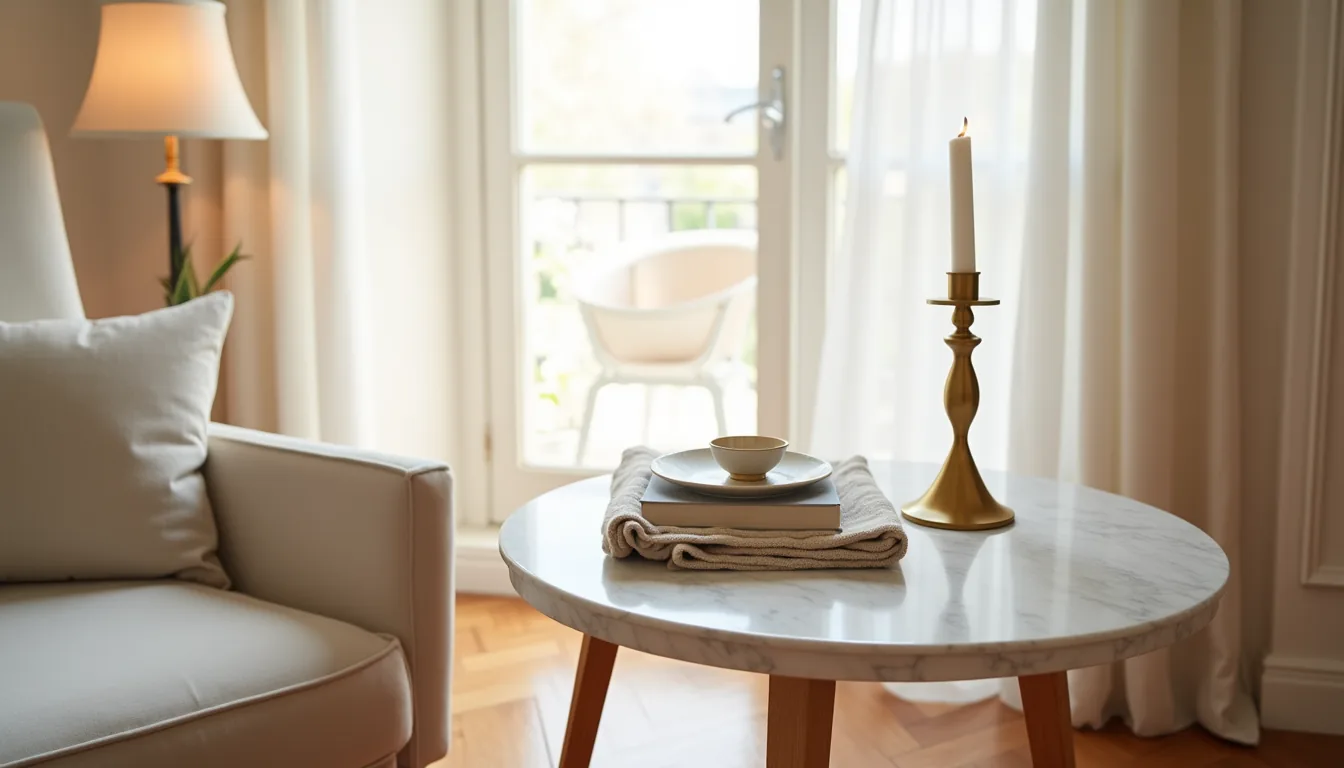
Linen upholstery and weathered wood define the tactile core of a French living room, and their pairing is as much about maintenance as it’s about aesthetics. A cream linen sofa with a visible weave texture offers breathability that outperforms leather or velvet in warm months, but it demands commitment: linen wrinkles readily and shows wear within three to five years of daily use. Loose-weave linens with natural slubs, like the pillow resting on the cushion, are the most forgiving, they mask spills better than tight weaves and develop a soft patina with washing.
The weathered oak side table beside the sofa provides the necessary contrast in weight and tone. Aged wood with visible grain and a matte patina grounds the airy lightness of linen, preventing the room from feeling washed out. You don’t need antique dealer budgets: look for unfinished solid oak and let it age naturally, or sand down painted thrift-store pieces to reveal the grain.
Expect to re-oil unvarnished surfaces every 9-12 months to prevent cracking in dry climates, and vacuum linen cushions weekly to prevent dust settling into the weave.
French Vintage Mix: Blending Eras Without Clashing
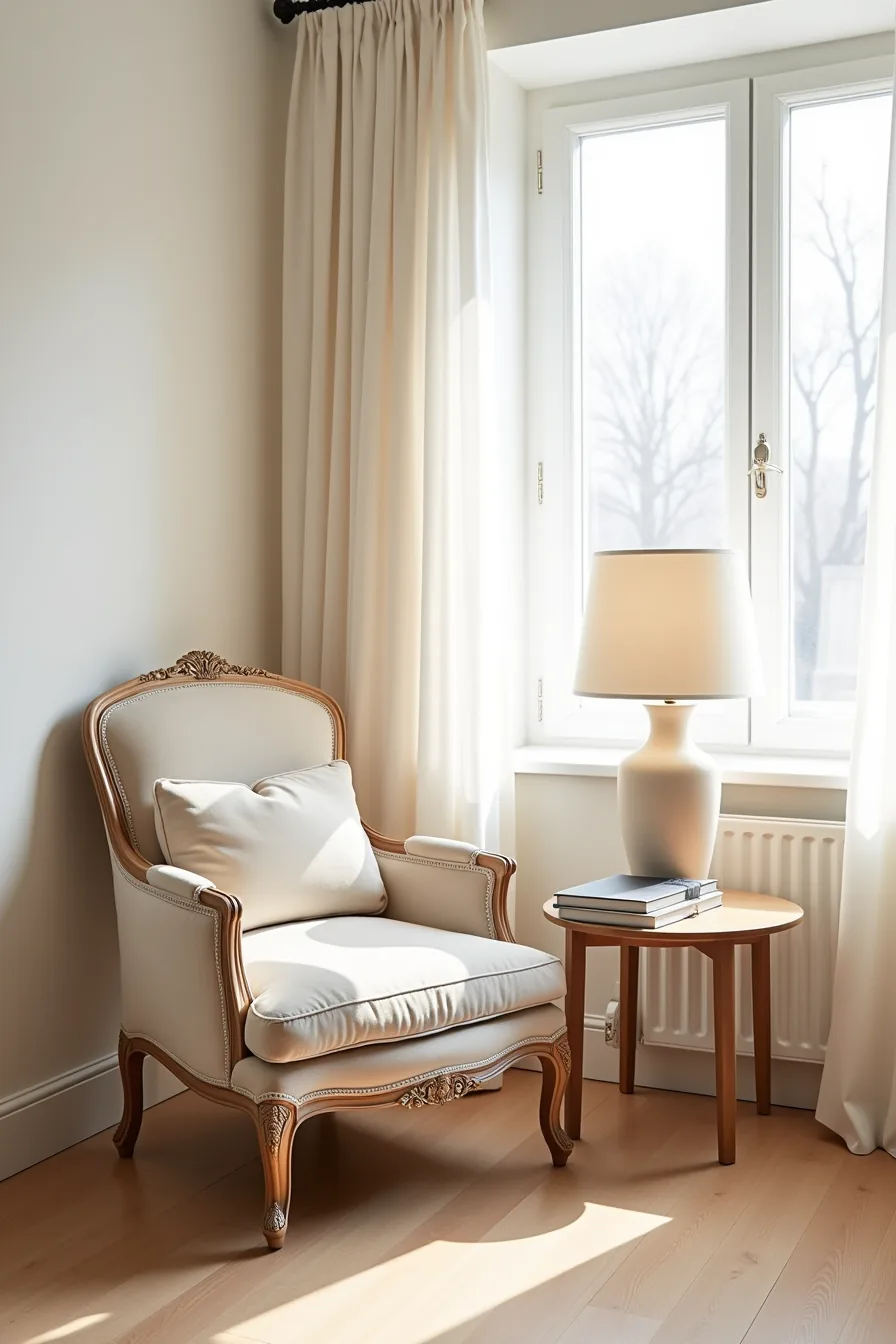
A successful French vintage mix hinges on shared proportion and tonality rather than shared origin. The Louis XVI-style chair in faded velvet beside a mid-century wooden side table works because both pieces sit at similar visual heights and lean on muted, chalky tones, the bleached wood of the table mirrors the faded upholstery. The modern ceramic vase adds a third era, but its matte glaze and neutral color keep it from shouting over the older pieces.
To replicate this, follow a 70-30-10 rule of thumb: 70% dominant style, 30% contrasting pieces, and 10% accent objects. Keep all furniture legs within a four-inch range of each other in height, and commit to one palette, warm greige, dusty blue, or soft terracotta, across every piece regardless of era. Restrain patterns to a single upholstered item, and let the mix feel collected rather than coordinated.
Budget, Renter, and Investment Routes
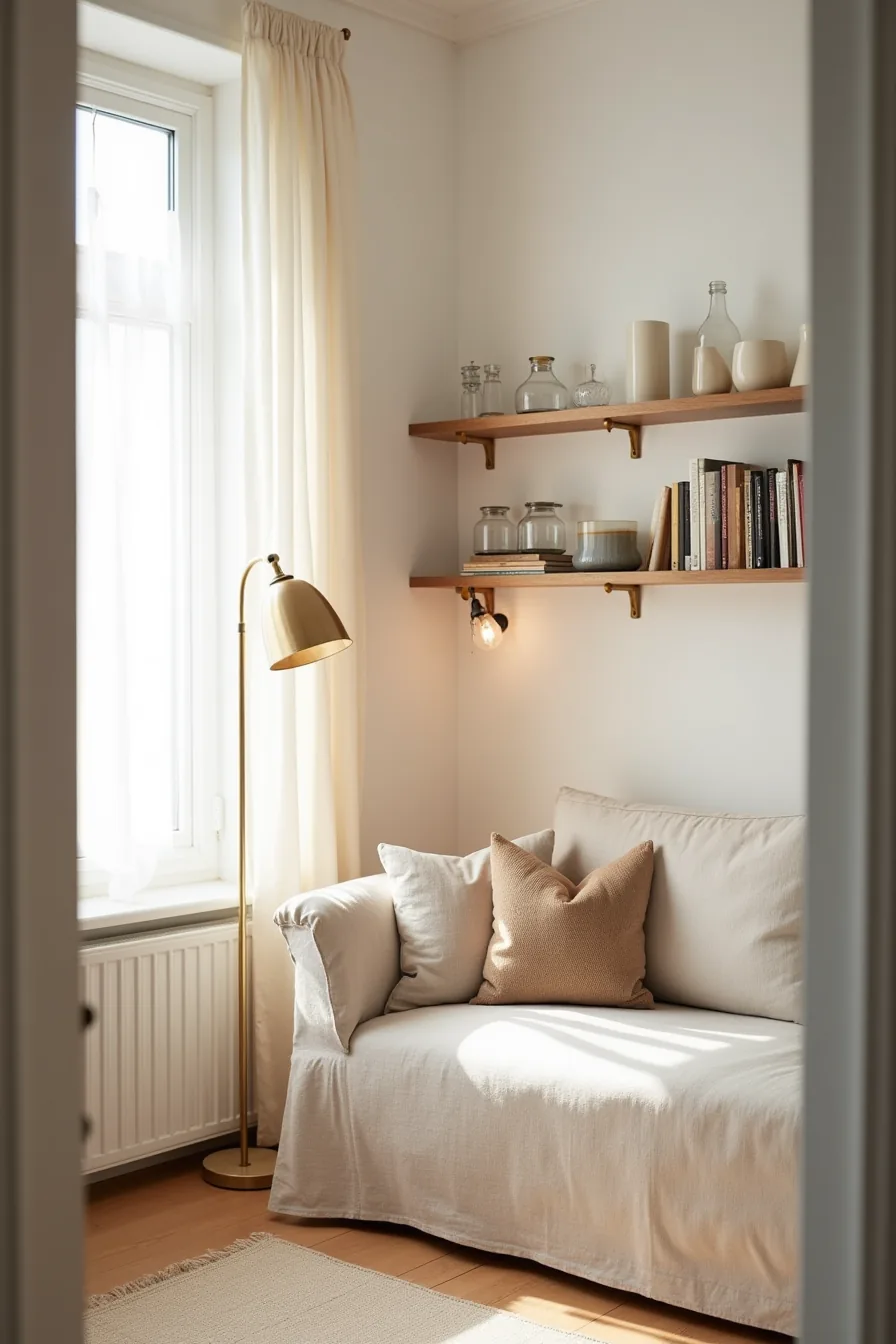
The most affordable French living room relies on slipcovers, thrift finds, and strategic lighting. A linen slipcover transforms a basic IKEA sofa into a piece that reads effortlessly Parisian, and it protects the original upholstery, essential if you rent. Pair it with a thrifted brass floor lamp and you get the patina that defines the style; most vintage brass lamps cost $20–$60 at flea markets, versus $200+ for new reproductions.
For renters, wall-mounted shelves with collected glassware deliver French character without a single drilled hole in a permanent fixture, use removable adhesive strips rated for at least 10 pounds per shelf. Stick to items that can travel with you: the slipcover, the lamp, the glassware.
If you plan to stay put for a decade or more, invest in a solid-wood armoire or a hand-tied wool rug instead. These pieces age gracefully, hold resale value, and typically cost 3–5 times more upfront than reproductions, but they outlast three generations of fast-furniture replacements.
Adapting French Living Room Ideas to Your Space
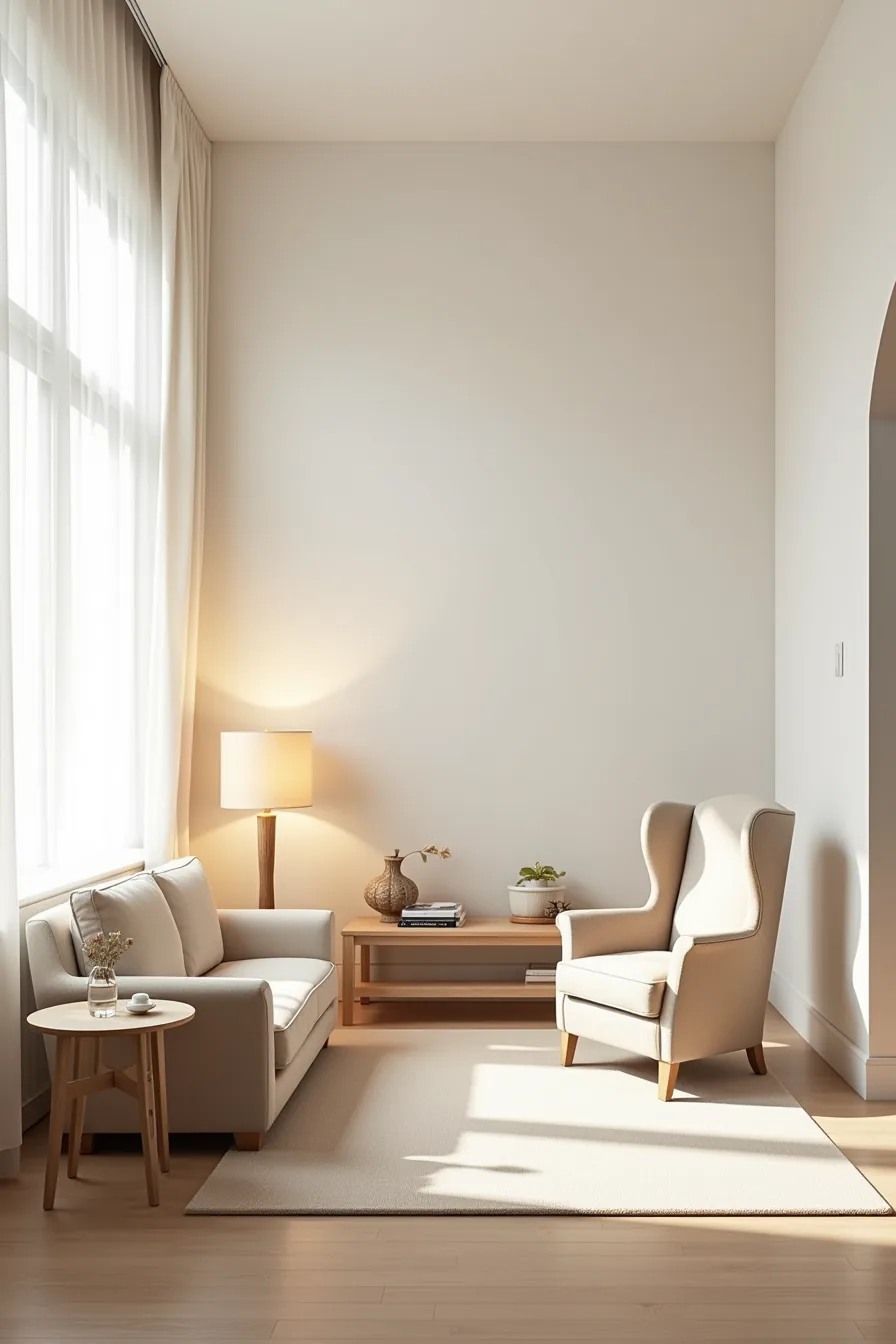
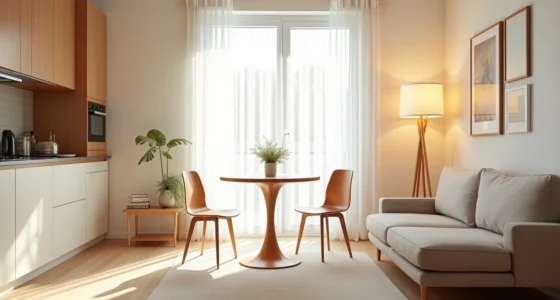
Scale dictates success more than any color choice. In a small apartment, a two-seater sofa (typically 60–70 inches wide) paired with stacked side tables instead of one bulky coffee table preserves walking space while creating that layered, collected feel. Push the sofa against the longest wall and let the smaller pieces cluster tightly, this keeps sightlines open and makes the room feel larger than it’s.
Medium suburban rooms handle proportion play well. Anchor one end with a low console (30–36 inches wide) and place a single wingback chair opposite at an angle, breaking the symmetry that can make a space feel stiff. Leave 18–24 inches between seating pieces so circulation stays comfortable; anything tighter will feel cramped regardless of the aesthetic.
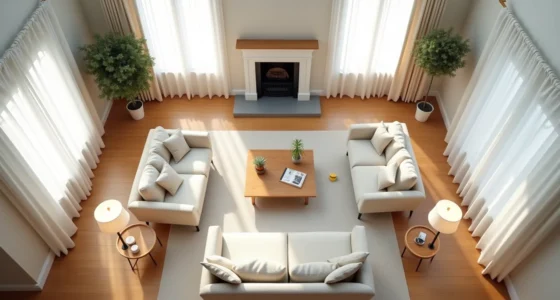
For large open-plan living areas, the French approach works through zoning rather than filling. Use a large rug, at least 8×10 feet, to define the seating island, then let the wingback chair face slightly inward to create a conversational pocket. Keep the palette consistent across zones: warm whites, soft greiges, and muted terracotta accents tie a sprawling room together without making it feel monotone.
In every case, the goal is breathing room, French style never crowds.
Where to Start
You now have six distinct directions, from chalky plaster walls to sculptural cane seating. The right one depends on your non-negotiables: budget, rental restrictions, and how much maintenance you’ll tolerate. A single high-impact change, swapping your coffee table for a marble or rattan piece, or painting one wall in a muted stone tone, will shift the room’s character far more than scattering accessories.
Commit to one idea this week. Measure your room’s length and width first, then order a single sample of your chosen wall color or fabric swatch. Test it against your existing flooring and natural light for two full days before buying anything else.
Frequently Asked Questions
What’s the difference between Parisian and provincial French living room styles?
Parisian style is refined and urban, molding, gilt mirrors, velvet, and symmetry, while provincial is rustic, featuring linen, carved wood, and weathered finishes. Choose Parisian for compact apartments; provincial suits larger, casual homes.
Can you create a French living room on a tight budget?
Yes. Focus on three anchors: a linen slipcover sofa, a vintage-style coffee table, and one ornate mirror. Source these from secondhand shops or online marketplaces; skip wall paneling and invest in paint and textiles instead.
How do you mix French vintage furniture without it looking cluttered?
Limit pieces to three per room, one large (armoire), one medium (side table), one small (gilt frame). Keep all wood tones within the same undertone family. Leave 18–24 inches of negative space between items to let each breathe.
What’s the best fabric for a French-style sofa if you have kids or pets?
Choose performance linen or cotton-poly blend with a tight weave and stain-resistant finish. Avoid pure linen and velvet, they pill and show wear. Look for removable, machine-washable slipcovers in medium gray or oat tones to hide fur and marks.