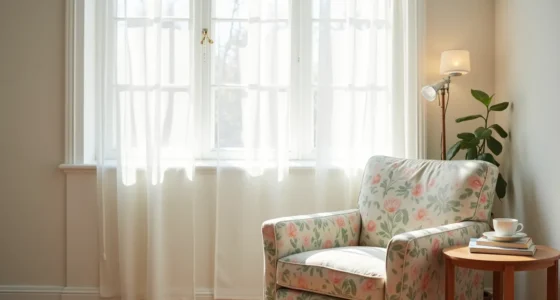
The right accent chair does more than fill an empty corner, it solves a layout problem, anchors a conversation zone, or adds a functional perch, but only if you match its scale, placement, and material to the room’s actual constraints. A 30-inch-wide chair in a 10-foot-square living room will dominate; a slipper chair with a 28-inch seat height suits a dining nook better than a deep recliner. Before you browse, you need a clear answer to three questions: what job will it do, who will use it daily, and how much floor space can you genuinely spare.
The six approaches below break down those trade-offs by budget, room size, and lifestyle.
Key takeaways
- Assess the room before shopping: measure the floor area, note the primary traffic path, and identify the chair’s job (reading nook, guest seat, or visual anchor) so you avoid buying a piece that blocks movement or duplicates existing seating.
- Match the chair to a specific layout problem, like placing a swivel chair near a window for conversation flow or a slim armless model against a narrow wall, instead of choosing purely on looks, which often leads to awkward gaps and wasted square footage.
- Choose texture over color if you want longevity: a neutral-toned bouclé or leather chair adds depth without clashing with future decor, whereas a bold patterned fabric commits you to a palette and needs more frequent cleaning in high-use zones.
- Respect scale by room size: in a small space (under 150 square feet), pick a chair with a seat height around 16–18 inches and a width under 30 inches, while large rooms (over 300 square feet) can handle a wider, deeper frame with a matching ottoman to balance the footprint.
Assess What Your Room Actually Needs

Before you browse a single fabric swatch, measure your space and identify the problem you’re solving. Look at your room the way this one is set up: a sofa anchors one wall, a side table sits nearby, and a corner holds nothing but bare floor. That empty corner is your opportunity.
Ask yourself what that corner requires. If guests routinely perch on sofa arms or drag dining chairs in, you need extra seating. If the sofa side feels visually heavy and the corner makes the room lopsided, you need balance.
If the space between the sofa and side table feels like a dead zone, you need functional zoning, a chair that bridges the two.
The answer determines everything: a sculptural chair for balance, a compact lounge chair for seating, or a swivel model for flexibility. What does the room need? That single question filters out most Accent Chair Ideas before you ever commit to a purchase.
Pick an Accent Chair That Solves a Layout Problem
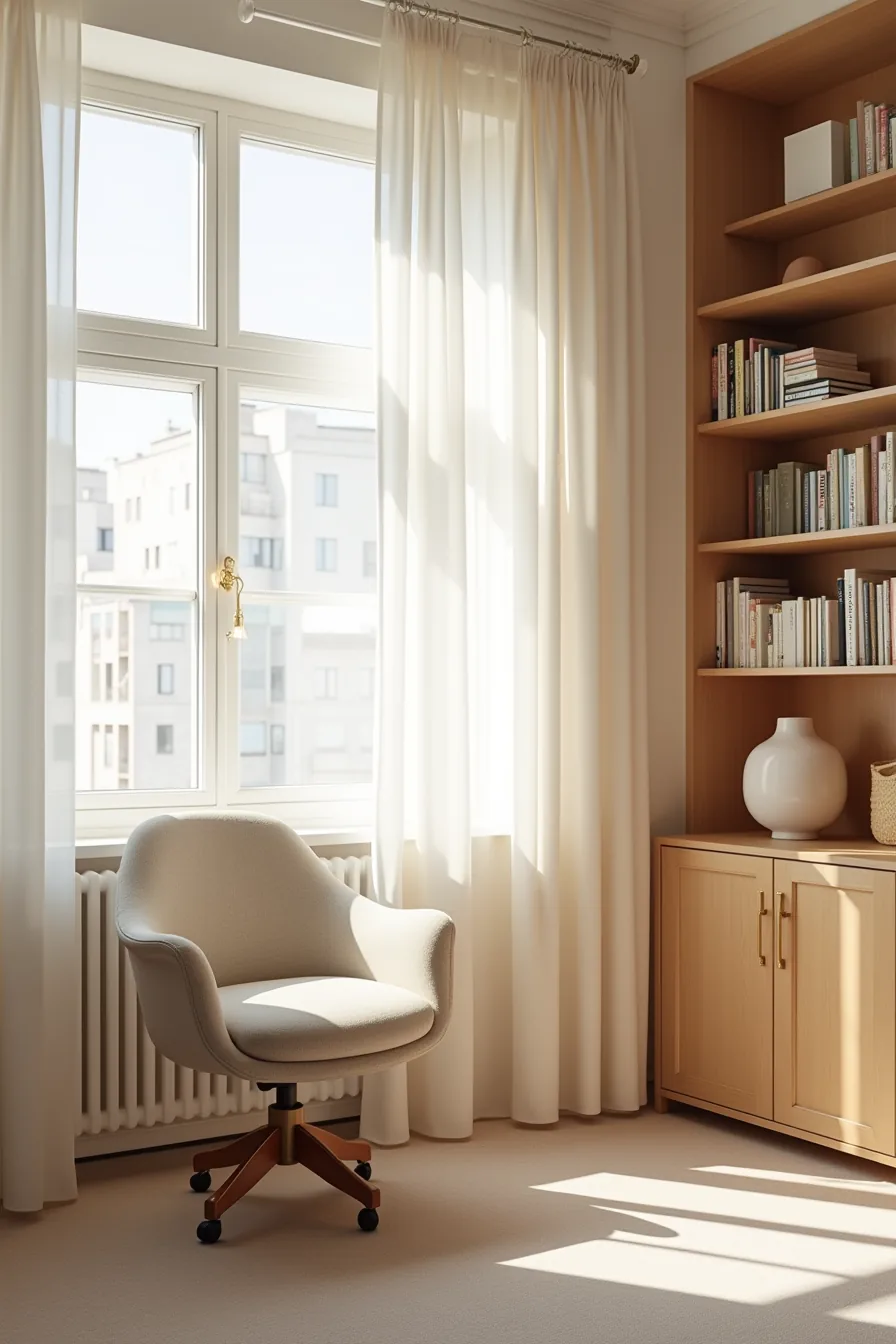
A swivel chair placed in a corner nook, between a bookshelf and a window frame, does more than fill empty square footage. It re-routes the room’s circulation. When you angle the seat toward the main seating area instead of squaring it off against the walls, you create a secondary conversation zone without blocking the path from the doorway to the sofa.
That orientation matters for traffic flow. A fixed chair facing straight ahead would force anyone walking past to detour around its back; a swivel model lets you pivot the seat 90 degrees when the corner isn’t in active use, keeping the walkway clear. This setup suits a narrow living room or a home office where the corner doubles as a reading spot.
For the chair to work, you need roughly 24 inches of clearance on the pivot side, and the seat height should match your sofa’s cushion height within 2 inches so the two pieces read as a set rather than a mismatch.
Color vs. Texture: Which Accent Chair Strategy Fits Your Space
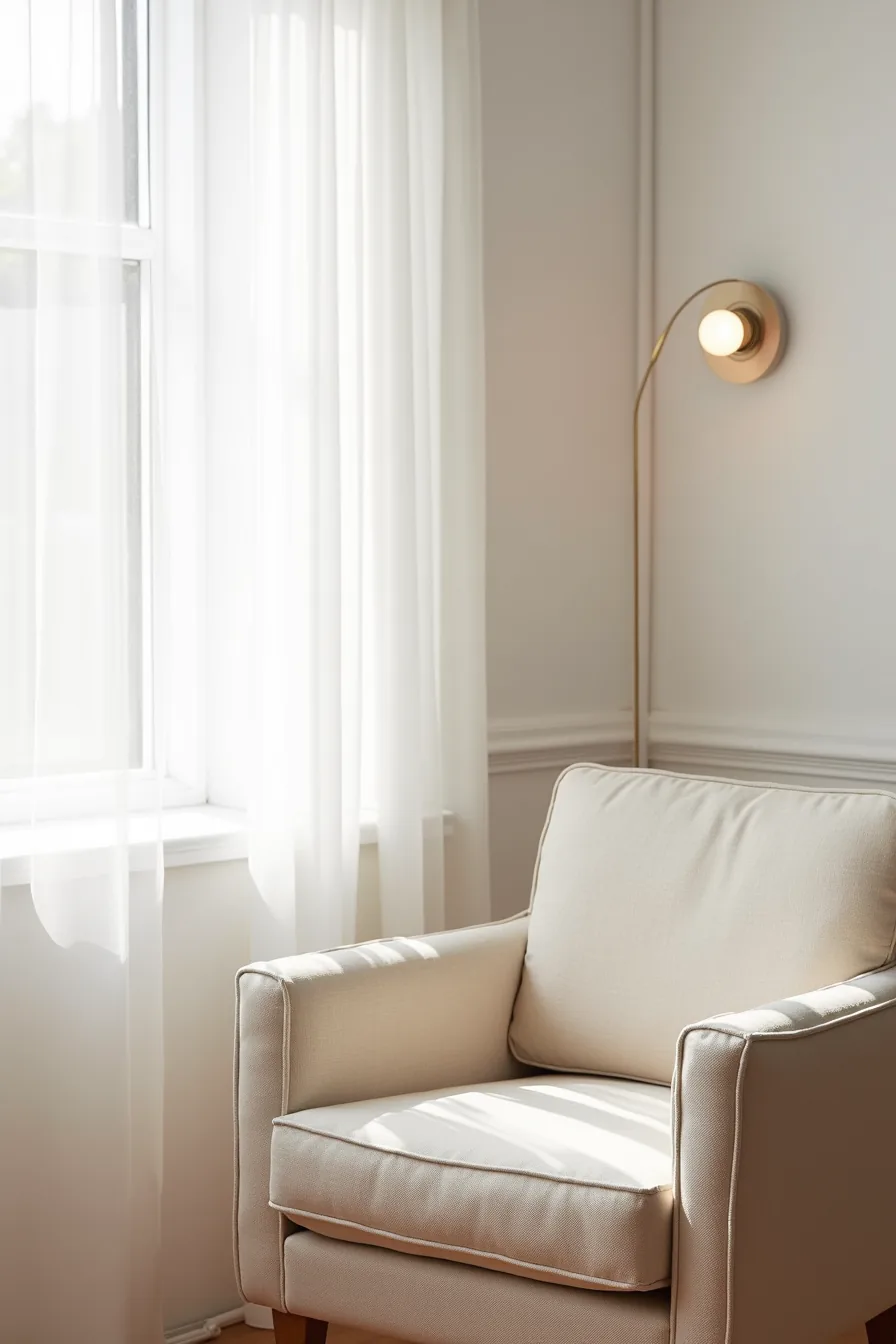
A bold color makes a statement the day you bring the chair home, but it commits you to that hue for the life of the piece. If your sofa, rug, or wall art shifts over time, a saturated velvet chair in cobalt or mustard becomes harder to match. Texture, by contrast, plays the long game.
A neutral linen chair arm with a visible weave pattern adds depth without dictating your palette, you can repaint walls or swap pillows freely and the chair still anchors the room.
For a first accent chair, lead with texture. The woven surface of a natural linen seat and arm gives your eye something to register even from across the room, while the white wall behind it keeps the composition quiet. You get the visual interest of a focal point without the risk of a color you’ll tire of in 18 months.
Choose bold color only when the chair sits in a room you rarely redecorate, like a dedicated reading corner, and you’re confident in the shade’s longevity.
Scale and Proportion for Small, Medium, and Large Rooms
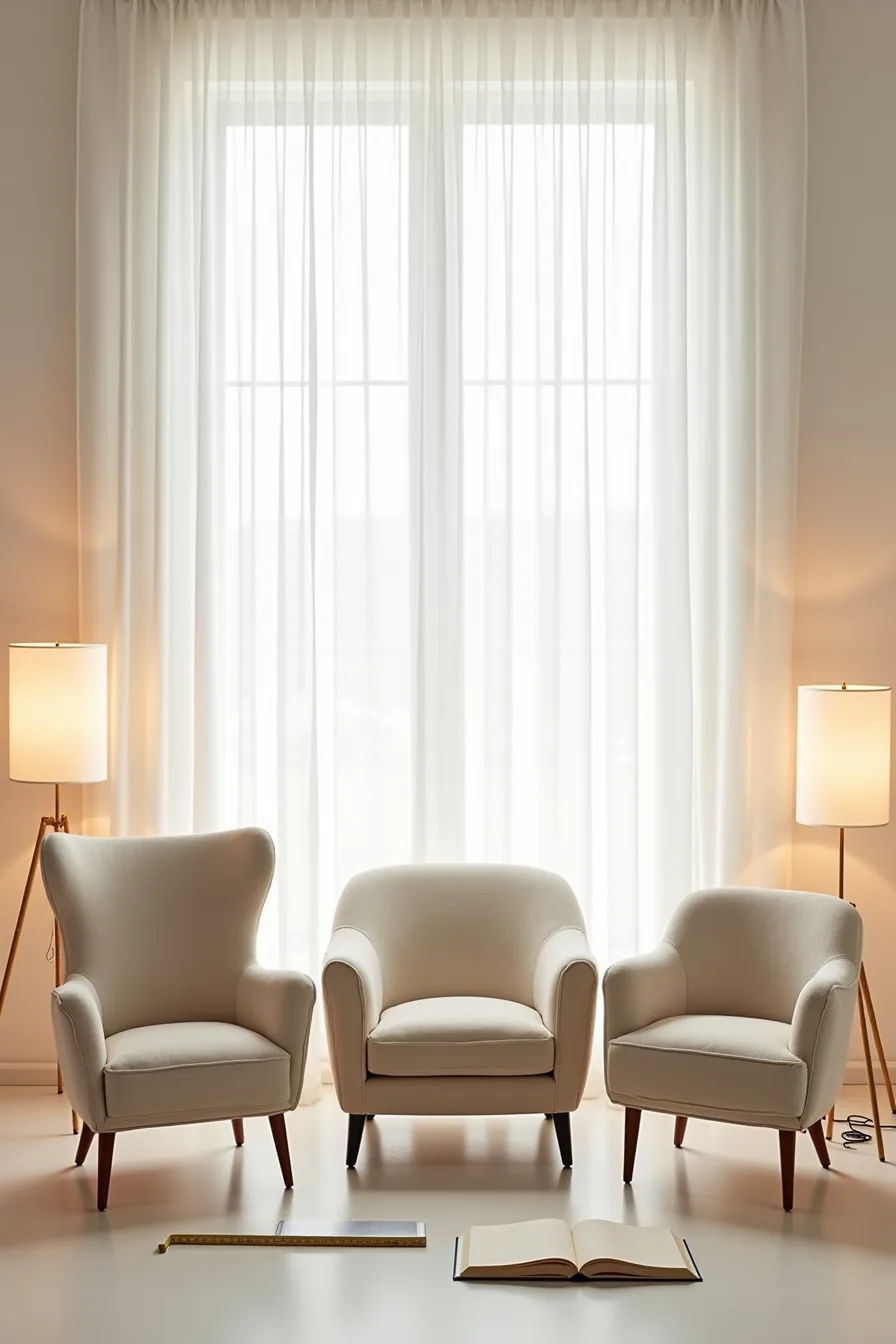
A wingback, a barrel chair, and a club chair lined up at eye level with a measuring tape at their base reveals the core rule: seat height stays surprisingly constant, while depth and width do the heavy lifting. Most accent chairs run 30–36 inches tall at the armrest and 32–40 inches wide, but the depth, 22 inches for a compact wingback, 28–32 for a barrel, and 34+ for a club chair, determines what fits. In a small room under 120 square feet, stick to the wingback profile: its narrow footprint leaves 18–24 inches of clearance for walkways.
A medium space of 150–250 square feet handles the barrel chair comfortably, provided you keep at least 16 inches between its front edge and the coffee table. For a large room exceeding 300 square feet, the club chair anchors a seating group, but only if you pair it with a substantial side table, an undersized end table next to a deep chair looks accidental. Measure your floor space first, then match the chair’s depth to the room’s traffic pattern, not its overall size.
Budget, Rental, and Investment Routes
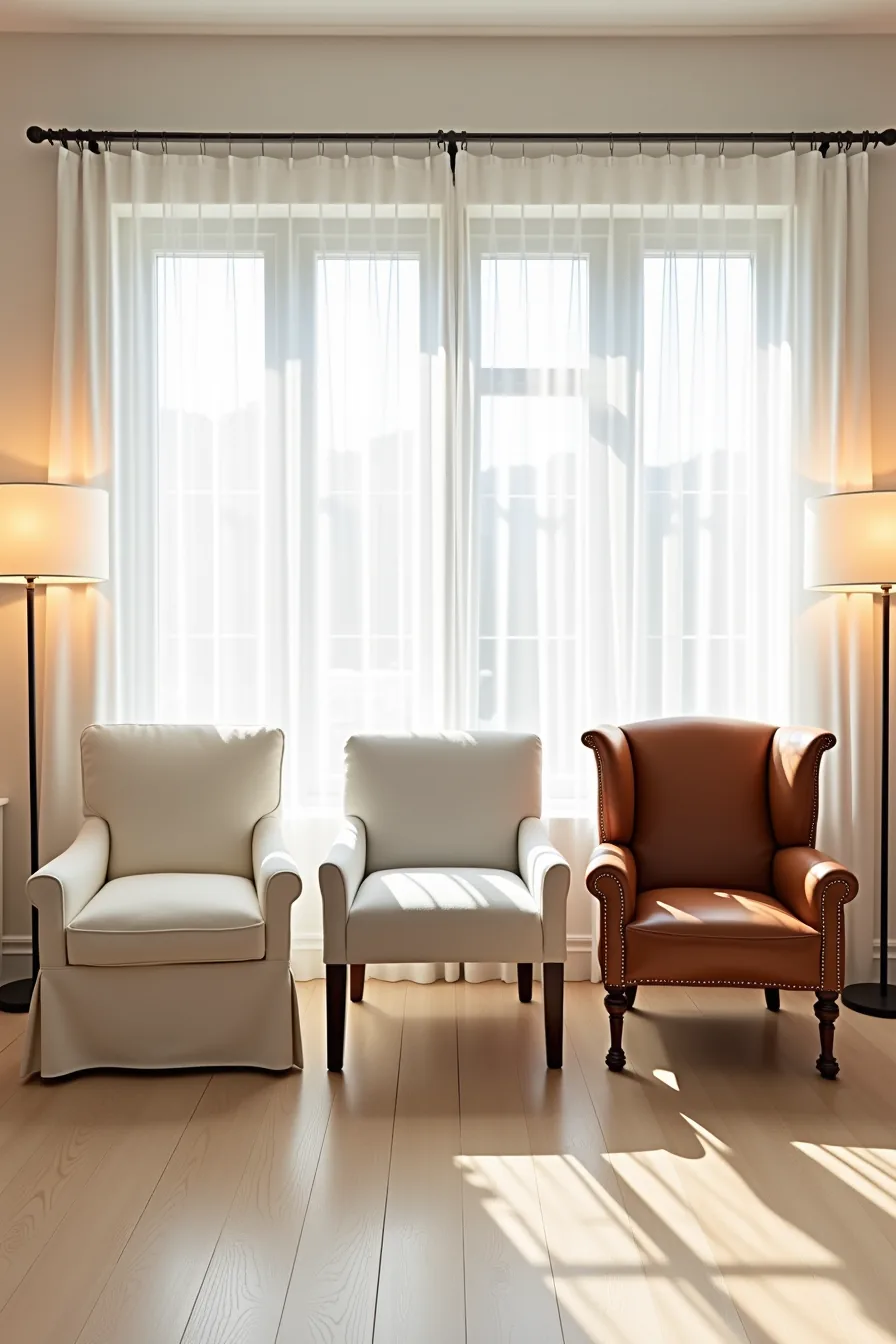
A slipcover chair is the cheapest route that still looks intentional, generally running $150–$400. The removable cotton cover is machine-washable, which makes it a sound choice for households with kids or pets, and you can swap the cover for a different color when you redecorate rather than replacing the frame. It suits renters who want an extra seating strategy without committing to a permanent fabric selection.
The mid-range option, an upholstered chair with exposed wooden legs, typically lands between $500 and $1,200. The hardwood legs signal quality at a glance, but inspect the joinery before you buy: dovetailed or doweled connections last decades, while stapled frames sag within a few years. This tier works best for owners who plan to keep the chair in one room for five-plus years.
The leather wingback with nail head trim sits at the investment end, often $1,500–$4,000. Full-grain leather develops a patina that actually improves with age, and the nail heads are applied by hand rather than pressed in strips, which is why they stay put. Expect to condition the leather twice a year and accept that it will feel stiff for the first several months.
This is the purchase you make when the chair is a permanent architectural element, not a temporary filler.
Material Durability and Maintenance Across Styles

Microfiber is the lowest-maintenance upholstery you can choose, resisting stains and fading while cleaning with just a damp cloth. It suits busy households with children or pets, but its tight weave feels slightly plasticky to the touch, a trade-off you should accept before buying.
Linen looks effortlessly elegant but wrinkles within days and stains permanently if you don’t treat spills immediately. A linen-blend fabric with a percentage of polyester is the practical compromise, giving you the relaxed drape without the high-maintenance reputation. Velvet sits at the opposite end: it hides dust well but shows every pet paw print and compresses permanently under prolonged sitting, so reserve it for low-traffic reading corners.
Performance fabric, typically a solution-dyed polyester or olefin blend, combines stain resistance with a natural hand feel. It costs 20–40 percent more than standard upholstery but withstands daily use and sunlight exposure for a decade or more. A flat lay of microfiber, linen, velvet, and performance fabric swatches beside a cleaning cloth and brush reveals the real difference: weave density.
Tight weaves (microfiber and performance) resist dirt penetration; loose weaves (linen and velvet) trap it at the surface, which is why brushing them weekly is non-negotiable.
Frame material determines whether your maintenance effort pays off. Kiln-dried hardwood frames stay rigid for decades, while engineered wood or particleboard frames can crack and wobble within five years. Check the frame’s corner joints, doweled or screwed connections outperform glued butt joints.
And consider leg style: four exposed legs are easier to vacuum under than a skirted base, but they require more frequent tightening unless you opt for metal or solid wood legs.
What to do first
Start by measuring your intended spot, armchair width plus 15–20 cm of clearance on each side keeps traffic flowing. Then choose one anchor: a bold color, a sculptural frame, or a tactile fabric. Match that anchor to your room’s existing contrast, not its theme.
If budget is tight, buy secondhand and reupholster; if renting, pick a removable slipcover in a washable weave like cotton twill. For a long-term piece, invest in kiln-dried hardwood and high-density foam (1.8–2.2 lb/ft³) that holds shape for a decade.
Your next step: photograph your space, draw the measurements on the print, and take both to a showroom or marketplace search. That single image will filter out 80% of the wrong options before you even sit down.
Frequently Asked Questions
How do I know if I actually need an accent chair or just want one?
You need one when your seating falls short of your household’s daily use, think guests sitting on the floor. If your current seating easily accommodates everyone, you want one, not need one. Prioritize function before aesthetics.
What size accent chair fits a small living room without blocking the TV or doorway?
Look for a chair with a seat depth of 20-22 inches and an overall width under 30 inches. Measure your clearance first: allow at least 24 inches of walking space in front of the TV and 18 inches past any door swing.
Can I use an accent chair in a bedroom, and where should it go?
Yes, place it in a corner opposite the bed for a reading nook or near a window for morning light. Avoid blocking closet doors or the main walkway; a depth of 28-32 inches usually fits standard bedrooms without crowding.
How do I choose between a patterned accent chair and a solid color one?
Choose a pattern if your room is mostly neutral and you want a single statement piece; it hides stains well. Choose solid if you’ve textured or patterned rugs, curtains, or artwork, it grounds the space without competing for visual attention.