

Shopping for bedding on Amazon means filtering thousands of listings by thread count, fabric weight, and return policy before you ever consider a color palette, and that filter process is exactly where most purchases go wrong. You end up with a duvet that looks lush in the photo but pills by week three, or a sheet set that fits a 12-inch mattress when yours runs 16. The fix isn’t finding a “better” listing; it’s adopting a selection system that weighs measurable specs against your actual bed dimensions and climate.
The six approaches below turn that system into repeatable steps, so your next cart yields a bed you want to sleep in, not just photograph.
Key takeaways
- Measure first, then buy: always confirm your mattress depth and bed frame width against the listing’s dimensions, since most Amazon bedding sets run 2–4 inches smaller than expected.
- Layer by weight, not color: a 100% cotton percale sheet set (200–400 thread count) works as a year-round base, while a quilted coverlet adds warmth without the bulk of a comforter.
- Verify photos with video reviews: scroll for customer-uploaded videos showing fabric texture and true color, because stock images often use bright lighting that hides pilling or thin material.
- Scale your topper to the room: in a small bedroom, choose a low-profile 6–8 inch bed skirt and a single folded throw at the foot, while large rooms can support a full duvet with two shams and a bench.
Assess Your Space and Measure Before Ordering
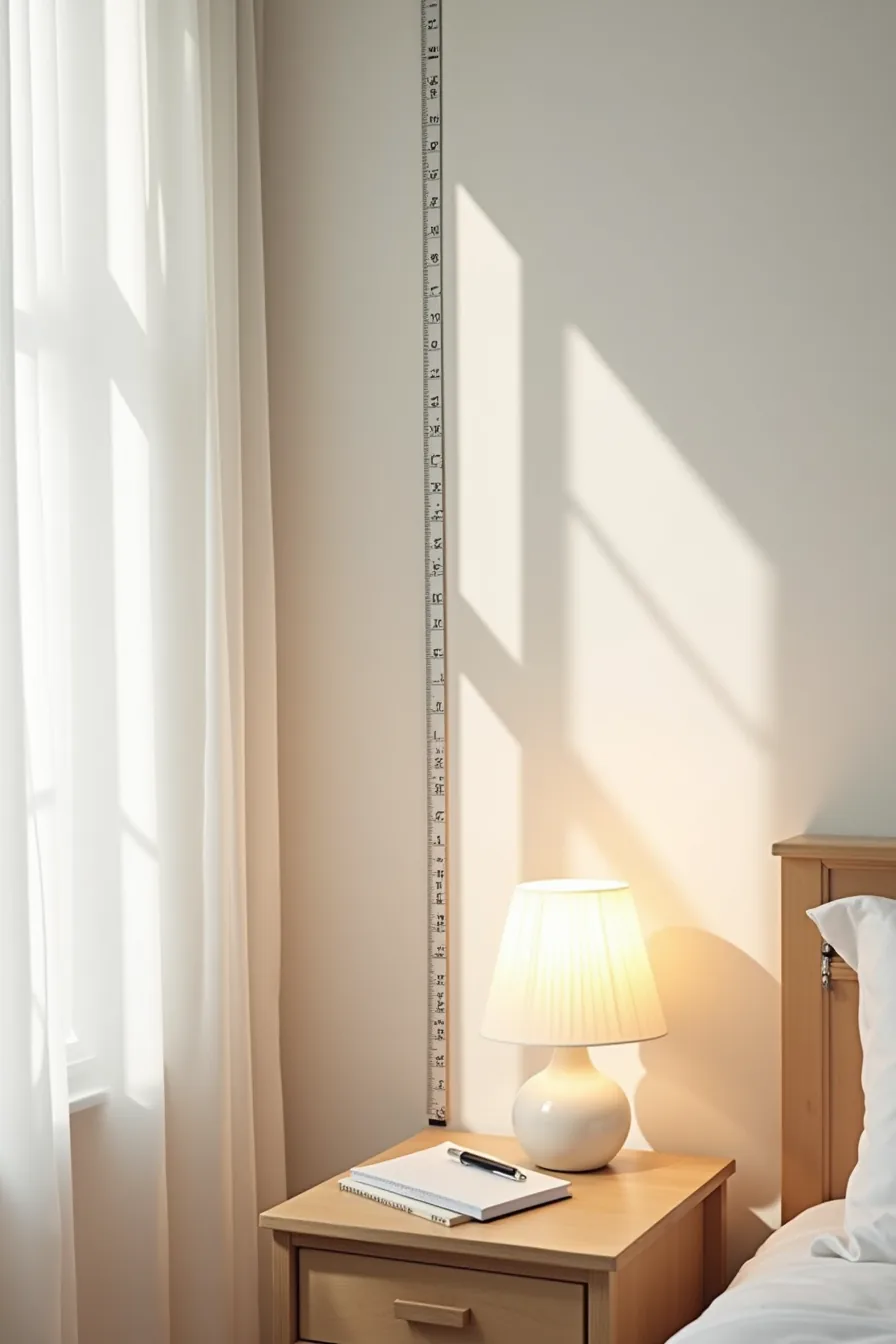
Before you browse a single listing, map your actual dimensions. A measuring tape extended along the wall beside your bed tells you the true headboard width, while a small ruler and notepad on the nightstand let you record clearance between the bed frame and furniture. Most queen mattresses measure 60 inches wide, but headboards sold on Amazon often run 62–66 inches, a 2–6 inch overhang you must verify against your nightstand depth.
Check three numbers: mattress depth (typically 9–14 inches), wall-to-bed clearance (keep at least 18–24 inches on each side for walking), and ceiling height for layering. If your headboard sits flush against the wall, account for baseboard thickness of 0.5–1 inch when measuring. Jot down every figure before opening a listing, because Amazon’s “fits queen” label ignores platform beds with thick frames, a mismatch leads to returns, which cost you shipping fees and weeks of waiting.
For a bed without a headboard, measure the distance between wall and mattress edge to guide your Amazon Bedding Ideas toward a headboard height that won’t block window sills or outlets.
The Layered Bed Formula: Foundation, Mid-Layer, and Topper

The layered bed formula breaks down into three components you can source separately on Amazon: a fitted sheet, a duvet cover with its fill, and a decorative throw. Start with the fitted sheet, a deep-pocket version rated for 15–18 inches will grip thicker mattresses without slipping. Choose percale for crisp, breathable coolness or sateen for a smoother, slightly warmer drape; both fall within the 200–400 thread count range that balances durability against softness without the premium markup.
The duvet cover carries the visual weight of your Amazon Bedding Ideas. A 100% cotton cover in a 300–400 thread count holds up to weekly washing, while a microfiber option resists wrinkles but traps more heat. Match the fill weight to your climate: a 700–850 fill-power down alternative suits year-round use, whereas a lightweight duvet (around 300–400 fill power) works for warm sleepers.
Drape the throw blanket across the foot or corner, layered so the fitted sheet, duvet, and throw each remain visible, this staggered offset creates depth without requiring perfectly matched pieces.
Neutral vs Colorful Bedding: When to Choose Each

The split between cream, grey, and white linens on one bed and a jewel-tone duvet with patterned pillows on the other comes down to three criteria: room size, existing furniture, and how often you want to change the look. Neutral bedding suits small rooms because light tones visually recede, making walls feel farther away, pair it with dark wooden nightstands to anchor the space. It also tolerates a busy rug or bold art without competing, and it hides minor pilling better than dark solids.
Colorful bedding works when your room has neutral walls and simple furniture, like those matching wooden nightstands, because the duvet becomes the focal point. Jewel tones hide everyday wear but show lint and pet hair quickly, so budget for weekly washing. If you resell or rent, neutrals appeal to broader tastes; if you redecorate seasonally, color gives you more flexibility to rotate accent pillows without replacing the base layers.
Cozy Season Update: Swapping Weights and Textures

A cozy season update doesn’t require a full replacement of your bedding, it requires a rotation system. The setup that works for most homes is a lightweight cotton duvet for summer, then a heavy quilted comforter layered on top when temperatures drop, with flannel sheets swapped in beneath. You’re changing the top three layers, not the mattress protector, pillows, or base sheet set.
Keep the summer duvet on the bed year-round as a base, then add the quilted comforter and flannel sheets as the season demands. Store the off-season layers on a nearby shelf or in a breathable cotton storage bag, never plastic, which traps moisture and encourages mildew. Flannel sheets need a cold-water wash with a mild detergent before first use to soften them; expect them to pill slightly after 10–15 washes, which is normal.
The cost trade-off is clear: buying one heavyweight comforter and one set of flannel sheets costs less than two full bedding sets, and the rotation extends the life of each piece by reducing wear cycles.
Spotting Misleading Photos and Verifying Quality Before Purchase

The flat lay of samples tells you more than most product pages will. That overstuffed pillow beside a properly filled one demonstrates the single biggest Amazon listing trick: photos are styled with extra inserts to create a plumpness that disappears after unpacking. When you see exaggerated loft, ask what fill weight is actually listed, most standard pillows run 20–35 ounces of fill, and anything vague about that number signals a styling illusion.
Thread count claims demand equal skepticism. A listing saying 1,000 or 1,500 thread count on a budget sheet set is almost certainly a marketing number; genuine high-thread-count cotton typically ranges from 400 to 800, and anything above that often uses multi-ply yarns that feel stiff, not soft. Compare the fabric swatches under direct light as the image does, hold them up yourself, and you’ll see tighter weaves appear denser and less transparent.
Read reviews sorting by “most recent” rather than “top rated,” and search the text for the words shrinkage, pilling, or wrinkles after washing. That pattern reveals durability issues photographers can’t hide: a set that shrinks two inches after the first wash won’t match your mattress depth, regardless of how crisp it looks in the listing.
Adapting Amazon Bedding Ideas to Small, Medium, and Large Rooms

The same Amazon Bedding Ideas for a Quick Bedroom Refresh that works in a compact corner will suffocate a master suite if you scale it up proportionally. For a twin bed tucked against a wall, keep layering flat: one fitted sheet, one duvet, no more than two pillows, and a throw folded at the foot. Oversized shams or second comforters consume floor room and visually shrink a tight space.
A queen in center space earns a balanced three-piece setup, duvet, standard shams, and a single decorative lumbar pillow that stays under 18 inches wide. On a king in an expansive room, generosity becomes critical; a disposable 15-20 inch throw draped across the foot breaks up the horizontal mass of the mattress. Match the number of layers to bed footprint: a twin handles 2-3, a queen carries 4-5, and a king supports 6-7 without feeling cluttered.
In large rooms, pull the bed 3-4 feet from the wall and let the bedding bleed over a bench or window seat visible beyond the mattress to anchor scale.
Your 30-minute decision plan
Start with your bed frame’s exact dimensions, measure the mattress depth and frame height before you browse anything. Filter Amazon results by those numbers first, then by fiber content (cotton thread count under 400, linen, or washed options all hold up better than microfiber).
Order one duvet cover or sheet set only, and inspect the seams and fabric weight within 24 hours of delivery. Return it immediately if the weave feels thin or the color deviates noticeably from the listing photos.
Take that single measurement, open Amazon, and add one qualifying set to your cart right now.
Frequently Asked Questions
What thread count should I look for in Amazon bedding sheets to avoid pilling?
Look for 200-400 thread count in long-staple cotton or certified bamboo. Higher counts above 600 often use weaker multi-ply yarns that pill faster. Check reviews for the word “pilling” before purchasing.
How do I know if an Amazon bedding set will shrink after washing?
Read the care label in the listing photos; pre-shrunk cotton is typically labeled. Wash in cold water and tumble dry low, as heat causes most shrinkage. If reviews mention shrinkage, size up or expect up to 3% loss.
Can I mix and match bedding pieces from different Amazon sellers?
Yes, if you match the mattress depth and fabric type. Mix solid duvets with patterned sheets from different sellers, provided the thread count and weave are similar. Always compare dimensions for fitted sheets and pillowcases.
What’s the typical return window for bedding on Amazon if it doesn’t fit my mattress?
Standard Amazon returns allow 30 days from delivery, but bedding is often eligible for return within 30 days even if opened. Check the listing’s return policy, as some third-party sellers offer only 7-14 days.