
Your best sofa is the one that matches your room’s dimensions, your daily habits, and your budget, not the one that looks best in a showroom. A 72-inch loveseat suits a compact apartment, while a 96-inch sectional demands at least 12 feet of open wall. The real test is how you live: pets, kids, formal entertaining, or binge-watching each push you toward different frames, fabrics, and fill densities.
The six approaches ahead break down exactly what to measure, what to spend, and what to maintain for each scenario.
Key takeaways
- Measure doorways first before buying any sofa, since a 72-inch sectional can be useless if your stairwell or entryway has a 28-inch clearance.
- Choose modular sofas for rentals because you can reconfigure sections to fit new floor plans without paying for a replacement or a professional mover.
- Prioritize performance fabrics with a rub count of 30,000–50,000 if you’ve kids or pets, as they resist stains and abrasion far longer than standard cotton blends.
- Expect leather to soften and develop a patina over 5–10 years, but budget for annual conditioning to prevent cracking in dry climates.
The Compact Sectional: Maximum Seating in Minimal Space

An L-shaped sectional is the single most efficient way to convert a tight corner into a genuine lounging zone. In a studio apartment, look for a model with a depth of 34-38 inches and a short end between 55 and 70 inches, which allows the piece to tuck flush against two walls without dominating the room. The setup pictured works because the long end runs along the primary wall while the short end anchors the corner, leaving the opposite wall open for a side table and a floor lamp to define a separate circulation path.
This layout suits renters and first-time buyers who need seating for four or more but lack a dedicated living room. Measure both wall lengths before ordering, and confirm the sectional breaks into two pieces so you can fit it through doorways and stairwells. The trade-off is comfort vs footprint: you gain stretched-out lounging space but lose the ability to reposition the sofa away from walls, so keep the 18-24 inches of clearance to the coffee table to preserve walkways.
Choose a tight-back, low-cushion design to prevent the piece from visually overwhelming a small spacecars.
The Modular Sofa: Flexibility for Renters and Evolving Homes

When a sectional locks into one shape, every move and room change forces a compromise. A modular system with four to six disconnectable seats solves that by letting you reconfigure the layout in under ten minutes, without tools. The setup of three pieces arranged in a U-shape on a wooden floor works because it creates distinct zones: two seats face each other for conversation, while the third anchors the open end.
Visible gaps between the cushions confirm the sections are independent, and the nearby cardboard box and packing paper signal that this configuration is temporary, you can slide the pieces against a wall tomorrow.
This is a lifestyle-based choice for renters who move every two to three years or anyone who redecorates seasonally. You pay a premium of roughly 20-30 percent over a fixed sofa of similar size, and you accept that seams between sections will always show. Before ordering, confirm each module weighs under 60 pounds so one person can carry it, and verify the fabric is removable for cleaning after disassembly.
The U-shape here suits a loft or open-plan room of 300 square feet or more; in a smaller space, reconnect the same pieces into a straight three-seater to reclaim floor area.
The Performance Fabric Sofa: Durability for Active Households

Performance textiles are engineered with a tight weave and a solution-dyed finish, meaning the color runs through the fiber rather than sitting on top. That construction is what lets you blot a water ring off the armrest or wipe away a smudge left by a toy without the fabric absorbing the stain. The cloth draped over the arm is your first line of defense, a routine of blotting spills within 60 seconds and vacuuming the cushions weekly will keep the navy surface looking crisp for five to seven years.
You pay 15-25 percent more than a comparable standard upholstery sofa, but the trade-off is that you skip the cost of professional cleaning or premature replacement. Before you buy, check the rub count: look for 30,000 to 50,000 double rubs minimum for a household with kids or pets. This is the route to choose if your family room sees daily snacks, art projects, or bare feet on the cushions, it forgives the small accidents that would permanently mark a linen or cotton blend.
The Leather Sofa: Long-Term Investment and Aging Character
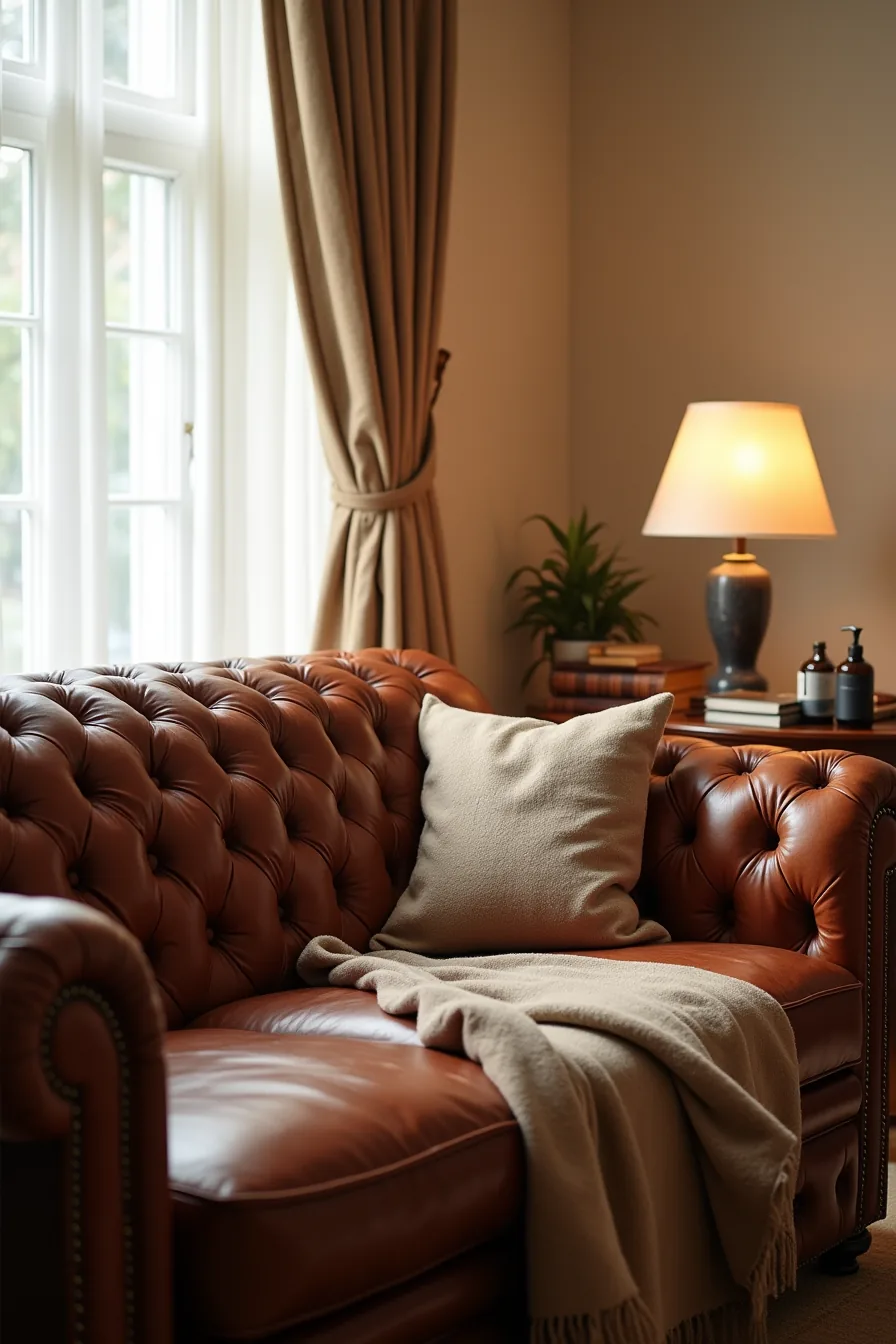
Top-grain leather develops a patina that deepens with use, so the brown sofa in a formal study becomes richer, not more tired, as the years pass. The visible wear marks on the armrest are the point: they signal where your hands have rested, and they’re the surface you want in a room where quiet conversation and occasional evening reading happen. A conditioning bottle and soft cloth kept on the side table let you maintain that character in two 10-minute sessions every six months, keeping the hide supple and preventing cracks from dry indoor air.
You’ll pay $2,000-$4,500 for a well-constructed leather sofa with a solid hardwood frame and full-grain hide, roughly double the cost of a performance fabric model. The repair track matters: a scratch on leather can often be buffed out or patched by a professional, whereas a torn fabric usually needs full reupholstery. Choose this route if you want a piece that outlasts a decade and you accept that it will show its history, that aging character is the reason leather fits formal spaces and busy homes alike.
The Sleeper Sofa: Dual Function Without Sacrificing Comfort
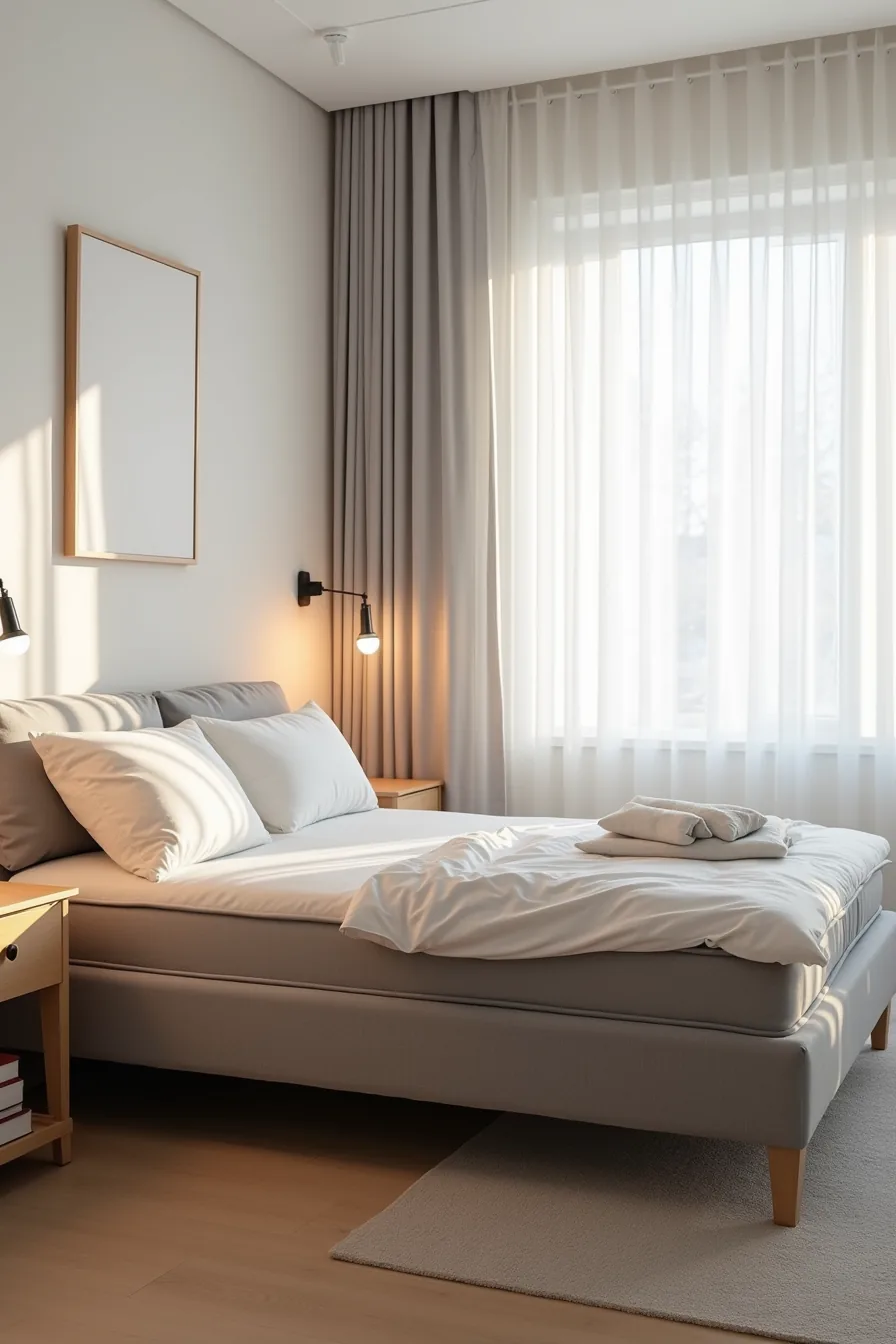
The gray sleeper sofa in its open position occupies the better part of a bedroom, with the extended mattress platform and visible mattress transforming the room’s primary seating into a guest bed in under two minutes. The pillows and bedding arranged on the mattress signal that this isn’t a compromise piece, it’s a deliberate sleeping surface, not an afterthought cot. When you shop for one, the mattress type is the first decision: a memory foam fold-out runs $300-$800 more than a traditional innerspring and sleeps noticeably cooler, but both need a 10-12 inch thick profile to avoid feeling the metal bars beneath you.
Depth is the hidden constraint. Most sleeper sofas require 24-30 inches of clearance in front when fully open, so measure your room’s open floor space before committing, a 6-foot sofa typically needs a 9-foot clearance path to deploy. Frame durability matters more here than in a standard sofa because the mechanism adds daily stress; look for a kiln-dried hardwood frame with a steel mechanism rated for at least 500 open-close cycles.
Skip the pull-out entirely if you host more than four guests per year and instead choose a sectional-bed hybrid where the chaise converts to a lounger-style mattress, it saves 8-12 inches of floor depth and eliminates the heavy lifting.
Comfort vs. Footprint: Matching Scale to Your Room and Lifestyle
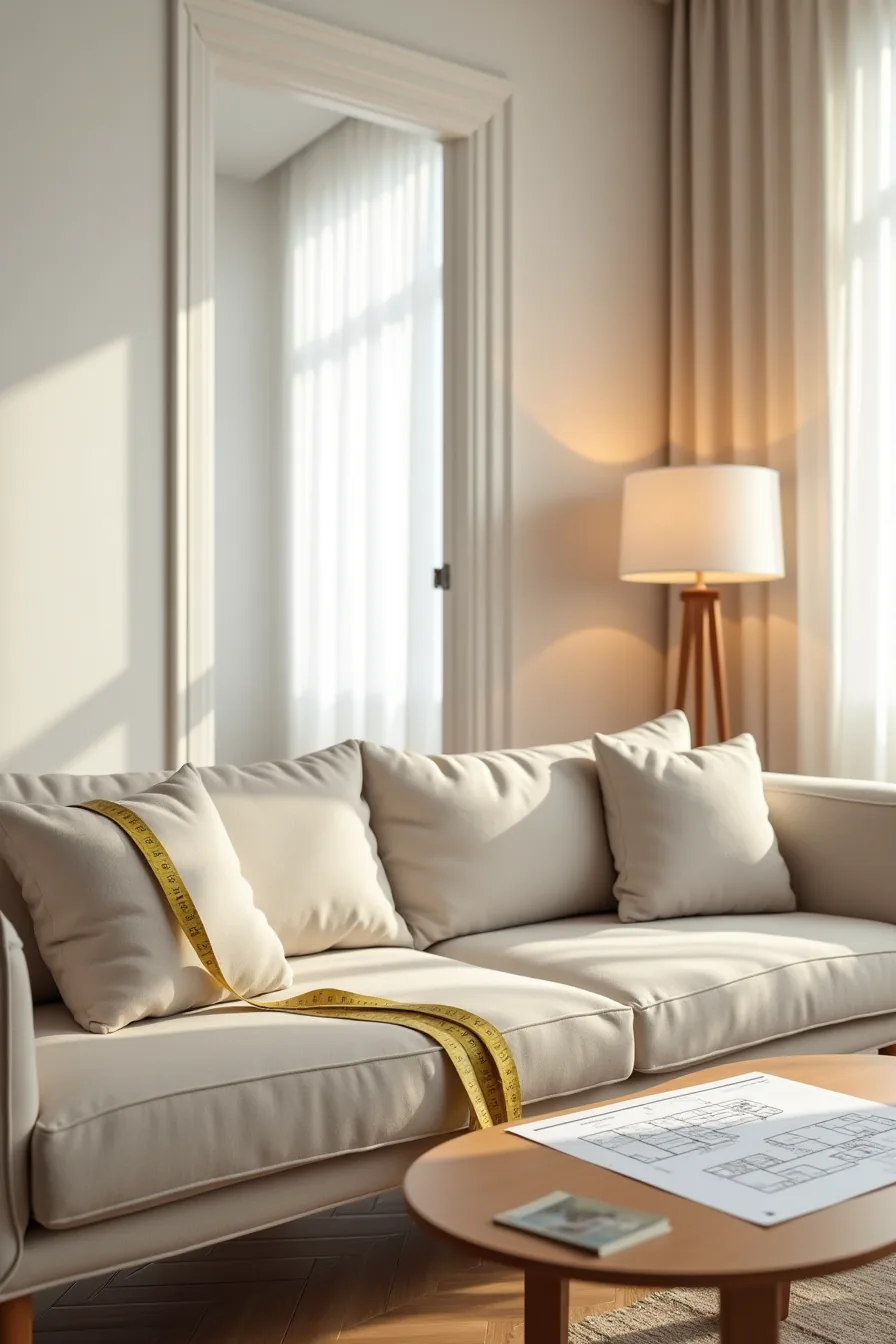
Measure the room’s full footprint before considering any sofa, starting with the floor plan sketch on your coffee table. Mark the doorway swing radius and the walking path, you need a minimum of 18-24 inches of clear passage around the sofa’s front edge, and 36 inches at the main entry point. A measuring tape draped across the seat tells you the real story: seat depth from front edge to back cushion should run 22-24 inches for daily lounging, but drop to 20-22 inches if you prefer upright seating for conversation or reading.
What makes it best depends entirely on how you actually sit. Test the arm height: 24-28 inches suits people who rest their heads while watching TV, while 20-22 inches works for those who lean forward with laptops. Match the sofa’s overall length to your wall, leave 6-12 inches on each side for lamps or end tables, and never block the doorway visible in the background.
A 72-inch sofa suits a 12×14-foot room; a 96-inch sectional needs at least 15×18 feet to avoid dominating the space. Back height matters too: 32-36 inches supports tall sitters, but low-back styles (28-30 inches) keep sightlines open in rooms with windows behind the seating.
Build your shortlist in 20 minutes
Start by measuring your room’s longest wall and your doorway clearance. Subtract 3 feet from the wall length for walking space, then compare that number against sofa depths of 35-40 inches.
Filter for your top three non-negotiables: seat depth for lounging, fabric that handles your pets, or a frame you’ll keep for a decade. Your budget route saves money upfront but costs in replacement frequency; the investment route costs 3-4 times more but survives two moves.
Bookmark your three finalists, then order swatches before you commit. That fabric sample will tell you more in five minutes than any product photo ever will.
Frequently Asked Questions
What size sofa fits a small living room without blocking the TV or doorway?
Choose a loveseat or two-seater, typically 60–72 inches wide. Measure your doorway clearance first, then subtract 24–30 inches from the room’s length for walking paths. Avoid deep seats over 38 inches.
How do I choose between a sectional and a standard sofa for a family with kids and pets?
Pick a sectional if you need extra seating and have a clear corner to dedicate to it. Choose a standard sofa if your space is narrow or you want to rearrange often. For kids and pets, prioritize removable, washable covers.
What’s the difference between performance fabric and regular upholstery, and is it worth the extra cost?
Performance fabric resists stains, water, and fading, and typically costs 15–30% more. Regular upholstery wears faster and stains easily. It’s worth the premium if you’ve kids, pets, or a high-traffic living room.
Can a modular sofa be moved easily if I rent or plan to relocate?
Yes, modular sofas break into sections that fit through standard doorways and stairwells. Most pieces weigh 40–80 pounds each, so two people can manage. Check that the connectors are tool-free for quick disassembly.