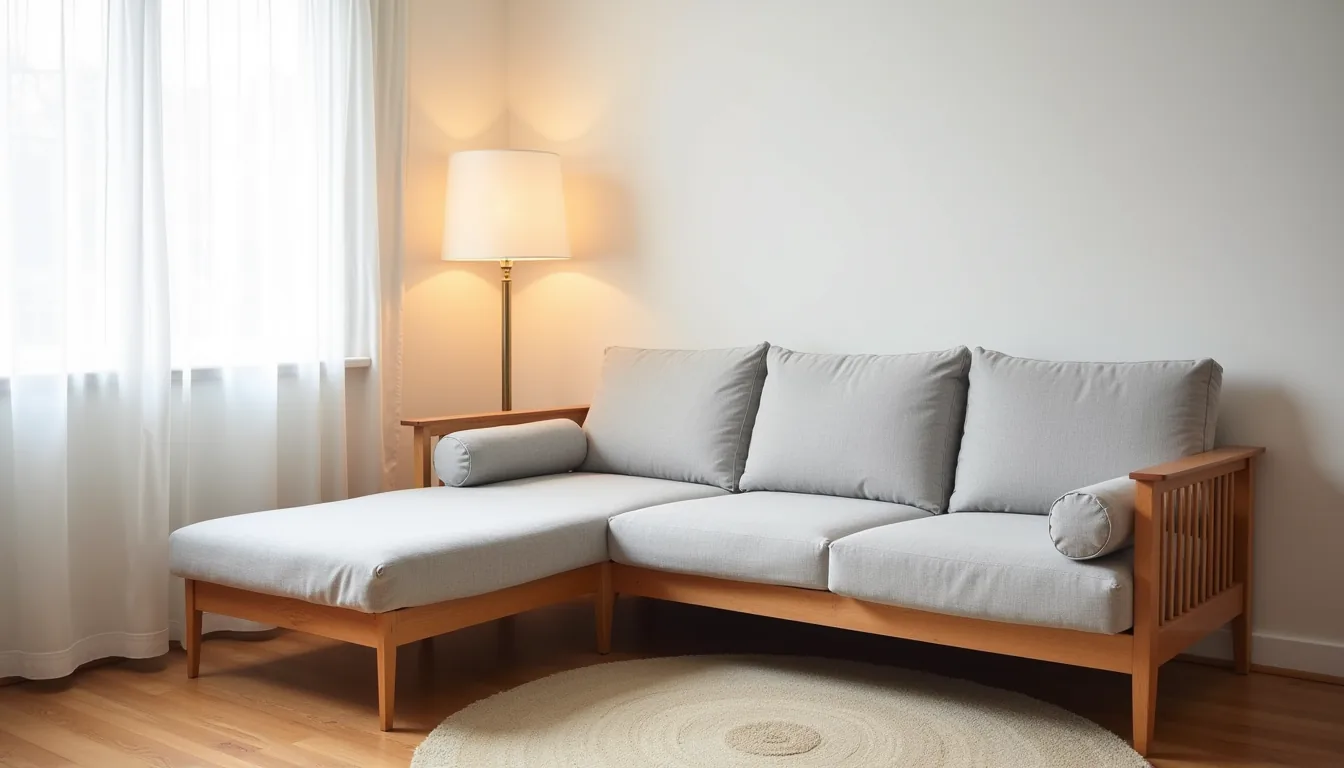

The IKEA Soderhamn Sofa is a low-profile, modular seating system whose true strength lies not in its stock configuration, but in how you adapt its separate armrests, corner units, and covers to fit your space, budget, and lifestyle. Because every piece is sold individually, you can assemble a two-seat apartment setup, a sprawling family pit, or a dual-purpose room divider without custom carpentry. The trade-off is that its deep 40-inch seats and low 16-inch height demand deliberate placement, which is exactly what the six setups ahead address, from a $1,200 renter-proof build to a $2,500 long-term investment with washable leather-look covers.
Key takeaways
Modular layouts let you match the Soderhamn’s three-seat base (roughly 80–90 inches wide) to a 10×12-foot room by splitting it into an L-shape, while a 15×20-foot space handles a full U-configuration without blocking walkways. Corner covers in dark gray or blue hide stains and pet hair better than light beige, but they absorb more heat, choose a removable, machine-washable slipcover in a textured weave if you prioritize easy upkeep over a crisp silhouette. Renter-friendly upgrades cost under $150 when you swap the standard legs for 4-inch metal risers and add a fitted, stretch-knit cover, which protects the original fabric and reverses damage without permanent drilling or adhesive. Seasonal rotation extends the sofa’s life by flipping seat cushions every 3 months and vacuuming crevices weekly with an upholstery attachment, while a washable throw blanket layered over the backrest reduces sun-fading on the exposed top edge.
Modular Layout Options for Different Room Sizes
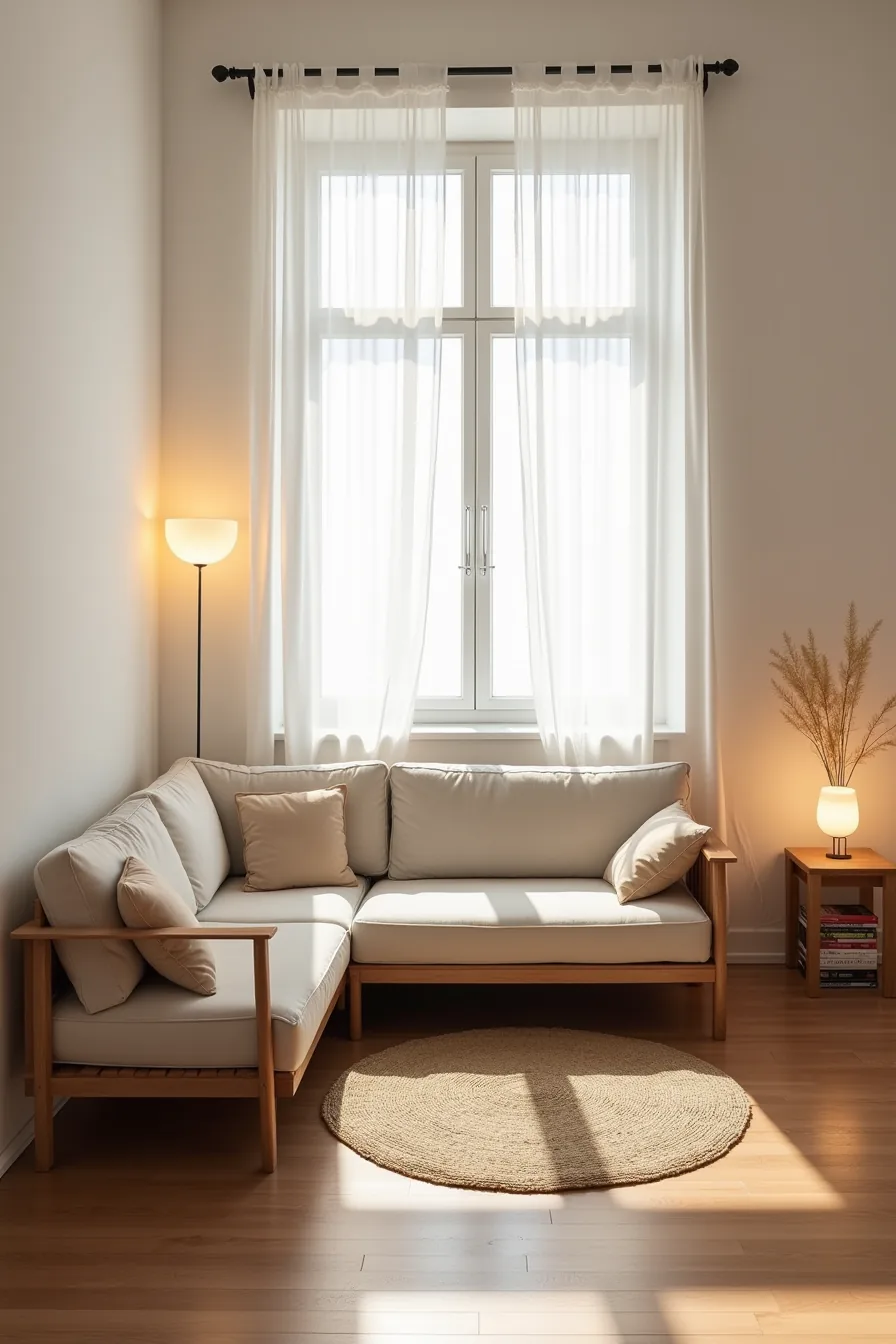
The Soderhamn’s separate seat, backrest, and corner modules let you tailor the footprint precisely to your floor plan. In a studio apartment around 8 feet wide, configure a compact two-seater against the longest uninterrupted wall, leaving at least 3 feet of clearance to the opposite wall for circulation. Pair it with a slim wooden side table and a small area rug placed in front of the seating zone to anchor the layout without visually shrinking the space.
For medium living rooms in the 12–16 foot range, an L-shape with a 2-seat module plus a corner unit opens the room rather than blocking it. Keep the chaise on the side facing the room’s main entry; this defines a conversation area while preserving a walking path behind the sofa. In larger open-plan spaces, connect two full sofas back-to-back to create a room divider, but maintain a 40–60 inch gap between them for traffic flow.
The modular layout options work because the pieces lock together without tools, so you can recombine them whenever your room’s function shifts.
Cover Color Comparison: Durability and Visual Impact
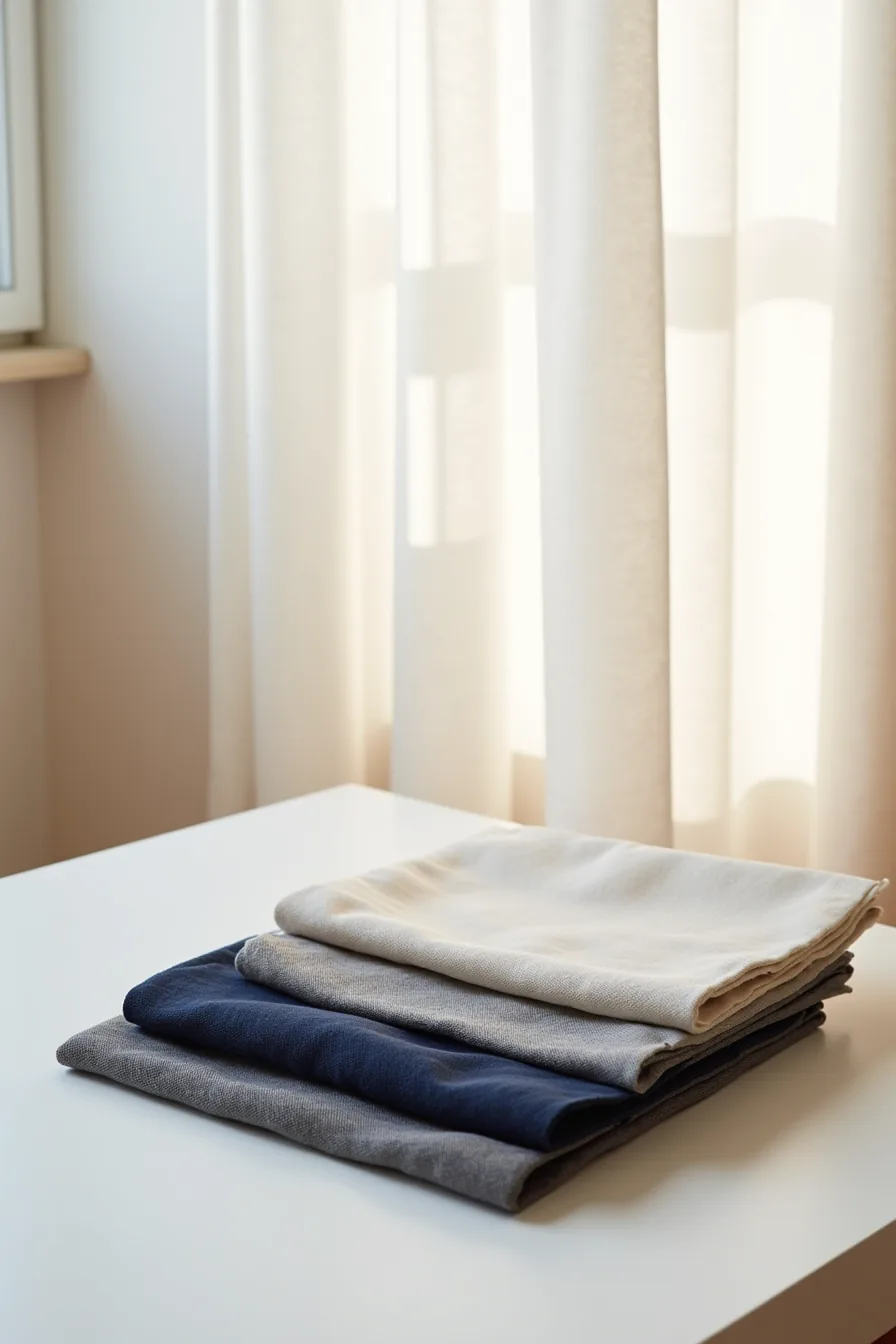
Your cover choice does more heavy lifting than any styling accessory. The four swatches, charcoal gray linen, beige cotton blend, navy blue, and light gray, each behave differently under daily use. Linen develops a relaxed, slubby texture that softens over time, but it stains more readily and wrinkles noticeably; choose it for low-traffic lounges or homes without kids or pets.
The beige cotton blend is your most forgiving everyday option: it resists pilling, tolerates machine washing at 30–40°C (86–104°F), and hides minor spills better than darker shades because the weave masks small marks.
Navy blue delivers the strongest color retention, dyes bind deeper in the fibers, and hides dirt between cleanings, making it the top pick for high-traffic households. The trade-off is that lighter lint, crumbs, and pet hair show up readily against it, so budget for weekly vacuuming. Light gray offers a middle ground: it brightens a small room and reflects natural light, but it shows wear fastest, especially along armrests and seat cushions.
Expect to replace or professionally clean light gray covers within 3–5 years if you sit daily, versus 5–7 years for navy or charcoal. Match the shade to your actual lifestyle, not just the room’s palette.
Low-Profile Styling for Modern and Minimalist Rooms

The Soderhamn’s compact frame height, roughly 27–28 inches from floor to seat top, anchors it visually without interrupting sightlines, making it the rare sofa that feels larger than its footprint in tight contemporary spaces. In this setup, the charcoal two-seater sits flush against a white wall, its low silhouette letting the eye travel unimpeded toward the sleek glass and metal coffee table. The stark concrete floor, deliberately left bare, widens the room, so you can skip a rug entirely to let the sofa define the zone alone.
Above, a floating wall shelf holds three minimal ceramic vessels, pulling the vertical plane into play without adding bulky bookcases or gallery clutter. To replicate this, choose a slim-profile coffee table under 16 inches tall to preserve the sightline over the Soderhamn’s armrests, and keep wall decor within 6–12 inches of the shelf’s top edge for balance. Leave walls bare elsewhere and stick to single-tone textiles, this look thrives on negative space, not ornamental accents.
Budget-Friendly Setup: Renter-Approved Customization
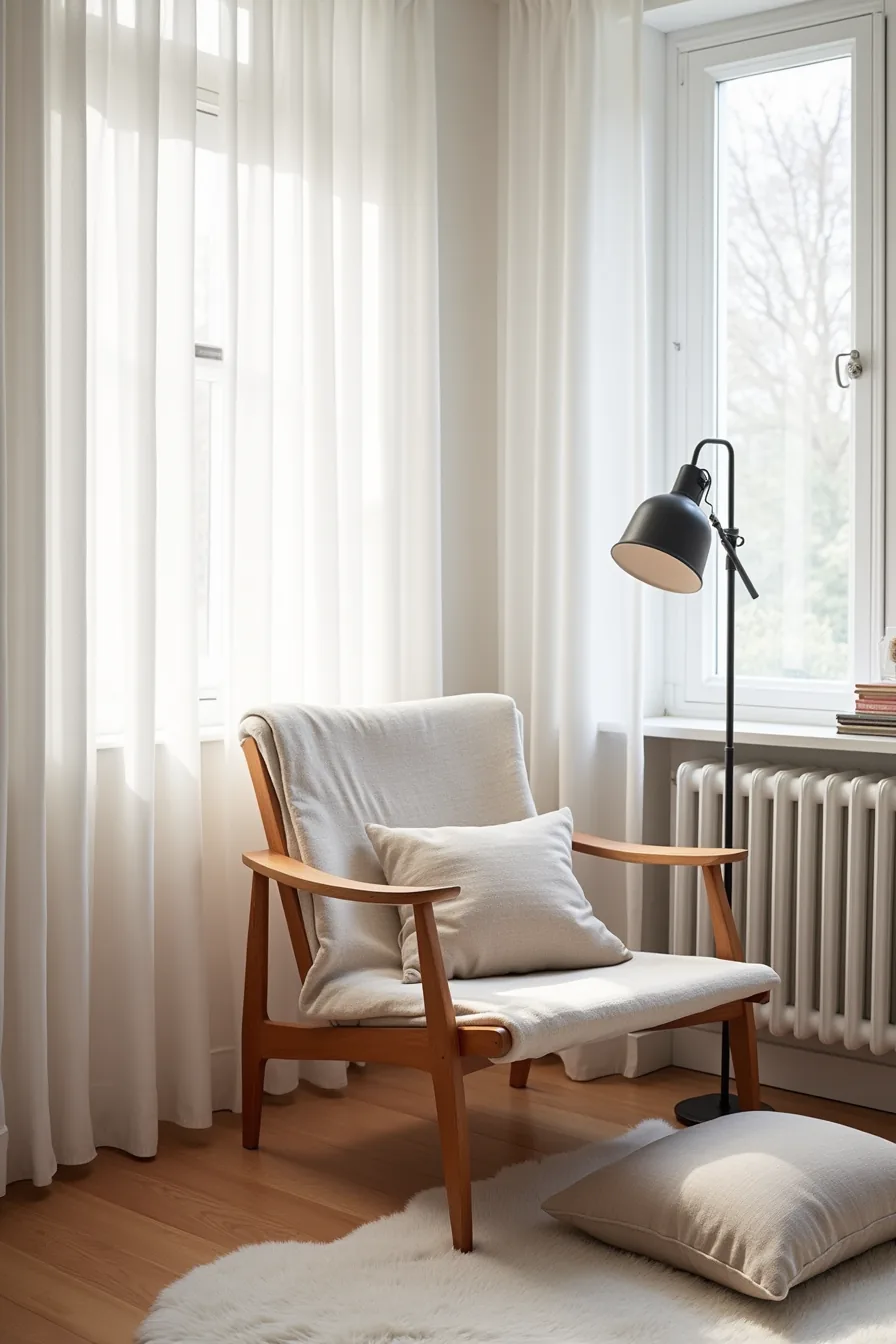
The Soderhamn’s modular design makes it unusually forgiving for renters, since you can rearrange or swap sections without committing to a permanent layout. A fitted throw cover in a muted oatmeal tone drapes over the back and seat cushions, transforming the charcoal base into a warm neutral for under $100, a fraction of what reupholstering would cost. Layer two or three linen and cotton throw pillows in mixed earth tones across the seat, mixing textures rather than colors to create depth without visual noise.
An adhesive-free flatweave area rug underneath defines the seating zone and adds softness underfoot, while protecting your security deposit by avoiding sticky tape or tack strips on the floor. Skip permanent wall mounts entirely; lean a floor mirror or a large-scale art print against the wall instead. The full setup costs roughly $200–350 in accessories and reverses completely in under an hour, making it ideal for short leases or anyone still developing their style.
Long-Term Investment: Protecting and Upgrading Your Sofa

The Soderhamn’s low, deep silhouette makes it a magnet for spills and pet hair, so protective layers should come before decorative upgrades. Fitted arm covers in a matching light gray catch daily wear at the highest-contact points, while seat protector pads sit invisibly under throw blankets and cushion the foam from compression. A soft brush lifts embedded crumbs and pet fur from the textured upholstery weekly, and a spray bottle with mild detergent handles spot stains within minutes, no professional cleaning needed until year three or four.
Replacement covers for the Soderhamn run roughly $150–300 per section, which means re-covering the whole sofa costs less than half of a comparable new piece. If you plan to own the frame for a decade, order spare covers now while the current colorway remains in production; IKEA discontinues fabrics without notice, and third-party options rarely match the original fit. Professional steam cleaning every two to three years at $100–200 keeps the fabric from trapping oils, but skip it if you already use removable, washable covers, machine washing those at 30°C achieves the same result for free.
Give Your IKEA Soderhamn Sofa a Seasonal Refresh
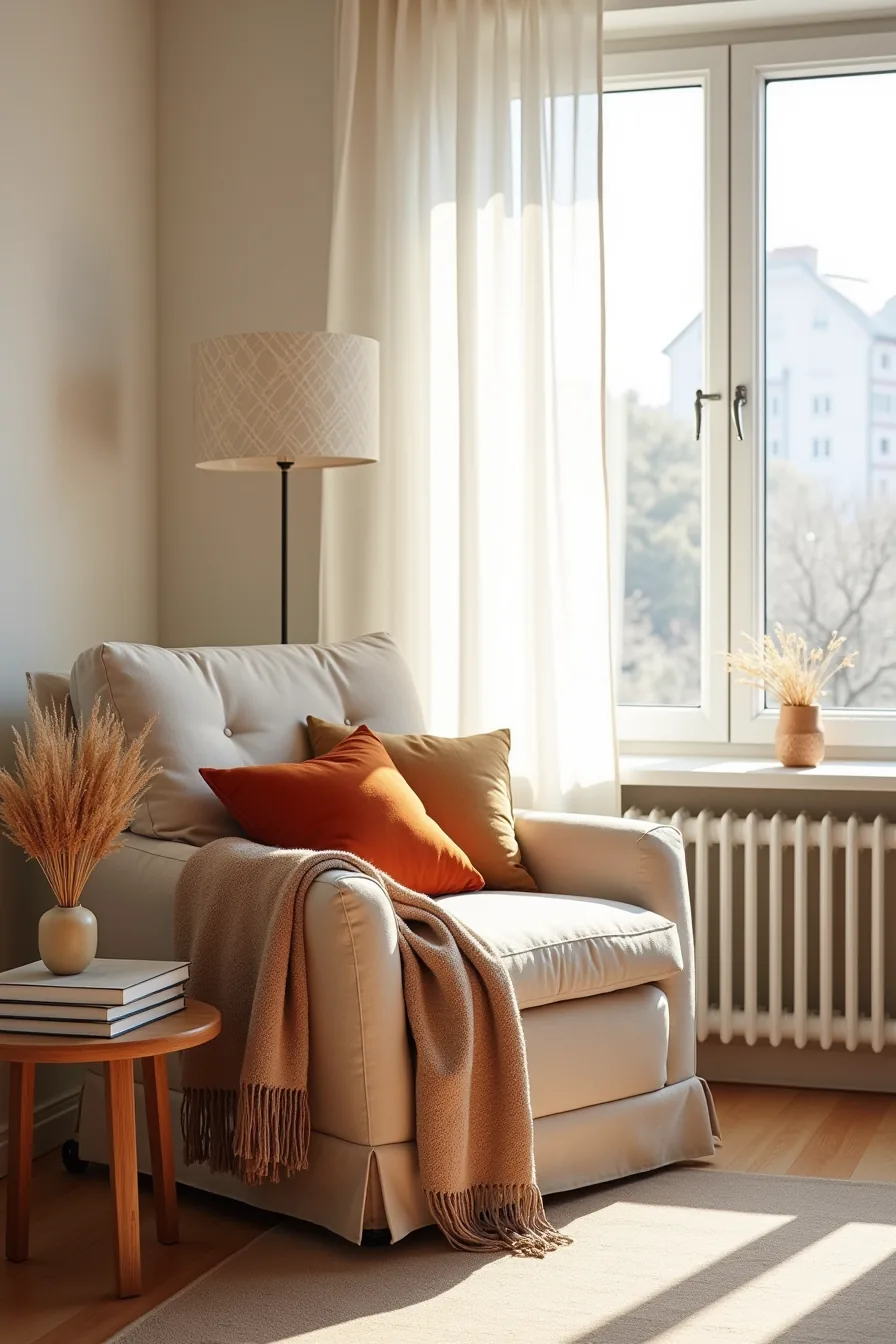
The Soderhamn’s modular design makes it uniquely suited to seasonal styling because you can change the entire character of the piece in under an hour. Start with the cover: a beige linen slipcover reads light and airy for spring through early autumn, then swap in a deeper oat or graphite tone when temperatures drop. Linen covers for the Soderhamn typically run $200–400 per section, so rotating two sets costs less than a single upholstered chair from a conventional retailer.
Layer the seat with rust and ochre cushions in autumn, then switch to muted sage or sky blue for warmer months, these accent pieces store flat in a closet and cost $15–40 each, making them the lowest-effort refresh available. Drape a chunky knit throw blanket over the arm in a contrasting tone; it adds visual weight that balances the sofa’s low profile and gives guests a tactile cue to cozy up. A dried grass bundle on the adjacent side table reinforces the seasonal shift without introducing maintenance or clutter, and you can replace it with fresh eucalyptus or tulips when the season turns again.
Your decision checklist
Before you commit, measure your room’s footprint, not just the wall. The Soderhamn’s deep seats (most configurations run 33–38 inches deep) need 18–24 inches of clearance for comfortable traffic flow.
Match the cover to your reality: budget buyers should start with the stock cotton blend; renters should skip the chaise and buy two loveseat sections for easy stairwell moves; long-term owners gain most from custom slipcovers or leather-look options.
What to do first: Grab a tape measure and mark the proposed sofa footprint on your floor with painter’s tape. Live with it for 48 hours. If you can walk past it without turning sideways, order the configuration that fits that exact outline.
Frequently Asked Questions
What is the typical depth and seat height of the IKEA Soderhamn Sofa, and does it fit standard apartment doorways?
The seat depth runs 25–27 inches and seat height lands around 16–17 inches. The three-seat frame is roughly 87 inches wide, so most standard 30-inch doorways require disassembly of the sectional pieces to pass through.
Can you use third-party covers on the Soderhamn, or do you need IKEA’s official replacements?
Yes, third-party covers work, but fit varies. Companies like Bemz and Comfort Works tailor specifically to Soderhamn dimensions. Expect to pay 30–50% more than IKEA’s own covers, and check that the cover includes separate pieces for each seat and back cushion.
How long does the Soderhamn frame typically last with regular use, and what are the most common failure points?
With daily use, the frame holds up 7–10 years. The most common failure points are the foam cushions losing resilience after 3–5 years and the corner joints loosening if you regularly sit on the armrests. Tighten the bolts every six months to extend frame life.
Is the Soderhamn suitable for pet owners, and which cover colors hide wear best?
Yes, but choose a cover with a tight weave like the Vimle or a dark textured fabric. Medium gray, charcoal, and dark blue hide fur and minor stains best. Avoid light beige and white, which show claw snags and dirt quickly.
Washable covers make cleanup straightforward, but expect pilling on high-traffic spots.