
A well-chosen big mirror does more than reflect your face, it changes how a room feels, and most homes get the scale, placement, or frame style wrong. You can fix that today by choosing a mirror that works with your room’s dimensions, not against them. Below are six distinct approaches, each with specific sizing, placement, and budget trade-offs so you can match the right option to your space without guesswork.
Key takeaways
- Scale first, style second: A big mirror should cover roughly 50–75% of the width of the furniture or wall behind it, so measure that surface before choosing any frame or shape.
- Lean, don’t mount, for renters: A floor-leaning mirror over 60 inches tall needs no hardware and works in any room, but place it against a solid wall away from high-traffic paths to avoid tipping.
- Frameless maximizes light, framed hides edges: Choose frameless for dark rooms to reflect maximum brightness, but budget for professional edge-polishing; opt for a slim metal frame if you want a defined look with easier cleaning.
- Group small mirrors for flexibility: A cluster of three to five smaller mirrors (each 16–24 inches) costs less than one oversized piece and lets you rearrange the composition when you change furniture layouts.
Floor-to-Ceiling Leaning Mirror for Maximum Impact
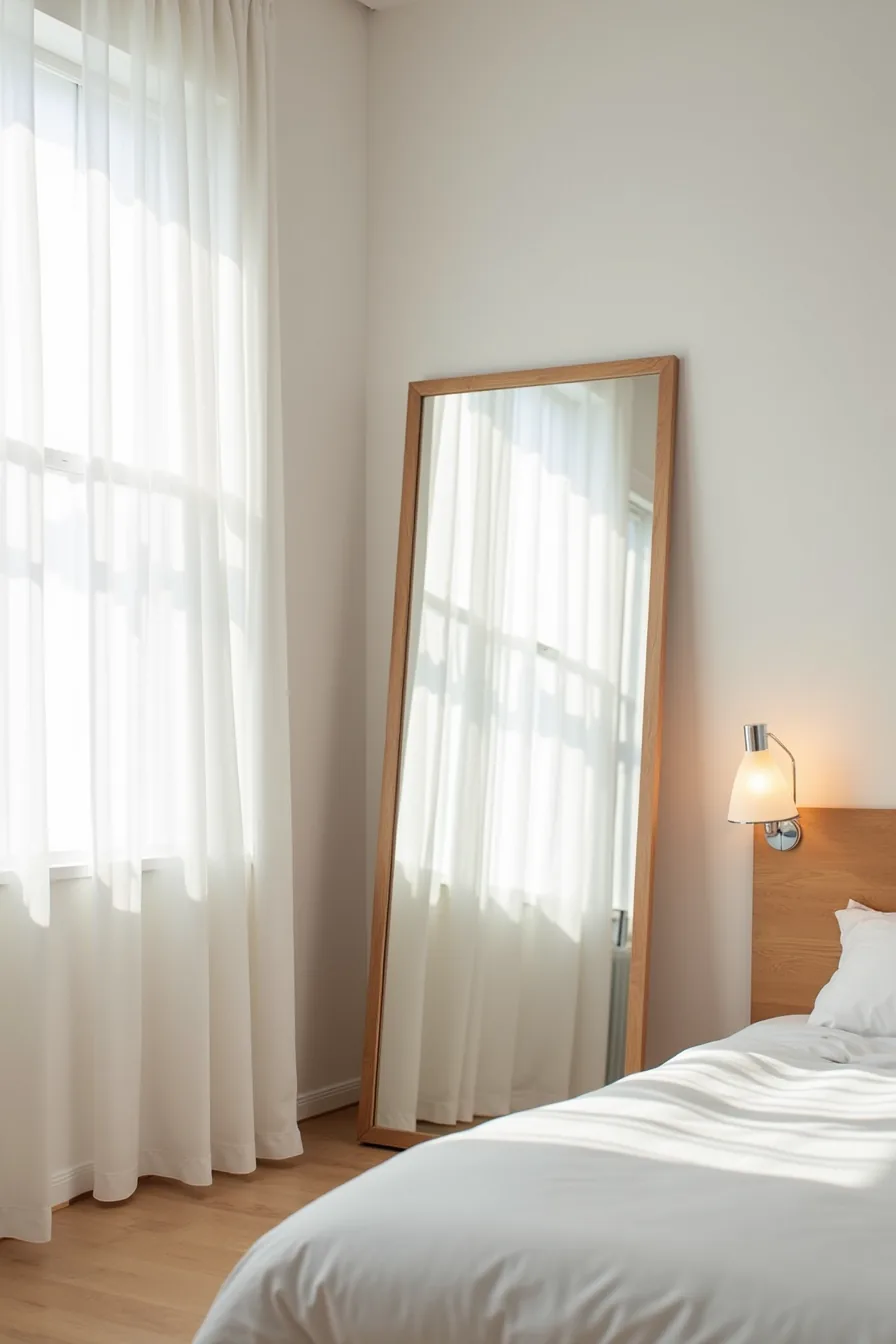
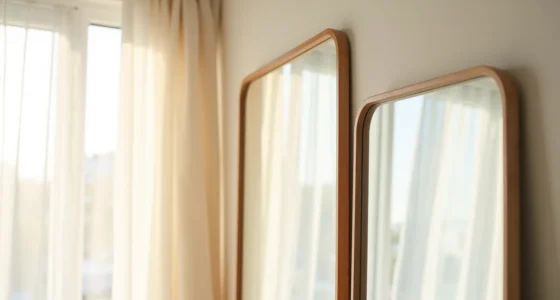
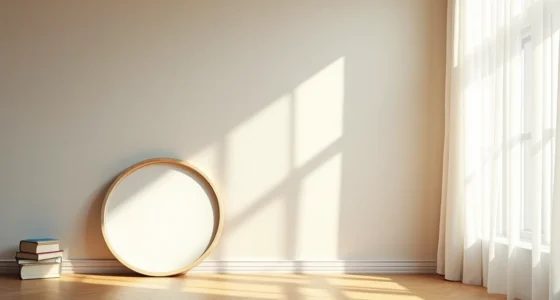
A frameless floor-to-ceiling mirror propped against a white bedroom wall, positioned between a window frame and a simple bed headboard, is the clearest expression of this Big Mirror Idea for instant before-and-after impact. Because the pane runs the full height of the wall, it visually doubles the room’s depth while the reflection of the opposite wall and incoming natural light brightens the entire space. This is a renter-friendly, budget-conscious route: no mounting hardware touches the wall, and the mirror’s weight, typically 40 to 60 pounds for an 70-inch-plus pane, keeps it stable against the baseboard.
This leaning mirror look suits narrow bedrooms or rental living rooms where a floating shelf or wall anchor isn’t an option. To stabilize it safely, place the base flush against the wall and angle the top back roughly 5 to 8 degrees; add non-slip pads under the bottom corners for hardwood or tile. For households with children or pets, secure the top with a furniture anti-tip strap anchored to a stud, a low-cost addition that preserves the leaning aesthetic without permanent damage.
Best Reflection Placement Behind Furniture to Amplify Light
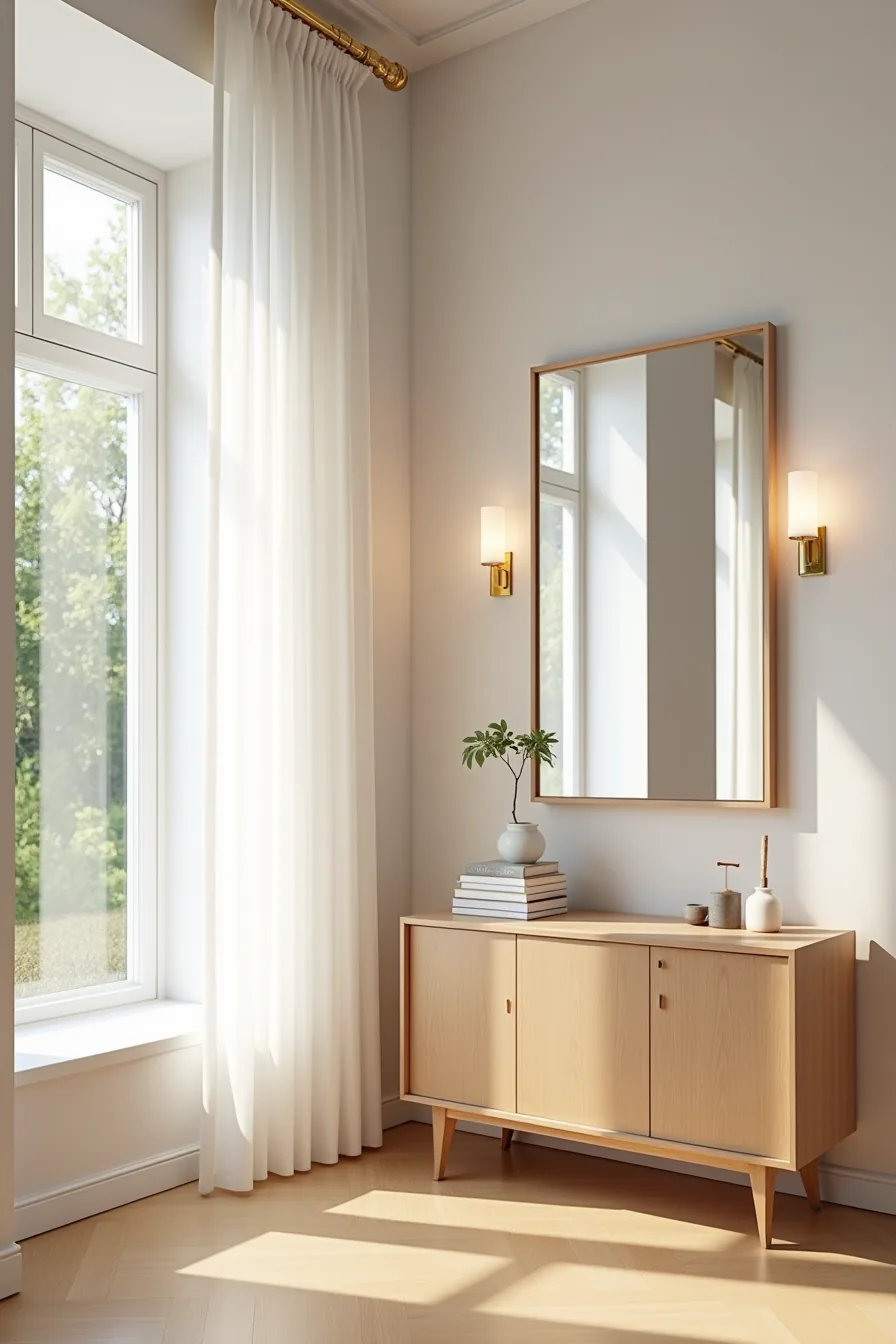
The most effective big mirror placement isn’t about the mirror itself, it’s about what it reflects. Hang a large rectangular mirror on the wall directly opposite a bright window, positioning it above a low credenza. This setup bounces the window’s natural light and outdoor greenery across the room, effectively doubling the daylight in darker corners without adding a single fixture.
The credenza anchors the mirror visually, preventing it from floating awkwardly mid-wall.
For this best reflection placement to work, the mirror’s center should sit at your eye level when standing, typically 60 to 66 inches from the floor. In a medium-sized living room (250–350 square feet), a mirror 36 to 48 inches wide above a credenza of similar or slightly greater width maintains proportion. In smaller rooms, angle the mirror slightly downward (3 to 5 degrees) to capture more of the window’s lower light; in larger spaces, keep it flush for a cleaner, broader reflection.
Avoid placing it opposite a cluttered wall, since the mirror will faithfully double the mess.
Wall-Mounted Oversized Mirror for Small Room Scale Trick
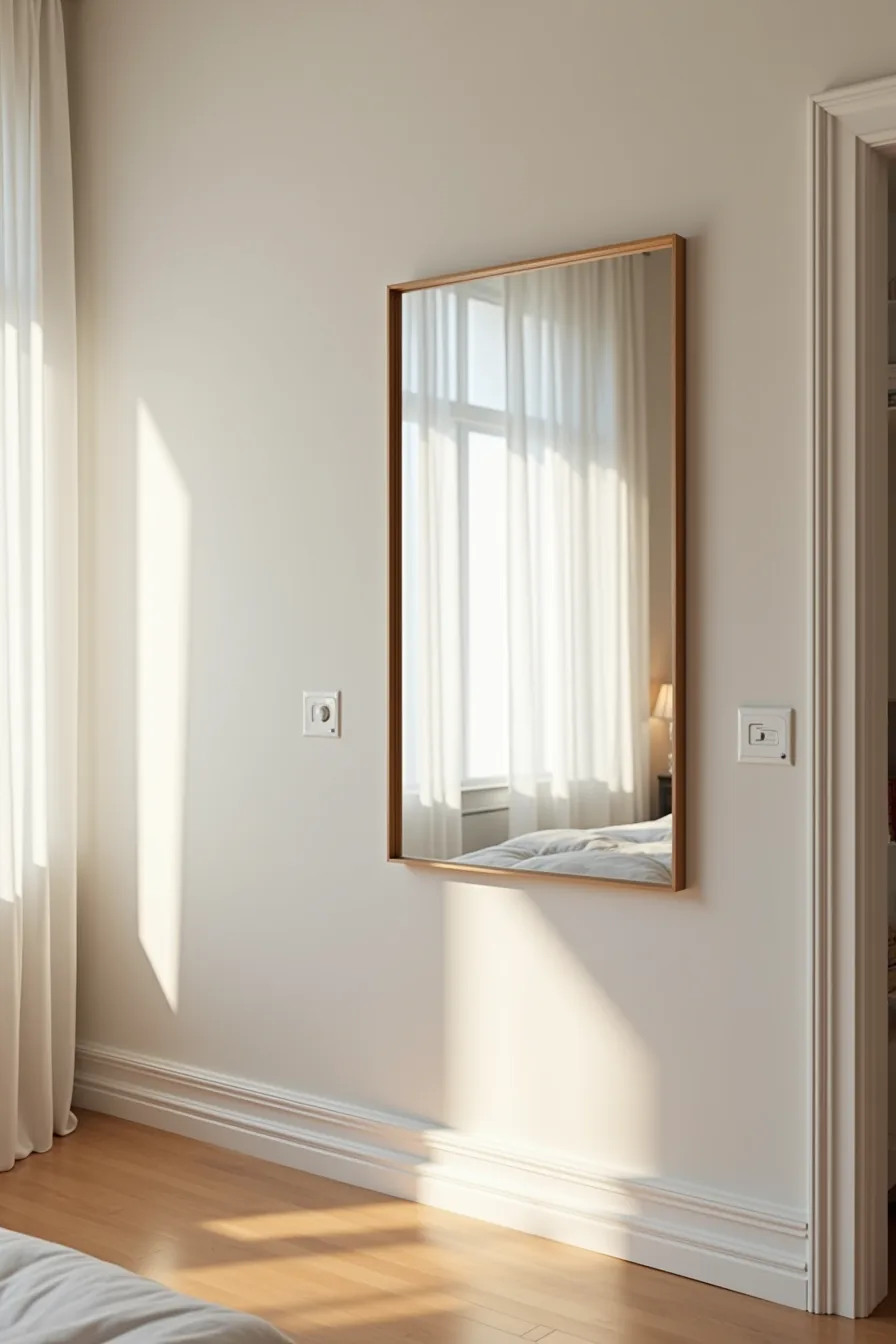
When a room measures under 150 square feet, a single oversized mirror, roughly 40 to 48 inches square, is the most direct small room scale trick you can apply. Place it on the narrowest wall, positioned to capture the opposite corner and the furniture tucked there. The reflection creates a false continuation of the room, effectively extending the sightline by several feet without sacrificing a single inch of floor space.
The square format matters here. A square mirror on a narrow wall reads as a deliberate design element rather than an afterthought, and its even proportions avoid emphasizing the wall’s height or width. Match the metal frame’s finish to your door hinges or lamp bases for a cohesive look, and keep the frame slim, under an inch thick, so the glass dominates.
Mount it with two heavy-duty wall anchors rated for at least 50 pounds; a mirror of this size typically weighs 30 to 45 pounds depending on the backing material. If you’re renting, use removable adhesive strips rated for mirrors, but verify they’re designed for your wall texture to avoid paint damage on removal.
Grouped Mirror Arrangement for Visual Interest and Flexibility
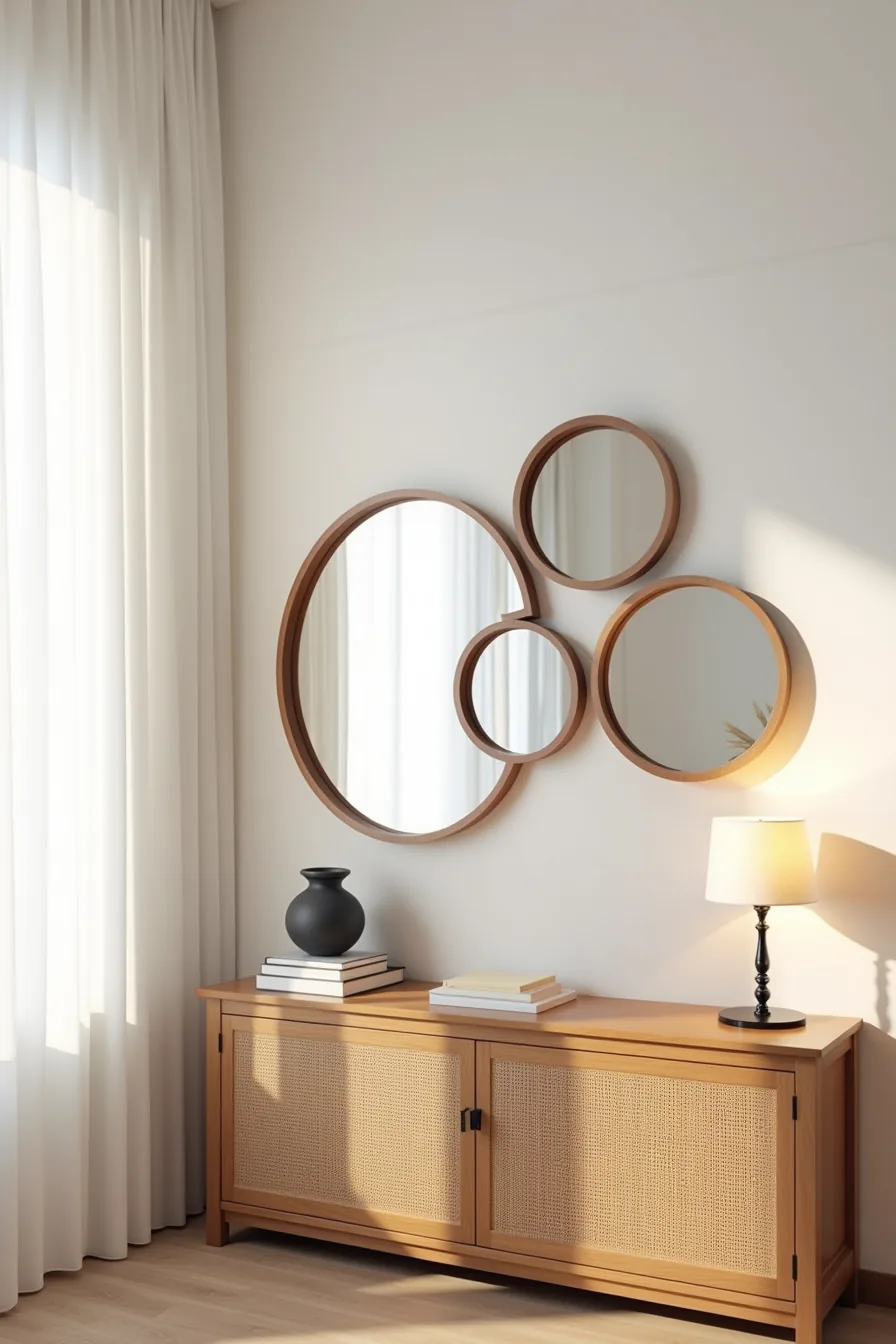
Grouping three mirrors of mixed shapes and frame materials turns a plain console wall into a layered composition that reads as intentional art rather than a single focal point. In the setup with a rectangular wood-framed mirror, a rectangular metal-framed mirror, and a circular rattan-framed mirror, the contrast in materials adds texture while the offset spacing creates movement without requiring symmetry. Start by laying the three mirrors on the floor to map out a loose cluster, keep the gaps between them between 2 and 4 inches for a collected look.
This approach suits renters because each piece hangs independently with standard picture hooks or adhesive strips, so you can rearrange or remove them without patching large anchor holes. For a balanced result, position the largest mirror slightly above the console table’s centerline, then flank it with the smaller pieces at different heights, vary the top edges by 4 to 6 inches for an organic feel. The trade-off is visual noise: if your console holds many objects, keep the frames within two complementary finishes and let the glass share a similar tone to avoid a cluttered wall.
Framed vs. Frameless Big Mirror: Material and Maintenance Trade-Offs
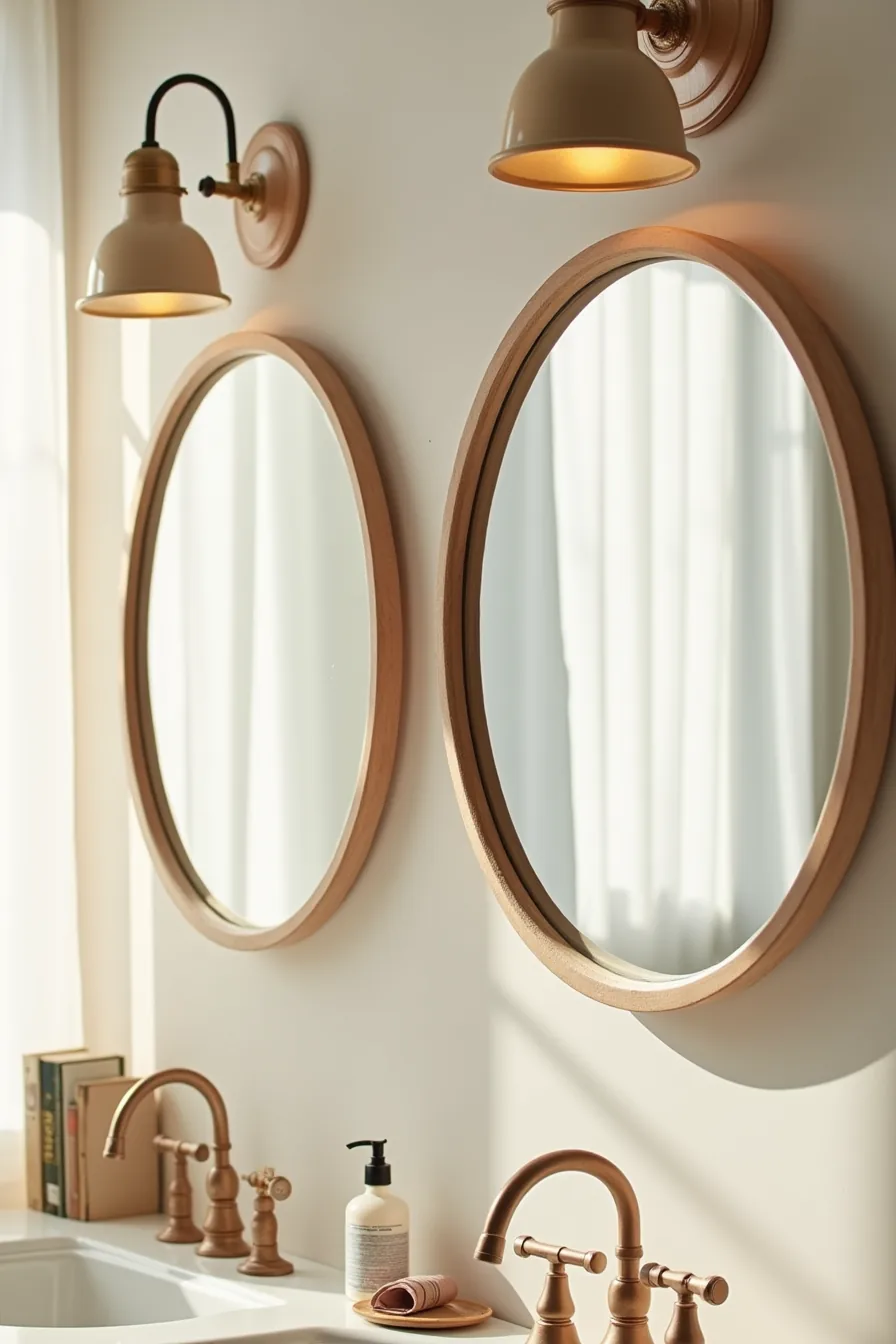
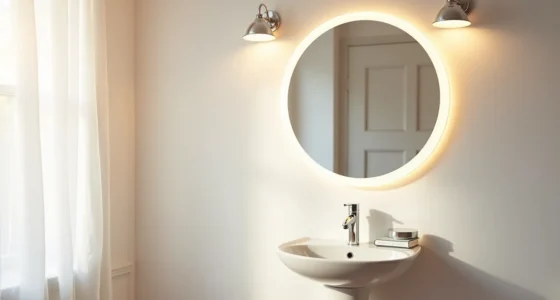
The choice between a thick wooden frame and a polished frameless edge comes down to how much upkeep you accept. Wood frames, like the one flanking your bathroom sink, demand regular sealing and wipe-downs; moisture seeps into unfinished grain and causes warping within a couple of seasons if neglected. Frameless mirrors with polished edges are the lower-maintenance pick: a daily squeegee and weekly glass cleaner keep water spots at bay, and there are no joints or crevices where dust accumulates.
For durability, metal frames (brushed nickel or matte black) sit between the two, resistant to humidity but prone to spotting from hard water if you skip drying. Budget-wise, expect to pay 20-40% more for a solid hardwood frame than a comparable frameless piece, though frameless mirrors with beveled or polished edges carry a premium at larger sizes. If you’re decorating a rental, frameless with adhesive mounting avoids wall anchors entirely; if you’re investing for a decade, sealed wood adds warmth that suits traditional or transitional spaces, while frameless reads cleaner in modern or minimalist rooms.
Match the frame material to your existing fixtures, brass frames beside brass faucets, wood beside oak vanities, to anchor the Big Mirror as a deliberate design decision rather than an afterthought.
Adapting Big Mirror Ideas to Hallways, Bathrooms, and Narrow Spaces
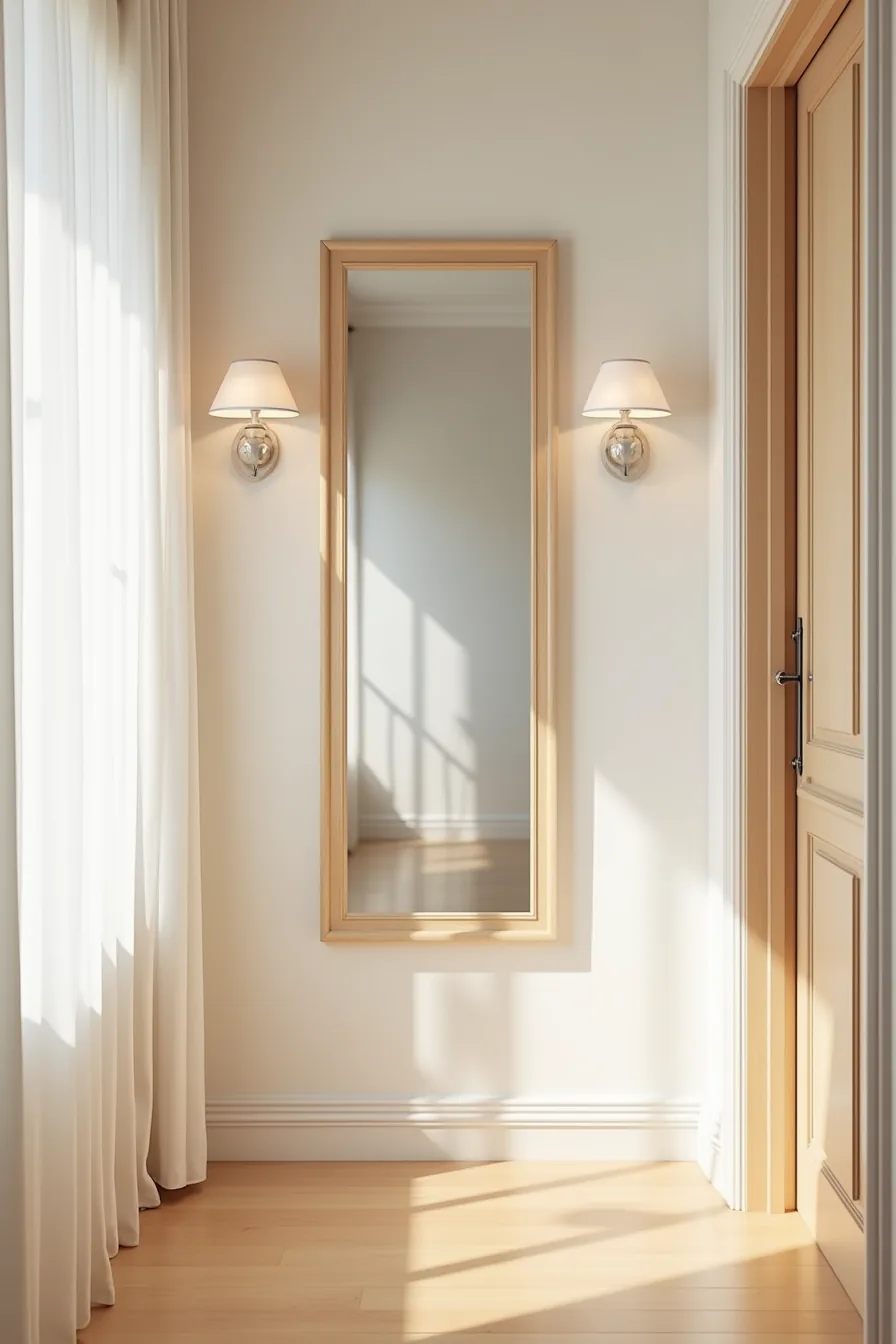
A hallway mirror works best when it runs two-thirds the height of your tallest door frame, leaving at least 24 inches of clearance on each side so the reflection doesn’t crowd the path. The tall narrow mirror hanging between two hallway doors reflects the length of the space, visually doubling the corridor’s depth without stealing floor area. Choose a moisture-resistant frame, powder-coated metal or sealed rubber, if the mirror sits near a bathroom or mudroom entry, since humidity from those zones will degrade untreated wood within months.
In bathrooms under 40 square feet, mount the mirror 5-6 inches above the backsplash and keep its width at 60-75% of the vanity’s length; any wider and the edges trap steam in corners. For narrow spaces, prioritize a vertical orientation with a polished edge (no frame) to trim visual bulk. Verify the mounting surface handles the weight, hollow drywall needs toggle anchors rated for 50+ pounds, while tile requires a diamond bit and proper epoxy.
The clear floor space on both sides of the hallway mirror isn’t decorative; it’s a safety corridor that prevents accidental bumps when doors swing open.
Your 3-Step Path Forward
Start by measuring your wall and walking the space where the mirror will live. Mark the proposed footprint on the floor with tape, then live with it for a day to confirm it doesn’t block traffic or natural light.
Match your choice to your living situation: renters should anchor a leaning mirror with anti-tip straps, while homeowners can commit to a wired, wall-mounted piece. Budget shoppers find the best deals on oversized mirrors at consignment stores and Facebook Marketplace, just inspect the silvering for dark spots.
Your next move: take three wall measurements and one room photo, then visit a local glass shop to compare custom pricing against retail options. That single comparison will clarify your budget and timeline instantly.
Frequently Asked Questions
What size mirror is considered ‘big’ for a typical bedroom or living room?
A mirror is big when its height exceeds 60 inches or width surpasses 36 inches in standard rooms. For most bedrooms, 48–60 inches wide works; living rooms suit 60–72 inches wide.
Can you hang a large mirror over a fireplace, and what weight limits apply?
Yes, but only if the mantel and wall structure support it. A ½-inch-thick mirror weighing 30–50 pounds needs at least two toggle bolts rated for 75 pounds each. Check the studs behind the plaster.
How do you prevent a big mirror from making a small room feel cluttered?
Keep the mirror flush against the wall, avoid ornate frames, and leave 18–24 inches of clear floor space in front. Angle it to reflect an open wall, not furniture, to avoid visual crowding.
What’s the best way to clean and maintain a large mirror without streaks?
Mix one part white vinegar with three parts distilled water in a spray bottle. Wipe top-to-bottom with a microfiber cloth, then buff horizontally with a dry cloth. Never use ammonia-based cleaners on mirrors with silver backing.