

A blanket cover is any removable textile layer that protects a bed, sofa, or throw from daily wear while doubling as a finishing design element, and the practical options range far beyond the fitted sheet you might already own. You can choose from fitted bottom covers, oversized top wraps, or convertible sofa throws, each with distinct trade-offs in cost, laundry effort, and visual weight. The right pick depends on your room size, how often you wash it, and whether you prioritize a crisp hotel look or a relaxed, layered one.
Key takeaways
Layered bedding works best when your blanket cover contrasts in texture, think chunky knit over crisp cotton, and you keep the drop between 6 and 10 inches on each side. Seasonal cover swaps require two or three dedicated covers per bed; rotate them on a 3- to 4-month cycle to cut washing frequency and extend fabric life. Renter-friendly options include magnetic or tension-rod blanket covers that mount without drilling, but verify the rod’s weight limit, most hold 10 to 20 pounds, not a heavy wool blanket. Investment-grade covers in high-twist cotton or washed linen typically last 5 to 8 years with cold-water washing, while budget polyester blends wear visibly after 18 to 24 months.
Layered Bedding Look with Texture Contrast

The most effective blanket cover stacks combine three distinct weaves, not three shades of the same fabric. Start with a ribbed cotton thermal blanket directly over the fitted sheet, its open weave breathes and provides grip so upper layers stay put. Add a chunky cable-knit throw mid-layer; the pronounced stitch pattern creates visible depth from across the room.
Finish with a smooth satin blanket cover on top, whose reflective surface catches light and offsets the knit’s matte bulk.
This configuration works best in bedrooms with neutral walls and minimal pattern, where the tactile contrast becomes the focal point. The satin cover resists pilling but slides against the knit, so you’ll want a duvet clip or safety pin at each corner to anchor the stack. For maintenance, wash the thermal blanket weekly, the knit monthly, and the satin cover every two weeks, mixing fibers means separate cycles.
Budget-conscious shoppers can substitute a polyester satin cover for roughly a third of the silk price while keeping the visual sheen.
Seasonal Bed Refresh Through Cover Swaps

Rotating three blanket covers by season costs nothing beyond storage space and keeps your bed feeling intentional year-round. A lightweight linen cover works for summer nights when you need a single breathable layer; a medium-weight cotton cover carries you through spring and fall; a heavyweight fleece cover takes over when indoor temperatures drop below 18°C (65°F). The switch takes about four minutes per change, just fold the off-season cover and slide it into a storage ottoman, which protects it from dust and moths better than a closet shelf.
The three covers, folded linen, folded cotton, and folded fleece, stacked separately on your dresser top, make the rotation visible, so you actually remember to swap them when the weather turns. For a seasonal bed refresh, transition at the solstices rather than by calendar month; that way, you’re matching the real temperature swings most regions experience. Wash each cover before storing it, and add a cedar sachet to the ottoman to deter pests without chemical sprays.
If you’ve only two covers, a cotton one can bridge both warm and cool seasons by pairing it with a lighter sheet in summer or a quilt in winter.
Blanket Cover as Room Anchor in Small Spaces
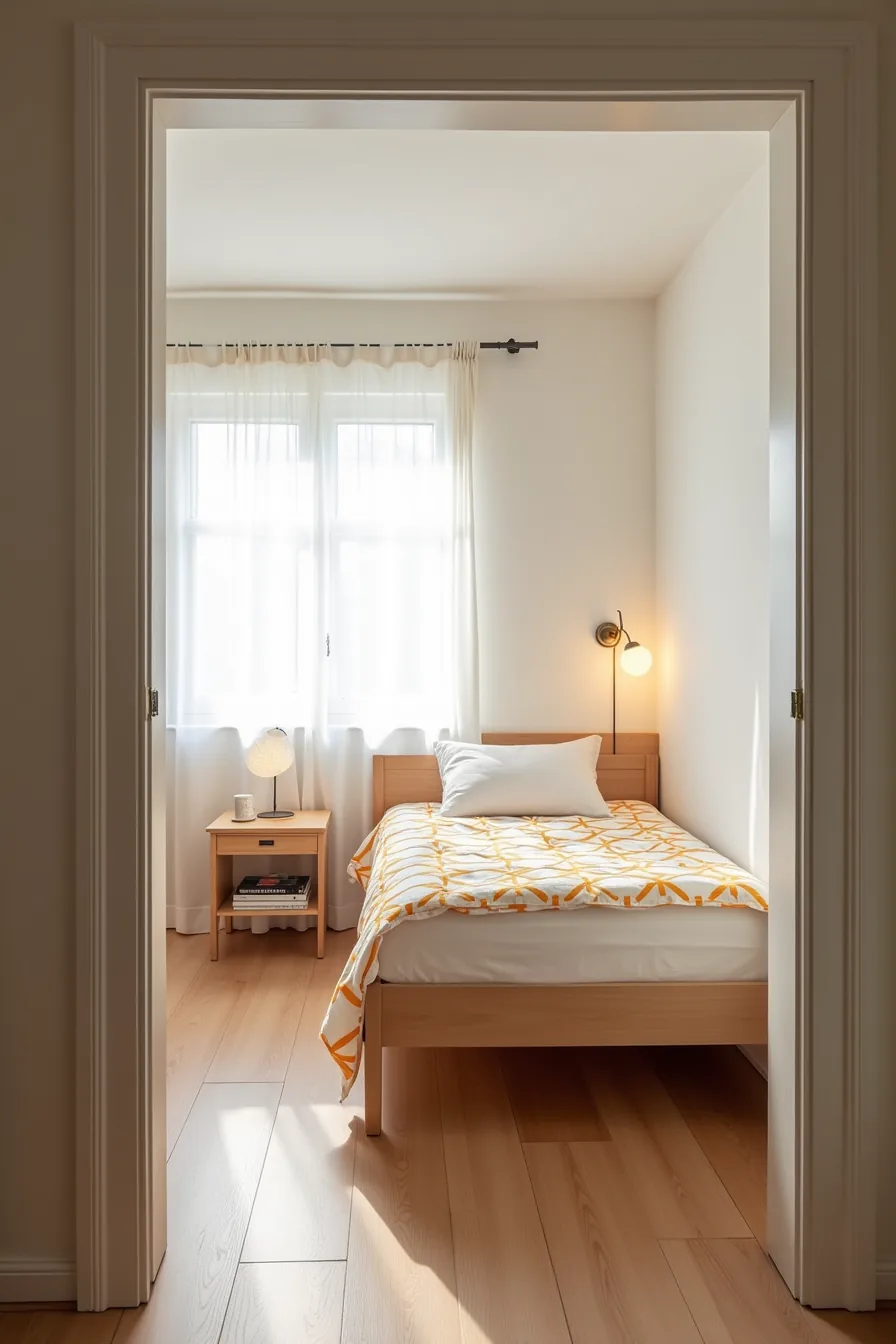
In a studio or compact bedroom, the blanket cover does more than keep you warm, it sets the entire visual hierarchy. Choose one bold geometric pattern and let it claim the bed as the room’s centerpiece, then keep everything else quiet. A twin bed with a patterned blanket cover, a small nightstand, and clear floor space on either side creates a deliberate composition: the eye lands on the bed, reads the room’s purpose instantly, and never feels crowded.
The pattern works because it absorbs visual energy that scattered decor would otherwise scatter. Pair it with solid-color walls and minimal accessories; the contrast makes the space feel intentional rather than cluttered. For a 3×3-meter room, keep the bed against the longest wall and maintain at least 60 centimeters of walking clearance on both sides.
If your blanket cover is busy, skip patterned curtains and rugs entirely, one strong element anchors the room without overwhelming it.
Renter-Friendly Blanket Cover Solutions
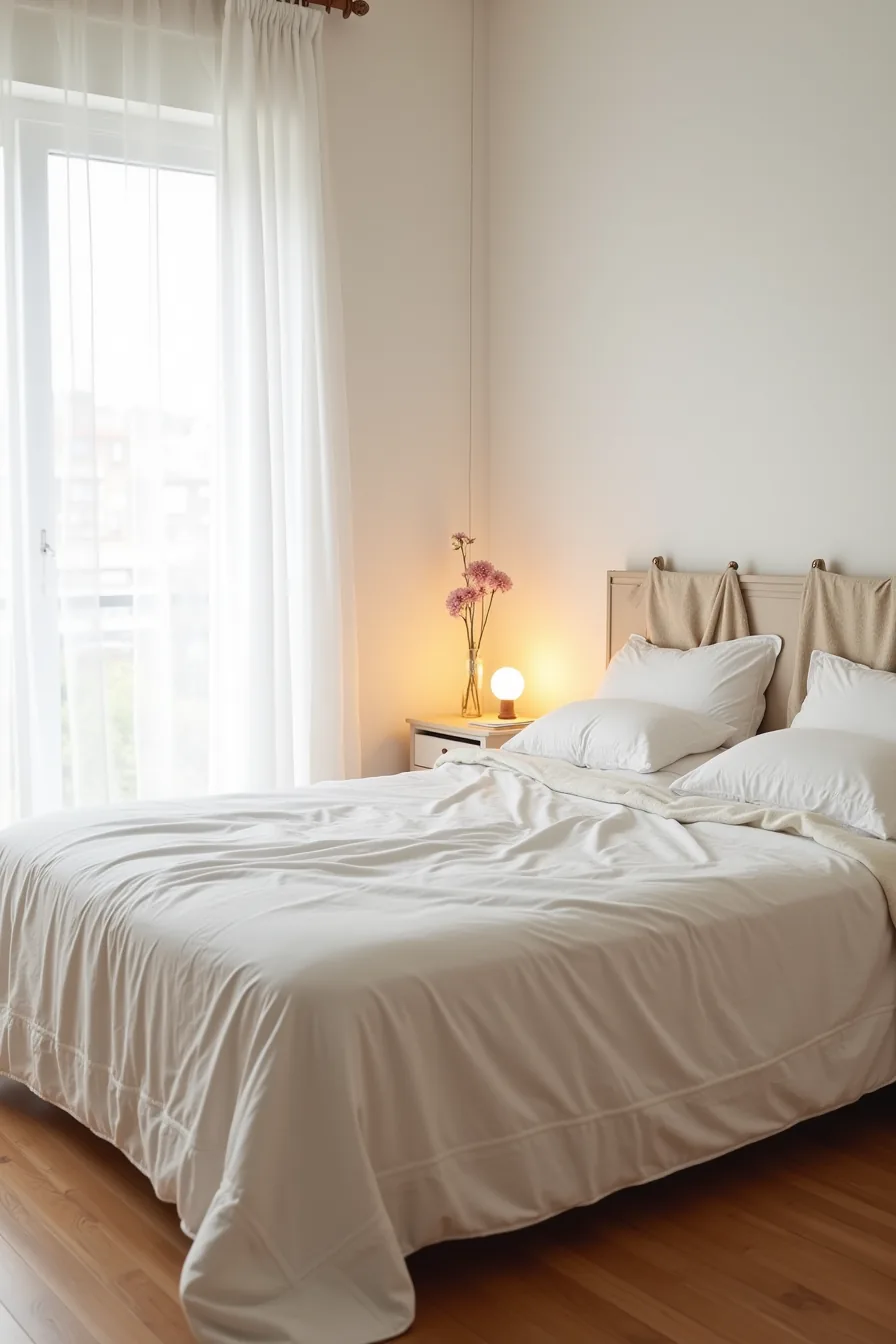
A blanket cover doesn’t require mounting hardware or permanent fixtures. The most effective renter-friendly setup uses a removable cover secured directly to the mattress edge with fabric clips, spring-loaded clamps that grip the bedding without puncturing the mattress or frame. This keeps the cover taut and anchored through the night, yet fully removable in under a minute for laundering.
Fabric clips cost between 8 and 15 dollars for a set of four and work on any mattress thickness up to 40 centimeters.
Behind the bed, install a tension rod between the walls or headboard posts to hold a decorative throw blanket at shoulder height. Tension rods require no drilling and adjust to fit openings anywhere from 90 to 200 centimeters wide. Finish the look with adhesive hooks rated for at least 2 kilograms on the wall, use the strip-style hooks that remove cleanly without peeling paint when you move out, to hold a rolled backup cover within easy reach.
This whole system suits renters with short lease terms or anyone who prefers to reconfigure a room seasonally without committing to structural changes.
Investment-Grade Blanket Covers for Long-Term Wear

When a blanket cover must survive a decade of weekly washing, the material choice outweighs every other decision. A flat-lay setup with a luxury blanket cover in washed Belgian linen or long-staple cotton, both of which soften rather than degrade with each cycle, reveals the telltale signs of quality: fine stitching with eight to ten stitches per inch, a woven label stitched into the seam rather than glued, and a care tag listing cold-water machine wash and low-tumble dry. These details cost more, but they signal a fabric that resists pilling and edge fraying through 200-plus washes.
For a long-term investment, pair that cover with a matching fabric swatch kept in a drawer for future patching or color matching. Expect to pay 120 to 300 dollars for a queen-size linen cover in this class, roughly triple the cost of a cotton-polyester blend, yet it will outlast three of them. This route suits homeowners and anyone who values a patina that improves with age, provided you commit to air-drying occasionally to preserve the weave’s integrity.
Scaling Blanket Cover Proportions Across Room Sizes
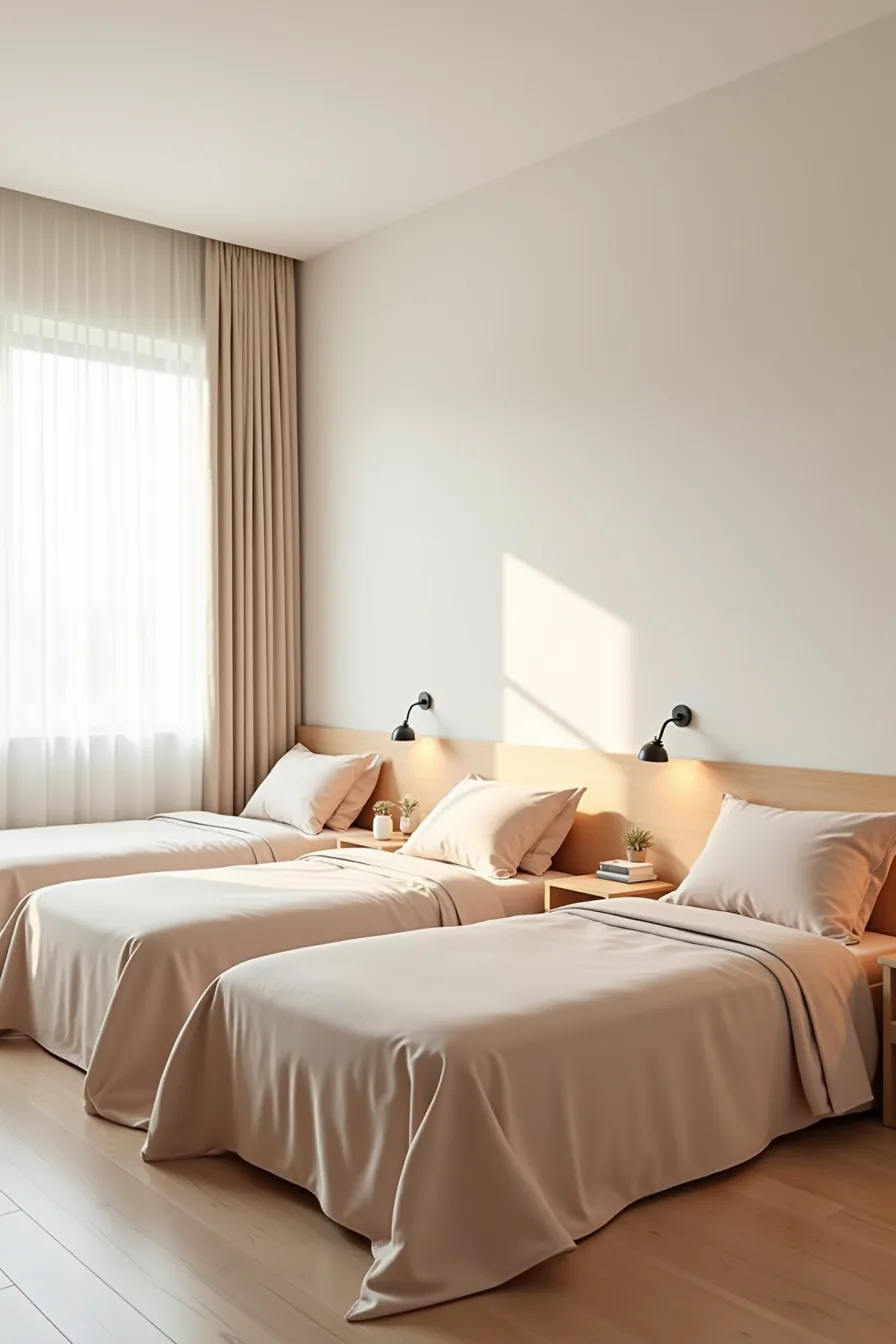
A twin bed with cover in a compact bedroom demands a different weight and saturation than a king bed with cover in a spacious primary suite, even when you choose the same solid color. In tight spaces, select a thin, mid-weight cover (150–200 GSM) in a lighter tone that matches the wall color, this reduces visual bulk and keeps the bed from dominating a 10-by-10-foot room. The scale of the pattern matters less than the contrast ratio; a subtle heathered texture reads as neutral, while a high-contrast geometric pattern will visually shrink an already-small footprint.
For a full bed with cover in a standard 12-by-14-foot room, you’ve room for a heavier 250–300 GSM fabric and a deeper, muted saturation, think slate blue or forest green rather than pastel. This mid-range allows the blanket cover to anchor the bed without overwhelming the surrounding floor space, which suits guest rooms and shared bedrooms where the bed is the focal point but not the only furniture.
On a king bed with cover in a large primary suite exceeding 16 feet in length, scale up both pattern and presence. Choose a chunky weave or a bold, large-scale motif that repeats every 8–12 inches; this fills visual space proportionally and prevents the cover from looking like an afterthought on a massive bed. In any size room, match the cover’s drop length to the bed height, a 15-inch drop for a platform bed, 20 inches for a box-spring setup, so the proportions stay intentional rather than accidental.
Your decision checklist
Before you buy, measure your sofa or bed and decide the cover’s job: daily protection, seasonal warmth, or purely decorative. Match the material to use, heavy cotton twill for pets, wool or cashmere blends for coziness, linen for light layering. Check care labels; dry-clean-only pieces add recurring costs.
Start with one neutral blanket you genuinely love, then build around it. Measure, pick your priority, and order a swatch before committing to a full purchase.
Frequently Asked Questions
What is the difference between a blanket cover and a duvet cover?
A blanket cover is a removable, fitted sheath for a woven or knit blanket, often with a zipper or buttons. A duvet cover holds a puffy, quilted insert (duvet). Blanket covers are typically thinner and used for layering or protecting.
How often should I wash a blanket cover?
Wash a blanket cover every 2–4 weeks if used daily, similar to a duvet cover. If you sleep with a top sheet, you can extend this to monthly. Always check the care label; cotton covers handle hot washes, while wool or synthetic blends need cold cycles.
Can I use a blanket cover over a comforter?
Yes, but only if the cover is oversized relative to your comforter. A snug fit will bunch and shift. Choose a cover that’s 4–6 inches larger in both length and width than your comforter dimensions (e.g., a queen comforter measuring 86×86 inches needs a cover around 90–92 inches).
What blanket cover material works best for hot sleepers?
Cotton percale, tightly woven, crisp, and breathable, is your top choice. Also consider bamboo viscose (cooling, moisture-wicking) or linen (loose weave, excellent airflow). Avoid polyester or microfiber; they trap heat and don’t regulate sweat well.