
Cabinet doors are the most visible surface in your kitchen or bathroom, yet they’re also the easiest place to refresh a room without a full remodel, provided you choose a style that matches your layout, budget, and maintenance tolerance. From flat-panel minimalism to inset craftsman builds, the right door alters light, perceived depth, and daily usability. Below, six distinct interpretations cover everything from a $50 DIY face-lift to a permanent custom millwork investment, each with the scale, material, and care requirements you need to decide without guesswork.
Key takeaways
Flat-panel doors suit modern kitchens best because their smooth, flush surface shows fingerprints and smudges quickly, so expect to wipe them down weekly with a damp microfiber cloth. Shaker doors offer the widest style range, working from farmhouse to contemporary, but their center recess collects dust and crumbs that need a soft-brush attachment on your vacuum every two weeks. Glass-front doors brighten upper cabinets and display dishware, yet they require interior organization and frequent cleaning, fingerprints and grease appear on both sides, doubling your maintenance time. Painted doors cost less upfront than natural wood but need repainting every 3-5 years in high-use kitchens, whereas natural wood finishes last 10+ years with only occasional re-oiling, making them the smarter long-term investment.
Flat Panel Cabinet Doors for Minimal, Modern Kitchens
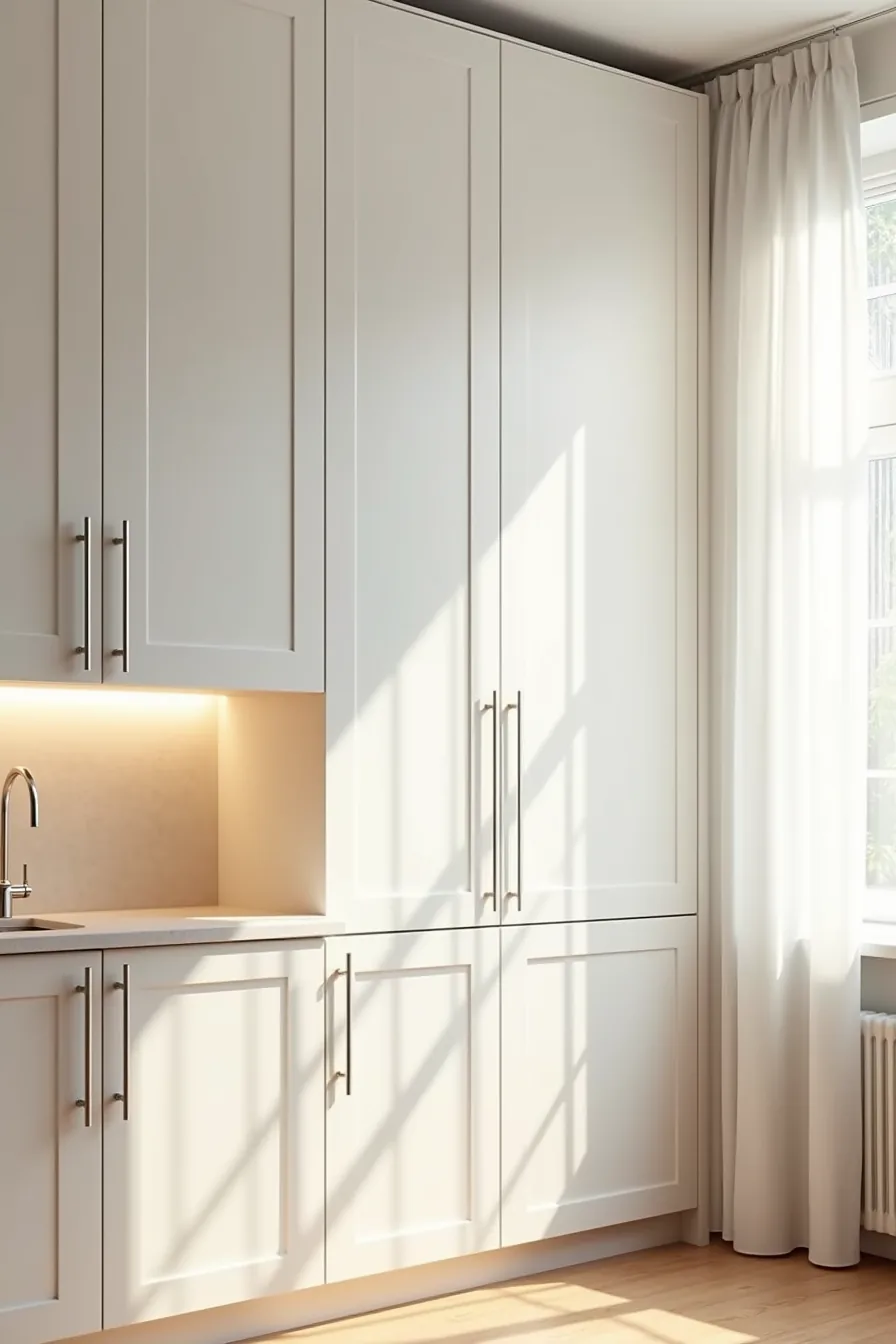
Flat panel cabinet doors are the defining choice for contemporary kitchens because their uninterrupted surface eliminates visual noise. A run of five matte white flat-panel doors with thin vertical pull handles creates a continuous, smooth plane that reads as intentional architecture rather than storage. The matte finish diffuses light and hides fingerprints far better than gloss, which matters in a high-traffic kitchen.
Pairing that surface with a quartz countertop and a chrome faucet reinforces the metallic-and-mineral palette typical of modern design.
The key distinction from a shaker door is the absence of a recessed center frame, which means flat panel options show every imperfection in alignment. You need perfectly level cabinet boxes and concealed hinges with soft-close mechanisms to keep the flush appearance credible. Material choices range from thermally fused laminate for budget-conscious installs to MDF with a sprayed lacquer for a factory-smooth finish.
In a small kitchen, keep all doors the same color and use full-height pulls to draw the eye upward; in a large space, you can introduce a contrasting island color without breaking the minimalist effect. Maintenance is straightforward, a microfiber cloth and mild detergent weekly, with a wax-based polish every six months to preserve the matte surface.
Shaker-Style Cabinet Doors: Versatility Across Design Eras
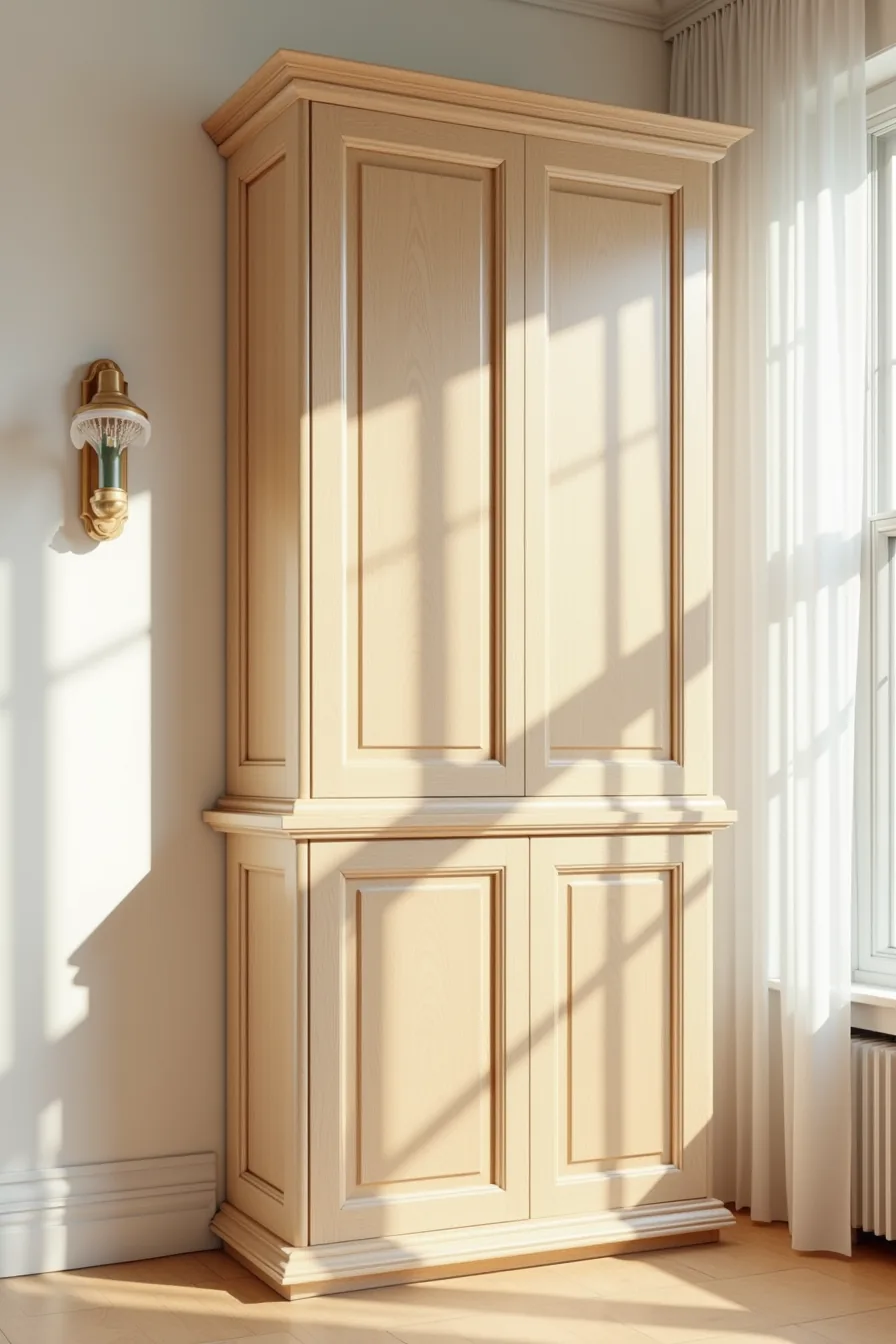
Shaker-profile cabinet doors earn their place in transitional and farmhouse interiors because the recessed panel frame gives a handcrafted anchor that flat panel vs shaker comparisons often miss. The recessed center panel catches shadow along its inner edge, adding depth without the visual weight of carved ornament. In natural white oak, the visible grain becomes the finish, no paint needed, and the warm incandescent light picks up the subtle figure in the wood, making the cabinetry read almost like furniture.
These doors suit you if you want a style that bridges traditional and contemporary without committing to either. The squared frame lines are clean enough for a modern home, while the panel detailing softens the look for a country kitchen. Longevity comes from the solid-wood construction; oak resists dents and scratches better than MDF or laminate.
Expect to pay a range from $40 to $90 per door for stock shaker options, while custom-built versions run $120 to $250 each depending on wood grade and joinery. A clear matte polyurethane finish protects the oak without hiding its character, and you can refresh it every five to seven years with a light sand and recoat rather than a full repaint.
Glass-Front Cabinet Doors: Display, Light, and Visual Trade-Offs
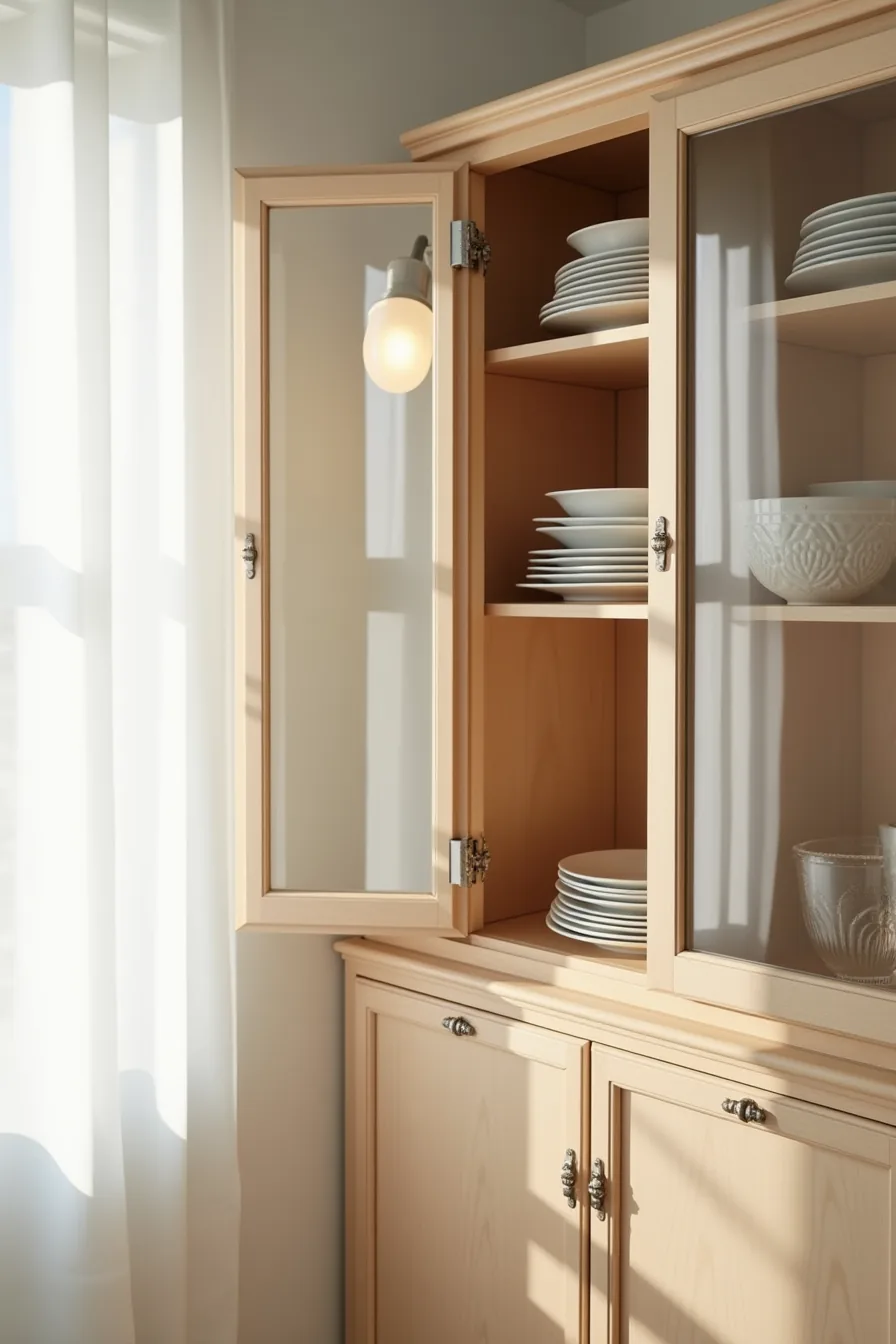
Glass-front cabinet doors work best when they force curation, not accumulation. The clear glass panel over your upper cabinetry transforms stored ceramics into a styled vignette, three stacked plates on a wooden shelf read as intentional design, while mismatched Tupperware becomes instant visual noise. This setup suits medium to large kitchens where you can devote upper cabinets exclusively to display pieces and keep daily-use items behind the solid wood lower doors.
The practical cost is maintenance. Clear glass shows every fingerprint, dust film, and grease splatter, so plan on wiping the interior surface every one to two weeks if you cook regularly. Installation requires either a door insert kit or a custom glass pane fitted into a routed frame, budget $60 to $150 per door for materials and labor.
A hybrid approach limits the glass-front comparison risk: use glass on only the upper cabinets above counter height, where items sit at eye level and benefit from the light transmission, and reserve solid doors below to hide the less photogenic clutter.
Painted Versus Natural Wood Cabinet Doors: Finish Durability and Refresh Timelines
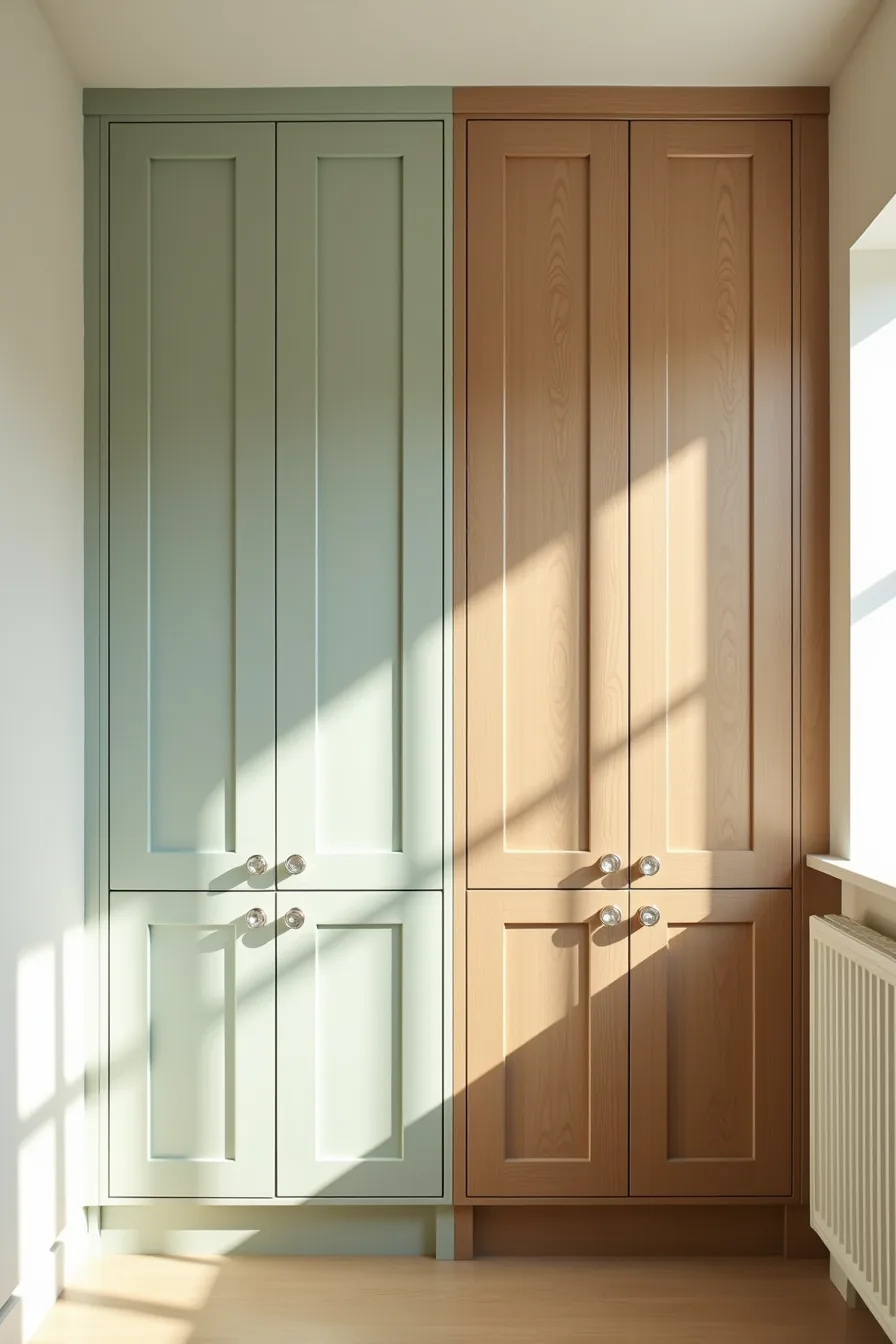
When you compare a sage green painted door against a natural walnut stain door side by side, both fitted with the same simple handle, the real difference emerges not in looks but in upkeep. Paint on a satin finish holds up well against daily grease and moisture; most quality paint jobs last five to seven years before showing corner wear. However, painted surfaces chip around handles and edges, and touching up a small nick means color-matching issues that become obvious under kitchen lighting.
Natural wood stain requires different care. A walnut finish resists visible scratches better, but it demands periodic re-oiling every one to two years to prevent the grain from drying out and looking chalky. Stain also fades in direct sunlight, so expect uneven color drift if your cabinets face a west window.
For renters, painted doors offer the cheapest refresh path, a single coat of quality cabinet paint runs $40 to $60 per door in materials. Owners planning to stay put for a decade or more should invest in stained hardwood, since refinishing costs $80 to $150 per door yet extends another full lifespan. Assess your timeline honestly: paint rewards the short term, stain rewards the long one.
Budget-Friendly Cabinet Door Refresh Without Full Replacement
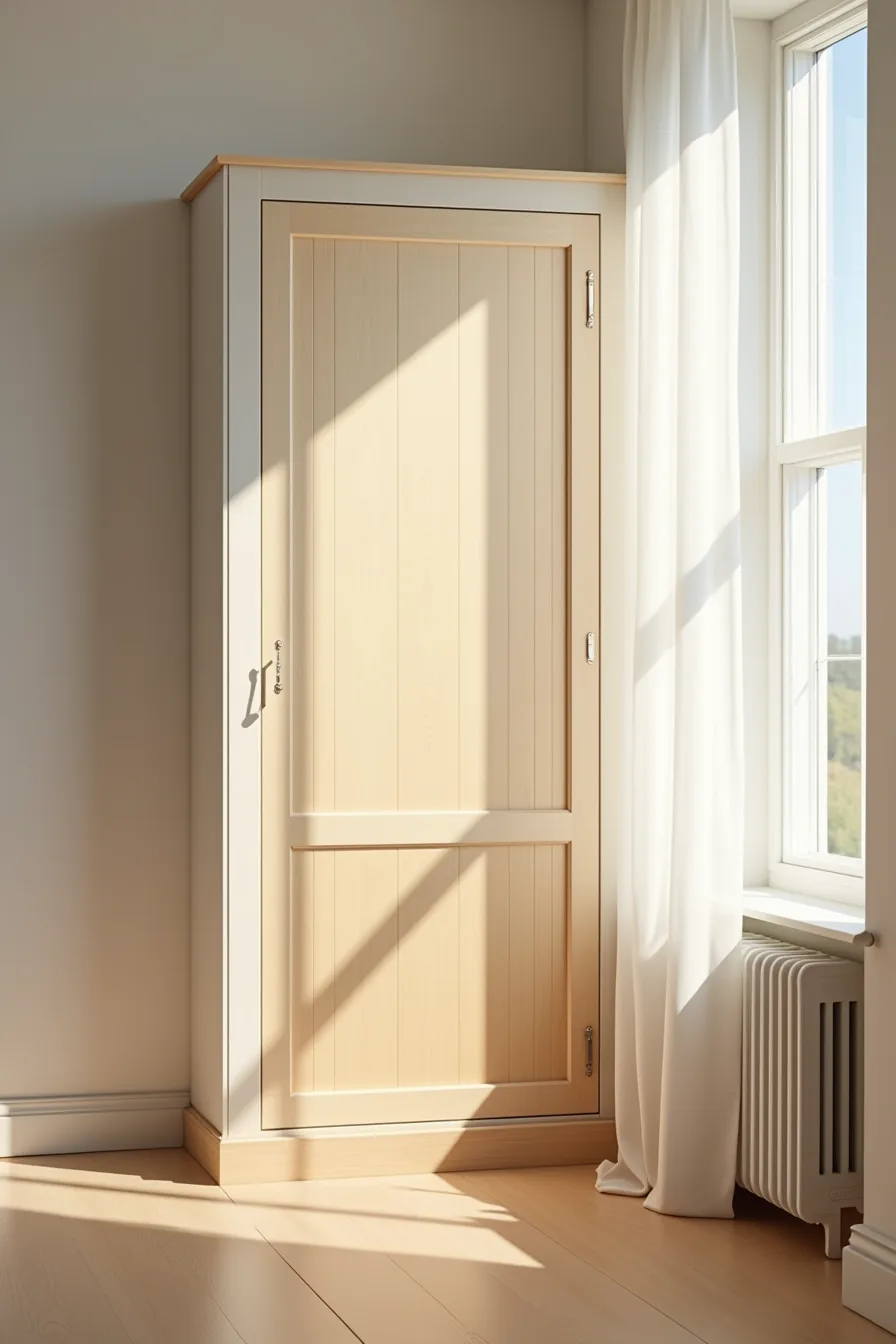
Refacing beats replacement when your cabinet frames are solid but the door surfaces look tired. You can transform a standard 10-door kitchen in two to four weekends for roughly $200 to $400 in materials, a fraction of the $3,000-plus new doors would cost. The process demands patience, not skill: remove the old veneer with a heat gun and putty knife, sand the substrate smooth, then apply peel-and-stick wood veneer in overlapping strips.
The transition line between old veneer and new is where you earn your results. Cut the peel-and-stick wood veneer slightly oversized, press it down from the center outward to avoid air bubbles, and trim flush with a sharp utility knife. Keep the original cabinet frame and hardware, reusing them cuts costs and preserves the existing hinge alignment.
This route suits rental properties and first-time homeowners who want a visible upgrade without committing to permanent changes. Since peel-and-stick veneer removes cleanly with a hair dryer and gentle prying, you restore the original surface before moving out. Pair this with new handles at $2 to $8 each, and the whole refresh reads as intentional rather than temporary.
The one trade-off? Veneer won’t hide deep gouges or water damage, so inspect each door surface before committing to the method.
Long-Term Investment: Custom Cabinet Doors and Material Selection
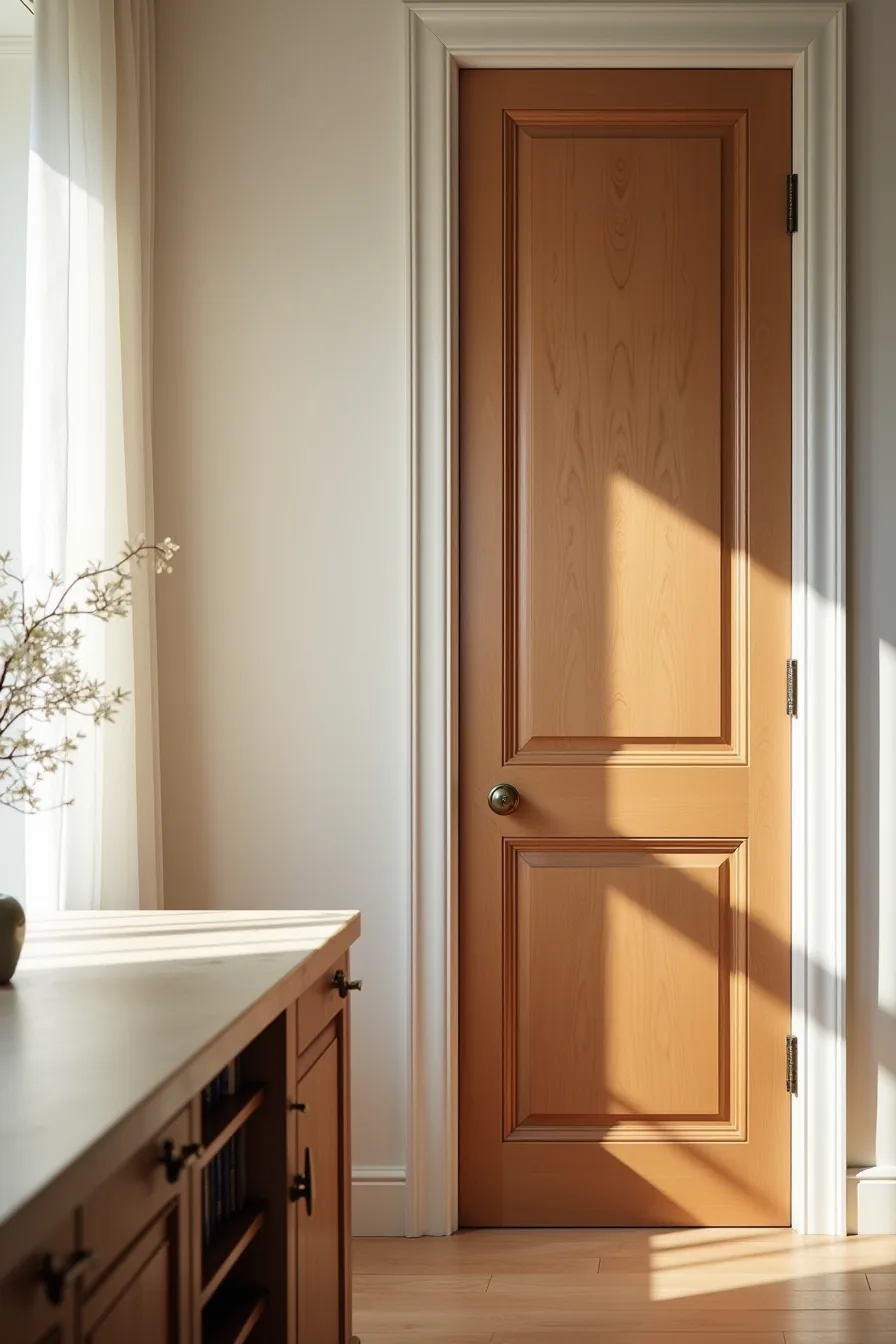
If you own your home and plan to stay five-plus years, custom cabinet doors deliver the best return on investment. Solid cherry with five-piece frame-and-panel construction, like the example with soft-close hinges and a brass knob, costs $100 to $250 per door installed, versus $30 to $60 for stock plywood doors. The premium buys you dimensional stability: solid wood resists warping in humid kitchens, while plywood cores prevent the cracking that plagues particle board.
Hardware quality determines whether that investment lasts. Standard hinges wear out after roughly 50,000 openings; soft-close mechanisms with steel bushings typically double that lifespan. Budget for $15 to $30 per hinge set, cheaper alternatives lose their dampening fluid within two years.
Most custom manufacturers warrant doors for five years against delamination and finish defects, but verify whether labor is included.
For the resale angle, expect to recover 60-80% of custom cabinetry costs at sale time. The five-piece frame-and-panel style reads as timeless, unlike slab doors that date quickly. The maintenance trade-off: solid cherry darkens with light exposure, so expect color variation between doors near windows and those in shadow, a natural patina, not a defect.
Where to Start
You now have six distinct directions for your cabinet doors, each with its own budget, maintenance profile, and visual payoff. Before you commit, measure your cabinet faces and check your hinge spacing, this determines whether you can swap doors or need full replacements.
Your next step: pick the one look that solves your biggest pain point first, whether that’s hiding clutter, brightening a dark room, or surviving sticky fingers. Order one sample door in your chosen material and finish, and live with it for a week before committing to the full set.
Frequently Asked Questions
What’s the difference between flat panel and shaker cabinet doors?
Flat panel doors feature a single, smooth, recessed center without framing, offering a minimalist look. Shaker doors have a recessed center panel framed by a square outer rail, creating a classic, slightly more detailed profile.
How often do painted cabinet doors need repainting in a kitchen?
In a busy kitchen, expect to repaint cabinet doors every 3 to 5 years. High-traffic areas or homes with heavy cooking may need it sooner, while low-use kitchens can stretch to 7 years with proper care.
Are glass-front cabinet doors practical for everyday use, or do they show dust?
Glass-front doors are practical for displaying dishware but do show dust and fingerprints, requiring weekly wiping. They suit open shelving lovers or those with organized interiors, not for hiding clutter or daily messy storage.
Can you replace just the cabinet doors without replacing the cabinet boxes?
Yes, you can replace only the doors if your cabinet boxes are structurally sound and standard-sized. Measure hinge holes and door dimensions precisely; this is a budget-friendly, renter-friendly upgrade that avoids full demolition.