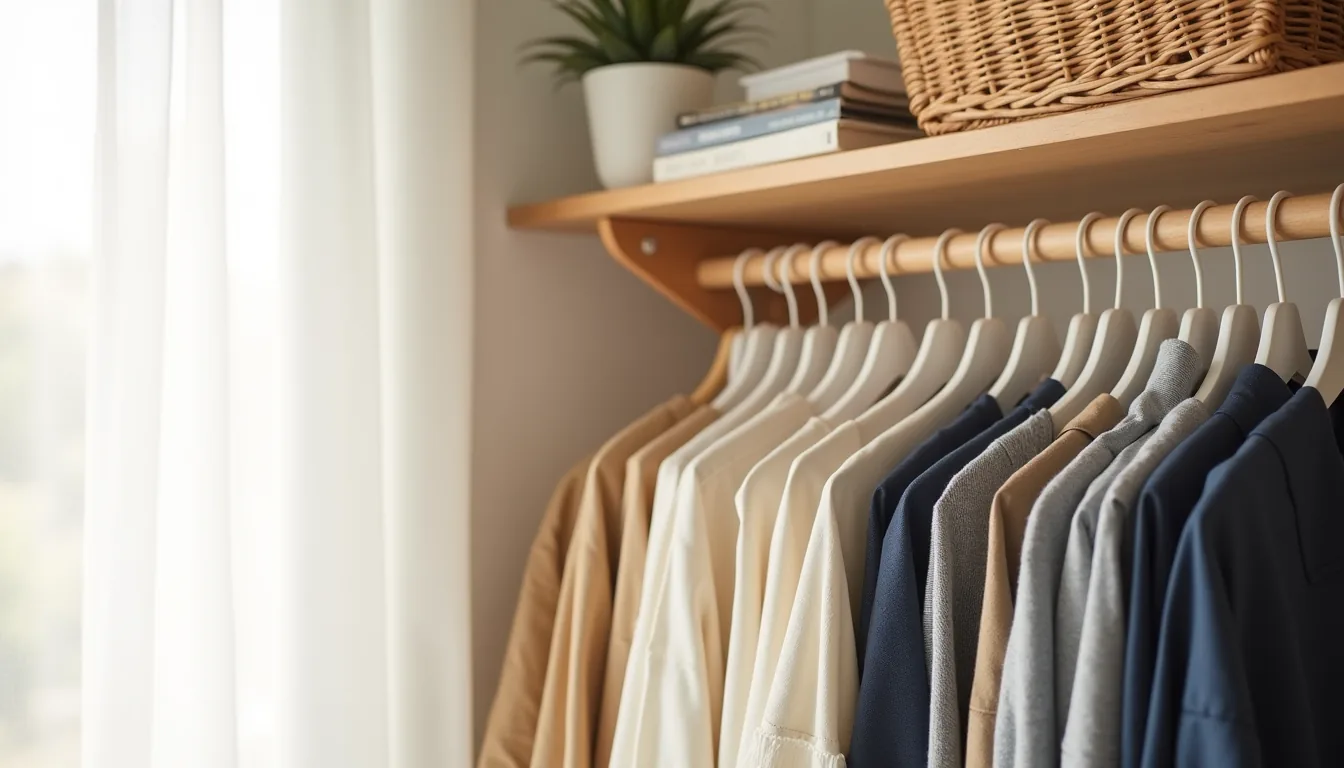

A closet that looks beautiful but functions poorly is just a display case, and one that works well but feels chaotic will drain you daily, so the goal of aesthetic closet organization is to make order look effortless, not to decorate a space you can’t actually use. In practical terms, that means every visual choice, from bin material to shelf spacing, must earn its place by improving how you retrieve and return items. Below are six distinct interpretations, each with the specific dimensions, materials, and maintenance trade-offs required to pull them off, plus a decision checklist to match the right system to your space and habits.
Key takeaways
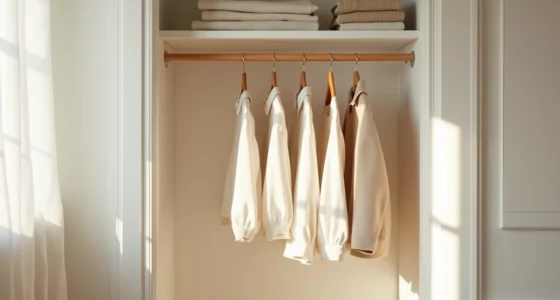
Start with the capsule method: limit your palette to three neutral tones to cut visual noise and make daily outfit selection faster. Use tiered height ranges: position everyday items at eye level, seasonal gear above, and shoes below for a layout that mirrors high-end retail flow. Prioritize modular over built-in: choose adjustable shelving and pole systems that survive apartment moves without damaging walls or requiring carpentry. Audit your routing first: map how you enter, dress, and exit, then place zones, laundry, ironing, accessories, in walking order to prevent bottlenecks.
The Capsule Closet: Minimal Color, Maximum Clarity
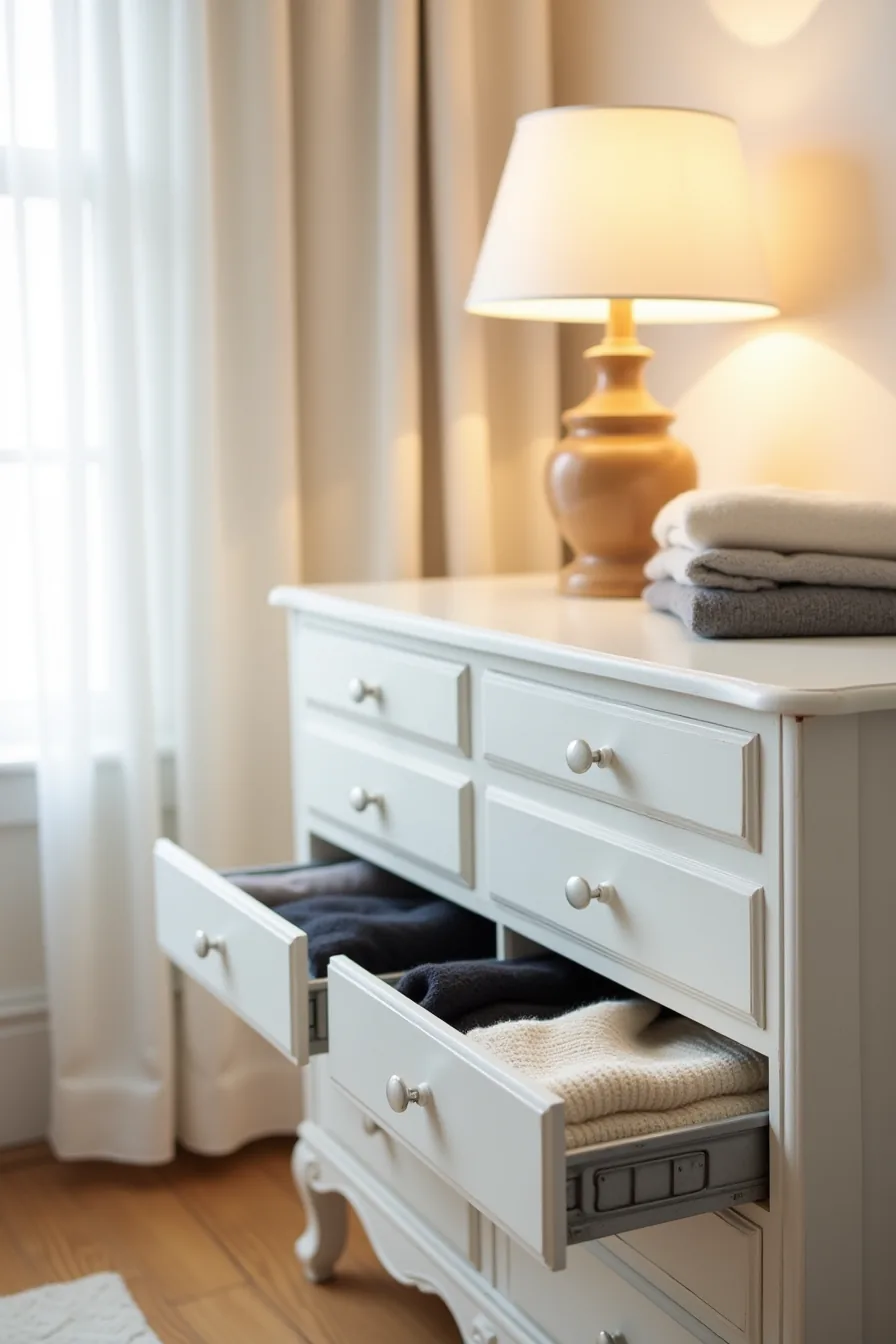
A white painted dresser with four open drawers sets the foundation here. Inside, folded sweaters in cream, charcoal, and black are arranged by shade, moving light to dark from left to right. Minimal metal shelf dividers keep each stack upright, so you can pull one sweater without collapsing the pile beneath it.
This approach works because it eliminates daily decisions. With only three tones in rotation, every combination you pull together feels intentional, and the uniform palette visually quiets the room even when the drawers are open. That calm is valuable in small to medium bedrooms where the closet area shares sight lines with your bed or seating zone.
Reproducing this look costs roughly $60–$120 if you already own the dresser: metal dividers run $12–$25 per set, and matching wooden hangers for the hanging section add another $30–$60. The real investment is your clothing, commit to culling pieces that fall outside your chosen three-to-five-color range, and plan to re-fold quarterly to maintain the crisp stacks. This suits people who prefer simplicity over variety and find joy in a restrained, orderly wardrobe.
The Luxury Retail Model: Tiered Display and Visibility
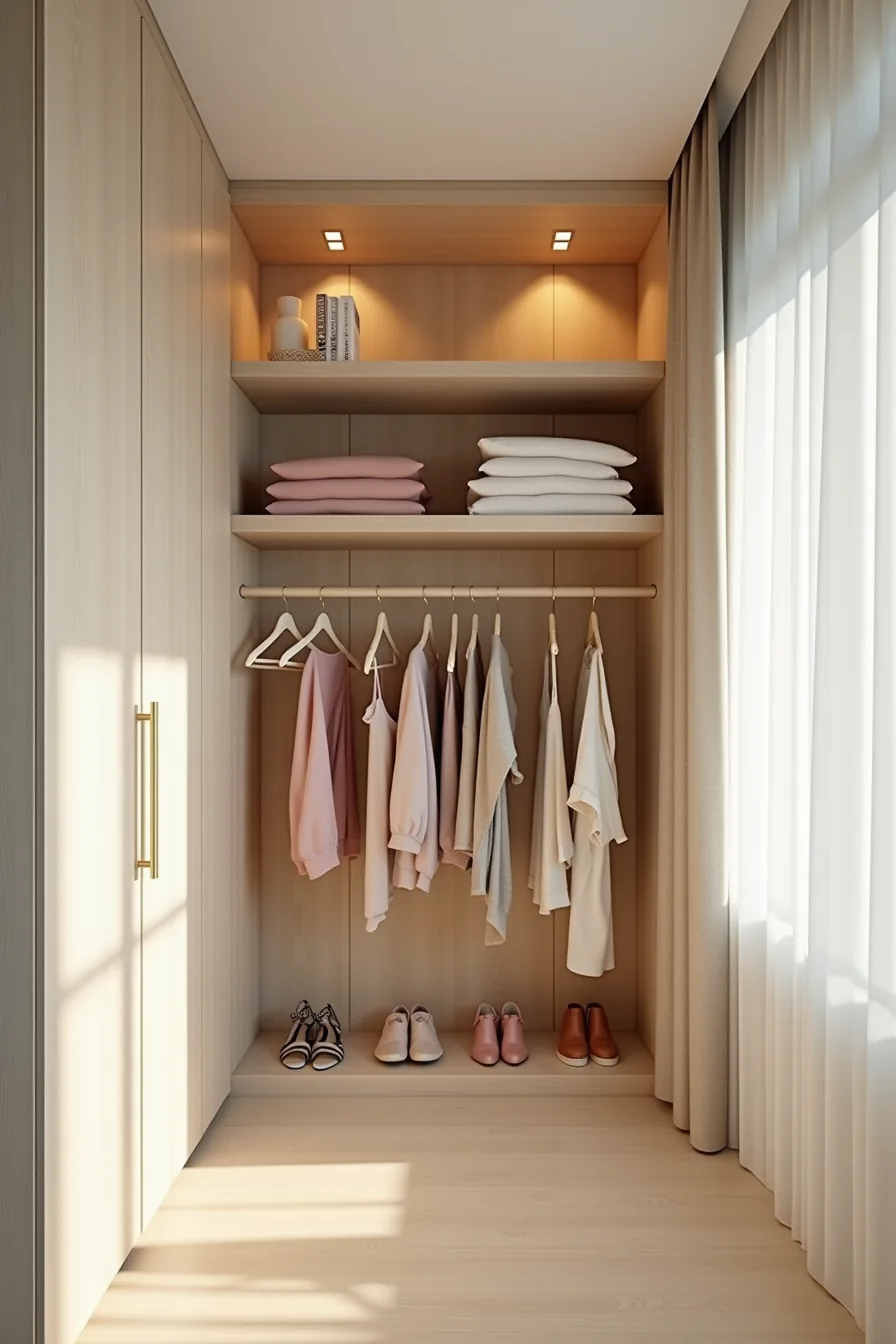
This layout copies high-end boutiques by creating three distinct sight lines. Top tier: folded sweaters stacked on open shelving. Middle tier: shoes displayed on acrylic or wooden risers that angle them toward you.
Lower tier: dresses on padded hangers that keep shoulders from dimpling. Recessed lighting above each shelf casts even light, so nothing hides in shadows.
The system works because it converts storage into presentation. You see every option at a glance, which suits people who rotate outfits frequently and enjoy visual abundance. The trade-off is dust: open shelves require weekly wiping, and padded hangers cost $3–$8 each, so a 30-piece wardrobe adds $90–$240 to your budget.
Measure before you commit. This needs at least 24 inches of depth, 60 inches of width, and a 36-inch clearance between shelves to avoid crowding. If your closet is under 40 square feet, skip the shoe risers and use the middle shelf for accessories instead, the tiered principle still applies, just with compressed spacing.
The Modular System: Adaptable Storage for Renters
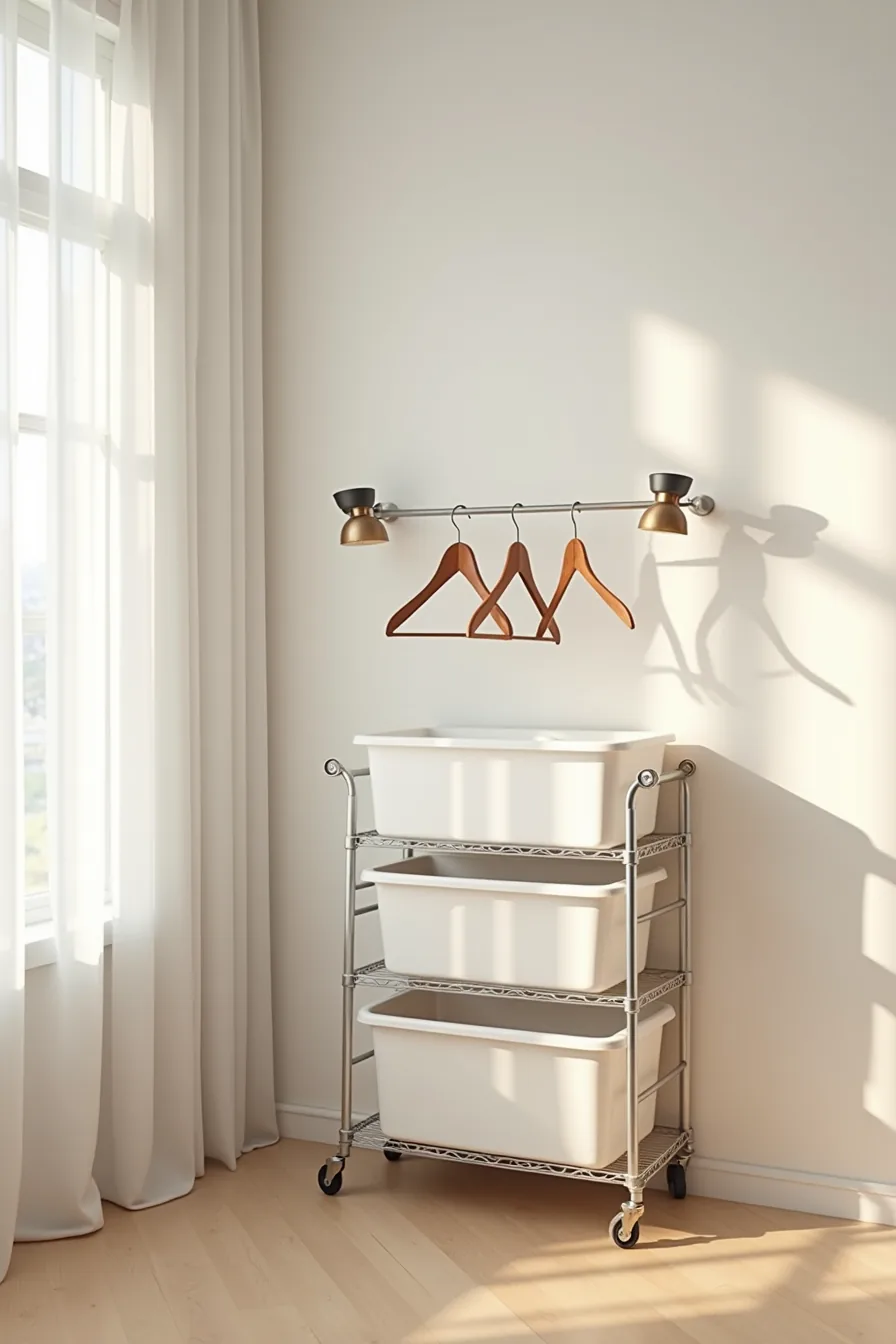
For a lease-bound space, this approach prioritizes reversibility over built-in elegance. A freestanding metal shelving unit creates the backbone, typically 48–72 inches wide and 60–72 inches tall, without a single wall anchor. Plastic storage bins in uniform sizes stack on three levels, and because they’re opaque, visual clutter stays contained behind clean, predictable lines.
The tension rod wedged between the unit and an adjacent wall adds hanging space for five to eight garments, using pressure rather than screws to stay in place.
You can dismantle and relocate the entire system in under thirty minutes, which suits anyone who moves frequently or rents without a security-deposit buffer. The total cost runs $120–$300 for the shelving, bins, and rod combined, making it the budget route in this series. The trade-offs: freestanding units wobble when overloaded, so keep each bin under 20 pounds, and the exposed framing collects dust on every horizontal lip.
If your space exceeds 80 square feet, purchase two identical units and place them side by side to double capacity without losing the modular flexibility. For a renter-friendly aesthetic that still reads intentional, stick to two bin colors maximum and let the metal finish provide the visual rhythm.
The Vintage-Inspired Archive: Curated Collections on Display
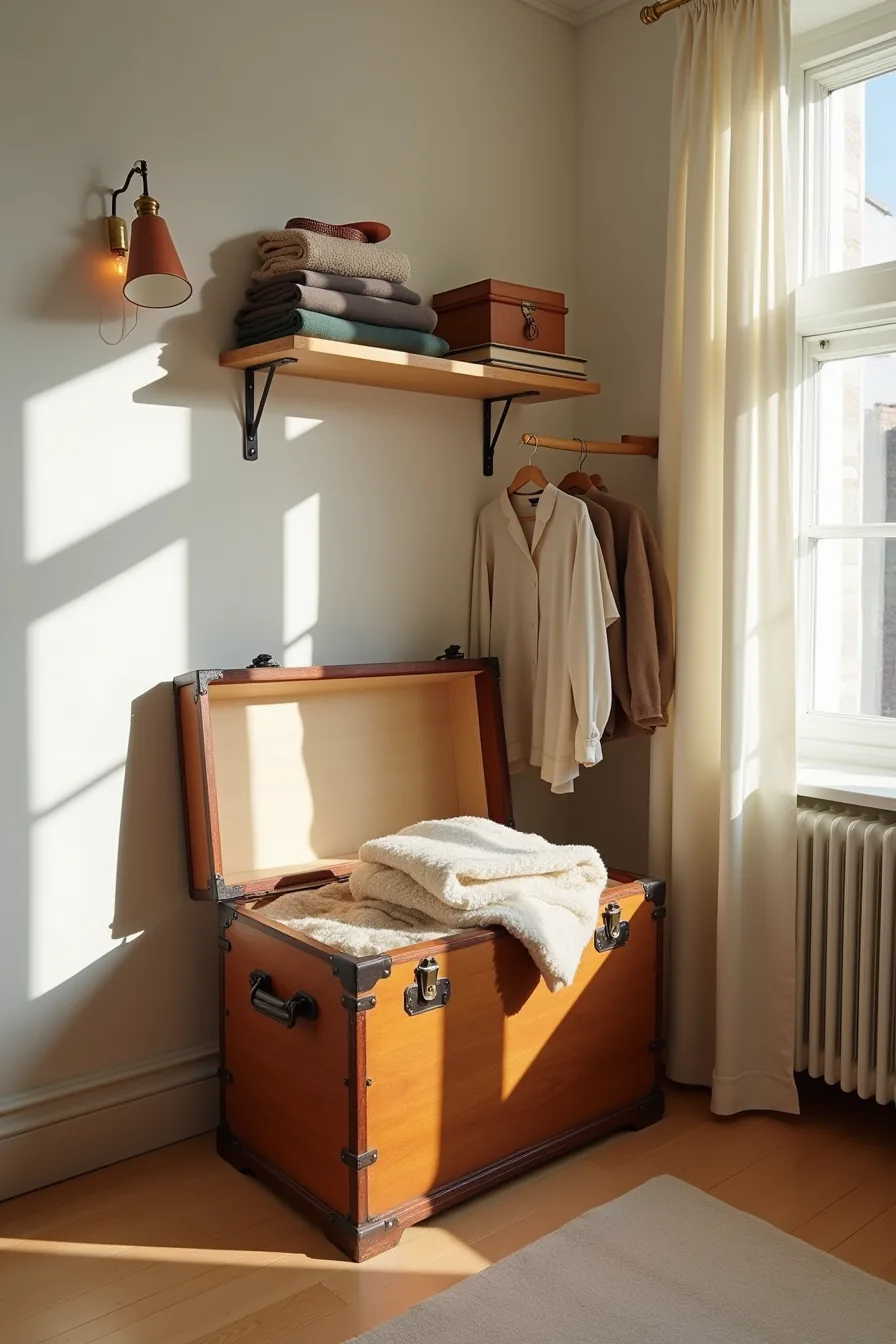
This interpretation treats clothing as a museum collection rather than a utility stockpile. The setup pairs a weathered wooden trunk at floor level with a floating shelf above, mounted 12–18 inches above the trunk’s lid, that displays folded vintage textiles, a leather belt, and a small wooden box. Garments hang on a rod behind the shelf, letting the archive layer forward in depth.
The trunk itself stores off-season pieces or linens, closing off visual noise while the open shelf becomes the focal point.
This works best in a medium to large space (60+ square feet) where you can afford a 24-inch clearance in front of the trunk for easy opening. It suits collectors who rotate displays seasonally and enjoy the tactile ritual of refolding. Reproducing the look requires sourcing trunks from estate sales or flea markets ($80–$200), a floating shelf rated for 30–40 pounds, and uniform small boxes that share a material, wood, not mixed plastics.
Maintenance is the real cost: dust every shelf surface weekly, and condition leather goods twice a year to prevent cracking. The aesthetic rewards patience over speed, so expect a month of curation before the arrangement feels settled.
The Functional Zones: Workflow-Based Layout
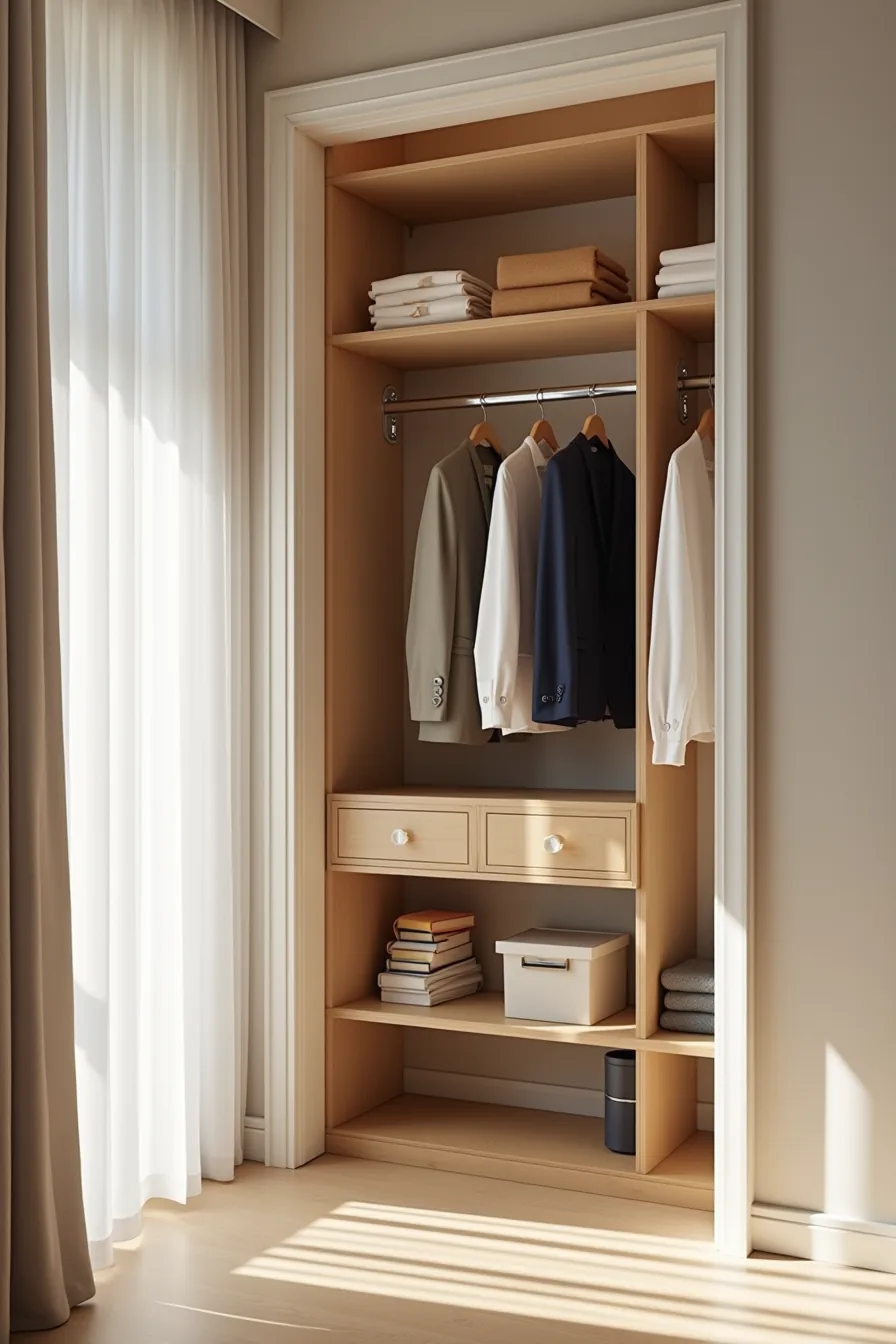
This layout sorts your closet by how you actually move through your day, not by garment type. The setup uses vertical dividers to split the space into three distinct zones: work blazers on a rod to the left, casual shirts on hangers in the center, and color-coded bins on the right that group items by season. Each zone becomes a one-stop station, so you grab a blazer without sifting through weekend tees.
The system suits busy professionals who dress under time pressure and want to eliminate decision fatigue. It scales to any closet size, in a compact 4-foot reach-in, use slim dividers and stack bins vertically rather than side-by-side. Reproducing the look requires freestanding dividers (or tension rods if you’re renting) and a consistent bin color scheme, ideally three to four hues that map clearly to seasons.
Label the bins on the front face only; top labels become invisible once stacked. Expect to spend 20 minutes weekly maintaining the zones, mostly re-folding and returning strays. The payoff is a 30-second morning routine instead of a five-minute search.
Common Pitfalls and How to Avoid Them
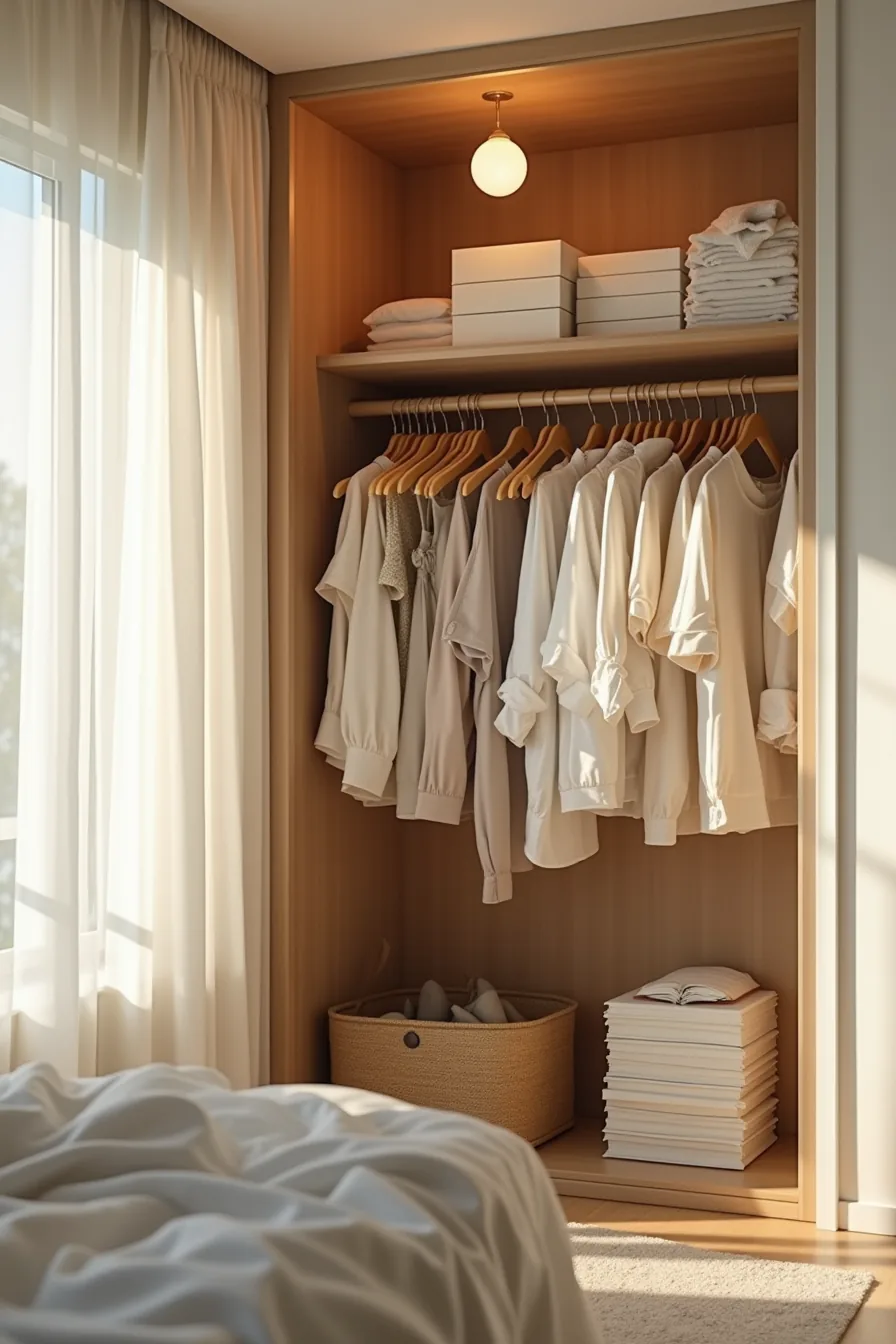
The fastest way to sabotage your Closet Organization Ideas Aesthetic is overcrowding. When you jam garments onto a single rod, you can’t see what you own, creases set in permanently, and the visual result is a blur of mismatched hangers and bunched fabric. You need roughly two inches of breathing room per hanging item; if your rod can’t accommodate that, purge before you purchase a single organizer.
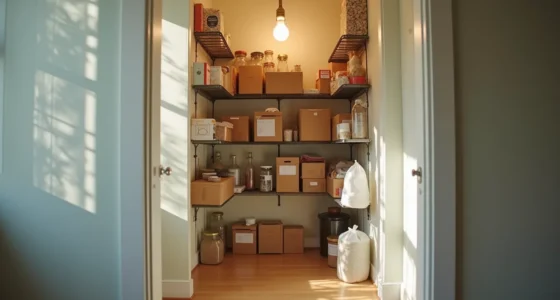
Poor lighting causes the same problem in a different form. A single overhead bulb casts shadows that hide stains and make every color look muddy, so you end up re-buying items you already own. Swap the bulb for a warm LED fixture or clip a battery-powered puck light to a shelf, most reach-in closets need 800 to 1,200 lumens to function properly.
The highest failure point is the top shelf. When you stack boxes so high you can’t reach them, you stop rotating seasonal items and the system collapses within weeks. Keep anything above shoulder height to lightweight, infrequently used items only, and cap the stack height at two boxes per column.
Finally, plan maintenance from day one: the aesthetic lasts exactly as long as your twice-monthly reset, so build a 15-minute tidy into your calendar or the clutter returns.
Your decision checklist
Before you buy a single bin or basket, measure your closet’s usable width, depth, and hanging rod height. Match your storage style to your actual habits, if you drop clothes on the floor, open bins beat closed drawers every time.
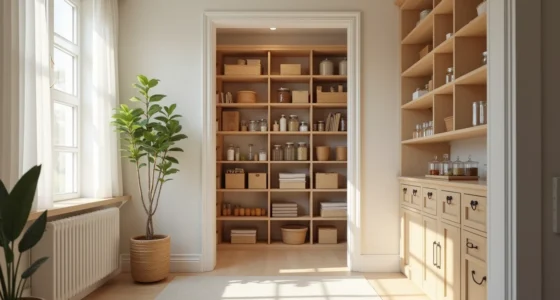
Choose your route: a renter-friendly tension-rod system costs under $50 and installs in minutes; a custom built-in runs $1,500–$5,000 but maximizes every inch. For small closets, prioritize vertical hanging and slim velvet hangers; for large walk-ins, dedicate zones for shoes, folded items, and out-of-season gear.
Your next step: Empty one shelf, photograph it, and tape that photo at eye level inside your closet, it becomes your visual target for the 30-minute reset you’ll do this weekend.
Frequently Asked Questions
How do I organize a small closet without making it feel cramped?
Use vertical space with ceiling-height shelving and slim, non-slip hangers. Keep the floor clear; install a single rod at eye level and store off-season items in under-bed bins. Limit color palette to two neutrals for visual calm.
What’s the difference between closet organization for renters versus homeowners?
Renters need damage-free solutions: tension rods, freestanding shelving units, and adhesive hooks that remove cleanly. Homeowners can invest in built-in systems, custom drawers, and permanent lighting. Renters prioritize portability; homeowners prioritize permanence and resale value.
How often should I reorganize my closet to maintain the aesthetic?
Do a full reset every six months, timed with seasonal wardrobe swaps. Quick touch-ups, folding, re-hanging, and clearing stray items, take five minutes weekly. If you notice clutter accumulating before the six-month mark, reduce your wardrobe size rather than reorganizing more often.
Can I combine multiple closet organization styles in one space?
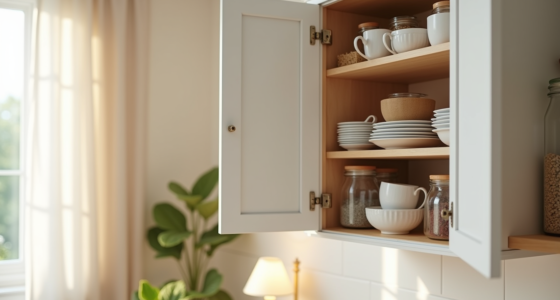
Yes, but keep a unifying thread, same hanger finish, consistent basket material, or one accent color. For example, pair open shelving with drawer units and a single hanging rail. Limit to two or three styles per closet to avoid visual chaos and ensure each zone remains functional.