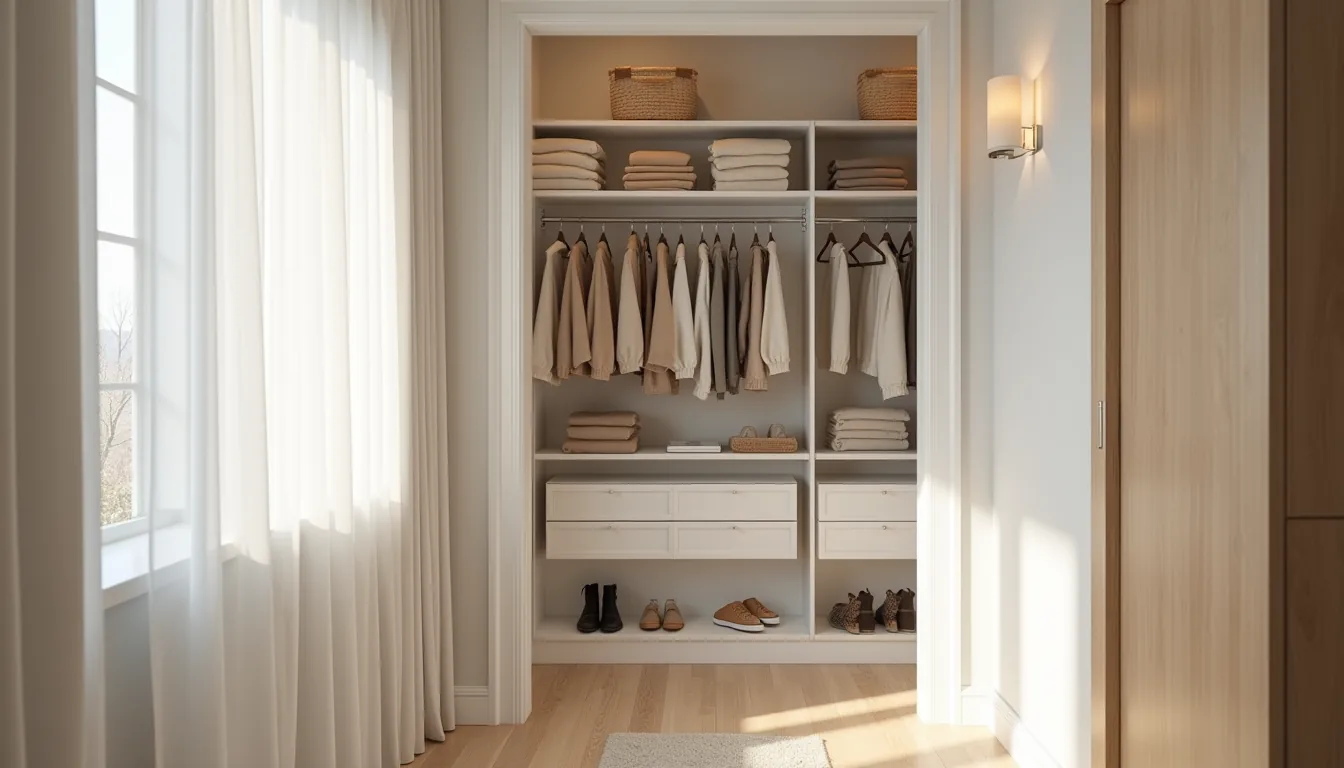

Your hall closet is the most trafficked storage space in your home, yet it’s usually the last one you organize, and that single decision determines whether your entryway feels calm or chaotic every time you walk through the door. The fix isn’t buying more bins; it’s matching six distinct organizational strategies to your actual traffic flow, ceiling height, and rental restrictions. Below, you’ll get three proven routes, budget, renter-friendly, and built-in, with exact measurements and maintenance trade-offs for each, so you can pick the one that fits your square footage without wasting a dollar.
Key takeaways
- Measure first, then choose vertical shelving so each shelf sits 12–18 inches apart, fitting folded sweaters without wasted headroom.
- Modular bin systems work best when you label both the bin front and its shelf position, cutting retrieval time to under 10 seconds.
- Door-mounted hooks suit renters since they install with adhesive strips, but they hold only 5–10 pounds per hook, so reserve them for scarves or umbrellas.
- Pull-out drawers cost 20–40% more than fixed shelves, yet they double usable depth in tight closets by letting you access items in the back row without kneeling.
Vertical Shelving for Small Spaces
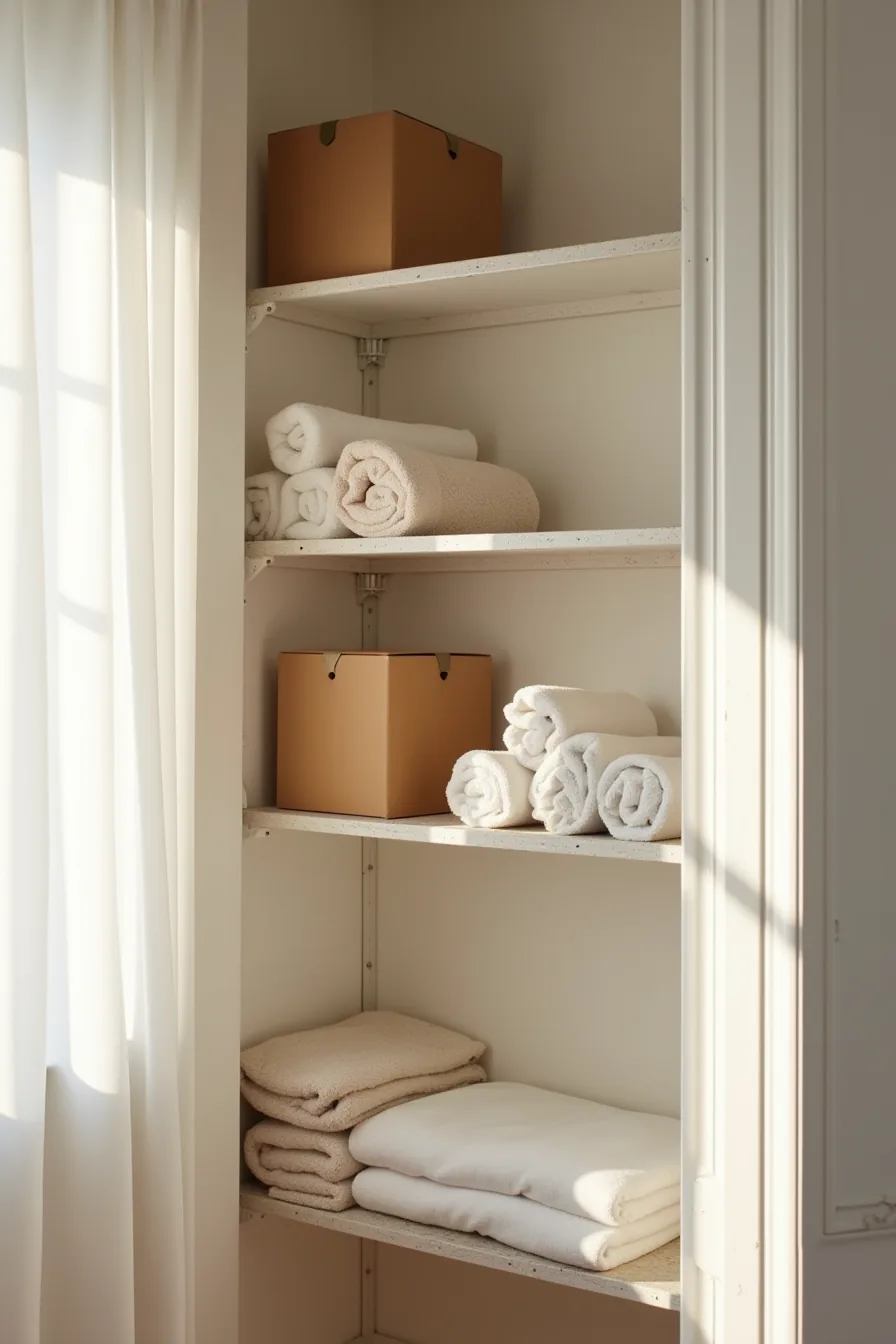
When your hall closet is barely wider than a doorframe, the only direction left is up. Floor-to-ceiling metal shelving turns that dead air above your head into prime real estate, and it costs far less than custom millwork. You can buy a freestanding, adjustable metal unit for $60–$150, or build fixed shelving with brackets and boards for roughly $30–$80 in materials.
The trade-off is installation: freestanding units need no tools, while wall-mounted brackets require you to locate studs and leave holes behind.
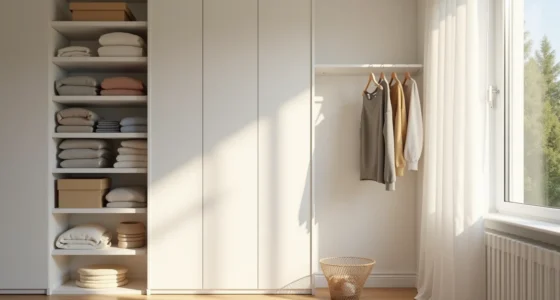
The setup that works best in a narrow footprint uses four to five shelves spaced 12–16 inches apart, leaving the bottom 18 inches open for tall boots or a step stool. In the corner configuration you see here, rolled towels sit on the lower shelf for easy grab-and-go access, while small cardboard boxes and a folded blanket ride higher where you rarely reach. Metal shelving supports 50–100 pounds per shelf when brackets hit studs, but keep heavier items like tools or bulk paper goods on the bottom two tiers to avoid tipping.
If you rent, choose a freestanding unit with adjustable feet, it won’t damage walls and can move with you. Owners can spring for welded steel tracks, which cost more but never sag under seasonal weight.
Modular Bin Systems with Clear Labeling
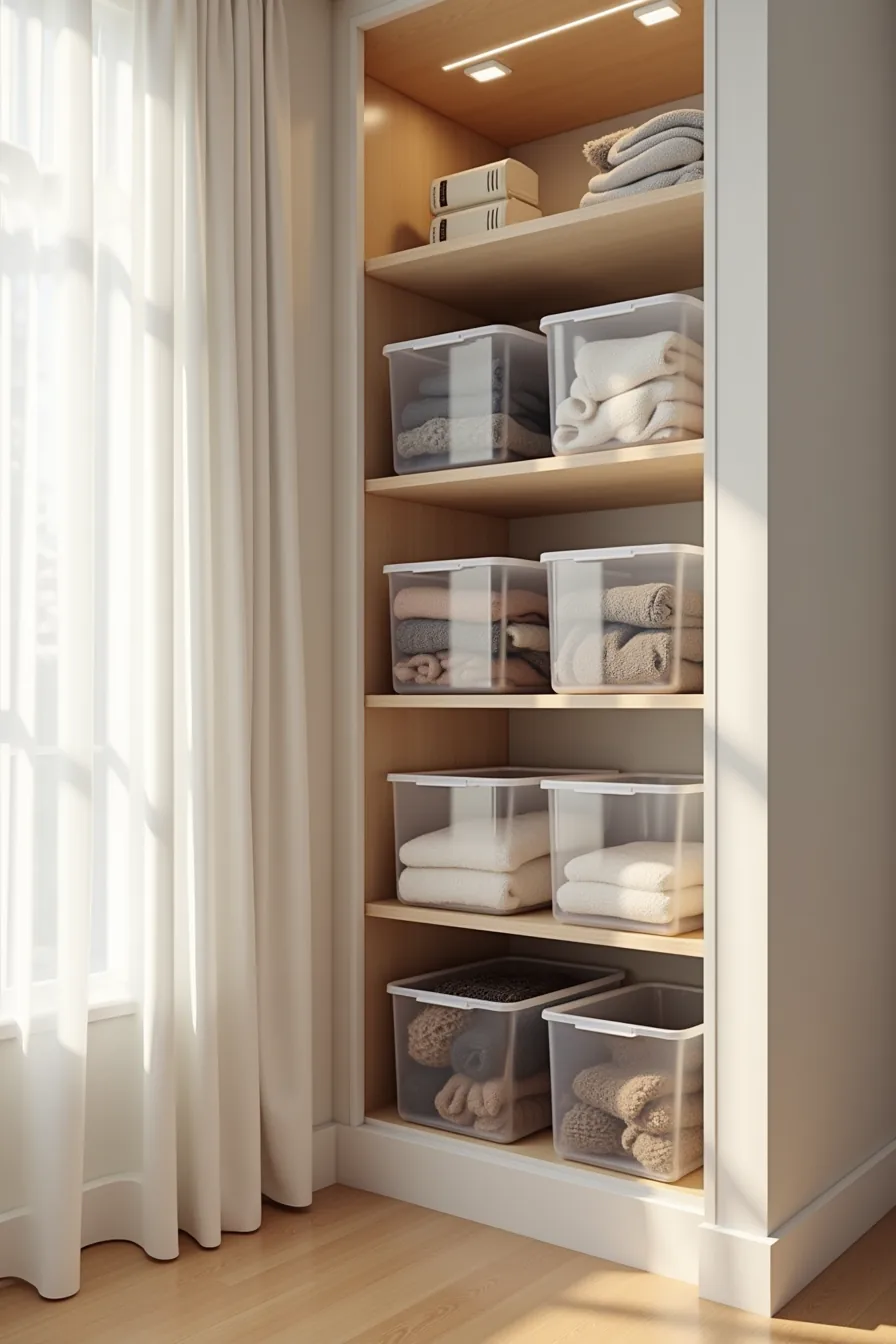
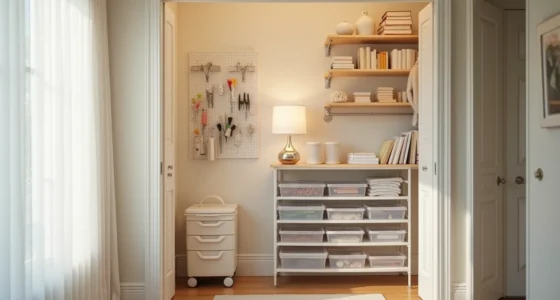
Clear bins are the fastest way to cut retrieval time in a medium hall closet (roughly 36–48 inches wide). The system in front of you uses six stackable units of mixed heights arranged in two rows, so you can identify scarves, gloves, and winter accessories at a glance without pulling anything down. Sized correctly, bins 8–12 inches deep and 6–8 inches tall hold a full shelf’s worth of small items without wasted airspace above.
Match bin dimensions to your inventory before buying: measure the deepest shelf, then group items by frequency of use. Store current-season gear at eye level (40–54 inches from the floor) and off-season pieces on upper shelves where you won’t mind a step stool. Label the front face with a label maker or chalk sticker, handwritten tape smudges within weeks.
Expect to pay $2–6 per bin, so a full six-bin system runs $15–40. This setup suits renters because bins are removable and wall-free, and it suits households that rotate stock quarterly. Clear bins require dusting monthly, and they show every scuff, so choose thick-walled polypropylene over brittle acrylic for longevity.
Hanging Rod Doubling for Coats and Jackets
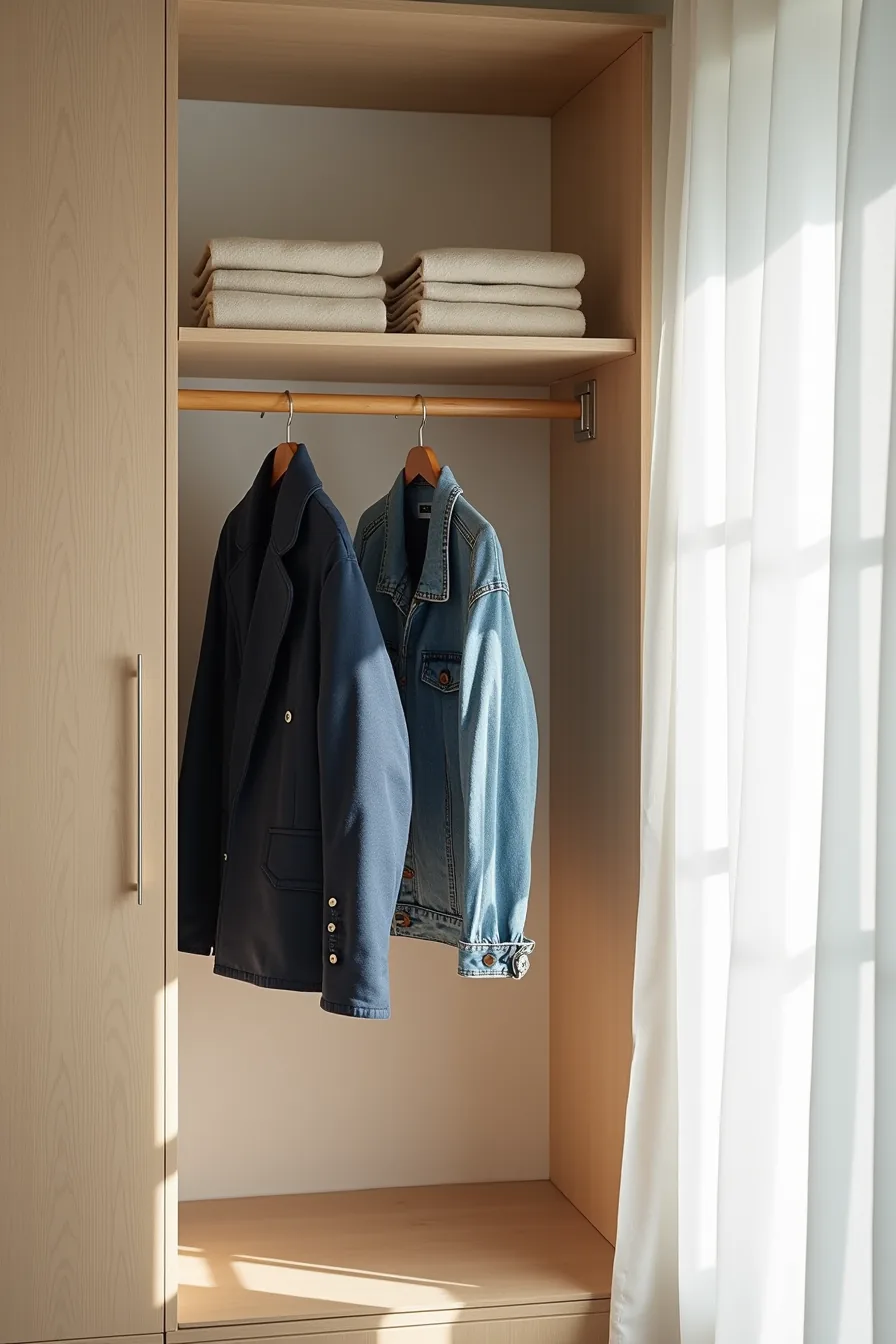
A second rod at mid-height doubles your linear hanging capacity without deepening the closet footprint. The setup in view places the upper rod at roughly 60–66 inches and the lower rod 24–30 inches beneath it, leaving enough clearance for wool coats above and shorter denim jackets below. You need 38–42 inches of vertical drop for full-length coats, but cropped and hip-length outerwear only demands 24–30 inches, so measure your longest garment before committing to the lower rod’s position.
Mount both rods on the same wall studs or use heavy-duty brackets rated for at least 40–50 pounds per rod. Wooden dowels work well here because they won’t snag knit linings, but they flex under sustained weight, swap in steel or aluminum rods if you’re hanging more than eight heavy coats. This approach outperforms shelving when you own many short items and few long ones, and it suits anyone whose closet has 70+ inches of vertical wall space to spare.
Budget $15–30 for two rods and brackets, and expect to redistribute weight seasonally to prevent sagging. For renter-friendly installation, use tension rods rated for interior closets, they hold 20–30 pounds and leave no holes, though they won’t support peak-winter loads.
Door-Mounted Storage and Hooks
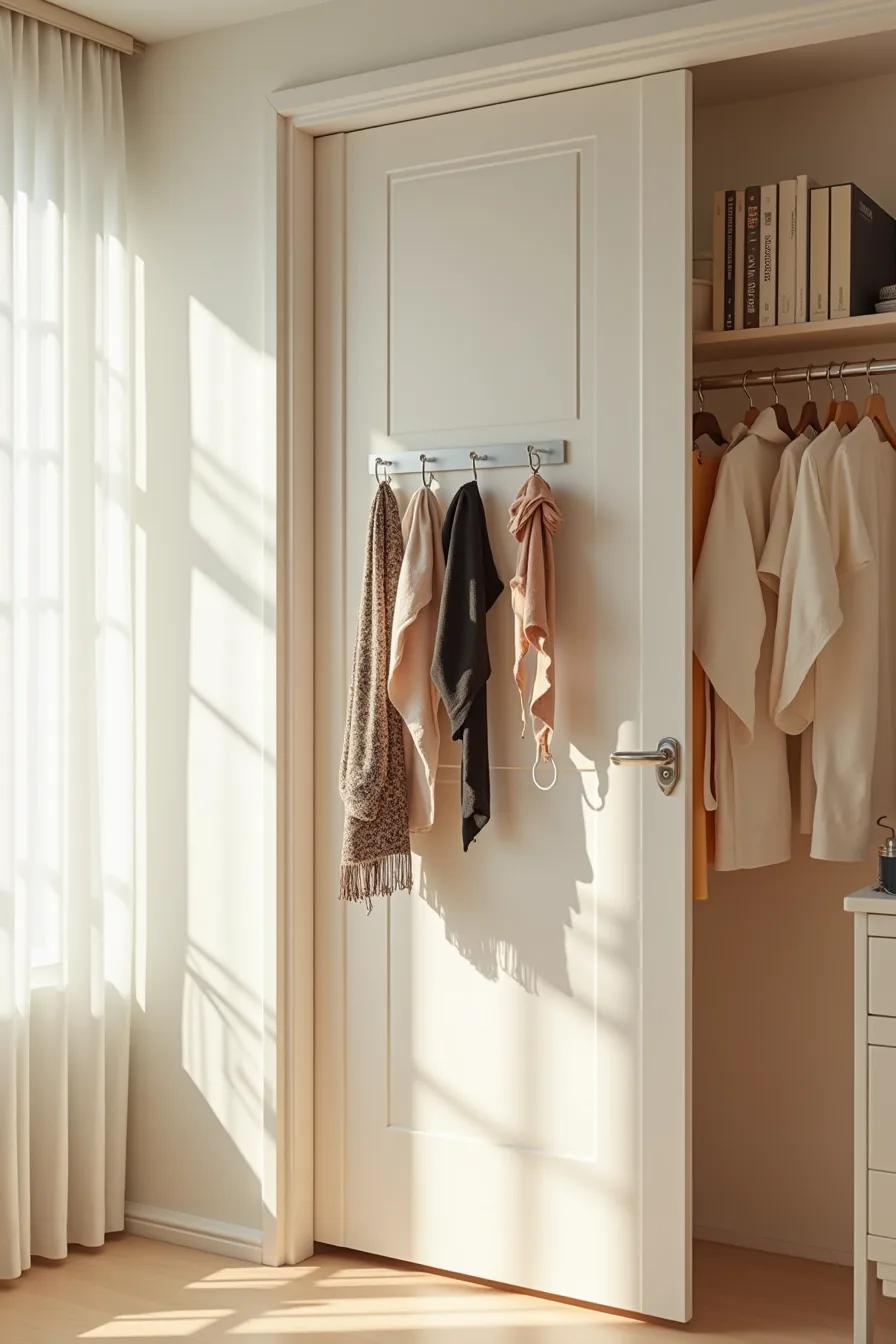
The door’s interior surface is prime real estate for items you grab in the final seconds before leaving. The example setup combines three systems: adhesive hooks holding scarves and belts, an over-door organizer with small pockets for gloves, and a magnetic strip catching metal accessories like keys or watches. Together, they keep daily essentials visible without stealing floor or rod space.
This suits renters because adhesive hooks rated for 5–10 pounds each remove cleanly with dental floss or a hairdryer, and over-door organizers hang on the door panel itself, no drilling required. Magnetic strips for accessories, typically 12–18 inches long, mount with the same adhesive backing and hold roughly 10–15 pounds of metal items. Avoid placing hooks above eye level, since reaching for a scarf while the door swings can knock items loose or strain the adhesive.
Weight limits matter: over-door organizers with nine to twelve pockets handle about 20–30 pounds total, so use them for lightweight gloves and hats, never shoes or bags. Check your door’s construction, hollow-core doors flex under sustained weight, while solid wood or metal doors hold more. Budget $15–35 for a complete door setup, and expect to re-press adhesive strips every few months in humid climates to prevent sag.
Pull-Out Drawers and Sliding Baskets
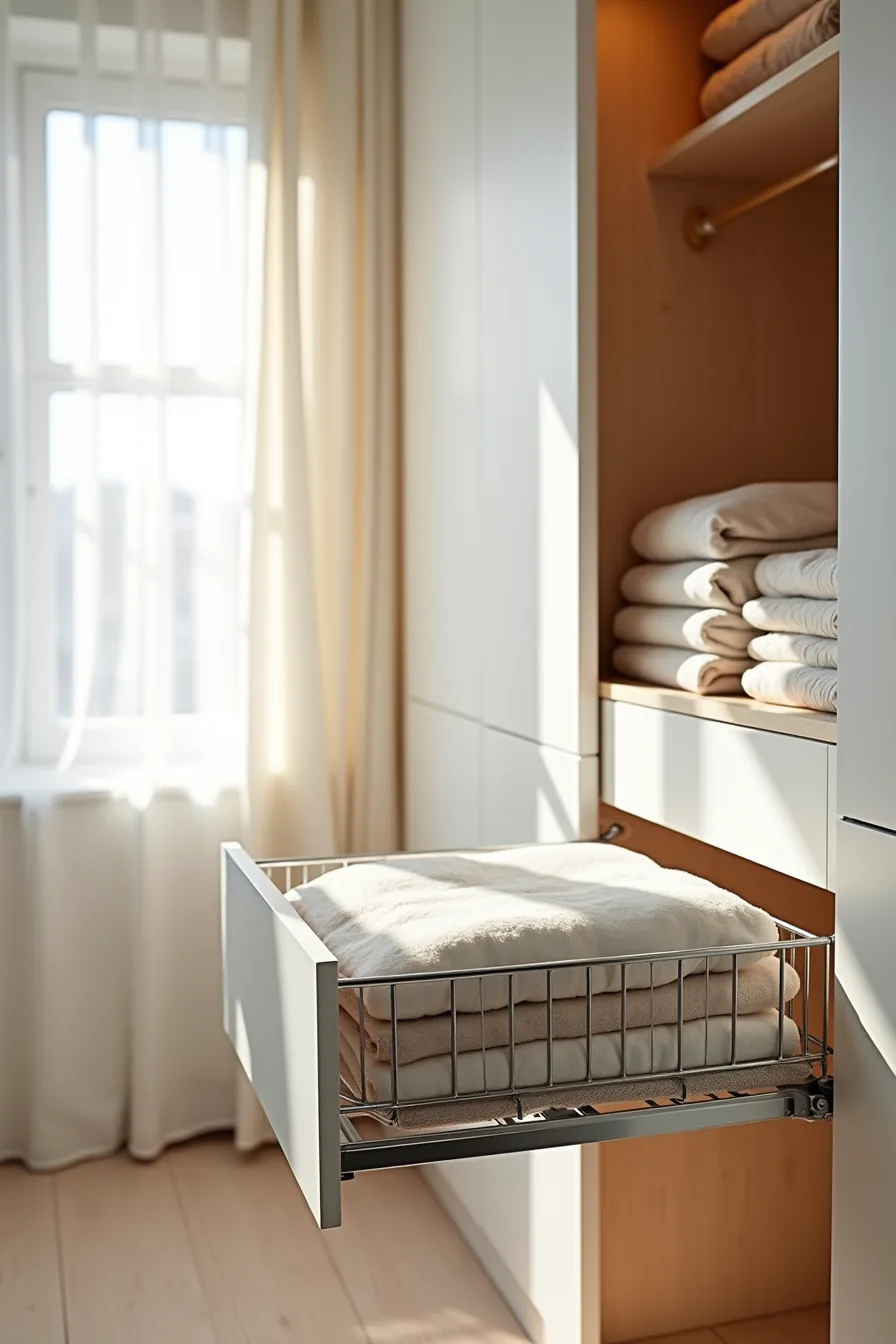
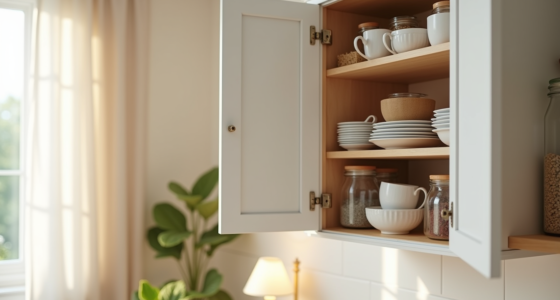
A single pull-out wire basket on metal tracks transforms dead space behind a closet door into accessible storage. The mechanism extends forward on ball-bearing slides, giving you a full view of folded linens stacked inside, while a second basket behind it remains closed, holding extra blankets without blocking access. This design works because it converts deep, dark corners into reachable zones, no more kneeling or blind rummaging.
Standard units run 14–22 inches deep and 16–24 inches wide, fitting most hall closets with 24-inch or deeper interiors. Budget 30–60 percent more than fixed shelving for the same footprint; a three-basket kit typically costs $80–150 versus $50–90 for static shelves. The trade-off is motion: tracks require occasional cleaning of dust and debris, and you should wipe slides with a dry cloth every three months.
Wire baskets hold 20–40 pounds each, so reserve them for textiles, not heavy tools or boots that could bend the rails. For renters, freestanding rolling carts with baskets achieve similar utility without wall mounting, though they sacrifice the flush, built-in look.
Dedicated Zones by Item Type and Frequency
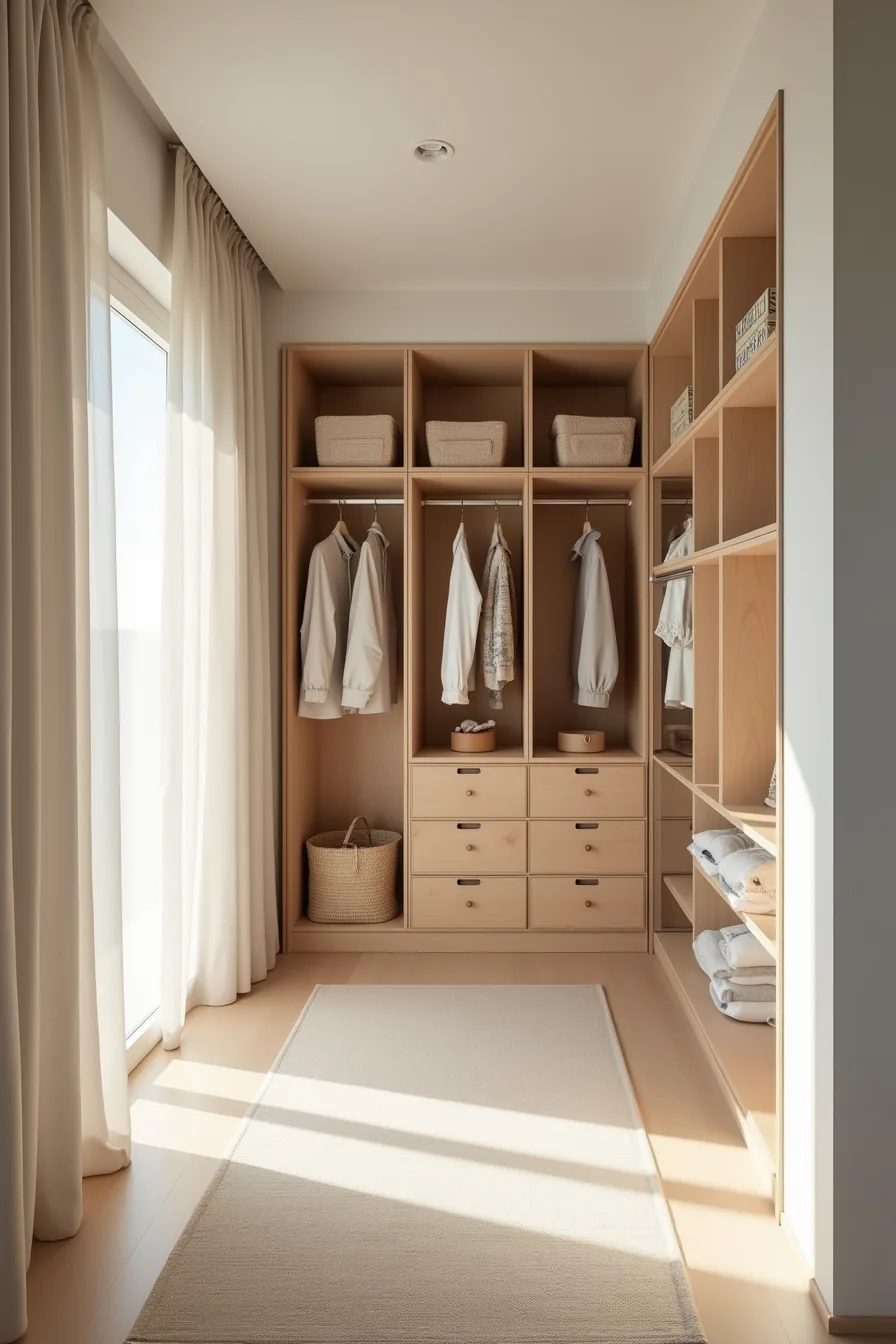
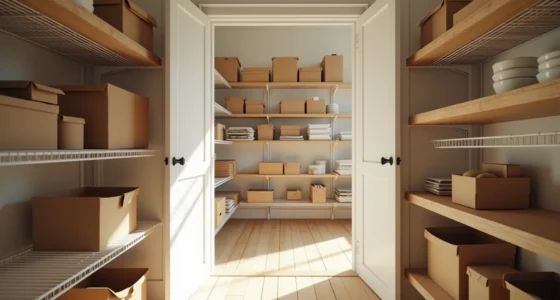
Zone the largest hall closets by how often you actually reach for each category. The full-width layout divides into three bands: daily-use coats and umbrellas hang at arm height on the left, stacked seasonal bins occupy the center at waist-to-floor level, and rarely-used backup supplies sit on the upper shelf on the right. This works because frequency drives placement, the items you grab most live where your hands naturally fall, while seasonal and emergency stock stays out of the path of daily movement.
To allocate space proportionally, track your usage for one week and measure the cubic footage each category consumes. A family of four typically needs 40–50 percent of the closet for daily items, 35–40 percent for seasonal, and the remainder for backups. Reserve the floor zone (bottom 24 inches) for bins you access fewer than once a month, since bending for them is the price of keeping the prime zone clear.
For small closets, compress the system into two zones only, daily items below shoulder height, everything else above, and for medium spaces, keep the three-zone logic but reduce bin depth to 12–16 inches to preserve walk-in clearance. Label each zone with a 2-inch tag at eye level so every household member re-shelves correctly; without labels, zones collapse within weeks.
Your 15-minute decision plan
Start by measuring your hall closet’s depth and width. Everything else, shelf spacing, hook placement, bin sizing, flows from those two numbers. A closet under 24 inches deep rules out furniture-style cabinets; anything over 60 inches wide opens the door to a full modular system.
Walk through your entry for 60 seconds. Note every item you actually stow there: coats, shoes, pet leads, mail. That list, not magazine spreads, determines which of the six ideas earns the floor space.
Then begin with the cheapest, least permanent change first, adding two shelf risers and a hanging rod costs under $30 and takes 20 minutes. Renters can reverse it without a trace.
Frequently Asked Questions
How do I organize a very small hall closet that’s only 2 feet wide?
Use vertical space with over-door hooks and stackable bins. Install a single narrow shelf at eye level for everyday items, then store off-season gear in vacuum bags on the floor. Keep depth under 18 inches to avoid crowding.
Can I install shelves in a rental hall closet without damaging walls?
Yes. Use freestanding wire shelving units or tension rod systems that lean against the back wall, no drilling required. For wall-mounted options, apply removable adhesive hooks rated for 10–20 pounds.
Confirm your lease allows temporary fixtures before installing.
What’s the best way to store winter coats and jackets in a hall closet?
Hang current-season coats on a single rod at 60–66 inches high, spaced 2–3 inches apart. Store bulky parkas and rarely worn outerwear on upper shelves in breathable garment bags. Add a boot tray below for wet footwear, and rotate seasonally.
How do I prevent my organized hall closet from becoming messy again?
Assign a labeled bin or hook for each category (e.g., hats, gloves, leashes) and enforce a one-in-one-out rule weekly. Keep daily-use items within arm’s reach at waist height, and schedule a 5-minute tidy-up every Sunday evening to reset the space.