Your dorm room is the first space that’s entirely yours, and for Black college women, it’s where you get to define comfort, culture, and function on your own terms, but achieving that balance takes more than a mood board. It requires knowing which textures, layouts, and storage solutions actually survive a semester of shared bathrooms, thin walls, and limited square footage. Below are six distinct approaches, from a budget-friendly cultural showcase to a renter-friendly maximalist setup, each with the exact materials, dimensions, and maintenance trade-offs you need to execute it confidently.
Key takeaways
Start with measurements: Most standard dorm beds are 36 by 80 inches (twin XL), so buy sheets and mattress pads specifically sized for that before any decor. Prioritize vertical storage: Use over-door hooks and stackable bins to keep floors clear in rooms under 120 square feet, especially if you share a closet. Choose renter-friendly adhesives: Command strips and removable wallpaper work on painted walls, but skip them on textured or brick surfaces where they’ll peel paint. Invest in a quality mattress topper: A 2-3 inch memory foam layer costs around $40-$80 and dramatically improves comfort, making it a better first purchase than decorative throw pillows.
Why Dorm Room Ideas Black Girls College Matter: Starting With Your Constraints
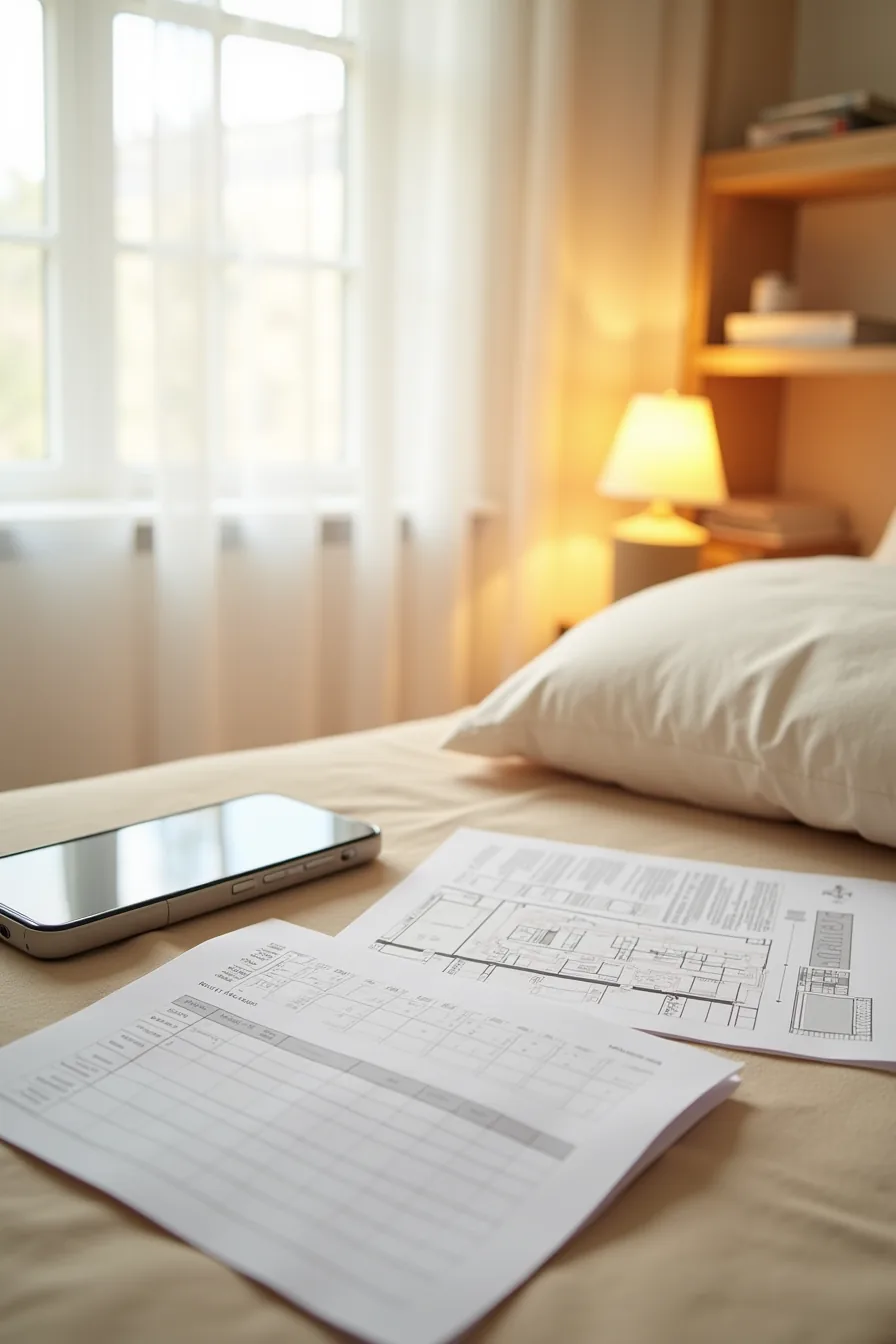
Before you curate a single piece, measure your room and read your housing contract. Typical doubles run 10–12 feet by 12–15 feet, but lofted beds, built-in desks, and radiator placement shrink usable wall space by 20–30 percent. A checklist, a policy printout, a dimensions card, and a smartphone with a dorm layout app, the exact setup in your planning spread, turn guesswork into decisions.
Your institution’s rules define what’s even possible. Most contracts ban wall anchors, adhesive hooks rated below 10 pounds, and lofting hardware you install yourself, which directly limits how you hang tapestries or mount shelving for your natural hair care line. Those restrictions matter more than any aesthetic reference.
Practical Dorm Room Ideas Black Girls College planning tips start with knowing whether your walls are cinderblock, drywall, or plaster, each demands a different mounting strategy and repair protocol come move-out.
The Minimal Maximalist Setup: Bold Color and Smart Storage
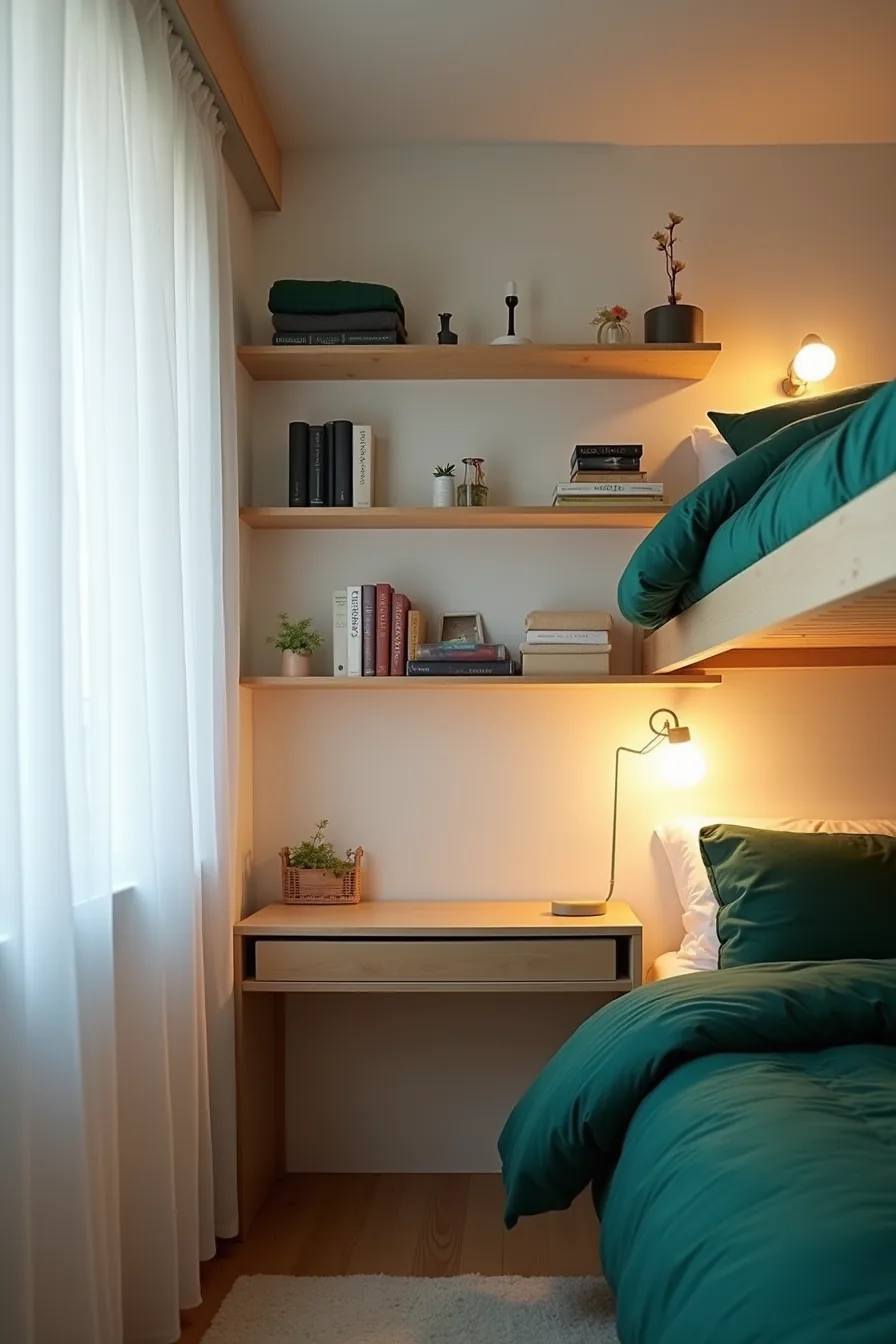
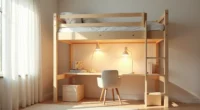
For rooms under 150 square feet, this approach layers deep emerald bedding with vertical wall shelving to pull the eye upward and reclaim floor space. A lofted bed frame is the anchor here, it frees the area below for a compact desk, which keeps your study zone separate from your sleep zone without adding a footprint.
The wall shelving units hold folded textiles and small storage boxes, which suits students who own more accessories than furniture. You need a drill or a high-rated adhesive system rated for your wall type, plus a step stool to reach the top shelf. Budget-wise, this setup costs the most upfront because the lofted frame and shelving are structural, but it saves you from buying a bulky dresser that would crowd the room.
It works best for a double with a roommate who also wants floor space, or a single where you want distinct zones.
The Renter-Friendly Layered Look: Textiles and Temporary Fixtures
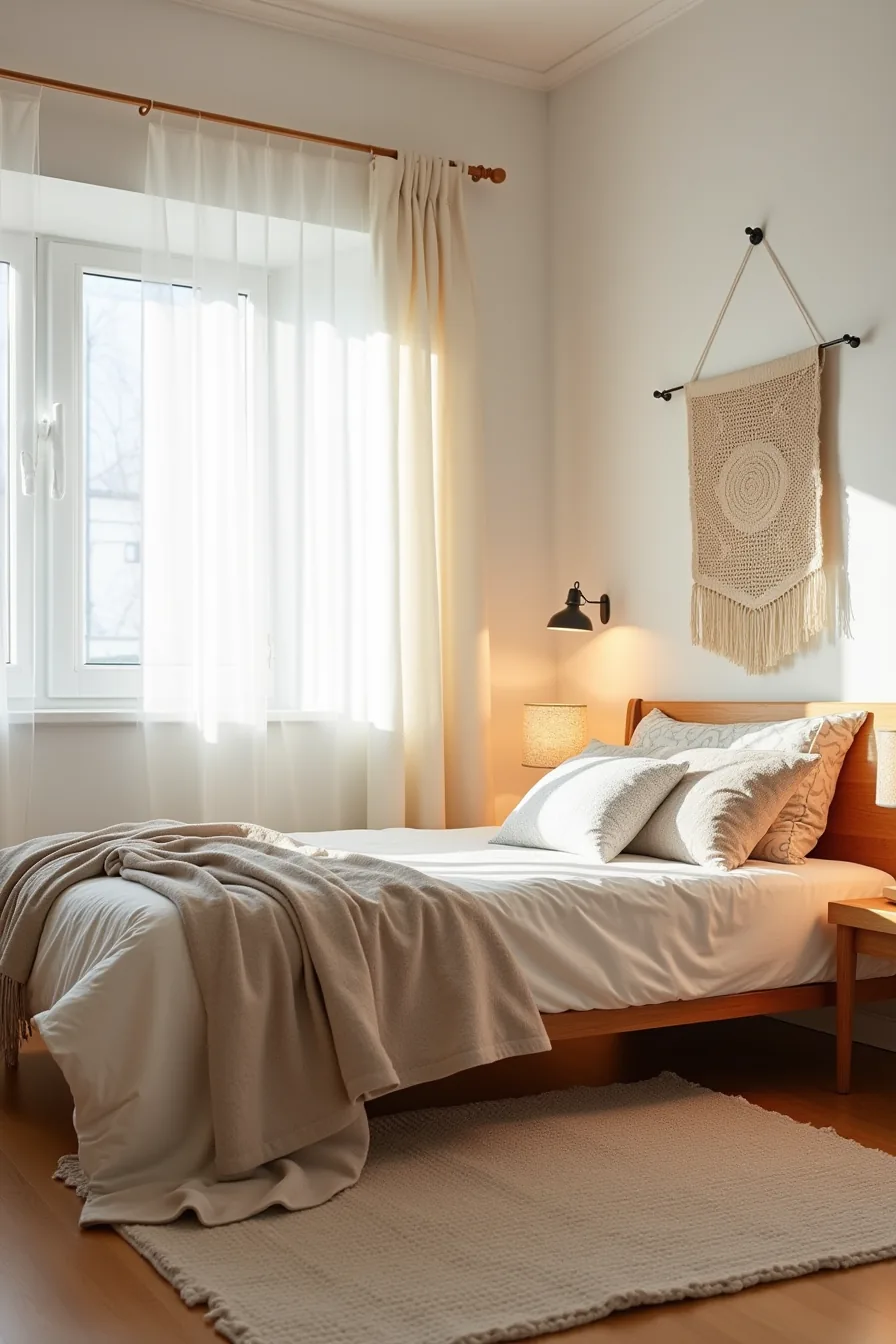
If your lease forbids paint and your deposit matters, this is the route for you. The setup relies on one large area rug (aim for 5×7 feet or wider) to anchor the bed visually, creating a defined zone that makes a standard room feel intentional. Weave in a quilted throw blanket across the foot of the bed and layer patterned throw pillows (mixing two to three sizes) to add depth without touching a wall.
The woven mix hung with removable adhesive wall hooks brings the pattern and color upward, acting as a de facto headboard. Each hook is rated for a specific weight, check it against your mix’s weight, and removal is a simple pull-tab process that leaves no residue on standard painted cinderblock or drywall. This entire look costs markedly less than structural changes, and you can swap textiles each semester to refresh the palette.
It suits any room size, though in a double, keep the rug within your half of the floor to avoid tripping hazards and roommate friction. This is the core of the Budget vs. Splurge Dorm Room Ideas Black Girls College equation: spend minimally on fixtures, freely on fabric.
The Investment-Grade Bedroom: Quality Basics and Long-Term Pieces
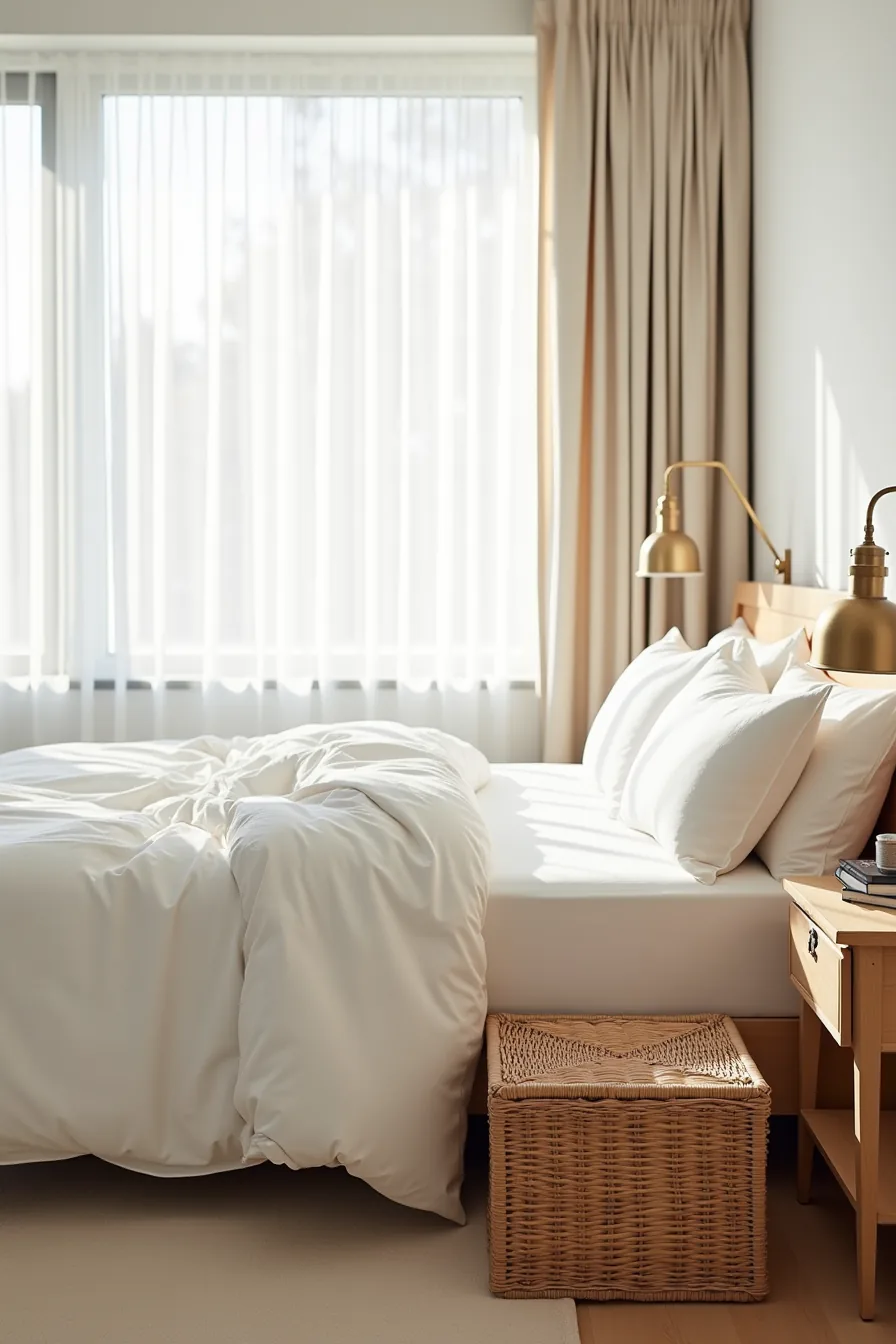
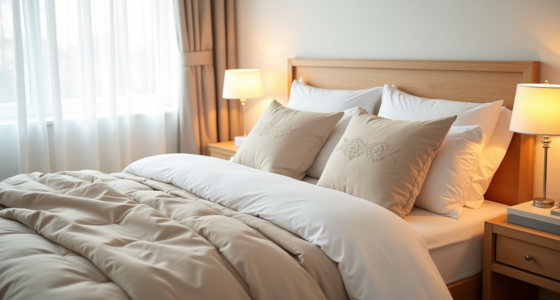
If you’re ready to buy pieces that follow you to your first apartment, prioritize the four items you’ll touch daily: bedding, a nightstand, a lamp, and a storage trunk. High-thread-count white bedding (look for 400-600 thread count) resists fading and hides nothing, so you’ll wash it weekly to keep the crisp look, a trade-off for the hotel aesthetic. A solid wood nightstand with a brass desk lamp grounds the bed’s scale; choose a nightstand 2-3 inches shorter than your mattress top so the lamp sits within easy reach from bed.
The woven natural fiber storage trunk at the foot doubles as seating and hides off-season clothes. Expect to spend 3-5 times more upfront than the renter-friendly route, but the trunk and nightstand survive multiple moves, while the bedding should last 3-5 years with cold washes and low-heat drying. This suits medium to large rooms, in a compact double, the trunk may block closet access.
The investment pays off only if you’re certain about your style for the next four years.
Adapting Dorm Room Ideas Black Girls College to Your Space Size
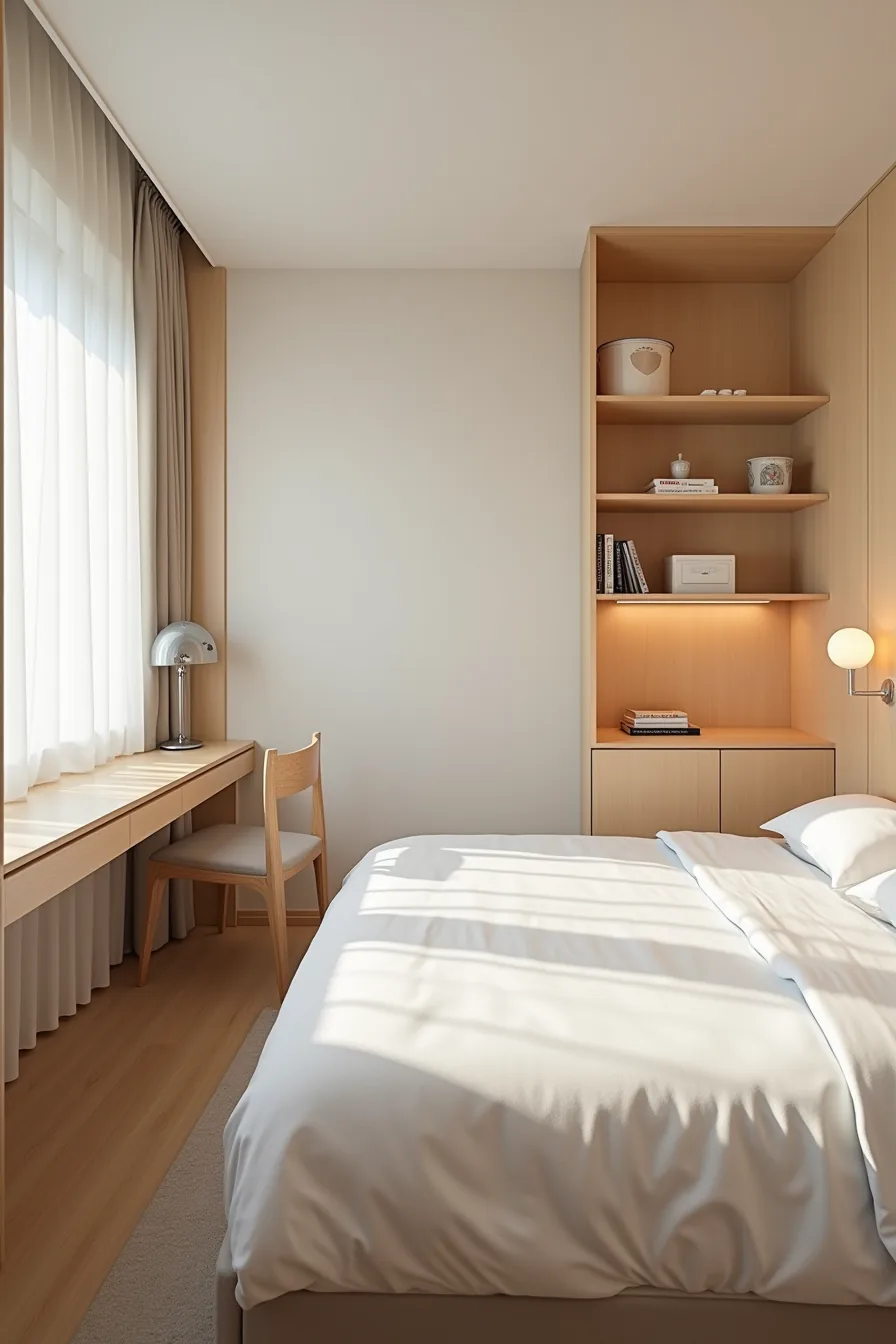
A compact single-occupancy corner works best with a narrow desk (24-30 inches wide) placed against the shortest wall, leaving the window wall free for a low-profile bed frame. Mount wall shelves 12-18 inches above the desk to hold books and decor without eating floor space; this layout suits rooms under 120 square feet where every inch counts. Keep the color palette to two tones, say, a warm terracotta and cream, so the room feels intentional rather than cluttered.
Suite-style rooms with two separate bed zones call for shared storage furniture placed centrally, like a tall bookcase or cabinet that both sides can reach. Position each bed against opposite walls and angle the shared piece to create a visual divider; this suits rooms over 200 square feet where privacy matters. In medium rooms, skip the divider entirely and use matching bed frames to unify the space.
Match furniture height to your ceiling, tall bookcases (60-72 inches) in suites, low profiles in compacts, and you’ll balance storage with breathing room.
Common Mistakes and How to Avoid Them
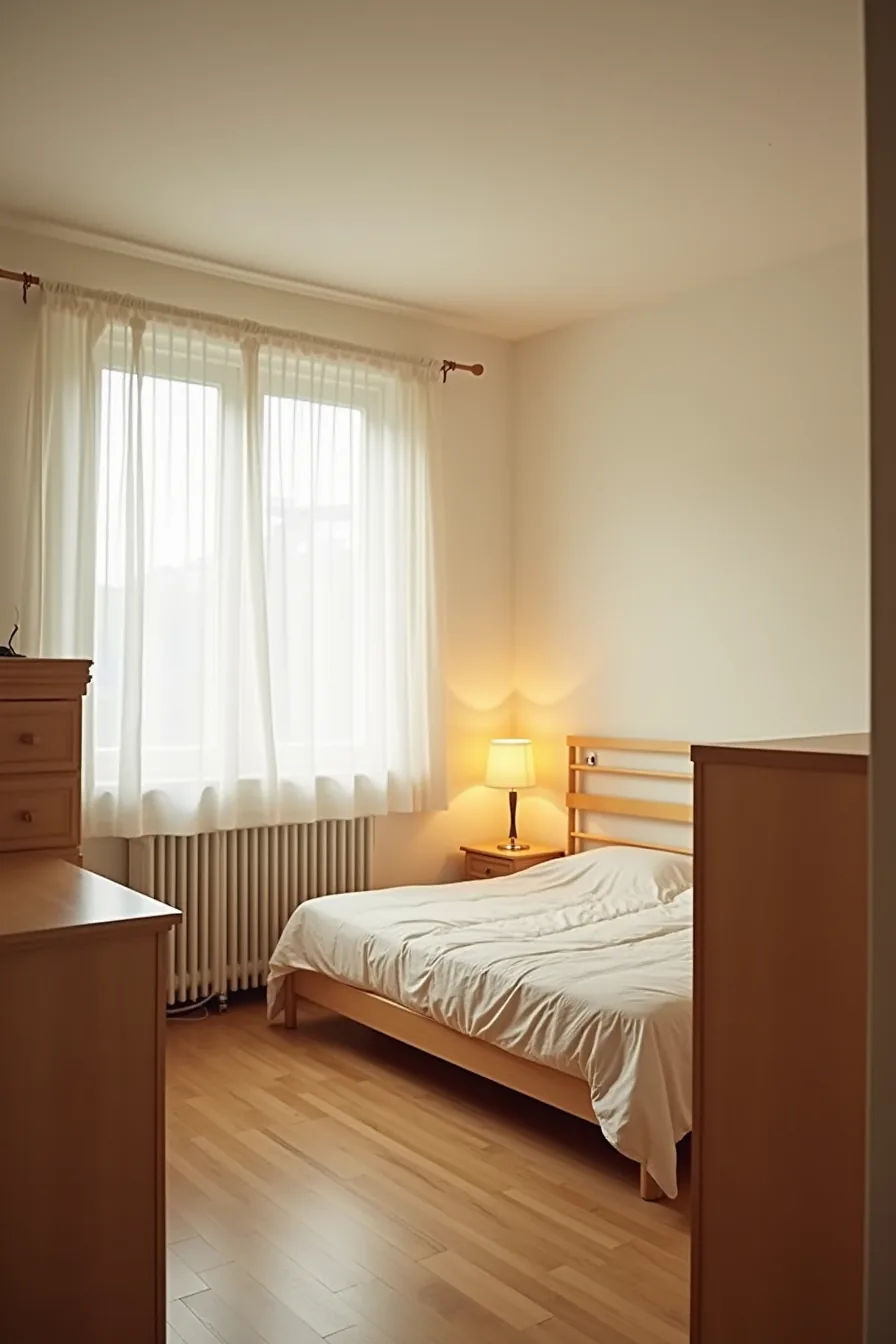
The most frequent error is oversizing furniture, a dresser wider than 36 inches in a compact room forces the door swing into the wall and makes the space feel like a storage closet. Before you buy, measure your door’s arc and keep a 24-inch clearance path; if the dresser blocks it, choose a narrower piece or a tall, shallow wardrobe instead. That overhead shot of an oversized dresser jamming the door is exactly the situation you want to prevent.
Blocking airflow is the second issue. A bed frame pushed directly against a radiator traps heat, risks damaging the headboard, and can trip the room’s thermostat. Keep at least 6 inches between the bed frame and any heat source, and never stack storage boxes under a window, it restricts ventilation and creates a fire hazard in older buildings.
Tangled cords behind furniture are the third mistake: they’re a trip risk and a pain to untangle, so use a 3M command hook to route cables along the baseboard instead of letting them pool on the floor.
Finally, don’t ignore institutional policies. Most dorms ban tapestries on ceilings and open-flame candles; a frayed fabric or wax spill can cost you your security deposit. Read your housing contract before decorating, and test any peel-and-stick adhesive on a small, hidden patch first, many leave residue that requires a professional cleaning fee.
What to do first
You now have six directions, but you only need one. Start by measuring your room’s floor space and identifying your primary need, study focus, social hub, or sleep sanctuary. That single decision filters out half the options immediately.
Match your budget next: the thrifted maximalist route costs under $150, while the custom headboard route runs $300–$600. Both work, but only one fits your timeline and renter rules.
Your next step: order a fabric swatch or paint sample in your chosen accent color today. Test it against your bedding before buying anything else, this one move prevents the most common mismatched-dorm mistake.
Frequently Asked Questions
What size furniture fits a standard dorm room double?
Standard double rooms run 12×16 to 16×20 feet. Use a twin XL bed (36×80 inches), a 42-48 inch desk, and dressers under 30 inches wide. Keep a 28-36 inch walkway.
Can I paint my dorm room walls or install shelves?
Usually not without written permission; painting typically requires restoring the wall. Instead, use renter-friendly peel-and-stick wallpaper, over-the-door racks, and tension rod shelving that you can remove without damage. Always check your housing contract first.
How do I make a small dorm room feel larger without moving walls?
Quickly: use vertical storage up to ceiling height, place furniture along two adjacent walls, and hang mirrors. Lower stark contrast by matching bed linens to walls. Keep pathways bare to that 28-36 inch minimum.
What’s the best way to organize a dorm room with limited closet space?
Use a hanging organizer for shoes and accessories, and store off-season clothes in under-bed vacuum bags. Add a slim rolling rack for daily outfits. Keep drawers divided with small bins to maximize every inch.