

A retro sofa isn’t a single look, it’s a family of designs spanning the 1940s through the 1970s, and choosing the right one comes down to matching its frame, scale, and upkeep to your actual room. Some silhouettes demand deep cushions and low seat heights, while others rely on tight upholstery and exposed wood. The cheap route, the renter-friendly fix, and the heirloom purchase each demand different trade-offs in comfort, durability, and floor space.
Before you commit, weigh the frame material, the depth of the seat, and how often you actually eat on the couch.
Key takeaways
Define your era first, decide between 1950s atomic, 1960s mod, or 1970s bohemian, as each dictates a different leg shape, arm profile, and fabric weight. Measure your room’s traffic lanes before buying, since a curved retro sofa needs 18–24 inches of clearance from coffee tables and wall edges to avoid blocking circulation. Prioritize foam density over vintage authenticity, most original retro sofas have sagging cushions, so look for 1.8–2.5 lb density foam or plan a reupholstery budget of $800–$1,500. Match the frame to your rental terms, a slipcovered mid-century piece works for renters, while a solid teak-framed investment sofa suits homeowners who can bolt it to the floor for stability.
Mid-Century Modern: Clean Lines and Tapered Legs
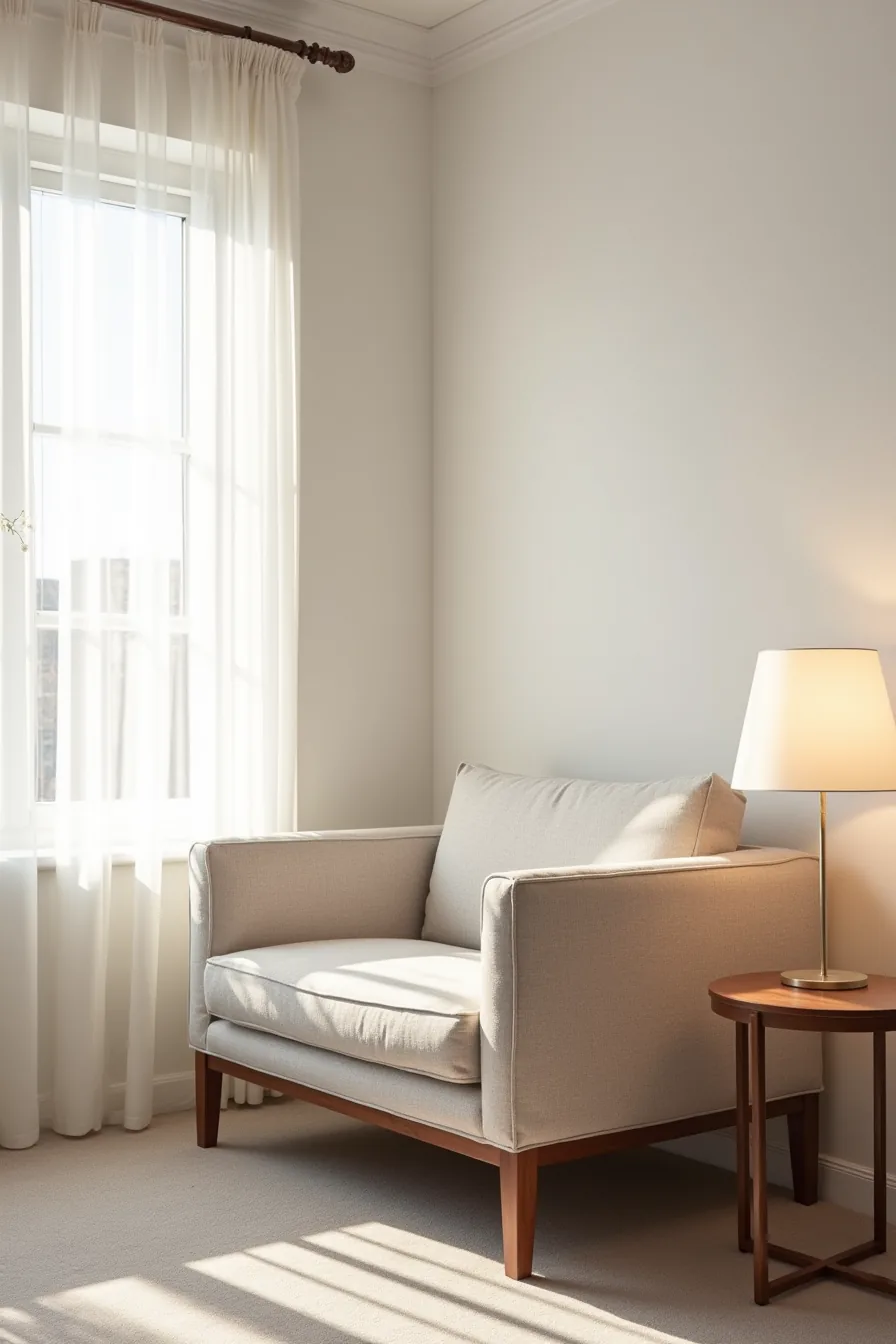
The most recognizable expression of a retro sofa is the mid-century modern silhouette: a low profile, straight arms, and exposed tapered legs in walnut or teak. This style works best in compact spaces because the raised legs and uncluttered frame keep sightlines open, making a small room feel larger than it’s. You should look for a frame with minimal ornamentation and a depth of 32–36 inches so it doesn’t dominate a 10 x 12-foot sitting area.
To reproduce this look, place the sofa against the longest wall and pair it with a single side table and table lamp on one end only. This asymmetry preserves the clean-lined geometry without adding visual noise. A neutral wool or flat-weave carpet underneath anchors the piece while allowing the wood finish to carry the warmth.
Choose a fabric with a tight weave, like bouclé or a linen blend, since it resists pilling and keeps the sharp arm structure looking crisp for years.
Curved Vintage Forms: Rounded Backs and Sculptural Silhouettes

A curved vintage form trades linear restraint for a sculptural presence. The rounded back and rolled arms of this sofa require breathing room, plan for 36–48 inches of clearance on all sides so the silhouette reads as a deliberate focal point rather than a space-filler. In a living room measuring 16 x 20 feet or larger, you can position it perpendicular to the wall, allowing the curve to define a conversational zone without blocking the path to a doorway or window.
Flanking the sofa with two accent chairs creates a balanced, U-shaped seating arrangement that invites conversation. Match the chair scale to the sofa’s visual weight: if the sofa’s seat height is 18–20 inches, choose chairs within two inches of that figure to avoid a jarring transition. This placement works best in open-plan layouts where the sofa’s back faces the dining area or entryway, acting as a subtle room divider.
You’ll need a low-pile rug at least 8 x 10 feet to anchor the cluster and keep the curved edges from visually floating.
Period Color Palette: Choosing Fabrics That Anchor the Era
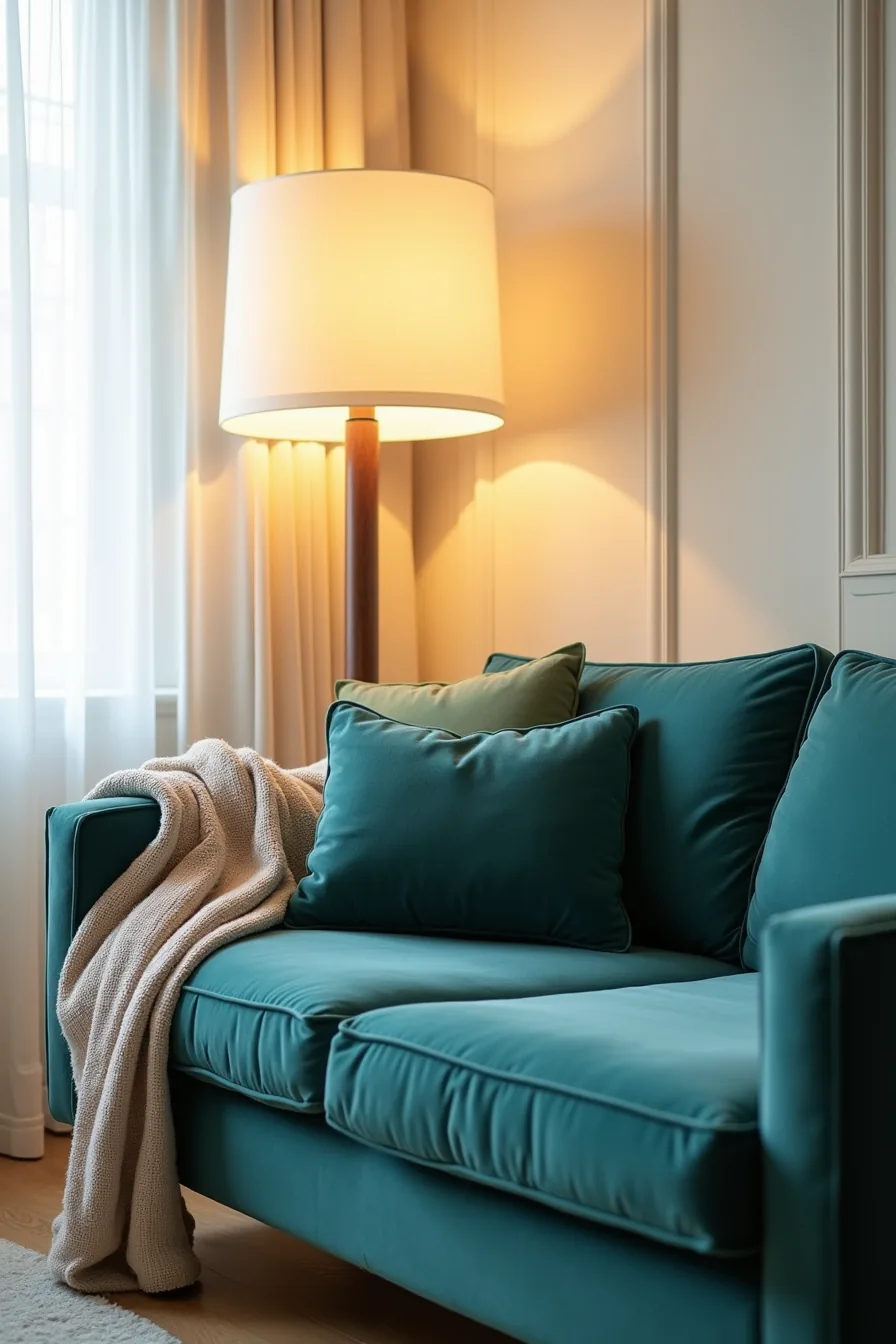
A deep teal velvet sofa against a warm beige wall delivers the period color palette with minimal effort. That combination reads as authentically mid-century because teal was a staple of 1950s and 1960s interiors, yet it pairs cleanly with contemporary neutrals. To replicate this look, choose a velvet with a tight, short pile, it wears better on daily-use seats and resists crushing in the corners where you sit most often.
Expect to pay 30–50 percent more for performance velvet with a stain-resistant finish, and budget for professional cleaning every 12–18 months, as velvet traps dust and oils along the nap.
Linen offers a lighter, more casual interpretation of the same palette. Opt for a mid-tone olive or mustard rather than pale shades, which show wear quickly on armrests. If you prefer tweed, its coarse weave hides pet hair and everyday abrasion far better than either velvet or linen, making it the low-maintenance choice for busy households, just verify the fiber content includes at least 10–15 percent synthetic material to prevent sagging over a five-year span.
Draping a textured throw blanket over one arm not only adds visual contrast, but also protects the high-wear area where forearms rest, extending the fabric’s lifespan.
Retro Plus Modern: Blending Vintage Forms with Contemporary Comfort
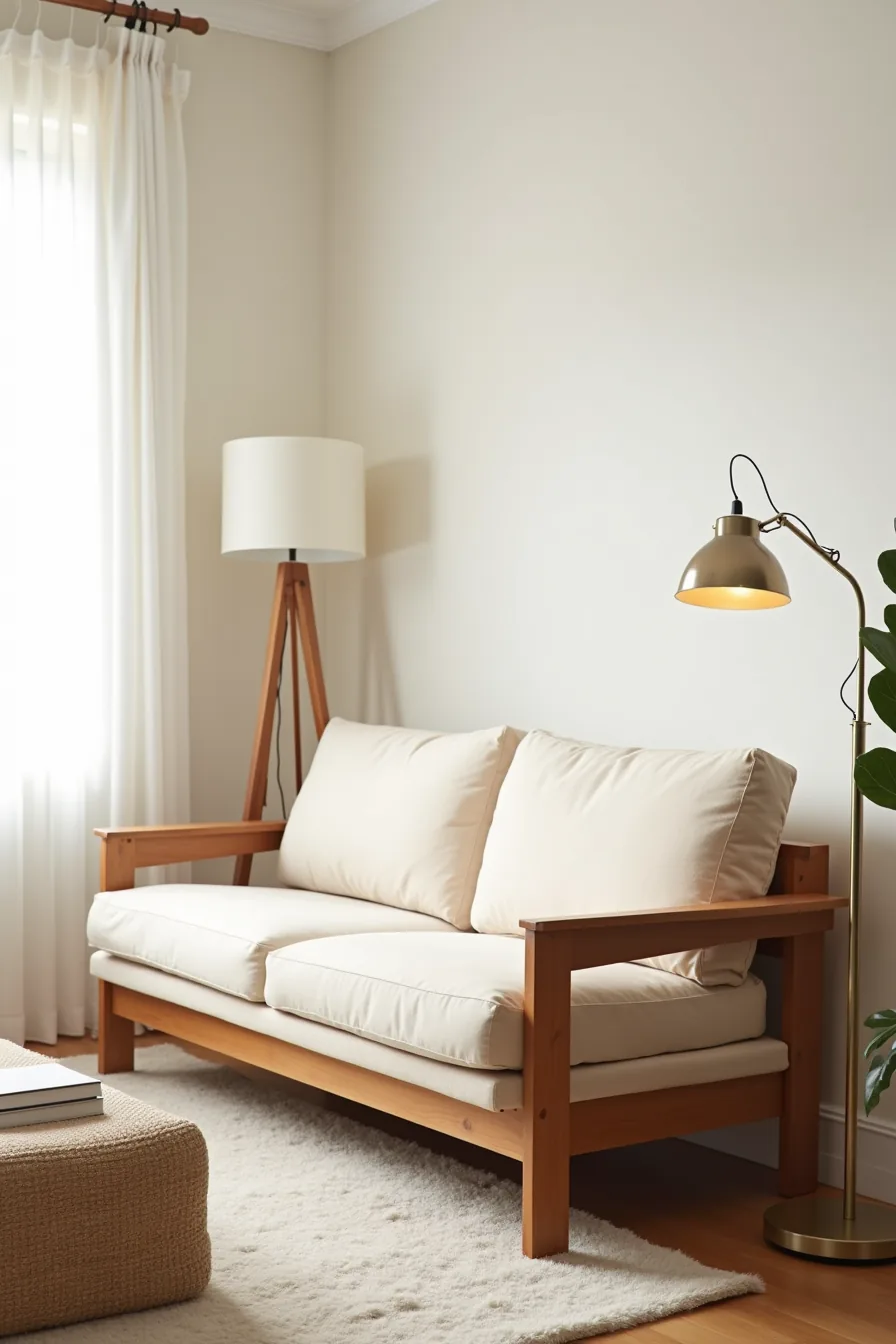
The retro plus modern approach hinges on one trade-off: keeping the iconic silhouette while replacing everything you can’t feel good about sitting on for hours. A sofa with a vintage wooden frame looks period-correct from across the room, but the deep cushioning and high-density foam underneath you deliver the lumbar support and firmness of a contemporary piece. That contrast, slim, angular arms against plush seat depth, is what makes the hybrid style work rather than feel like a costume.
You’ll typically sacrifice 2–4 inches of seat height compared to a true vintage piece, but you gain a cushion core that won’t flatten within two years. Expect mid-range hybrids to run 20–40 percent above a standard new sofa because the frame requires skilled joinery while the cushioning uses modern materials. A contemporary metal floor lamp beside the frame reinforces the transitional setting without competing for attention, choose one with a matte black or brushed brass finish to echo the wood tones rather than fight them.
This route suits anyone who loves the look but needs a sofa that functions as primary seating, not a display piece.
Retro Sofa Ideas for a Playful Living Room
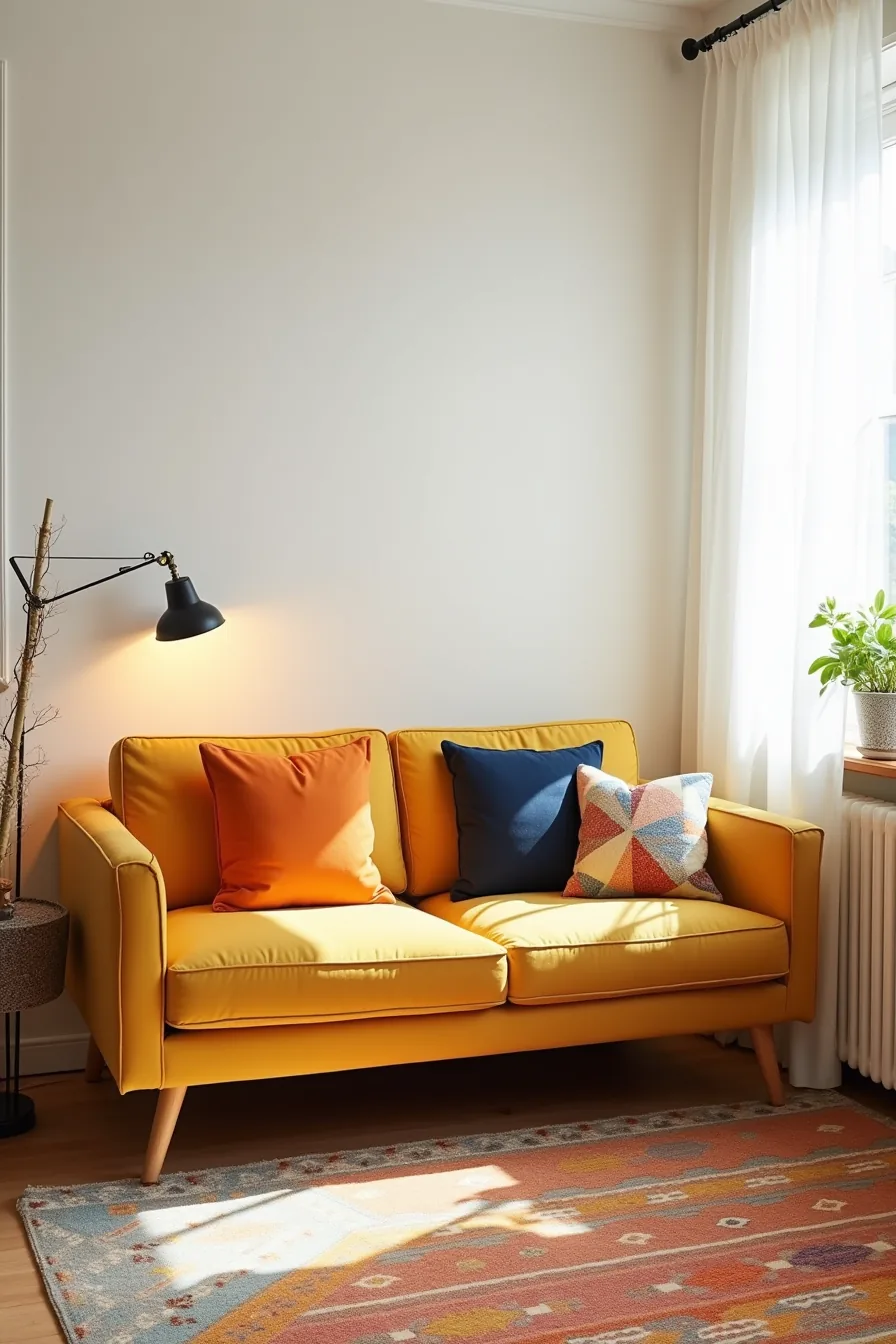
A mustard-yellow retro sofa anchors a playful scheme when you let color do the heavy lifting instead of pattern-on-pattern clutter. The key is pairing that saturated primary with geometric throw pillows in orange and navy, the contrast creates visual tension that reads as intentional, not chaotic. Limit yourself to three accent colors maximum, and let the sofa remain the loudest element in the room.
Anchor the seating zone with a colorful area rug that extends at least 12–18 inches beyond the sofa’s front feet, which visually enlarges the space and gives the eye a defined boundary. A pendant light fixture hung 28–32 inches above the seat height draws attention upward and balances the bold lower half of the room. Finish with a styled side table featuring a potted plant, the organic texture breaks up the hard geometry without introducing a competing color story.
This approach suits small to medium living rooms where a single hero piece carries the design. Keep the remaining furniture neutral (white, oak, or black) so the retro sofa remains the focal point rather than competing with surrounding pieces. Swap pillow covers seasonally to refresh the palette without replacing the sofa.
Budget, Rental, and Investment Routes
A thrifted sofa with worn fabric is your fastest entry point, expect to spend 2–4 weekends hunting local listings and moving it home for under $300. The trade-off is immediate: you accept imperfect seams or visible wear, then budget $600–$1,200 for professional reupholstery later if the frame proves solid. Check the base first; eight-legged hardwood frames with coil springs justify the investment, while particleboard or sagging plywood doesn’t.
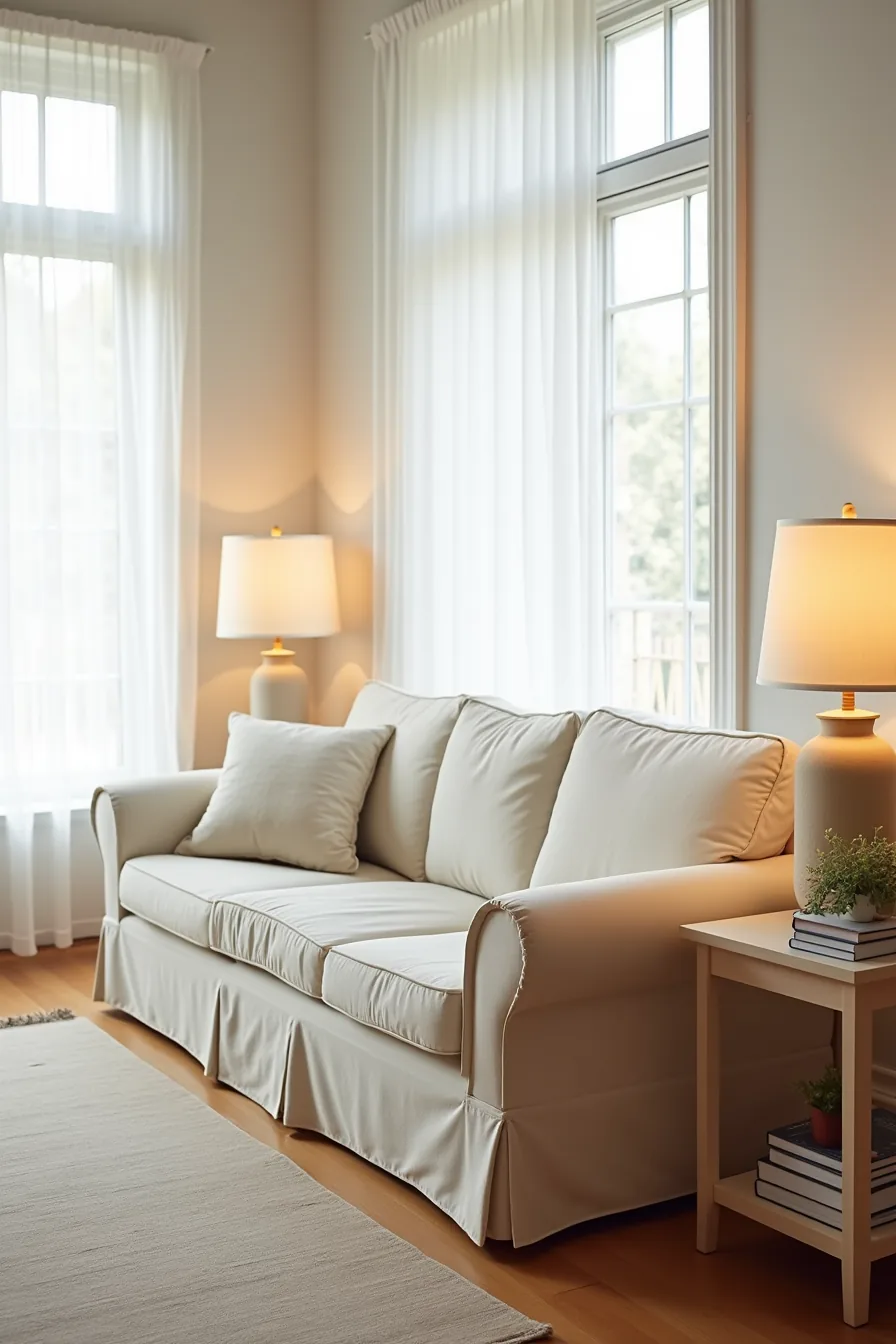
For renters, a neutral cotton slipcover transforms that same thrifted piece into something landlord-approved without permanent alteration. Machine-washable covers run $150–$400 depending on fabric weight, and they protect the original upholstery from pet damage and daily spills. The slipcover route also suits anyone who wants to test the retro silhouette before committing to a custom rebuild.
A high-end reupholstered sofa in quality wool represents the long-term play, expect $2,500–$5,000 for a professional rebuild with new foam, webbing, and tailored covers that will outlast two decades of use. This path works best when you’ve a clear vision for the next ten years and want a piece that appreciates in daily value rather than depreciating at the curb.
Your First Move
Walk through your living room with a tape measure and mark the exact wall length where the sofa will sit. That single number eliminates half your options before you browse a single store.
Match your top three sofa candidates against the decision checklist above. The right retro sofa balances your space constraints, lifestyle demands, and budget ceiling, not just your nostalgia for a decade you never lived in.
Bookmark three sofas that pass your criteria, then sleep on it for 48 hours. If one still feels right after that pause, that’s your sofa.
Frequently Asked Questions
What is the difference between a retro sofa and a vintage sofa?
Retro refers to a modern reproduction or style inspired by past decades, typically the 1950s–1970s. Vintage is an original piece from that era. Retro offers contemporary comfort and durability; vintage carries authentic patina and potential restoration needs.
How do I know if a retro sofa will fit through my doorway?
Measure your doorway’s width and height, then subtract 2–3 inches for clearance. Compare those figures to the sofa’s dimensions, including any removable legs or back. If tight, check if the sofa has a knock-down frame or detachable arms for easier entry.
Can I reupholster a retro sofa myself, or do I need a professional?
Most retro sofas have complex curves and tight corners, making DIY reupholstery risky for beginners. Expect 20–40 hours of work and specialized tools. Professionals charge $800–$2,500, but for a simple mid-century frame, you might manage with online tutorials and patience.
What’s the typical lifespan of a retro sofa if I use it daily?
A solid-wood-framed retro sofa with high-density foam cushions lasts 10–15 years under daily use. Cheaper particleboard frames may sag within 3–5 years. Replacing foam every 5–7 years and rotating cushions extends its life significantly.