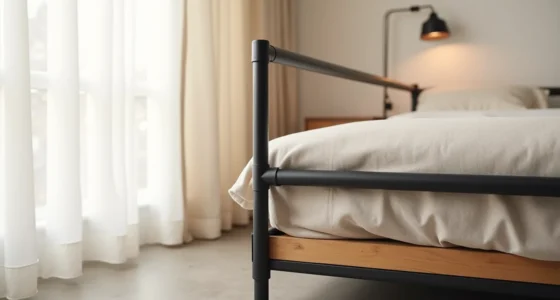

A Japanese sofa isn’t a single piece of furniture but a design philosophy built on low profiles, natural materials, and a deliberate relationship with the floor, and the six interpretations below show you exactly how to pick the one that fits your room, your budget, and your sitting habits. You’ll move from a floor-hugging tatami bench to a sleek, elevated lounger, each with specific dimensions, maintenance demands, and ideal room sizes. Before you commit to a purchase, you need to know which style supports your posture, which fabrics survive pets, and why a 40-inch seat height changes your entire living room flow.
The wrong choice blocks circulation; the right one anchors your space, here’s how to tell them apart.
Key takeaways
- Low-profile floor sofas typically sit 12–18 inches off the ground, making them ideal for rooms with low ceilings or where you want to free up vertical wall space.
- Raised platform designs with 4–6 inch legs offer easier sit-to-stand transitions for older users or those with knee issues, while still preserving the minimalist Japanese aesthetic.
- Modular floor cushions (like zaisu or zabuton sets) cost $150–$400 and can be rearranged in minutes, making them the best budget and renter-friendly option since they require zero wall mounting.
- For long-term investment, pair a solid oak or walnut platform frame ($800–$2,000) with removable linen covers, which you can wash every 3–6 months to prevent dust mites in low-lying seating.
Low-Profile Floor Seating: The Foundation of Japanese Sofa Living
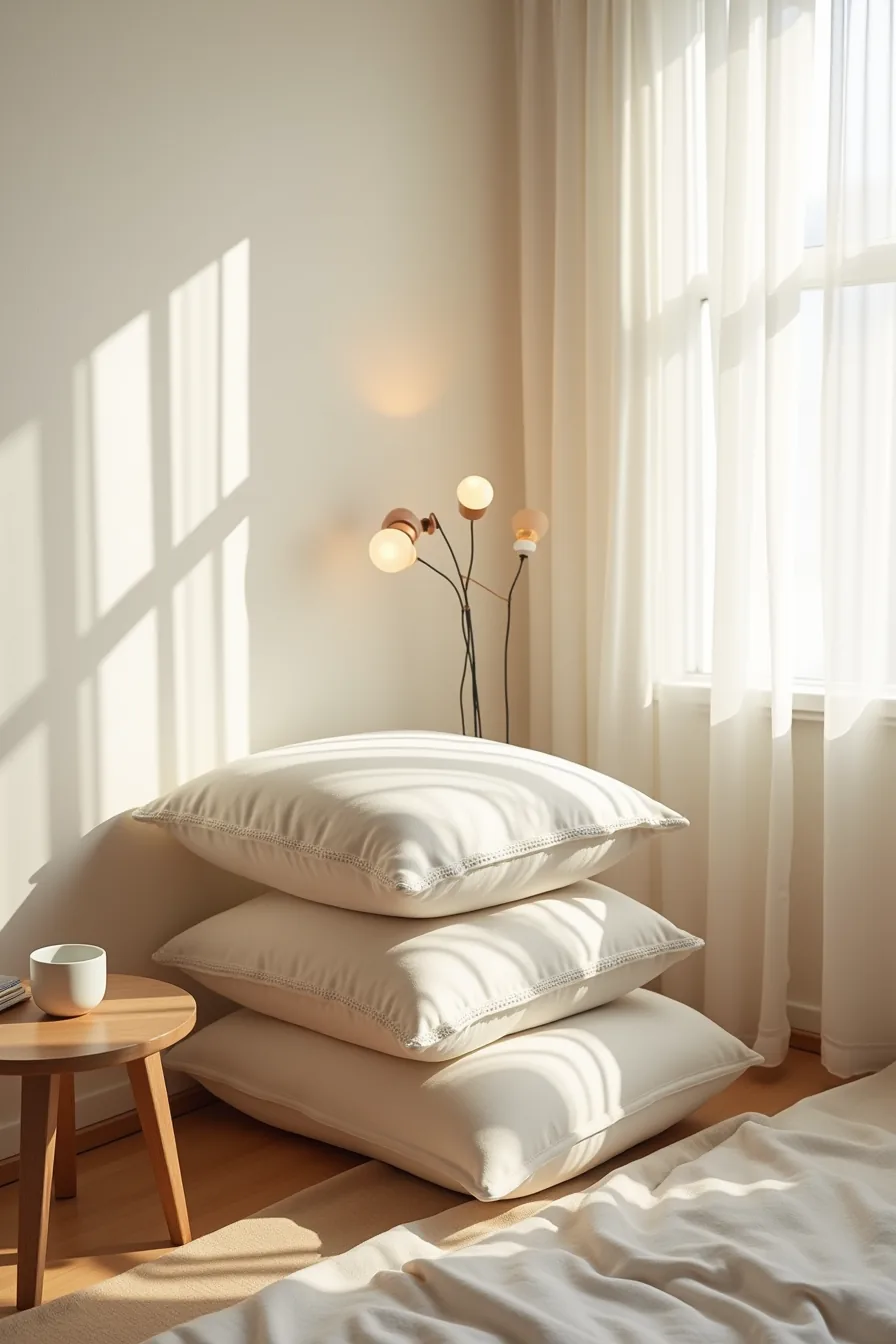
A Japanese sofa doesn’t always have legs. The low-seating lifestyle starts at ground level, where three stacked rectangular zabuton cushions in natural linen rest against a plaster wall. This setup works because the firm, dense fill of each zabuton, typically 4 to 6 inches thick, provides support without the sink of a Western couch, while the rolled bolster pillow at the base cradles your lower back during long reading sessions.
This approach suits smaller rooms, where a floor-level profile keeps visual weight low and makes ceilings feel higher. You’ll need roughly 24 to 30 inches of depth per seated person, so a 6-foot wall accommodates two comfortably. The small wooden side table holding a ceramic cup keeps tea within reach, but expect to sit cross-legged or with knees bent, anyone with limited hip mobility may find standard chairs more practical.
The plaster wall behind you isn’t just aesthetic; it requires no maintenance and won’t scuff from occasional contact.
To reproduce this, invest in zabuton cushions with removable, washable covers, since floor seating collects dust and pet hair faster than raised furniture. The Japanese-inspired calm comes from the low sightline and unbroken horizontal lines, not from ornamentation, keep the floor clear and the palette muted.
Raised Platform Sofas with Minimal Legs
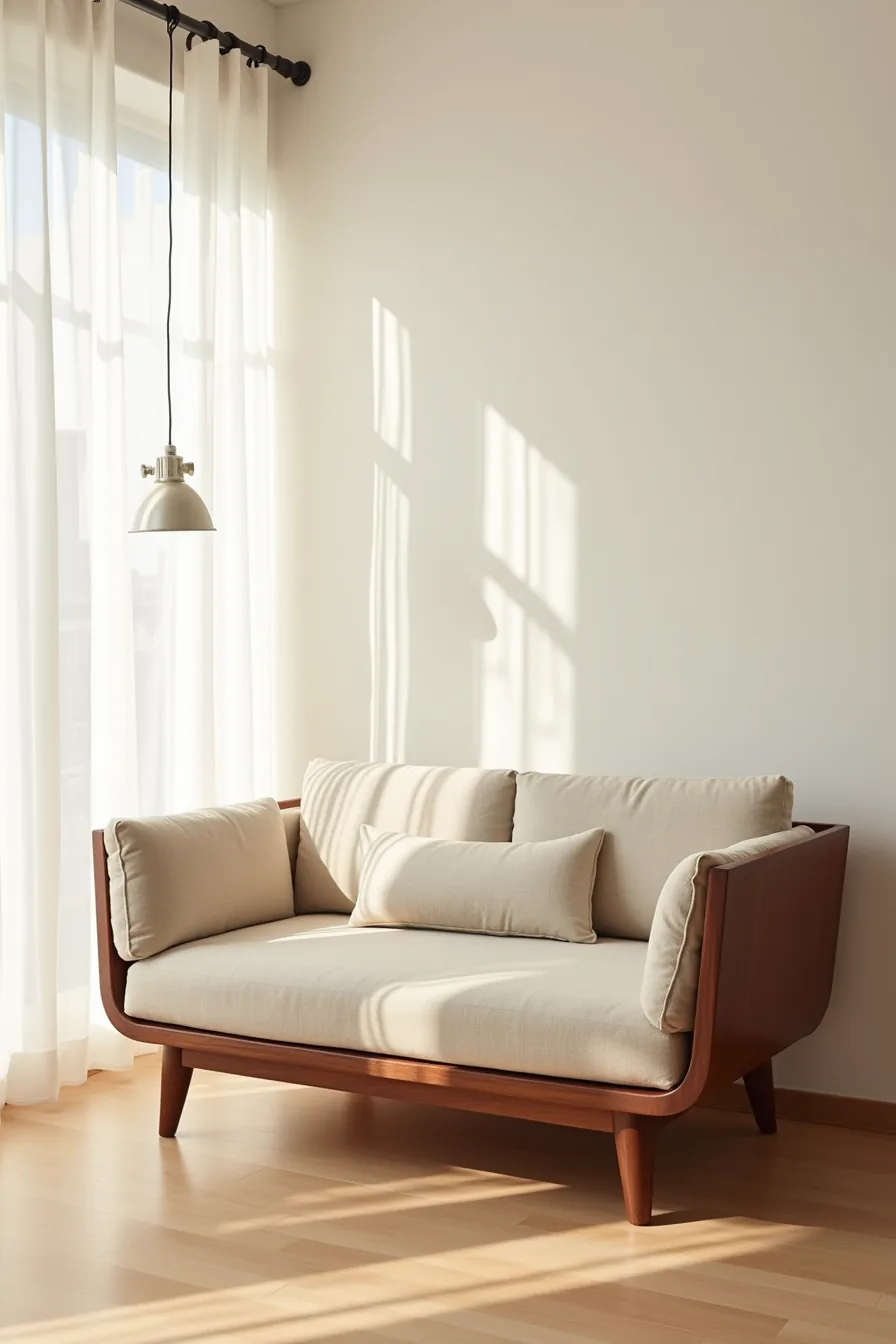
Raising the frame just 6 to 12 inches on slim legs preserves the grounded Japanese aesthetic while solving the two practical problems floor seating creates: airflow and cleaning. A dark walnut frame with four tapered legs at 8 inches high leaves enough clearance for a robot vacuum to pass underneath, and the visible light wood floor extends the room visually rather than cutting it off at cushion height.
The oatmeal linen upholstery on a single rectangular cushion keeps the silhouette clean, but this configuration demands a trade-off. With only one cushion on a solid platform, you get a firmer, more structured seat than a Western sofa, ideal for upright lounging, less ideal for sprawling naps. The tapered legs need occasional tightening; check the joints every six months, as walnut moves with humidity changes.
This option suits medium-sized rooms where you want the low profile without committing to floor-level maintenance. You’ll need about 36 inches of depth for the frame plus 18 inches of clearance in front for comfortable sitting and standing. Choose darker wood tones if your floors are light, or match the wood to your existing trim for a built-in look.
Natural Material Pairing: Wood, Linen, and Tatami-Inspired Fabrics

Pair unfinished ash wood with raw linen upholstery to anchor the Japanese Sofa in texture rather than color. The ash frame keeps its pale, open grain visible, while the linen’s slubby surface catches light differently throughout the day. Jute webbing beneath the seat cushions adds subtle bounce and a faint earthy scent that fades within the first month.
This material combination requires a maintenance shift from typical sofas. Raw linen stains easily, treat it with a fabric protector annually, and expect natural fading in direct sunlight within two years. Unfinished ash needs monthly oiling with a food-safe mineral oil to prevent drying and cracking, especially in heated rooms where humidity drops below 40 percent.
The bundled dried straw tied with natural twine placed beside the sofa echoes tatami’s visual weight without the upkeep cost of actual tatami mats. This setup suits a room with warm neutral walls, but skip it if you’ve pets with sharp claws, jute webbing and raw linen both snag irreversibly. Budget for re-covering cushions every five to seven years, as natural fibers compress faster than synthetic blends.
Modular and Space-Saving Configurations
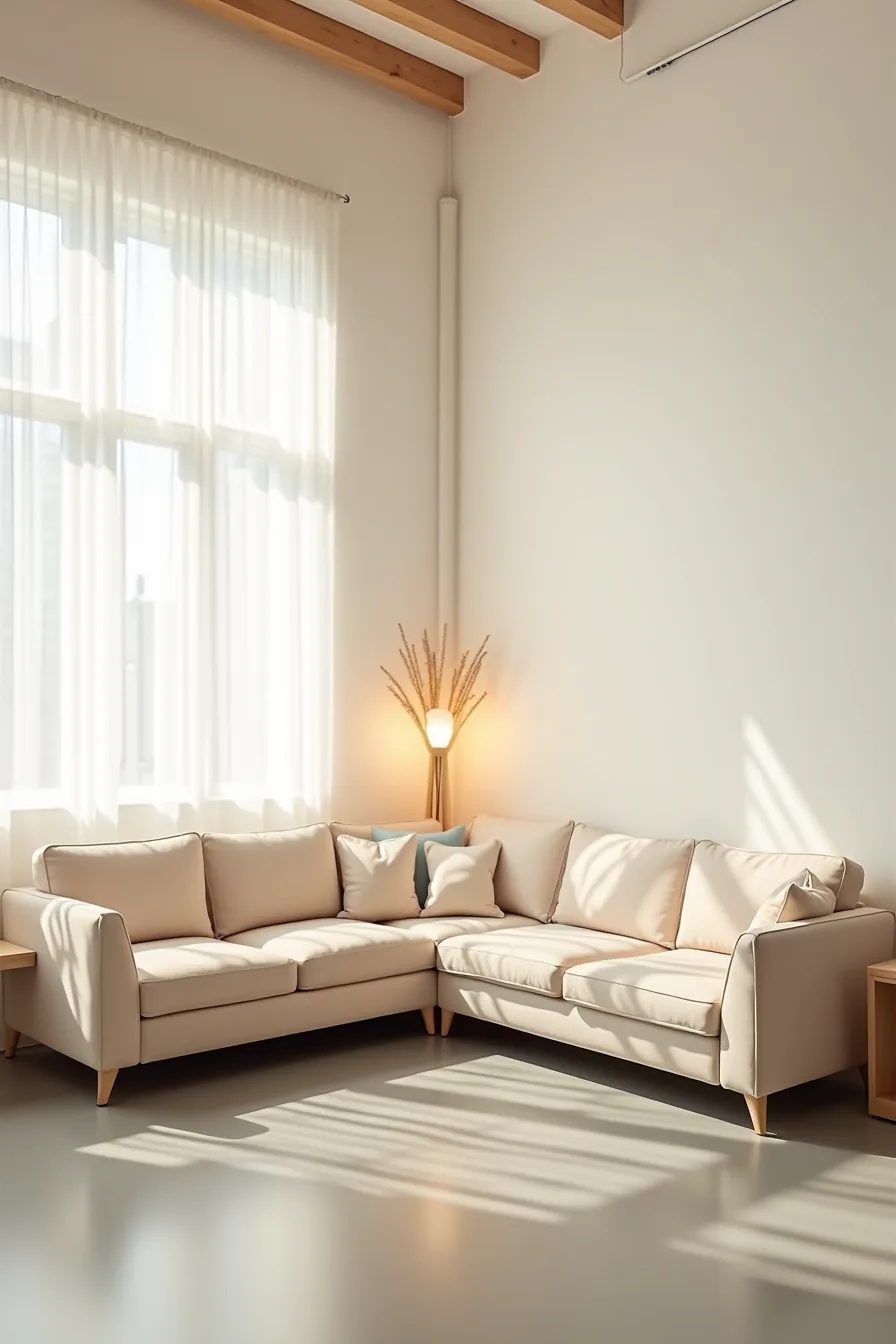
A modular Japanese Sofa breaks the traditional single-frame silhouette into independent cushioned units that you reconfigure as your needs shift. In a small studio corner, place two low units at a 90-degree angle to form an L-shaped arrangement that defines a seating zone without blocking the path to a window or door. The narrow wooden divider between the units acts as a subtle armrest and tray surface, keeping the visual line clean while preventing the cushions from sliding apart on a polished concrete floor.
This configuration suits apartments where a fixed sectional would dominate the square footage. Each unit typically measures 35 to 40 inches wide and 16 to 20 inches off the ground, letting you add or remove segments as your guest count changes. For medium living rooms, extend the L into a U-shape with a third unit; in open-plan spaces, separate the units into two facing loveseats with a low table between them.
The trade-off is assembly, modular frames rely on metal brackets or interlocking wooden pegs, so check the connection mechanism before buying. Budget models use plastic clips that loosen within two years; solid hardwood connectors cost more but hold firm for a decade.
Budget, Rental, and Investment Routes to Japanese Sofa Ownership
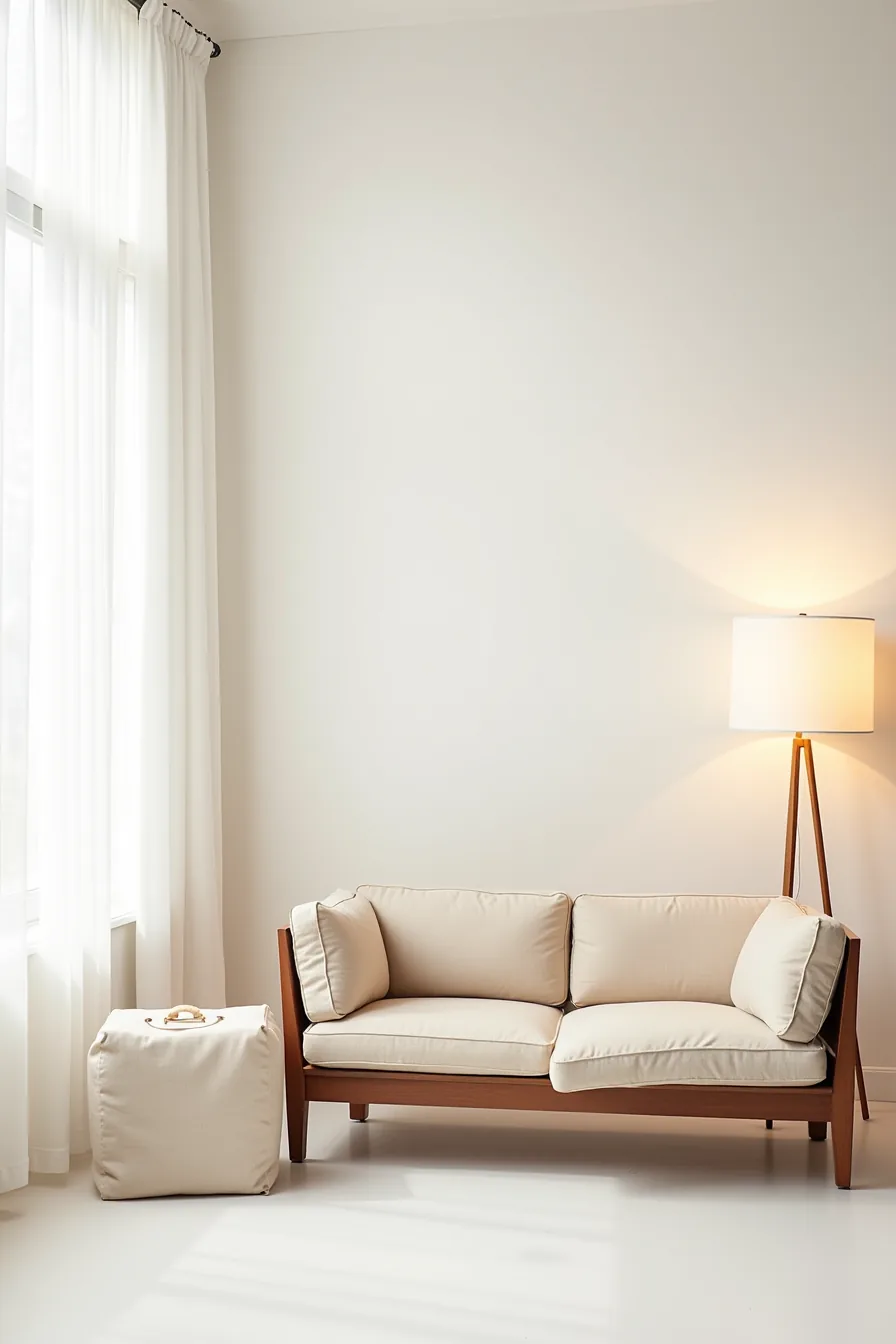
A rolled cotton floor cushion set with carrying bag is your most affordable entry point, typically landing under $300. This route suits anyone who wants the authentic tatami-level experience without committing to permanent furniture, and the bag makes it genuinely portable for picnics or guest overflow.
Renters should prioritize a modular foam unit with removable cover. Because it breaks into pieces you can carry through narrow stairwells, you avoid the moving-day dilemma of abandoning a bulky sofa, and the washable cover protects your security deposit when spills happen.
For a permanent home, a finished solid walnut low-frame sofa with joinery details costs $1,500–$3,500 and functions as an heirloom piece. The exposed joinery means fewer metal connectors to loosen over decades, but expect to re-oil the wood annually to maintain its color. Choose this route only if you’re certain about your layout for the next ten years, since the low profile makes retrofitting standard-height chair legs difficult later.
Your Next Step
You now have six distinct paths, each with a clear trade-off. The key is matching the sofa to your floor plan, not the trend.
Start by measuring your space: length, depth, and clearance for walking paths. Then, pick one priority, budget, rental flexibility, or long-term quality, and commit to that route.
Your concrete next step: measure your room today, then compare that footprint against the low-back and floor-seating options above. The right fit becomes obvious when the numbers are on paper.
Frequently Asked Questions
What is the difference between a Japanese sofa and a regular low sofa?
A Japanese sofa typically sits 12–16 inches from the floor, versus 18–20 inches for standard seating. It uses a firmer, shallower cushion and a low backrest, prioritizing posture and floor integration over lounging depth.
Can I use a Japanese sofa in a small apartment, and how much floor space do I need?
Yes, a two-seater Japanese sofa fits in a 6-by-6-foot corner. Allow 24–30 inches of clearance in front for leg extension and easy standing. Skip armrests to save 6–8 inches per side.
How do I maintain natural linen and wood on a Japanese sofa?
Vacuum linen cushions weekly and spot-clean with mild soap, never machine-wash. Wipe wood frames with a dry microfiber cloth monthly; apply furniture oil twice yearly to prevent cracking in dry climates.
Is a Japanese sofa suitable for people with mobility issues or back pain?
It depends. The low height strains knees and hips for those with limited mobility; choose a 16-inch seat height with armrests for use. For back pain, the firm support helps, but add a lumbar cushion and test sitting for 10 minutes first.