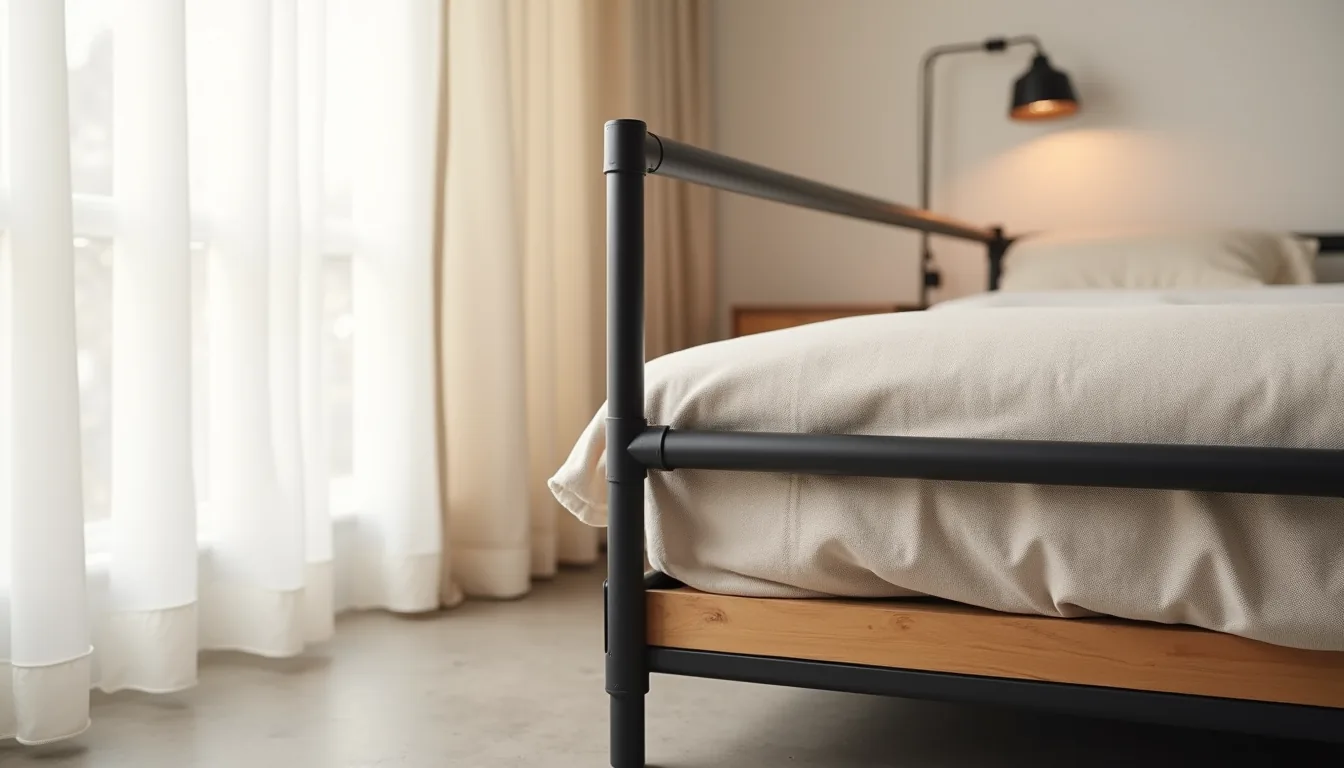

A metal sofa isn’t a single look but a structural category, exposed steel, aluminum, or iron framing combined with upholstered seating, that spans industrial loft, mid-century modern, and even polished transitional styles, and choosing the right one comes down to how the frame’s finish, gauge, and silhouette interact with your room’s traffic flow and seating depth. The decisions that matter are practical: whether you need a 60-inch loveseat for a narrow living room or an 84-inch three-seater for a family zone, and whether a powder-coated matte frame suits your lifestyle better than polished chrome. Below, six distinct interpretations show you how to match the structure to your space, budget, and maintenance tolerance, without sacrificing comfort or circulation.
Key takeaways
- Metal sofas span three structural archetypes, full metal frames, metal legs with upholstered bodies, and modular metal systems, so match the frame type to your room’s traffic and your tolerance for upkeep.
- For renters, choose modular or bolt-together metal frames with removable covers; they disassemble for moves and let you swap upholstery without replacing the entire piece.
- Scale dictates placement: in small rooms, keep sofa depth under 36 inches and leave 18 inches of walkway; large rooms can handle a 90–110 inch piece centered with 24 inches of clearance on all sides.
- Prevent rust proactively: wipe frames monthly with a dry microfiber cloth, apply a clear automotive wax twice a year, and touch up scratches within 48 hours to stop moisture from breaching the coating.
Industrial Metal Frame with Fabric Upholstery
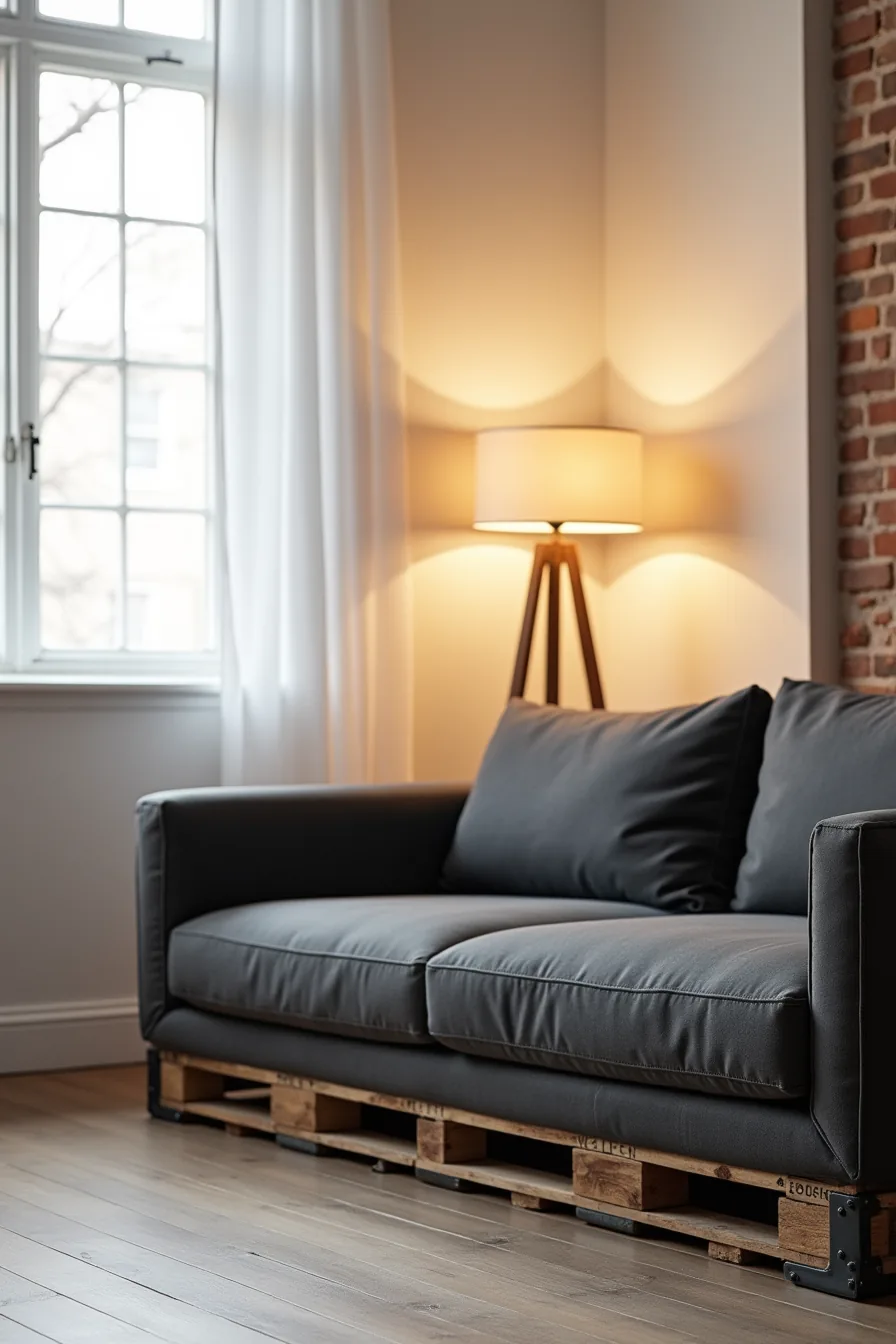
An exposed steel I-beam frame with bolted connections and factory-style rivets delivers the purest industrial Metal Sofa interpretation. The raw metal structure carries the entire visual weight, so the charcoal upholstery on seat and back should stay matte and slightly textured, think heavy canvas or wool blend, not sleek leather. This pairing works because the soft fabric softens the hard lines without competing with the frame’s brutalist honesty.
You’ll want this look if your room already has brick, concrete, or dark wood elements. The frame’s raw steel will develop a natural patina over time, which adds character but means you should avoid placing it in humid basements or unventilated sunrooms where rust accelerates. A wooden pallet base beneath the frame raises the silhouette and prevents metal-on-floor scratching, but you’ll need to check the pallet’s finish annually for splinters.
Budget for occasional touch-up paint on the frame’s corners, chips happen within the first year of regular use.
Mid-Century Metal Legs and Cushioned Seating
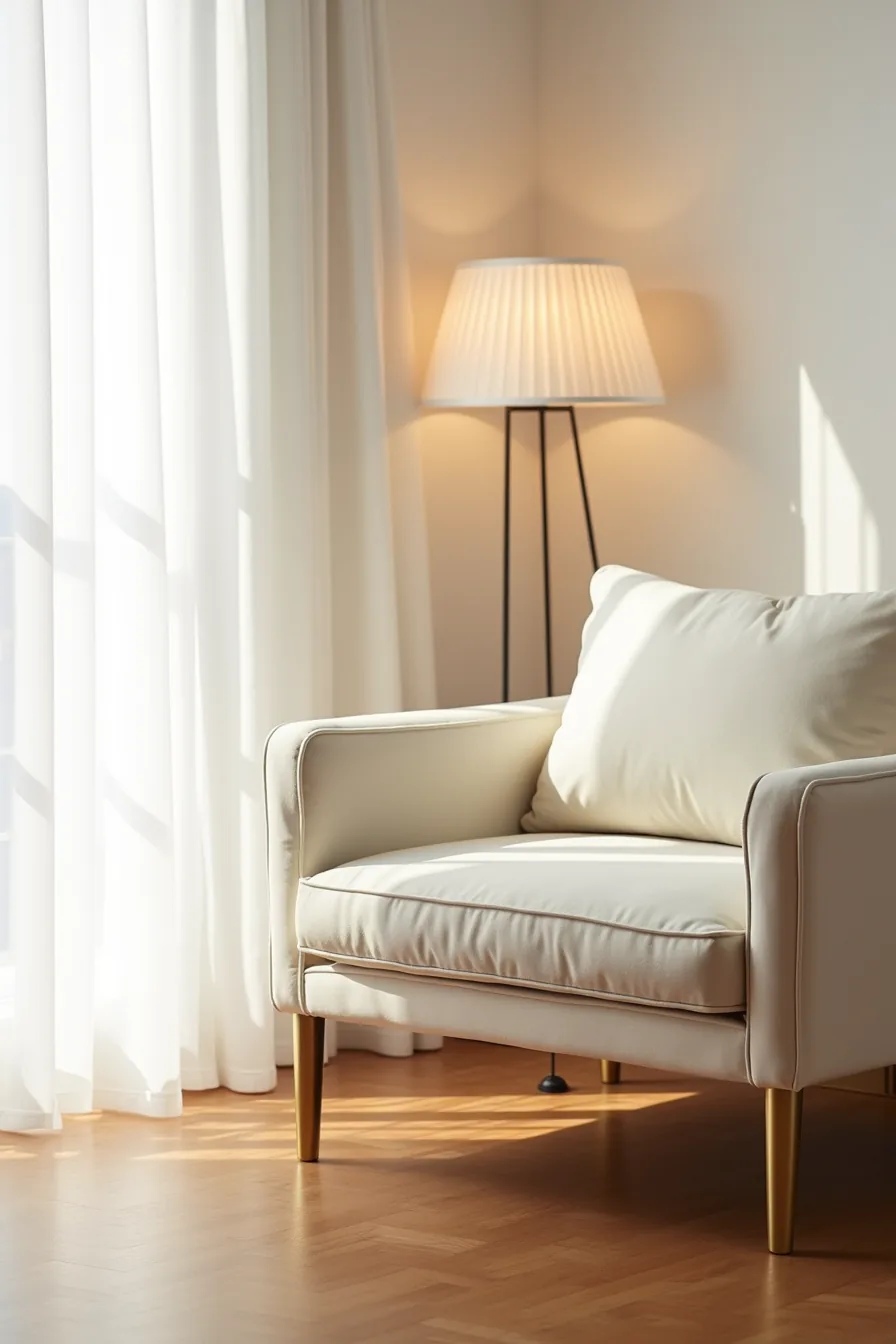
Swap the exposed frame for a quieter statement: four tapered brass legs set at a 45-degree angle, each roughly 8 inches tall and spaced about 3 feet apart front to back, lifting a cream cushion seat clear of the floor. That clearance changes how the sofa reads, the parquet floor running beneath the legs makes the piece feel lighter and opens up visual square footage, which is why this works best in rooms under 250 square feet where a boxy base would crowd the sightline.
The metal-plus-upholstery formula here’s leg-only, not frame-only, so the brass does the proportional work while the cushion does the comfort work. Match the leg finish to your existing hardware, door knobs, lamp bases, table legs, rather than introducing a new metal tone. Expect legs in chrome or powder-coated black to run slightly cheaper than brass, and confirm the legs are bolted through the seat base, not screwed into particleboard, if you plan to sit on it daily.
Metal Sofa for Renters: Modular and Removable Frames
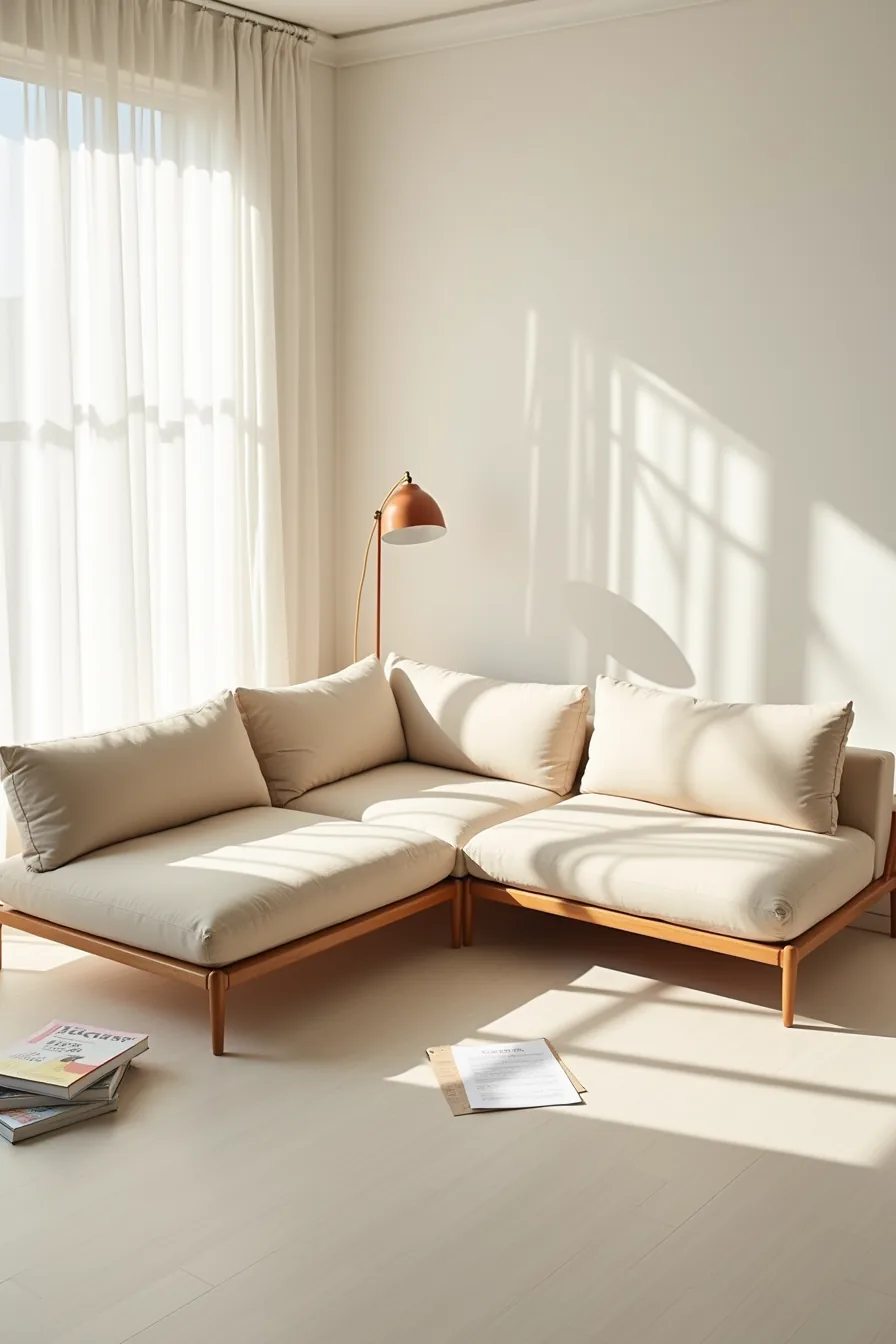
A sectional built from detachable metal frame segments changes what moving day looks like. Quick-release clips at three connection points let you split the L-shape into separate units that fit through standard doorways and stairwells, no lifting a monolithic sofa around a corner or paying for a professional moving crew. You lift the two cushion modules off the frame first, then unclip each segment and carry them individually.
Most modular frames of this type take 20–40 minutes to assemble or break down, and the only tool required is the Allen wrench pictured with the diagram.
This route suits lease-bound households because it survives repeated relocation without structural fatigue. Look for frames where clips are welded to the segment ends rather than bolted on, and verify that replacement clips are sold separately. Avoid modular sofas with exposed screws on weight-bearing joints, they strip after two or three disassembly cycles.
Budget expectations: modular metal sectionals in this category typically run $600–$1,200, and you may negotiate a discount on floor models since minor frame scratches are common.
Refined Metal and Upholstery: Luxury Materials and Finishes
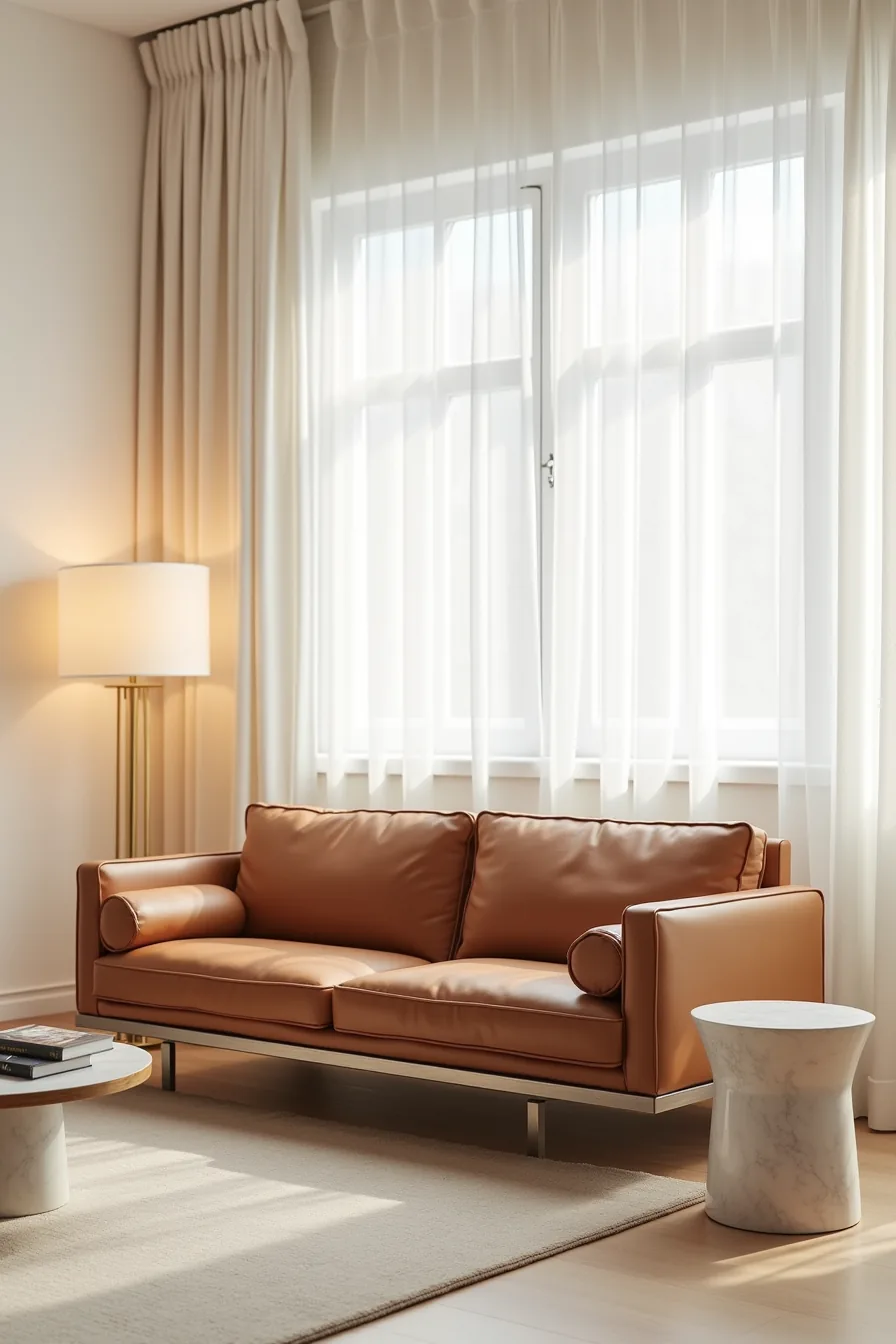
Premium metal sofas trade the industrial look for architectural restraint. A brushed titanium frame paired with cognac leather seat cushions and an oatmeal performance-fabric back panel reads as sculptural rather than utilitarian, and the mix of materials softens the metal’s inherent coolness. Polished metal feet add a reflective detail that elevates the piece in a way matte black never will.
This combination works best in a living room or home office where you entertain, because the materials project permanence. Expect to pay $2,500–$5,000 for a 3-seater, but the longevity compensates: titanium and top-grain leather outlast most wood-and-fabric sofas by a decade or more with proper care.
Before you commit, verify the leather is top-grain rather than bonded, and confirm the performance fabric has a stain-resistant finish. Both materials clean with mild soap and water, making this a practical choice if you want the visual weight of a statement piece without high-maintenance upkeep, a key reason to choose a metal sofa for easy everyday upkeep. A marble side table beside it anchors the composition, but keep the surrounding palette neutral so the metal remains the focal point.
Scale, Placement, and Layout for Small to Large Rooms
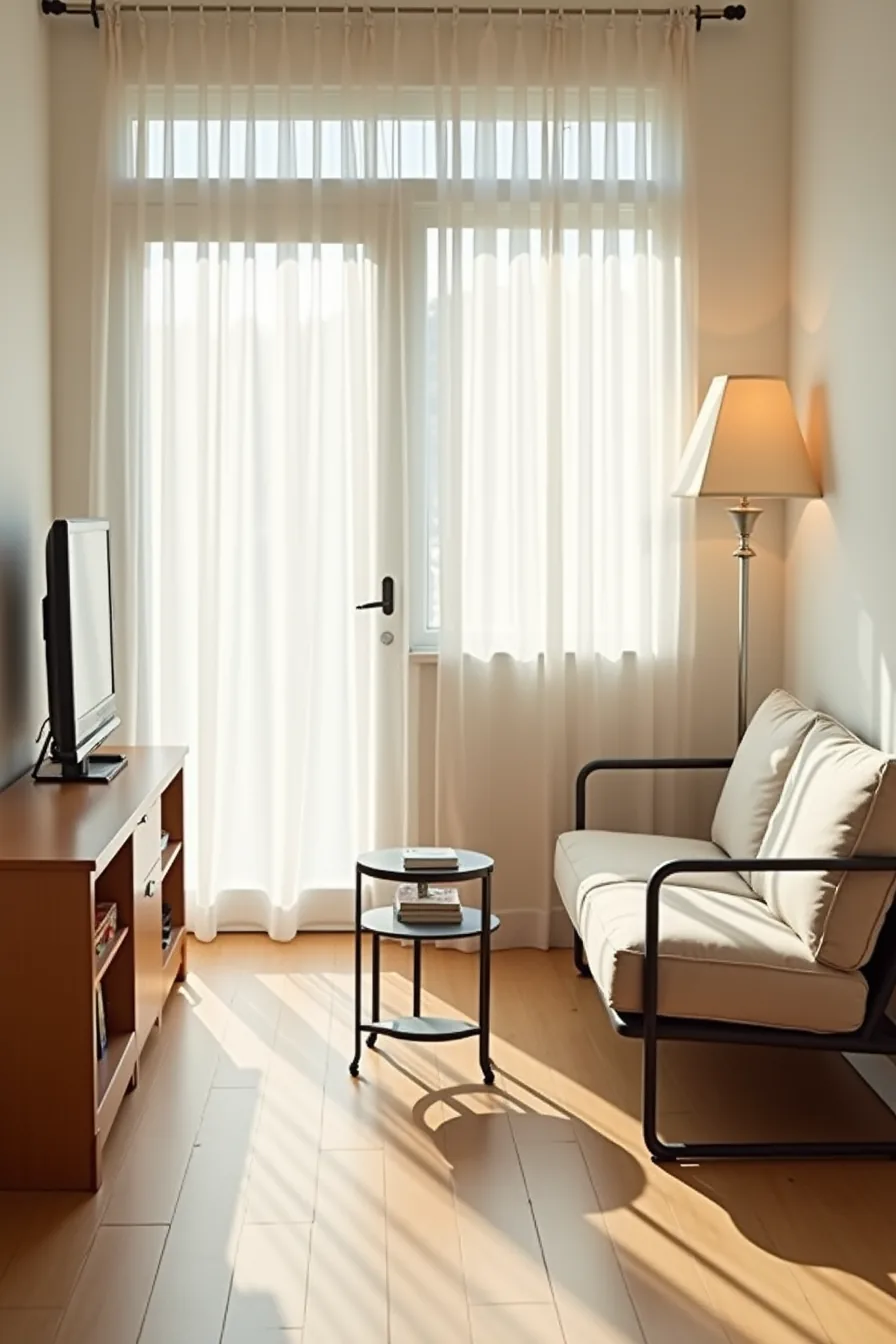
Your sofa’s metal frame changes how its footprint reads. Exposed steel legs and a slim rail visually lighten the piece, letting you place a 70-inch loveseat in a room where a wood-frame equivalent would feel cramped. The compact loveseat in a corner arrangement needs 18 inches from the wall to allow the frame’s rear overhang to sit cleanly and keep cushions from pressing against the baseboard.
For traffic flow, keep 36 inches between the sofa front edge and your coffee table, enough to stretch your legs without snagging the metal corners on shins. The 24-inch pathway from the loveseat’s arm to the entry door clears standard shoulder width, so the room never funnels guests into a bottleneck. In a larger space, scale up to a 90-inch three-seater and push the coffee table clearance to 42 inches; the exposed frame lets the piece float away from walls without visually deadening the room.
Always measure your doorway width before delivery, most metal sofa frames arrive fully assembled and can’t compress through a 30-inch opening.
Cleaning, Rust Prevention, and Long-Term Care

Wipe the frame weekly with a dry microfiber cloth to remove dust before it bonds to the finish. For the setup pictured, a powder-coated steel frame beside a humidity gauge reading 55 percent, that routine alone prevents most corrosion, since rust forms when moisture sits on bare metal for more than a few hours. Once a month, apply a thin layer of automotive-grade metal polish to the frame with a soft-bristle brush, working it into joints and welds where moisture collects; buff dry with a second cloth.
If you live in a coastal area or run a humidifier, keep relative humidity below 60 percent and check the frame’s underside quarterly for orange speckling. Catch light surface rust early by rubbing it with fine steel wool (grade 0000), then reapplying polish; deep pitting or flaking finish signals the protective coating has failed and needs professional powder-coating, which costs significantly more than the sofa’s price but extends its life by a decade. Vacuum upholstered cushions weekly with a brush attachment, and spot-clean spills immediately, metal frames tolerate moisture poorly, but fabric stains set faster and require steam extraction that risks rusting the frame’s interior supports.
What to Do First
Before you buy, measure your doorway and the route it will take to your room, most metal sofas in standard sizes fit through 30-inch openings, but oversized frames require disassembly or a pro mover.
Set a budget ceiling that includes delivery and any protective floor pads; powder-coated steel runs roughly 15–30% less than comparable wood-frame sofas at the same quality tier.
Your next step: order finish samples from two or three manufacturers you shortlisted, then place them against your floor and wall colors for a week. That single test eliminates 80% of mismatch regrets before you commit.
Frequently Asked Questions
Will a metal sofa frame rust if I live in a humid climate?
Yes, unless the frame has a powder-coated or epoxy finish. Unprotected steel and iron will corrode within months in high humidity. Check for marine-grade or stainless steel options if your home lacks climate control.
How much weight can a typical metal sofa frame support?
Most metal frames handle 250–350 pounds per seat, with total sofa capacity ranging 750–1,000 pounds. Welded steel frames outperform bolted ones, which loosen over time. Always check the manufacturer’s weight rating before purchase.
Can I replace just the upholstery on a metal sofa frame?
Yes, if the cushions are removable and the frame uses a slipcover or strap system. Foam can be re-foamed, but welded upholstery requires professional reupholstery. Budget $200–$600 for new covers, depending on fabric and labor.
What’s the difference between a metal sofa and a regular sofa with metal legs?
A metal sofa has a full metal frame, including the seat base and backrest support. A regular sofa with metal legs still uses a wooden or particleboard frame underneath. Metal frames offer better durability and resistance to warping but feel firmer and transmit more vibration.