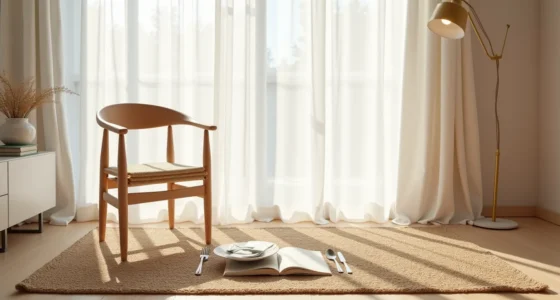

A rug is the single most efficient tool you own for changing how a room looks, sounds, and feels, but only if you match its size, material, and placement to the space you actually have. The wrong choice swallows a small room or floats awkwardly in a large one, costing you comfort and resale value. The right one anchors furniture, absorbs noise, and defines traffic flow.
Here are six distinct approaches, each with the exact dimensions, upkeep, and budget trade-offs you need to decide which fits your home.
Key takeaways
- Measure your room first: leave 18–24 inches of bare floor along each wall for a standard layout, or 12–18 inches in smaller spaces, to avoid a rug that swallows the room.
- Layer a flatweave under a plush wool rug in high-traffic zones, this adds warmth and visual depth, but keep the top rug at least 24 inches smaller on all sides to prevent tripping.
- Choose a low-pile polypropylene or flatweave rug in rentals or budget updates, it cleans with a damp mop, resists stains, and costs roughly $50–$150 for a 5×8, while a wool investment rug runs $300–$800 for the same size.
- Rotate and vacuum your rug twice a year, flip it to even out wear, and spot-clean spills within 15 minutes with a mild detergent, since most rugs last 5–10 years with care but only 2–3 without it.
Finding the Right Rug Size for Your Space
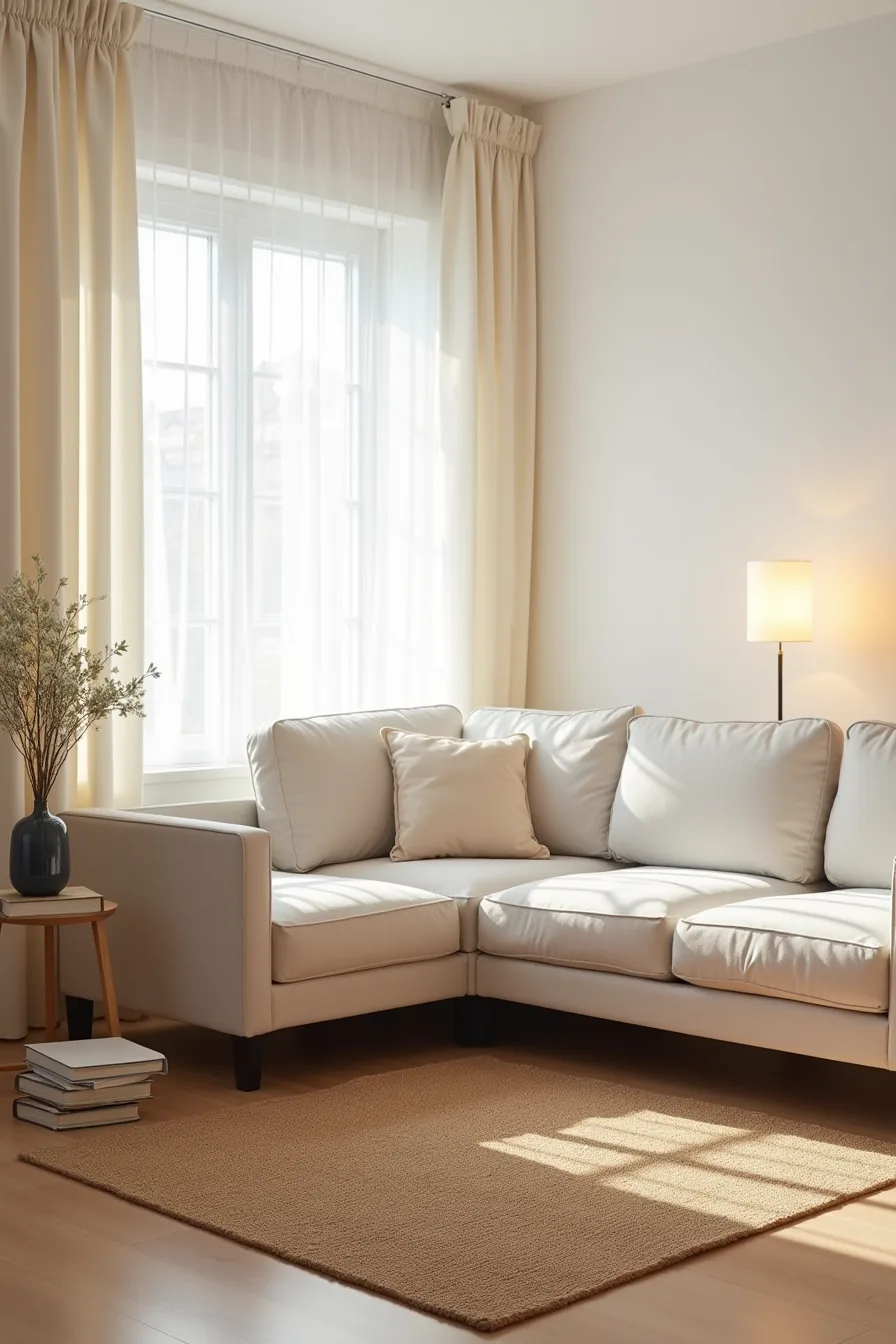
The right rug size question hinges on one rule: anchor the furniture, not the floor. In a living room corner with a sectional, the rug should extend beyond the front legs of every seat. A jute rug around 8×10 feet suits a medium-sized sectional; the front legs sit fully on the rug, while the back legs stay off, which defines the seating zone without swallowing the room.
That setup leaves a consistent 12–18 inches of bare floor between the rug edge and the wall, keeping the space breathable.
For a small room, choose a rug that fits entirely under the front legs of all main pieces, often 5×7 feet. In a large open-plan area, you can size up to 9×12 feet or larger to unify a seating cluster, but maintain that floor border to avoid a wall-to-wall look. Measure your furniture footprint first, then add 18–24 inches on each side for the rug’s visible edge.
A jute material suits low-traffic corners; for heavy use, swap to a flatweave or low-pile wool that won’t shed or fray at the edges.
Layering Rugs to Add Depth and Visual Interest
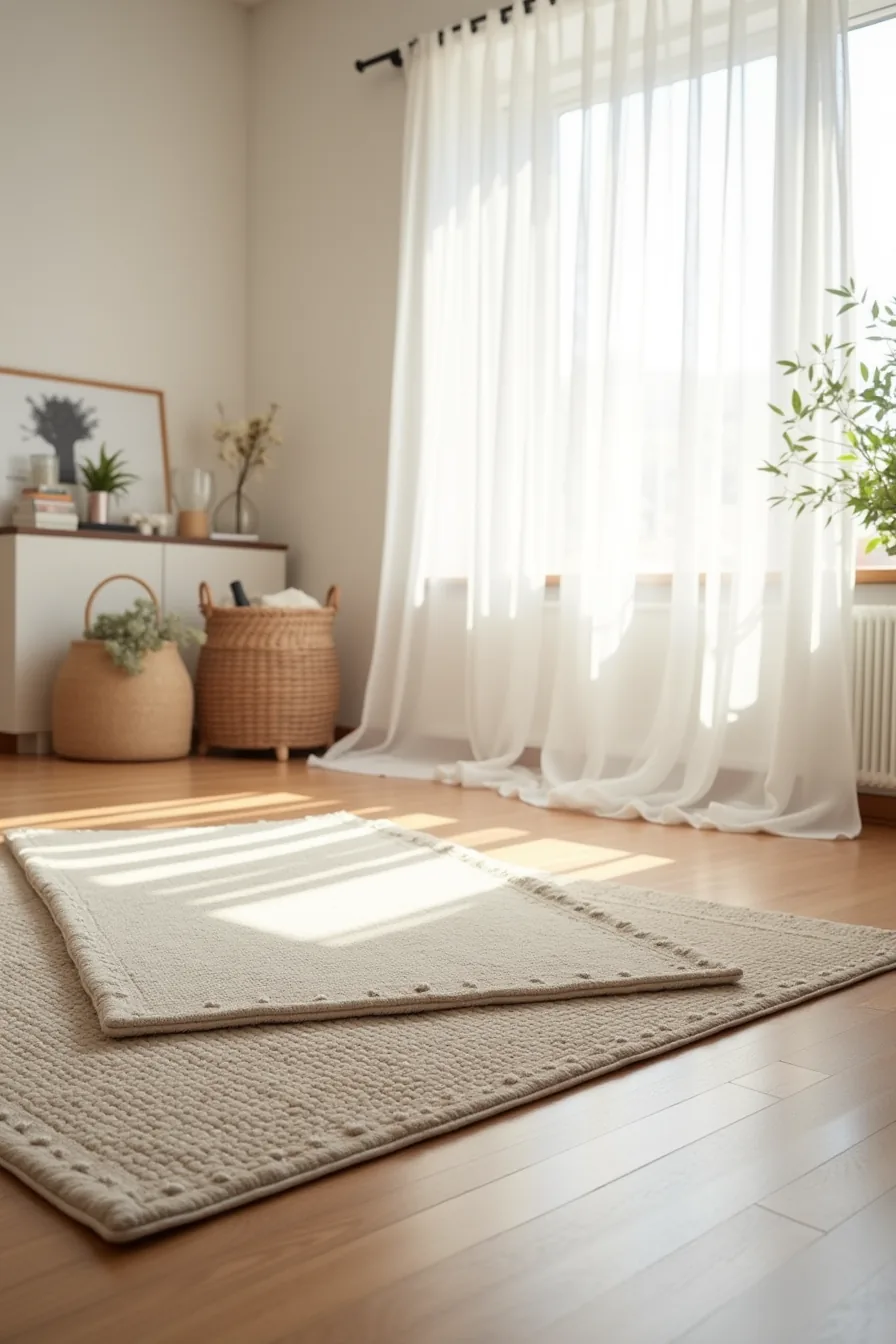
Layering rugs works best when you combine contrasting textures and weights. In an open living space, start with a large neutral base rug that fits your main furniture grouping, typically 8×10 to 9×12 feet for a standard sofa arrangement. The neutral base defines the entire seating zone and should extend beyond the front legs of your sofa and chairs, with 12–18 inches of hardwood floor visible at the perimeter.
Place a smaller patterned rug on top at an offset angle, rotated 15–30 degrees, so its corners overlap the base rug’s edge rather than sitting perfectly squared. A 5×7 or 6×9 patterned rug works proportionally on top of an 8×10 base. This technique visually carves out a secondary zone, a conversation nook or reading corner, within the larger room without adding walls or partitions.
For material pairing, use a low-profile flatweave or wool base with a higher-pile, textured top rug. This contrast in thickness is what creates the visible depth the angled setup relies on. Keep the patterned top rug in colors that repeat two accents already in your furniture or wall art, so the layered look feels intentional rather than accidental.
This approach suits open-plan living rooms, studio apartments with a combined living-dining footprint, or entryways that open directly into a sitting area.
Neutral Rugs vs. Statement Rugs: When to Choose Each
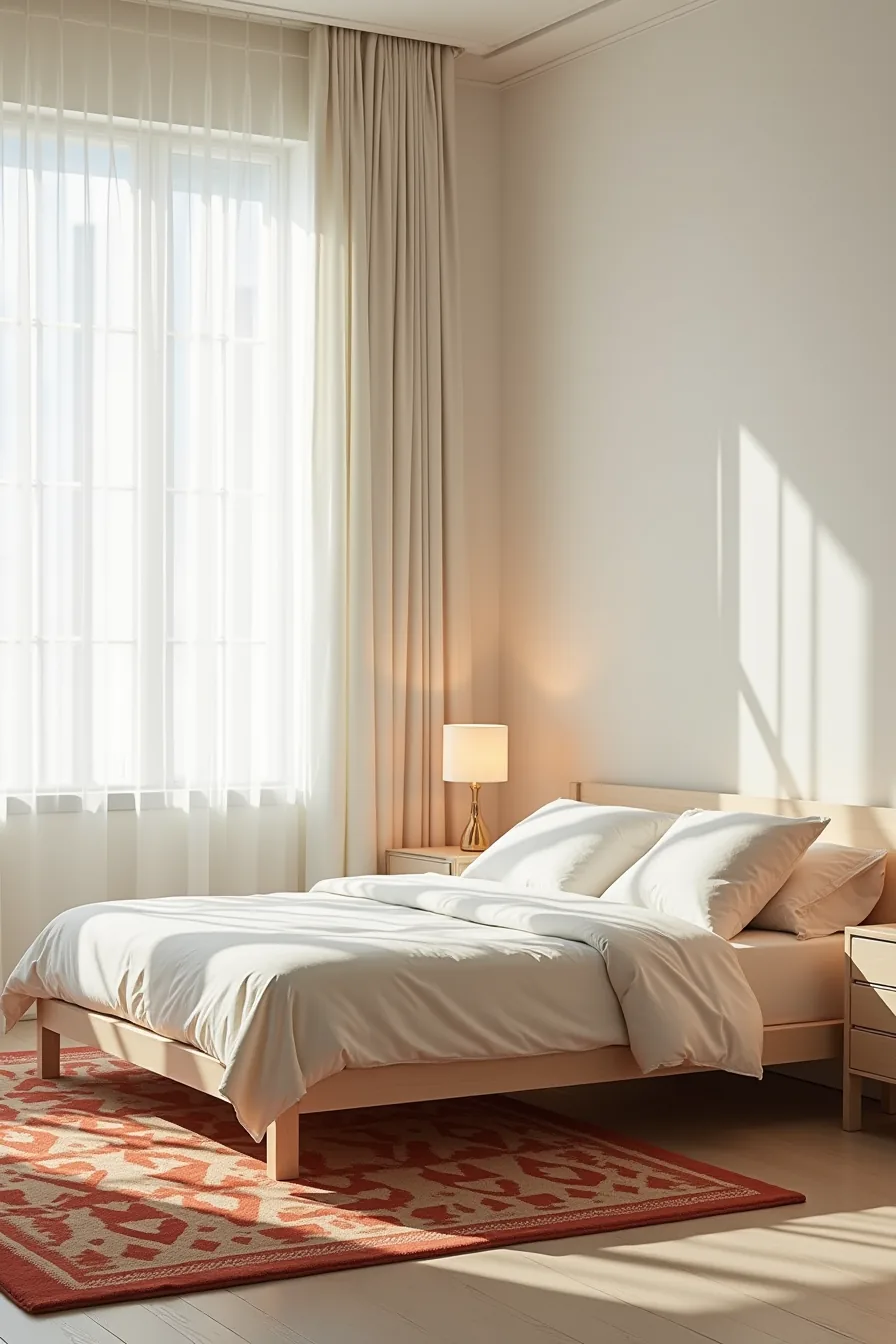
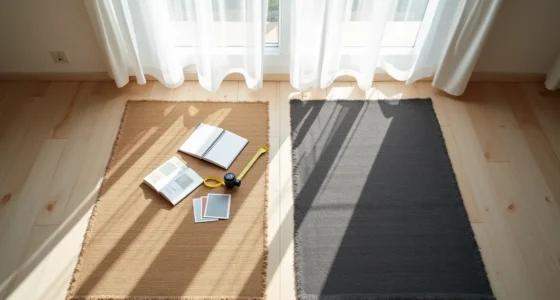
The split between a geometric-patterned rug and a solid cream rug comes down to what you want the floor to do for the room. A bold geometric rug under the bed frame acts as the visual anchor in a bedroom with minimal furniture, it supplies the personality that plain walls and simple nightstands lack. Choose this route when your bed linens and window treatments are solid or subtly textured, because the rug then becomes the single source of pattern rather than competing with several others.
A cream rug suits bedrooms where the furniture already carries visual weight, think upholstered headboards, varied wood tones, or patterned bedding. The neutral underfoot lets the bed and nightstands lead the design, and it absorbs visual noise in rooms with busy wall art or drapery. In the split-view bedroom setup, the cream rug’s value is its adaptability: you can rotate accent pillows, swap lamps, or change wall color without the floor dictating the palette.
Match your choice to the room’s existing commitment level. Statement rugs demand that everything else stay restrained; neutrals forgive experimentation elsewhere. If you change decor seasonally, a neutral vs statement rug decision leans neutral, as bold patterns lock you into a specific color story for years.
For a high-traffic bedroom, also weigh that light cream shows every fiber stain, while dense geometric patterns disguise foot traffic and pet hair far longer between cleanings.
Budget-Friendly Rug Solutions for Renters and Quick Updates

A flatweave rug delivered rolled and tied with twine is the starter kit for rental-friendly flooring. Pair it with a separate rug pad and removable gripper strips, and you’ve a setup that installs in minutes and leaves no adhesive residue on laminate when you move out. This combination suits renters, first-apartment dwellers, or anyone testing a new color palette before committing to a pricier investment.
Flatweave construction keeps costs low because there’s no thick pile to machine-weave, and the low profile means it lies flat without a heavy pad underneath. Budget-friendly rugs in this style typically run $50–$150 for a 5×8 room-sized piece, depending on fiber and pattern. The trade-off is durability: expect 3–5 years of regular use, not decades, and rotate the rug seasonally to slow uneven fading in sunny roomsfighting animal smells.
When you’re ready for a change, roll it back up, re-tie the twine, and the cost of moving on is zero.
Investment Rugs That Last Decades and Grow in Character
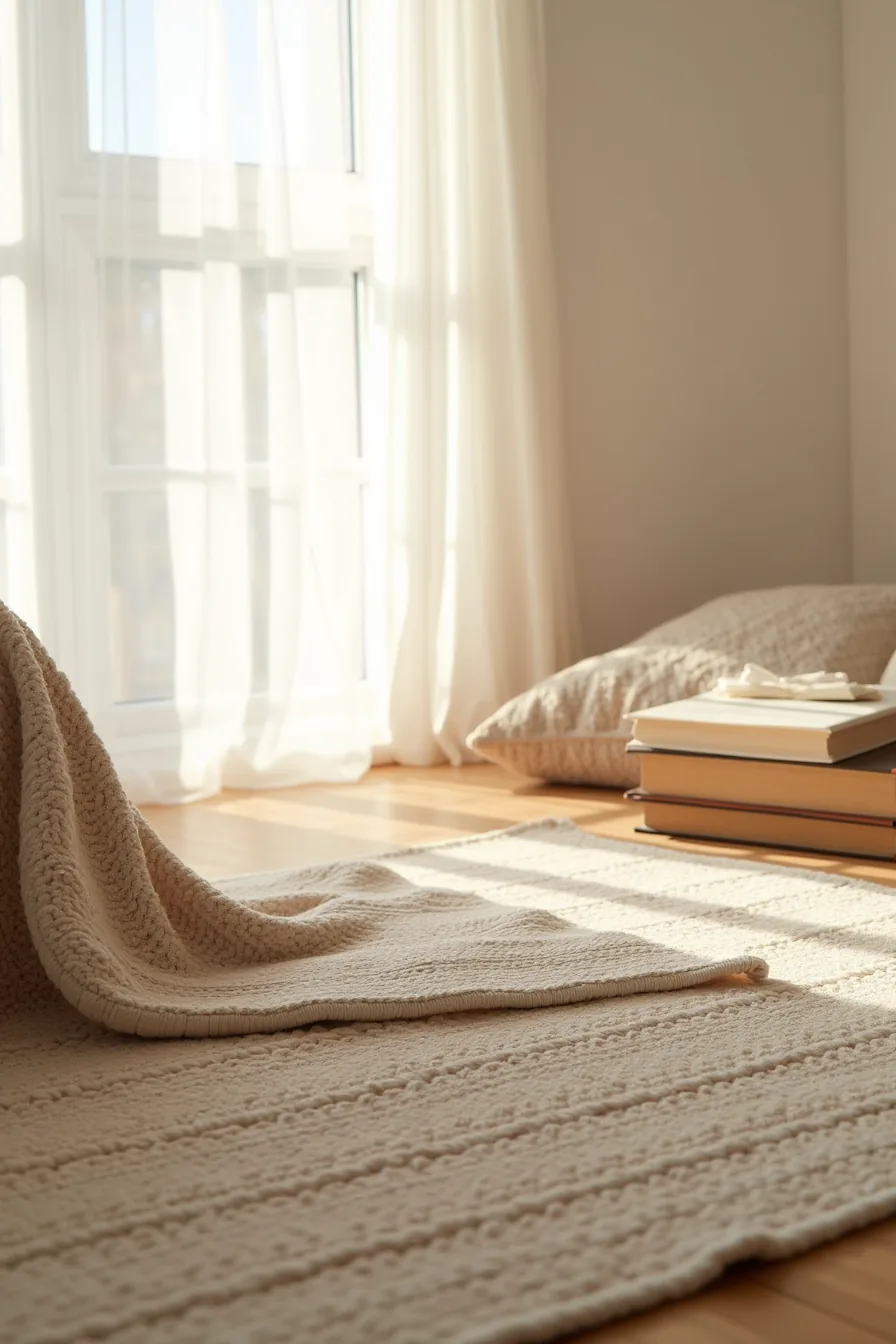
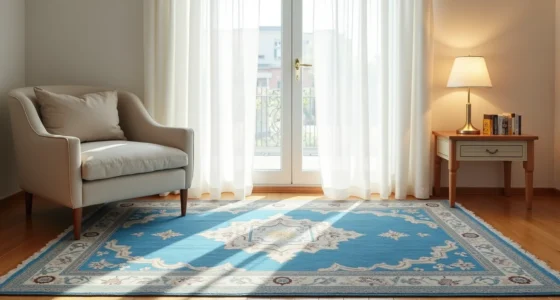
The hand-knotted Persian rug is the polar opposite of a disposable flatweave. Each knot in that dense pile is tied individually, which is why a quality 5×8 piece takes months to produce and commands $1,500–$8,000 depending on knot density and wool quality. The back construction tells the story: a tight, uniform weave with visible individual knots and a clean selvage edge signals a rug built for 30–50 years of service.
Wool’s natural lanolin repels spills and stains, and the low-lanolin, high-luster fibers in premium Persian rugs actually soften and deepen in color with age rather than fading. This is the route for homeowners with permanent flooring and an eye toward heirloom resale, a well-maintained piece can retain 60–80% of its original value. Budget for professional cleaning every 2–3 years ($3–$5 per square foot) and a thick felt-and-rubber pad to protect the weave from furniture indentation.
It suits traditional, transitional, and even modern spaces where you want a single anchoring piece that never needs replacing.
Rug Ideas That Refresh a Room for Spring
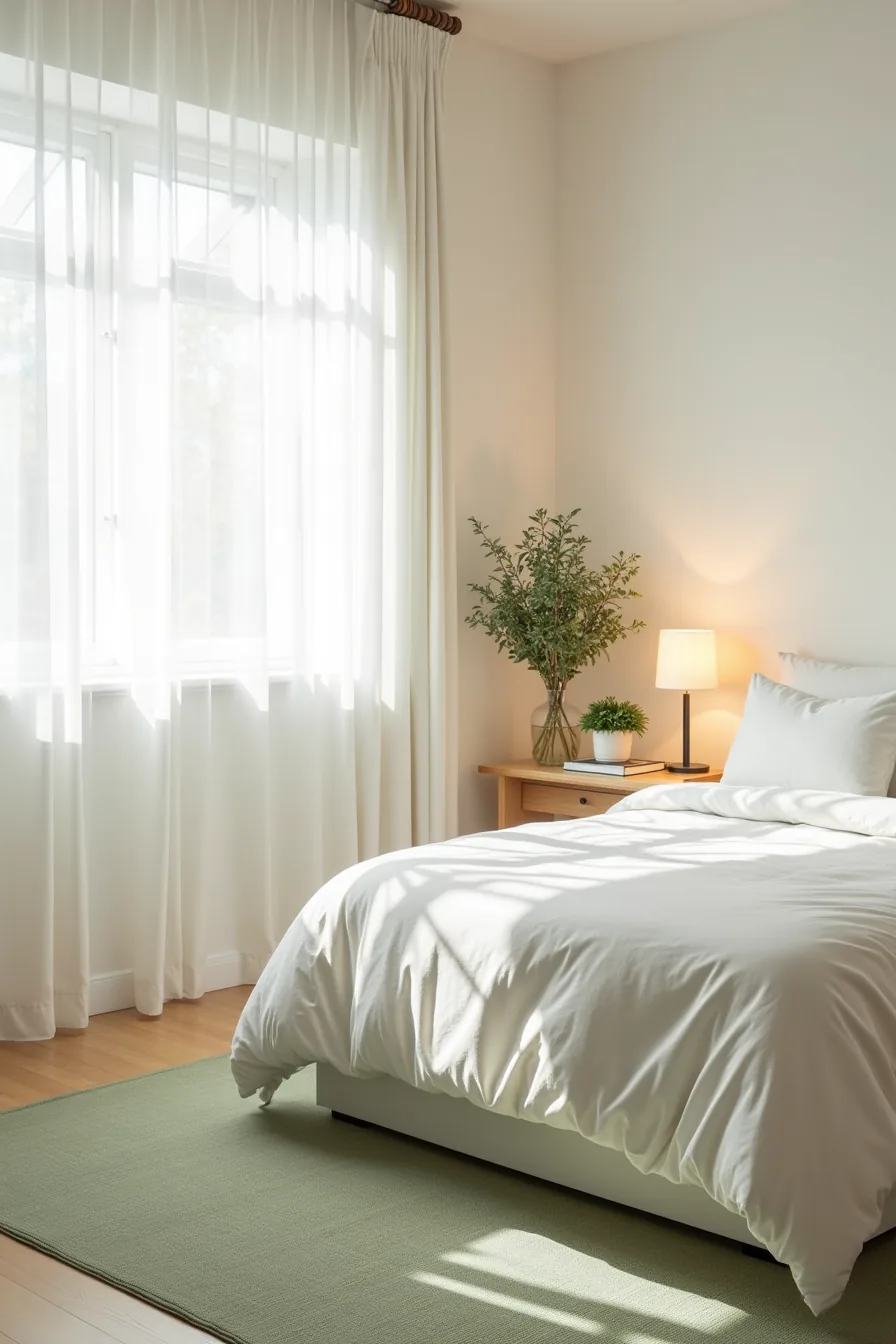
Swap your heavy wool or shag winter rug for a light sage-green flatweave, and the room’s entire mood shifts in under an hour. The flatweave’s low pile reads as airy, while the sage tone pulls the green from your potted plant and echoes the freshness of crisp white linens on the bed. Position the rug so it extends roughly 18–24 inches beyond the bedside, creating a soft landing zone that visually widens the sleeping area.
This approach suits renters and seasonal decorators because a flatweave rolls up for off-season storage in a closet or under the bed. Choose cotton or viscose-blend flatweaves in the $100–$300 range for a 5×8 size; they tolerate foot traffic well but will show wear in high-traffic hallways, so keep them in low-traffic bedrooms. For small spaces, a 4×6 rug beside the bed achieves the same effect without overwhelming the floor plan; in large rooms, layer a smaller spring rug over a neutral sisal base to anchor the lighter palette without leaving the room feeling sparse.
Spot-clean with mild soap and water, and rotate the rug once mid-season to even out sun exposure near windows.
Your next move
Start by measuring your room and identifying the primary traffic path before you browse a single rug. That single measurement eliminates half the options instantly and prevents the most common mistake: buying too small.
Write down your room’s length and width, then subtract 24–36 inches from each dimension to find your ideal rug footprint. For example, a 12×16-foot living room calls for a rug around 9×12 or 8×10 feet.
With that number in hand, decide your material based on lifestyle, wool for durability, polypropylene for budget, flatweave for rentals. Then shop with your measurement and traffic map open, and commit to one option rather than second-guessing.
Frequently Asked Questions
What size rug should I buy for a living room with a sofa and coffee table?
Choose a rug that extends at least 6–8 inches beyond the sofa’s front legs on each side, typically 8×10 or 9×12 feet for standard rooms. Your coffee table should sit fully on the rug, leaving 18–24 inches of clearance around it.
Can I layer two rugs of different colors together, and how do I prevent them from slipping?
Yes, layering works when the top rug is at least 2 feet smaller than the base on all sides, with contrasting textures like jute under wool. Use a non-slip rug pad between both layers, ideally cork or rubber-backed, to prevent shifting and protect your floor.
Is a neutral rug or a patterned rug better for a small bedroom?
A neutral rug in a light tone makes a small bedroom feel larger and is easier to match with bedding. If you want pattern, choose a low-contrast geometric design in muted colors, busy, high-contrast prints visually shrink the space.
How often should I clean or replace a rug, and what materials hold up best in high-traffic areas?
Vacuum weekly and deep-clean every 12–18 months; replace when the backing cracks or fibers flatten beyond revival. For high-traffic zones, wool or polypropylene blends last 10–15 years, while sisal and cotton wear faster and need replacement every 3–5 years.