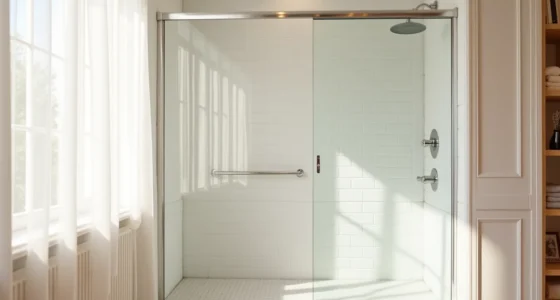

The shower curtain is the largest visual anchor in most bathrooms, typically covering 70-72 inches of vertical wall space, so choosing one is less about picking a print and more about engineering the room’s entire visual tone. You can use it to fake height, hide a dated tub surround, or introduce a texture that costs a fraction of a tile renovation. The six approaches that follow break down exactly what each look requires, who it suits, and what it will cost you in time and upkeep.
Key takeaways
Start with the curtain, pick the dominant color from the curtain first, then match your bath mat, towels, and accessories to it, which guarantees a cohesive palette without repainting tiles or cabinets. Match pattern scale to room size, choose large-scale prints (over 12-inch repeats) for spacious bathrooms and small-scale patterns (under 6-inch repeats) for powder rooms, since oversized motifs overwhelm compact spaces and tiny prints get lost in large ones. Use a fabric liner for budget updates, swap only the decorative curtain for a $20–$40 polyester or cotton option while keeping a separate PEVA or vinyl liner, which protects the new fabric from mold and lets you refresh the look for under $50 total. Anchor investment curtains with a double rod, install a tension or fixed double rod so the decorative curtain stays clean and dry behind a liner, extending a high-end linen or cotton curtain’s lifespan from roughly 2 years to 5+ years.
The Curtain-First Palette Approach

A bold geometric curtain does more than cover the tub; it hands you a ready-made color story. Pull the two strongest hues from the pattern, say, a deep teal and a warm ochre, and let them dictate your accent wall and bath mat choices. This reverses the typical room-first workflow: you pick the fabric, then everything else falls in line, which saves you from the paralysis of matching a plain curtain to a half-finished scheme.
This approach suits small bathrooms especially well, where a large-scale pattern tricks the eye into reading the wall as taller than it’s. To reproduce the setup, choose a curtain where the background color (not the pattern) makes up at least 60% of the surface; this prevents visual chaos. Pair it with a chrome rod for a crisp contrast, and keep your paint color one shade lighter than the darkest hue in the fabric, that keeps the wall from competing with the curtain for attention.
Pattern Scale Comparison: What Works Where

The rule is simple: print size should track room volume. Small-scale florals, like the one framing a pedestal sink in a compact corner bath, bloom at 4–8 inches across and hold their own in under 50 square feet. Oversized motifs on a spacious layout, meanwhile, need the breathing room of a double vanity and natural light to land, a large botanical print spanning 12–18 inches per leaf looks cluttered in a tight space but anchors a wide tub against a window frame.
Measure your wall-to-wall length before buying. A curtain that fills less than two-thirds of the rod will exaggerate the room’s narrowness; one that overlaps the window casing shortens the visual height. In average 60-inch tubs, stick to repeat sizes under 10 inches for small spaces, and reserve panel-scale prints for bathrooms over 80 square feet.
The placement of your window matters too: a floor-length botanical with large foliage pairs best opposite a light source, while dense small-scale patterns suit dimmer corners where they read as texture.
Textile-Led Refresh on a Budget
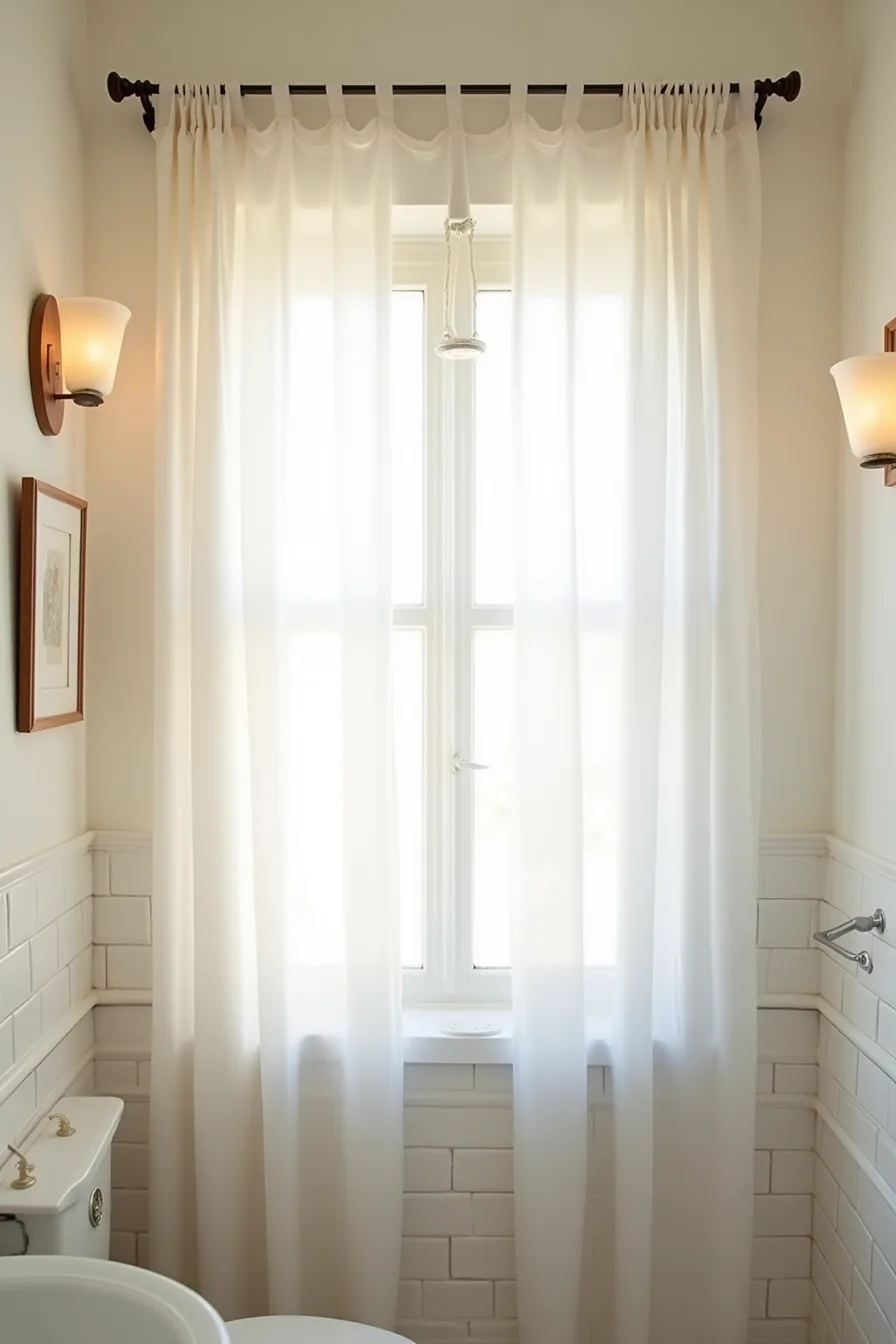
A textile-led refresh is your fastest path to a new bathroom aesthetic without touching a single tile. You can swap the entire look in under fifteen minutes using a basic rod, a cotton curtain, and a separate clear plastic liner hanging from affordable hooks. The double-layer approach costs roughly $30–$60 total and gives you the flexibility to change the outer curtain seasonally while keeping the liner for years.
Look for a cotton curtain with a 60–70% cotton blend; pure cotton wrinkles and shrinks unevenly after repeated washes. Pair it with a 6-mil or thicker plastic liner that hangs two inches shorter than the fabric layer so moisture drips behind the tub edge. The white subway tile and simple chrome towel ring in this corner setup work because the curtain carries the color, choose a print with a light background to keep the space feeling open, and wash the liner monthly with a vinegar rinse to prevent soap scum buildup.
Renter-Friendly Shower Curtain Styling

A tension rod mounted between tile walls eliminates drilling entirely and holds most standard curtains securely when you tighten it to the manufacturer’s recommended torque. Test the rod by hanging your full curtain and liner, then giving the fabric a firm tug, if the rod slips, reposition the rubber ends or replace them with higher-friction caps before you commit to daily use. Removable adhesive hooks rated for 5–10 pounds handle lightweight fabric curtains but fail on textured tile or when exposed to steam for months at a time, so reserve them for the liner or a decorative valance rather than the main panel.
The linen-look fabric in this setup reads as textured and expensive but costs a fraction of genuine linen, which wrinkles and mildews faster in humid bathrooms. Select a polyester-linen blend with a matte finish; it dries quickly, resists mold, and survives machine washing without losing its drape. When you move out, peel the adhesive hooks away slowly at a 45-degree angle and clean any residual adhesive with rubbing alcohol, no patchwork, no security-deposit deductions.
Checklist for a renter-safe install:
- Tension rod rated for your tub width, with rubber caps replaced if they feel hard or cracked
- Adhesive hooks rated for the curtain weight, mounted on smooth, clean, dry tile only
- Linen-look polyester blend, not genuine linen, to prevent mildew between washes
- Liner hanging 1–2 inches shorter than the fabric layer to direct water into the tub
Investment-Grade Curtains for Long-Term Impact

A heavyweight linen curtain on a brass rod with decorative finials transforms the bathroom from utilitarian to considered, and the investment pays out in years of use rather than seasons. Genuine linen, woven at 240–300 grams per square meter, hangs with a gravity that polyester blends can’t mimic, and it becomes softer and more absorbent with each wash. You’ll pay 3–5 times more than a synthetic alternative, and you must pair it with a high-quality liner because prolonged direct moisture will eventually weaken linen fibers, the trade-off is a fabric that never looks worn until year five.
For custom sizing, measure from your rod to 1 inch above the floor; most standard curtains arrive at 72 or 84 inches, leaving pool-style gaps that break the visual line. Seek a manufacturer that offers height increments of 2 inches, and match your rod diameter to the wall anchors, decorative finials push a standard 1-inch rod to weigh 8–12 pounds fully dressed, demand a reinforced mounting bracket. Brushed brass resists bathroom corrosion for 15-plus years, but expect to polish it quarterly; untreated steel will spot within two seasons on anything less than adequate ventilation.
Checklist for the long-term buyer:
- 100% linen at 240–300 GSM with a full-length liner for mildew control
- Custom height matching your space, not off-the-shelf standard length
- Rod backing rated for 15+ pounds, with adjustable anchors if installed into tile over drywall
- Finials and rings in the same finish and alloy family to prevent galvanic corrosion
Give Your Bathroom a Fast Shower Curtain Refresh

A full bathroom makeover rarely takes one afternoon, but swapping your curtain, liner, and hardware can. The process runs 90 minutes start to finish if you work in this order: remove the old curtain and hooks first, then pull the rod down so you can clean it without dripping onto the new fabric, and finally hang the new liner before the decorative curtain.
The transformation in progress on your counter tells the story, old curtain on the left, new one staged on the right, and the fresh liner draped over the tub edge so it can air out while you work. Match your new liner’s grommet size to your existing hooks (most standard sets use a 1.5–2 inch opening), and check that your rod extends at least 2 inches past the tub on each side to prevent water sneaking around the edges.
Finish by swapping the finials if your rod allows, then step back and check the curtain’s hem, it should hover 1–2 inches above the floor, not pool or float. This refresh suits renters who can’t change tile or fixtures, and it costs less than a single plumbing repair if you stick to a polyester curtain with a PEVA liner.
Choose Your Starting Point
You now have six distinct directions, each with a clear trade-off between cost, effort, and longevity. If you rent, the tension-rod and clip-on liner route delivers maximum impact for under $50 and zero wall damage. If you own and want a permanent upgrade, invest in a 72-inch fabric curtain with a rust-proof metal rod, expect to spend $80–$150 but gain years of use.
Match the material to your humidity level. Cotton and linen breathe well in ventilated bathrooms but mildew faster than polyester blends in steamy spaces without fans.
Your next step: measure your tub or shower opening, then pick one style from this list and order a single curtain in that material. Commit to that one choice before browsing further.
Frequently Asked Questions
What size shower curtain do I need for a standard bathtub?
A standard 60-inch bathtub requires a curtain that’s 70–72 inches wide and 72–74 inches long. This ensures full coverage without dragging on the floor or leaving gaps at the edges.
Can I use a decorative curtain without a liner, or do I need both?
You need both for most setups. A decorative curtain alone won’t repel water, leading to mold, mildew, and floor damage. Use a PEVA or polyester liner behind it, replacing the liner every 6–12 months.
How often should I replace or wash my shower curtain?
Wash a fabric curtain monthly in cold water with mild detergent, then hang it to dry. Replace a plastic or vinyl liner every 6–12 months, or sooner if you spot mildew that doesn’t lift with cleaning.
What’s the difference between a tension rod and a standard curtain rod for renters?
A tension rod mounts without drilling, using spring pressure against walls, ideal for renters. A standard rod requires permanent brackets and screws, offering sturdier support for heavier curtains but leaving holes when you move. Choose tension for flexibility, standard for durability.