
Simple fall decor for the home doesn’t require a full seasonal overhaul, it’s about making six strategic, scale-aware swaps that balance texture, warmth, and function, whether you’re styling a compact entryway or a sprawling open-plan living room. The key is to prioritize layered textiles, natural elements, and warm lighting over plastic pumpkins or bulky wreaths. Below, you’ll find a practical breakdown of each idea, including exact placement tips, material choices, and maintenance notes, so you can execute a cohesive look in under an hour without breaking your budget or your lease agreement.
Key takeaways
Layered textiles deliver the fastest seasonal change, swap in a chunky knit throw and two textured pillow covers in under 15 minutes, no tools required. Natural elements like dried branches, mini pumpkins, and eucalyptus sprigs cost under $20 total and work on any surface, but replace them every 3–4 weeks to avoid dust and decay. A warm-toned table runner (burnt orange, rust, or olive) instantly anchors a dining table or console, and machine-washable cotton versions hold up through Thanksgiving spills. Swap lighting bulbs to 2700K warm white in floor lamps and sconces, this single change shifts the room’s mood more than any decor piece and costs around $10 for a 4-pack.
Layered Textiles: The Fastest Route to Seasonal Warmth
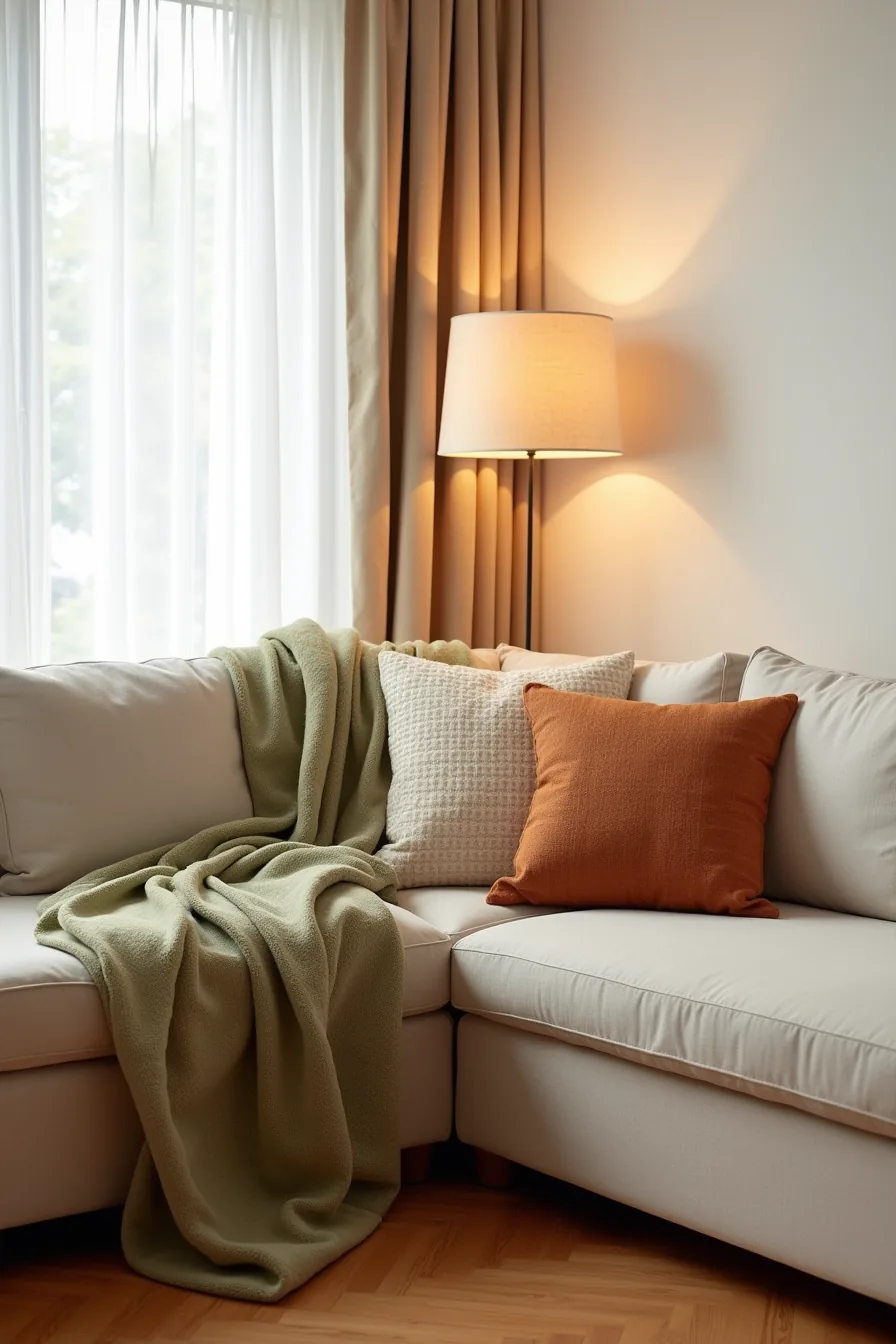
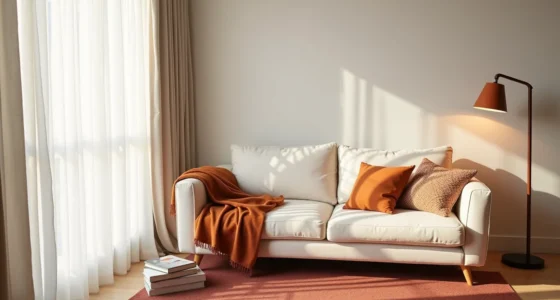
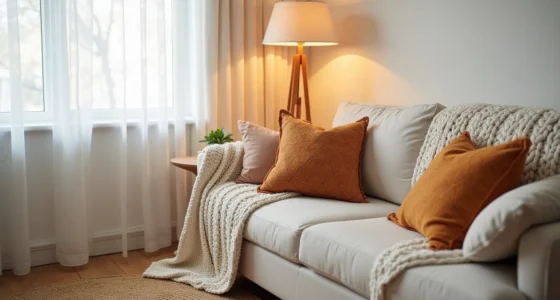
You can change the entire mood of a living room in under ten minutes by swapping textiles, no tools, no paint, no commitment. Picture a sectional where a caramel-colored linen throw drapes across the back cushions, a sage-green wool blanket sits folded on the armrest, and two rust-and-cream patterned pillows anchor the seat. That combination works because it introduces three distinct textures and a warm-cool contrast without clashing.
This approach suits renters and anyone who wants simple fall decor ideas for the home without permanent alterations. On a queen- or king-size sectional, keep throws to 50–60 inches long so they drape rather than puddle, and limit pillows to four or five per sofa to avoid visual clutter. For a loveseat, scale down to one throw and two pillows.
Budget vs. Splurge Simple Fall Decor Ideas For The Home comes down to this: buy inexpensive linen-look throws in solid caramel or rust ($15–$30) and splurge on one high-quality wool blanket that will last a decade. Wool resists odors and sheds less than synthetic blends, but it requires dry cleaning or hand washing, while machine-washable cotton-linen blends handle weekly use better in high-traffic homes.
Natural Elements on Surfaces: Leaves, Branches, and Gourds
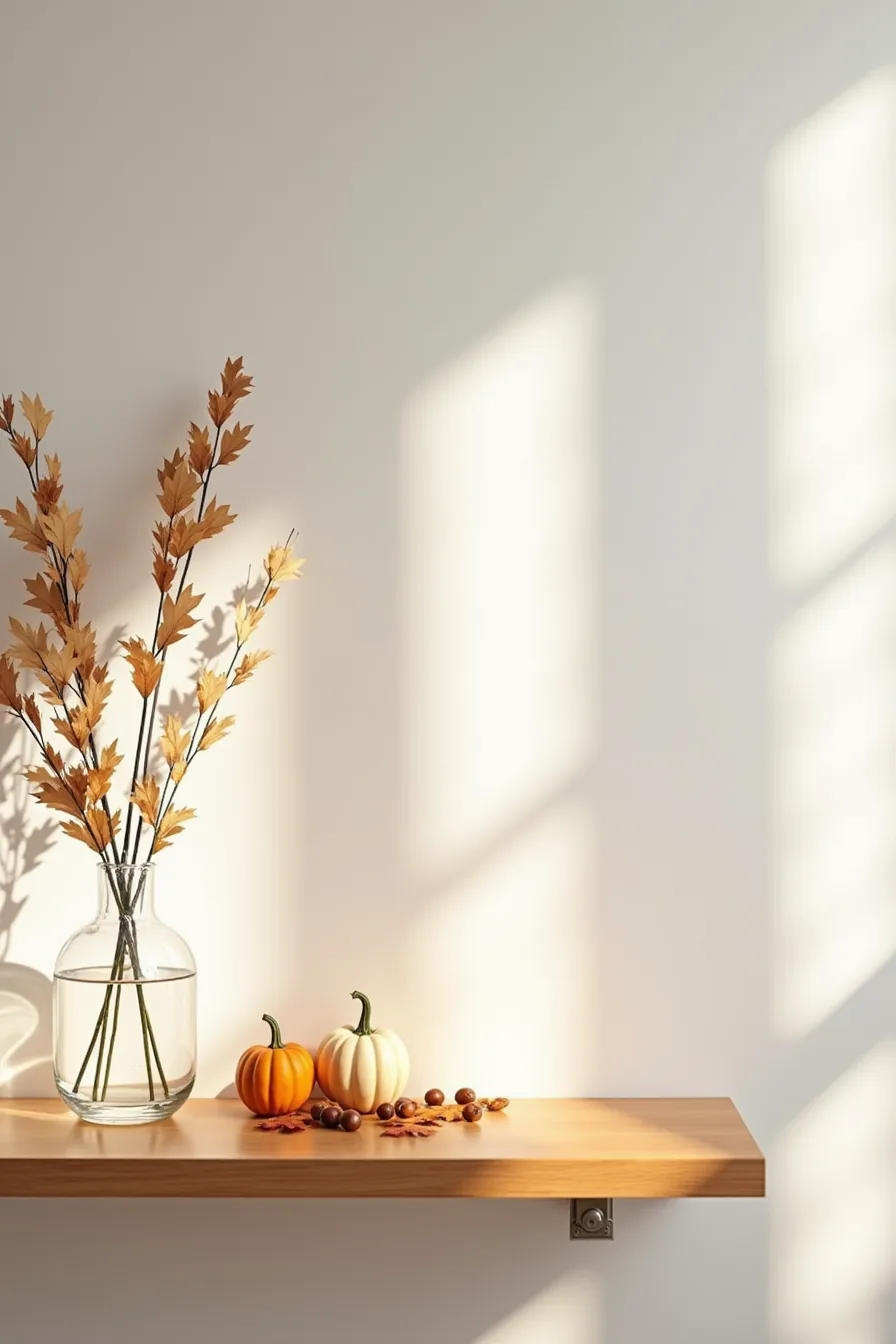
A floating shelf setup with dried oak branches in a clear glass vase on the left, three small gourds and acorns clustered in the center, and loose maple leaves scattered across the surface delivers maximum seasonal impact for nearly zero cost. The vertical line of the branches balances the horizontal spread of the leaves, while the gourds’ rounded forms fill the gap between, a composition that works because it uses contrasting shapes rather than more items.
For a small space, this exact arrangement suits a 24–36 inch shelf or a narrow mantel where a large centerpiece would overwhelm. In a large room, scale it up by adding a second vase with taller branches (24–30 inches) and doubling the gourd cluster, but keep the leaves confined to the shelf’s edge so they don’t get swept into traffic paths.
The maintenance trade-off is real: dried branches and gourds last one to three months indoors, but gourds soften and mold once pierced, so check them weekly and discard any that feel squishy. Foraged leaves dry brittle in about a week, replace them twice a month, or preserve them with a thin coat of matte acrylic spray before arranging. Renter-friendly by nature, this idea requires no hardware: use a weighted vase and keep everything on surfaces you already own.
Among the best simple fall decor ideas for the home, this one delivers the lowest cost per square foot of visual impact.
Color Palette Shifts: Paint, Wallpaper, and Temporary Alternatives
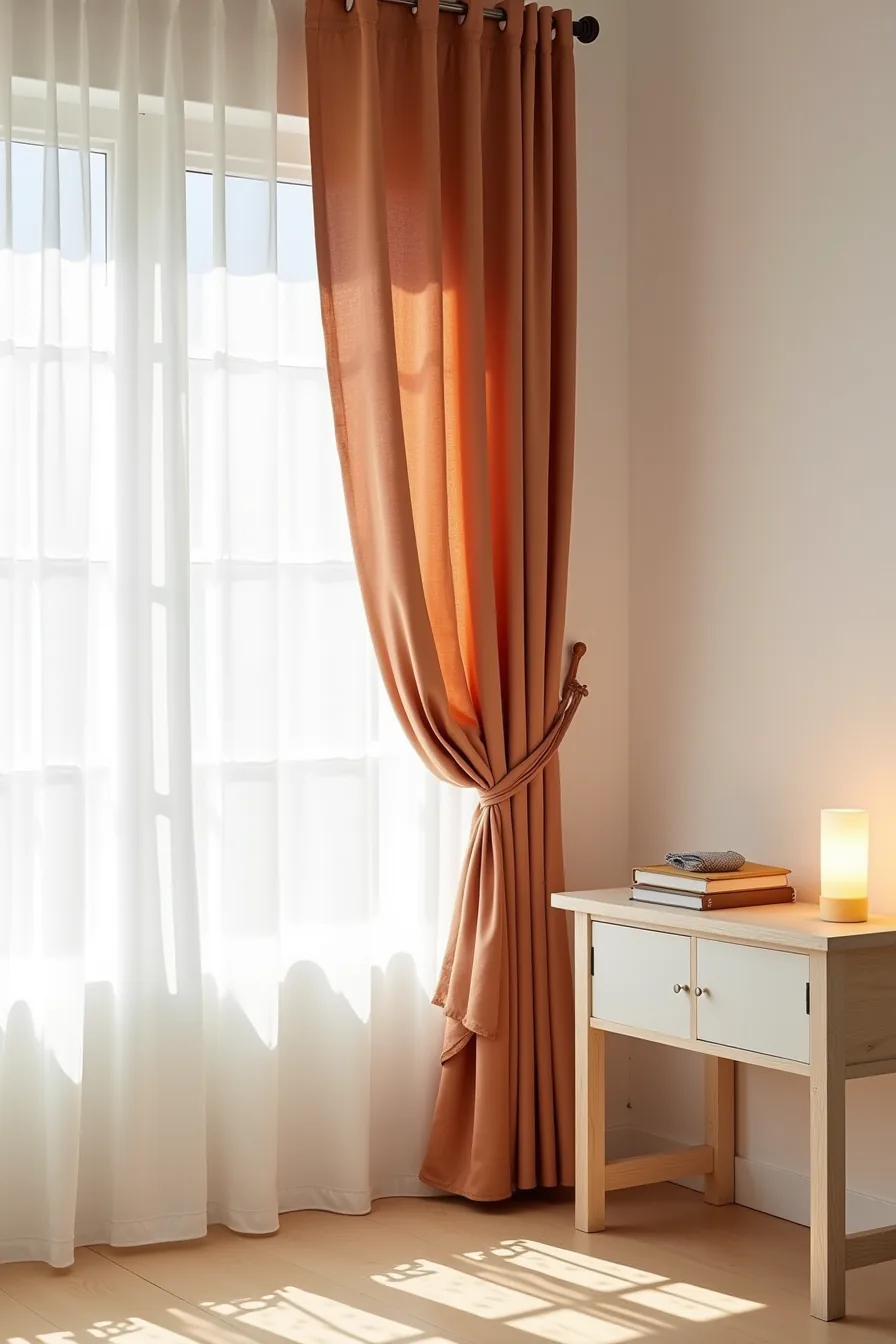
A single wall in deep terracotta transforms a room more than any arrangement of gourds, and the linen fabric pinned at the top corners replicates that effect without a drop of paint. You drape the material loosely to the floor, letting it puddle slightly, which adds texture while masking imperfect wall surfaces. For a standard 8-foot ceiling, buy fabric 2–3 feet wider than the wall to create natural folds, flat, taut linen reads more like a bedsheet than a design choice.
The fabric pins should sit at 12–18 inch intervals, hidden behind the top fold.
Painting is the long-term investment, costing $40–$120 for a gallon of premium paint plus supplies, and delivers a permanent shift that survives the season. Peel-and-stick wallpaper panels run $30–$60 per roll and suit renters, though they require clean, flat walls and pull paint on textured surfaces. The fabric route costs $15–$40 depending on yardage Men’s suit and takes five minutes to install or remove, suiting anyone who changes their palette with the holidays.
Before committing to any route, test a 12-inch swatch against your flooring, terracotta clashes with warm cherry wood but pairs beautifully with gray or white tile. This approach anchors the rest of your decor, so keep the console table below it uncluttered and in a neutral white to let the color carry the weight.
Lighting Adjustments: Warm Bulbs and Layered Fixtures
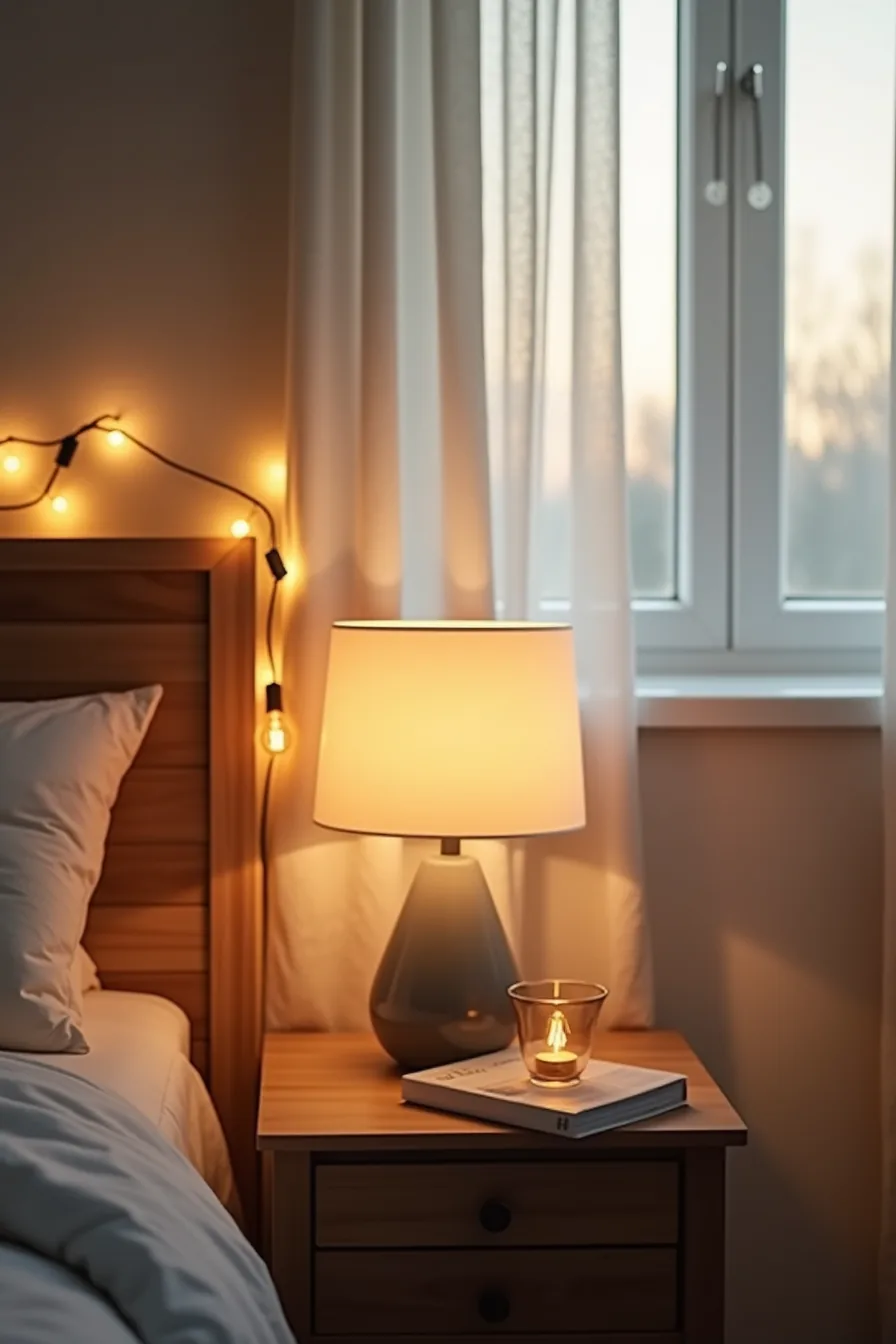
Swapping your bulbs from daylight (5000K) to soft white (2700K) is the fastest, cheapest seasonal shift you can make, a four-pack runs $8–$15 and takes two minutes per fixture. Most table lamps and overhead fixtures accept standard A19 bulbs, but check the wattage rating stamped inside the socket before installing anything labeled higher, especially in older wiring. This single change warms every surface it touches, which is why it works in any room size: the effect scales with your existing fixtures rather than requiring new furniture.
The layered approach multiplies that warmth. A table lamp with an amber bulb on your bedside table creates a low pool of light at eye level, while a string of warm Edison bulbs draped loosely across the headboard adds a mid-height glow that softens the wall behind it. A small candle in a glass holder completes the triangle, providing a flickering accent you can extinguish when you leave the room.
This three-tier setup suits bedrooms and living rooms equally, but limit the string lights to 30–50 bulbs per strand and keep them clear of fabric, bedding, and curtains. The fixture mix costs $25–$70 total and takes under ten minutes to arrange, making it the easiest budget route in this entire seasonal refresh.
Entryway and Focal Point Styling: Where to Concentrate Your Effort
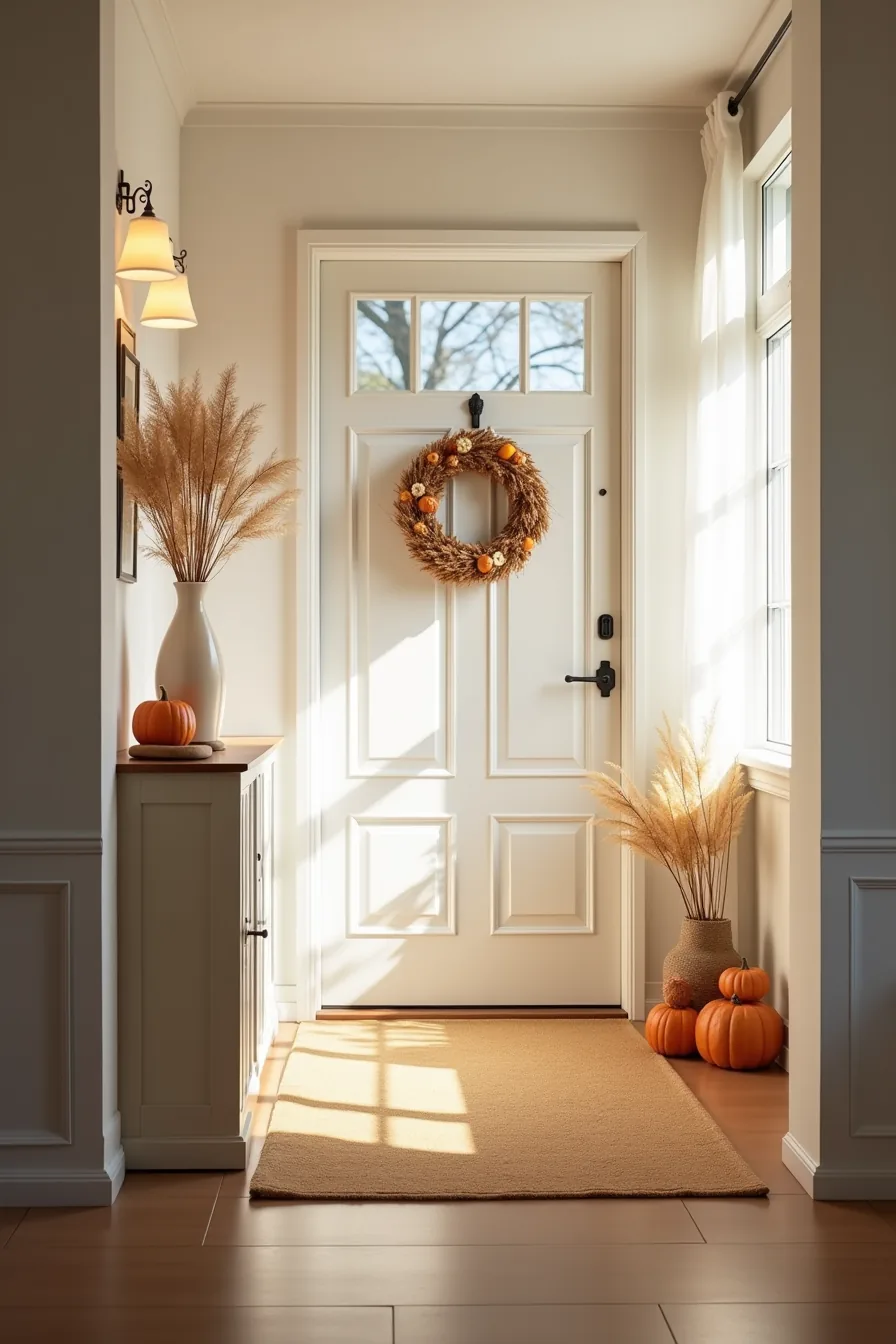
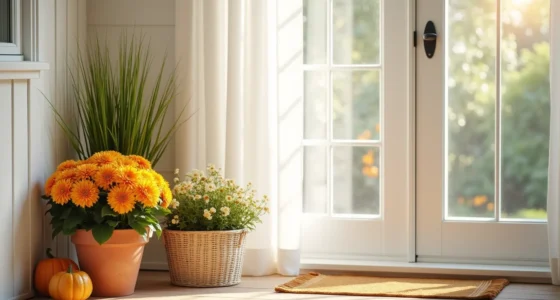
Your entryway is the first thing you see daily, which makes it the highest-impact spot for simple fall decor ideas for the home. Instead of scattering accents across every room, concentrate on three zones: the front door, the floor beneath it, and a nearby console table.
For the door, skip the classic pumpkin wreath and build a dried wheat wreath instead. It costs $18–$25 in materials, lasts three to four seasons, and adds a textural, golden-toned focal point without clashing with existing door colors. Secure it with a simple wire hanger rated for at least 5 pounds.
At the base, place a runner, not a mat. A 2′ x 3′ runner in a rust or burnt-orange tone frames the door visually and catches debris without overwhelming a narrow entry. Choose a polypropylene blend for weather resistance; it should cost $20–$35.
On the console table, if you’ve one, group three small gourds in varied heights on a simple wooden tray. This echoes the wheat without duplicating it. Keep the total footprint under 12 inches wide to avoid blocking traffic flow in tight entryways.
What type of room or user does this suit? Homes with a dedicated entryway or mudroom benefit most. If you’ve only an apartment door with no console space, skip the table arrangement and double down on the wreath and runner instead. This setup works for renters since nothing requires drilling or permanent installation, the wreath hangs on an over-the-door hook and the runner lies flat.
Scale and proportion guidance: For a standard 36-inch door, keep the wreath diameter between 20 and 24 inches. For double doors, go up to 28 inches. The runner should extend at least 6 inches beyond the door’s width on each side.
In a large foyer, consider a second, smaller wheat bundle on a bench or side table to balance the visual weight across the space.
Maintenance notes: Dust the wheat wreath monthly with a soft brush attachment. Avoid placing it in direct, harsh sunlight for more than six hours daily, it will fade and become brittle. Replace the runner seasonally if it sees heavy foot traffic; a $25 replacement is cheaper than deep-cleaning a stained natural fiber mat.
Budget breakdown: Wreath ($20), runner ($25), gourds ($8), wooden tray (reuse or $10) totals roughly $63. The wreath reinvests over multiple years; the runner and gourds are single-season costs.
Maintenance, Storage, and Seasonal Transitions
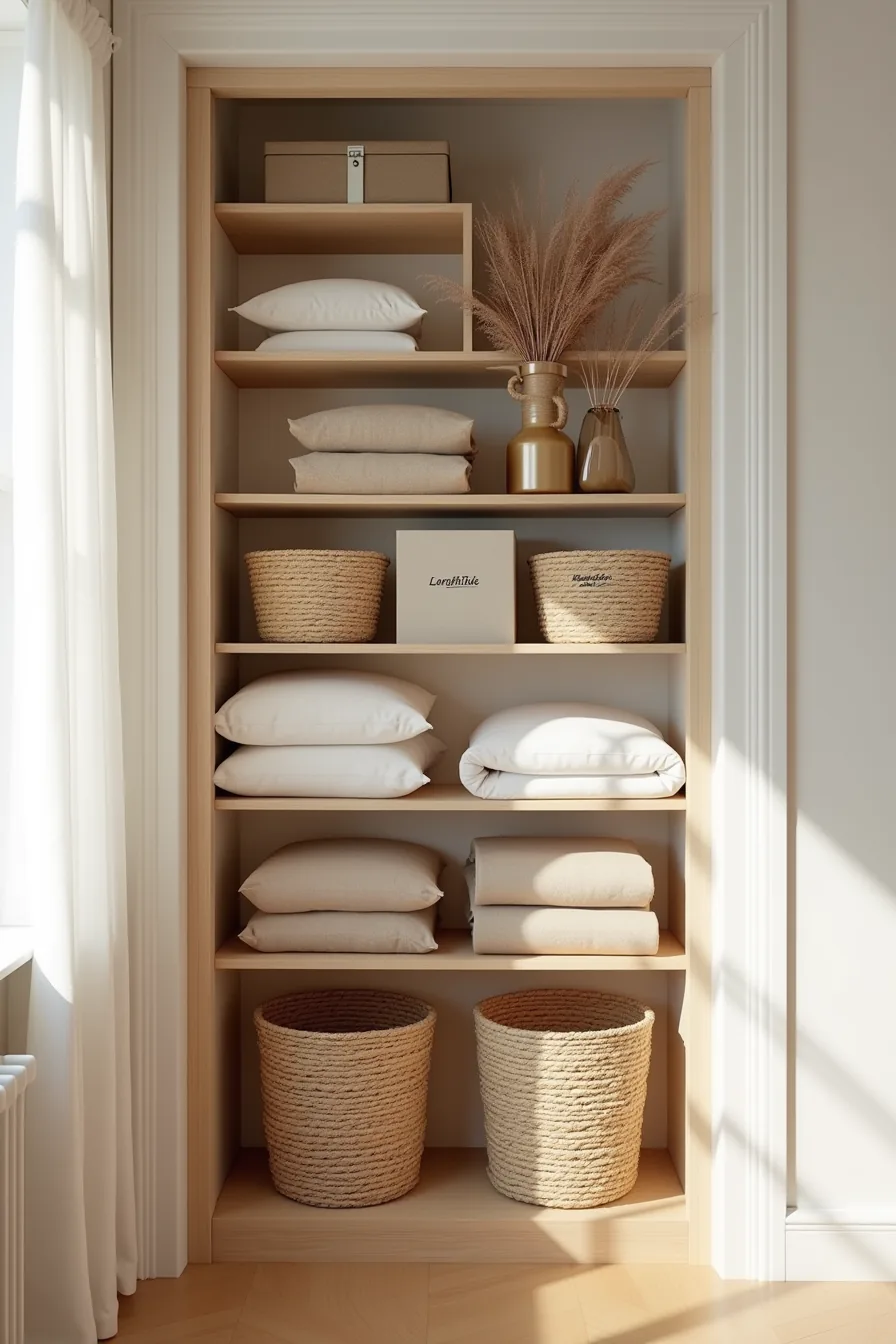
To keep your simple fall decor ideas for the home looking fresh, establish a weekly dusting routine. Use a soft brush attachment on your vacuum or a microfiber cloth to clean the dried wheat wreath and any wooden trays. This prevents dust buildup that can dull natural textures.
For the polypropylene runner, shake it out weekly and spot-clean spills immediately with mild soap and water; avoid machine washing, as it can warp the fibers.
When the season ends, wrap the wheat wreath in kraft paper and store it flat in a dry, cool closet. This prevents crushing and moisture damage. Roll the runner around a sturdy cardboard tube to avoid creases, and place it in a breathable storage bag.
Gather the gourds into a single bin, discard any that show soft spots before they rot and affect others.
To avoid common mistakes, never place natural elements near heat vents or radiators, as this accelerates drying and brittleness. Also, resist overcrowding your entryway table; leaving negative space around each item maintains the minimalist, intentional look. For a smooth transition into winter, swap the wheat for evergreen sprigs and replace the gourds with pinecones, keeping the same tray and runner to preserve visual continuity.
Where to start
You don’t need a single purchase to begin. Walk through each room and identify one surface, a console table, mantle, or kitchen island, that can hold a single seasonal object without disrupting daily use. Start there.
Match your choice to your constraints: renter-friendly means removable hooks and no wall damage; a budget route means one thrifted ceramic pumpkin or a bundle of dried stems under $15; a long-term investment means a cast-iron or ceramic piece you’ll store and reuse annually.
Your next step: measure that surface, then buy or forage one item that fits within two-thirds of its width. Done, that’s your first completed vignette.
Frequently Asked Questions
What counts as simple fall decor ideas for the home versus elaborate seasonal design?
Simple fall decor focuses on a few natural or neutral items, like pumpkins, dried branches, or throw blankets, arranged in under an hour. Elaborate design involves multiple vignettes, custom DIY projects, lighting changes, and full room transformations that take days.
Can I use simple fall decor ideas for the home in a rental without losing my security deposit?
Yes, if you stick to removable, non-damaging items: freestanding pumpkins, wreaths on command hooks, table runners, and pillow covers. Avoid adhesive wall decals, permanent hooks, or anything that stains walls or floors. Always use painter’s tape for temporary hangings and remove everything before move-out.
How do I scale simple fall decor ideas for the home from a studio apartment to a three-bedroom house?
In a studio, limit decor to one focal point, like a mantle or entry table, using 3–5 items. For a three-bedroom house, distribute themes per room: a small centerpiece in the kitchen, a throw on the sofa, and a doormat. Keep proportions consistent, larger spaces need bigger, fewer pieces, not more clutter.
What’s the difference between budget, mid-range, and investment-level simple fall decor ideas for the home?
Budget (under $30) uses grocery-store pumpkins, foraged leaves, and dollar-store candles, replaceable yearly. Mid-range ($30–$100) buys quality faux stems, ceramic pumpkins, and wool throws that last 3–5 seasons. Investment ($100+) covers handcrafted pottery, heirloom-quality quilts, and real wood trays that outlive trends and can be used year-round.