
Sliding door closet organization ideas range from simple tension-rod systems to full custom built-ins, and the right choice depends on your budget, rental restrictions, and how much floor space you can afford to lose. You can transform the awkward gap behind your doors into a functional zone without sacrificing access or airflow, but each approach carries distinct trade-offs in cost, installation effort, and durability. The six setups that follow cover every scenario, from a $30 renter-friendly fix to a permanent carpenter-grade solution, so you can match the method to your exact constraints before you buy a single bin.
Key takeaways
- Vertical shelving maximizes dead space but requires measuring door overlap so bins clear the track during slide.
- Double-hanging rods double capacity for shirts and pants, yet need 60–72 inches of interior height to avoid crowding.
- Slim rolling carts suit narrow closets (12–18 inches deep) but demand a smooth floor and a door stop to prevent wheel jams.
- Custom modular shelving with labeled zones costs $200–$600, yet pays off long-term if you fix brackets to studs, not drywall alone.
Vertical Shelving with Pull-Out Baskets
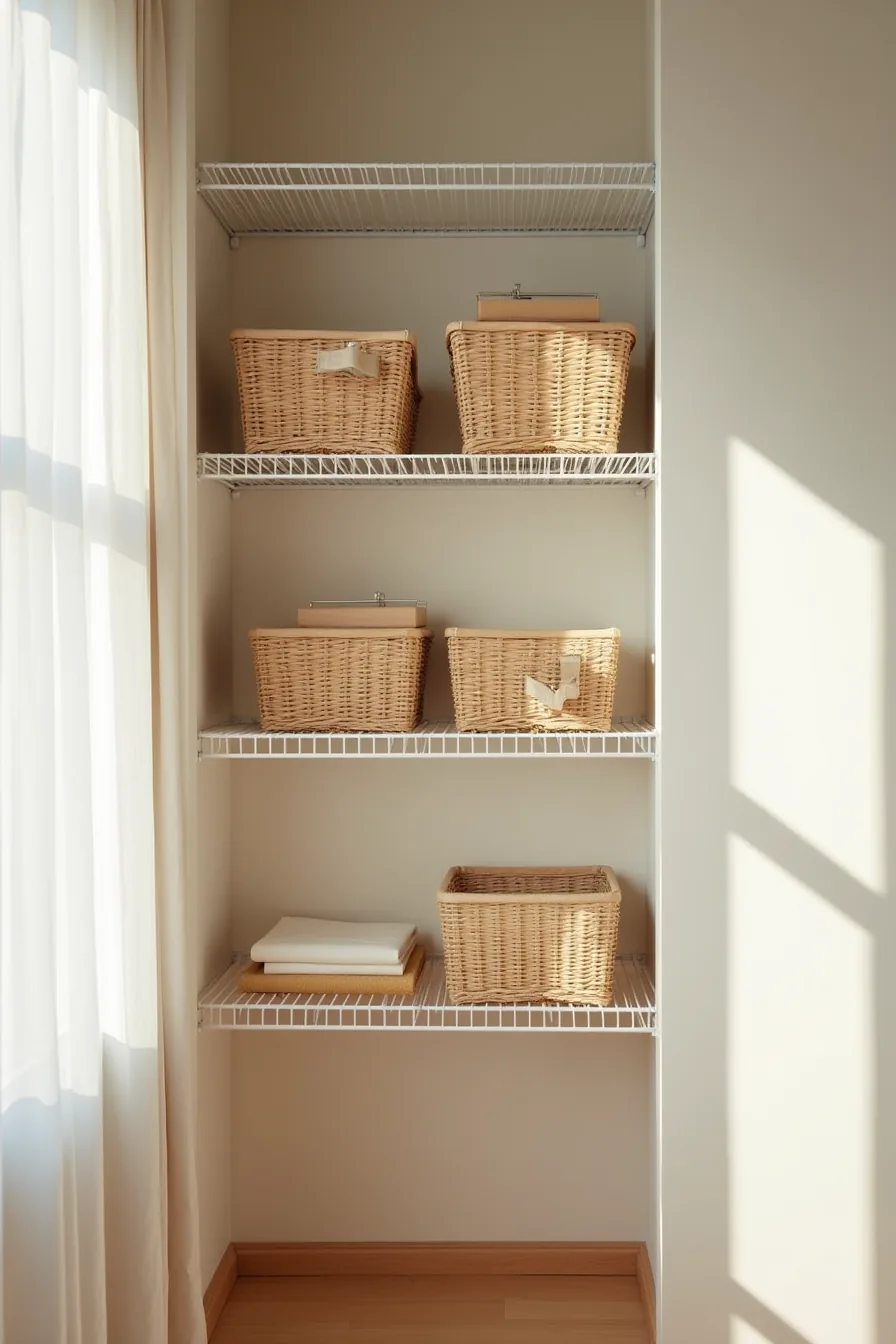
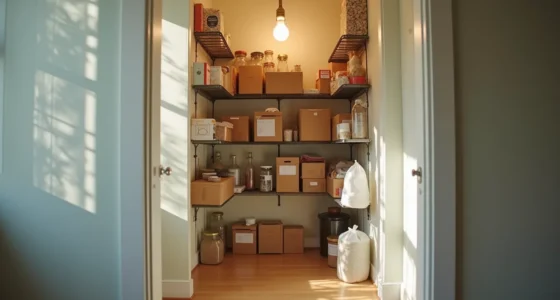
This setup works because it converts dead air space into usable storage without a single drilled hole. Five horizontal wire shelves mount directly onto the closet wall using standard brackets, spanning floor to ceiling to exploit the full vertical drop that single rods waste. You place four woven pull-out baskets on alternating shelves, leaving the rest open for folded jeans or bulky sweaters you want visible at a glance.
The pull-out mechanism is the key advantage: it slides the basket forward on its wire runners so you can reach the back row without excavating the front. For a medium closet roughly five to seven feet wide, this is the most cost-effective interpretation of sliding door closet organization ideas, clocking in at $40–$90 for brackets, shelving, and baskets. It fits renters because the brackets detach cleanly, leaving only tiny screw holes you can spackle on move-out.
The trade-off is weight capacity, keep each woven basket under fifteen pounds or the runners will sag. This is the budget route within the broader spectrum of budget vs. Splurge sliding door closet organization ideas, best for a guest room or a single user’s wardrobe, not a shared family closet.
Double-Hanging Rod with Tiered Drawers Below
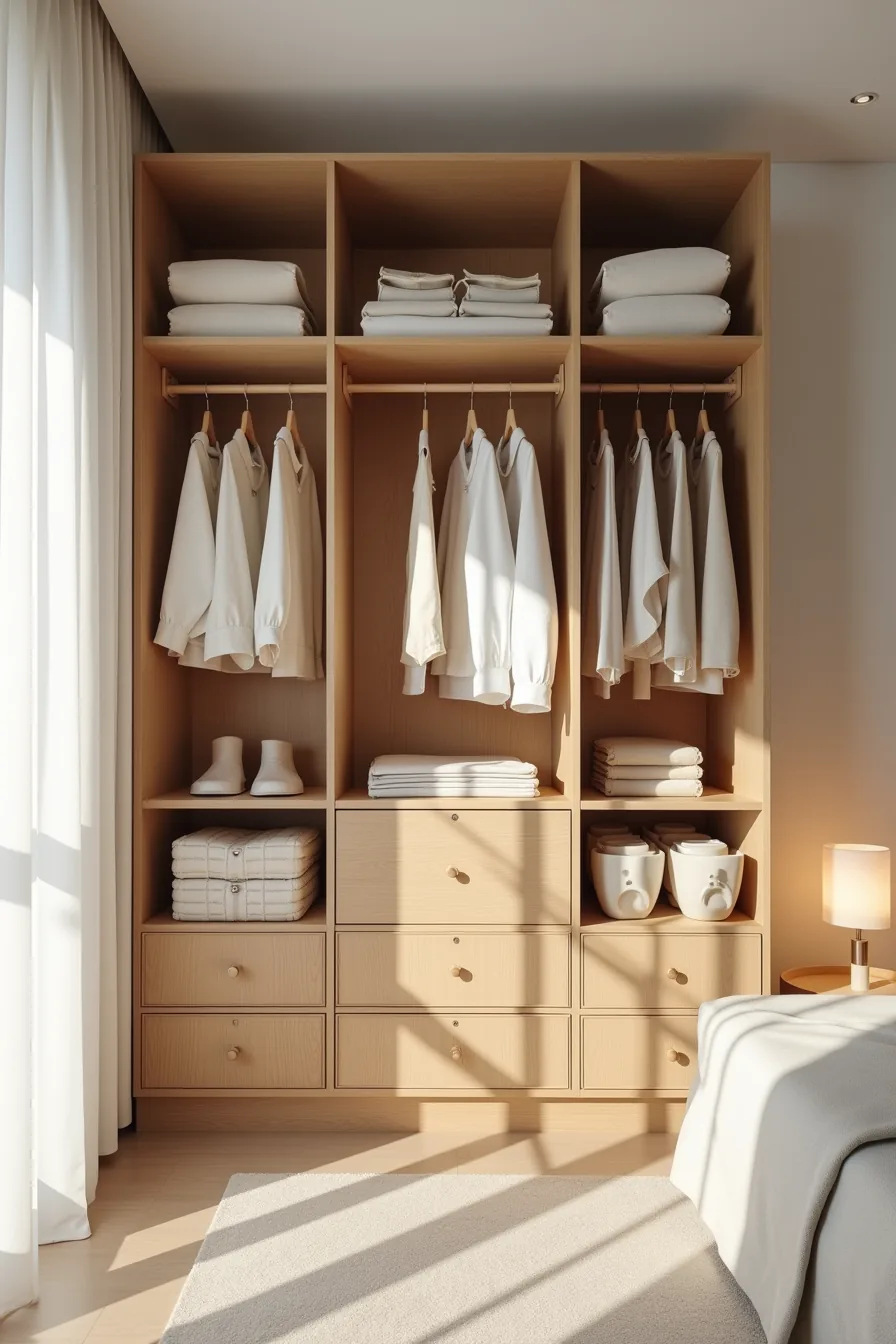
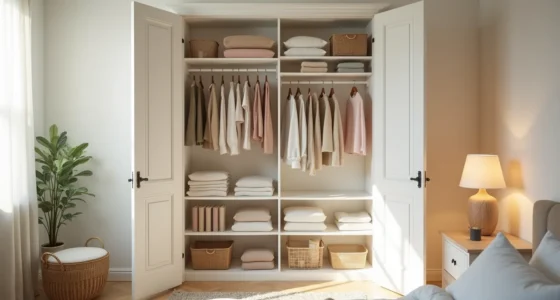
Doubling your hanging space works best when you separate garments by length: mount one rod 72–80 inches off the floor for shirts and jackets, a second rod 36–42 inches off the floor for pants and skirts. The stacked rods sit 18 inches apart in this setup, which lets you slide hangers freely without catching fabric, any less and long garments drag on the lower rod. This configuration suits large closets with eight feet or more of wall width, where a single rod would waste the upper half entirely.
The three wooden drawers below increase in depth as they descend, starting shallow at six inches for accessories and ending at twelve inches for folded denim or off-season knits. This tiered progression keeps heavier items at the bottom, reducing strain on the drawer slides and making the unit stable without anchoring to the wall. Expect to pay $150–$350 for quality wood drawers with full-extension slides, making this the long-term investment route among Best Sliding Door Closet Organization Ideas examples.
It fits households mixing hanging garments with bulky folded items, but it demands you measure your sliding door clearance, drawers need 20–24 inches of pull space, so verify they open fully before the door track blocks them.
Slim Rolling Carts Behind Sliding Doors
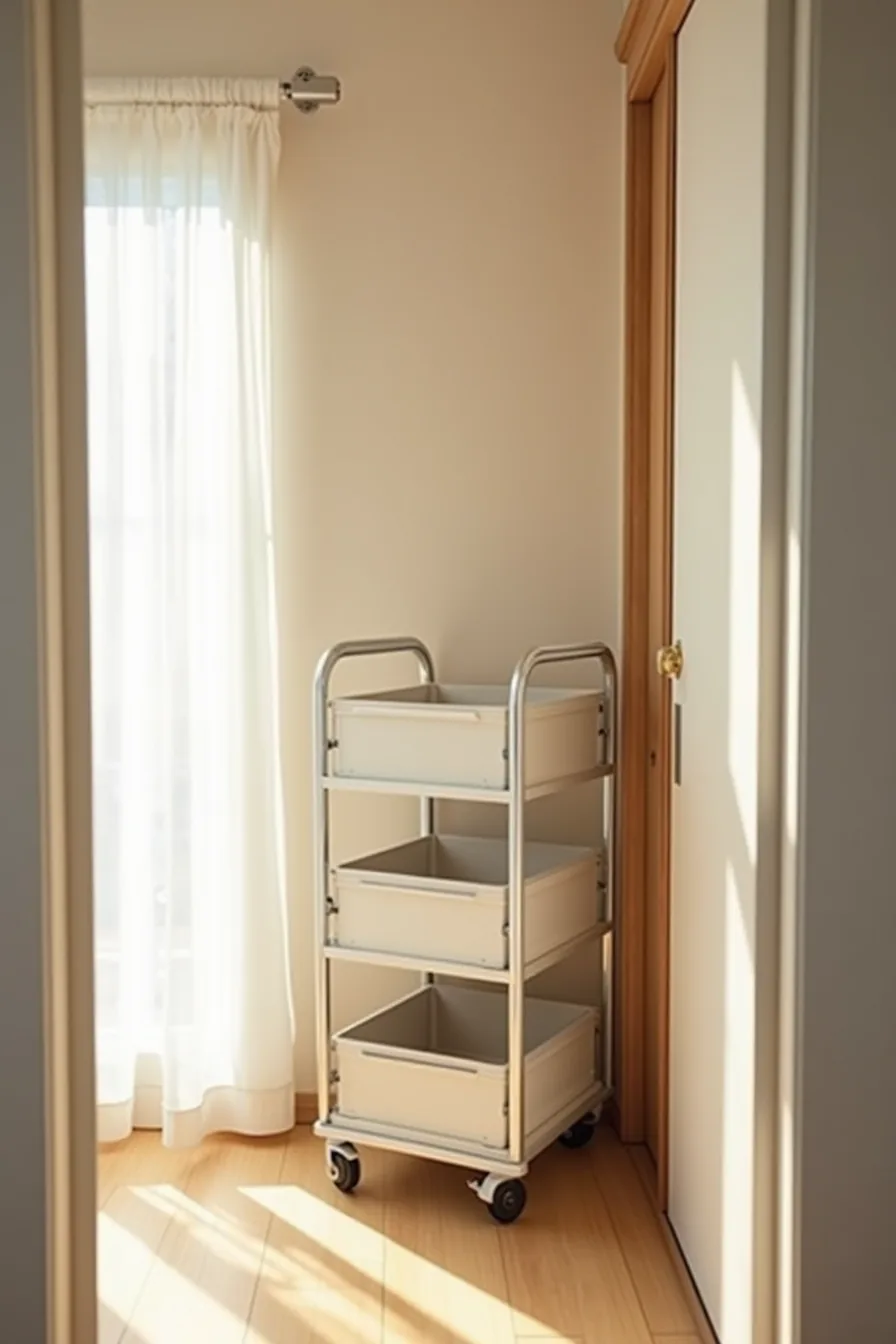
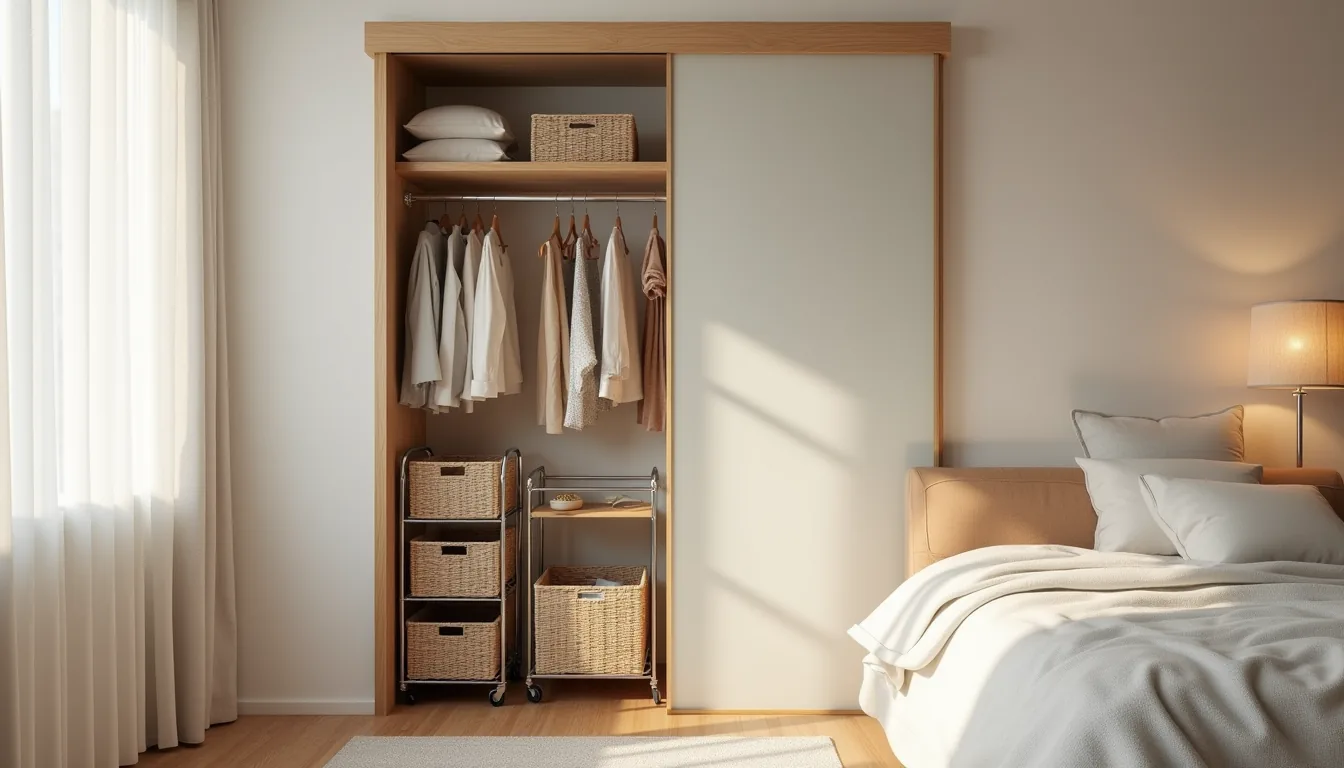
A narrow three-tier cart with a metal frame and plastic drawers gives you 12–15 inches of depth that tucks completely into the gap beside the door track. The cart sits flush against the back wall in this setup, so the sliding door still opens fully across its entire width, critical in a closet under five feet wide where every inch of access matters. Casters add 3–4 inches of height, lifting the bottom drawer clear of dust and making the unit easy to sweep under.
This is the budget route, typically running $25–$70, and the plastic drawers handle socks, accessories, and beauty products without the weight capacity for heavy denim. It suits renters or anyone with a shallow reach-in closet, because you can roll the cart out to the doorway when you need full access to the back rod. Choose a cart with locking casters if your floor slopes; otherwise, the unit drifts toward the door track and blocks smooth gliding.
For Practical Sliding Door Closet Organization Ideas planning tips, measure the gap between your door’s innermost track and the closet wall, you need at least 15 inches of clearance for the cart’s full width plus 2 inches of breathing room on either side.
Custom Modular Shelving with Labeled Zones
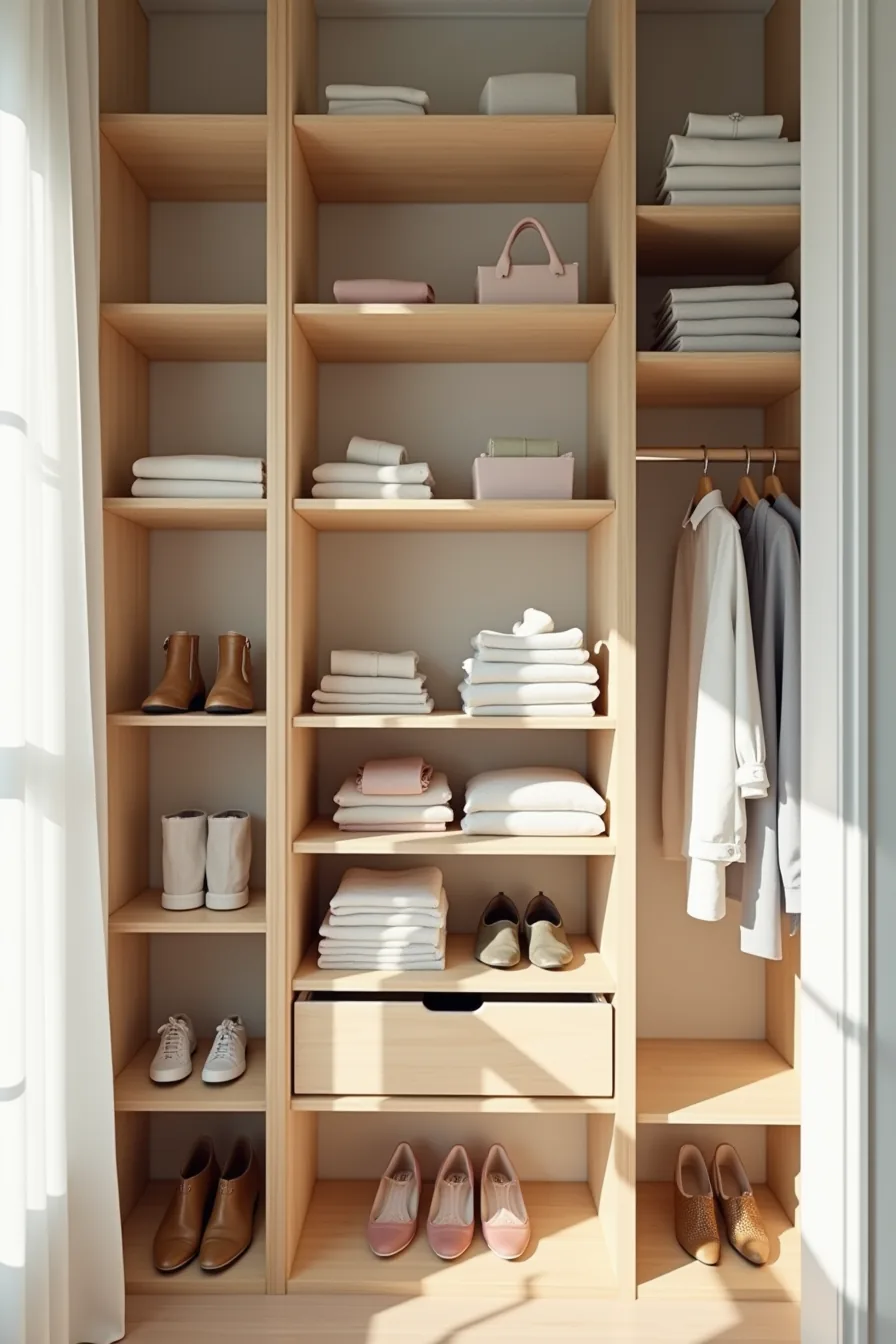
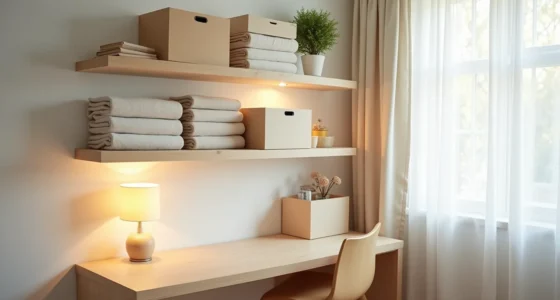
Three vertical zones, folded items left, accessories center, shoes right, turn a six-shelf unit into a decision-free system. Adjustable shelves let you shift spacing as your wardrobe changes: 10–12 inches for folded sweaters, 6–8 inches for handbags or belts, and 14–16 inches for stacked shoe boxes. Vertical dividers between zones keep categories from bleeding into each other, so you never dig through a mixed pile to find one item.
This is the long-term investment route, with solid-wood modular systems ranging $300–$900 depending on configuration and finish. It suits homeowners who plan to stay put, because the wall-mounted brackets and track system leave permanent holes and require a stud finder plus a level for proper installation. Label each zone with a small brass tag or vinyl strip to reinforce the system for other household members.
Before buying, measure your closet’s full height and depth, most modular units max out around 96 inches tall and need 16–20 inches of depth to clear the sliding door track without protruding into the doorway. This approach sidesteps common Sliding Door Closet Organization Ideas mistakes to avoid, like overloading a single rod or stacking identical shelves that waste vertical space.
Over-Door Hooks and Slim Wall Organizers
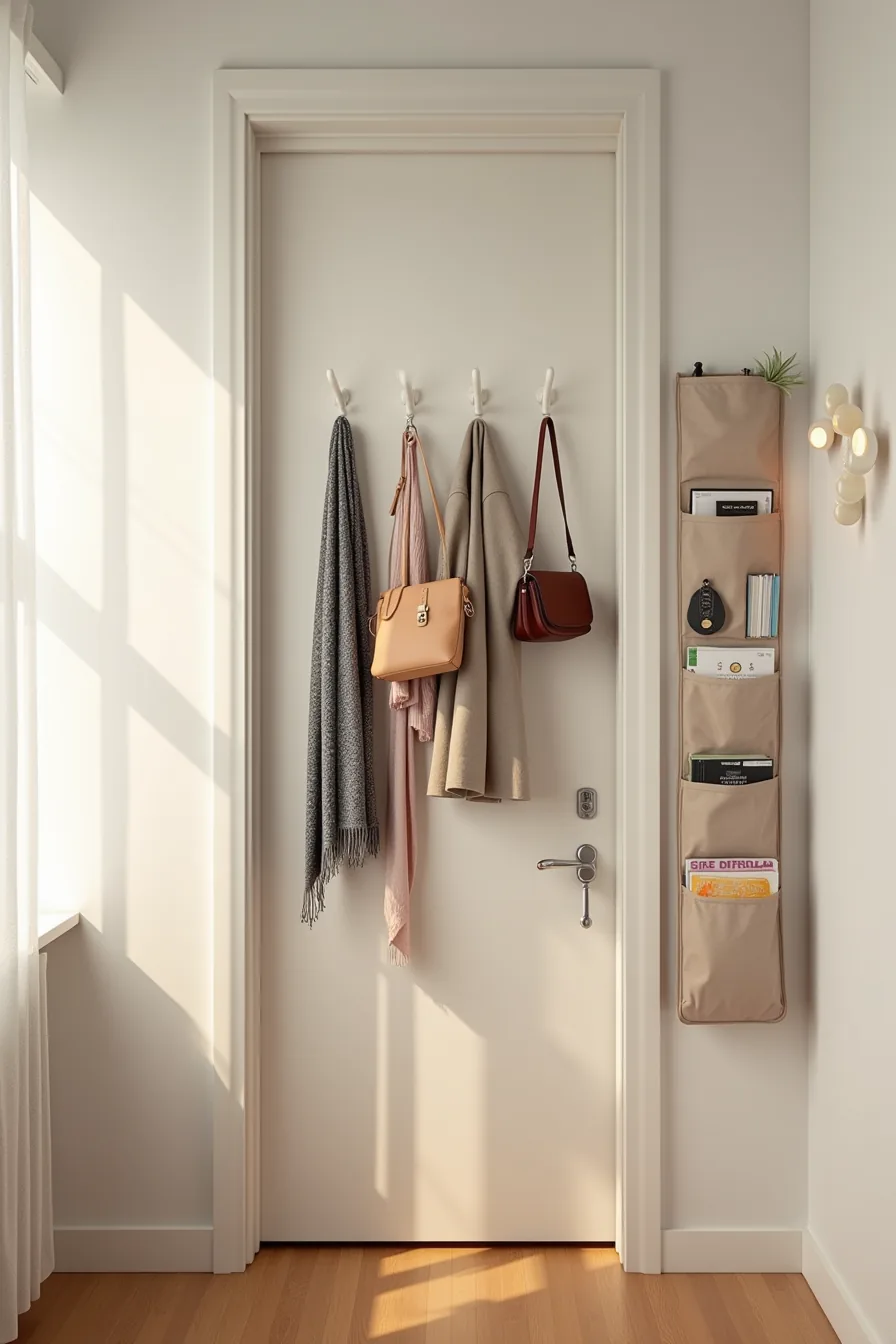
Hooks mounted directly on the door surface turn wasted vertical real estate into accessible daily storage. Eight adhesive hooks arranged in two columns of four give you 16 inches of usable hanging width on a 28-inch door, leaving the center clear for the handle and the door’s opening arc. Space them 4–5 inches apart vertically so scarves and belts hang without tangling, and reserve the bottom hook for small bags you grab daily.
Adhesive hooks cost $10–$25 per set, and the renter-friendly route costs nothing extra at move-out since most brands claim residue-free removal from painted and laminated surfaces. They work best in closets under 36 inches wide where a freestanding organizer would block the track. A slim fabric organizer with eight pockets on the adjacent side wall adds shallow storage for accessories without protruding into the walk path, most models run 2–4 inches deep and hold up to 10 pounds.
Check your door’s material first: hollow-core doors handle adhesive hooks fine, but textured or vinyl surfaces may need tension rods or over-door hooks instead.
Sliding Door Bypass Track Replacement with Glass Fronts
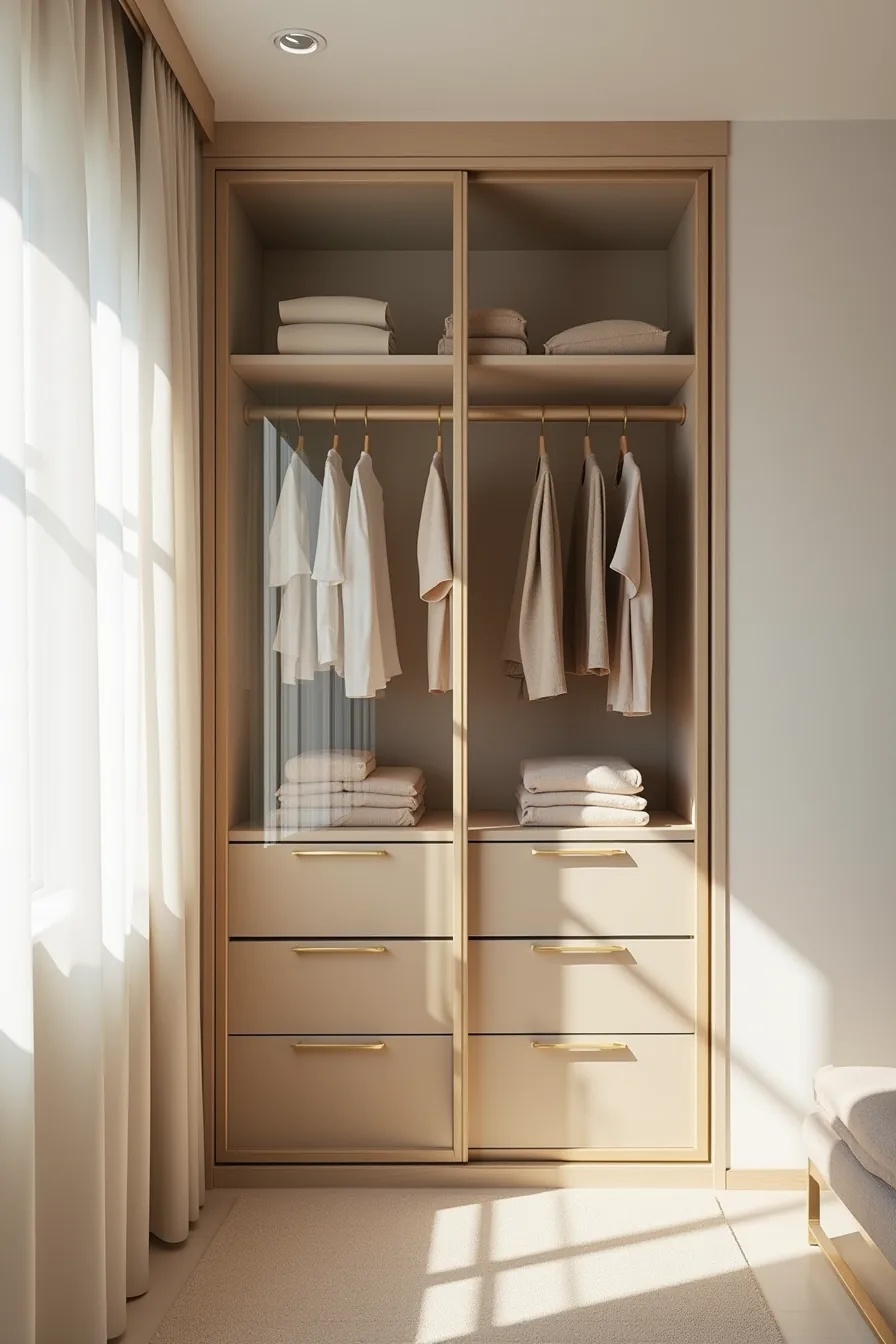
Swapping solid panels for glass-front sliding doors transforms a dark closet into a display case for your wardrobe while cutting the need for overhead lighting during daytime. The pair of transparent panels with brushed metal handles and a matching track system lets you see interior shelving and garments at a glance, which works especially well in bedrooms under 120 square feet where you want the room to feel larger without adding mirrors.
Expect to pay $400–$900 for mid-range glass bypass doors plus installation, making this a long-term investment route rather than a budget fix. The glass adds noticeable weight, so the bypass track must be rated for the combined panel load, most standard residential tracks cap out around 80 pounds per panel. Plan for weekly glass cleaning since fingerprints and dust show immediately, and consider frosted or tinted glass if you prefer not to display every folded item.
This setup suits homeowners who prioritize visibility over privacy and who can commit to the maintenance.
Your decision checklist
Before you commit to any sliding door closet organization idea, ask yourself three questions. First, how much daily friction do you tolerate? If you want zero-step access, skip the bins and use open shelving.
Second, what’s your budget ceiling? A full built-in system with custom inserts runs $800–$2,500, while tension rods and fabric cubbies stay under $150. Third, does your door swing clear of furniture within 24 inches?
If not, you need shallow shelving at 12–14 inches deep.
Your concrete next step: measure the interior width, depth, and height of your closet right now, then compare those numbers against the examples above. That single measurement eliminates half the options instantly.
Frequently Asked Questions
Can I organize a sliding door closet without removing the doors?
Yes. Use slim bins, over-door hooks, and tension rods that sit entirely within the shelf depth. Keep the track clear, anything protruding past the door plane will catch and jam.
What is the minimum closet width for a double-hanging rod system?
You need at least 36 inches of clear interior width. Below that, two rods overlap and make access awkward. For 24-30 inch closets, use a single rod or vertical pull-down rack instead.
How do I prevent items from sliding forward when the closet door opens?
Install a shallow front lip, a 1-2 inch wooden or plastic edge, on each shelf. Or use non-slip shelf liner and store tall items in bins with handles that face the door opening.
What is the typical cost difference between renter-friendly and custom built-in organization?
Renter-friendly options (tension rods, adhesive hooks, fabric bins) run $30-100 per closet. Custom built-ins (wood shelving, drawers, hardware) start around $300 and often exceed $800, depending on size and finish.