
A bed blanket is a functional layer of warmth and texture, but the way you choose it—folded, draped, or tucked—changes how your bedroom feels and functions. You can use one to solve a heating problem, protect a duvet, or anchor a color scheme without committing to new bedding. The right approach depends on your room’s size, your sleep temperature, and how much maintenance you’ll tolerate.
The six setups that follow range from a $40 throw to a heirloom-quality wool investment, each with clear placement rules and trade-offs.
Key takeaways
- Layered blanket styling works best with three distinct weights—a flat sheet, a mid-weight quilt, and a chunky knit—to create depth without overheating.
- Weighted blankets suit restless sleepers but require a 10% body-weight ratio and a cooler room, since they trap heat.
- Seasonal rotation systems cut storage needs by 50% if you vacuum-seal off-season blankets and swap them twice a year.
- Natural fiber blankets (wool or linen) cost 2-3 times more upfront but last 10-15 years versus 3-5 for synthetics, making them the better long-term buy.
Layered Blanket Styling for Visual Depth
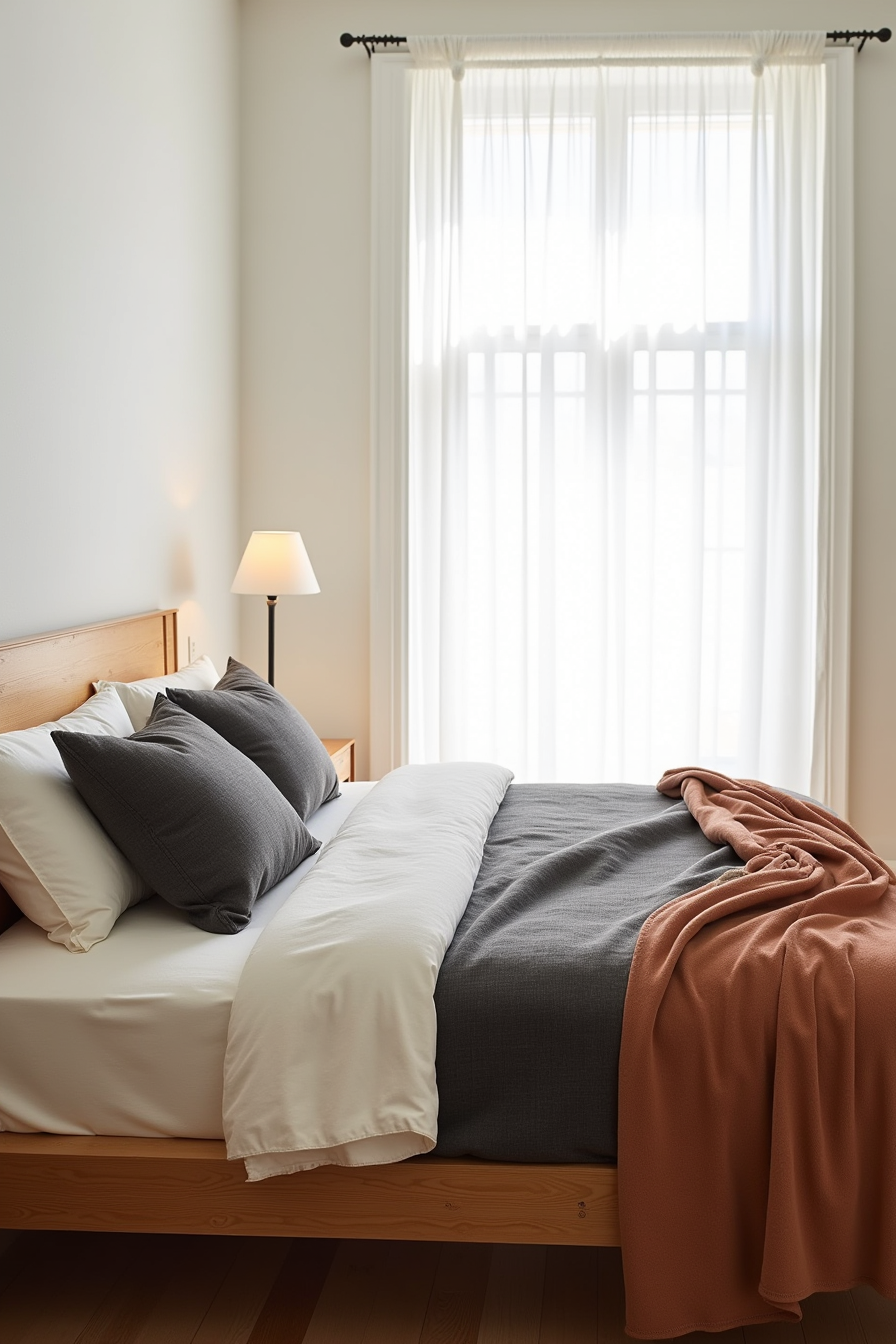
Layering works best when each piece earns its place through weight, texture, or color contrast. Start with a cream linen sheet tucked firmly at the base — its crispness gives the eye a clean foundation. Fold a charcoal merino wool blanket at a 45-degree angle across the mattress center; the heavier knit anchors the look and adds warmth without full coverage.
Finish by draping a rust linen throw over one corner of the wooden bed frame, letting it pool slightly on the mattress edge.
The three-tone palette (cream, charcoal, rust) creates dimension through contrast rather than pattern, which keeps the arrangement forgiving to execute. This setup suits medium to large bedrooms where the bed is visible from multiple angles, and it requires no extra storage — every layer stays on the bed year-round. For a budget route, substitute the merino with a cotton waffle blanket; you’ll lose some warmth but retain the visual structure.
Weighted Blankets for Function and Comfort
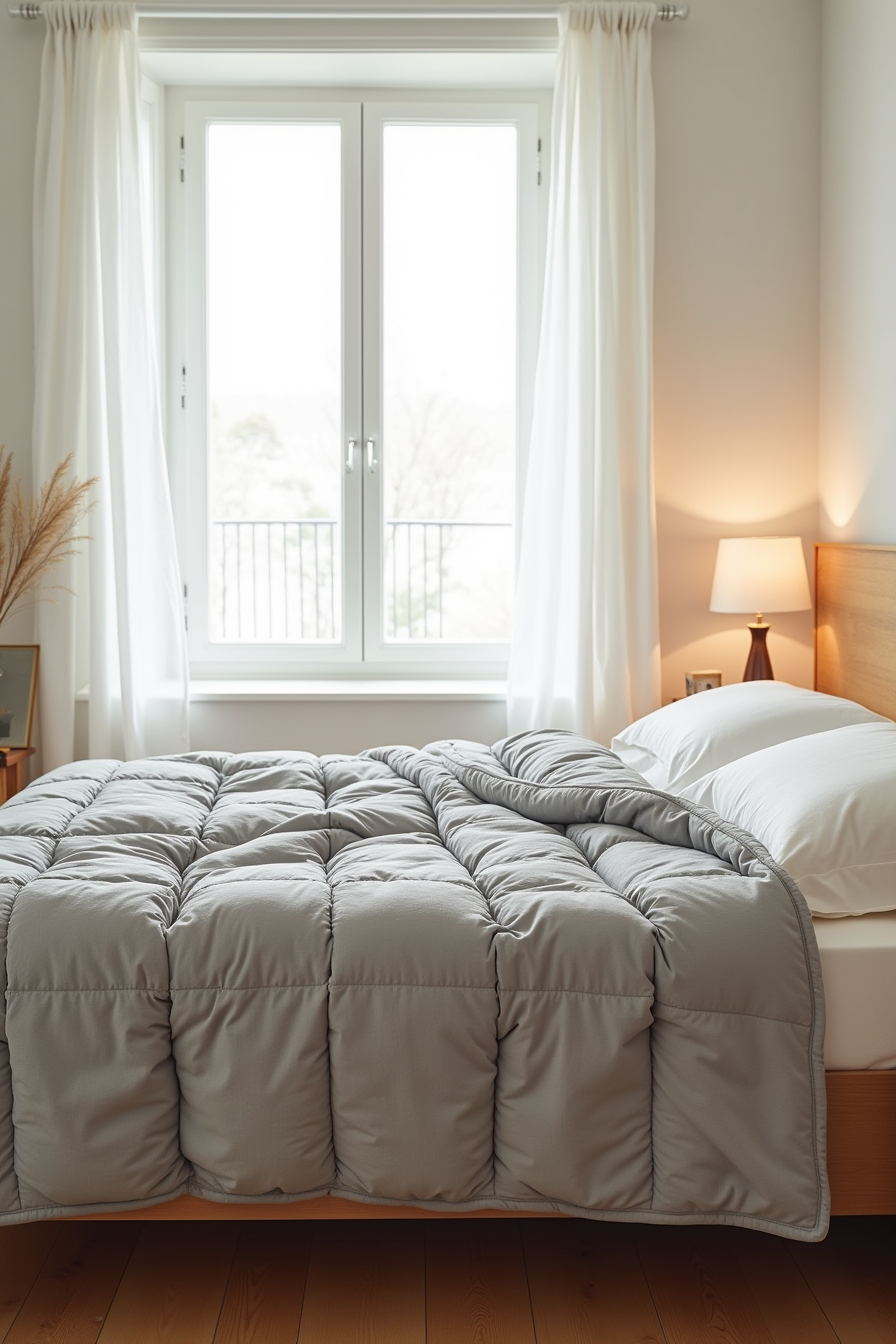
A weighted blanket serves a distinct purpose: its deep pressure stimulation can lower cortisol and heart rate, helping you fall asleep faster. Most adults find a blanket weighing 10% of their body weight—typically 10 to 20 pounds—offers the calming effect without feeling trapped.
Choose a quilted grid pattern with a cotton cover for breathability, especially if you sleep warm. A 15-pound version works well for someone in the 150–180 pound range, and the evenly distributed glass beads prevent bunching. Spread it flat over your fitted sheet, not under a duvet, so the weight stays consistent.
This option suits light sleepers or those with anxiety, but it isn’t ideal for hot sleepers or children under 40 pounds. For a budget route, buy a cooling cover separately; for a long-term investment, select a washable, all-season fill that lasts five-plus years.
Seasonal Rotation Systems That Save Space
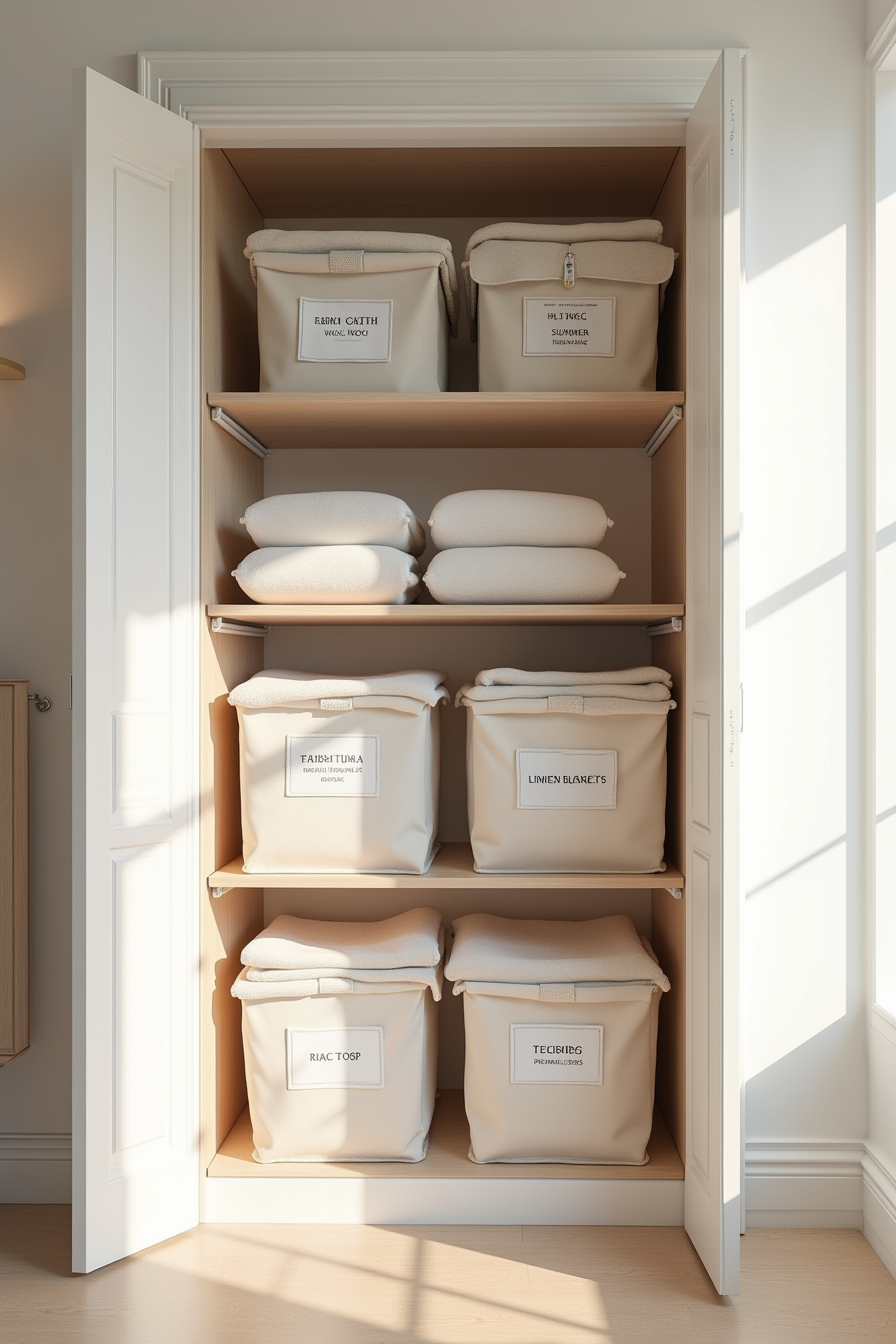
A seasonal rotation system turns your bed blanket ideas into a practical workflow rather than a storage problem. Designate four labeled fabric bins—winter wool, summer cotton, transitional linen, and specialty items—arranged on an open closet shelf so you can swap without unpacking everything. Keep the bin you need at eye level; store this season’s blanket on the bed, not in the closet.
Roll the off-season blankets standing upright in the shelf below the bins. Rolling, not folding, prevents creases in wool and cotton and lets you see each option at a glance. Use the specialty bin for guest-use blankets or decorative pieces you rotate occasionally.
This system suits medium-to-large closets. For smaller spaces, reduce to three bins and skip the transitional category by choosing a linen blanket that works for both spring and fall. Rotate on a fixed schedule—first day of each season—so the habit sticks without decision fatigue.
You’ll spend 10 minutes swapping blankets per rotation, and because each blanket rests for months, you extend its lifespan by reducing daily wear and washing frequency.
Natural Fiber Blankets as Long-Term Investments
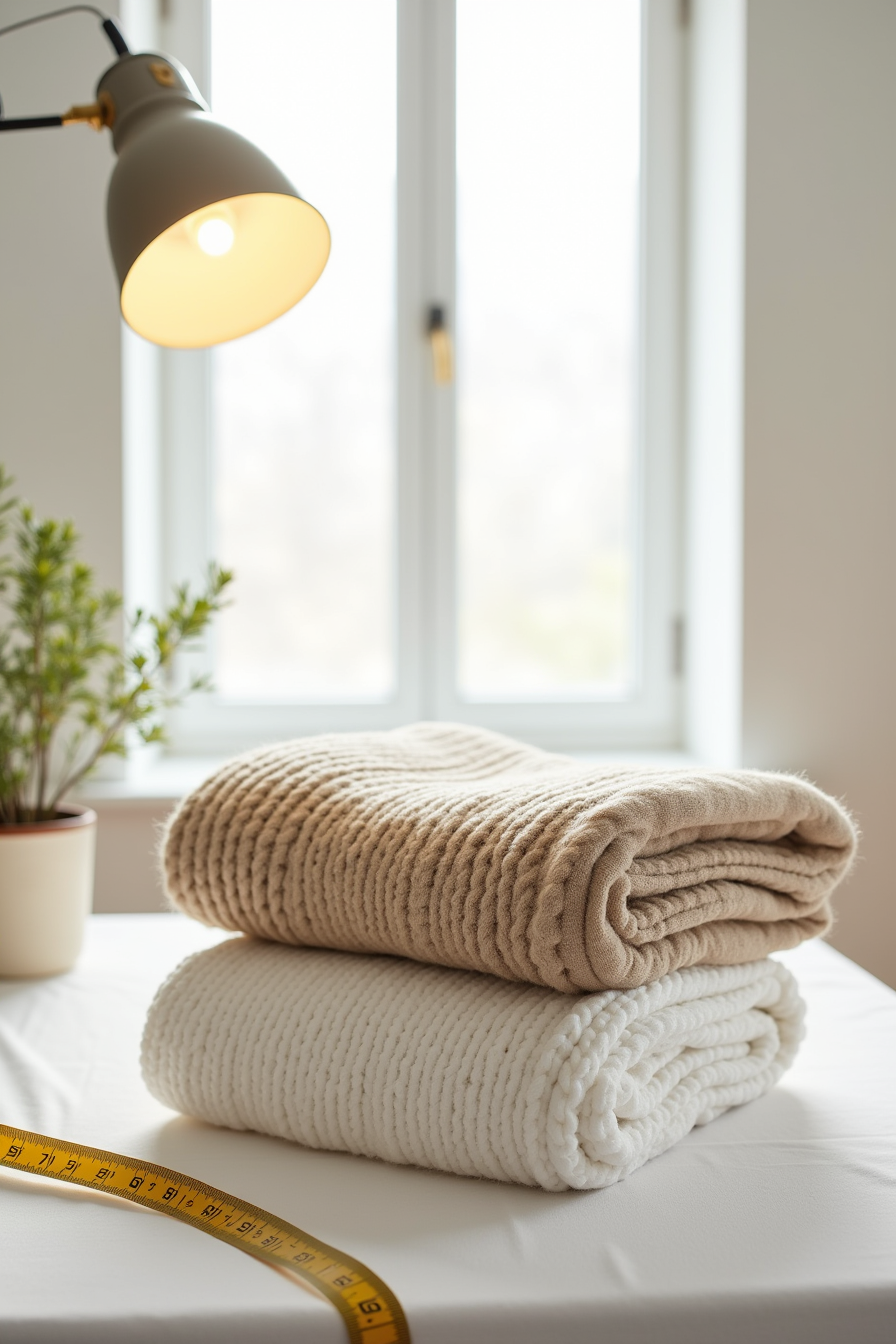
A flat-lay of three folded blankets—cream linen with visible weave texture, oatmeal wool in a dense knit, and white cotton with a tight weave—demonstrates the cost-per-wear argument for natural fibers. Each care tag tells the same story: these blankets outlast synthetic alternatives by years when you follow their specific washing instructions. Linen and wool typically last 15-20 years with proper care; cotton runs 10-15 years.
Synthetics often pill and lose shape within 3-5 years.
The tape measure showing roughly 60×80 inches confirms you’re comparing standard twin-to-full dimensions, not decorative throws. That size matters because a true investment blanket must cover your bed adequately—undersized blankets wear unevenly and strain at the corners.
Expect to pay 2-3 times more upfront for natural fibers than polyester blends. The trade-off: linen softens with each wash rather than degrading, wool resists odors so you wash it quarterly at most, and cotton tightens its weave over time. Budget buyers should start with cotton, which offers the lowest entry price among natural options while still outperforming synthetics.
Throw Blankets for Renters and Small Spaces
A 50×60 inch throw blanket solves the problem of adding warmth and style when a full bedding overhaul isn’t practical—or permitted. In a studio apartment, that standard throw size folds into thirds across the foot of a twin bed, covering roughly the bottom third of the mattress without overwhelming the proportions of the room. When you need the space to double as a seating area, the same blanket drapes over a desk chair, giving you a second use without any additional cost.
The renter-friendly advantage is that nothing requires permanent installation. You can layer a cream knit throw over a fitted sheet, then fold the blanket away entirely when guests visit or when you want a cleaner look. The bookshelf headboard in this setup confirms you’re working with flexible furniture, not built-ins—so your blanket strategy should stay equally adaptable.
For smaller rooms, stick to throws between 50×60 and 60×70 inches. Anything larger reads as a full bedspread and visually shrinks the floor space. The common Bed Blanket Ideas mistake to avoid: buying a throw that matches your bedding exactly, which creates a flat, monochromatic look instead of the layered depth you’re aiming for.
Blanket Placement and Proportion Rules
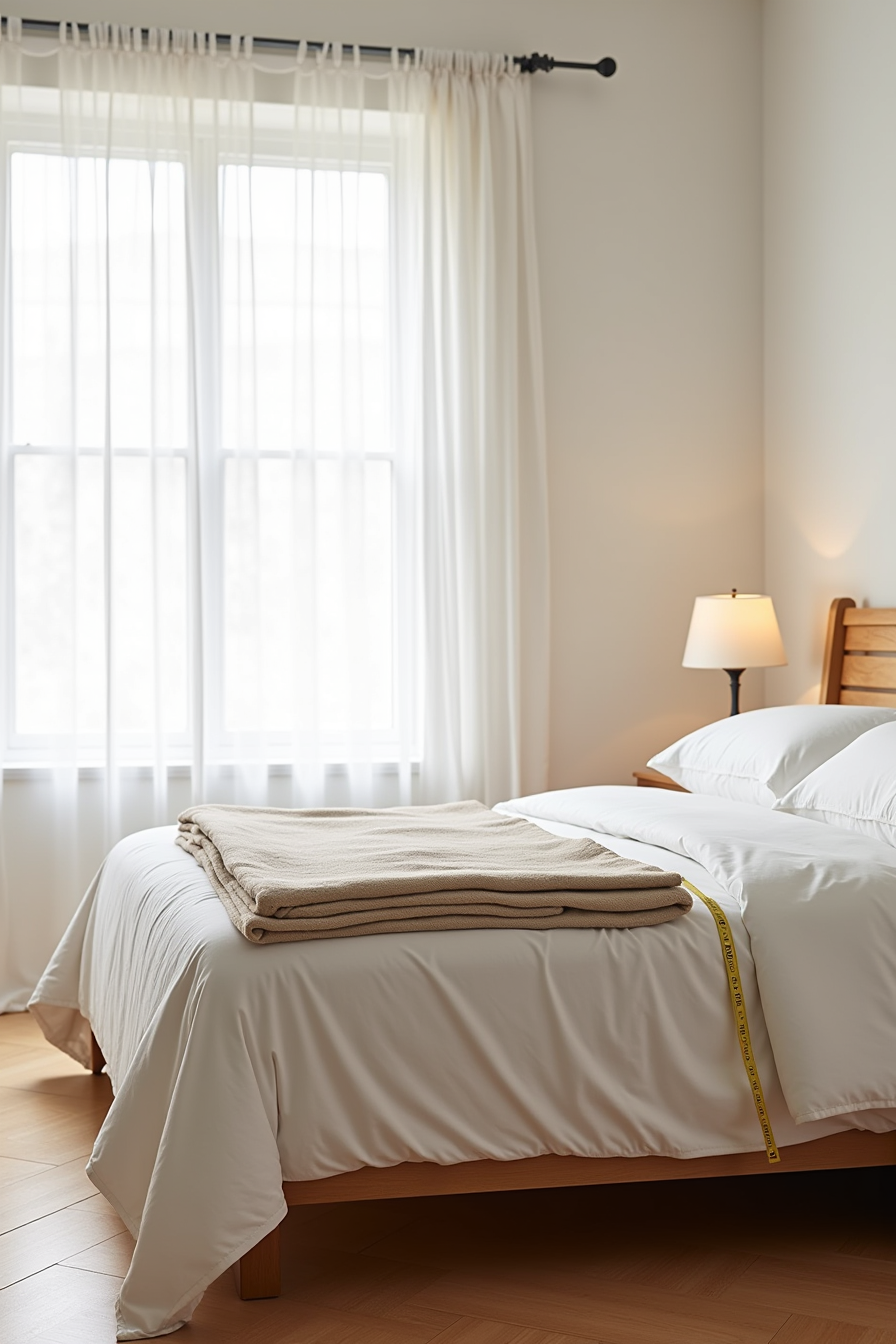
The proportion rule that works across bed sizes: the bottom third of the mattress carries the visual weight. On a king bed, that means a full-width cotton blanket folded down 12 inches from the headboard, creating a crisp base layer that anchors the bed without competing with the fitted sheet beneath it.
Layer the throw blanket on top, folded into a neat rectangle and centered so it leaves roughly 18 inches of exposed cotton on each side. That border matters—it creates a deliberate frame rather than a haphazard pile, and it keeps the edges of the bed clear for sitting. If you’re working with a queen or full, scale the fold depth down to 8-10 inches and the side borders to 12-14 inches, maintaining the same visual ratio.
Keep the top layer high enough that it doesn’t drape over the footboard, which blocks circulation in tight bedrooms and adds unnecessary bulk. The measuring tape in this setup confirms the exact distances; in practice, a quick visual check that you can see the mattress corners on both sides tells you the proportions are right. The entire arrangement should take under two minutes to set, since the goal is a repeatable daily routine, not a styled photo.
Your Decision Checklist
Before you buy, measure your bed’s drop length and width. Confirm your material choice against your climate and cleaning habits. Check if the fabric is washable and how it handles pilling.
Now, decide your priority: budget, renter-friendly, or long-term investment.
Your next step is simple: order three fabric swatches in your top colors and live with them for a day. The right feel will make the decision for you.
Frequently Asked Questions
What size blanket should I buy for a queen bed?
For a queen bed (60 inches wide), choose a blanket measuring 90 by 90 to 100 inches. This allows a 12- to 15-inch drop on each side and enough length to tuck under the foot.
How many blankets do I actually need for year-round comfort?
Three blankets suffice: one lightweight cotton or linen for summer, one mid-weight wool or acrylic for spring and fall, and one heavy quilt or duvet insert for winter. Rotate them seasonally to avoid overheating.
Can I machine wash wool and linen blankets, or do they require special care?
Machine wash linen on a gentle cycle in cold water, then air dry. Wash wool by hand in cold water with a wool-specific detergent—machine washing risks felting and shrinkage. Always check the care label first.
What’s the difference between a weighted blanket and a regular heavy blanket?
Weighted blankets contain glass beads or plastic pellets distributed evenly to provide deep-pressure stimulation, typically weighing 5 to 15 kilograms. A regular heavy blanket simply adds thermal mass without targeted pressure, so it warms but doesn’t calm anxiety.