
A mirror frame isn’t a single product, it’s a design decision that controls how much light, depth, and character a room reflects, and the right choice depends on your wall space, budget, and willingness to maintain the materials. The six approaches that follow range from a $30 DIY solution to a custom millwork investment, each with specific scale rules, placement logic, and upkeep trade-offs. You’ll see exactly which option fits your room’s proportions and your tolerance for cleaning, so you can commit to a frame that performs as hard as it looks.
Key takeaways
Frame material dictates your maintenance routine: metal frames need occasional rust checks in humid rooms, while wood requires periodic polishing to prevent drying and cracking. Scale beats decoration in small spaces: a mirror frame shouldn’t exceed one-third of the width of the wall it hangs on, or it will visually shrink the room. Renter-friendly upgrades stick to adhesive-backed moulding or tension rods to hang a framed mirror without drilling, preserving your security deposit. Antique frame sourcing works best at estate sales and auction houses, where you can inspect joins and gilding in person, rather than risking hidden damage from online shipping.
Wood vs Metal Frame: Choosing Your Base Material
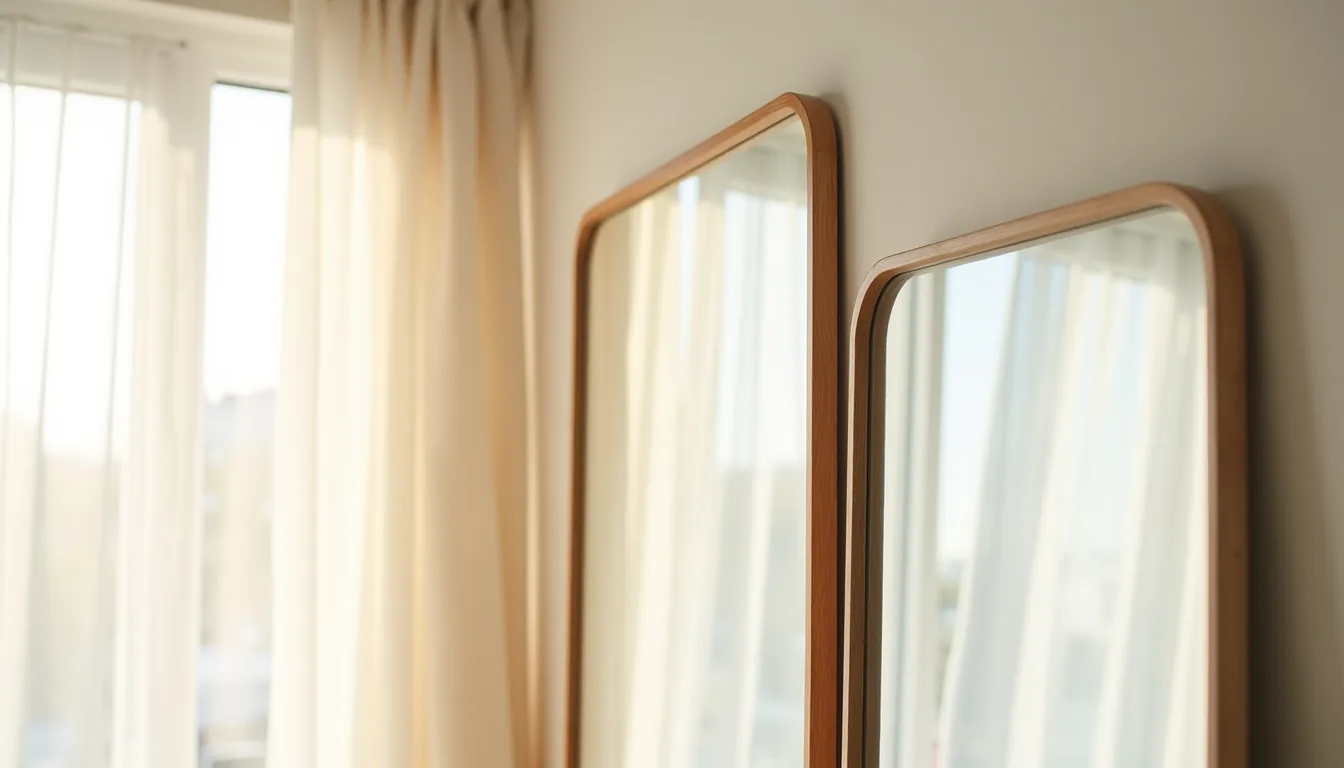
The two options diverge sharply in every category that matters. Wood frames, whether solid oak, reclaimed pine, or poplar with a veneer, deliver warmth and visual weight, cost more upfront, and need periodic refinishing in humid rooms. Metal frames in matte black or brushed brass are typically 20–40% cheaper, maintain their finish for years, and handle bathroom steam without warping, though they show fingerprints and can dent if struck.
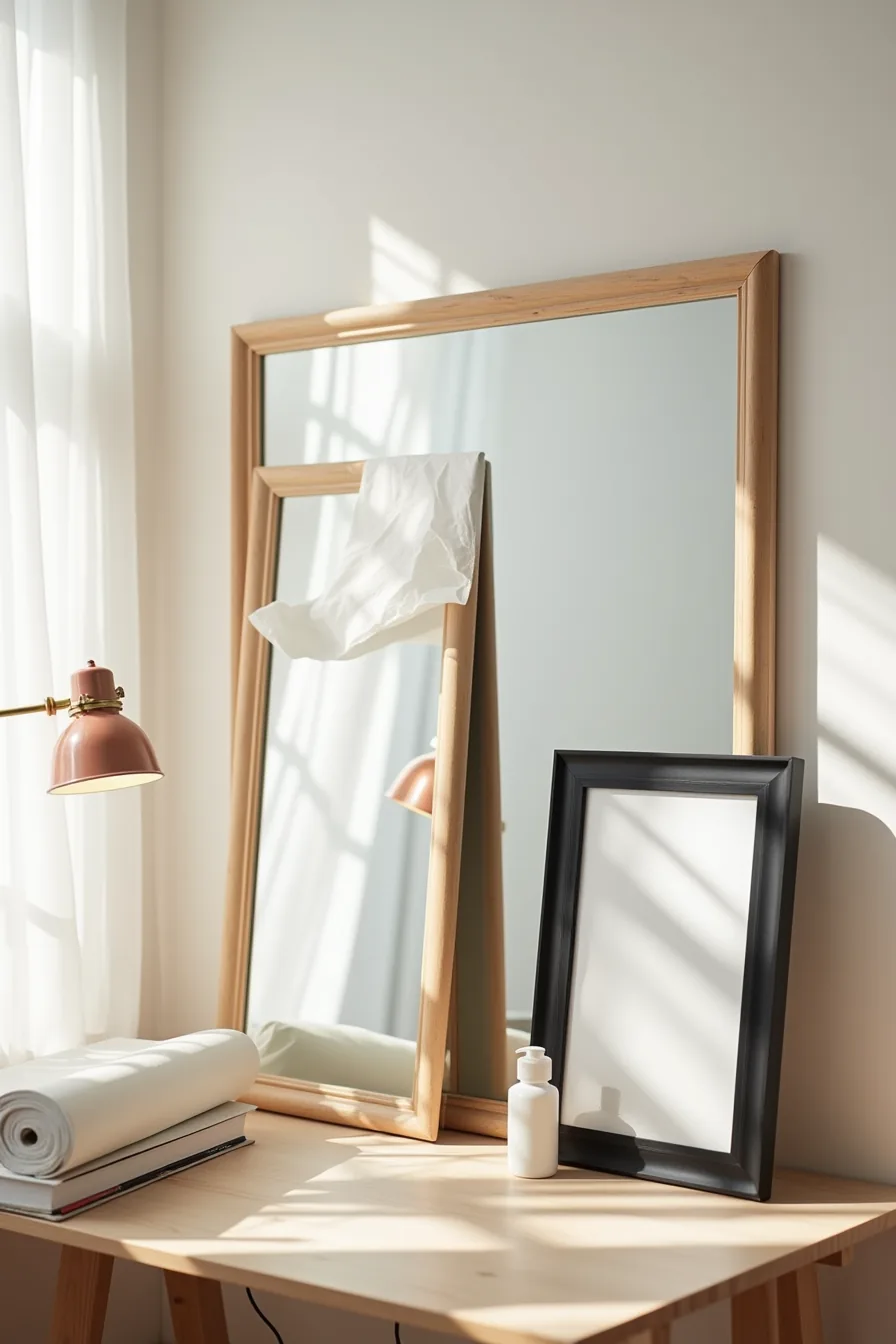
Consider the middle path. Adhesive-backed wood trim rolls run $15–$30 and bond directly to a mirror edge in under an hour, giving you wood’s look with metal’s simplicity. A matte black metal channel frame, usually sold in 4–8 foot lengths for $10–$25, suits renters, it installs with tension clips and leaves no permanent damage.
Choose wood for a dining room or entryway where you want lasting character and don’t mind seasonal maintenance. Choose metal for a bathroom, laundry, or rental unit where moisture tolerance and easy removal outweigh aesthetics. If you’re testing a style before committing, start with the trim roll; it peels off cleanly with a heat gun and leaves the mirror usable.
Budget-Friendly DIY Frame Refresh for Existing Mirrors
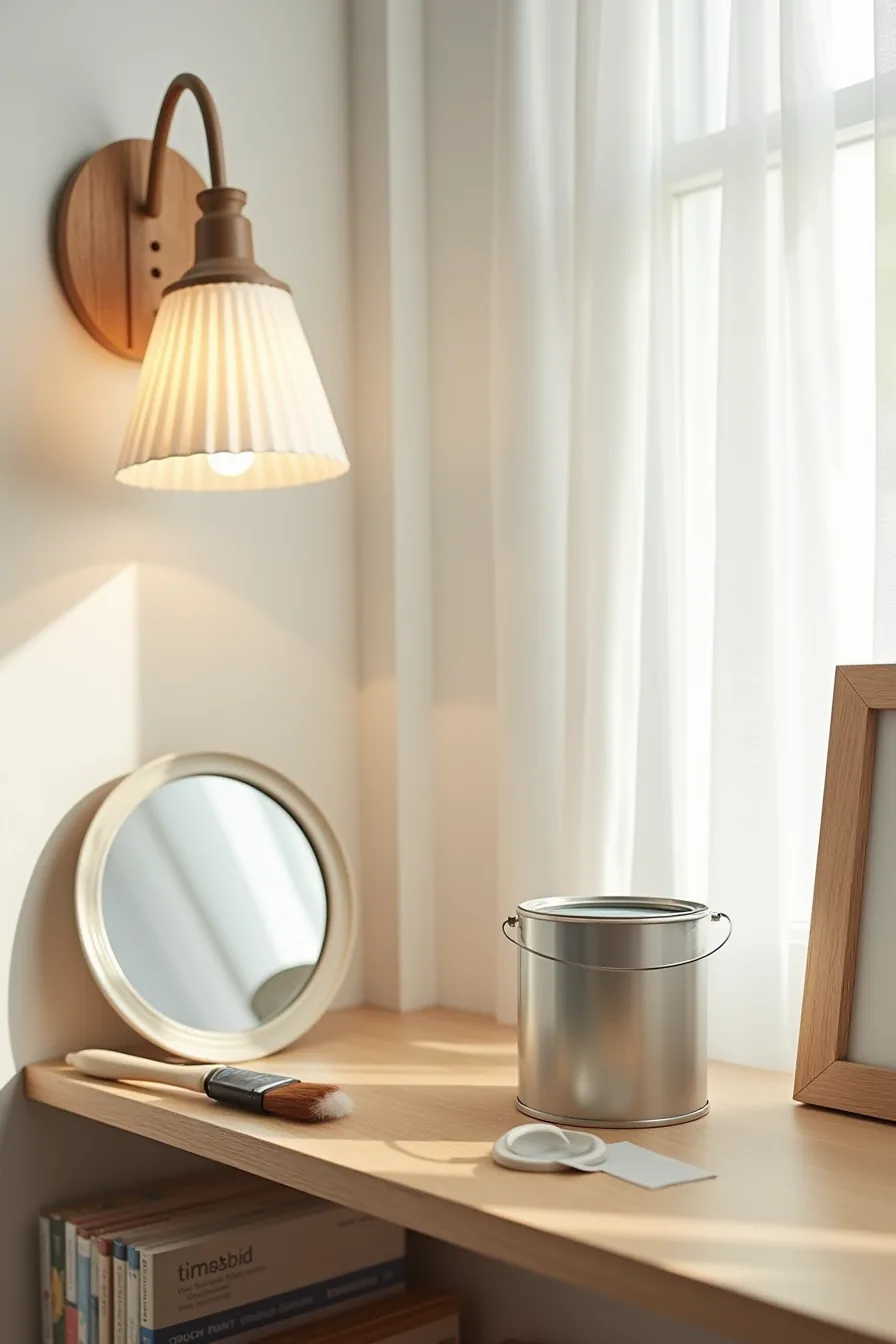
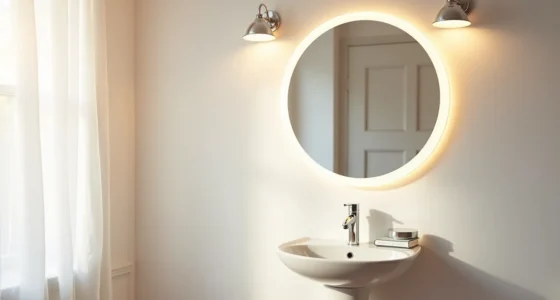
You can transform a dated mirror for under $30 and under two hours without removing it from the wall. Mask off the glass perimeter with painter’s tape, leaving a 1.5–3 inch border exposed, then apply two thin coats of metallic spray paint directly to the frame. A round mirror on a bathroom shelf takes roughly 90 minutes total, including drying time between coats; use a foam brush for touch-ups and keep the paint can within arm’s reach for consistent coverage.
This approach suits renters because it reverses with rubbing alcohol and a plastic scraper, leaving no residue. For a more permanent refresh, swap spray paint for a bonding primer and semi-gloss enamel, it survives daily bathroom steam and wipes clean with a damp cloth. Test the finish on a sample frame first, as metallic paints vary in coverage and sheen between brands; a single coat rarely looks uniform on dark surfaces.
Vintage Frame Mood: Sourcing and Styling Antique Mirrors
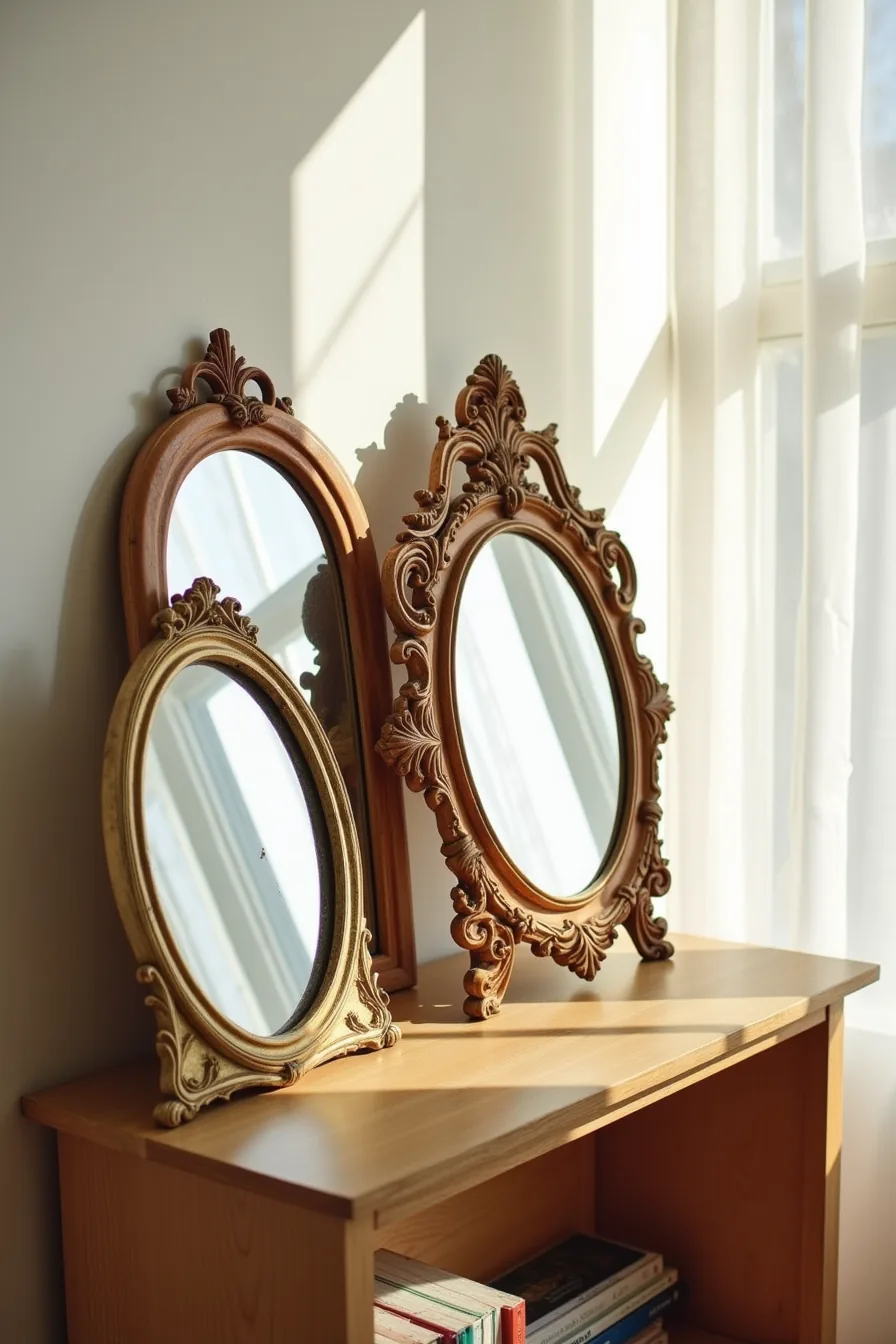
To achieve a vintage frame mood, you need more than a thrift store find, you need to read the frame’s bones before committing. Focus on three visual cues: the profile depth, the joinery method, and the patina’s authenticity. A gilded wood-framed mirror with uneven gold loss signals genuine age, while uniform sheen suggests a modern reproduction.
Check the back for old paper dust covers or wooden cleats; these details confirm pre-1950s construction and add character that paint alone can’t fake.
Your best hunting grounds are estate sales, architectural salvage yards, and online auction lots, where prices range from $40 to $400 depending on carving complexity and frame weight. A carved mahogany mirror with deep relief and worn finish typically weighs 8–15 pounds, so verify wall anchor strength before hanging. For an ornate brass-framed mirror with age spots, expect to pay $50–$150; leave the tarnish intact, it reads as history, not neglect.
Scale the frame to the room: a 20–30 inch mirror suits a narrow hallway, while a 36–48 inch piece anchors a powder room wall. If the original glass is cloudy, replace it locally for $30–$60; keep the frame untouched. Restoration costs run $75–$200 for professional regilding, but simple waxing and dusting with a soft brush preserves most finishes without intervention.
Framed Mirrors for Small Spaces: Scale and Placement Rules
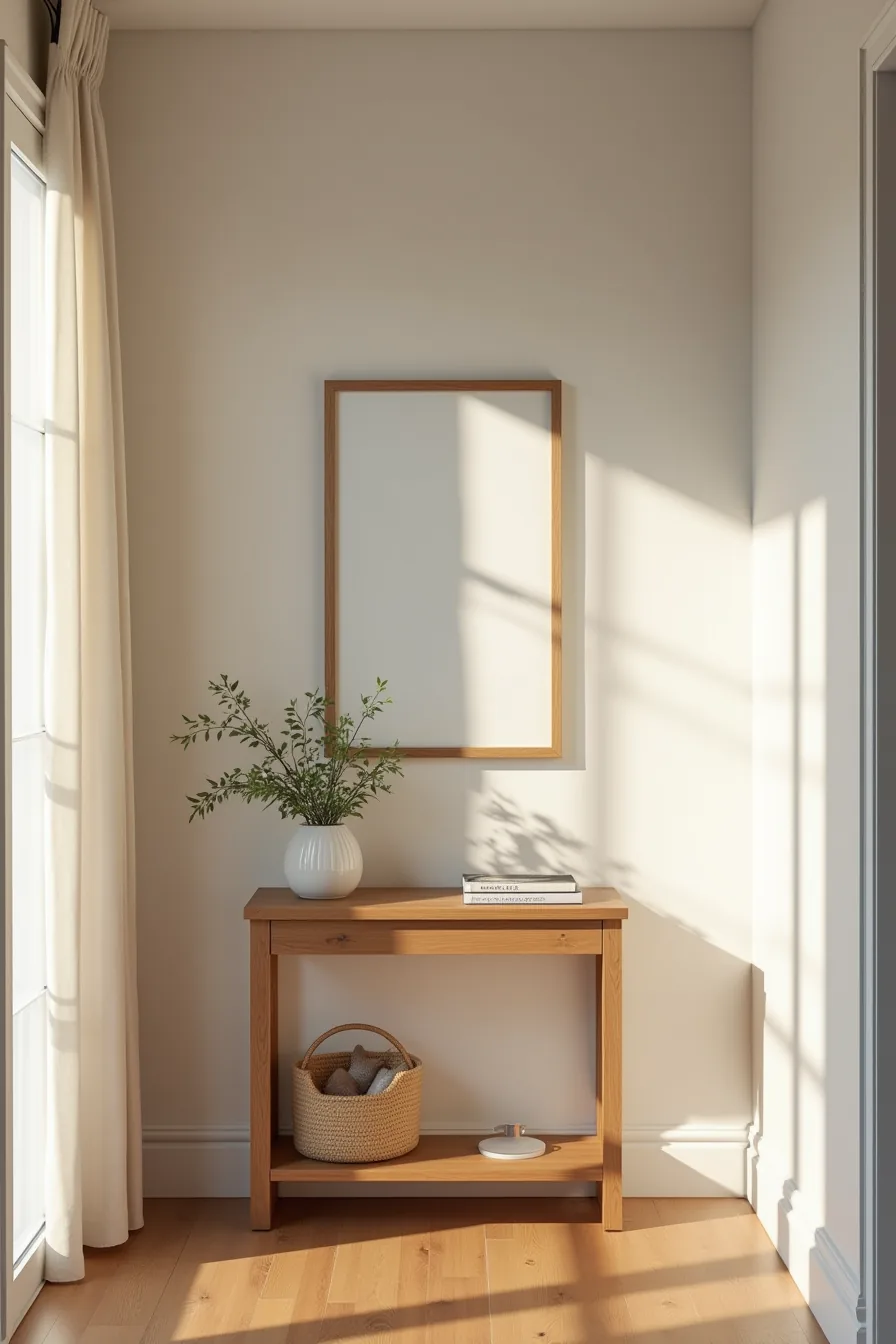
In rooms under 150 square feet, the mirror frame dictates perceived depth more than the reflective surface itself. A compact framed mirror between 18 and 24 inches wide strikes the correct proportion for a narrow entryway, anything larger overwhelms a 30-inch wall and visually compresses the space you’re trying to open. Mount the frame so the vertical center sits at 60–65 inches from the floor, which aligns with most adults’ eye level and prevents the mirror from reading as a decorative afterthought.
Position the frame above a console table no deeper than 12–14 inches. This pairing creates a functional landing zone without blocking circulation; leave 8–10 inches of clearance between the table surface and the frame’s lower edge. The single potted plant beside the mirror provides scale contrast without adding visual noise, resist the urge to cluster accessories, as each additional object competes with the frame’s reflective expansion.
Choose thin-profile frames (1–2 inches wide) in matte or satin finishes. Dark, glossy frames absorb light and shrink the perceived wall area, while lighter woods or antique brass bounce illumination around the room. For renters, use 3M Command picture strips rated for 5–10 pounds; a solid wood frame in this size range typically stays under that threshold, avoiding wall damage entirely.
Statement Mirror Frames for Medium to Large Rooms
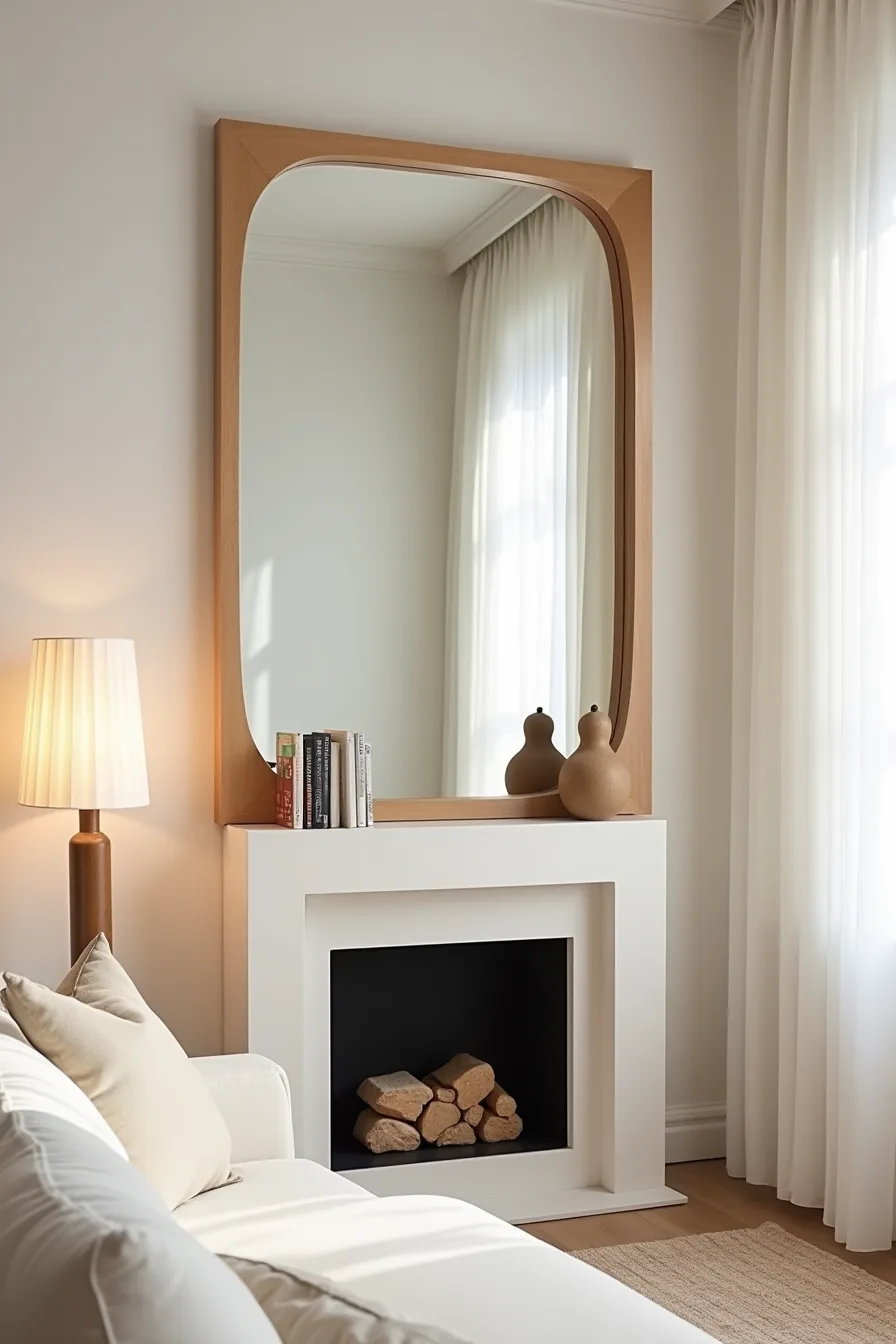
When a mirror frame stretches past 36 inches, it becomes architectural. The sculptural wooden frame resting above your fireplace mantel does more than reflect, it anchors the entire seating area, pulling the sofa and mantel objects into one cohesive composition. A frame this size typically weighs 25–40 pounds, so standard drywall anchors won’t suffice; use toggle bolts rated for at least 50 pounds, secured directly into wall studs whenever possible.
Position the frame’s center at 58–62 inches from the floor if the primary viewing position is seated. This placement ensures the reflection captures the room’s activity rather than the ceiling. Keep the mantel styling to three objects, one tall, one medium, one low, so the frame remains the focal point.
For a medium room (200–350 square feet), a 36–48 inch frame suits; rooms larger than 350 square feet can support 48–60 inch frames without overwhelming the wall. Dark sculptural woods add warmth against neutral walls, while metal frames read more modern. Unlike the thin-profile approach for small spaces, this version demands commitment: the frame’s material quality determines whether it reads as intentional design or oversized clutter.
Maintenance and Longevity: Protecting Your Frame Investment

Your cleaning routine should match the frame’s material. For wooden frames, dust weekly with a dry microfiber cloth, the one in the cleaning dish works well for crevices, and apply furniture polish monthly. Metal frames tolerate mild soapy water, but avoid ammonia-based glass cleaners near the frame itself; spray the microfiber cloth, not the surface, to prevent drips from seeping behind the glass and staining the frame’s backing.
Humidity causes the most damage. Wood frames warp and crack when room humidity fluctuates beyond 40–55%; metal frames develop corrosion spots in persistently damp environments. In bathrooms or kitchens, choose sealed or lacquered finishes.
Common damage patterns include corner chips from vacuum cleaner impacts and water rings from condensation, both typically cost $30–$80 to repair professionally. When a frame’s joints separate or the mirror develops black edge spots (silver deterioration), replacement becomes more practical: restoration costs often exceed 70% of a new frame’s price, and the structural integrity rarely returns fully.
Choose your starting point
Match the framing style to your wall space and budget before you shop. Renters should lean toward the tension-rod or adhesive strip options, while homeowners with solid walls can commit to a built-in or wood-molding frame.
Measure your mirror’s width and height first, then add 4-6 inches per side for the frame reveal. This single measurement determines whether a ready-made frame, a custom cut, or a DIY build is worth your time.
For most rooms, a frame depth of 1.5-3 inches creates enough visual weight without protruding too far into walkways.
Your next step: grab a tape measure, record your mirror’s dimensions, and photograph the wall where it hangs. Bring both to a hardware store and compare options in person, this takes 30 minutes and eliminates the guesswork.
Frequently Asked Questions
What is the difference between a wood frame and a metal frame for mirrors?
Wood frames offer warmth, traditional styling, and easy repainting, but they can warp in humid bathrooms. Metal frames provide a sleek, modern look, resist moisture better, and are generally lighter, though they may scratch more easily.
Can I add a frame to a frameless mirror without damaging it?
Yes, use adhesive mirror clips or heavy-duty double-sided tape designed for glass. Avoid screws that penetrate the mirror backing. Clean the surface thoroughly and let the adhesive cure for 24 hours before hanging.
How do I know if a vintage mirror frame is worth restoring?
Check for solid wood construction, intact joints, and original finishes without deep rot or insect damage. If the frame is structurally sound and the style matches your decor, restoration costs typically range from $50 to $200, making it worthwhile.
What size mirror frame works best in a small bathroom or bedroom?
Choose a frame that’s 60-75% of the width of your vanity or headboard. For a 24-inch vanity, a 16-18 inch frame works well. Leave at least 4-6 inches of clearance on each side to avoid a cramped feel.