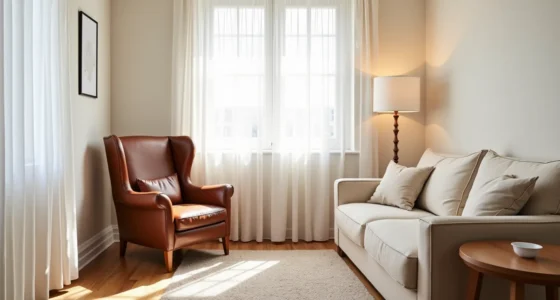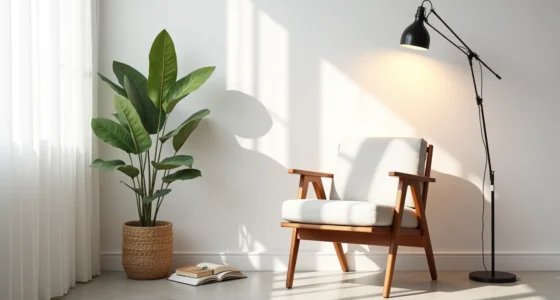

A single sofa chair is one of the most versatile pieces of furniture you can own, it functions as a reading nook, a bedroom accent, or a dedicated solo comfort zone without demanding the floor space of a full sofa. But its real power lies in the range of valid interpretations, from a sculptural statement piece to a utilitarian lounge. The following six approaches show you how to match a specific chair style to your room’s scale, your budget, and your daily habits, so you buy once, place it correctly, and avoid the common mistake of choosing a chair that overwhelms or underwhelms its corner.
Key takeaways
- Seat depth dictates function: compact 20–22 inch seats suit upright reading, while deep 24–26 inch versions require a chaise or ottoman for proper lumbar support.
- Renter-friendly upholstery means choosing a washable slipcover in performance polyester or cotton duck, avoiding leather and wool that trap odors and resist spot cleaning.
- Armrest height changes your posture: low arms (under 8 inches) allow cross-legged sitting, while high, padded arms (10–12 inches) support tablet use but block easy exit for older users.
- For small corners, pick a chair with a 30–34 inch width and a swivel base, this adds flexibility without requiring extra clearance for reclining mechanisms.
Deep vs Compact Seat: Which Depth Suits Your Space

Seat depth, measured from the front edge of the cushion to the backrest, typically ranges from 28 to 36 inches. That gap changes everything about how the chair feels and how much floor space it commands. A shallow-seat chair with a high back suits upright reading and small rooms, letting you sit with your feet flat and your spine supported.
It occupies less visual and physical footprint, usually 30–33 inches front to back, which keeps narrow hallways and compact living areas passable.
The deep-seat chair with a lower back, running 34–36 inches in depth, invites lounging and works best in larger, open-plan rooms where you can pull it away from the wall. You’ll need at least 18 inches of clearance behind it for easy movement, so measure your room’s circulation path before committing. For taller users, deep seats support the full thigh; for shorter users, add a lumbar cushion or choose the compact version.
Match the depth to your height and your room’s flow, not just the look.
Bedroom Lounge Chair: Creating a Personal Retreat
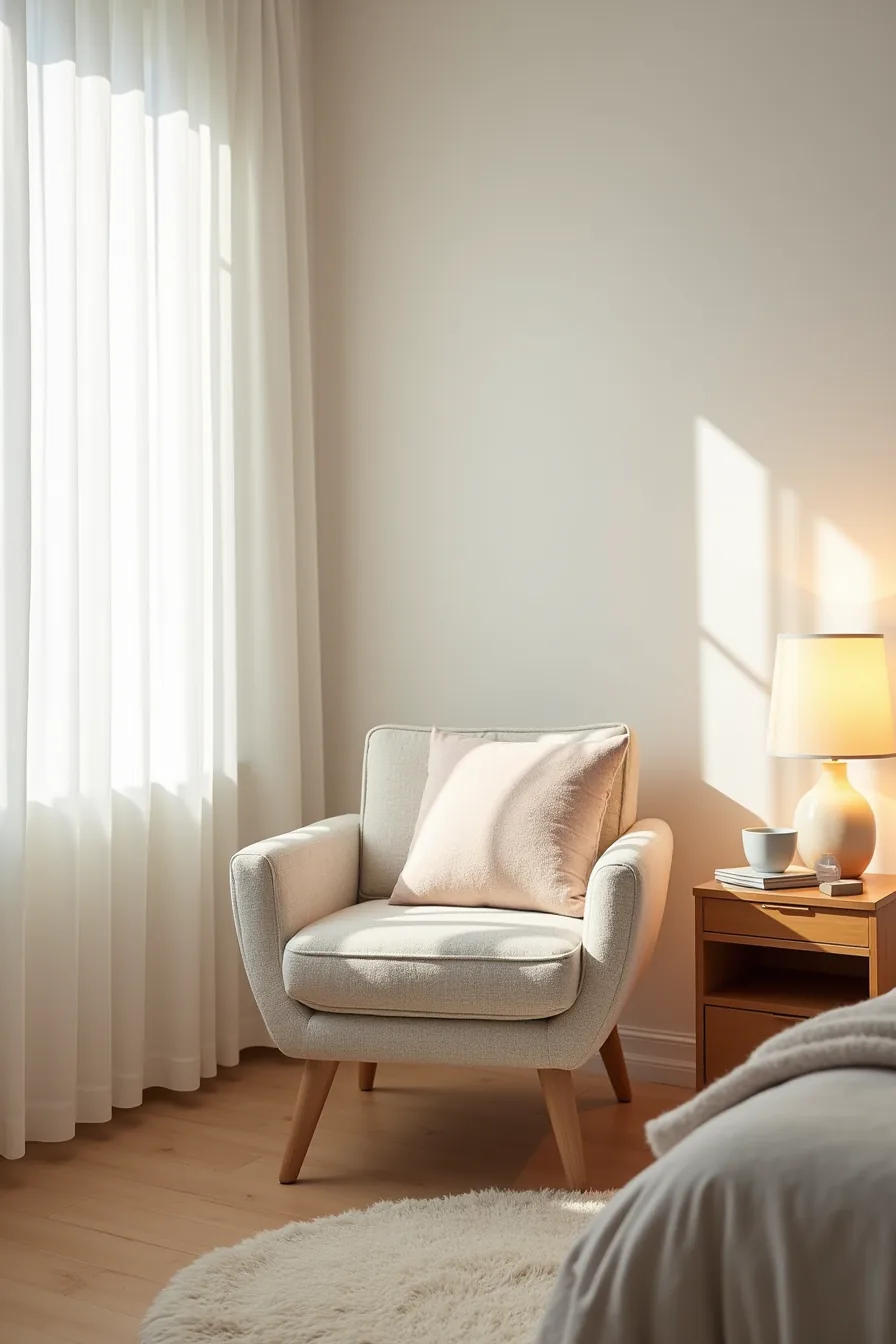
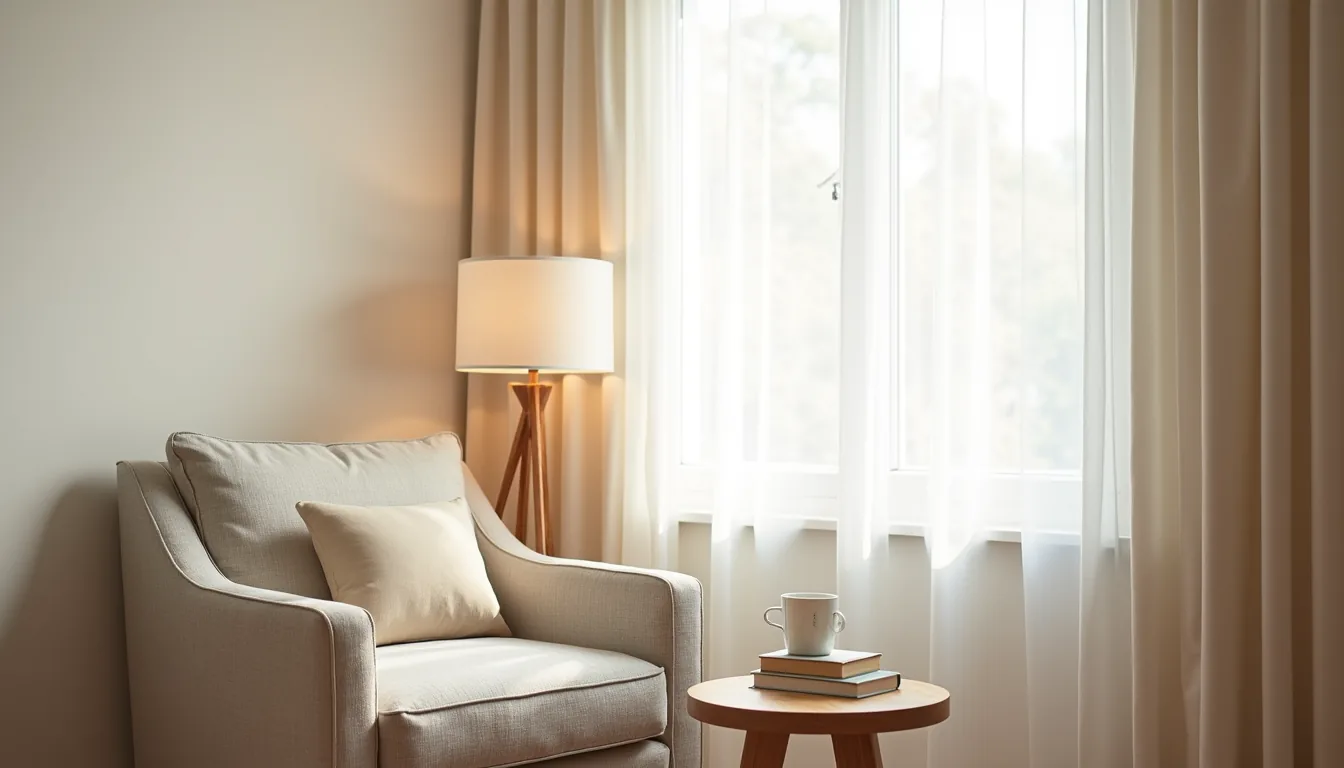
A bedroom lounge chair transforms an unused corner into a deliberate daily ritual, whether that means morning coffee, evening reading, or a five-minute reset before changing. The setup works because it pairs the chair with a functional surface: the small wooden nightstand beside it gives your ceramic mug a stable home, so the corner stays usable rather than purely decorative. Position the chair within arm’s reach of natural light but not directly in a draft, and angle it toward the room’s center to keep the space feeling open.
For bedrooms under 150 square feet, scale down deliberately. Choose a chair with an overall width of 28–32 inches and a seat height matching your bed’s height (typically 18–20 inches) so the two pieces read as a unified seating group. A folded throw blanket draped over one arm, as seen here, adds warmth and texture without committing you to a permanent color scheme.
Prioritize a chair with removable, washable cushion covers in this setting, bedroom chairs see less traffic but more contact with hair products, lotions, and morning spills, so cleanability matters more than heavy-duty fabric. Keep at least 24 inches of walking clearance between the chair and your bed or dresser to avoid a cluttered path.
Upholstery and Maintenance: Durability Across Lifestyles
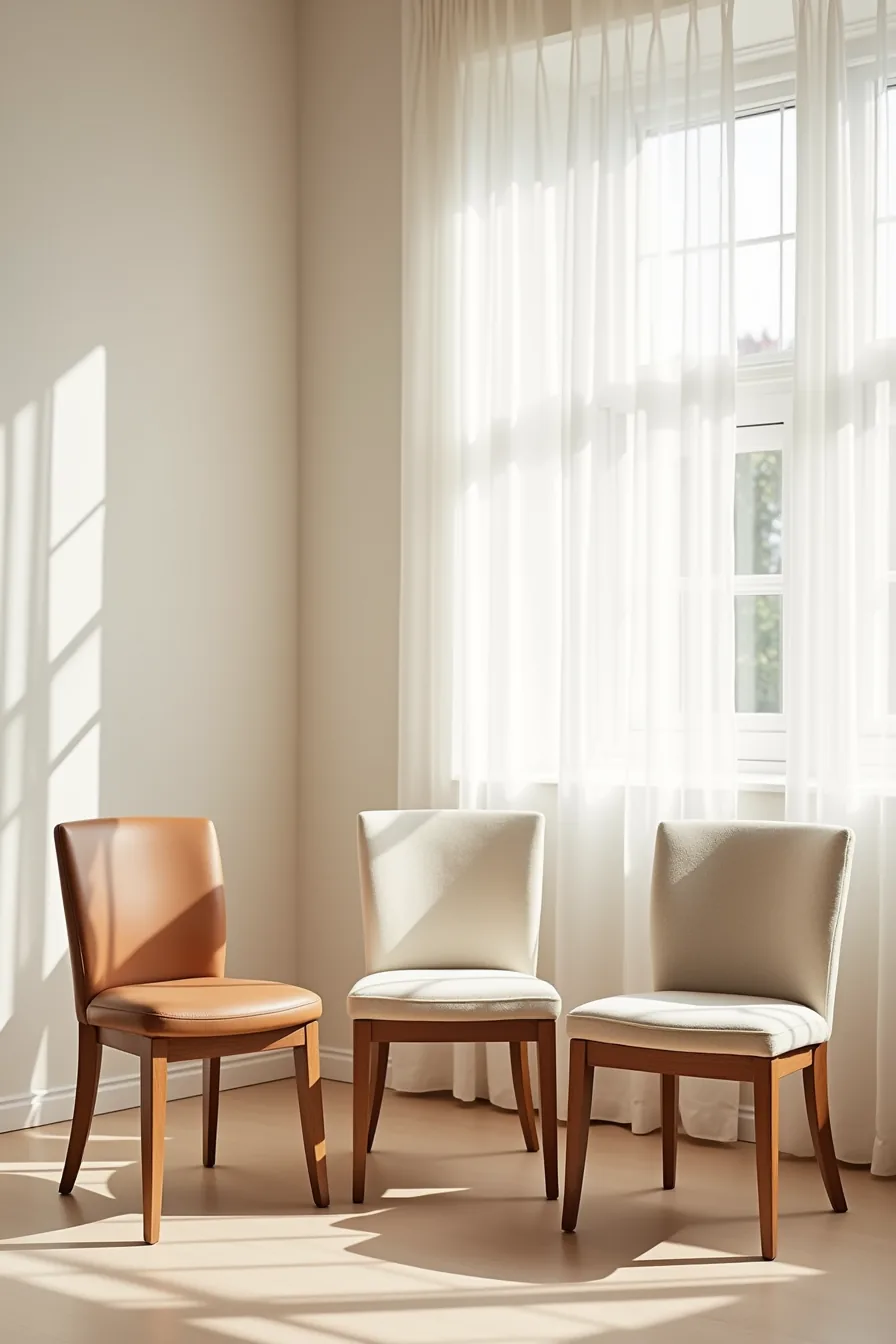
The three seats side by side, leather, linen, and performance fabric, illustrate the real trade-off you face: aesthetics versus effort. Smooth leather resists spills best; a quick wipe handles most messes, but it requires conditioning every 6–12 months and runs $800–$2,000 for a single chair. Linen looks refined but stains within seconds; budget for professional cleaning annually and keep it away from households with kids or pets.
Performance fabric, with its tight weave and water-repellent finish, sits in the practical middle ground. Spills bead up on the surface, giving you time to blot, and most covers unzip for machine washing. Expect to pay $400–$900, the sweet spot for renters who need durability without a permanent commitment.
For a long-term investment, choose full-grain leather and accept that it will develop a patina over years of use. For rental flexibility, prioritize performance fabric in a neutral tone; you can always add color through a throw pillow that moves with you. Whichever you pick, vacuum crevices weekly and rotate cushions monthly to prevent uneven wear.
Solo Comfort Zone: Armrest and Back Support Styles

Armrest height and back angle determine whether a single sofa chair becomes a reading perch or a nap trap. Most armrests land between 24–26 inches; anything lower lets your shoulders slump, while higher options force you to lean forward. For a chair you’ll read in, choose a back angle around 100–110 degrees, upright enough to keep your head aligned, but relaxed enough to hold a book for an hour.
The side profile in front of you shows exactly what to measure before you buy. Run a straight edge from the seat base to the top of the armrest to verify height, then check the back cushion’s recline by tracing its angle against the floor. Seat depth matters too: a 20–22-inch depth suits average-height adults, while taller users need 23–25 inches to avoid knee strain.
If you plan to work from the chair, skip plush feather-filled cushions that sink; opt for high-resilience foam with a firmness rating around medium-firm so your posture stays supported through a laptop session.
Single Sofa Chair Ideas for Small Reading Corners
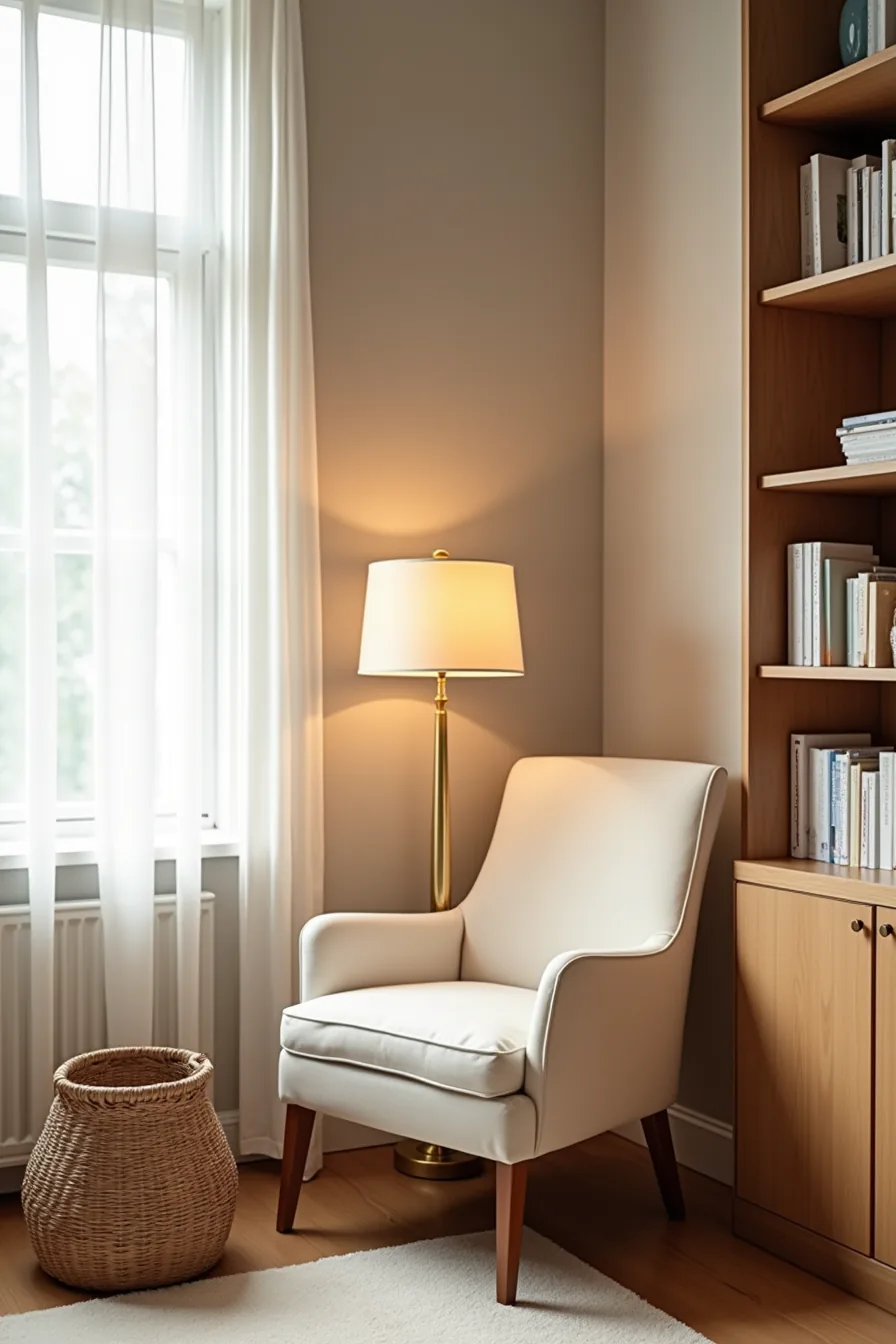
In rooms under 100 square feet, your single sofa chair must earn its footprint without dominating the floor plan. Look for compact frames with exposed legs, a 28–32-inch width and 30–34-inch overall height fits most alcoves while leaving visual breathing room beneath. A chair without wings or rolled arms reads as lighter and slips into tight spots more easily than a bulky club style.
The setup beside a tall bookshelf works because it stacks vertical function: the chair occupies only the floor plane, while the shelf claims the wall space above. A brass floor lamp positioned behind the chair directs light over your shoulder without sacrificing a side table’s surface. Keep the woven basket within arm’s reach for blankets or current reads, and choose a chair with a removable, washable cushion cover, corner placements collect dust and pet hair faster than open-floor positions.
Measure the alcove’s depth first; you need at least 4–6 inches of clearance behind the reclined back to avoid pressing the frame against the wall.
Color, Pattern, and Room Integration
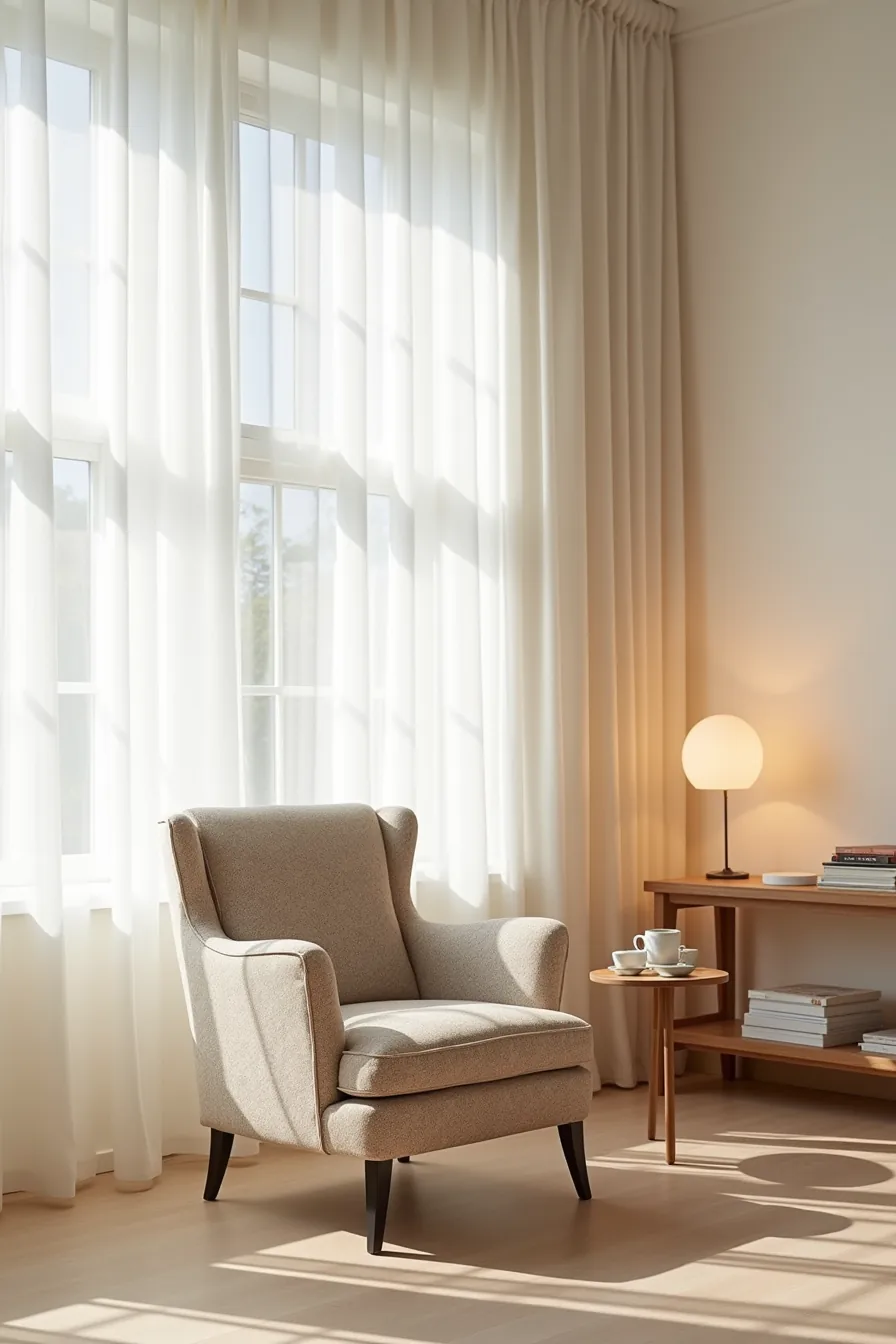
Your single sofa chair becomes the room’s anchor when you place a boldly patterned piece against a neutral backdrop. A large-scale floral or geometric print in a chair this size reads as intentional, not overwhelming, because the footprint is contained. The low table and console behind it should stay muted, think oak, travertine, or matte black, to let the upholstery carry the visual load without competing textures.
Pattern scale matters more than color intensity. A medium-to-large motif (8–12 inches across) suits a single chair because it doesn’t get lost in the upholstery the way a small print might. When your existing furniture is already neutral, the chair’s pattern becomes the one wildcard you can swap in five years without reupholstering everything else.
If your sofa is patterned too, pick a solid version of the chair’s background color instead, two competing patterns in one room rarely feel cohesive. Fabric texture does the same job as color: a bouclé or velvet chair adds depth against flat linen sofas even when hues match exactly. For durability, choose a solution-dyed acrylic or high-performance polyester if the chair sits in direct sunlight, they resist fading 3–5 times longer than cotton blends.
Where to start
Start with your room’s dimensions and traffic flow before you fall for a look. Measure the wall space and walkway clearance first, that single sofa chair should leave at least 18–24 inches of passage on its open side. Then match the chair’s scale to your primary seating piece: a loveseat pairs with a chair of similar seat height, while a deep sectional can handle a lower, loungier companion.
Choose one priority, budget, rental flexibility, or longevity, and let that filter your material and frame decisions. For most homes, a mid-range option with a kiln-dried hardwood frame and removable, washable covers delivers the best balance of cost and durability.
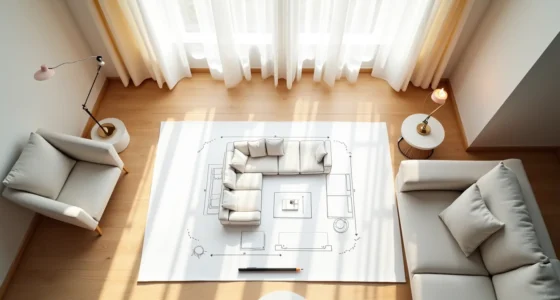
Your next step: grab a tape measure, sketch your floor plan, and shortlist two chairs that fit both your space and your lifestyle.
Frequently Asked Questions
What is the ideal seat depth for a single sofa chair if I’m under 5’6″?
Look for a seat depth between 20 and 22 inches. This range lets your feet rest flat while your knees stay at a comfortable angle, avoiding the pressure behind your calves that deeper seats create.
Can a single sofa chair work in a studio apartment without blocking the main walkway?
Yes, if you keep a 36-inch clearance in front of it. Place it diagonally in a corner or beside a window, ensuring the chair’s armrests don’t jut into the primary path.
How often should I clean a performance-fabric single sofa chair?
Vacuum it weekly and spot-clean spills immediately. For a deep clean, use a mild upholstery shampoo every 3 to 4 months, or more often if you’ve pets or eat in the chair regularly.
What’s the difference between a single sofa chair and a club chair or wingback?
A single sofa chair is a broad term for any one-seat upholstered piece. A club chair has low, rolled arms and a deep seat, while a wingback features tall side panels that trap heat and support your head and neck.