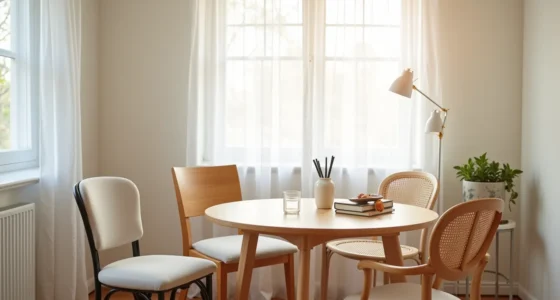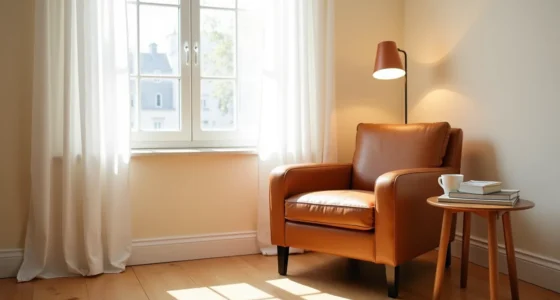

One chair, placed with intention, can anchor a room more effectively than any sofa arrangement, if you choose the right silhouette, scale, and position for how you actually live. That single seat becomes a deliberate focal point, a functional pause, or a sculptural accent, depending on the frame and finish you commit to. The real work lies in matching the chair’s volume, weight, and material to the room’s traffic flow and your daily habits, not just its looks.
Below are six distinct approaches that balance style, cost, and upkeep, so you can pick the one that fits your space without guesswork.
Key takeaways
- Choose your silhouette by traffic pattern: lounge chairs with arms suit corners and conversation zones, while armless dining chairs fit tight eat-in kitchens and double as entry seating.
- Anchor the chair 18–24 inches from a wall or table edge to keep walkways clear, and size it to leave at least 30 inches of passage in small rooms.
- Rotate one chair across roles, bedside catch-all, reading nook, hallway shoe bench, by adding a washable cushion or tray, not by buying new pieces.
- Match material to use: performance-grade upholstery (solution-dyed polyester or Crypton-style) for daily sitting, but natural wood or metal frames if you want refinishing potential over a decade.
Dining vs. Lounge Form: Which Silhouette Suits Your Space
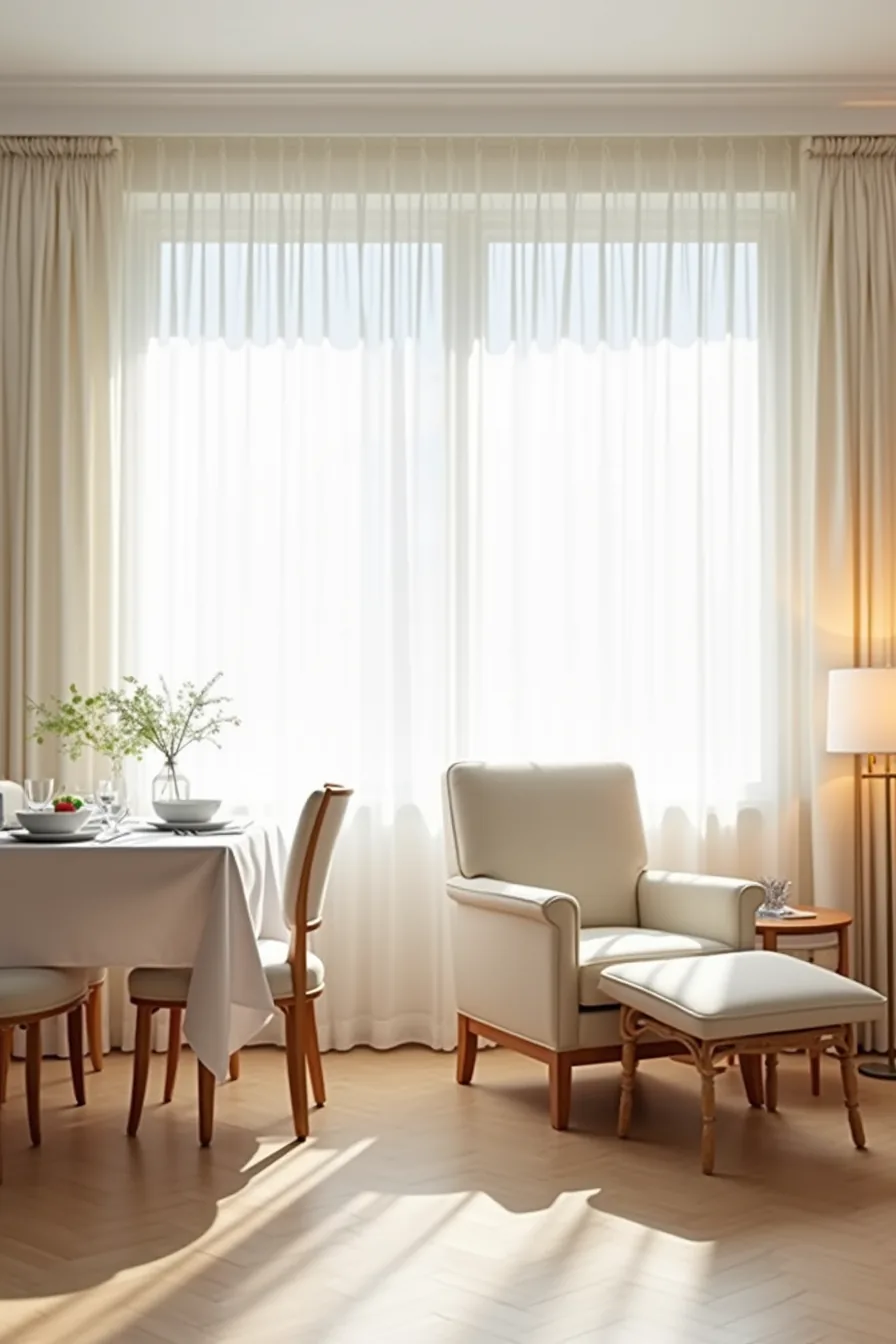
The first decision in single chair design is whether you need a dining form or a lounge form, and the two aren’t interchangeable. A dining chair stands upright at roughly 30–32 inches tall with a compact seat, engineered for perching at a table for 45–60 minutes at a time. A lounge chair reclines slightly, runs 28–36 inches in height, and extends 24–30 inches deep, inviting you to stay for hours.
Consider a side-by-side setup: a dining chair pulled up to a small table with a place setting, and across from it, a lounge chair paired with a footrest. The dining chair works when the space must serve multiple functions, eating, paying bills, quick laptop sessions, and you need to clear the floor easily. Choose the lounge form for a dedicated corner where you want to land; it demands roughly 6–8 inches more clearance behind it for the recline, so measure that walkway before committing.
Statement Single Chair as a Room Focal Point

A statement single chair works because it replaces the need for a matching pair or a full sectional to define a zone. Place a sculptural chair with a curved metal or geometric wood frame where two walls meet, and the corner transitions from dead space to a deliberate stopping point. The front-left angle you see here matters: it shows the profile and the seat depth in one glance, which tells you whether the chair reads as airy or heavy from across the room.
This setup suits a living room that lacks a natural anchor, or a bedroom corner that currently holds a laundry basket. The trick is isolation, the chair needs at least 18–24 inches of clear floor on either side so its silhouette registers as intentional, not cramped. Pair it with a small side table or floor lamp only if the chair leaves at least 12 inches between table edge and seat for easy entry and exit.
Function Changes Shape: Adapting One Chair to Multiple Roles
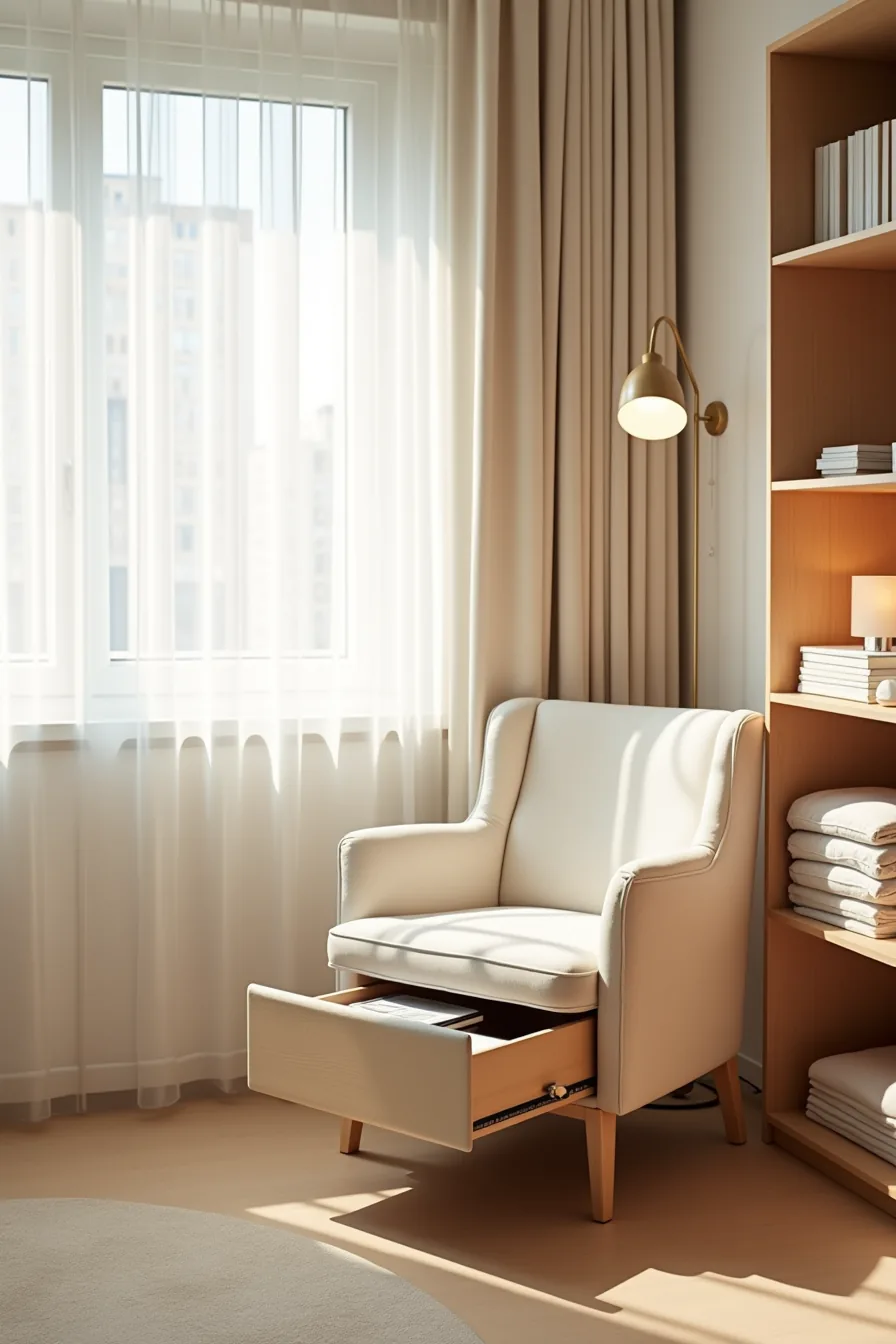
When a single chair must earn its square footage, function changes shape, literally. A storage chair with a concealed drawer beneath the seat converts a narrow landing or home-office corner into a dual-purpose zone: a reading seat by day, a tidy catch-all for guest bedding or throws by night. The side-mounted drawer you see beside the reading lamp pulls out without disturbing the chair’s position, which matters when the piece sits tight against a wall or beside a shelf.
This route suits renters and compact apartments where a dedicated closet doesn’t exist. Look for a drawer glide rated for frequent use, and confirm the chair’s seat height stays within 17–19 inches so it still reads as proper seating, not a storage bin. Keep the top surface clear of cushions that block access, and pair it with a floor lamp that leaves the drawer’s full travel path unobstructed.
The adjacent shelf holding folded bedding reinforces the chair’s secondary job without requiring extra furniture.
Scale and Placement for Small, Medium, and Large Rooms
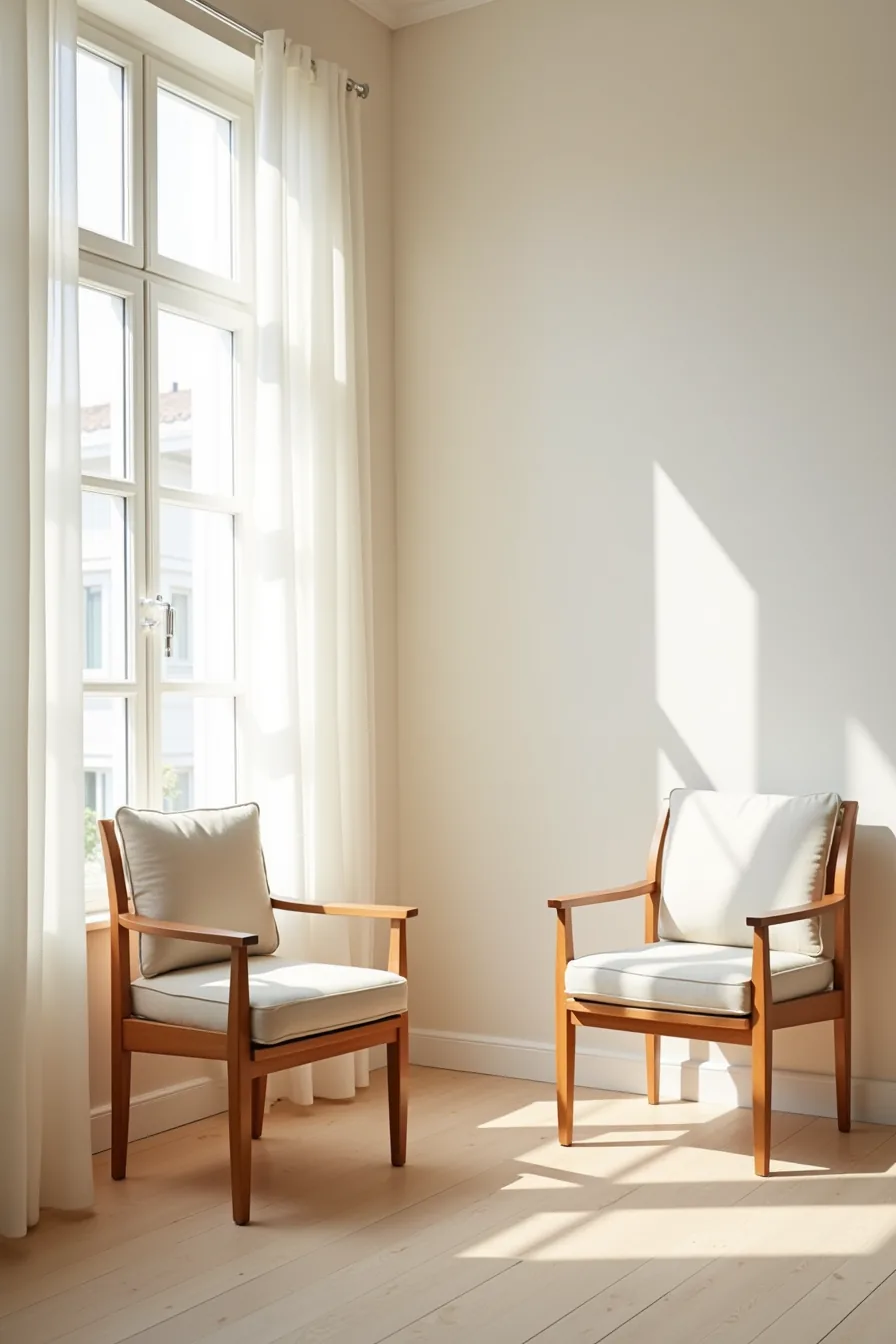
Proportion is the first decision, and it starts with the doorway. In a small room, a compact chair with a 17–19-inch seat height and narrow, 20–22-inch arm width should sit near the window, angled slightly toward the room’s center; this placement keeps the traffic path clear while letting the chair fill about 40% of the visual floor space, enough to anchor the corner without overwhelming it.
In a medium room, the chair becomes a conversation piece, centered in a grouping with a side table and floor lamp, its legs visible to create lightness. Step back and check that the chair’s total width leaves at least 30–36 inches of clear walkway behind it.
For a large room, push the chair against a wall, leaving the central floor open for movement; a deeper seat (20–22 inches) and higher back (36–40 inches) hold the visual weight of surrounding empty space without getting lost. Measure the full swing of the nearest doorway, the chair’s armrest should never intrude into that arc.
Budget, Rental, and Investment Routes for Single Chair Design
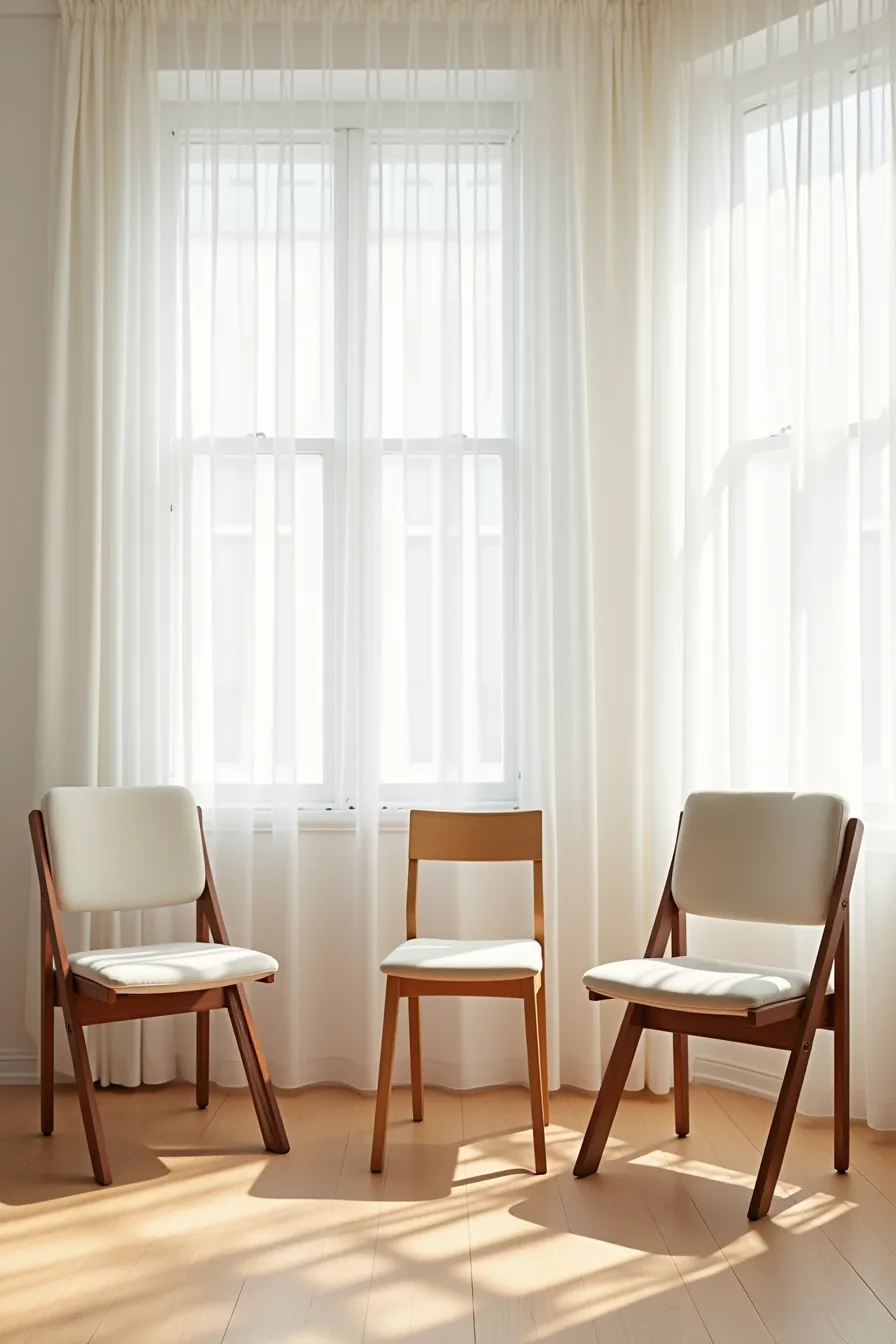
Start with a budget chair under $300 if you need function now and plan to replace it in three to five years. The flat-pack assembly hardware on the left example means you need only a hex key and about 45 minutes of work, but the basic fabric will show wear on the seat cushion within two years of daily use. This route works best for a first apartment or a guest corner you rarely sit in.
A renter-friendly piece sits in the mid-tier range, $400–$800, with no-drill legs that twist into pre-installed brackets and a removable, machine-washable cover. You can move it between rooms without patching drywall, and the zippered upholstery lets you swap the shell when the old one stains, expect to pay $80–$150 for a replacement cover.
The investment chair, $1,000 and up, uses a hardwood frame with visible joinery and hand-stitched upholstery. The stitching detail on the armrests and back panel is the tell: it should be even, tight, and slightly recessed. Reupholstering this piece every 10 to 15 years at $600–$900 keeps it functional for decades, making the per-year cost lower than two budget replacements.
Choose this route when the chair is a permanent fixture, not a temporary stopgap.
Material, Color, and Maintenance Trade-Offs
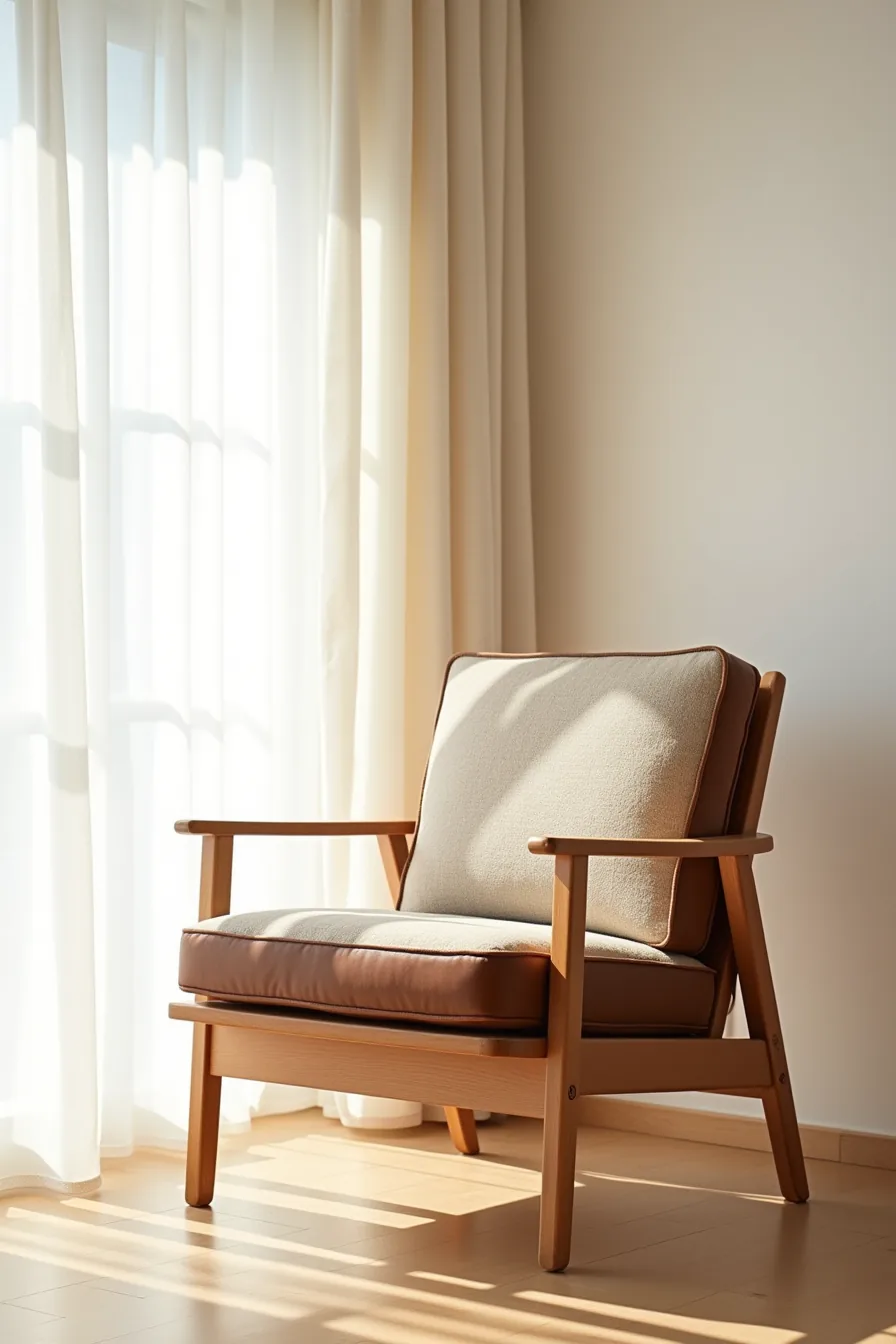
The front-right view with raking light exposes exactly what you’re committing to. A light woven fabric section reads as soft and inviting, but it demands vacuuming twice weekly and spot-cleaning within 24 hours of any spill, expect visible wear on armrests within 18 months of daily use. The darker, smooth leather section hides daily grime better and develops a patina you either embrace or resent; it requires conditioning every six months and stays cold in winter unless you add a throw.
The natural-finish wood frame section with visible grain tells you the maintenance story upfront. Oil finishes need reapplication every 6–12 months depending on humidity, while lacquered finishes resist moisture but show scratches as white marks. Match the light fabric to a low-traffic reading nook, the leather to a household with pets or kids, and the natural wood to a room with stable temperature, radiant heat and direct sun will dry and crack the grain within two years.
What to do first
Start with the room, not the chair. Measure your floor space and identify the spot where a single chair won’t block foot traffic or door swings, that constraint eliminates half your options immediately. From there, match the chair to your primary use: a reading perch needs an armrest and 18-20 inches of seat depth, while a style-first piece can sacrifice comfort for presence.
Your next move is simple: tape out the chair’s footprint on the floor with painter’s tape. Live with the outline for 24 hours. If it feels right, you’re ready to shop.
If not, adjust the position or size before spending a dollar.
Frequently Asked Questions
Can a single chair work in a small bedroom without making the room feel cramped?
Yes, if you choose an armless or slim-profile chair under 20 inches deep and place it in a corner or beside a desk. Avoid bulky upholstery and keep the floor around it clear to preserve visual space.
What’s the difference between a statement chair and a functional single chair?
A statement chair prioritizes visual impact, bold color, sculptural form, and often sacrifices comfort or practicality. A functional single chair balances ergonomics, durability, and placement logic, earning its square footage daily through reading, dressing, or working.
How do I choose between a dining chair and a lounge chair for my single chair design?
Choose a dining chair if you need upright support for a desk, vanity, or eating area, typically 18–20 inches seat height. Choose a lounge chair for relaxation, with deeper seats and lower heights, but allow 30–36 inches of clearance in front for legroom.
What maintenance issues should I expect with different chair materials?
Wood requires periodic polishing and can scratch or warp with humidity. Fabric upholstery needs vacuuming and spot cleaning; avoid direct sunlight to prevent fading. Leather demands conditioning every 6–12 months and is prone to cracking if dry.
Metal may rust if scratched, especially in damp rooms.