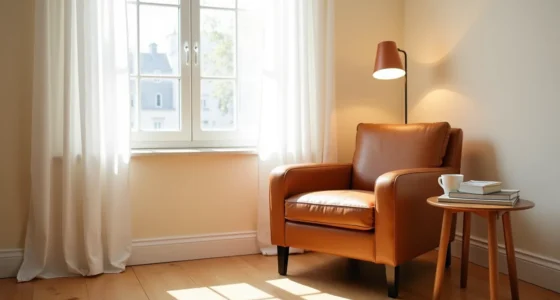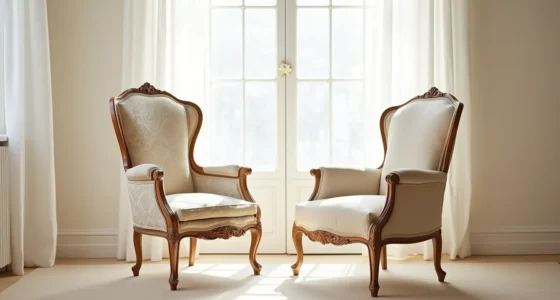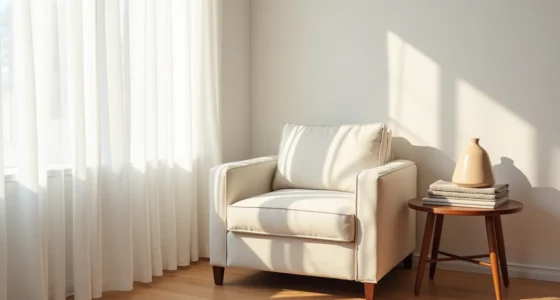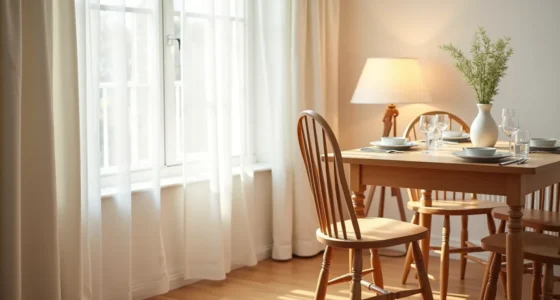

A single sofa chair living room pairs one statement seat with layered side chairs, floor cushions, or benches to create a flexible seating plan that adapts to how you actually use the space, whether that’s hosting two guests, or keeping a narrow floor plan open. The key is treating the sofa chair as an anchor, not an afterthought, then scaling the supporting pieces to your room’s dimensions and traffic flow. The six approaches below cover budget swaps, renter-friendly layouts, and investment pieces, each with the exact proportions and placement rules you need to pull them off without blocking a doorway or cramping a corner.
Key takeaways
- Choose by function: A single sofa chair works as primary seating only in spaces under roughly 150 square feet; anywhere larger, pair it with a sectional or loveseat to avoid a cavernous feel.
- Match scale to room: Keep the chair’s arm height below window sills in nook layouts, and leave 18–24 inches of clearance in front of the seat for comfortable foot traffic.
- Budget under $200: Thrift a solid-wood frame chair and reupholster with a washable cotton blend, expect 3–5 hours of labor and $40–$80 in fabric costs.
- Renters should skip mounting: Use a freestanding floor lamp and a rolling cart side table instead of wall-anchored shelving, so the entire setup relocates in under 15 minutes.
The Compact Studio: One Chair as Your Main Seating
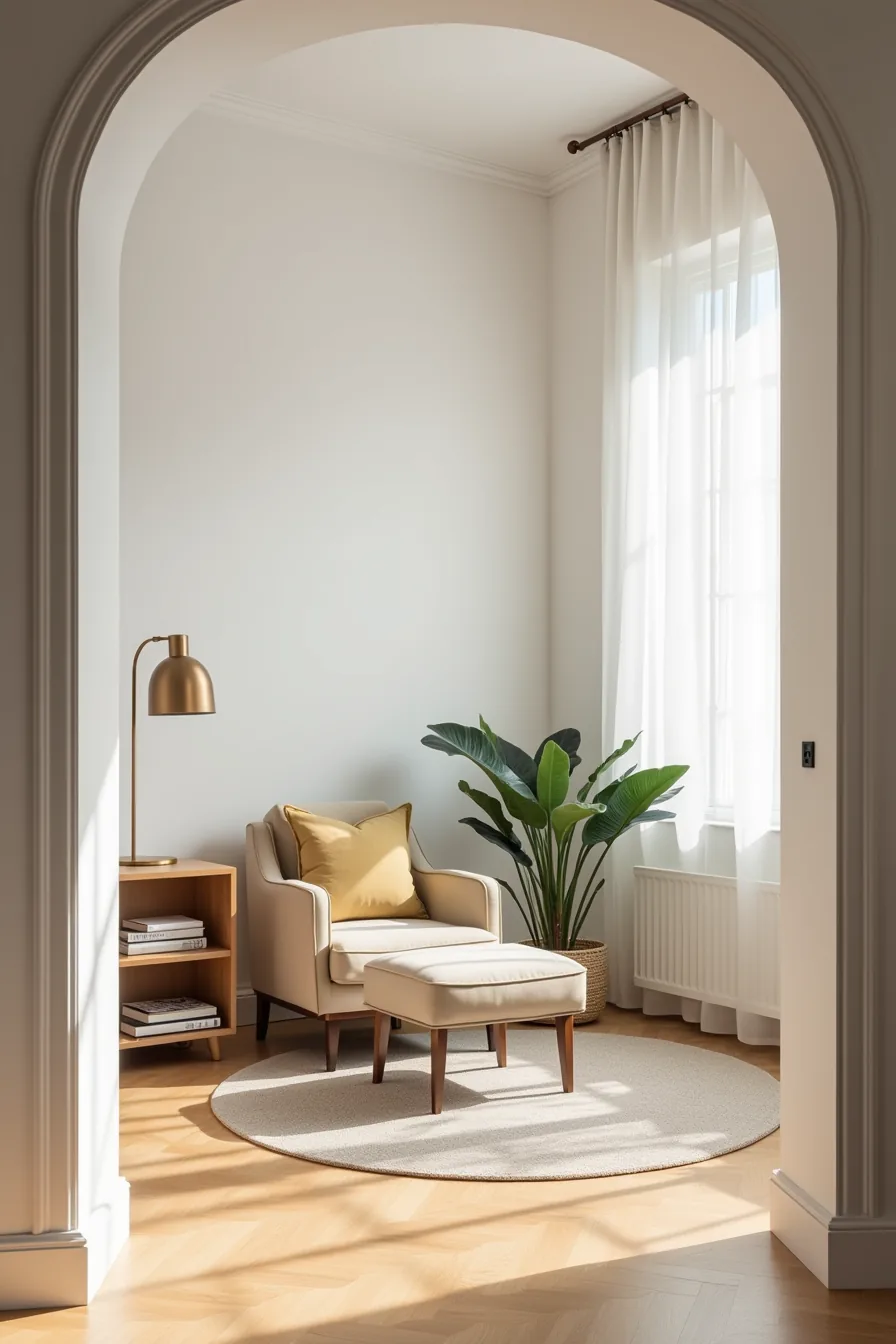
A single sofa chair living rooms setup works best in studios when you commit to one generous scale. Choose a chair with a seat depth of 20-22 inches and an overall width around 30-36 inches, enough to sit cross-legged or curl up sideways. Position it at a 45-degree angle facing the media console, which opens the corner rather than boxing it in.
An ottoman footrest in front extends the seating surface without adding a second frame. Use a compact bookshelf along the wall to replace the storage a sofa would normally hide, and place the potted plant beside the chair to anchor the visual weight. The chair becomes your sofa, dining bench, and guest seat, so prioritize upholstery that withstands daily use, performance fabrics with a rub count above 30,000 cycles.
This approach suits renters or first-time furnishers who want an extra seat without bulk. You lose the ability to stretch out horizontally, so measure your wall length first: anything under 8 feet will feel cramped with the console and bookshelf flanking the chair.
Chair with Sectional: Flexible Seating for Growing Needs
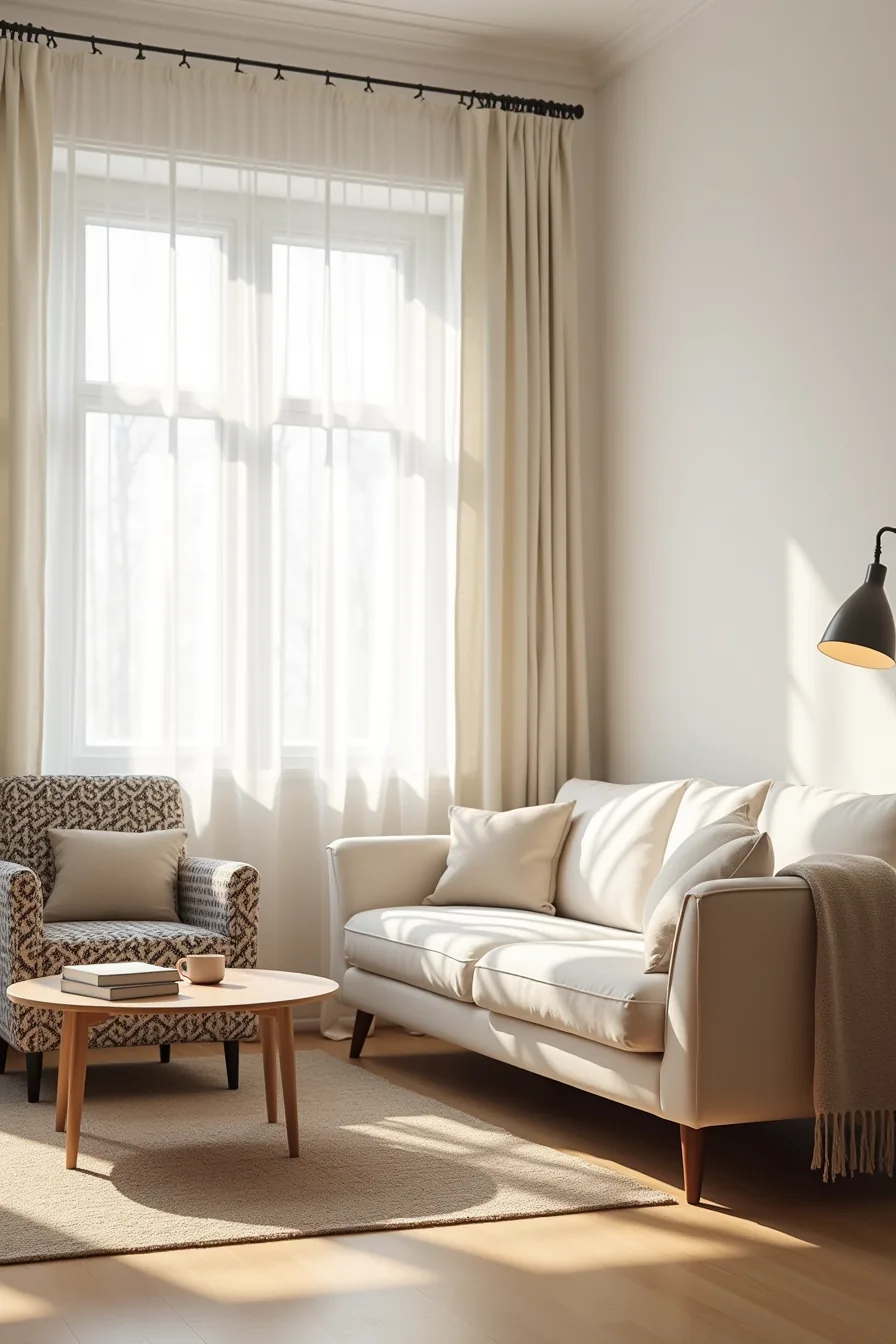
Pairing a single accent chair with an L-shaped sectional gives you a living room that adapts as your household changes. The sectional handles daily lounging and movie nights, while the chair adds a second conversation zone without demanding floor space a loveseat would require.
Angle the patterned accent chair toward the sectional’s corner rather than parallel to it. This creates a dialogue between the two pieces and leaves the coffee table accessible from all sides. The throw blanket draped over the chair arm softens the contrast between patterns and signals the seat is for guests, not just decoration.
This arrangement suits couples expecting a child or remote workers who occasionally host colleagues. You can rearrange the modular sectional into a chaise-and-two-seat split and move the chair to a desk corner when your needs shift. Keep the chair’s upholstery darker than the sectional to hide wear from frequent repositioning.
Window-Side Lounge: Reading Nook as Living Room Anchor
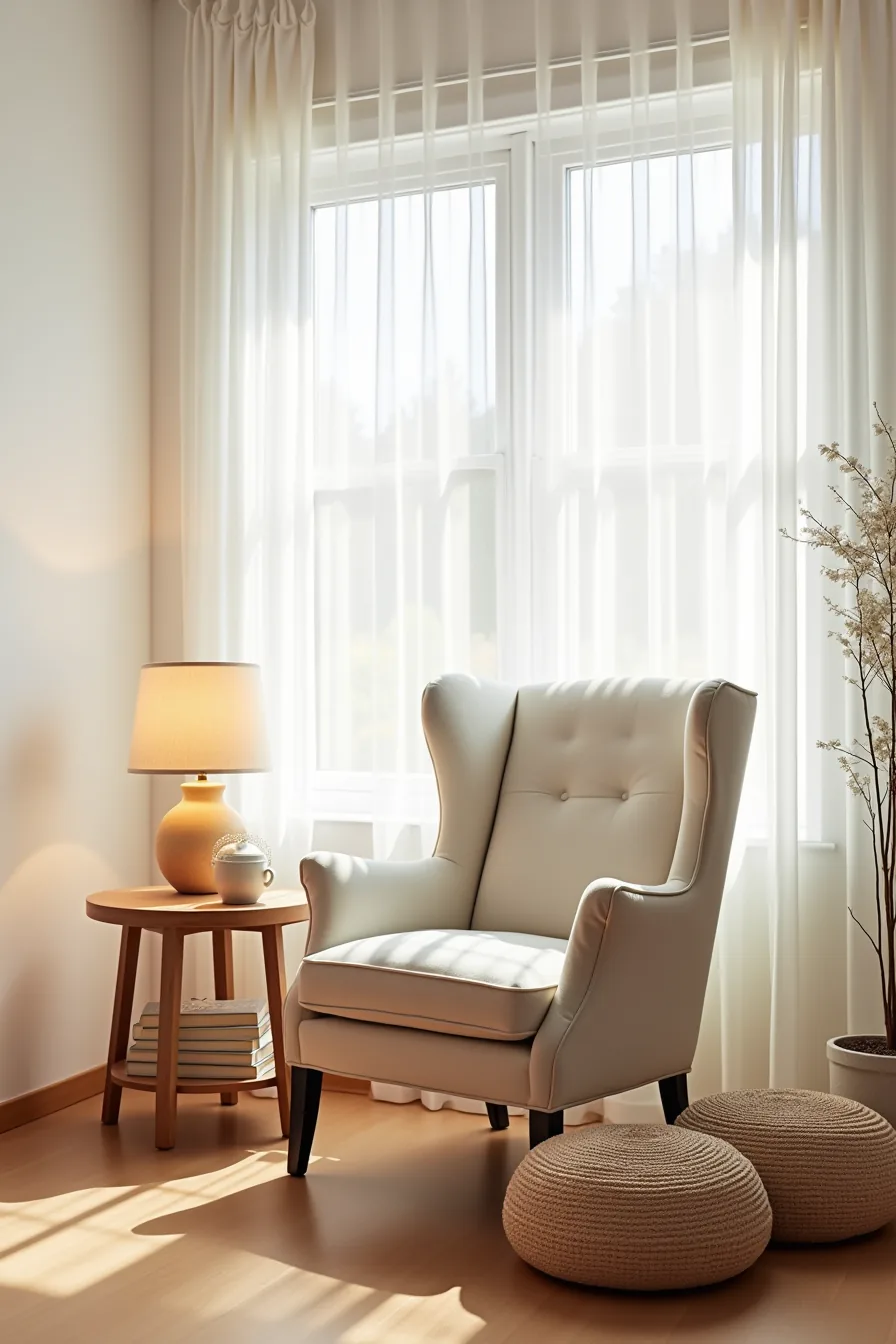
Positioning a single sofa chair against a window turns underused natural light into your room’s focal point. A wingback chair with sheer curtains behind it catches daylight without glare, making it the best seat in the house for morning coffee or an afternoon novel. The high back and enclosed arms of the wingback design also trap warmth and block drafts, so you stay comfortable even when the window is cold in winter.
Place a wooden side table at arm’s reach, the surface should sit within 6–8 inches of the chair’s arm height, typically 24–26 inches for most chairs, to hold a reading lamp and a stack of current books. A woven pouf below the window serves double duty as a footrest and an extra perch for guests, and it slides under the table when not in use. This layout works best in narrow rooms where a standard sofa would block the window access or crowd the walkway.
For light control, install roller shades beneath the sheers rather than heavy drapes; you preserve the airy look while protecting the chair’s fabric from UV fading during peak afternoon hours. Choose a performance fabric with a rub count above 30,000 if the chair sits in direct sun, and rotate the cushion monthly to keep fading even.
Budget-Friendly Single Chair Setup: Thrift and Layer
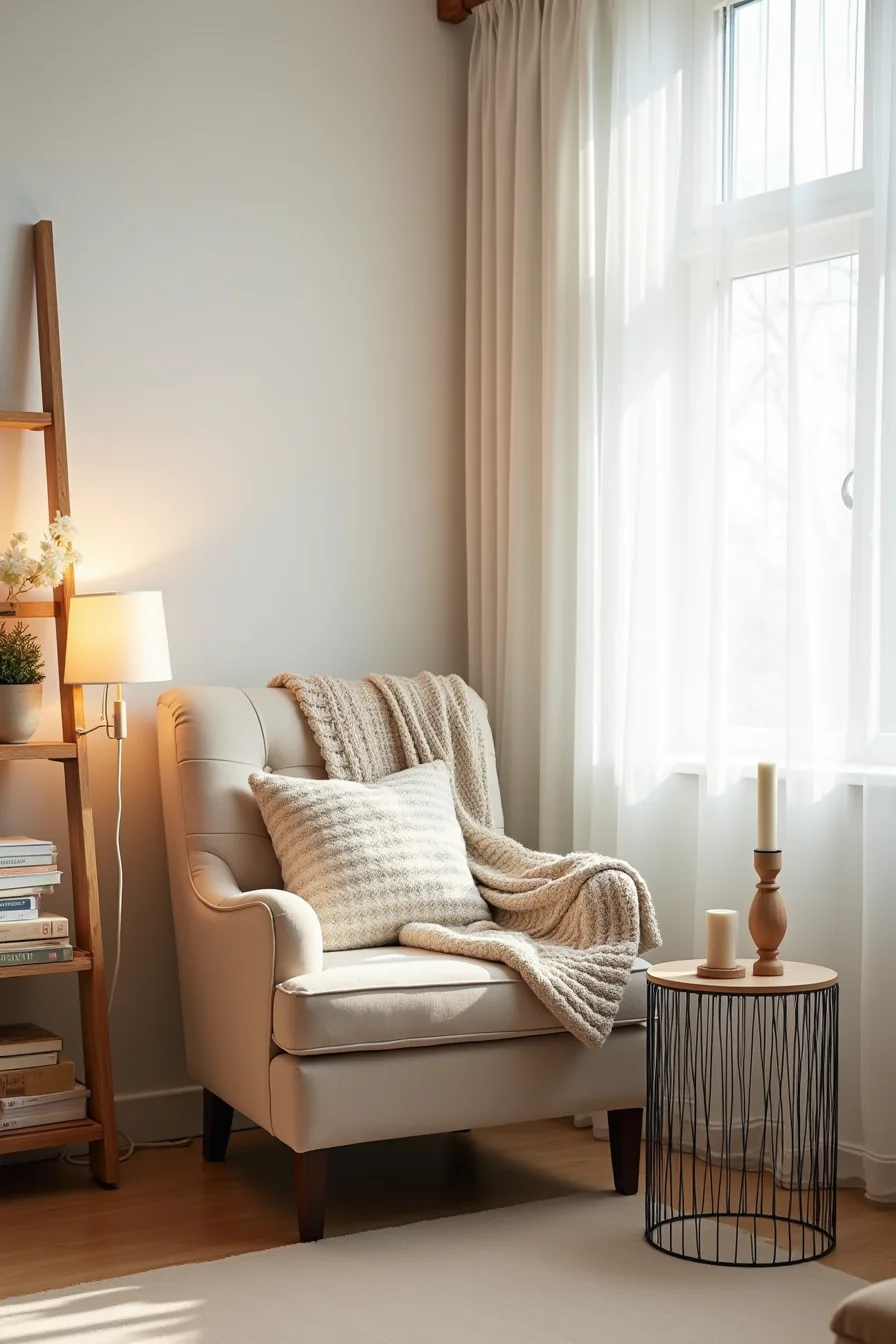
Anchor the room with a vintage upholstered chair in a muted color, think dusty olive, oatmeal, or faded rust, which hides wear far better than stark white or black. A secondhand find with a solid hardwood frame is the smartest budget buy because you can reupholster it later; test the frame for wobble and inspect the webbing by pressing down on the seat before you commit. Expect to pay 50–70% less than retail for a quality used chair, but budget an extra $50–150 for professional cleaning.
Layer a patterned throw pillow and a chunky knit blanket over the seat to mask minor fabric flaws and introduce contrast without reupholstering. Build a pallet-wood side table yourself for under $30, smooth the edges with sandpaper and seal it with polyurethane to prevent splinters. A repurposed wire shelving unit against the wall adds closed storage and display space, elevating the look from makeshift to intentional.
This setup suits renters and first-time homeowners who want function now and can upgrade the chair’s upholstery later without replacing the frame.
Renter-Friendly Layout: Movable Pieces and No Commitment
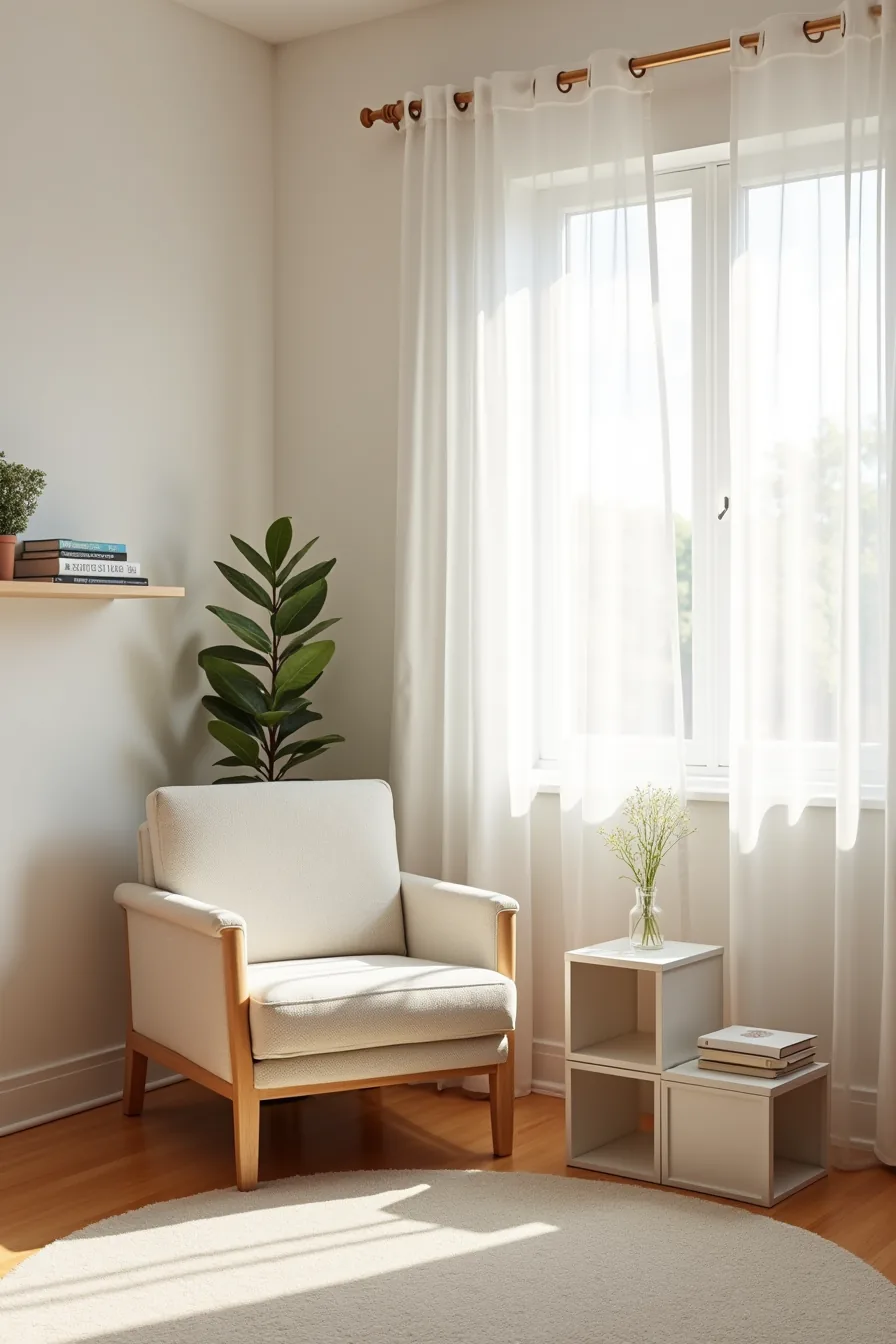
A rental-grade armchair, think lightweight, sloped arms, and a stain-resistant polyester weave, anchors this layout without anchoring you to the lease. Pair it with a washable area rug (machine-washable cotton or polypropylene runs $80–200 for a 5×7) to protect flooring and absorb noise. A lightweight side table in bamboo or powder-coated steel, under 10 pounds, moves easily between seating zones and costs $40–90.
Stack portable storage cubes, fabric-covered, collapsible units around 12–15 inches square, against the wall for toys, blankets, or media accessories; they pack flat for moving day. Above the chair, removable wall shelving using command strips or renter-safe adhesive holds 5–10 pounds per shelf and leaves no holes. A tension rod curtain, not a drilled bracket, frames the window and comes down in under a minute.
Your security deposit stays intact, and every piece fits a car trunk when you relocate.
Investment-Grade Chair: Quality Upholstery for Long-Term Use
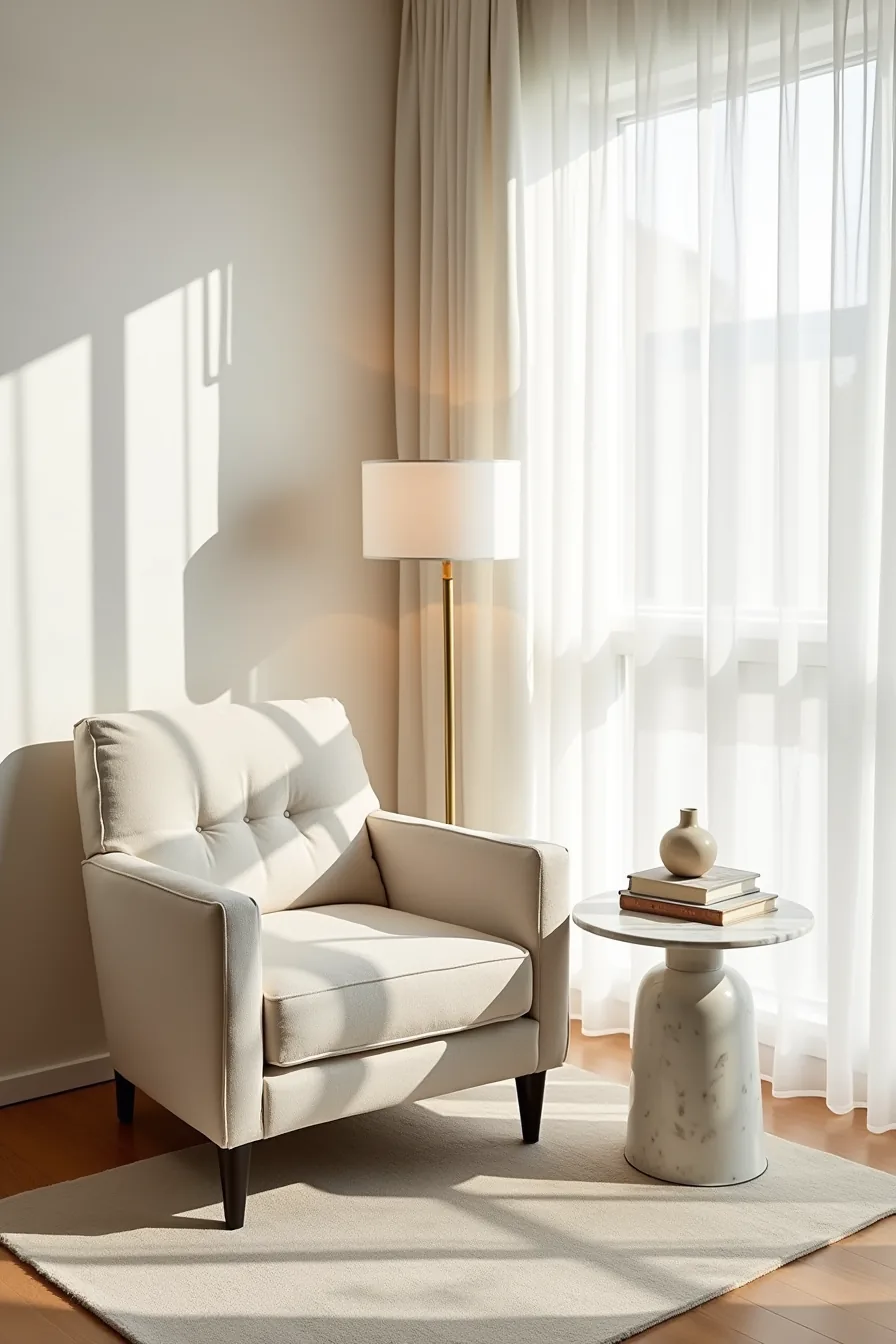
A tufted upholstered chair in neutral linen becomes the room’s anchor when you invest in the frame beneath the fabric. Look for kiln-dried hardwood, typically maple, oak, or beech, with mortise-and-tenon joinery; these frames carry a 10-year warranty, while softer pine or particleboard setups fail in 3–5 years with daily use. Eight-way hand-tied springs offer the best support, though sinuous wire coils at roughly half the cost still provide acceptable comfort for a decade.
The wool area rug and marble-top side table aren’t decorative extras; they protect the chair’s footprint and give you a hard surface that won’t stain or scratch. Your care routine matters more than the purchase price: vacuum the linen weekly with an upholstery attachment, rotate cushions every 3 months, and keep the chair out of direct sun to prevent fading. The visible care tag lists cleaning codes, look for “W” (water-based cleaning only) or “S” (solvent-only) and match your products accordingly.
Reupholstering a quality frame costs 60–80% of the original price, so twenty years from now, the chair, not the fabric, remains your long-term asset in a single sofa chair living room layout.
Your Decision Checklist
You now have six distinct routes to a single sofa chair living room, each with its own trade-offs. Before you commit, confirm the chair’s footprint leaves at least 18 inches of walking space on its open side, and that its arm height works with your side table. Match the upholstery to your real life: performance fabric if you’ve pets, leather if you want a patina over decades, washable slipcovers if you rent.
What to do first: Measure your room’s longest wall and mark a 36-inch-wide zone on the floor with tape. Live with that outline for two days, if it feels like an obstacle, size down. Then buy.
Frequently Asked Questions
Can a single sofa chair work as the only seating in a living room?
Yes, if the room is under 120 square feet or serves one person. Pair it with floor cushions or a stool for guests. It suits studio apartments, reading nooks, or minimalist spaces.
What size single sofa chair fits a small bedroom or studio apartment?
Look for a chair 28–32 inches wide, 30–34 inches deep, and under 36 inches tall. This fits a 6×6-foot corner without blocking pathways. Measure doorways first.
How do I arrange a single chair living room so it doesn’t feel empty?
Anchor the chair with a large area rug (at least 5×7 feet) and add a side table, floor lamp, and wall art. Angle the chair toward the room’s focal point, like a window or TV.
What’s the best fabric for a single sofa chair if you have pets or kids?
Choose performance polyester, microfiber, or Crypton, all resist stains and claws. Avoid linen and velvet, which snag and show wear. Look for removable, washable covers for easy cleanup.