

A stylish sofa isn’t a single look but a set of proportions, materials, and placement choices that fit how you actually live, and this guide breaks down six distinct interpretations so you can pick the one that works for your room, budget, and habits. Each option below is matched to a specific floor plan, a realistic price range, and the maintenance it actually demands, so you can skip the showroom guesswork. Whether you need a renter-friendly cover-up or a 15-year investment piece, the six routes ahead separate what looks good in a photo from what holds up in a hallway, a playroom, or a formal living room.
Key takeaways
- Measure before you buy: a 3-seater needs 84–96 inches of wall space and 18 inches of clear walkway in front, so sketch the room first.
- Curved sofas soften narrow, high-traffic living rooms by reducing sharp corners, but tailored straight backs suit formal, low-traffic spaces better.
- Choose a low-contrast fabric in a mid-tone (like taupe or slate) to hide wear and pet hair, saving you from frequent deep cleaning.
- Renters can buy a slipcovered sofa and swap the cover seasonally, a 100% cotton twill cover costs far less than reupholstering and needs no permanent changes.
Curved vs. Tailored: Which Silhouette Suits Your Space
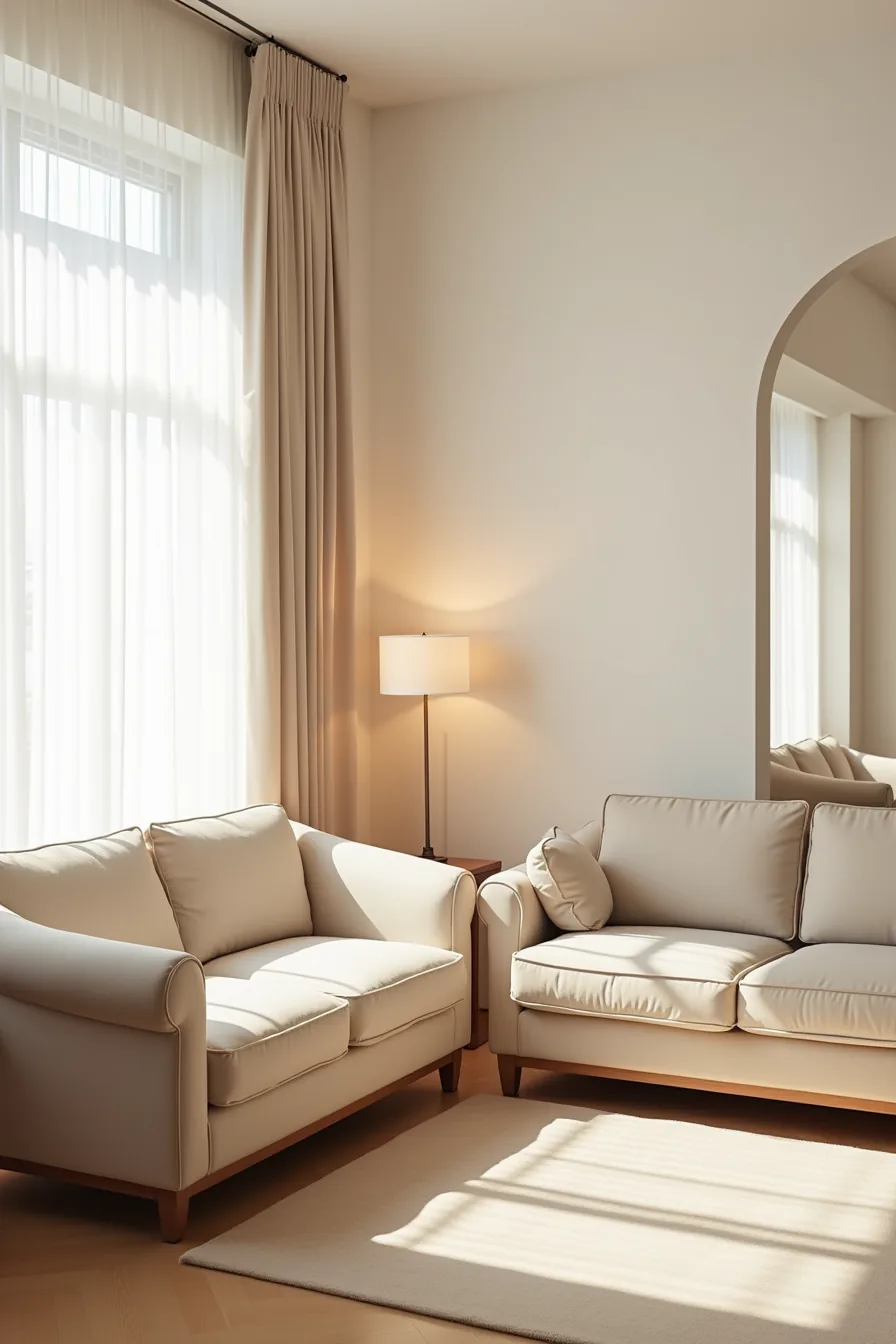
The rounded sectional with rolled arms belongs in that compact 7×8 foot space because its continuous curves guide the eye along the perimeter, making the room feel wider than it measures. Soft edges also eliminate the hard corners that tend to catch hips in tight walkways, so you can squeeze past without sidestepping. For a room this size, keep the sectional depth under 38 inches and pull it 8-12 inches off the wall to preserve breathing room.
The straight-lined sofa with track arms earns its place in the open 12×14 foot layout because its angular profile creates clean sightlines toward the doorway, reinforcing the sense of flow rather than interrupting it. Sharp silhouettes read as intentional architecture against generous square footage, but they punish small rooms by visually consuming floor space. If you choose tailored lines, budget for a coffee table with rounded edges to soften the overall composition.
Style Through Proportion: Scaling Your Sofa to the Room
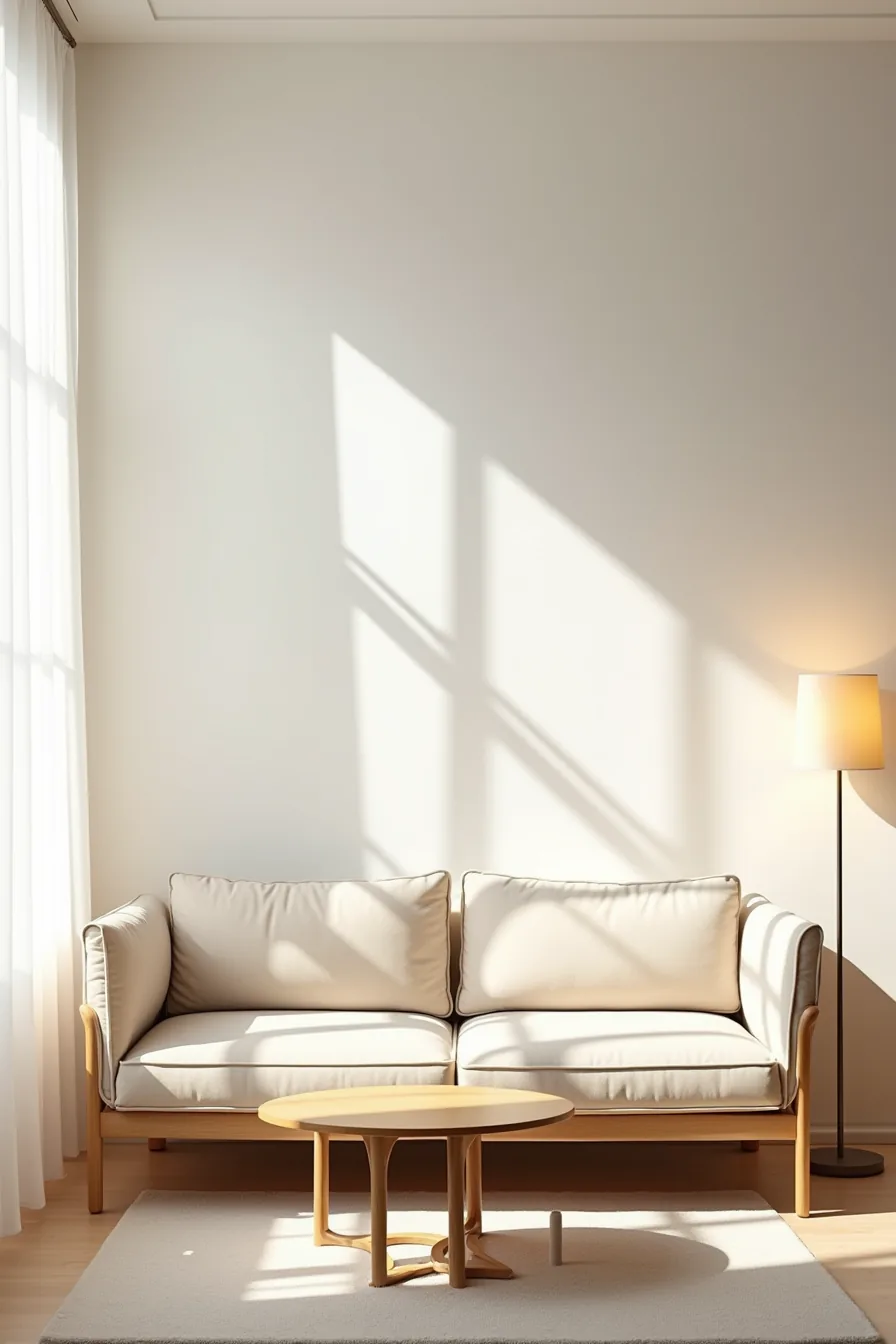
Proportion dictates whether a sofa anchors a room or overwhelms it. Against a 10-foot wall, a standard-depth sofa at 32-36 inches leaves roughly 7 feet of visible wall on either side, which reads as balanced without stretching the room. Scale the sofa’s depth to your walkway clearance first: you need 18-24 inches between the coffee table and sofa edge for comfortable movement, so measure that gap before you measure the sofa itself.
Arm height matters more than most buyers realize. A low-profile arm at 24 inches keeps sightlines open toward the ceiling line, making a normal 8-foot ceiling feel taller. Conversely, a high-back sofa with 28-inch arms will visually compress that same ceiling height, so reserve taller profiles for rooms with 9-foot-plus ceilings.
For small spaces under 150 square feet, you can push the sofa footprint to 80 percent of the wall length; in larger rooms, cap it at 70 percent to leave room for ancillary seating and circulation.
Statement or Subtle: Color and Texture as Design Anchors
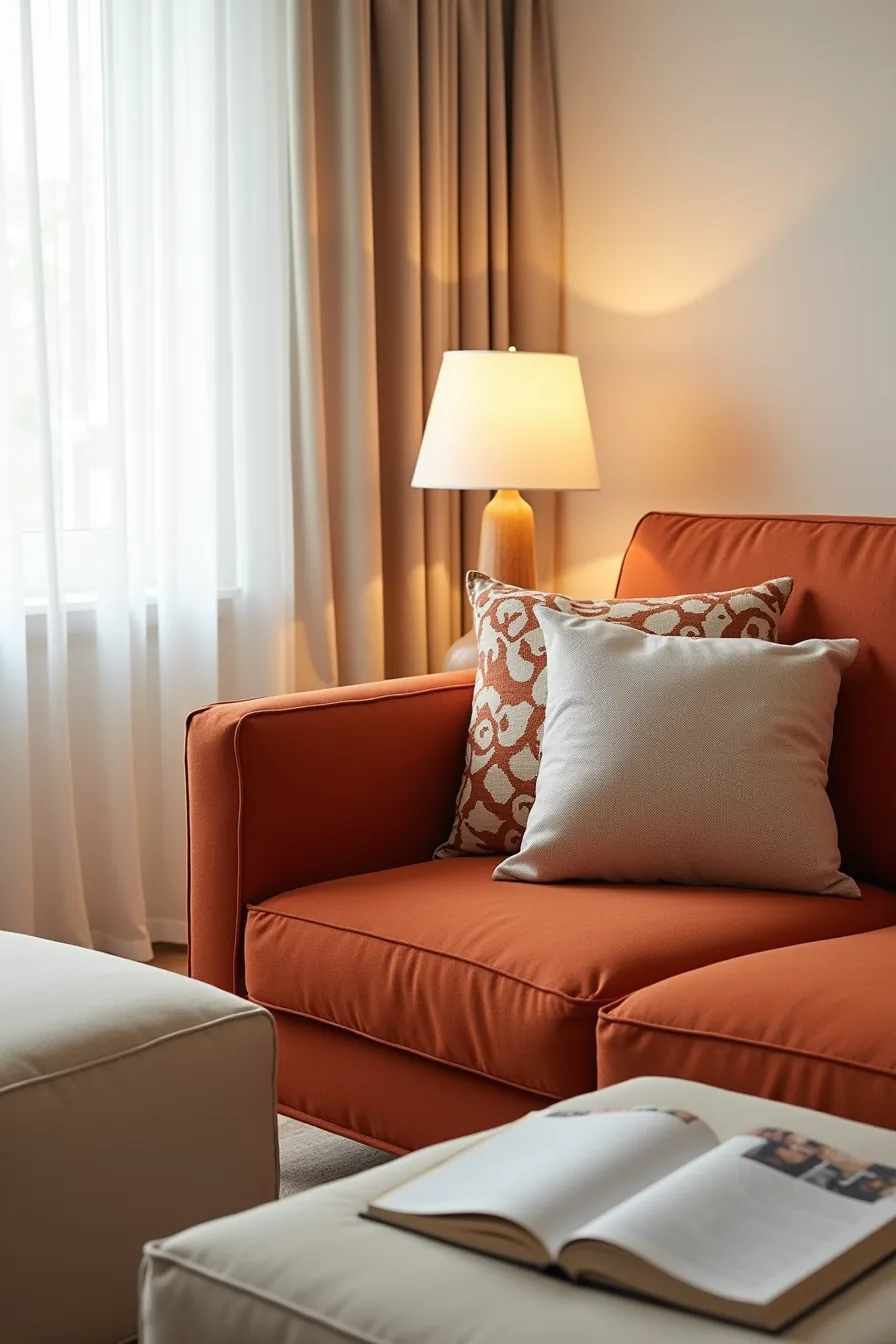
A rust-colored sofa in performance fabric works as a focal point because the color carries the visual weight, freeing you to keep everything else quiet. Performance weaves with visible texture hide daily wear better than smooth microfiber and resist fading in direct sunlight, but they cost 15-30 percent more than standard polyester blends. If you choose this route, commit to the hue across the room’s accents, or it will read as an accident rather than an intention.
The contrasting move is to make the sofa neutral and let texture do the talking. Layer a patterned pair of throw pillows against a linen ottoman to introduce pattern without competing with a bold frame. Neutral sofas in linen or textured cotton show wrinkles and pilling faster than tighter weaves, so budget for weekly fluffing and a fabric shaver if you want that relaxed look to stay intentional.
Subtle works best in rooms where artwork, rugs, or window treatments already compete for attention, adding a loud sofa there would create three focal points in a single sightline.
Budget Route: Refresh Sofa Style Without Changing the Room

A fitted slipcover is your highest-impact low-cost move, typically running $100–$300 for a quality cream linen blend on a standard three-seater. The key is fitted, a loose, drapey cover reads as laundry, not design, so look for one with elasticized corners and separate seat and back pieces. Expect to re-tuck and smooth it every few days, and avoid it entirely if your household includes pets with claws or kids who treat the sofa as a trampoline; the fabric will snag within weeks.
Layer four throw pillows in graduated sizes, two 18-inch squares, one 12×20 lumbar, and one 20-inch round, mixing one bold geometric print, one solid textured weave, and two complementary solids. This combination costs $60–$120 total and lets you shift the room’s palette seasonally without touching the sofa itself. Drape a folded throw blanket (choose chunky knit or waffle weave, not fleece) over the back corner to add visual weight and hide any slipcover bunching at the shoulder seam.
Finish by pulling the sofa 4–6 inches off the wall and angling one end toward a window, this single rearrangement changes how the seating reads, making the updated covers look like a deliberate styling choice rather than a budget patch.
Renter-Friendly Route: Stylish Sofa Solutions Without Commitment

Modular sofas are the renter’s smartest play, and the setup in view, three separate cushioned sections arranged in an L without a single fastener, proves the point. Each piece typically runs 36–40 inches wide, so you can reconfigure the layout in under ten minutes whenever your room’s function shifts. Because nothing is bolted together, you also get to skip the landlord conversation entirely, and every section travels flat in a sedan when lease season arrives.
Adhesive furniture pads underneath each section serve two jobs: they protect the floor for your security deposit walk-through and let you slide the arrangement around without lifting. Choose felt pads rated for heavy loads, standard 3-inch round versions hold up to 50 pounds each, and replace them annually, as compressed felt loses its glide. This unfastened setup suits renters who host differently week to week, or anyone still dialing in their layout before committing to a permanent anchor piece.
The trade-off: no integrated chaise lounge, so pair the three sections with a separate ottoman if you want full leg extension.
Investment Route: Long-Term Quality and Timeless Design

Flip that stylish sofa over and the price gap finally makes sense. Mortise-and-tenon joints at the arm connection, where the tenon fits snugly into the mortise socket, hold up to decades of sitting without loosening, unlike glue-and-staple frames that wobble within a few years. Eight-way hand-tied springs, visible beneath the upholstery opening, distribute weight evenly across the seat and bounce back properly instead of sagging like sinuous wire coils.
That tight, even stitching on high-grade leather or linen points to a hide or weave selected for 10–15 years of daily use. You’re paying roughly 2–3× the cost of a fast-fashion sofa for a piece that survives two moves and a reupholstery cycle. Choose this route when you want a single anchor you won’t replace for a decade-plus, and when your layout is settled, this isn’t a piece you’ll want to abandon when you relocate to a smaller or larger space.
Prioritize craftsmanship over trend when the sofa is the room’s immovable centerpiece, not a temporary fill-in.
Your 5-minute decision plan
Answer three questions before you browse: How many people will sit here daily? Will anyone eat or nap on this sofa? What’s your realistic cleaning schedule?
Your answers eliminate half your options immediately.
Then measure your doorway width and hallway clearance before you fall in love with anything. A gorgeous sofa that can’t reach your living room is just an expensive delivery problem.
Finally, order fabric swatches for your top three picks and live with them for a week. Natural light changes everything.
Bookmark our small living room layouts and sofa maintenance guide before you commit. Now measure that doorway.
Frequently Asked Questions
What measurements should I use to choose a sofa width for my living room?
Measure your wall minus 24–36 inches for clearance. For a standard room, allow 18–24 inches between the sofa and coffee table, and 30–48 inches of walkway behind it. Match sofa length to two-thirds of the wall.
Can I make a small sofa look more expensive without replacing it?
Yes. Add tailored slipcovers in heavyweight linen or velvet, swap legs for taller turned wood, and layer textured throw pillows. Tighten cushions with fiberfill inserts.
A low, wide coffee table grounds the piece visually.
How do I know if a curved or straight sofa will fit my space better?
Curved sofas need 12–18 inches extra clearance at each end for traffic flow and look best in rooms over 12 feet wide. Straight sofas suit narrow or rectangular spaces, fitting flush against walls and maximizing seating in tight corners.
What sofa materials hold up best in homes with pets or children?
Performance polyester, crypton, or microfiber resist stains and claws. Leather hides scratches and wipes clean but shows wear. Avoid velvet and linen blends, they snag and absorb marks.
Choose removable, machine-washable covers for daily messes.